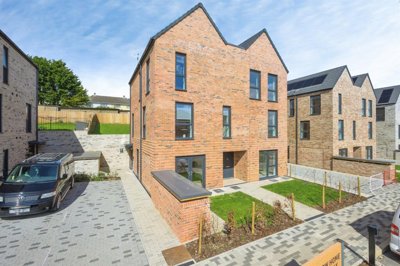
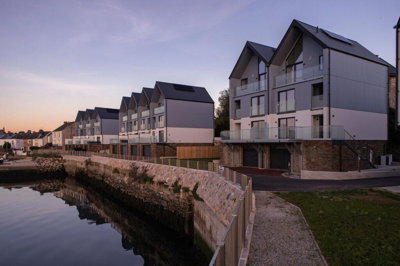
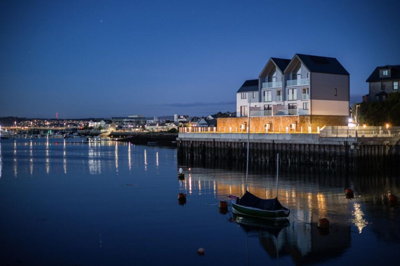
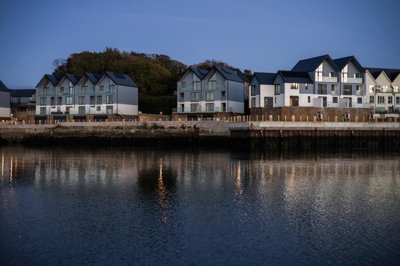
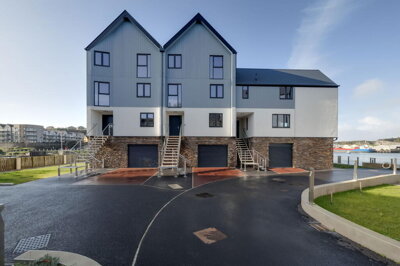
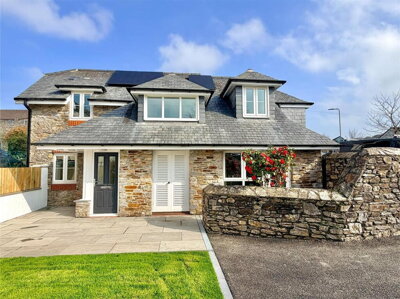
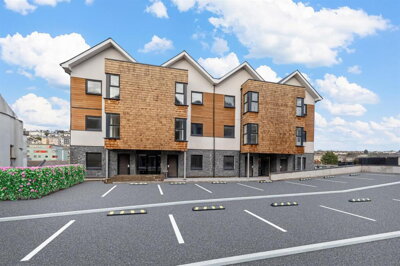
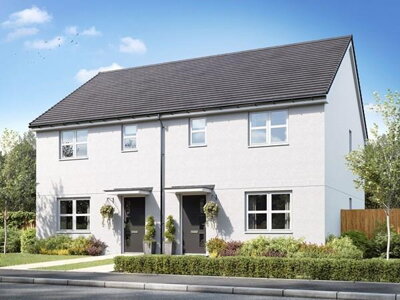
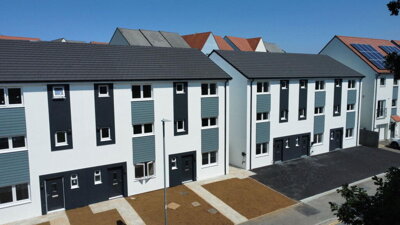
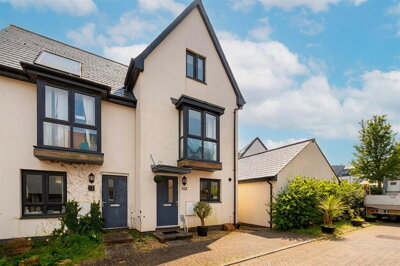
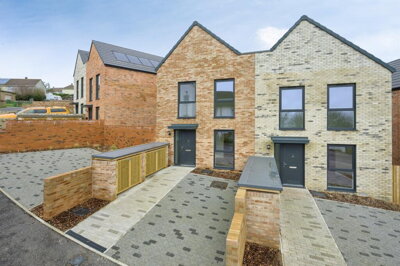
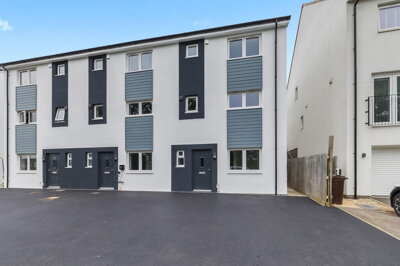
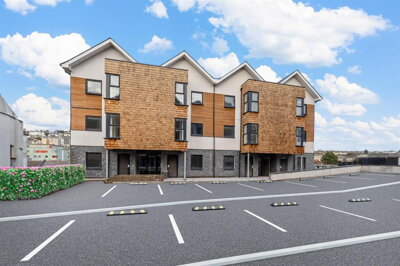
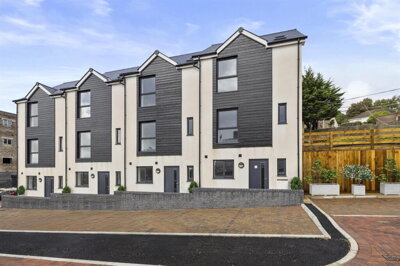
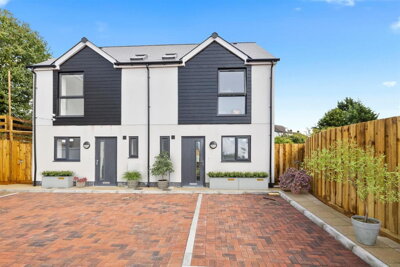
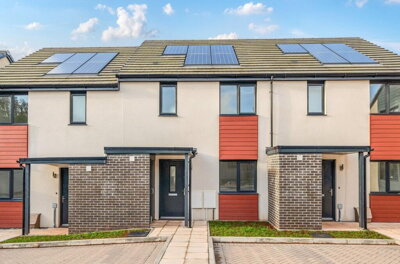
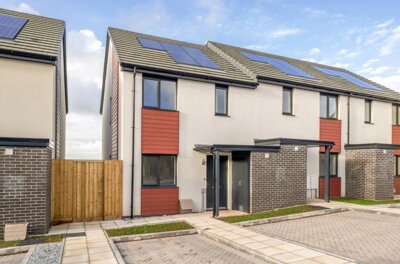
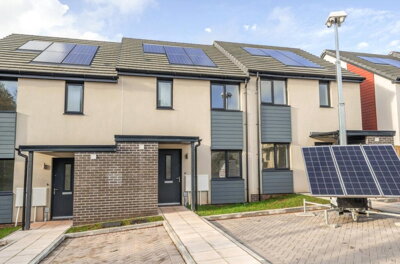
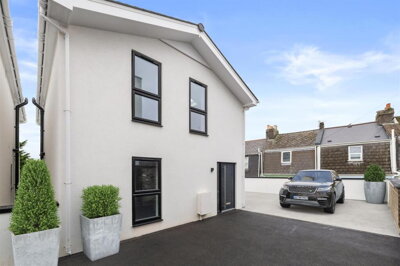
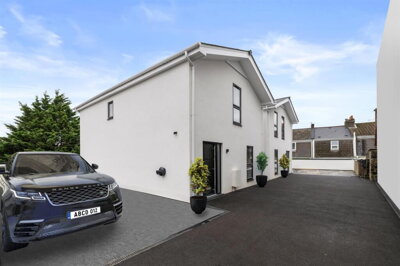
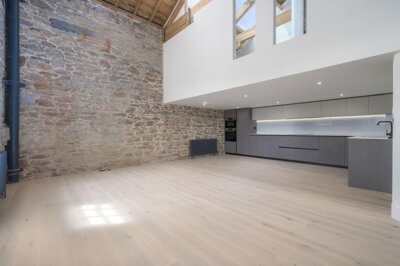
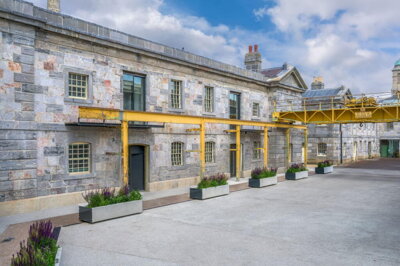
Browse 36 homes new builds in Plymouth, England from local developer agents.
£240k
1,229
89
94
Source: home.co.uk
Source: home.co.uk
Terraced
265 listings
Avg £261,806
Semi-Detached
203 listings
Avg £298,197
Apartment
174 listings
Avg £219,708
Flat
151 listings
Avg £151,531
Detached
102 listings
Avg £589,706
End of Terrace
97 listings
Avg £314,288
Ground Flat
30 listings
Avg £163,200
Detached Bungalow
27 listings
Avg £372,593
House
27 listings
Avg £379,074
Bungalow
25 listings
Avg £306,798
Source: home.co.uk
Source: home.co.uk
Plymouth's property market presents a diverse range of options for buyers, with three-bedroom homes comprising the largest segment at 35.6% of all listings. Two-bedroom properties follow at 24.9%, while four-bedroom homes account for 21.8% of available stock. One-bedroom flats represent just 6.7% of listings, making compact city centre accommodation particularly competitive for first-time buyers and investors seeking rental opportunities. Five-bedroom or larger homes comprise 11% of the market, offering generous space for families or those seeking character properties in established residential areas.
The market has experienced a notable shift in recent months, with available property numbers dropping by 20.2% compared to previous periods. This reduced supply has created more competitive conditions in certain segments, though buyers will be pleased to find that 7.1% of current listings have already undergone price reductions, averaging 65 days on the market. These adjustments present genuine opportunities for negotiated purchases. First-time buyers will find terraced houses particularly accessible, with several properties available below the £200,000 threshold, while those seeking character properties can explore the numerous Victorian and Edwardian homes scattered throughout conservation areas like Stoke and the historic waterfront districts.

Plymouth's city status with a population of approximately 264,695 according to the 2021 census gives it the scale to support excellent amenities while maintaining the welcoming character of a close-knit community. The city is organized into distinct neighbourhoods, each with its own identity. The Hoe waterfront draws both locals and visitors with its sweeping promenade and panoramic views across Plymouth Sound, while the Barbican preserve maintains the city's Elizabethan heritage with cobbled streets, independent shops, and excellent restaurants serving fresh seafood from the harbour. Mutley Plain offers vibrant nightlife and diverse dining options, while the suburbs of Plymstock and Plympton provide family-friendly environments with excellent schools and local shopping centres.
The city operates as its own unitary authority, distinct from the wider Devon county, giving Plymouth direct control over local services and planning decisions. Three rivers shape the geography of the area: the Plym flows through the eastern suburbs, the Tamar forms the western boundary with Cornwall, and the Yealm empties into the sea at Newton Ferrers to the east. The surrounding countryside includes the rugged beauty of the South Devon Area of Outstanding Natural Beauty, while Dartmoor National Park lies just twelve miles to the northeast, offering moorland walking, pony trekking, and outdoor pursuits throughout the year. The climate benefits from the Gulf Stream, providing milder winters than inland areas, though coastal weather can be changeable.

Plymouth offers comprehensive educational provision across all levels, making it an attractive location for families with children of varying ages. The city hosts numerous primary schools, many of which have earned good or outstanding Ofsted ratings, including Courtland Primary School near the Millbay district and Hooe Primary Academy in the eastern suburbs. Secondary education options include Plymouth High School for Girls, a well-established institution with strong academic results, and Coombe Dean School in Elburton serving students from Year 7 through to sixth form. Parents should research specific catchment areas, as admission policies can significantly impact school placement.
The University of Plymouth, situated overlooking the Sound, serves approximately 26,000 students and provides undergraduate and postgraduate courses across disciplines including marine science, engineering, arts, and health studies. The university maintains strong industry connections, particularly within the marine and maritime sectors, contributing to Plymouth's reputation as a centre for ocean research. Plymouth Marine Laboratory, an international centre of excellence in marine biology, further enhances the city's scientific credentials and provides research partnerships for university students. For vocational qualifications, City College Plymouth offers Further Education courses and apprenticeships, providing pathways into trades and professional careers.

Plymouth's location at the southern tip of England creates longer rail journeys to London and other major centres, but excellent services make commuting feasible for those working remotely or with flexible arrangements. Plymouth railway station provides regular Great Western Railway services to London Paddington with journey times of approximately three to three and a half hours. Bristol can be reached in around two hours, while Exeter services run hourly and take roughly one hour. CrossCountry trains operate services extending north to Birmingham, Manchester, and Edinburgh. For drivers, the A38 provides the main arterial route connecting Plymouth to Exeter and the national motorway network, while the A386 runs inland towards Tavistock.
Local public transport within Plymouth is served by a network of bus routes operated primarily by Plymouth City Bus, providing connections between residential areas, the city centre, Derriford Hospital, and major employment sites. Ferry services operate across the Hamoaze to Torpoint and Cremyll, offering alternative routes across the waterway. Plymouth Airport, located at Derriford, currently serves limited commercial flights but supports private aviation and flight training. For cyclists, the city has invested in improved cycle infrastructure, particularly along the waterfront, though hilly terrain in some areas presents challenges. Parking availability varies significantly by neighbourhood, with the city centre offering public car parks while residential areas like Stoke and Plymstock generally provide on-street parking.

Start by exploring our comprehensive listings to understand what is available within your budget. Plymouth's market offers diverse options from compact flats in the city centre to substantial family homes in suburbs like Plymstock, Plympton, and Stoke. Consider factors such as proximity to your workplace, schools if you have children, and access to the A38 or rail station for commuting.
Before scheduling viewings, contact our recommended mortgage advisors to obtain an Agreement in Principle. This document confirms how much lenders would potentially advance, strengthening your position when making offers. Plymouth's property prices from £135,000 for flats to over £400,000 for larger homes mean your deposit requirements and monthly payments will vary significantly.
Contact estate agents directly through our platform to arrange viewings of properties that match your criteria. Take time to explore the neighbourhood at different times of day, checking proximity to schools, shops, and transport links. Pay attention to the condition of properties, as Plymouth's older housing stock includes Victorian and Edwardian properties requiring varying levels of maintenance.
Once you have found a property and had an offer accepted, arrange a RICS Level 2 Survey or Level 3 Building Survey. This professional assessment identifies structural issues, defects, and renovation requirements. Given Plymouth's coastal location, surveys should specifically check for any signs of damp, timber issues, or coastal weathering on external elements.
Our recommended conveyancing solicitors handle the legal transfer of property ownership, conducting searches on the local authority, drainage and water checks, and preparing contracts. Your solicitor will liaise with the seller's representatives, manage the transfer of funds, and register your ownership with the Land Registry.
Once all searches are satisfactory and financing is confirmed, you will exchange contracts with the seller, committing to the purchase. Completion typically follows within 28 days, when the remaining funds transfer and you receive the keys to your new Plymouth home. Register your ownership with Land Registry and update your address with banks, employers, and utility providers.
Plymouth's coastal position requires buyers to consider specific factors when evaluating properties. Properties near the waterfront or in areas like Mount Batten and Plymstock should be checked for any history of flooding or damp penetration, particularly those with basements or ground-floor accommodation. The city has invested significantly in flood defences, but prospective buyers should review Environment Agency data and any relevant flood risk assessments before committing to a purchase in susceptible areas. Properties with sea views command premiums but also require more maintenance to protect against coastal weathering.
Several neighbourhoods in Plymouth have conservation area designations that impose restrictions on alterations, extensions, and planning permissions. The Stoke and Mainstone areas feature elegant Victorian and Edwardian architecture protected by these designations, preserving street scenes but limiting renovation options. Buyers seeking period properties should verify whether their potential home falls within a conservation area and understand the implications for future plans. Many terraced properties in areas like Compton and Stoke retain original features such as fireplaces, cornicing, and timber floors that contribute to their character but may require ongoing maintenance investment.
The tenure mix in Plymouth includes both freehold houses and leasehold flats, particularly in the city centre where modern apartment developments predominate. Leasehold properties typically involve annual service charges and may have ground rent clauses that escalate over time. Before purchasing any leasehold property, review the remaining lease term, current service charges, and any planned major works that might result in special assessment charges. Freehold terraced and semi-detached houses throughout Plymouth's residential suburbs offer more straightforward ownership structures with no ground rent or service charge concerns.

The average property price in Plymouth is approximately £249,992, while the median price stands at £205,000. Three-bedroom homes form the most common property type at 35.6% of listings, with prices typically ranging from £180,000 to £280,000 depending on location and condition. Detached four and five-bedroom homes in desirable suburbs like Plymstock and Plympton can command prices from £350,000 to over £500,000 for particularly spacious or recently renovated properties. Flats and one-bedroom apartments offer the most accessible entry point, with prices often starting below £120,000 for older stock or reaching £180,000 for modern city centre apartments.
Properties in Plymouth are assessed by Plymouth City Council, which operates as a unitary authority. Council tax bands range from Band A for the lowest-value properties, typically one and two-bedroom flats, through to Band H for the most valuable homes. Most three-bedroom semi-detached and terraced houses in Plymouth fall into Band B or C, with annual charges varying based on the band and any applicable exemptions or discounts. Prospective buyers can verify the specific band for any property through the Valuation Office Agency website or request this information during the conveyancing process.
Plymouth offers good educational options across all levels, with primary schools such as Hooe Primary Academy and Courtland Primary School receiving positive Ofsted judgments. Secondary schools including Plymouth High School for Girls and Coombe Dean School provide strong academic foundations, with many pupils progressing to the city's sixth form colleges or the University of Plymouth. The grammar schools located nearby in Devon, including Torquay Boys' Grammar and Torquay Girls' Grammar, attract families willing to navigate selective admission arrangements. Parents should verify current Ofsted ratings and admission catchment boundaries, as these can change and directly impact school placement eligibility.
Plymouth railway station offers regular services to London Paddington, Bristol, Exeter, and beyond, with London journeys taking approximately three to four hours. Bus services operated by Plymouth City Bus provide comprehensive local coverage across residential areas, the city centre, and key destinations including Derriford Hospital and the University. The city's location means car travel to major cities involves longer journey times than many other English cities, making proximity to the station a valuable consideration for regular commuters. For local travel, the flat terrain around the waterfront and Hoe areas makes cycling and walking viable options.
Plymouth's property market has shown resilience with property availability dropping 20.2%, which has created more balanced market conditions that can support price stability. The city's diversified economy, anchored by the University of Plymouth, Derriford Hospital, and maritime industries, provides employment that supports housing demand. Rental yields in Plymouth tend to be competitive compared to larger cities, with demand from students, young professionals, and MOD personnel at the naval base. However, investors should carefully research specific neighbourhoods and property types, as returns can vary significantly between the city centre apartment market and family housing in the suburbs.
Stamp Duty Land Tax applies to all residential purchases in England. For standard buyers purchasing a property at the current median price of £205,000, no SDLT would be due on the first £250,000 of the purchase price. First-time buyers purchasing properties up to £625,000 benefit from relief, paying zero duty on the first £425,000 and 5% on the amount between £425,000 and the purchase price. Properties above £925,000 attract higher rates of 10% on the portion between £925,000 and £1.5 million, and 12% above that threshold. Always verify current thresholds as they are subject to government review.
Properties in the Derriford and Crownhill areas benefit from proximity to Derriford Hospital, the largest employer in Plymouth and a major NHS teaching hospital. This location attracts medical staff, nurses, and healthcare workers seeking convenient commutes, supporting consistent demand for rental and purchase properties in the surrounding neighbourhoods. The Derriford Business Park adjacent to the hospital houses additional commercial employers, while the A386 provides direct road access to the city centre. Residential areas like Hartley and Manadon offer various property types from terraced houses to modern apartments within walking or cycling distance of the hospital.
From 4.5% APR
Compare mortgage rates from multiple lenders and find the best deal for your Plymouth property purchase
From £499
Expert solicitors to handle your property purchase and registration with Land Registry
From £350
Professional homebuyer report identifying defects and property condition issues
From £80
Energy performance certificate required for all property sales
Understanding the full costs of purchasing property in Plymouth helps buyers budget accurately and avoid surprises during the transaction process. The purchase price of £205,000 for an average Plymouth property falls comfortably within the lower SDLT brackets, meaning standard buyers would pay zero duty on the first £250,000. First-time buyers purchasing at this price point would benefit from first-time buyer relief, paying no SDLT at all given the price falls below the £425,000 threshold. For higher-value properties, such as a £400,000 family home in Plymstock, a first-time buyer would pay 5% on the portion between £425,000 and the purchase price, which would be zero as the price is below this threshold. A standard buyer would pay nothing on the first £250,000.
Beyond stamp duty, buyers should budget for solicitor conveyancing fees, typically ranging from £500 to £1,500 depending on complexity and whether the property is freehold or leasehold. Property searches conducted by solicitors, including local authority, drainage, and environmental searches specific to Plymouth, generally cost between £200 and £400. Survey costs vary based on property value and the level of inspection required, with RICS Level 2 surveys starting from around £350 for properties up to £500,000. Mortgage arrangement fees, if applicable, typically range from zero to £2,000 depending on the lender and product chosen, though many borrowers opt for fee-free mortgages with slightly higher interest rates. Buildings insurance must be in place from completion day, while removals costs depend on volume and distance. Setting aside approximately 3-5% of the purchase price for these additional costs provides a realistic contingency.

Properties New Builds In London

Properties New Builds In Plymouth

Properties New Builds In Liverpool

Properties New Builds In Glasgow

Properties New Builds In Sheffield

Properties New Builds In Edinburgh

Properties New Builds In Coventry

Properties New Builds In Bradford

Properties New Builds In Manchester

Properties New Builds In Birmingham

Properties New Builds In Bristol

Properties New Builds In Oxford

Properties New Builds In Leicester

Properties New Builds In Newcastle

Properties New Builds In Leeds

Properties New Builds In Southampton

Properties New Builds In Cardiff

Properties New Builds In Nottingham

Properties New Builds In Norwich

Properties New Builds In Brighton

Properties New Builds In Derby

Properties New Builds In Portsmouth

Properties New Builds In Northampton

Properties New Builds In Milton Keynes

Properties New Builds In Bournemouth

Properties New Builds In Bolton

Properties New Builds In Swansea

Properties New Builds In Swindon

Properties New Builds In Peterborough

Properties New Builds In Wolverhampton

Enter your details to see if this property is within your budget.
Loans, cards, car finance
Estimated property budget
Borrowing + deposit
You could borrow between
Typical borrowing
Monthly repayment
Est. at 4.5%
Loan-to-value
This is an estimate only. Your actual budget may vary depending on interest rates, credit history, and personal circumstances. For an accurate affordability assessment, speak to one of our free mortgage advisors.
This calculator provides estimates for illustrative purposes only and does not constitute financial advice. Your home may be repossessed if you do not keep up repayments on your mortgage. Estimates based on 4.5% interest rate, repayment mortgage. Actual rates depend on your circumstances.
Homemove is a trading name of HM Haus Group Ltd (Company No. 13873779, registered in England & Wales). Homemove Mortgages Ltd (Company No. 15947693) is an Appointed Representative of TMG Direct Limited, trading as TMG Mortgage Network, which is authorised and regulated by the Financial Conduct Authority (FRN 786245). Homemove Mortgages Ltd is entered on the FCA Register as an Appointed Representative (FRN 1022429). You can check registrations at NewRegister or by calling 0800 111 6768.

We use cookies to show you personalised content and improve your experience of our website. Find out more in our Privacy policy and Cookie policy.