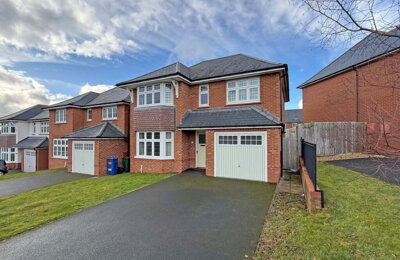
Browse 1 home new builds in Pentir, Gwynedd from local developer agents.
The Pentir property market offers detached, semi-detached, and terraced houses spanning various price ranges and neighbourhoods. Each listing includes detailed property information, photographs, and direct contact with the marketing agent.
£380k
9
0
141
Source: home.co.uk
Showing 9 results for Houses new builds in Pentir, Gwynedd. The median asking price is £380,000.
Source: home.co.uk
Detached
7 listings
Avg £448,571
Semi-Detached
1 listings
Avg £320,000
Terraced
1 listings
Avg £195,000
Source: home.co.uk
Source: home.co.uk
The West Halton property market offers a distinctive mix of housing types that reflects its character as a traditional North Lincolnshire village. Detached properties dominate the higher end of the market, with average prices around £300,000 for homes offering generous gardens and spacious accommodation. Semi-detached houses provide more accessible entry points at approximately £90,000, making them attractive options for first-time buyers and young families looking to establish themselves in the area. Terraced properties in the village typically command prices around £125,000, offering character and charm at competitive price points.
Market conditions in West Halton have experienced notable shifts over the past year, with average prices declining approximately 24-26% compared to the previous year according to Rightmove and PropertyResearch.uk data. Despite this adjustment from the 2022 peak of £336,500, the village remains an attractive location for buyers seeking value in North Lincolnshire. The Parish recorded 4 property sales in 2025 averaging £248,000, with 8 sales in 2024 averaging £241,000, indicating a stable volume of transactions in the local market. For buyers with patience and flexibility, this market correction presents opportunities to secure properties at more realistic valuations.
Historical sales data from West Halton Parish from 2018 onwards shows 21 detached property sales, 13 semi-detached sales, and 3 terraced sales, confirming the predominance of larger detached homes in the local housing stock. This composition affects the types of properties available to buyers at different price points, with semi-detached and terraced homes forming a smaller segment of the market. The relative scarcity of smaller properties means that affordable entry-level homes in the village can attract competitive interest from multiple buyers, particularly those seeking character properties at accessible prices. Understanding this dynamic helps buyers position themselves effectively when making offers on properties that meet their criteria.

West Halton embodies the essence of traditional English village life in rural North Lincolnshire, offering residents a close-knit community atmosphere that is increasingly rare in modern Britain. The village maintains its agricultural heritage while comfortably integrating contemporary amenities that serve everyday needs. Street names such as Old Row and Manor Court hint at the historical layers present throughout the parish, with properties ranging from historic workers' cottages to more recent developments built to accommodate growing local populations. The surrounding landscape consists of productive farmland and gentle rolling countryside that defines the western edge of North Lincolnshire.
The demographic makeup of West Halton reflects a balanced community comprising families, working-age couples, and older residents who have established deep roots in the area over generations. This mix creates a community fabric where neighbours often know one another and local events bring residents together throughout the year. The village benefits from its proximity to Scunthorpe, approximately 10 miles away, providing residents with access to larger shopping centres, healthcare facilities, and entertainment options while returning home to the tranquility of village life each evening. Local amenities within West Halton and the surrounding small villages include traditional pubs, community halls, and local shops that serve as gathering points for community events and social activities throughout the year.
The absence of major new build developments within West Halton itself contributes to the village's established character and mature street scenes. Unlike some neighbouring areas that have seen housing expansion, West Halton retains its traditional scale and proportion, which many buyers find appealing. Properties here tend to be established homes with established gardens and mature boundaries, rather than new-build homes with modern finishes but smaller outdoor spaces. This characteristic influences the types of properties available, with most stock comprising brick-built homes constructed using traditional methods common throughout North Lincolnshire, ranging from period properties to homes built in the latter decades of the twentieth century.

Families considering a move to West Halton will find a selection of educational options available within reasonable travelling distance across the North Lincolnshire area. Primary education is accessible through village schools in the surrounding parishes, with several schools rated positively by Ofsted serving the local community. Parents should research specific catchment areas and admission policies, as school places are allocated based on proximity and availability in this rural region. The smaller class sizes often found in village primary schools can provide children with valuable individual attention and a strong foundation in core subjects.
Secondary education options in the region include schools in Scunthorpe and surrounding towns, with several institutions offering diverse curricula and extracurricular programmes. Sixth form provision is available at secondary schools and colleges in nearby Scunthorpe, providing students with clear pathways to higher education or vocational qualifications. For families prioritising educational outcomes, researching individual school performance data and visiting potential schools during open days can provide valuable insights into which institutions would best suit your children's needs and aspirations. The commute to secondary schools typically involves transport arrangements, either through school bus services or family transportation, so factoring this into daily routines is important when choosing a property in West Halton.
For families relocating from urban areas, the educational landscape in rural North Lincolnshire may differ from what they have experienced previously. Village primary schools often have strong community connections and may offer different extracurricular opportunities compared to larger urban schools. Secondary schools in Scunthorpe typically provide broader subject choices and specialist facilities, but require daily travel. Understanding how these arrangements affect family logistics and children's social lives helps buyers make informed decisions about the practical implications of school choices when moving to West Halton.
Transport connections from West Halton centre on road networks that link the village effectively to surrounding towns and cities across the region. The A15 trunk road passes nearby, providing direct access to Scunthorpe approximately 10 miles to the east and extending south to Peterborough and beyond. For commuters working in Scunthorpe's industrial sector, which remains an important employer in North Lincolnshire, the journey time by car is typically under 30 minutes under normal traffic conditions. The M180 motorway is accessible within reasonable driving distance, connecting the area to Hull, Doncaster, and the broader motorway network serving northern England.
Public transport options serving West Halton include bus routes connecting the village to Scunthorpe and other nearby settlements, though service frequencies may be limited compared to urban areas. Residents without private vehicles should factor transport availability into their daily routines and consider the practicalities of rural commuting. For those working in larger cities such as Sheffield or Hull, the driving commute is feasible though requires planning, with typical journey times of 60-90 minutes depending on final destination and traffic conditions. The nearest railway stations can be found in larger towns, providing connections to the national rail network for longer-distance travel.
The road infrastructure serving West Halton has historically supported the village's connection to the wider region, though prospective residents should be aware that rural roads may require more maintenance attention than urban streets. Country lanes approaching and surrounding the village may be narrower than urban roads, which affects visibility and requires appropriate caution when driving. During winter months, rural road conditions can deteriorate more rapidly than main roads, so planning for seasonal variations in travel conditions is advisable when considering West Halton as a base for commuting or daily activities.
Properties in West Halton predominantly feature traditional brick construction methods common throughout North Lincolnshire, reflecting building practices established over many decades in this part of England. The village's housing stock includes a variety of construction types, from historic workers' cottages with solid brick walls and traditional pitched roofs to more recent properties built with cavity wall insulation and modern building techniques. Understanding the construction methods used in local properties helps buyers appreciate why surveys are particularly valuable for this type of housing, as older properties may exhibit characteristics that require professional assessment.
The geology of North Lincolnshire includes areas with clay soils, which can present challenges for property owners through shrink-swell movement affecting foundations over time. While no specific geological data was identified for West Halton itself, the broader regional geology means that properties in the area may be subject to ground movement considerations, particularly during periods of drought or heavy rainfall. Our inspectors frequently encounter evidence of this type of movement in surveys across North Lincolnshire, including crack patterns in walls and doors that stick or fail to close properly. Having a professional survey conducted before purchase helps identify any structural concerns related to ground conditions.
Many properties in West Halton are likely to be over 50 years old, given the village's established character and the absence of significant new build development in recent years. Older properties typically require more thorough inspection due to the potential for obsolete electrical systems, aging heating infrastructure, and original building components that may need replacement or upgrading. Traditional construction techniques used in older North Lincolnshire homes, such as lime mortar pointing rather than cement, require specific maintenance approaches that differ from modern building standards. A RICS Level 2 survey provides detailed assessment of these older property characteristics, helping buyers understand the true condition of their potential new home.
Begin your property search by exploring current listings in West Halton and understanding price trends across different property types. With prices ranging from £90,000 for semi-detached homes to £300,000 for detached properties, identifying your budget and priority features will help narrow your search effectively. Review recent sales data and Parish records to understand what similar properties have sold for recently in the village and surrounding area.
Before arranging viewings, contact lenders to obtain a mortgage agreement in principle that confirms your borrowing capacity. This strengthens your position when making offers and demonstrates to sellers that you are a serious, qualified buyer with financing in place. Given the varied property values in West Halton, from entry-level terraced homes to premium detached properties, understanding your lending ceiling helps set realistic expectations.
Visit properties that match your requirements, taking time to assess the condition of the building, neighbourhood atmosphere, and proximity to local amenities. Consider visiting at different times of day to understand traffic patterns, noise levels, and community dynamics. Take photographs and notes during viewings to help compare properties later in the decision-making process.
Once your offer is accepted, arrange a Level 2 Homebuyer Report to assess the property condition thoroughly. This survey identifies defects, structural concerns, and maintenance issues that may affect your purchase decision or provide negotiating leverage for price adjustments. For older properties in West Halton, the Level 2 survey is particularly valuable given the potential for age-related issues in the local housing stock.
Appoint a solicitor to handle the legal aspects of your purchase, including searches, contract review, and registration of ownership. Your solicitor will liaise with the seller's representatives and coordinate the transaction through to completion. Local searches will include checks on planning history, local authority matters, and environmental factors relevant to North Lincolnshire properties.
Finalize your mortgage, complete all legal documentation, and transfer funds to complete your purchase. On completion day, you receive the keys to your new West Halton home and can begin settling into your new community. Allow time for utility transfers and address notifications to ensure a smooth transition to your new property.
Property buyers considering West Halton should pay particular attention to the construction and condition of homes given the rural North Lincolnshire setting. Traditional brick construction is prevalent throughout the village, with properties varying considerably in age from historic cottages to modern developments. When viewing properties, assess the roof condition, evidence of damp or structural movement, and the condition of windows and doors, particularly in older properties that may require updating of electrical systems or heating infrastructure. Our team has extensive experience surveying properties across North Lincolnshire and understands the typical characteristics of local housing stock.
Flood risk should form part of your due diligence when purchasing in North Lincolnshire, as the region's topography and proximity to watercourses can create localised flood concerns. While no specific high-risk designations were identified for West Halton, arranging a detailed flood risk assessment and reviewing the property's history regarding water ingress provides valuable protection for your investment. Your survey report should flag any concerns regarding drainage, ground conditions, or historical flooding that warrant further investigation before commitment. The proximity of West Halton to the River Trent and surrounding water networks means that general awareness of flood risk factors is prudent for any property purchase in the area.
Planning restrictions and permitted development rights can affect how you may use or modify a property after purchase, so reviewing the local planning register is advisable. The proximity to agricultural land means rural considerations such as noise from farming operations, occasional traffic on country lanes, and the management of natural boundaries may influence your enjoyment of the property. Understanding these characteristics helps set realistic expectations and ensures compatibility with your lifestyle preferences. Properties bordering farmland may have larger gardens but also require boundary maintenance responsibilities that urban buyers may not have anticipated.
The age and construction of many West Halton properties means that specific defects are commonly encountered during surveys. Properties with solid brick walls may have older damp courses that could require renewal, while traditional roof constructions using original tiles or slates may show signs of wear after decades of exposure to North Lincolnshire weather. Electrical systems in older properties often pre-date modern safety standards and frequently require partial or complete rewiring before meeting current regulations. Heating systems similarly may be original or aging, presenting opportunities to upgrade to more efficient modern alternatives. Identifying these issues through a professional survey before purchase allows buyers to factor potential costs into their offer or renegotiate the purchase price accordingly.
Average house prices in West Halton vary depending on the source and measurement period, with Rightmove reporting approximately £147,500 and Zoopla indicating around £212,500 over the past 12 months. Recent Parish data shows 4 property sales in 2025 averaging £248,000, with detached properties averaging £300,000, semi-detached around £90,000, and terraced properties approximately £125,000. The market has experienced a correction of approximately 24-26% from previous highs, creating opportunities for buyers seeking value in this North Lincolnshire village. Historical Parish records from 2018 onwards show consistent transaction volumes across different property types, with detached properties accounting for the majority of sales at 21 transactions compared to 13 semi-detached and 3 terraced sales.
Properties in West Halton fall under North Lincolnshire Council administration, with council tax bands ranging from A through to H depending on the property's assessed value. Most standard family homes in the village typically fall within bands A to C, which correspond to lower-value properties. The semi-detached and terraced properties that dominate the lower price brackets in West Halton commonly fall into band A or B, meaning annual charges are among the most affordable in the region. Prospective buyers should check the specific banding for any property they are considering, as this affects ongoing annual costs and should be factored into the overall budget for home ownership.
West Halton is served by primary schools in the surrounding rural parishes, with several options accessible within a short drive for families with younger children. Schools in nearby villages such asalkyl and the surrounding parishes provide primary education within reasonable travelling distance, with some institutions receiving positive Ofsted ratings for teaching quality and pupil outcomes. Secondary education is primarily provided by schools in Scunthorpe, which offer a broader range of GCSE and A-level programmes along with specialist facilities that smaller rural schools cannot match. Parents should research individual school Ofsted ratings, performance data, and catchment area boundaries to identify the most suitable options for their children's education, as admission policies can be competitive in popular rural areas.
Public transport connectivity in West Halton reflects its rural village character, with bus services providing connections to Scunthorpe and nearby villages, though frequencies may be limited compared to urban areas. Service routes typically operate at intervals suitable for occasional travel rather than daily commuting, so residents working regular office hours should consider whether bus timetables align with their work schedules. The nearest railway stations are located in larger towns within the region, offering connections to the national rail network for travel to cities including Sheffield, Hull, and Lincoln. For daily commuting or regular travel, private vehicle ownership is generally considered essential in this location, though occasional bus services can supplement travel needs for those without cars.
West Halton offers a solid foundation for property investment given its attractive rural setting, reasonable property values compared to national averages, and proximity to Scunthorpe's employment base. The village benefits from consistent demand driven by families seeking village lifestyles and first-time buyers entering the market at accessible price points. The absence of significant new build development in West Halton itself means that existing properties maintain a degree of scarcity value, as the village's character and scale limit the potential for large-scale housing expansion. While the market has experienced recent price corrections, the fundamental appeal of North Lincolnshire village living and limited new housing supply suggest long-term stability for property values in the area.
Stamp duty Land Tax rates for 2024-25 apply zero percent duty on the first £250,000 of residential property purchases, five percent on the portion between £250,001 and £925,000, ten percent on amounts up to £1.5 million, and twelve percent above that threshold. First-time buyers benefit from relief on the first £425,000, with five percent applying between £425,001 and £625,000. Given that most West Halton properties fall within the lower price brackets, many buyers will pay minimal or no stamp duty, though properties at the higher end of the local market may incur duty on amounts above the relevant thresholds. A typical terraced property at £125,000 would attract no stamp duty, while a detached home at £300,000 would incur duty only on the £50,000 portion exceeding the £250,000 threshold.
No active new-build developments specifically within the West Halton postcode area were found, and Rightmove and Zoopla listings for new homes in the village typically refer to properties in the broader Scunthorpe or North Lincolnshire area rather than within West Halton itself. This absence of new build stock contributes to the village's established character but also means that buyers seeking brand-new properties with modern construction standards would need to look outside West Halton. For buyers prioritising character and established neighbourhood environments over new-build finishes, this characteristic of the local market may be seen as a positive rather than a limitation. Properties in West Halton that appear relatively modern will typically be several decades old rather than newly constructed.
From £400
A detailed inspection ideal for conventional houses and flats
From £500
A comprehensive survey for older or complex properties
From £85
Energy performance certificate for your property
From £499
Solicitors for your property purchase
From 4.5%
Compare mortgage deals available
Understanding the full costs of purchasing property in West Halton helps you budget accurately and avoid unexpected expenses during the transaction. Beyond the property purchase price, buyers should budget for stamp duty Land Tax, solicitor fees averaging £500-£1,500 for conveyancing work, and survey costs ranging from £400-£900 depending on property size and report type. Removal expenses, mortgage arrangement fees, and potential renovation costs should also factor into your financial planning to ensure a smooth move into your new home.
The good news for West Halton buyers is that the majority of properties in the village fall within price ranges where stamp duty either does not apply or applies only to a portion of the purchase price. For a typical semi-detached property around £90,000, no stamp duty would be payable under current thresholds. Even for higher-value detached homes averaging £300,000, the duty would apply only to the amount exceeding £250,000, resulting in a relatively modest tax liability. First-time buyers purchasing properties up to £425,000 benefit from enhanced relief that eliminates duty on the first £425,000 of their purchase, potentially removing this cost entirely for many properties in the village.
Survey costs represent a particularly important budget item for West Halton buyers given the age and construction of many local properties. A RICS Level 2 Homebuyer Report typically costs between £400 and £900 depending on the size and value of the property, with larger detached homes at the higher end of the local market attracting correspondingly higher survey fees. While this represents an upfront cost, the investment can prove valuable by identifying defects that might otherwise be discovered after purchase, potentially saving thousands in unexpected repair bills. For older properties with original features or construction that may require specialist assessment, budgeting for additional investigation costs beyond the standard survey fee is prudent.
Properties New Builds In London

Properties New Builds In Plymouth

Properties New Builds In Liverpool

Properties New Builds In Glasgow

Properties New Builds In Sheffield

Properties New Builds In Edinburgh

Properties New Builds In Coventry

Properties New Builds In Bradford

Properties New Builds In Manchester

Properties New Builds In Birmingham

Properties New Builds In Bristol

Properties New Builds In Oxford

Properties New Builds In Leicester

Properties New Builds In Newcastle

Properties New Builds In Leeds

Properties New Builds In Southampton

Properties New Builds In Cardiff

Properties New Builds In Nottingham

Properties New Builds In Norwich

Properties New Builds In Brighton

Properties New Builds In Derby

Properties New Builds In Portsmouth

Properties New Builds In Northampton

Properties New Builds In Milton Keynes

Properties New Builds In Bournemouth

Properties New Builds In Bolton

Properties New Builds In Swansea

Properties New Builds In Swindon

Properties New Builds In Peterborough

Properties New Builds In Wolverhampton

Enter your details to see if this property is within your budget.
Loans, cards, car finance
Estimated property budget
Borrowing + deposit
You could borrow between
Typical borrowing
Monthly repayment
Est. at 4.5%
Loan-to-value
This is an estimate only. Your actual budget may vary depending on interest rates, credit history, and personal circumstances. For an accurate affordability assessment, speak to one of our free mortgage advisors.
This calculator provides estimates for illustrative purposes only and does not constitute financial advice. Your home may be repossessed if you do not keep up repayments on your mortgage. Estimates based on 4.5% interest rate, repayment mortgage. Actual rates depend on your circumstances.
Homemove is a trading name of HM Haus Group Ltd (Company No. 13873779, registered in England & Wales). Homemove Mortgages Ltd (Company No. 15947693) is an Appointed Representative of TMG Direct Limited, trading as TMG Mortgage Network, which is authorised and regulated by the Financial Conduct Authority (FRN 786245). Homemove Mortgages Ltd is entered on the FCA Register as an Appointed Representative (FRN 1022429). You can check registrations at NewRegister or by calling 0800 111 6768.

We use cookies to show you personalised content and improve your experience of our website. Find out more in our Privacy policy and Cookie policy.