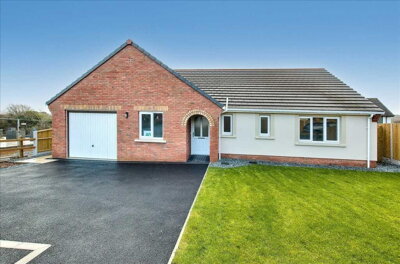
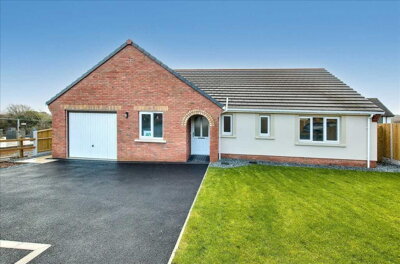
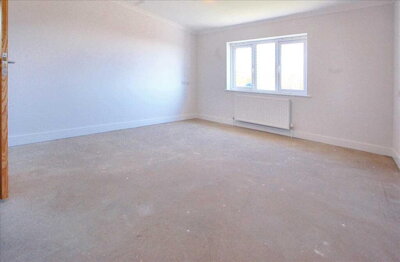
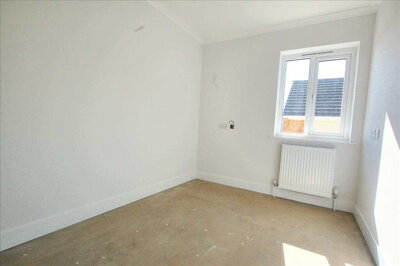
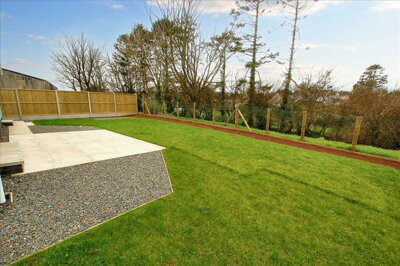
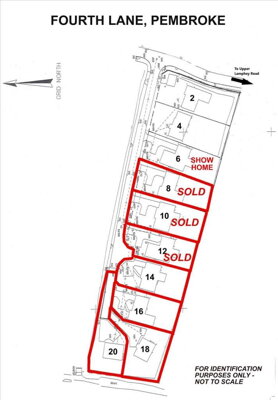
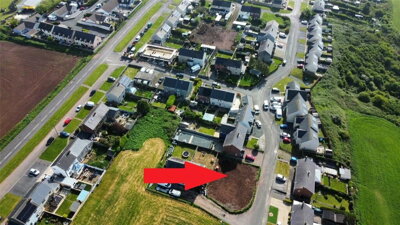
Browse 7 homes new builds in Pembroke, Pembrokeshire from local developer agents.
The Pembroke property market offers detached, semi-detached, and terraced houses spanning various price ranges and neighbourhoods. Each listing includes detailed property information, photographs, and direct contact with the marketing agent.
£210k
32
0
122
Source: home.co.uk
Showing 32 results for Houses new builds in Pembroke, Pembrokeshire. The median asking price is £210,000.
Source: home.co.uk
Terraced
17 listings
Avg £172,647
Detached
10 listings
Avg £311,000
Semi-Detached
5 listings
Avg £220,989
Source: home.co.uk
Source: home.co.uk
Porthmadog property listings showcase the rich diversity of housing stock in this historic harbour town, with properties ranging from compact Victorian terraces to substantial period homes built for sea captains and shipping agents during the 19th-century slate boom. Terraced properties dominate the market, reflecting the Victorian and Edwardian development that shaped the town centre during the height of the slate export era. These two-up-two-down homes on streets like Madock Street and High Street offer authentic period features including original fireplaces, sash windows, and exposed stonework that appeal to buyers seeking character properties with renovation potential.
Semi-detached homes in Porthmadog typically command around £195,000, offering families more space with the convenience of a manageable garden and off-street parking that proves invaluable during the busy summer tourist season. Detached properties represent the premium end of the local market, with prices averaging £250,000 for homes that often feature generous plots, modern kitchen-diners, and views towards the surrounding mountains or the Glaslyn estuary. The majority of the housing stock dates from the 19th century, with properties built using traditional Welsh construction methods incorporating local stone and brickwork that reflect the materials readily available from the slate quarries and coastal geology of the area.
New build activity in the area has been limited, with the most significant recent development being the Hafod Y Gest Extra Care Housing scheme completed in December 2018, providing 40 self-contained apartments for the over-55s. This £7.5 million development replaced an ageing care home and represents the only major new residential construction in the town centre in recent years. The lack of new build supply means that buyers in Porthmadog are largely purchasing from the existing housing stock, making thorough property surveys particularly valuable given the age of many homes and the potential for hidden defects.
Life in Porthmadog revolves around its unique position where the Welsh mountains meet the sea, offering residents an extraordinary quality of life that draws people from across the UK. The town functions as a crucial service centre for the surrounding area, with a population of approximately 4,134 within the built-up area and a wider catchment of around 12,184 residents who rely on its shops, restaurants, and facilities. The harbour remains the focal point of community life, where fishing boats, pleasure craft, and the historic Ffestiniog Railway trains create a constantly changing scene that has captivated visitors and residents for generations. The town was established on land reclaimed from the sea in 1811 with the construction of The Cob, which prevents tidal water from reaching further inland and remains a defining feature of the local landscape.
The local economy is heavily influenced by tourism, with over 13,000 bedspaces available in the surrounding area, the majority provided by caravan parks that cluster along the coast at venues including Caerws Caravan Park and Plascoed Parc. This tourism sector supports a thriving high street with independent shops, cafes, and galleries that give Porthmadog a distinctly Welsh character far removed from generic town centre blandness. The proximity to Snowdonia National Park places world-class hiking, climbing, and outdoor activities within easy reach, while the coastline offers sailing, kayaking, and beach walks at nearby Borth-y-Gest and Black Rock Sands. Local builders merchants including Travis Perkins and Huws Gray serve both residents and the tourism infrastructure, providing employment and supporting the local economy.
Community life in Porthmadog is enhanced by regular events including the annual Slate Town Summer Festival and Christmas lights switch-on, alongside weekly markets and the Saturday morning market at Tremadog. The 2021 Census recorded 3,063 households in the area, with 41% being one-person households and 32% comprising two people, reflecting the mix of retired couples, young professionals, and families that call the town home. The town benefits from a comprehensive range of amenities including medical centres, dental practices, pharmacies, banks, and a choice of supermarkets and convenience stores. However, the area faces significant challenges, with the median family income of approximately £27,419 falling well short of the £37,357 required to afford an entry-level property on the current market, meaning that around 66% of local households have been effectively priced out of homeownership.

Education provision in Porthmadog serves families from the harbour town itself and the surrounding villages across the lower Gwynedd area, with the system reflecting the strong Welsh language heritage that characterises this part of North Wales. The primary school serving the town centre is Ysgol Tremadog, a Welsh-medium school located in the adjacent village of Tremadog that forms part of the Porthmadog community. This school provides education from nursery age through to Year 6 and embodies the Welsh language and cultural heritage that parents often seek when relocating to this part of Gwynedd. Parents should verify current catchment area arrangements and admissions criteria with Gwynedd Council, as these can change and may influence property choices in particular streets or neighbourhoods.
For secondary education, pupils typically attend Ysgol Eryri in Caernarfon or travel to secondary schools in Bangor, Pwllheli, or Dolgellau, depending on catchment areas and transport arrangements. These schools offer GCSE and A-Level programmes, with sixth form provision varying by institution. Given the rural nature of the surrounding area and the distances involved, school transport becomes an important practical consideration for families, with journey times to secondary schools potentially taking 30-45 minutes by bus depending on the specific school and home address. The Ffestiniog and Welsh Highland Railways Heritage Centre provides an educational resource that gives local students unique insights into industrial heritage and engineering, while the surrounding mountains and coastline offer outstanding outdoor education opportunities through school partnerships with local activity centres.
Further education options in the region include Coleg Menai with campuses in Bangor, Caernarfon, and Holyhead, offering vocational courses, apprenticeships, and degree programmes across a wide range of subjects. For higher education, Bangor University provides a comprehensive range of undergraduate and postgraduate courses and is easily accessible from Porthmadog via the A487 coast road or by train on the Cambrian Coast Line. Families moving to Porthmadog should factor school transport arrangements into their property search, prioritising locations with good bus connections to secondary schools if their children will be using public transport rather than being driven.
Transport connections from Porthmadog reflect its position as a gateway between the mountains and the sea, offering road, rail, and bus services that connect the town to the wider region. The A497 road provides the main artery through the town, connecting Porthmadog to Pwllheli to the west and through to Caernarfon and the A55 North Wales Expressway to the east. The A487 runs north-south through the town, providing access to Bangor and the ferry ports of Holyhead, with the journey to Bangor taking approximately 45 minutes by car under normal traffic conditions. The nearby Minffordd Quarry and ongoing tunnel projects in the area indicate continued infrastructure investment in the region, though road conditions in the narrower lanes approaching the town can be challenging during peak season.
Porthmadog railway station sits on the Cambrian Coast Line operated by Transport for Wales, offering direct services north to Caernarfon, Bangor, and Holyhead, and south along the coast through Barmouth and Machynlleth to Shrewsbury and beyond. Journey times include approximately 45 minutes to Bangor, just over an hour to Chester, and around three hours to Birmingham New Street, making day trips or commuting to larger employment centres feasible for those who work flexibly or remotely. The station is also the western terminus of the Ffestiniog Railway, the narrow gauge heritage railway that winds through the mountains to Blaenau Ffestiniog, providing both a tourist attraction and a practical transport option for residents seeking to travel inland.
Local bus services operated by Arriva Buses Wales and local operators provide connections to surrounding villages and towns, though frequencies are limited on less popular routes, particularly in the evenings and at weekends. The Rhiw Goch service connects Porthmadog with Caernarfon via less direct routes, while services to Dolgellau and the inland communities are less frequent. Parking in the town centre can be challenging during peak tourist season from Easter through October, though several car parks are available including the harbour-side facilities at Lombard Street. For commuters, the train service to Bangor and Chester provides a realistic option for those working in these larger towns while maintaining a harbour-town lifestyle, though advance planning is advisable given the limited service frequency on some routes.
Before viewing any properties in Porthmadog, obtain a mortgage agreement in principle from a lender. This demonstrates your purchasing power to estate agents and gives you a clear budget for your search. Given the median property prices in the area, most buyers will need mortgages of £150,000 to £230,000, though exact requirements vary depending on the property type and your deposit size. First-time buyers should also check their eligibility for government schemes including Lifetime ISA bonuses and shared ownership options where available.
Spend time exploring Porthmadog's different neighbourhoods, from the harbour-side properties near Lombard Street to the terraces of Madock Street and the coastal views available around Borth-y-Gest. Consider factors including flood risk areas given the town's coastal position, conservation zone restrictions particularly in Borth-y-Gest where planning controls are more stringent, proximity to schools, and the impact of seasonal tourism on different parts of the town. Understanding these local factors will help you identify properties that genuinely meet your needs and avoid unwelcome surprises after purchase.
Once you have identified properties of interest through Homemove, contact the listed estate agents to arrange viewings. Porthmadog estate agents know the local market intimately and can provide insights into properties beyond what appears in listings, including information about past sales in the street, the history of the building, and any issues that have arisen during previous transactions. During viewings, pay particular attention to signs of damp which is common in older properties given the high rainfall in this part of Wales, roof condition, and any indication of past flooding issues given the town's position on reclaimed land at the mouth of the Afon Glaslyn.
For any property you seriously consider purchasing, especially older homes built in the Victorian or Edwardian periods that make up much of Porthmadog's housing stock, a RICS Level 2 Survey is essential. This detailed assessment identifies structural issues, damp problems, outdated electrics, and other defects that may not be apparent during a standard viewing. Survey costs typically range from £400 to £800 depending on property value and size, with homes above £500,000 averaging around £586 and 4-bedroom properties typically costing around £495 for a comprehensive survey.
Your solicitor will handle all legal aspects of the purchase including local searches, title checks, and contract preparation. Look for a conveyancer with experience in Welsh property transactions, as some legal processes differ from those in England, particularly regarding Land Transaction Tax calculations that apply in Wales rather than Stamp Duty. They will also deal with the Land Transaction Tax calculations applicable in Wales and coordinate with your mortgage lender's legal team, including any requirements related to properties in flood risk areas or listed building status.
Once all searches are satisfactory, your mortgage is approved, and both parties have agreed on terms, contracts are exchanged and a completion date is set. On completion day, the remaining funds are transferred and you receive the keys to your new Porthmadog home. Allow time for setting up utilities, redirecting post, and registering with local services including GPs, dentists, and schools if applicable. Budget for immediate costs such as changing locks, potential minor repairs, and moving expenses to ensure a smooth transition to life in your new home.
Flood risk is perhaps the most critical environmental factor to consider when purchasing property in Porthmadog, given the town's position on reclaimed land at the mouth of the Afon Glaslyn and Y Cyt rivers. The harbour area including Lombard Street and High Street falls within a Flood Warning Area, and an updated flood model published in 2022-2023 indicated that more homes and businesses than previously thought are at risk from river and tidal flooding. During high tides, the rivers are unable to flow out to sea, and a combination of extreme rainfall and high tides puts many residential and commercial properties at risk. Climate change is expected to worsen this situation, leading to more frequent storms, heavy rainfall, and rising sea levels that will increase pressure on existing flood defences.
Conservation areas and listed buildings require careful consideration as they impose additional restrictions on what you can and cannot do with a property, and the costs associated with maintaining or altering these properties can exceed those for standard residential homes. Porthmadog has a designated Conservation Area, particularly in Borth-y-Gest, while numerous properties including terraces on Cornhill and structures related to the historic slate industry hold Grade II listed status. These designations protect original features that contribute to the town's character but may require specialist surveyors and listed building consent for certain alterations. Properties in conservation areas often require planning permission for extensions, dormer conversions, or significant external alterations that would not need permission in non-designated areas.
The age of Porthmadog's housing stock means that many properties will have construction features that differ significantly from modern standards, and understanding these common issues will help you assess a property more accurately during viewings and negotiations. Traditional Welsh slate roofing, stone walls, and older brickwork are characteristic of the area but can present challenges including limited insulation, potential for penetrating damp, and the need for specialist maintenance using appropriate materials. Electrical systems and plumbing in period properties often require updating to meet current regulations, with rewiring costs typically ranging from £2,000 to £5,000 depending on the property size and whether the work is disruptive. A thorough RICS Level 2 Survey will identify any issues that need addressing and help you budget for essential improvements.
Properties without parking can be particularly challenging in the town centre during peak tourist season from Easter through October, when visitor numbers multiply and competition for on-street spaces intensifies significantly. Consider how vehicle storage will work for your household, whether through dedicated parking, permits, or nearby car parks. The seasonal nature of tourism also affects noise levels, traffic, and the availability of services at different times of year, with some local facilities reducing hours or closing entirely during the winter months from November through March.
The average house price in Porthmadog is currently around £175,731 based on properties sold in the last 12 months, though asking prices average approximately £227,515. Terraced properties typically sell for £174,111, semi-detached homes for £195,000, and detached properties reach around £250,000. Flats in the area average £136,250. Prices have corrected from the 2022 peak of £201,200, representing a 14% reduction that has created more favourable conditions for buyers in this coastal location with its unique blend of mountain and sea environments.
Properties in Porthmadog fall within Gwynedd Council's jurisdiction and are assigned council tax bands A through E, with the majority of terraced and smaller semi-detached properties typically falling in bands A to C given the property values in this part of Gwynedd. Exact bands depend on the property's valuation and can be checked through the Welsh Government valuation listing or on your chosen property listing details. Gwynedd Council sets annual rates based on these bands, and you should factor council tax costs into your overall budget when considering property purchase, as bands can affect ongoing costs significantly over the duration of homeownership.
Porthmadog is served primarily by Ysgol Tremadog for primary education, a Welsh-medium school located in the adjacent village of Tremadog that serves pupils from nursery through to Year 6 and reflects the strong Welsh language heritage that characterises this part of North Wales. Secondary education is provided at schools in surrounding towns including Ysgol Eryri in Caernarfon approximately 12 miles away, with pupils typically allocated places based on catchment areas determined by Gwynedd Council. Parents should verify current admissions arrangements with Gwynedd Council, as catchment boundaries can affect school placement and transport provision, particularly for families considering properties on the outskirts of the town or in surrounding villages.
Porthmadog railway station on the Cambrian Coast Line provides direct connections to Caernarfon, Bangor, and along the coast to Chester and Birmingham, with the journey to Bangor taking approximately 45 minutes and Chester around two hours by train. The Ffestiniog Railway heritage service connects the town to Blaenau Ffestiniog through the mountains, offering a unique travel experience and practical transport option for residents. Bus services operated by Arriva Buses Wales connect Porthmadog to surrounding villages and towns including Caernarfon via the Rhiw Goch service, though frequencies on less popular routes can be limited, making car ownership advantageous for daily logistics particularly given the rural nature of the surrounding area.
Porthmadog offers a unique combination of factors for property investment, including strong tourism demand with over 13,000 bedspaces in the surrounding area, limited new build supply given the lack of major developments in recent years, and the lifestyle appeal of a coastal location near Snowdonia National Park that continues to attract buyers from across the UK. However, significant flood risk affecting properties throughout the harbour area, seasonal tourism fluctuations that impact some businesses, and the local affordability gap where 66% of households cannot afford entry-level prices create complexities that investors must carefully consider. Holiday let potential exists given visitor numbers, but this requires careful research into licensing requirements under Welsh planning regulations and potential conditions attached to any change of use consent.
As a property in Wales, Porthmadog transactions are subject to Land Transaction Tax rather than Stamp Duty Land Tax, which applies across England and Northern Ireland. The current rates are 0% on the first £225,000, 6% on £225,001 to £400,000, 7.5% on £400,001 to £750,000, and 10% on £750,001 to £1.5 million, with 12% above that threshold. First-time buyers purchasing properties up to £425,000 pay 0% on the first £225,000 and 6% on the balance between £225,001 and £425,000. For a typical terraced property at £174,111, no Land Transaction Tax would be due under current thresholds, making this an attractive feature for first-time buyers entering the Porthmadog market.
Given that much of Porthmadog's housing stock dates from the Victorian and Edwardian periods, common defects include damp problems which are widespread in the area due to the high rainfall, older construction methods, and sometimes inadequate ventilation in traditionally built properties. Rising damp from failed or non-existent damp-proof courses affects many period properties, while penetrating damp can result from cracked render, damaged pointing, or leaking roofs that are common in older slate-roofed buildings. Timber decay including dry rot and wet rot affects wooden structures where moisture has penetrated, and outdated electrical systems that may not meet current safety standards are frequently found in properties that have not been updated for several decades.
Porthmadog and the nearby village of Tremadog contain numerous listed buildings, including terraced houses, commercial premises, and structures related to the historic slate industry that shaped the town's development in the 19th century. Properties on Cornhill are among those with listed status, and there are also listed structures including tramway bridges and other industrial heritage features that reflect the town's role as a major slate exporting port. Properties within the designated Conservation Area, particularly in Borth-y-Gest, are subject to additional planning controls that affect what alterations owners can make, while listed buildings require consent for virtually any external or significant internal changes from Gwynedd Council or Cadw.
From £350
A detailed survey ideal for older properties and those in Porthmadog with significant Victorian and Edwardian housing stock
From £450
Comprehensive structural survey for complex properties or those with obvious defects
From £60
Energy performance certificate required for all property sales
From £499
Solicitors and conveyancers experienced in Welsh property transactions
From 4.5%
Compare mortgage deals from leading lenders for Porthmadog properties
Understanding the full costs of purchasing property in Porthmadog extends well beyond the property price itself, and budgeting accurately will prevent unwelcome surprises during the transaction and in the months following your move. Land Transaction Tax (LTT) is the Welsh equivalent of Stamp Duty and applies to all residential property purchases in Porthmadog as it falls within Wales rather than England. The standard rates begin at 0% for the first £225,000 of the purchase price, rising to 6% on the portion between £225,001 and £400,000, then 7.5% up to £750,000, with higher rates above that threshold. This system differs from Stamp Duty Land Tax in England and Northern Ireland, making it important to use the correct calculation for your purchase.
First-time buyers in Porthmadog benefit from relief on the first £225,000 of their purchase, meaning that for a typical terraced property priced at £174,111, no LTT would be payable under current thresholds. However, this relief phases out for properties above £425,000, and no relief is available on purchases exceeding £625,000, which affects those seeking larger family homes or premium properties with harbour views. For a first-time buyer purchasing a semi-detached property at the average price of £195,000, the LTT calculation would result in zero tax payable as the purchase price falls entirely below the threshold, representing a significant saving compared to the equivalent purchase in England.
Beyond LTT, buyers should budget for solicitor conveyancing fees typically ranging from £499 to £1,500 depending on complexity and whether the transaction involves a chain, a leasehold property, or unusual terms. Search fees amount to approximately £250 to £400 and cover local authority searches, drainage and water searches, and environmental searches that are particularly relevant in Porthmadog given the flood risk and the town's industrial heritage. A property survey costs between £400 and £800 depending on property value and size, with larger or more complex properties such as those with multiple outbuildings or non-standard construction attracting higher fees.
If the property you are purchasing requires a mortgage, arrangement fees of around £1,000 to £2,000 are common, though these can sometimes be added to the loan amount rather than paid upfront. Valuation fees charged by your mortgage lender are separate from surveys and typically range from £150 to £500 depending on the property value. Removal costs vary widely based on the volume of belongings and distance moved, while the immediate costs of setting up utilities in your new home including connection fees and deposits should also be factored into your moving budget to ensure a smooth transition to life in Porthmadog. Buildings insurance must be in place from the day of completion, and content insurance can be arranged at the same time if needed.
Properties New Builds In London

Properties New Builds In Plymouth

Properties New Builds In Liverpool

Properties New Builds In Glasgow

Properties New Builds In Sheffield

Properties New Builds In Edinburgh

Properties New Builds In Coventry

Properties New Builds In Bradford

Properties New Builds In Manchester

Properties New Builds In Birmingham

Properties New Builds In Bristol

Properties New Builds In Oxford

Properties New Builds In Leicester

Properties New Builds In Newcastle

Properties New Builds In Leeds

Properties New Builds In Southampton

Properties New Builds In Cardiff

Properties New Builds In Nottingham

Properties New Builds In Norwich

Properties New Builds In Brighton

Properties New Builds In Derby

Properties New Builds In Portsmouth

Properties New Builds In Northampton

Properties New Builds In Milton Keynes

Properties New Builds In Bournemouth

Properties New Builds In Bolton

Properties New Builds In Swansea

Properties New Builds In Swindon

Properties New Builds In Peterborough

Properties New Builds In Wolverhampton

Enter your details to see if this property is within your budget.
Loans, cards, car finance
Estimated property budget
Borrowing + deposit
You could borrow between
Typical borrowing
Monthly repayment
Est. at 4.5%
Loan-to-value
This is an estimate only. Your actual budget may vary depending on interest rates, credit history, and personal circumstances. For an accurate affordability assessment, speak to one of our free mortgage advisors.
This calculator provides estimates for illustrative purposes only and does not constitute financial advice. Your home may be repossessed if you do not keep up repayments on your mortgage. Estimates based on 4.5% interest rate, repayment mortgage. Actual rates depend on your circumstances.
Homemove is a trading name of HM Haus Group Ltd (Company No. 13873779, registered in England & Wales). Homemove Mortgages Ltd (Company No. 15947693) is an Appointed Representative of TMG Direct Limited, trading as TMG Mortgage Network, which is authorised and regulated by the Financial Conduct Authority (FRN 786245). Homemove Mortgages Ltd is entered on the FCA Register as an Appointed Representative (FRN 1022429). You can check registrations at NewRegister or by calling 0800 111 6768.

We use cookies to show you personalised content and improve your experience of our website. Find out more in our Privacy policy and Cookie policy.