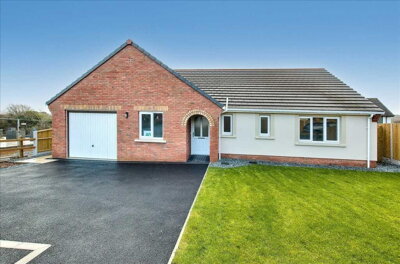
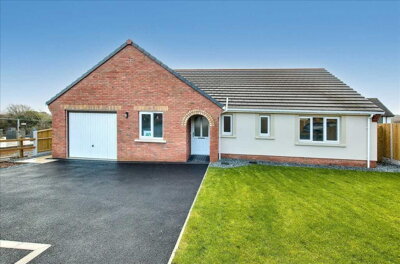
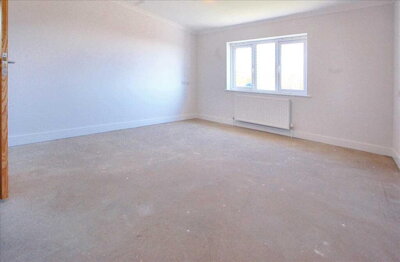
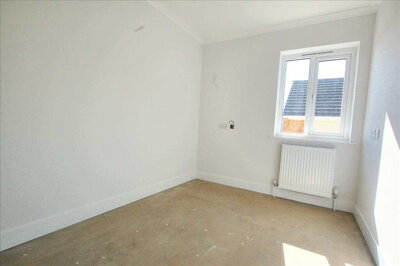
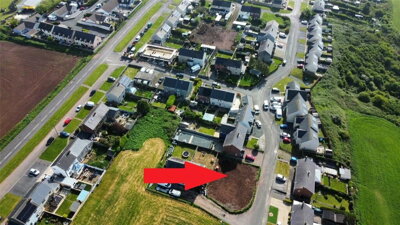
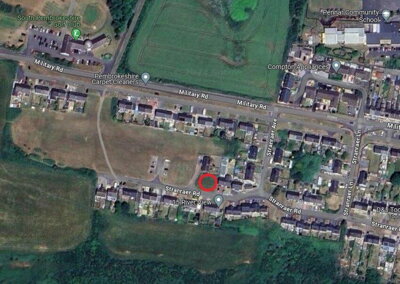
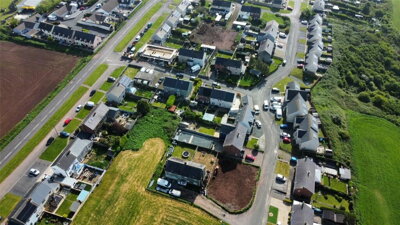
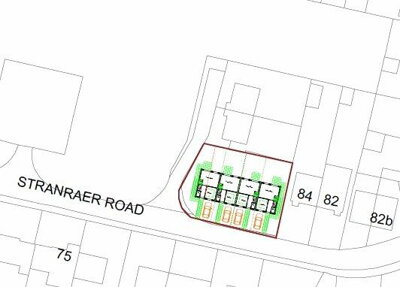
Browse 8 homes new builds in Pembroke Dock from local developer agents.
The Pembroke Dock property market offers detached, semi-detached, and terraced houses spanning various price ranges and neighbourhoods. Each listing includes detailed property information, photographs, and direct contact with the marketing agent.
The Criccieth property market reflects the character of this small coastal community, with property types across all categories available to suit different budgets and lifestyles. Detached properties command the highest prices, averaging £503,250, while semi-detached homes offer more accessible entry at around £203,250. Terraced properties, which form the largest portion of recent sales at 30.5% of the housing stock, typically sell for £223,286, making them popular among first-time buyers and those seeking a character property without the premium attached to detached homes. Flats and apartments remain the most affordable option at approximately £105,000, though these are less common in the village.
New build activity in Criccieth remains limited but includes notable developments such as Bryn Parciau, located just 500 metres from the town centre, where detached 3 and 4-bedroom houses range from £445,000 to £600,000. The Cwrt Tanws development offers 3-bedroom detached houses at £325,000, providing modern accommodation within the village boundary. Planning permission has also been granted for 23 dwellings near North Terrace (LL52 0BA), comprising 16 open market detached houses and 7 affordable terraced units, ensuring some diversity in the future housing stock. A building plot on the High Street (LL52 0HB) has planning approval for a detached 4-bedroom house following application C23/0503/35/LL.
Recent market data shows prices have stabilised after a period of adjustment, with year-on-year changes remaining within a narrow margin of around 0.5% to 1.5%. However, longer-term trends show more significant fluctuations, with Rightmove data indicating prices were 14% down on the previous year and 8% down on the 2023 peak of £331,932. Our team monitors these trends closely to help buyers understand the optimal timing for their purchase in this coastal market.

Life in Criccieth revolves around the rhythm of the tides and the changing seasons that draw visitors to this corner of the Llŷn Peninsula. The town centre clusters around the high street, where you will find a selection of shops catering to everyday needs, including a supermarket, alongside specialist retailers, cafes, and traditional pubs serving local ales. The seafront promenade offers stunning views across Cardigan Bay, with Criccieth Castle dominating the skyline on its rocky headland - a Grade I listed medieval fortress that serves as a reminder of the town's significant history and a focal point for both residents and tourists throughout the year.
The local economy benefits from a steady flow of visitors, particularly during the summer months, supporting a network of hospitality businesses that include restaurants overlooking the beach and traditional seaside eateries. Healthcare provision is well covered with both dentist and doctors' surgeries within the village, while the presence of essential services ensures that residents do not need to travel to larger towns for routine appointments. The community spirit in Criccieth is evident in local events and the network of societies that bring together long-term residents and those who have chosen this coastal location as their home.
The underlying geology of Criccieth Bay consists of soft glacial till (boulder clay), with underlying mudstone, siltstone, and sandstone sedimentary layers that are less resistant to coastal erosion. The headland on which Criccieth Castle stands is formed from felsic tuff, a hard igneous volcanic rock that has withstood centuries of weathering. This geological context explains why the coastline between the castle and the main beach requires ongoing management to protect properties along the Esplanade from the natural forces that shape this beloved seaside town.

Families considering a move to Criccieth will find educational provision centred on Ysgol Gynradd Criccieth, the local primary school that serves the village and surrounding rural communities. The school provides education through the medium of Welsh, giving children valuable bilingual skills that are highly valued throughout Wales and increasingly sought after in the modern job market. Secondary education is available at nearby secondary schools, with pupils typically travelling to Ysgol Eifionydd in Porthmadog or similar establishments within Gwynedd.
For families prioritising academic excellence, the surrounding area offers several options, and parents are advised to check current Estyn inspection reports and catchment area boundaries before committing to a property purchase. The presence of period properties in Criccieth means that many families will be purchasing older homes that may not have been updated to modern energy efficiency standards, so understanding the full condition of a potential purchase is essential before finalising any decision. Further education opportunities are accessible in Bangor and Caernarfon, where colleges and the university campus provide a broader range of academic and vocational courses.
The Welsh-medium education system throughout Gwynedd reflects the cultural identity of the region, with over 70% of children in the county attending Welsh-language schools. This immersion approach means that children become fluent in both English and Welsh, opening doors to careers in education, public services, media, and tourism throughout Wales. The presence of quality education options within reasonable travelling distance makes Criccieth viable for families at various stages of their educational journey, whether they are seeking primary provision within the village or secondary options that prepare young people for further and higher education.
Criccieth sits on the Cambrian Coast railway line, providing direct rail connections to towns along the Gwynedd coastline including Porthmadog, Pwllheli, and Barmouth, with onward links to the main rail network via Machynlleth and Shrewsbury. The journey to Bangor takes approximately one hour, opening access to the university city and its wider transport connections including services to Manchester and London. The railway station is located within the village, making it accessible for residents without private transport and providing an environmentally friendly option for commuting.
Road connections from Criccieth run via the A497, which connects the village to Porthmadog and onwards to Caernarfon and the A55 North Wales Expressway. The journey to Caernarfon takes around 30 minutes, while the drive to Bangor extends to approximately one hour. For those travelling further afield, the ferry port at Holyhead provides connections to Ireland, while Manchester Airport can be reached in approximately three hours by car. Bus services operate within the village and connect to neighbouring towns, though frequencies may be limited outside peak hours, making private transport advantageous for some residents.
The coastal location of Criccieth means that transport infrastructure can be affected by severe weather conditions, particularly during winter storms when the Esplanade may be closed due to wave overtopping. Residents should factor this into their planning for emergency access and consider alternative routes during periods of adverse weather. Our inspectors regularly travel to properties throughout the area and are familiar with the local road conditions and any access considerations that may affect property viewings or surveys during different seasons.
Contact local mortgage brokers or use Homemove's comparison tools to secure an agreement in principle before viewing properties. This demonstrates your purchasing readiness to estate agents and gives you a clear budget based on your financial circumstances. Having this documentation in place puts you in a strong position when making offers on Criccieth properties, particularly for desirable homes near the seafront or with castle views that attract competitive interest.
Study local property prices, recent sales data, and neighbourhood characteristics using the market figures provided in this guide. Consider factors specific to coastal living including flood risk areas near the Esplanade and along the Afon Dwyfor, conservation restrictions due to Grade II listed buildings on Castle Street and other historic properties, and the implications of stone construction on maintenance and insurance costs. The limited new build supply in the village means that most buyers will be purchasing period properties requiring careful inspection.
Work with local estate agents who know the Criccieth market intimately. View properties at different times of day and in various weather conditions to understand how the area and individual properties perform across seasons. Properties near the seafront may be affected by wind and salt spray during winter months, while those on higher ground away from the Esplanade will offer better protection from coastal weather impacts. Our team can arrange accompanied viewings for properties we have surveyed.
Given the age of many Criccieth properties and their stone construction, a thorough survey is essential. The Level 2 survey will identify defects common to period properties including damp in solid-wall construction, structural movement related to the underlying glacial till geology, roof condition, and outdated electrical systems. Our surveyors in North Wales typically charge between £400 and £600 for a RICS Level 2 Survey, with costs increasing for higher-value detached properties.
Choose a conveyancing specialist familiar with Gwynedd properties and any local search requirements. Your solicitor will handle local authority searches including flood risk assessments specific to coastal areas, investigate title deeds for any restrictions related to listed buildings or rights of way, and manage the legal transfer of ownership through to completion. The conveyancing process for properties in Criccieth typically takes 8-12 weeks but may extend longer for leasehold properties or those with complex title issues.
Properties in Criccieth span a wide range of ages and construction types, from Victorian stone-fronted terraces to modern detached houses on recent developments. The prevalence of Grade II listed buildings along Castle Street and throughout the village means that many properties come with restrictions on alterations and maintenance requirements that differ from standard residential properties. Notable listed buildings include Bryn Hir, Capel Berea, Capel Mawr, and numbers 23 and 25 Castle Street. Before purchasing a listed property, obtain specialist advice on what works require consent and factor any additional maintenance costs into your budget. The character of these historic homes often justifies the extra effort, but prospective buyers should understand the commitment involved.
Flood risk deserves careful consideration in any coastal property purchase. Criccieth faces potential coastal flooding from storm surges and wave overtopping along the Esplanade, with historical incidents showing waters reaching as far as the railway bridge during severe weather events. The primary flood risk stems from overtopping of the Esplanade, a risk that increases with projected sea level rise as identified in new flood mapping for the area. Properties near the river Afon Dwyfor have also experienced flash flooding, particularly following the severe thunderstorm in June 2022 when multiple flooding incidents were reported. Insurance costs and availability may be affected by flood history, so obtain quotes before finalising your purchase decision.
Our inspectors frequently encounter specific issues in Criccieth properties that buyers should be aware of. Stone-built properties dating from the 19th century or earlier often lack adequate damp-proof courses, leading to rising damp that affects ground-floor walls and skirting boards. The soft glacial till underlying much of the village can cause differential settlement in properties built on variable ground conditions, resulting in cracking to walls and floors that a Level 2 Survey will document. Roofs on period properties frequently require repair or renewal, with missing tiles, perished mortar, and inadequate insulation common findings. We check the condition of all these elements and more when surveying properties throughout Criccieth.
The average house price in Criccieth stands at approximately £305,824 according to recent market data, with a median price of £288,000. Detached properties average £503,250, semi-detached homes around £203,250, and terraced properties typically sell for £223,286. Flats remain the most affordable option at approximately £105,000. The market has shown relative stability over the past year, with prices fluctuating within a narrow margin of around 0.5% to 1.5% depending on the source, though longer-term data shows more significant adjustments from the 2023 peak of £331,932.
Properties in Criccieth fall under Gwynedd Council's jurisdiction and follow the standard Welsh banding system from Band A through to Band I, with the specific band depending on the property's assessed value. Most terraced properties and smaller homes typically fall into Bands A to C, while larger detached properties with significant sea views may attract higher bands. The village's desirable coastal location means that properties with exceptional views or larger gardens may be assessed at higher values than comparable properties in inland locations.
Ysgol Gynradd Criccieth serves as the local primary school, providing Welsh-medium education for children from the village and surrounding communities. Secondary education is available at nearby schools including Ysgol Eifionydd in Porthmadog. The area follows the Welsh-medium education system, with over 70% of children in Gwynedd attending Welsh-language schools. Parents are encouraged to review current Estyn inspection reports and understand catchment area boundaries, which can influence school placement and should be verified before purchasing a property in a specific location.
Criccieth railway station sits on the Cambrian Coast line, providing direct connections to Pwllheli, Barmouth, and the wider UK rail network via Shrewsbury. Journey times include approximately one hour to Bangor and around three hours to Manchester Piccadilly. Bus services operate within the village and connect to neighbouring towns including Porthmadog and Caernarfon, though service frequencies may be reduced on evenings and weekends. The A497 road provides the main route for private transport, connecting Criccieth to Porthmadog and onwards to the A55 North Wales Expressway.
Criccieth offers several investment considerations that appeal to different buyer profiles. The strong tourism sector supports potential for holiday let income, with properties commanding premium rates during peak summer months when the castle and beaches attract thousands of visitors. The limited supply of new developments helps maintain property values, while the enduring appeal of Welsh coastal villages provides a degree of resilience against market downturns. However, factors including flood risk in some areas near the Esplanade, maintenance requirements for older stone properties, and potential restrictions on Grade II listed buildings should factor into any investment calculation. The village attracts both holidaymakers and those seeking retirement homes, creating diverse rental opportunities throughout the year.
Stamp Duty Land Tax in Wales operates under the Land Transaction Tax system. For standard residential purchases, the rates are 0% on the first £225,000, 6% on the portion from £225,000 to £400,000, and 7.5% on amounts above £400,000. First-time buyers may qualify for relief on properties up to £260,000, with reduced rates on purchases between £260,000 and £450,000. Given Criccieth's average property prices, most terraced and semi-detached purchases will fall entirely within the nil-rate band, keeping costs minimal for entry-level buyers. Larger detached properties averaging £503,250 will attract higher rates that should be factored into the overall purchase budget.
Flood risk is a significant consideration for properties in Criccieth, particularly those near the seafront or along watercourses. The Esplanade faces potential overtopping from storm surges, with historical events showing waters reaching inland as far as the railway bridge during severe weather. The Afon Dwyfor has caused flash flooding, notably during the June 2022 thunderstorm when multiple incidents were recorded. New flood mapping highlights areas at risk from sea level rise and river flooding. Properties on higher ground or set back from the coastline offer reduced flood risk while still providing access to coastal amenities. We always recommend obtaining flood risk reports and insurance quotes before committing to a purchase.
Many Criccieth properties date from the Victorian or Edwardian periods and exhibit defects typical of their construction era. Stone-built properties often lack effective damp-proof courses, resulting in rising damp that affects ground-floor walls and can damage timber floors and skirting boards. The underlying glacial till geology can cause differential settlement, leading to cracking in walls and ceilings that a thorough survey will assess. Roofs on period properties commonly require attention, with missing or slipped tiles, perished pointing, and inadequate insulation frequently reported. Outdated electrical wiring and plumbing systems that do not meet modern standards are also common findings in older Criccieth homes, and our inspectors check these systems carefully during every survey.
Understanding the full cost of purchasing property in Criccieth extends beyond the asking price to include several essential fees and taxes. Land Transaction Tax, the Welsh equivalent of stamp duty, applies to all property purchases in Criccieth as it falls within Wales. For a typical terraced property at £223,286, no tax applies on the first £225,000, keeping costs minimal for properties at this price level. Semi-detached homes averaging £203,250 would typically fall entirely within the nil-rate band, making this an attractive entry point for first-time buyers seeking to minimise upfront costs.
For detached properties averaging £503,250, the calculation becomes more significant. The first £225,000 remains nil-rate, with 6% applied to the portion between £225,000 and £400,000, resulting in £10,500 on that portion. The remainder above £400,000 attracts 7.5%, adding approximately £7,743 to the total. This brings the overall Land Transaction Tax to around £18,243 for a property at the average detached price. First-time buyers purchasing properties up to £260,000 benefit from full relief, while those buying between £260,000 and £450,000 receive reduced rates, though relief does not extend to purchases above £450,000.
Beyond Land Transaction Tax, buyers should budget for solicitor conveyancing costs typically ranging from £499 to £1,500 depending on complexity, mortgage arrangement fees of 0-0.5% of the loan amount, survey costs of £400-£600 for a RICS Level 2 Survey, and removal expenses. Properties in Criccieth may also incur additional costs related to their coastal location, including specialist insurance for flood risk properties and maintenance provisions for older stone buildings that often require more frequent repairs than modern construction. Our team can provide detailed cost estimates tailored to your specific property purchase.
From 4.5%
Competitive mortgage deals for Criccieth properties
From £499
Solicitors familiar with Gwynedd properties
From £400
Essential for period stone properties
From £80
Energy performance certificates
Properties New Builds In London

Properties New Builds In Plymouth

Properties New Builds In Liverpool

Properties New Builds In Glasgow

Properties New Builds In Sheffield

Properties New Builds In Edinburgh

Properties New Builds In Coventry

Properties New Builds In Bradford

Properties New Builds In Manchester

Properties New Builds In Birmingham

Properties New Builds In Bristol

Properties New Builds In Oxford

Properties New Builds In Leicester

Properties New Builds In Newcastle

Properties New Builds In Leeds

Properties New Builds In Southampton

Properties New Builds In Cardiff

Properties New Builds In Nottingham

Properties New Builds In Norwich

Properties New Builds In Brighton

Properties New Builds In Derby

Properties New Builds In Portsmouth

Properties New Builds In Northampton

Properties New Builds In Milton Keynes

Properties New Builds In Bournemouth

Properties New Builds In Bolton

Properties New Builds In Swansea

Properties New Builds In Swindon

Properties New Builds In Peterborough

Properties New Builds In Wolverhampton

Enter your details to see if this property is within your budget.
Loans, cards, car finance
Estimated property budget
Borrowing + deposit
You could borrow between
Typical borrowing
Monthly repayment
Est. at 4.5%
Loan-to-value
This is an estimate only. Your actual budget may vary depending on interest rates, credit history, and personal circumstances. For an accurate affordability assessment, speak to one of our free mortgage advisors.
This calculator provides estimates for illustrative purposes only and does not constitute financial advice. Your home may be repossessed if you do not keep up repayments on your mortgage. Estimates based on 4.5% interest rate, repayment mortgage. Actual rates depend on your circumstances.
Homemove is a trading name of HM Haus Group Ltd (Company No. 13873779, registered in England & Wales). Homemove Mortgages Ltd (Company No. 15947693) is an Appointed Representative of TMG Direct Limited, trading as TMG Mortgage Network, which is authorised and regulated by the Financial Conduct Authority (FRN 786245). Homemove Mortgages Ltd is entered on the FCA Register as an Appointed Representative (FRN 1022429). You can check registrations at NewRegister or by calling 0800 111 6768.

We use cookies to show you personalised content and improve your experience of our website. Find out more in our Privacy policy and Cookie policy.