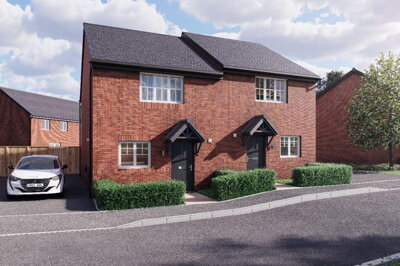
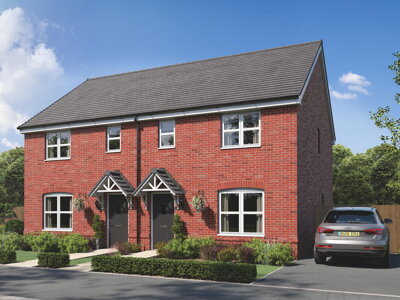
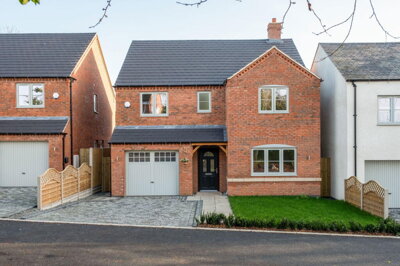
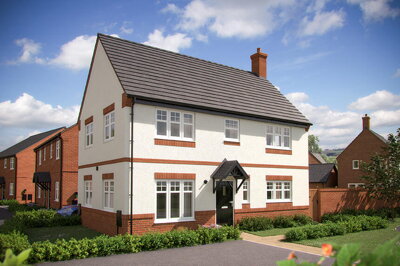
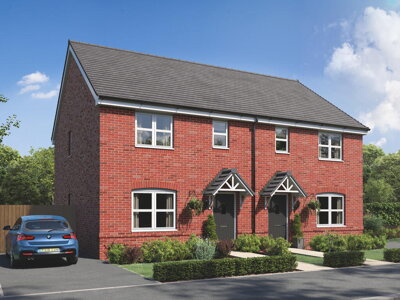
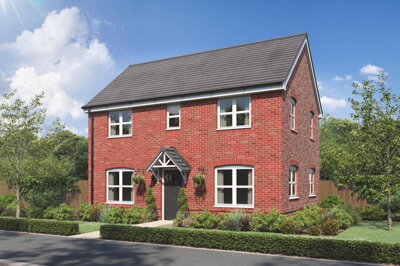
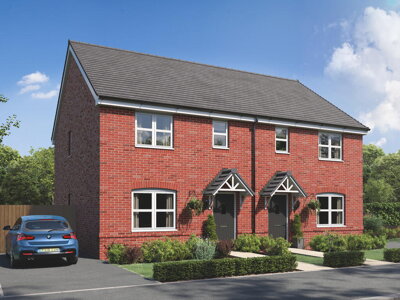
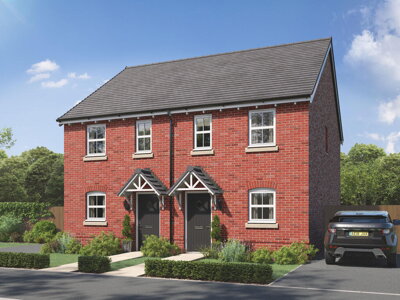
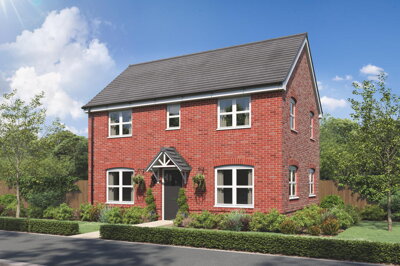
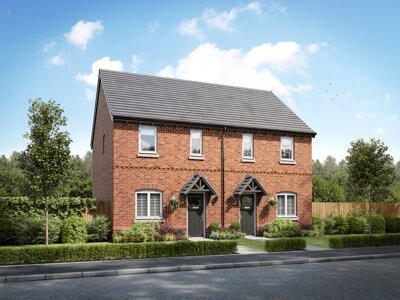
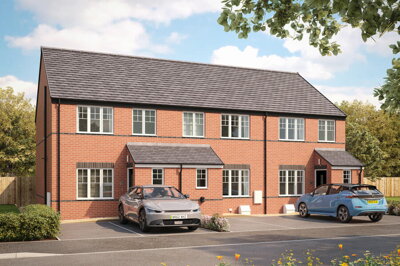
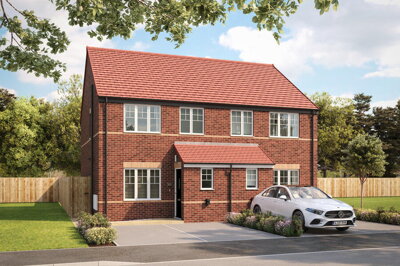
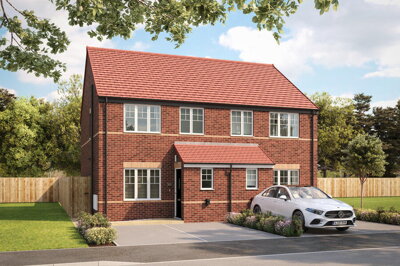
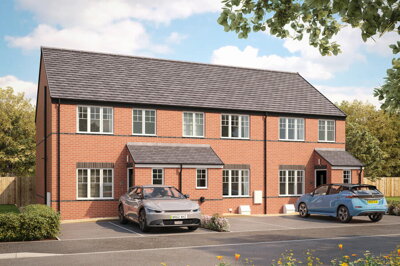
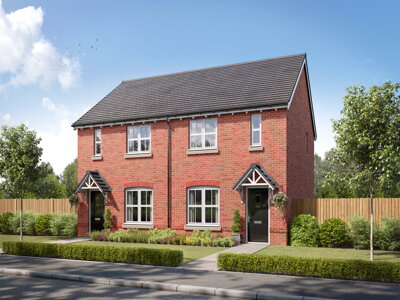
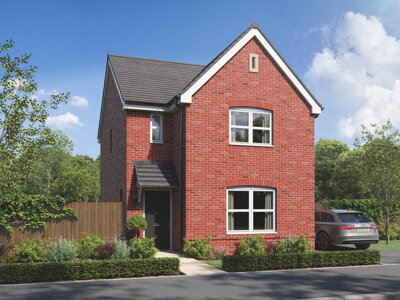
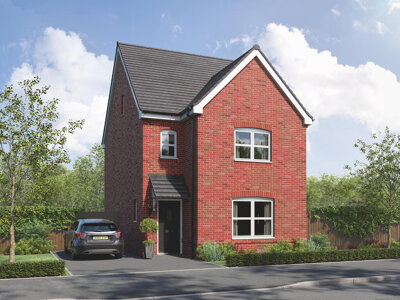
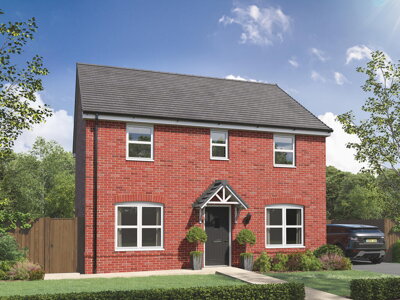
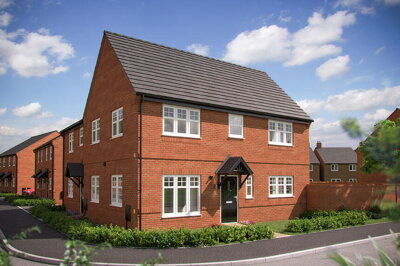
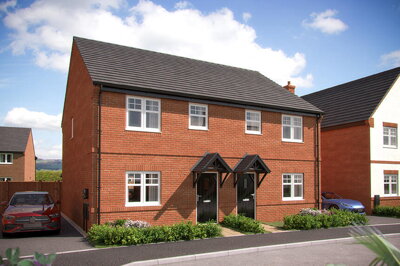
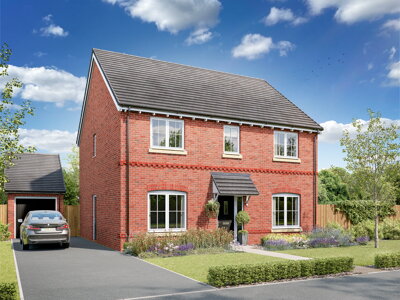
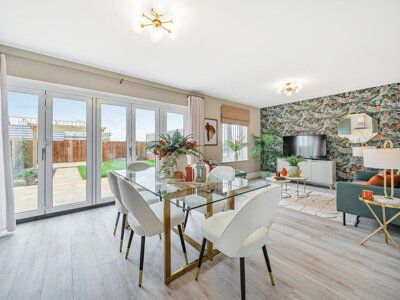
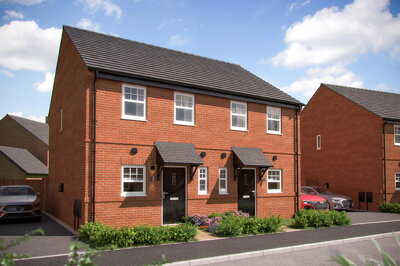
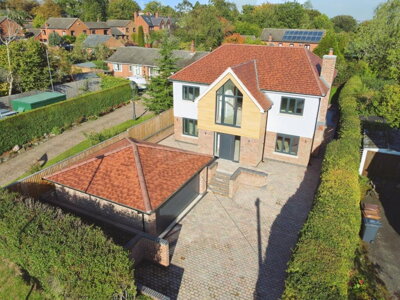
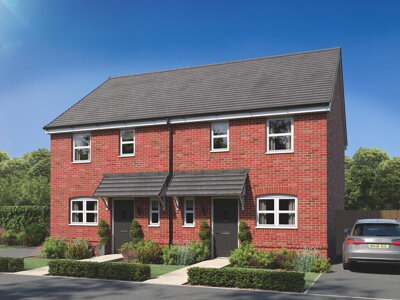
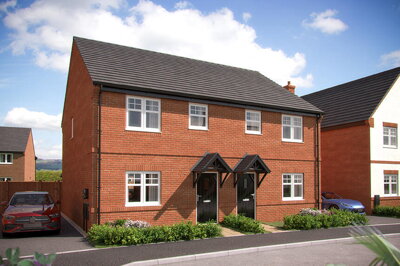
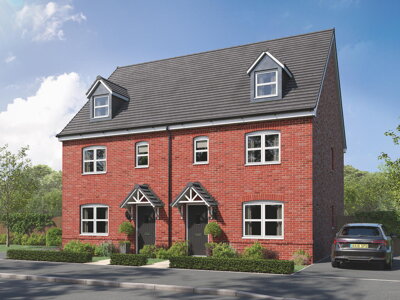
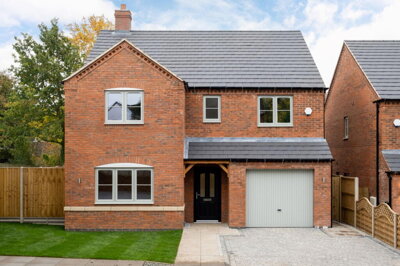
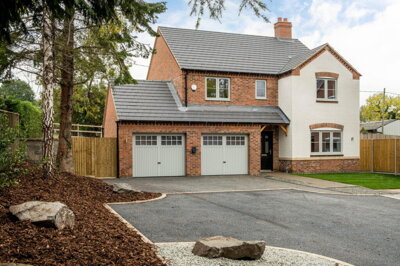
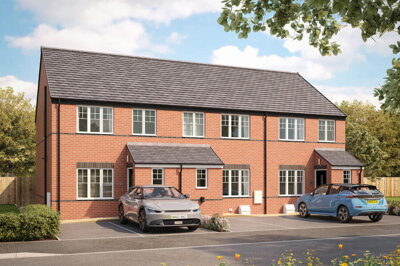
Browse 44 homes new builds in Peckleton, Hinckley and Bosworth from local developer agents.
£650k
17
0
148
Source: home.co.uk
Source: home.co.uk
Detached
11 listings
Avg £756,364
Semi-Detached
2 listings
Avg £242,500
Barn Conversion
1 listings
Avg £545,000
Country House
1 listings
Avg £895,000
Town House
1 listings
Avg £290,000
cottage
1 listings
Avg £800,000
Source: home.co.uk
Source: home.co.uk
The Notton property market presents a healthy mix of property types catering to different buyer requirements. Detached properties dominate recent sales activity, with these larger family homes commanding an average price of approximately £579,438. This reflects strong demand from families seeking generous living space and gardens that are characteristic of village life in West Yorkshire. Semi-detached properties offer an accessible entry point to the local market at around £390,000 on average, making them popular among first-time buyers and growing families looking for more affordable options without sacrificing proximity to good schools.
Terraced properties in Notton provide the most budget-friendly option within the village, with average prices hovering around £258,750. These homes often feature traditional Yorkshire stone construction and offer excellent value for money compared to equivalent properties in nearby cities. The market has demonstrated consistent growth, with Rightmove recording approximately 200 property sales over the past year. House prices have risen by 4% compared to the previous year and now sit 5% above the 2022 peak of £437,118. This upward trajectory suggests continued confidence in the Notton housing market from both buyers and sellers alike.
Property investors considering Notton will find a market that has shown remarkable resilience despite broader national fluctuations. The 7.5% to 10.7% annual price increases recorded across different sources indicate sustained buyer interest in the village. Properties in Notton tend to attract families drawn to the village lifestyle, professionals working in Leeds or Sheffield who want more space, and downsizers seeking a peaceful retirement location without straying too far from urban amenities. Our platform monitors new listings daily, helping you stay ahead of competition in this sought-after West Yorkshire village.

Notton's housing stock reflects its evolution from a traditional Yorkshire farming village to a desirable residential location. Stone-built cottages represent the oldest properties in the area, many dating back to the 18th and 19th centuries when local sandstone was the primary building material. These character properties often feature thick walls, original fireplaces, and traditional beam construction that appeals to buyers seeking authentic period features. However, older stone properties may require more maintenance than modern alternatives, making a thorough survey essential before purchase.
Mid-century developments from the 1950s through the 1970s added a layer of brick-built semi-detached homes to the village, many with generous rear gardens and driveways. These properties represent excellent value for families needing practical living space at a more accessible price point. The 1980s and 1990s saw further expansion with detached family homes built in various styles, often featuring integral garages and larger plots. More recent construction has introduced contemporary designs that blend with traditional aesthetics, though active new-build developments specifically within the village centre remain limited according to available records.
When evaluating property types in Notton, consider how your lifestyle needs align with the characteristics of each style. Detached homes offer privacy and space ideal for families with children or those working from home. Semi-detached properties provide a good balance of affordability and living space with the benefit of shared walls for improved insulation. Terraced homes, while typically more affordable, can offer surprising amounts of character in a village setting where many were constructed using the same traditional methods as larger properties.
Notton embodies the classic Yorkshire village character that appeals to families and professionals seeking an escape from urban bustle without sacrificing accessibility. The village features traditional stone-built homes that reflect centuries of local building heritage, with properties often displaying the distinctive characteristics of West Yorkshire architecture including rustic facades and charming interior features. The community atmosphere in Notton remains strong, with local amenities serving the day-to-day needs of residents while maintaining that close-knit village feel that makes rural West Yorkshire so desirable.
The surrounding landscape of Notton showcases the natural beauty of the Wakefield district, with rolling countryside providing scenic walking routes and outdoor recreation opportunities. Local residents benefit from several pubs and village amenities within easy walking distance of most properties, fostering community connections that newer developments often lack. The village position means shopping, healthcare, and entertainment options in Wakefield city centre are just a short drive away, ensuring that practical necessities are never far from hand. Families settling in Notton often cite the combination of village charm, strong community spirit, and convenient access to larger town facilities as key factors in their decision to relocate here.
The WF4 postcode area encompassing Notton places residents within the Wakefield Metropolitan Borough Council jurisdiction, balancing rural village life with access to council services and local authority support. Community events throughout the year bring residents together, from summer fetes to Christmas gatherings, reinforcing the village atmosphere that makes Notton distinctive among West Yorkshire residential locations. The local pub serves as a social hub where neighbours connect over food and drink, while village hall activities cater to various interest groups and age ranges.

Understanding the construction methods used in Notton properties helps you assess maintenance requirements and potential issues when viewing homes. Traditional stone-built properties in the village typically feature solid wall construction, where load-bearing walls are constructed from natural sandstone blocks laid with mortar. These walls, often 300-450mm thick, provide excellent thermal mass but can be susceptible to moisture penetration if pointing deteriorates or if the original lime mortar breaks down over time. Our team has inspected numerous stone properties in the Notton area and we understand the specific maintenance challenges these constructions present.
Properties built from the mid-20th century onwards generally use cavity wall construction, where two brick leaves are separated by an air gap or insulated cavity. This method provides better moisture resistance and thermal performance compared to solid wall construction. However, cavity wall ties can corrode over time, particularly in properties where the original ties were made from mild steel rather than stainless steel. During our surveys of properties in the Notton area, we check for signs of wall tie failure including horizontal cracking, bulging, or rust staining that indicate remedial work may be needed.
The local geology of West Yorkshire, including coal measures, sandstones, and shales, has influenced construction practices throughout Notton's history. Clay soils, prevalent across much of the region, present shrink-swell risks for foundations, particularly during periods of drought or when vegetation with high moisture demands grows close to structures. Properties on clay sites may show signs of foundation movement including diagonal cracking, sticking doors or windows, and uneven floor levels. We factor these local geological considerations into every survey we conduct in the Notton area, providing you with accurate assessments of structural condition.
Education provision for families considering a move to Notton includes several well-regarded primary schools within the local area. The village sits within reach of primary schools that serve the surrounding communities, with many parents noting the convenient access from residential areas throughout Notton. Primary schools in the Wakefield district generally serve children from Reception through to Year 6, with many offering before and after-school clubs to support working parents. School prospectuses and admission policies are publicly available, allowing parents to research options and understand catchment area boundaries before committing to a property purchase.
Secondary education options in the Notton area include schools offering GCSE programmes and sixth form provision for older students. Families should research specific school performance data, including recent GCSE results and Ofsted inspection outcomes, to identify the best educational fit for their children. The proximity to Wakefield means that students have access to a wider range of secondary schools including grammar school options, expanding choices for families willing to travel slightly further. Sixth form colleges and further education institutions in Wakefield provide clear progression pathways for students completing their secondary education in the area.
When evaluating schools for your children, consider both academic results and the practical aspects of school transport from your potential Notton home. Many families in the village arrange car sharing for secondary school pupils, while others use the available bus services connecting Notton with schools in surrounding areas. Understanding your specific catchment area before purchasing is essential, as school places are allocated based on proximity and residency at the time of application. Properties in certain areas of Notton may fall into different school catchments, making this an important factor in your property search.
Commuters choosing to live in Notton benefit from transport connections that link the village to major employment centres across West Yorkshire. The nearest railway stations can be found in nearby towns, providing access to the broader rail network connecting Leeds, Sheffield, York, and other Northern cities. Road connectivity from Notton is strong, with the M1 motorway accessible within a reasonable driving distance, offering direct routes to Leeds, Sheffield, and the wider motorway network. Bus services operate throughout the local area, connecting Notton with Wakefield and surrounding villages for those who prefer public transport options.
For residents working in Leeds, commuting from Notton typically involves a combination of local road links and motorway access, with journey times varying based on traffic conditions and specific destination. The village location means that parking availability at local stations is generally more accessible than in major towns, making multi-modal commuting practical for many residents. Cyclists benefit from some rural lanes and designated routes connecting Notton with neighbouring communities, though the hilly Yorkshire terrain requires appropriate fitness levels for regular cycling commuters. Understanding your specific commute requirements and testing journey times before purchasing is advisable for anyone relocating with employment commitments.
The M1 junction 38 is the nearest motorway access point, providing connections to the wider national road network for those travelling further afield. Many Notton residents work in Leeds city centre, with the commute taking approximately 30-45 minutes by car depending on traffic conditions. For rail travel, the stations at Wakefield Kirkgate, Wakefield Westgate, and Barnsley provide options for reaching major cities, with Leeds reachable by train in around 30-40 minutes from Wakefield. Planning your commute during different times of day before committing to a purchase helps ensure the arrangement works for your circumstances.
Notton lies within West Yorkshire's historical coal mining region, a factor that every prospective buyer should understand before purchasing property in the area. The village sits above coal seams that were extensively worked during the industrial revolution, leaving a legacy of underground mine workings that can affect surface properties. While many properties in Notton have stood without incident for decades, the presence of historical mining means buyers should conduct appropriate investigations to understand any potential risks to their investment. Our team is familiar with the mining history of the Wakefield district and can advise on the specific considerations for properties throughout Notton.
Mining subsidence occurs when underground voids collapse or shift, causing movement in the surface ground above. This movement can damage property foundations, walls, and floors, with symptoms including cracking, uneven floors, and doors that stick or fail to close properly. The severity of damage depends on the depth and extent of historical workings, the nature of the ground conditions, and the building's construction. Properties in areas with shallow mine workings may face greater risks than those above deeper seams, though all properties in the mining district warrant careful consideration.
A Coal Authority report provides essential information about past, present, and future coal mining activity affecting a specific property. This report identifies whether the property sits within a high-risk mining area and reveals any historical mining records that might affect the ground stability. Most residential properties in Notton can obtain a Coal Authority report quickly as part of the standard conveyancing process. Additionally, buildings insurance in mining areas may require disclosure of mining history and could carry higher premiums, though specialist insurers exist for properties in affected regions.
Explore property listings on Homemove to understand what is available within your budget. Notton properties range from terraced homes around £258,000 to detached family houses exceeding £579,000. Consider registering with local estate agents who can alert you to new listings before they appear publicly. Our platform aggregates listings from multiple sources, giving you a comprehensive view of available properties in the village and surrounding WF4 postcode area.
Before viewing properties, obtain a mortgage agreement in principle from a lender or broker. This strengthens your position when making offers and demonstrates to sellers that you have funding secured. Our mortgage comparison tool helps you find competitive rates suitable for West Yorkshire property purchases. Given the average property prices in Notton, most buyers will require a substantial mortgage, so comparing deals from multiple lenders can save thousands over the loan term.
Visit properties that match your requirements, paying attention to construction quality, garden size, and proximity to amenities. For older stone-built properties in Notton, consider arranging a RICS Level 2 survey to identify any structural concerns before committing to a purchase. Our team can arrange surveys at short notice, ensuring you have survey results before any deadline expires on your purchase.
When you find your ideal home, submit an offer through the estate agent. Given the rising market conditions in Notton, with prices up approximately 7.5% year-on-year, be prepared to negotiate on price and terms while staying within your financial comfort zone. Sellers in a rising market may be less flexible on price, but factors such as chain status, preferred completion dates, and included fixtures can still form part of your negotiation.
Once your offer is accepted, instruct a conveyancing solicitor to handle the legal aspects of your purchase. They will conduct searches, review contracts, and coordinate with the Land Registry. Our conveyancing comparison service connects you with experienced property solicitors familiar with West Yorkshire transactions. For properties in Notton, your solicitor should specifically request a Coal Authority report and drainage searches from Wakefield Metropolitan Borough Council.
After all searches are satisfactory and mortgage is finalized, you will exchange contracts and pay your deposit. Completion typically follows shortly after, when you receive the keys and take ownership of your new Notton home. On completion day, conduct a final walkthrough to verify the property condition matches your expectations and that no issues have arisen since your last inspection.
Purchasing a property in Notton requires careful consideration of several area-specific factors that can affect your investment. As part of West Yorkshire's historical coal mining region, properties in and around Notton may be subject to mining-related subsidence risks. Before completing your purchase, we recommend obtaining a Coal Authority report to check for any mining records that could affect the property. This is particularly important for older stone-built properties which may have foundations affected by historical mining activity.
The predominant use of stone as a building material in Notton brings both character and potential maintenance considerations. Stone walls require periodic repointing and can be susceptible to weathering and moisture penetration if not properly maintained. When viewing properties, examine the condition of stonework carefully and ask about recent maintenance history. For any property over 50 years old, arranging a comprehensive RICS Level 2 survey provides valuable insight into the condition of the structure, roof, and key systems before you commit to purchase.
Understanding the tenure of your potential new home is essential, as some properties in the area may be leasehold rather than freehold. Flats in particular often carry leasehold arrangements with associated service charges and ground rent obligations. Freehold houses typically offer more straightforward ownership, though buyers should still review any covenants or restrictions that may affect the property. Your solicitor will investigate these details during the conveyancing process to ensure there are no unexpected costs or limitations on your ownership. Most houses in Notton are freehold, but verification through Land Registry records is always advisable.
During our years surveying properties throughout Notton and the wider Wakefield area, our inspectors have identified several recurring issues that buyers should watch for when viewing properties. Stone properties frequently show signs of weathering and deterioration in mortar joints, where the original lime-based pointing has been replaced with harder cement that does not allow the walls to breathe. This trapped moisture can cause spalling, where surface stones crack and flake away, creating costly repairs that a RICS Level 2 survey will flag for attention.
Damp penetration represents another common finding in Notton's older properties, particularly those with solid wall construction. Rising damp occurs when groundwater travels up through porous stone or brick, causing tide marks on walls, peeling decoration, and potential timber decay in skirtings and floor joists. Penetrating damp results from damaged or missing pointing, faulty gutters, or issues with chimney stacks and can affect walls at any height. Our inspectors use moisture meters and thermal imaging equipment to identify damp issues that may not be visible during a standard viewing.
Roof condition is a critical area where defects frequently go unnoticed until they cause significant damage. Missing or slipped tiles allow water entry into roof spaces, damaging timbers and insulation while encouraging rot and pest infestation. Flats in Notton, though limited in number, may present particular challenges with flat roof coverings that require regular maintenance and eventual replacement. Leadwork around chimneys, valleys, and penetrations often shows signs of deterioration before visible water ingress occurs, making professional assessment essential for any property with an older roof covering.
The average house price in Notton, West Yorkshire, currently sits between £446,000 and £461,000 depending on the data source consulted. Zoopla records an average sold price of £446,719, while Rightmove indicates £460,750 and OnTheMarket shows £448,000 as of January 2026. Detached properties command higher prices averaging around £579,438, while semi-detached homes average approximately £390,000 and terraced properties around £258,750. The market has shown positive growth with prices increasing by approximately 7.5% to 10.7% over the past year, indicating strong ongoing demand for property in this West Yorkshire village.
Properties in Notton fall under Wakefield Metropolitan Borough Council administration, with council tax bands ranging from A through to H based on property value assessments. Most residential properties in the village fall within bands B to E, with the specific band depending on the property's assessed value. Band D typically represents the median for standard family homes in Notton. Prospective buyers should verify the specific band for any property they are considering, as this affects ongoing annual costs and forms part of the total budget calculation for living expenses in the area.
Notton benefits from access to several primary schools serving the surrounding communities, with many families also considering schools in nearby towns such as Wakefield and Royston. Primary schools in the Wakefield district generally cover Reception through Year 6, with many offering extended services including breakfast clubs, after-school care, and holiday activities. Secondary education options include schools providing GCSE programmes and sixth form provision, with grammar school choices available for families willing to travel. Parents should research individual school performance data, recent GCSE results, and Ofsted inspection outcomes, while also confirming which schools serve their specific property location through catchment area verification.
Notton has bus services operating routes that connect the village to Wakefield and surrounding communities, with services running at regular intervals throughout the day. The nearest railway stations at Wakefield Kirkgate and Wakefield Westgate provide access to the broader rail network, with direct services to Leeds taking approximately 30-40 minutes. For longer journeys, Sheffield, York, and Manchester are reachable via interchange connections at Leeds or Wakefield stations. Road connectivity is strong with the M1 motorway accessible within driving distance, offering direct routes to Leeds, Sheffield, and the wider motorway network for those preferring car travel.
Property prices in Notton have demonstrated consistent growth with increases of approximately 7.5% to 10.7% over the past year, and Rightmove data shows prices now sitting 5% above the 2022 peak of £437,118. The village offers appeal through its village character, good transport links to major cities including Leeds and Sheffield, and relative affordability compared to city centre locations. Strong demand for family homes with gardens and village amenities suggests stable investment potential for the local market. However, buyers should factor in area-specific considerations such as mining history and specific property condition when evaluating individual purchases, as these factors can affect future resale value and rental potential.
Stamp duty rates for 2024-25 apply as follows: 0% on the first £250,000 of residential property purchases, 5% on the portion from £250,001 to £925,000, 10% from £925,001 to £1.5 million, and 12% above £1.5 million. First-time buyers benefit from relief on the first £425,000 with 5% applied between £425,001 and £625,000. Given Notton's average property prices of around £446,000, most buyers would pay stamp duty on approximately £196,000, resulting in charges of approximately £9,800 at standard rates. First-time buyers would benefit from reduced rates or potentially zero liability depending on their specific circumstances and property price.
Notton is located within West Yorkshire's historical coal mining region, meaning some properties may be affected by mining subsidence risks from past underground workings. The village sits above coal seams that were extensively mined during the industrial revolution, and mine workings at various depths exist beneath the surface. Buyers should request a Coal Authority report during the conveyancing process to check for any mining records that could affect the property, with particular attention to properties with shallow foundations or those constructed on land with documented mining history. Properties in high-risk areas may require specialist insurance, though many homes in Notton have stood successfully for decades without incident.
Stone-built properties are common in Notton and require specific inspection considerations including the condition of pointing and mortar joints, signs of damp penetration, and any evidence of structural movement or cracking. Examine whether original lime mortar has been replaced with cement pointing, as cement can trap moisture and cause stone deterioration in traditional constructions. Check the condition of window and door frames, as these may have been replaced with modern materials that affect the property's character. A RICS Level 2 survey is recommended for any stone property over 50 years old to thoroughly assess the condition of walls, roof, and foundations, identifying any remedial work needed before purchase.
Understanding the full costs of purchasing property in Notton helps you budget accurately and avoid surprises during the transaction. Beyond the property price, buyers must account for stamp duty land tax, solicitor fees, survey costs, and various other charges that accumulate throughout the purchase process. For a typical Notton property priced at around the £446,000 average, stamp duty for a standard buyer would be calculated on the amount above £250,000, resulting in charges of approximately £9,800. First-time buyers benefit from more favourable thresholds, reducing this cost substantially depending on their circumstances.
Solicitor conveyancing fees for property transactions in Notton typically range from £499 to over £1,500 depending on the complexity of the transaction and property value. Additional legal costs include search fees charged by the local authority, covering drainage, environmental, and planning searches specific to the Wakefield area, typically adding £250-400 to legal costs. A RICS Level 2 survey costs from around £350 depending on property size and value, providing valuable protection against hidden defects in older stone-built properties. Mortgage arrangement fees vary by lender but often range from £0 to £2,000, so comparing total mortgage costs including fees is advisable when selecting a lender.
When calculating your total budget, remember to factor in moving costs, potential renovation or repair expenses, and ongoing costs such as council tax, utility bills, and buildings insurance. Properties in Notton require appropriate buildings insurance to protect your investment against damage, with premiums influenced by property type, age, construction materials, and location factors including mining history. Setting aside a contingency fund equivalent to at least 10% of your purchase price covers unexpected costs that frequently arise during property transactions, from survey findings requiring remedial work to legal complications that extend completion timelines.
From 3.94%
Compare mortgage rates for your Notton property purchase
From £499
Expert property solicitors for your Notton home purchase
From £350
Professional property survey for Notton homes
From £25
Check mining records for Notton properties
Properties New Builds In London

Properties New Builds In Plymouth

Properties New Builds In Liverpool

Properties New Builds In Glasgow

Properties New Builds In Sheffield

Properties New Builds In Edinburgh

Properties New Builds In Coventry

Properties New Builds In Bradford

Properties New Builds In Manchester

Properties New Builds In Birmingham

Properties New Builds In Bristol

Properties New Builds In Oxford

Properties New Builds In Leicester

Properties New Builds In Newcastle

Properties New Builds In Leeds

Properties New Builds In Southampton

Properties New Builds In Cardiff

Properties New Builds In Nottingham

Properties New Builds In Norwich

Properties New Builds In Brighton

Properties New Builds In Derby

Properties New Builds In Portsmouth

Properties New Builds In Northampton

Properties New Builds In Milton Keynes

Properties New Builds In Bournemouth

Properties New Builds In Bolton

Properties New Builds In Swansea

Properties New Builds In Swindon

Properties New Builds In Peterborough

Properties New Builds In Wolverhampton

Enter your details to see if this property is within your budget.
Loans, cards, car finance
Estimated property budget
Borrowing + deposit
You could borrow between
Typical borrowing
Monthly repayment
Est. at 4.5%
Loan-to-value
This is an estimate only. Your actual budget may vary depending on interest rates, credit history, and personal circumstances. For an accurate affordability assessment, speak to one of our free mortgage advisors.
This calculator provides estimates for illustrative purposes only and does not constitute financial advice. Your home may be repossessed if you do not keep up repayments on your mortgage. Estimates based on 4.5% interest rate, repayment mortgage. Actual rates depend on your circumstances.
Homemove is a trading name of HM Haus Group Ltd (Company No. 13873779, registered in England & Wales). Homemove Mortgages Ltd (Company No. 15947693) is an Appointed Representative of TMG Direct Limited, trading as TMG Mortgage Network, which is authorised and regulated by the Financial Conduct Authority (FRN 786245). Homemove Mortgages Ltd is entered on the FCA Register as an Appointed Representative (FRN 1022429). You can check registrations at NewRegister or by calling 0800 111 6768.

We use cookies to show you personalised content and improve your experience of our website. Find out more in our Privacy policy and Cookie policy.