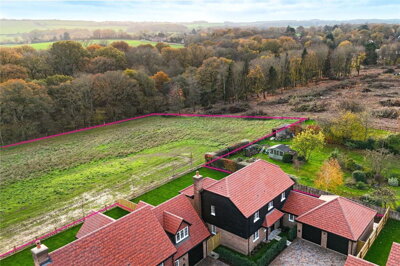
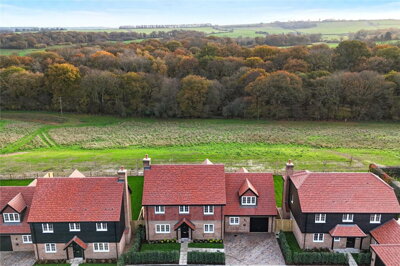
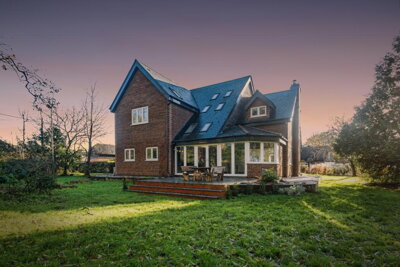
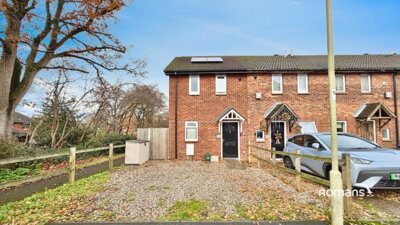
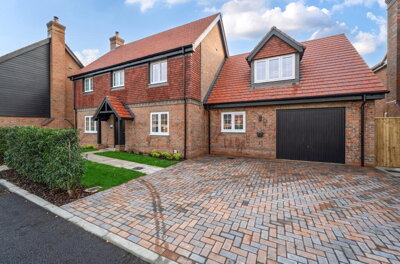
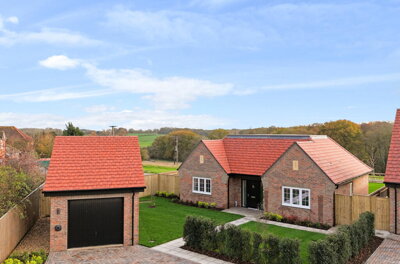
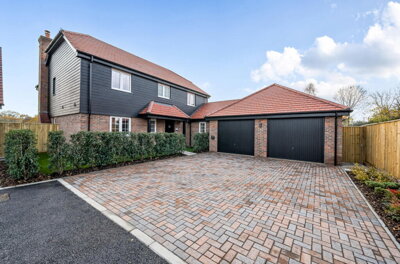
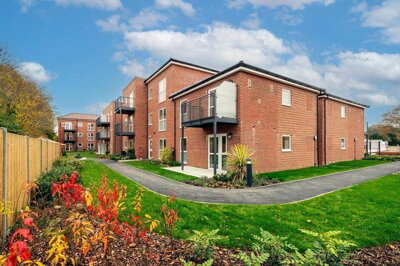
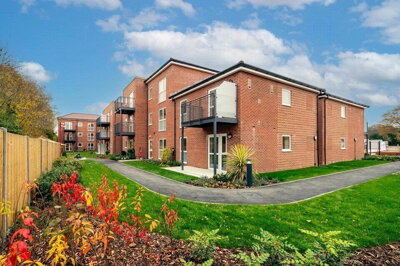
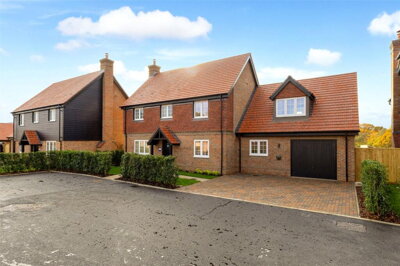
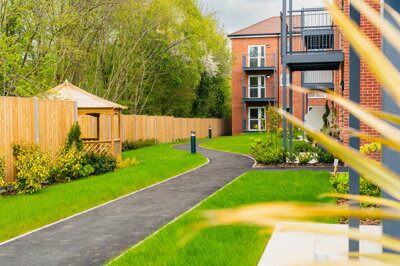
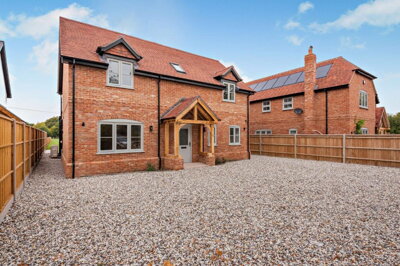
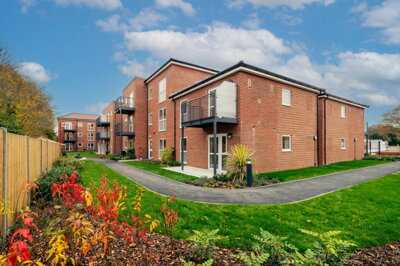
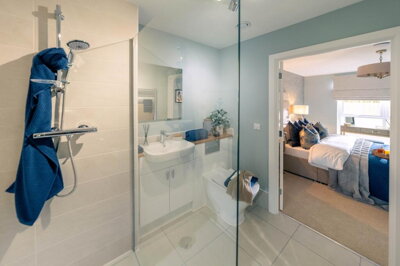
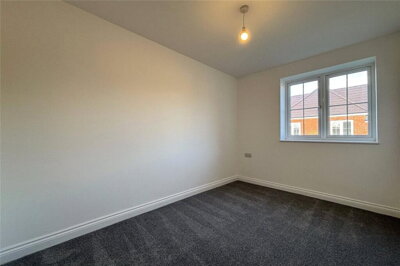
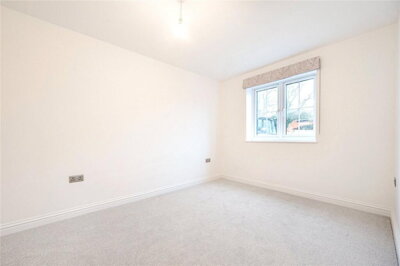
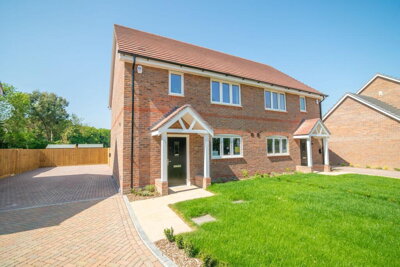
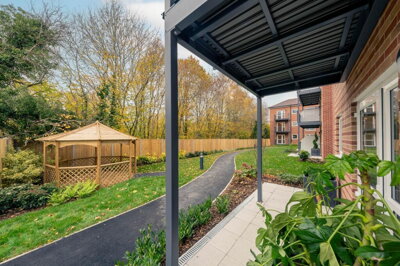
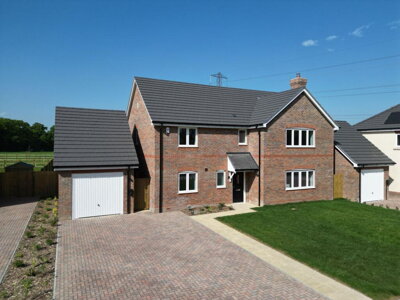
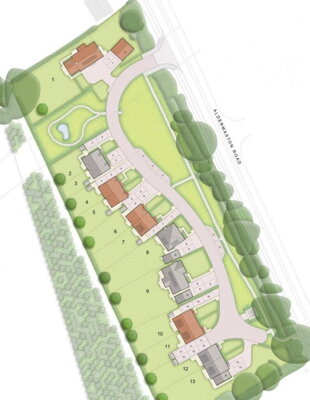
Browse 28 homes new builds in Pamber, Basingstoke and Deane from local developer agents.
£700k
22
1
85
Source: home.co.uk
Source: home.co.uk
Detached
15 listings
Avg £788,667
Bungalow
3 listings
Avg £683,333
Semi-Detached
2 listings
Avg £482,500
Detached Bungalow
1 listings
Avg £600,000
Park Home
1 listings
Avg £200,000
Source: home.co.uk
Source: home.co.uk
The property market in Derwent and the surrounding Ladybower Reservoir area operates within the unique constraints of the Peak District National Park, where planning restrictions are designed to protect the landscape and maintain the area's character. Property availability in Derwent itself is exceptionally limited given the village's small population of around 43 residents and the historical nature of the settlement beneath the reservoir waters. The strict national park planning policies mean that new build development in the immediate vicinity is minimal, helping to preserve the area's distinctive character and limiting supply of available homes.
The broader High Peak area, encompassing nearby villages like Bamford, Hathersage, and Hope, offers a wider range of property types including traditional gritstone cottages, farmhouses, modern conversions, and new build homes. Properties in the Derwent Valley area typically range from £250,000 for a modest cottage to well over £500,000 for a substantial detached family home with land and views across the reservoir or moorlands. The premium associated with living within this protected landscape means prices generally exceed those in comparable non-national park areas of Derbyshire, reflecting the limited supply of properties in this sought-after environment.
The market attracts buyers seeking a rural lifestyle, outdoor enthusiasts drawn to the walking and climbing opportunities on Kinder Scout and Derwent Edge, and those looking for holiday let investments given the area's strong tourism appeal. Many properties in the area are constructed from local gritstone and limestone, materials that give the Dark Peak its distinctive character and require specific maintenance approaches. Our listings include detailed information about property types, construction materials, and potential investment opportunities to help you find the right home in this competitive market.

43 residents
Village Population
21
Households
£250,000 - £500,000+
Price Range
Traditional gritstone cottages, farmhouses
Property Type
Peak District National Park
Setting
Bamford, Hathersage
Nearest Stations
Derwent occupies a special position within the Peak District National Park, surrounded by some of the most dramatic landscapes in the English countryside. The area is characterised by its sweeping moorlands, deep valleys carved by glacial activity, and the distinctive gritstone edges that define the Dark Peak. Ladybower Reservoir dominates the local geography, its waters reflecting the surrounding hills and creating a serene backdrop to daily life. The Carboniferous limestone geology of the northern areas and the Millstone Grit formations around Derwent Edge create the high peat moorland plateaus that make this landscape so distinctive and scientifically interesting.
The local community in Derwent and nearby Hope Valley benefits from a strong sense of rural identity, with traditional pubs serving local food, independent shops in nearby Hathersage, and regular community events throughout the year. The area attracts walkers, climbers, mountain bikers, and nature enthusiasts, drawn by the extensive public rights of way, the Pennine Way long-distance trail, and the chance to experience landscapes largely unchanged for centuries. Local amenities are concentrated in nearby villages, with the towns of Sheffield and Chesterfield providing access to larger shopping centres, hospitals, and cultural venues within a 30-minute drive.
The Hope Valley line railway connecting Sheffield to Manchester passes through nearby Bamford and Hathersage, offering convenient access to major cities while maintaining the area's peaceful character. Cycling infrastructure in the area includes the traffic-free Monsal Trail, which passes through the wider Derbyshire Dales and offers excellent opportunities for leisure cycling and commuting to nearby towns. The area also falls within the Derwent Valley Mills World Heritage Site buffer zone, recognised for its exceptional universal value as the birthplace of the factory system and the modern industrial revolution.
Families considering a move to Derwent will find a selection of primary schools in the surrounding Hope Valley and Bamford area, with the nearest primary schools including Bamford Primary School and Hope Primary School, both serving their local communities with small class sizes and strong community ties. These rural schools benefit from close relationships with families and the opportunity to incorporate the stunning local landscape into learning activities, with many children regularly enjoying outdoor education in the surrounding moorlands and countryside. The surrounding Derbyshire Dales area generally performs well in Ofsted inspections, with several schools achieving Good or Outstanding ratings, reflecting the quality of education available to local children.
Secondary education options include Hope Valley College in Bamford, a popular choice for families in the Derwent Valley area, which serves students from across the High Peak district and has received consistently positive reports from Ofsted. The college offers a broad curriculum and benefits from strong links with the local community, preparing students for further education and employment opportunities in the region. For families requiring private education, the area offers several independent schools including Sheffield High School and King's School in Grantham, which can be reached via the excellent transport connections from the Derwent area.
Further education and higher education options are readily accessible in Sheffield, home to two major universities and a wide range of Further Education colleges, providing extensive options for older students pursuing vocational or academic qualifications. The rural setting of Derwent and the surrounding Peak District means children benefit from an exceptional outdoor learning environment, with many schools incorporating the moorlands and countryside into their curriculum through geography, biology, and environmental studies programmes. This connection to the natural world provides children with valuable opportunities for hands-on learning and an appreciation for the unique landscape on their doorstep.
Transport connections from Derwent and the surrounding Ladybower Reservoir area have improved significantly over the years, making commuting to major employment centres increasingly practical for residents who need to travel for work. The Hope Valley railway line runs through nearby Bamford and Hathersage stations, providing regular services to Sheffield in approximately 30 minutes and Manchester in around an hour, connecting residents to the employment opportunities and amenities of two major northern cities. This convenient rail access makes Derwent an attractive option for workers who wish to enjoy rural living while maintaining careers in these major urban centres.
The A57 trunk road passes through the area, providing direct access to Sheffield to the north and connecting to the wider motorway network including the M1 motorway for those travelling further afield. For residents with cars, the Peak District location does require careful consideration of parking availability, particularly during summer weekends when the area attracts significant numbers of visitors. The national park authority has implemented parking management schemes at popular beauty spots to balance visitor access with resident needs, and we recommend familiarising yourself with these arrangements if you plan to commute by car.
Bus services operated by Stagecoach and other local providers connect Derwent with surrounding villages and towns, though frequencies are limited on some routes, making car ownership advantageous for those with complex daily travel requirements. Cycling infrastructure in the area includes the traffic-free Monsal Trail, which passes through the wider Derbyshire Dales and offers excellent opportunities for leisure cycling and commuting to nearby towns. The Monsal Trail follows former railway lines and provides a safe, scenic route for cyclists of all abilities, connecting to the broader National Cycle Network.
Start by exploring property listings in Derwent and the surrounding High Peak area through Homemove, noting the types of properties available and typical price ranges. Given the limited availability within the national park, consider expanding your search to nearby villages like Hathersage, Bamford, and Grindleford to find a broader selection of homes that meet your requirements. Set up property alerts to be notified when new listings matching your criteria become available in this competitive market.
Before arranging viewings, obtain a mortgage agreement in principle from a lender to understand your budget and demonstrate your seriousness to sellers. Properties in desirable Peak District locations often attract competitive interest, so having your finances arranged will position you favourably when properties come to market. Speak to a mortgage broker who understands the rural property market, as some lenders have specific criteria for properties in national parks or with land.
Visit properties in person to assess their character, condition, and suitability for your needs. Pay particular attention to the property's position relative to flood risk areas, especially for homes near the reservoir, and consider how the property's aspect and surroundings align with your lifestyle preferences. Take time to explore the neighbourhood at different times of day and week, as visitor numbers can significantly affect the character of the area.
Once your offer is accepted, arrange for a RICS Level 2 survey to assess the property's condition before completing your purchase. Given the age of many properties in this area and their traditional construction from gritstone and limestone, a thorough survey is essential to identify any structural issues, roof conditions, or damp problems common in period properties. A comprehensive survey typically costs between £400 and £600 depending on property size and value.
Appoint a conveyancing solicitor to handle the legal aspects of your purchase, including searches specific to the Peak District National Park, flood risk assessments, and any planning restrictions that may affect the property. The solicitor will also manage the transfer of funds and registration of your ownership with the Land Registry. National park properties may require additional searches to verify compliance with planning conditions and any agricultural restrictions on properties with land.
Once all searches are satisfactory and your mortgage is finalized, you will exchange contracts with the seller and pay your deposit. Completion typically follows within days or weeks, at which point you will receive the keys to your new home in Derwent. Arrange buildings insurance from the point of exchange and prepare for the move, considering the logistics of accessing your new home in this rural location.
Purchasing a property in Derwent requires careful attention to several area-specific considerations that differ from urban property purchases. Properties within the Peak District National Park are subject to strict planning controls administered by the Peak District National Park Authority, which may restrict certain types of development, extensions, and changes of use. Before purchasing, verify with the authority whether your intended works require planning permission, as national park policies prioritise landscape protection over individual property improvements. Holiday let potential should also be carefully assessed, as the national park has specific regulations governing short-term holiday accommodation that may affect your investment plans.
Flood risk is an important consideration for properties in the Derwent Valley, particularly those near Ladybower Reservoir and the River Derwent itself. The Environment Agency maintains flood warnings for areas around the reservoir and downstream, so reviewing historical flood records and understanding the property's position in relation to flood zones is essential. Properties in the lower Derwent Valley may also be affected by flooding from tributaries and streams that feed into the river system. Many properties in the area are constructed from traditional materials including gritstone and limestone, which require specific maintenance approaches, and prospective buyers should factor ongoing maintenance costs into their budgeting.
Properties with land may be subject to agricultural restrictions or require registration with the Rural Payments Agency, adding complexity to the purchase process. Conservation area designations may apply additional controls to exterior alterations and extensions, and we recommend requesting a copy of the conservation area appraisal from the planning authority before committing to a purchase. Properties within the Derwent Valley Mills World Heritage Site buffer zone may also be subject to additional heritage considerations, so understanding the implications for your intended use of the property is important before proceeding.
Average house prices in Derwent and the surrounding High Peak area typically range from £250,000 for a modest cottage to over £500,000 for substantial family homes with land and moorland views. The village's small population of 43 residents and the exceptional scarcity of properties within the national park boundaries mean that prices are consistently at a premium compared to similar properties outside the protected landscape. Properties with traditional gritstone construction, original features, and views across Ladybower Reservoir or the surrounding moorlands command the highest prices in the local market.
Properties in Derwent and the surrounding Peak District area fall under Derbyshire Dales District Council administration. Council tax bands in the area follow standard Derbyshire rates, with most residential properties ranging from Band A to Band E depending on their value and type. Properties with significant land or agricultural outbuildings may attract higher bands, and prospective buyers should verify the specific council tax band of any property they are considering, as bands can affect ongoing annual costs. The local council provides useful information about exemptions and discounts that may apply to your circumstances.
The Derwent area is served by several well-regarded schools, with Hope Valley College providing secondary education for the local community and receiving consistently positive Ofsted reports for its comprehensive curriculum and supportive environment. Primary education is available at Bamford Primary School and Hope Primary School, both small rural schools known for their strong community ties and the benefits they provide from their moorland setting. The surrounding area also offers access to independent schools in Sheffield and Derbyshire for families seeking private education options, with transport connections making these schools accessible from the Derwent area.
Derwent and the surrounding Ladybower Reservoir area benefit from proximity to Bamford and Hathersage railway stations on the Hope Valley line, providing regular services to Sheffield in around 30 minutes and Manchester in approximately one hour. Bus services operated by Stagecoach connect the area to surrounding villages and towns, though frequencies may be limited on less populated routes, particularly during evenings and weekends. The A57 road provides direct access to Sheffield and connects to the wider motorway network including the M1, making car travel practical for those commuting to employment centres further afield.
Property in Derwent and the surrounding Peak District National Park represents a solid long-term investment given the persistent demand for homes in this sought-after landscape and the strict planning restrictions limiting new development. The area's strong tourism appeal also makes holiday let properties potentially lucrative, subject to national park planning regulations and the requirement for appropriate permissions. Properties with land, traditional character, and proximity to popular walking routes command premium prices and tend to maintain their value well, though capital growth may be more modest compared to urban areas experiencing rapid development. Derby city, part of the wider Derwent Valley, has seen predicted price growth of 17.5% by 2026, suggesting positive market conditions in the broader region.
Stamp Duty Land Tax rates from April 2024 apply to property purchases in Derwent, with no SDLT payable on purchases up to £250,000. For properties priced between £250,000 and £925,000, the rate is 5% on the portion above £250,000. For a typical Derwent property valued at £350,000, this would result in SDLT of £5,000. Higher rates apply for more expensive properties, reaching 12% for portions above £1.5 million. First-time buyers purchasing properties up to £625,000 may qualify for relief, paying 0% on the first £425,000 and 5% on the remainder between £425,000 and £625,000.
Properties in Derwent and the surrounding Derwent Valley area should be assessed for flood risk given the proximity to Ladybower Reservoir and the River Derwent. The Environment Agency provides flood risk information and historical warnings for the area, with some properties near the reservoir and river subject to flood zone designations. Properties downstream from the reservoir along the River Derwent may also be affected during periods of high rainfall or reservoir overflow. A thorough conveyancing search and property survey should identify any specific flood risks, and prospective buyers should consider flood resilience measures and insurance implications when evaluating properties in this location.
Properties within the Peak District National Park are subject to strict planning controls administered by the Peak District National Park Authority, which prioritises landscape protection and the preservation of the area's character. Development within the national park is carefully controlled, with restrictions applying to extensions, outbuildings, and changes of use including conversion to holiday lets. Anyone considering purchasing property in Derwent should consult with the planning authority before committing to a purchase, particularly if they have plans for alterations or development. Properties in conservation areas face additional controls on exterior changes to preserve their historic character.
Budgeting for a property purchase in Derwent requires careful consideration of all associated costs beyond the purchase price itself. Stamp Duty Land Tax rates from April 2024 apply to all residential property purchases in England, with buyers paying nothing on the first £250,000 of the purchase price. For a typical Derwent property valued at £350,000, this would result in SDLT of £5,000, calculated as 5% on the £100,000 portion above the £250,000 threshold. Properties above £925,000 incur higher rates, reaching 10% on the portion between £925,000 and £1.5 million, with the highest rate of 12% applying to portions above £1.5 million.
First-time buyers purchasing residential property may qualify for first-time buyer relief, which raises the zero-rate threshold to £425,000 for properties up to £625,000. This relief can save first-time buyers purchasing a £350,000 property around £3,750 compared to standard SDLT rates, as they would pay 5% only on the portion between £425,000 and £625,000, which in this case would be zero for a £350,000 purchase. Additional purchase costs to budget for include solicitor fees typically ranging from £500 to £2,000 depending on complexity, survey costs of around £400 to £600 for a standard RICS Level 2 survey, and removal costs which vary based on distance and volume of belongings.
Buildings insurance should be arranged from the point of exchange, and mortgage arrangement fees may apply depending on your lender, typically ranging from £500 to £2,000 though some lenders offer fee-free mortgages. Properties in flood risk areas may attract higher insurance premiums, and we recommend obtaining quotes before finalising your budget. Search fees for national park properties may be slightly higher than standard due to the additional checks required, including conservation area searches and verification of planning permissions. Removal costs for moving to this rural location can be higher due to the logistics of accessing properties in the national park, and we recommend obtaining quotes from at least three removal companies familiar with the area.
Properties New Builds In London

Properties New Builds In Plymouth

Properties New Builds In Liverpool

Properties New Builds In Glasgow

Properties New Builds In Sheffield

Properties New Builds In Edinburgh

Properties New Builds In Coventry

Properties New Builds In Bradford

Properties New Builds In Manchester

Properties New Builds In Birmingham

Properties New Builds In Bristol

Properties New Builds In Oxford

Properties New Builds In Leicester

Properties New Builds In Newcastle

Properties New Builds In Leeds

Properties New Builds In Southampton

Properties New Builds In Cardiff

Properties New Builds In Nottingham

Properties New Builds In Norwich

Properties New Builds In Brighton

Properties New Builds In Derby

Properties New Builds In Portsmouth

Properties New Builds In Northampton

Properties New Builds In Milton Keynes

Properties New Builds In Bournemouth

Properties New Builds In Bolton

Properties New Builds In Swansea

Properties New Builds In Swindon

Properties New Builds In Peterborough

Properties New Builds In Wolverhampton

Enter your details to see if this property is within your budget.
Loans, cards, car finance
Estimated property budget
Borrowing + deposit
You could borrow between
Typical borrowing
Monthly repayment
Est. at 4.5%
Loan-to-value
This is an estimate only. Your actual budget may vary depending on interest rates, credit history, and personal circumstances. For an accurate affordability assessment, speak to one of our free mortgage advisors.
This calculator provides estimates for illustrative purposes only and does not constitute financial advice. Your home may be repossessed if you do not keep up repayments on your mortgage. Estimates based on 4.5% interest rate, repayment mortgage. Actual rates depend on your circumstances.
Homemove is a trading name of HM Haus Group Ltd (Company No. 13873779, registered in England & Wales). Homemove Mortgages Ltd (Company No. 15947693) is an Appointed Representative of TMG Direct Limited, trading as TMG Mortgage Network, which is authorised and regulated by the Financial Conduct Authority (FRN 786245). Homemove Mortgages Ltd is entered on the FCA Register as an Appointed Representative (FRN 1022429). You can check registrations at NewRegister or by calling 0800 111 6768.

We use cookies to show you personalised content and improve your experience of our website. Find out more in our Privacy policy and Cookie policy.