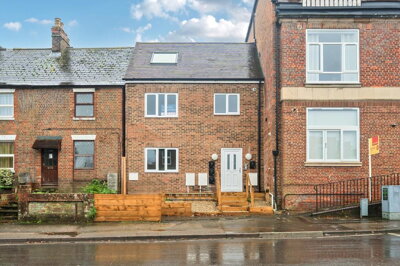
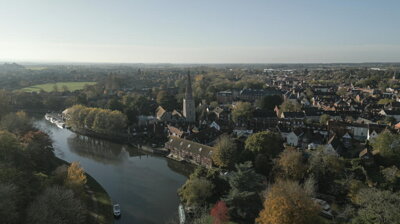
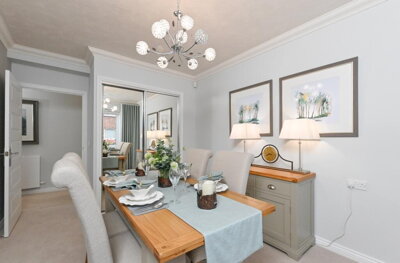
Browse 3 homes new builds in OX14 from local developer agents.
One bed apartments provide a separate bedroom alongside distinct living space, bathroom, and kitchen areas. Properties in OX14 are available in various building types including new apartment complexes and contemporary developments.
£200k
5
0
40
Source: home.co.uk
Showing 5 results for 1 Bedroom Flats new builds in OX14. The median asking price is £200,000.
Source: home.co.uk
Flat
5 listings
Avg £195,000
Source: home.co.uk
Source: home.co.uk
The NW7 property market presents a diverse range of housing options across all price brackets. Detached properties command the highest values, with an average price of £1,438,719, reflecting the desirability of these generous family homes in a premium north London location. These substantial properties are concentrated in areas such as The Ridgeway, where large detached houses set within spacious gardens represent the upper end of the market. The architectural character of these homes often reflects inter-war and post-war construction, with many featuring original character details that appeal to buyers seeking period properties with modern potential.
Semi-detached homes, which form a significant portion of the local housing stock, average £814,606, offering excellent value for families seeking spacious accommodation without the premium attached to detached properties. These properties are particularly prevalent in the streets surrounding Mill Hill Broadway and the residential areas developed during the 1920s and 1930s. Many of these homes offer three to four bedrooms over two floors, with the original garages often converted to create additional living space or home offices, reflecting how modern families adapt period properties to current needs.
Terraced properties average £619,103, providing an accessible entry point to the Mill Hill market for first-time buyers and investors alike. While less common than semi-detached homes in NW7, these properties offer competitive pricing compared to neighbouring postcodes, making them attractive to those prioritising location over space. Flat prices in NW7 average £437,288, with the market seeing increased interest from young professionals drawn to the area's Northern Line connectivity and the new developments around Mill Hill East, including the Millbrook Park regeneration scheme.
Over the past 12 months, property values in NW7 have experienced a modest decline of 0.96%, which has created opportunities for buyers in a market that historically sees strong demand. This slight softening has been relatively uniform across property types, with detached properties down 0.99%, semi-detached down 0.99%, terraced down 0.98%, and flats down 0.92%. The 208 sales completed in the past year demonstrate continued market activity despite these minor price adjustments. For buyers with finance in place, this represents a window of opportunity to secure property in a sought-after postcode at more favourable entry points than seen in previous years.
Mill Hill offers a distinctive quality of life that sets it apart from many other north London neighbourhoods. The area encompasses approximately 23,200 residents across roughly 8,500 households, creating a strong sense of community while maintaining the space and privacy that families value. The local population includes a mix of established families who have lived in the area for generations, young professionals attracted by the excellent transport links, and international buyers drawn to the outstanding schooling options. The neighbourhood centres around several distinct areas, including the historic Mill Hill Village with its village green and traditional pubs, the more modern Mill Hill Broadway with its shopping facilities, and the developing Mill Hill East with new residential developments transforming the area.
The character of NW7 is defined by its generous green spaces and tree-lined streets. The Ridgeway, a prominent conservation area, features large detached and semi-detached properties set within spacious gardens, many of which were built during the inter-war period between 1919 and 1945. Properties along The Ridgeway and surrounding roads such as Ridgeway Grove and Burtonhole Lane represent some of the most prestigious addresses in the postcode, with many homes offering views across Scratchwood and Moat Mount open spaces. Mill Hill Village Conservation Area preserves the historic village core with its period properties and charming architecture dating back to Victorian and Edwardian times, centred around the village green and historic St Mary's Church.
The area's elevation provides attractive views across London, while the proximity to Scratchwood and Moat Mount open spaces offers residents immediate access to nature without travelling far from home. For families, the abundance of green spaces is a significant draw, with the West Auffride Lane open space and various local parks providing recreational opportunities throughout the year. The combination of conservation areas, tree-lined avenues, and access to nature makes NW7 feel distinctly different from more densely developed parts of north London, providing a suburban character that remains highly valued by buyers.

Education is a major draw for families considering a move to NW7, with the area offering an impressive selection of schools at every level. Mill Hill School, a renowned independent school founded in 1807, occupies an extensive campus and attracts students from across London and beyond. The school offers both day and boarding options, with excellent facilities including sports grounds, performing arts centres, and specialist teaching spaces. The presence of such a prestigious institution contributes significantly to the desirability of NW7 among families prioritising educational outcomes, and properties within the school catchment area often command premium values.
The local state school network includes several highly-rated primary schools serving the community, with many achieving good or outstanding Ofsted ratings. Schools such as Mill Hill County Primary and contributing schools in the alliance serve the local community with strong academic records and active parent communities. These primary schools benefit from the relative affluence and parental engagement characterising the NW7 population, creating educational environments where children can thrive academically and socially. The local state school network also includes well-regarded faith schools, providing options for families seeking religious education as part of their children's schooling.
Secondary education in the area includes both comprehensive and selective options, with notable schools including The Kings School, Grace Academy, and St Michael's Catholic Grammar School serving students from Mill Hill and surrounding neighbourhoods. For older students, there are sixth form colleges and further education establishments within easy reach, providing clear progression pathways for those completing their GCSEs. The variety of educational options, from prestigious independents to well-performing state schools, ensures that families moving to NW7 can find appropriate schooling for children of all ages and academic abilities. Parents are advised to research specific catchment areas and admissions criteria, as these can significantly influence school placement for properties in the borough, and early engagement with school admissions processes is recommended when planning a move.
NW7 enjoys exceptional transport connectivity that makes commuting into central London straightforward and convenient. Mill Hill East station provides access to the Northern Line, offering direct journeys to central London destinations including Camden Town, Euston, and the West End. From Mill Hill East, residents can reach Bank in approximately 35 minutes, making the postcode attractive to professionals working in the City, financial services, or the creative industries concentrated in central and north London. The station has undergone significant improvements in recent years, with step-free access now available, making it accessible to all users including those with mobility requirements or pushchairs.
For rail travel, Mill Hill Broadway station connects to Thameslink services running through St Pancras International and on to destinations including Luton Airport and Brighton. This direct rail link to St Pancras International is particularly valuable for commuters working in the City or those requiring international travel, with Luton Airport Parkway reachable via a straightforward connection. The Thameslink route also provides access to key employment centres including Farringdon, where the Elizabeth line offers additional connectivity options. For those working in the West End or Canary Wharf, the combination of Thameslink to King's Cross and subsequent Underground travel provides a practical commuting option that avoids the congestion of road travel.
Road connectivity is equally strong, with the A1 providing direct access to the north and south, while the M1 motorway is readily accessible for those travelling further afield or commuting to business parks along the corridor. Local bus services operated by Transport for London connect Mill Hill to surrounding areas including Edgware, Barnet, and Brent Cross, providing practical options for local journeys without requiring car ownership. For air travel, Luton Airport can be reached in approximately 40 minutes by car or via Thameslink rail services, while Heathrow is accessible via the M4 or M25. Cyclists benefit from several dedicated routes connecting NW7 to surrounding areas, though the hilly terrain requires some consideration for less experienced riders.
Before beginning your property search in Mill Hill, take time to understand the local market thoroughly. Review recent sales data, understand price trends in different parts of NW7, and get a mortgage agreement in principle from a lender. This financial preparation strengthens your position when making offers and helps you understand exactly what you can afford in this north London market. For first-time buyers, exploring government schemes such as shared ownership may expand your options in certain developments.
Use Homemove to browse the full range of properties currently listed for sale in NW7. Consider different areas within the postcode, from the historic charm of Mill Hill Village to the modern developments at Mill Hill East. Property types range from Victorian and Edwardian houses in conservation areas to contemporary apartments and new builds, so narrow your search based on your priorities. When scheduling viewings, try to attend at different times of day to understand light, noise levels, and community atmosphere.
Once you have identified properties of interest, arrange viewings through the listed estate agents. Pay attention to the condition of the property, noting any signs of damp, structural issues, or maintenance concerns. Given the prevalence of London Clay in NW7, look carefully for any cracking that might indicate subsidence or heave issues. During viewings, check the condition of windows, doors, and ceilings, as these can reveal information about the property's maintenance history and potential underlying issues.
Before committing to your purchase, arrange a thorough RICS Level 2 Survey from our qualified inspectors who are familiar with local properties. We have extensive experience surveying properties across NW7, from Victorian terraces in Mill Hill Village to modern apartments at Millbrook Park. For a typical three-bedroom semi-detached home in NW7, expect to pay between £500 and £800. This investment identifies any defects or structural concerns, giving you leverage to negotiate the price or request repairs before completion.
Engage a conveyancing solicitor to handle the legal aspects of your purchase. They will conduct searches, review contracts, and manage the transfer of ownership. Local knowledge of the Barnet planning department and conservation area restrictions can be valuable, so consider using a solicitor experienced in NW7 transactions. Your solicitor will conduct local authority searches with Barnet, drainage and water searches, and environmental searches to identify any issues affecting the property.
Once all searches are satisfactory and finances are arranged, you will exchange contracts and pay your deposit. Completion typically follows within a few weeks, at which point you will receive the keys to your new Mill Hill home. Stamp duty must be paid within 14 days of completion, and your solicitor will handle this process. We recommend arranging buildings insurance from the date of completion, as this is typically a condition of your mortgage offer.
Purchasing property in NW7 requires attention to several area-specific factors that may not be immediately apparent to buyers unfamiliar with Mill Hill. The local geology presents the most significant structural consideration, as NW7 sits primarily on London Clay, which has high shrink-swell potential. When we inspect properties in this area, we frequently encounter foundation concerns related to clay movement, particularly where large trees are present near the property. Properties with mature trees nearby are particularly susceptible to subsidence and heave issues, where clay soil contracts during droughts and expands during wet periods. Before purchasing, review any existing structural reports, and ensure your RICS Level 2 Survey specifically addresses foundation condition and signs of movement.
Our inspectors regularly find evidence of movement in properties across NW7, including cracked plaster, sticking doors and windows, and diagonal cracking extending from door and window openings. These symptoms often indicate foundation movement related to clay soil conditions, though the severity varies significantly between properties. Properties built during the inter-war period typically have shallower foundations than modern standards require, making them more vulnerable to ground movement during extended dry periods or following changes to nearby trees and vegetation. When reviewing survey reports, pay particular attention to the conclusions regarding foundations, walls, and any noted cracking.
Conservation areas throughout NW7, including Mill Hill Village, The Ridgeway, and Burtonhole Lane, impose specific planning restrictions that affect what you can and cannot do with a property. These designations preserve the architectural character of the area but may limit permitted development rights, restrictions on extensions, and requirements for specific materials when carrying out renovations. Properties within these areas may also be listed, offering historical protection but requiring specialist maintenance approaches. Your solicitor should confirm the property's conservation area status during conveyancing, and you should contact Barnet planning department before undertaking any significant works. Living in a conservation area brings obligations as well as benefits, including requirements to seek planning permission for alterations that might not require consent in non-designated areas.
Flood risk in NW7 is generally low from rivers and coastal sources, given the area's inland and elevated position. However, surface water flooding can occur during periods of intense rainfall, particularly in lower-lying areas and locations where urban drainage may be overwhelmed. Review the Environment Agency flood maps for the specific property location, and consider the drainage characteristics of the surrounding area. Properties in flood risk zones may face higher insurance premiums, and you should factor these ongoing costs into your budgeting. During property viewings, note the position of drains and any signs of previous water damage, particularly in basements or lower ground floor areas.
The average house price in NW7 is £836,651 as of February 2026. Property types vary significantly in value, with detached homes averaging £1,438,719, semi-detached properties at £814,606, terraced houses at £619,103, and flats averaging £437,288. Over the past 12 months, prices have decreased by approximately 0.96%, creating potential opportunities for buyers in this established north London market. The price variation between property types reflects the significant space and privacy advantages of detached homes in an area where land is at a premium.
Properties in NW7 fall under the London Borough of Barnet council tax system. Bands range from A through H, with the specific band assigned based on the property's assessed value at the time of construction. Most residential properties in the area fall within bands C through F, with newer developments and larger detached properties often placed in higher bands. You can verify the exact council tax band for any specific property through the Barnet council website or your solicitor during the conveyancing process. Council tax bills also include charges for refuse collection, street cleaning, and local services, with Barnet generally providing good service levels relative to other London boroughs.
Mill Hill offers excellent educational options including Mill Hill School, a prestigious independent school founded in 1807 that occupies extensive grounds on The Ridgeway. Local state primary schools serve the community with several achieving good or outstanding Ofsted ratings, including schools within walking distance of Mill Hill Broadway and Mill Hill Village. Secondary schools in the area include both comprehensive and selective options, while further education colleges provide sixth form and vocational pathways. The concentration of quality schools makes NW7 particularly attractive to families with children of all ages, and properties in school catchment areas often retain value well due to consistent demand from parents.
Mill Hill benefits from excellent transport connections that make it popular among commuters. Mill Hill East station provides Northern Line access to central London, while Mill Hill Broadway offers Thameslink services to St Pancras International, Luton Airport, and Brighton. Bus services connect to surrounding areas including Edgware, Barnet, and Brent Cross. The A1 and M1 provide direct road access to the north and south, making car travel to destinations beyond the Underground network straightforward. For air travel, Luton Airport is reachable in approximately 40 minutes by car or via rail, while Heathrow is accessible via the M4 or M25, making international travel convenient for residents.
NW7 has historically shown strong capital growth potential due to its combination of excellent schools, good transport links, and desirable suburban character. The presence of new developments such as Millbrook Park at Mill Hill East and The Ridgeway Views indicates continued investment in the area. While recent price trends show a modest 0.96% decrease over 12 months, the underlying demand drivers, limited supply of quality family homes, and ongoing improvements to transport infrastructure suggest solid long-term prospects for property investment in Mill Hill. Rental yields in NW7 are typically competitive with other north London postcodes, particularly for family-sized properties in good condition near schools and transport links.
Stamp duty land tax rates for standard purchases in England start at 0% on the first £250,000 of property value, rising to 5% on the portion between £250,001 and £925,000, 10% up to £1.5 million, and 12% on any value above that threshold. First-time buyers benefit from increased thresholds, paying 0% on the first £425,000 with relief tapering to zero on properties above £625,000. Given the average property price in NW7 of £836,651, most buyers will fall into the 5% bracket on the portion above £250,000, resulting in approximately £29,333 in stamp duty before any applicable reliefs. Additional property purchases, such as buy-to-let investments or second homes, incur a 3% surcharge on each band.
The primary structural concern in NW7 relates to the London Clay geology, which creates shrink-swell risks for property foundations, particularly where large trees are present near foundations. We regularly identify movement-related defects during our surveys in this area, including cracking to walls, sticking doors and windows, and subsidence affecting driveways and paths. The age of much of the housing stock, with significant proportions built before 1945, also means potential issues with outdated electrical systems, original plumbing, and roof condition. Common defects we find in NW7 properties include rising damp in Victorian and Edwardian buildings with inadequate damp-proof courses, worn roof coverings on inter-war properties, and timber defects including rot and woodworm in properties of all ages. Properties built or refurbished before 2000 may contain asbestos in textured coatings, floor tiles, or insulation materials. A comprehensive RICS Level 2 Survey is essential for identifying these concerns before purchase.
Yes, NW7 offers several new build options for buyers preferring modern properties. Millbrook Park at Mill Hill East is a major regeneration scheme featuring homes from Barratt London, Taylor Wimpey, and Countryside Partnerships, with apartments from approximately £400,000 and houses exceeding £1,000,000 depending on size and position within the development. The Ridgeway Views by Barratt London offers one to five-bedroom properties ranging from approximately £450,000 for apartments to over £1,000,000 for houses, located within The Ridgeway Conservation Area. Both developments provide modern specifications and energy efficiency benefits compared to older stock in the area, though buyers should note that new build premiums can be significant and properties may depreciate in value during the initial years following completion.
From £500
A detailed inspection of the property, ideal for standard properties. We check for defects common to NW7 housing stock including London Clay movement.
From £800
A comprehensive building survey for older or complex properties. Recommended for Victorian, Edwardian, and inter-war homes in NW7 conservation areas.
From £80
Energy Performance Certificate required for all property sales. Essential for understanding running costs of older properties.
From 4.5%
Expert mortgage advice for NW7 purchases. Contact us for latest rates from lenders offering properties in this price range.
From £499
Solicitor services for NW7 purchases including Barnet local authority searches and conservation area checks.
Understanding the full cost of purchasing property in Mill Hill is essential for budgeting effectively. Stamp duty land tax represents a significant upfront cost, and calculating this accurately before you commit to a purchase helps avoid financial surprises at completion. For a property priced at the NW7 average of £836,651, a standard buyer would pay zero stamp duty on the first £250,000, then 5% on the amount between £250,001 and £925,000. This works out to approximately £29,333 in stamp duty, though your solicitor will calculate the exact figure based on your specific purchase price and circumstances. The nil-rate threshold has been temporarily increased to £250,000 until April 2025, after which it returns to £125,000 for standard purchases.
First-time buyers in NW7 benefit from enhanced stamp duty relief, paying nothing on properties up to £425,000 and 5% on the portion between £425,001 and £625,000. Properties above £625,000 do not qualify for first-time buyer relief, meaning someone purchasing at the NW7 average price of £836,651 would pay stamp duty on the full amount above £250,000, resulting in total SDLT of approximately £29,333. Additional buyers' costs include solicitor fees for conveyancing, typically ranging from £500 to £2,000 depending on complexity, plus surveyor fees of £500 to £1,200 for a comprehensive RICS Level 2 Survey on properties in this price range. For leasehold properties, you should also budget for Notice fees and any ground rent or service charge arrears that may need to be cleared.
Ongoing costs after purchase include council tax, with most NW7 properties in Barnet falling within bands C through F, and utility bills reflecting the size and age of the property. Properties with poor insulation or older heating systems may have higher running costs, so reviewing the Energy Performance Certificate before purchase is advisable. Factor in building insurance, typically required from completion date, and service charges if purchasing a flat, which can vary significantly depending on the development and the scope of maintenance covered. Budgeting for these ongoing costs alongside your mortgage payments ensures you can comfortably afford your new Mill Hill home for years to come.
Properties New Builds In London

Properties New Builds In Plymouth

Properties New Builds In Liverpool

Properties New Builds In Glasgow

Properties New Builds In Sheffield

Properties New Builds In Edinburgh

Properties New Builds In Coventry

Properties New Builds In Bradford

Properties New Builds In Manchester

Properties New Builds In Birmingham

Properties New Builds In Bristol

Properties New Builds In Oxford

Properties New Builds In Leicester

Properties New Builds In Newcastle

Properties New Builds In Leeds

Properties New Builds In Southampton

Properties New Builds In Cardiff

Properties New Builds In Nottingham

Properties New Builds In Norwich

Properties New Builds In Brighton

Properties New Builds In Derby

Properties New Builds In Portsmouth

Properties New Builds In Northampton

Properties New Builds In Milton Keynes

Properties New Builds In Bournemouth

Properties New Builds In Bolton

Properties New Builds In Swansea

Properties New Builds In Swindon

Properties New Builds In Peterborough

Properties New Builds In Wolverhampton

Enter your details to see if this property is within your budget.
Loans, cards, car finance
Estimated property budget
Borrowing + deposit
You could borrow between
Typical borrowing
Monthly repayment
Est. at 4.5%
Loan-to-value
This is an estimate only. Your actual budget may vary depending on interest rates, credit history, and personal circumstances. For an accurate affordability assessment, speak to one of our free mortgage advisors.
This calculator provides estimates for illustrative purposes only and does not constitute financial advice. Your home may be repossessed if you do not keep up repayments on your mortgage. Estimates based on 4.5% interest rate, repayment mortgage. Actual rates depend on your circumstances.
Homemove is a trading name of HM Haus Group Ltd (Company No. 13873779, registered in England & Wales). Homemove Mortgages Ltd (Company No. 15947693) is an Appointed Representative of TMG Direct Limited, trading as TMG Mortgage Network, which is authorised and regulated by the Financial Conduct Authority (FRN 786245). Homemove Mortgages Ltd is entered on the FCA Register as an Appointed Representative (FRN 1022429). You can check registrations at NewRegister or by calling 0800 111 6768.

We use cookies to show you personalised content and improve your experience of our website. Find out more in our Privacy policy and Cookie policy.