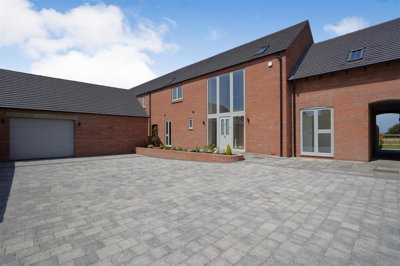
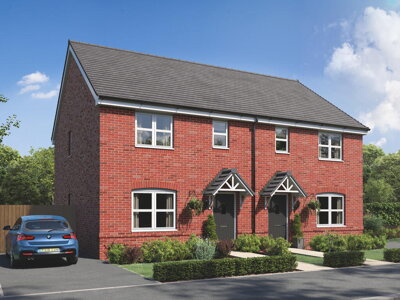
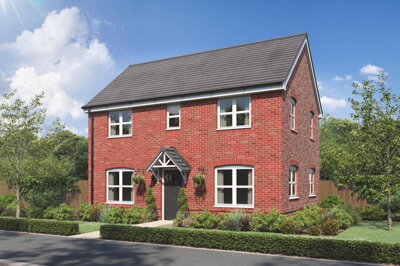
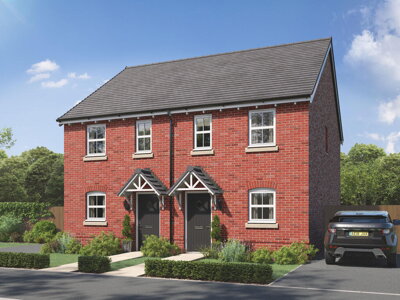
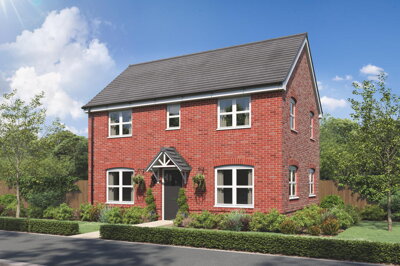
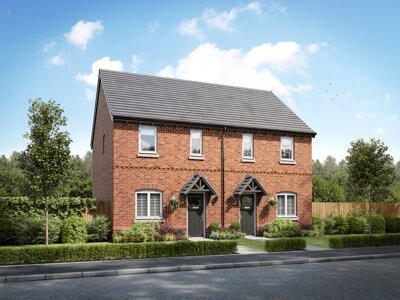
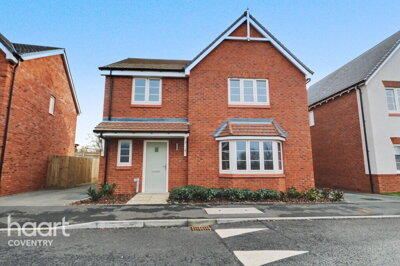
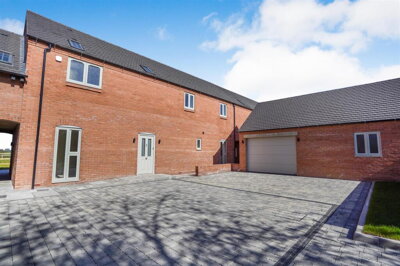
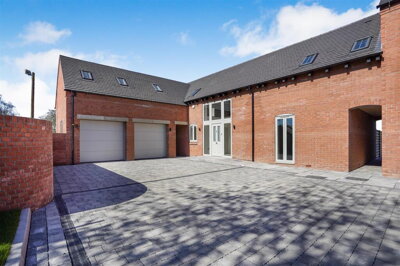
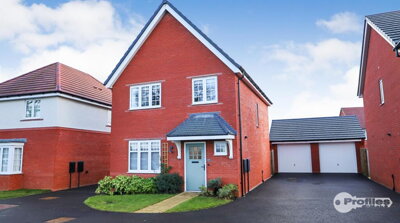
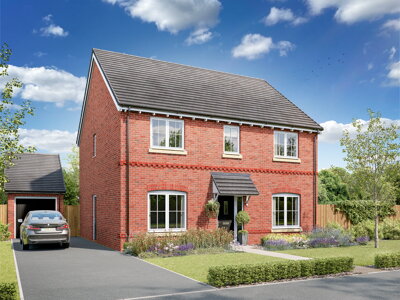
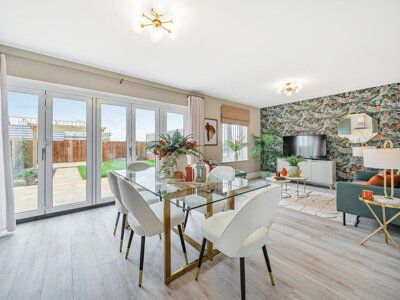
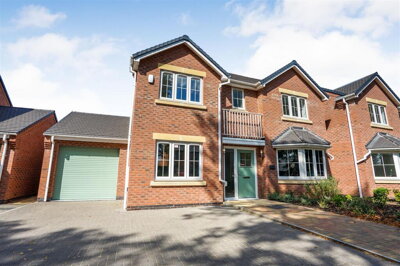
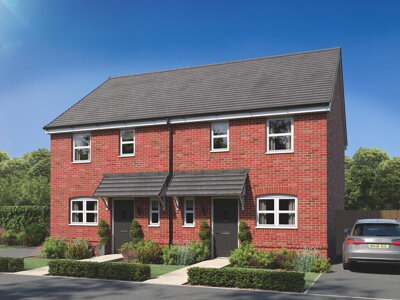
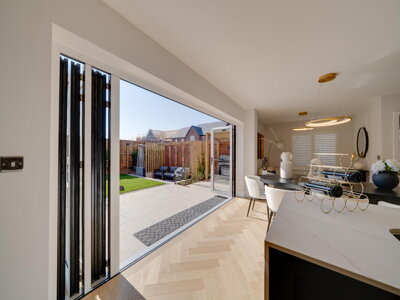
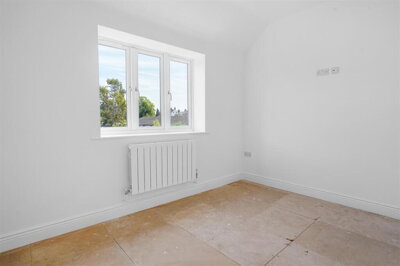
Browse 17 homes new builds in Osbaston, Hinckley and Bosworth from local developer agents.
£3.00M
1
0
322
Source: home.co.uk
Source: home.co.uk
Detached
1 listings
Avg £3.00M
Source: home.co.uk
Source: home.co.uk
The Skelton property market presents compelling opportunities for buyers in 2026, with house prices having experienced a significant adjustment over the past 12 to 24 months. Properties in YO30 1 have seen an average price reduction of 19.4% over the last year, bringing the overall average to approximately £357,000 as of January 2026. This correction follows a broader national trend, though Skelton remains relatively resilient compared to the wider York postcode area, which saw transaction volumes drop by 16.0% with 8,000 sales in the previous twelve months. For buyers, this shift creates opportunities to enter the market at more accessible price points while benefiting from the village's enduring appeal.
Property types available in Skelton reflect its diverse housing stock. Detached properties command the highest prices at around £478,803, offering generous space and gardens that appeal to families and those seeking rural character. Semi-detached homes average approximately £194,250, providing an affordable entry point into this desirable village location. The terraced properties, averaging £237,200, often include historic cottages that characterise the village centre. Within the broader YO30 postcode area, sales data shows detached properties account for 30.5% of transactions, semi-detached homes represent 32.7%, terraced properties make up 25.0%, and flats comprise 11.8% of the market.
The village expanded significantly during the latter half of the 20th century, with developments including Brecksfield from 1957 and Grange Park in the 1970s. More recent developments such as The Meadows, The Vale, and The Dell have added to the housing stock while maintaining the village's residential character. Planning applications for small-scale developments, such as proposals at Skelton Park Golf Course on Shipton Road, continue to emerge, though active new-build opportunities within the YO30 1 postcode remain limited. For buyers specifically seeking brand-new properties, nearby developments in the broader York area offer options including Duncombe Square in Bootham with Passivhaus-standard homes from £295,000 to £695,000 and Cocoa Gardens in the York suburbs with 2, 3 and 4-bedroom contemporary homes.

Skelton is a village with deep historical roots, first recorded in the Domesday Book and mentioned as a settlement as early as the 8th or 9th century. The village centre clusters around The Green, home to the Grade I listed Church of St Giles, dating from around 1240, and the Grade II* Skelton Manor with origins in the mid-16th century. The Skelton Conservation Area, designated in 1973, protects the historic character of the village core, encompassing The Green, Skelton Hall, and Skelton Manor. The Village Trust actively preserves the special character of the area, maintaining buildings, trees, and open spaces that define Skelton's unique identity. The village retains its agricultural heritage in its layout, with traditional "toft and croft" plot boundaries still traceable in the older properties.
Local amenities include a post office and general store, one public house, a social club, and a doctor's surgery, providing essential services for daily life without requiring a trip into York city centre. The village supports a small commercial district to the south-west, serving residents' everyday needs. Skelton's proximity to York means residents can easily access the city's extensive retail, dining, and cultural offerings while returning to the tranquility of village life. The village hosts various community events throughout the year, fostering the strong community spirit that characterizes Skelton living.
The broader York area provides significant economic and employment factors that influence the Skelton housing market. York's thriving tourism industry attracts both permanent residents and short-term renters, while the growing digital sector, two major universities, rail industry cluster, and biotechnology sector create diverse employment opportunities. Major employers in the wider York area include Aviva, Hiscox, NFU Mutual, and the York Biotech Campus, contributing to high employment levels that sustain steady demand for properties in well-connected villages like Skelton.
Families considering a move to Skelton will find educational options available within the village and the wider York area. Skelton itself has primary school provision serving the village population of 1,670 residents. The broader YO30 and YO31 postcode areas include primary schools with strong Ofsted ratings, while secondary education options offer good academic records. The proximity to York means families can access a range of educational settings, from community schools to faith schools and grammar schools with selective admissions. Parents should research current catchment areas and admissions criteria, as these can change annually and may significantly impact school placement.
For older students, York offers excellent sixth form and further education opportunities. The University of York and York St John University are major institutions that attract students from across the region and contribute to the city's vibrant, academic atmosphere. York College provides further education courses, while specialist schools in the surrounding area offer focused curricula in specific subjects. The presence of two major universities creates a steady influx of students and academics who may seek rental accommodation or property purchases in the Skelton area.
Given the competitive nature of school admissions in desirable areas like Skelton, prospective buyers with school-age children should thoroughly research current performance data, admission policies, and transportation arrangements before committing to a property purchase. Properties in certain streets or developments within the YO30 postcode may command premiums due to their proximity to popular schools, making early research essential for families prioritising educational placement.
Skelton's position as a commuter village is one of its most attractive features for those working in York or beyond. The village sits on the east bank of the River Ouse, with direct transport connections to York city centre approximately three miles away. Bus services operate between Skelton and central York, providing regular access for commuters, shoppers, and those accessing city amenities. For those who drive, the A19 trunk road passes nearby, offering connections to the wider North Yorkshire road network. The village's location balances rural tranquility with urban accessibility, making it popular with professionals who want to escape city living without sacrificing commute convenience.
York railway station provides excellent national connections, with fast trains to London, Edinburgh, and major northern cities. The £25 million York Station Gateway regeneration has enhanced the station environment and improved transport links across the region. For Skelton residents working in York, cycling is a viable option with dedicated routes connecting the village to the city centre. The infrastructure investments in active travel and public transport make sustainable commuting increasingly practical for residents who prefer not to drive.
Falling mortgage rates are expected to support the housing market, while high employment levels across the York area maintain steady demand for properties in well-connected villages like Skelton. The diverse employment opportunities in York, spanning tourism, digital technology, financial services, rail industry, and biotechnology, create a robust local economy that sustains demand for commuter properties in Skelton.
Property buyers in Skelton should be aware of several area-specific considerations that can affect their purchase. The village's geology presents notable factors to consider. The historic core sits on boulder clay approximately 25 metres above sea level, with the remainder of the village built on strong clay resting on gravel and sand. Clay soils are susceptible to shrinking and swelling, which can cause subsidence or heave due to changes in moisture content. This shrink-swell risk is a significant geohazard that buyers should understand, particularly when considering older properties or those with large trees nearby. A thorough RICS Level 2 survey can identify any existing structural issues related to ground movement.
Flood risk is another important consideration for Skelton properties. The village's location on the east bank of the River Ouse means certain properties are susceptible to river flooding. Historical records show the River Ouse at Skelton has reached levels causing property flooding, with the highest recorded level of 6.79m occurring on November 4, 2000. The usual river range at Skelton is between 0.51m and 6.10m, with property flooding possible above 6.40m. Properties on Alma Terrace and Postern Close have historically experienced flooding during high water events. The Environment Agency monitors the River Ouse at Skelton, and the City of York Council's Strategic Flood Risk Assessment considers flood risk across the administrative area. Buyers should request flood risk assessments for specific properties and check whether any flood defences or insurance implications apply.
Given Skelton's diverse housing stock spanning centuries, common defects vary by property age and construction type. Older solid-walled properties built before modern damp-proof courses often suffer from penetrating damp, rising damp, and condensation, sometimes exacerbated by inappropriate modern materials like non-breathable paints and renders. Roof problems are frequently encountered, including missing or cracked tiles, damaged flashing, weathered flat roofs, and deteriorating ridge mortar. Properties built between the 1950s and 1980s may contain asbestos, which requires specialist assessment. Our inspectors regularly identify structural movement, timber defects including wet and dry rot, outdated electrics, and drainage issues during surveys of Skelton properties. A RICS Level 2 survey provides essential protection for buyers purchasing any property in this village.
Skelton's Conservation Area contains numerous period properties that require careful consideration from prospective buyers. The village's architectural heritage includes buildings constructed from distinctive local materials: magnesium limestone and Westmorland slate for the oldest structures, white brick for Georgian properties like Skelton Hall (1824), and cream 'Pease' bricks visible on Skelton Methodist Church. Traditional roofing materials include clay pantiles introduced in the 17th century and grey/blue/black Welsh slate from the mid-19th century. Understanding these materials is crucial for maintaining period properties correctly, as inappropriate modern materials can cause significant damage through damp and reduced breathability.
Listed buildings in Skelton carry additional responsibilities and considerations. The Grade I Church of St Giles dates from around 1240, while the Grade II* Skelton Manor has mid-16th century origins. Other Grade II listed structures include Skelton Hall (1824), Grange Farmhouse, Church View with its distinctive pyramidal roof, Pyramid House, Toll Bar Cottage, and the Ice House approximately one hundred metres south of Fairfield Manor. Properties within the Conservation Area or those that are Listed Buildings often require specialist surveys such as a RICS Level 3 Building Survey due to their age, delicate nature, and specific planning constraints.
Any alterations or renovations to listed properties may require Listed Building Consent from City of York Council, adding complexity to renovation projects. Specialist surveyors understand traditional construction techniques including timber framing (later cased in brick), stone masonry, and the original building methods used for properties like Skelton Manor. Pre-1900 properties typically incur survey cost premiums of 20-40% due to the additional inspection time and specialist expertise required. For historic properties in Skelton, our team recommends budgeting for these additional costs and engaging surveyors experienced with traditional buildings to ensure thorough assessment of their unique characteristics and potential defects.
Begin by exploring current listings in Skelton and the surrounding YO30 postcode area. Our platform provides access to properties from local estate agents, with prices ranging from terraced homes around £237,200 to detached properties averaging £478,803. Understanding the local market trends, including the recent 19.4% price reduction over the past year, will help you identify appropriate properties and make competitive offers. Consider the diverse housing stock available, from historic cottages around The Green to modern developments like The Meadows and The Dell.
Before scheduling viewings, obtain a mortgage agreement in principle from a lender. This confirms your borrowing capacity and demonstrates to sellers that you are a serious buyer. With falling mortgage rates expected to support the housing market, now is an advantageous time to secure financing. Our mortgage comparison tool helps you find competitive rates and connect with lenders offering products suitable for properties in the YO30 area. For properties at the average Skelton price of £351,866, most standard buyers would borrow around £281,500 with a 20% deposit.
Arrange viewings for properties that match your criteria, including those within the Skelton Conservation Area if you are interested in period properties. Consider viewing properties at different times of day to assess noise levels, lighting, and the neighbourhood atmosphere. Take notes on property condition and any potential issues that may require further investigation through a survey. Pay particular attention to properties with large gardens, as tree proximity can indicate potential shrink-swell subsidence issues given Skelton's clay geology.
Before exchanging contracts, arrange a RICS Level 2 Home Survey for any property you intend to purchase. Given Skelton's mix of historic and modern properties, a professional survey is essential to identify defects such as dampness, roof problems, structural movement, or outdated electrics. The average cost for a Level 2 survey ranges from £400 to £1,000 depending on property value and complexity. For historic or listed properties, consider a Level 3 Building Survey for more comprehensive assessment. Properties above £500,000 average around £586 for a Level 2 survey.
Once your offer is accepted, instruct a solicitor to handle the legal aspects of your purchase. Your solicitor will conduct searches with City of York Council, check flooding and drainage records for your Skelton property, and manage the conveyancing process from exchange through to completion. Our conveyancing comparison tool connects you with experienced solicitors familiar with properties in the York area. Budget £500 to £1,500 for conveyancing costs depending on complexity.
After all searches are satisfactory and mortgage finance is confirmed, you will exchange contracts and pay your deposit. The standard completion period is typically 28 days, though this can be adjusted for Skelton properties near flood risk areas where additional due diligence may be warranted. On completion day, your solicitor transfers the remaining funds and you receive the keys to your new Skelton home. Register your ownership with HM Land Registry and update your address with relevant parties including your local doctor, post office, and utility providers.
The average house price in Skelton (YO30 1) is approximately £351,866 based on last year data, with the average price paid reaching £357,000 as of January 2026. Detached properties average £478,803, terraced properties average £237,200, and semi-detached homes average £194,250. House prices have experienced a notable correction, falling 19.4% over the past 12 months and 12% from the 2022 peak of £399,181. This price adjustment has created more accessible entry points for buyers seeking properties in this historic village with its Conservation Area protection and proximity to York city centre.
Properties in Skelton fall under City of York Council administration. Council tax bands range from A to H depending on property value, with most residential properties in the village falling within bands B to E. Exact bandings vary by individual property based on their assessed value, and prospective buyers should check the specific banding for any property they are considering. City of York Council provides online council tax enquiry services where you can verify banding before purchase. Given Skelton's mix of period cottages and modern developments, council tax bands can vary considerably across the village.
Skelton has primary school provision serving the village population of 1,670 residents. The broader York area offers additional options including primary schools with strong Ofsted ratings and secondary schools with good academic records. York also has grammar schools with selective admissions that serve the Skelton area. The University of York and York St John University provide higher education opportunities for older students. Parents should research current catchment areas, admissions criteria, and school performance data, as these factors significantly impact educational placement and can influence property values in specific streets or developments like Brecksfield, Grange Park, and The Meadows.
Skelton benefits from regular bus services connecting the village to York city centre approximately three miles away. York railway station provides excellent national connections with direct services to London, Edinburgh, and major northern cities. The A19 trunk road passes nearby offering road connections to the wider North Yorkshire region. The York Station Gateway regeneration has enhanced transport links across the area, improving the commuter experience for Skelton residents using rail services. For commuters working in York, cycling is practical with dedicated routes connecting Skelton to the city centre, making sustainable travel a viable option for many residents who want to avoid the costs of car ownership.
Skelton offers several investment characteristics worth considering for both homeowners and investors. The village functions as a desirable commuter location, maintaining steady demand from professionals working in York who appreciate the village's historic character and Conservation Area protection. The tourism industry in broader York supports rental demand, while the growing digital sector, two major universities, rail industry presence, and biotechnology cluster create diverse employment opportunities that sustain the local economy. However, the property market has experienced price corrections, with a 19.4% reduction over the past year. Properties in the Conservation Area or those with unique historical features like the Grade I Church of St Giles or the Grade II* Skelton Manor may hold particular appeal, though buyers should conduct thorough due diligence regarding flood risk given the village's location on the River Ouse and ground conditions related to clay shrink-swell potential.
For properties purchased in Skelton (City of York Council area), standard SDLT rates apply. The current thresholds for 2024-25 are: 0% on the first £250,000, 5% on £250,001 to £925,000, 10% on £925,001 to £1.5 million, and 12% on amounts above £1.5 million. First-time buyers benefit from increased thresholds: 0% on the first £425,000, 5% on £425,001 to £625,000, with no relief available above £625,000. Given average Skelton property prices of £351,866, most purchases would attract minimal or no stamp duty for first-time buyers, while standard buyers would typically pay 5% on the amount above £250,000, resulting in approximately £5,093 on an average-priced property.
Flood risk is a significant consideration for properties in Skelton due to the village's location on the east bank of the River Ouse. The River Ouse at Skelton has a monitoring station, with historical records showing the river has reached levels causing property flooding. The usual range is between 0.51m and 6.10m, with flooding possible above 6.40m. The highest recorded level of 6.79m occurred on November 4, 2000. Properties on Alma Terrace and Postern Close have historically experienced flooding during high water events, and the overflow of Skelton flood defences has occurred during severe events. The City of York Council's Strategic Flood Risk Assessment addresses these risks, and buyers should request specific flood risk assessments for individual properties and factor any necessary insurance implications into their purchase decision.
Given Skelton's diverse housing stock spanning properties from the 13th century to modern developments, our inspectors frequently identify various defects depending on property age and construction type. Older solid-walled properties commonly exhibit damp issues, including penetrating damp, rising damp, and condensation, often exacerbated by inappropriate modern materials used in previous renovations. Roof problems are frequently encountered, including missing or cracked tiles, damaged flashing, and deteriorating ridge mortar. Properties built between the 1950s and 1980s may contain asbestos in insulation or building materials. Timber defects including wet and dry rot occur where ventilation is poor or dampness is present. Given Skelton's clay geology, our surveyors also watch for signs of subsidence or heave related to soil shrink-swell behaviour, particularly in properties with large trees or those with inconsistent moisture levels. Outdated electrical systems and plumbing are common concerns in older homes that have not been modernised.
Understanding the full costs of buying property in Skelton is essential for budgeting effectively. The average property price of £351,866 means most purchases will fall within the first two SDLT bands. For first-time buyers purchasing at the average price, the calculation would be straightforward: zero SDLT on the first £425,000 (fully covered) and 5% on the amount between £425,000 and the purchase price. For standard buyers purchasing at £351,866, SDLT would be calculated at 5% on £101,866 (the amount above £250,000), resulting in approximately £5,093 in stamp duty. These figures demonstrate why Skelton properties remain attractive compared to London and the Southeast, where SDLT can substantially increase purchase costs.
Beyond stamp duty, buyers should budget for solicitor conveyancing costs, typically ranging from £500 to £1,500 depending on complexity and property value. A RICS Level 2 survey costs between £400 and £1,000, with higher costs for larger or more complex properties. An Energy Performance Certificate costs from £60 to £120. Survey costs increase for older properties or those with non-standard construction, with pre-1900 buildings potentially incurring 20-40% premiums due to the additional inspection time required. For Skelton properties above £500,000, survey costs average around £586, while smaller properties under £200,000 average approximately £384. Given Skelton's mix of historic and modern properties, buyers should obtain quotes specific to their intended property type and age. Mortgage arrangement fees, valuation fees, and moving costs complete the typical buyer budget, with total additional costs typically ranging from £2,000 to £4,000 above the property purchase price.
From 4.5%
Compare mortgage rates from leading lenders for your Skelton property purchase
From £499
Conveyancing solicitors familiar with City of York Council searches and Skelton properties
From £400
Comprehensive survey for Skelton properties identifying defects in historic and modern housing stock
From £60
Energy Performance Certificate required for all property sales
Properties New Builds In London

Properties New Builds In Plymouth

Properties New Builds In Liverpool

Properties New Builds In Glasgow

Properties New Builds In Sheffield

Properties New Builds In Edinburgh

Properties New Builds In Coventry

Properties New Builds In Bradford

Properties New Builds In Manchester

Properties New Builds In Birmingham

Properties New Builds In Bristol

Properties New Builds In Oxford

Properties New Builds In Leicester

Properties New Builds In Newcastle

Properties New Builds In Leeds

Properties New Builds In Southampton

Properties New Builds In Cardiff

Properties New Builds In Nottingham

Properties New Builds In Norwich

Properties New Builds In Brighton

Properties New Builds In Derby

Properties New Builds In Portsmouth

Properties New Builds In Northampton

Properties New Builds In Milton Keynes

Properties New Builds In Bournemouth

Properties New Builds In Bolton

Properties New Builds In Swansea

Properties New Builds In Swindon

Properties New Builds In Peterborough

Properties New Builds In Wolverhampton

Enter your details to see if this property is within your budget.
Loans, cards, car finance
Estimated property budget
Borrowing + deposit
You could borrow between
Typical borrowing
Monthly repayment
Est. at 4.5%
Loan-to-value
This is an estimate only. Your actual budget may vary depending on interest rates, credit history, and personal circumstances. For an accurate affordability assessment, speak to one of our free mortgage advisors.
This calculator provides estimates for illustrative purposes only and does not constitute financial advice. Your home may be repossessed if you do not keep up repayments on your mortgage. Estimates based on 4.5% interest rate, repayment mortgage. Actual rates depend on your circumstances.
Homemove is a trading name of HM Haus Group Ltd (Company No. 13873779, registered in England & Wales). Homemove Mortgages Ltd (Company No. 15947693) is an Appointed Representative of TMG Direct Limited, trading as TMG Mortgage Network, which is authorised and regulated by the Financial Conduct Authority (FRN 786245). Homemove Mortgages Ltd is entered on the FCA Register as an Appointed Representative (FRN 1022429). You can check registrations at NewRegister or by calling 0800 111 6768.

We use cookies to show you personalised content and improve your experience of our website. Find out more in our Privacy policy and Cookie policy.