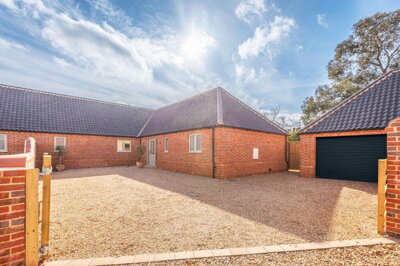
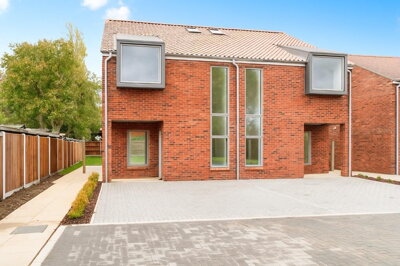
Browse 4 homes new builds in NR21 from local developer agents.
Three bedroom properties represent a significant portion of the NR21 housing market, offering space for families with multiple reception rooms and gardens in many cases. Browse detached, semi-detached, and terraced options ranging across new residential developments.
£280k
43
0
153
Source: home.co.uk
Showing 43 results for 3 Bedroom Houses new builds in NR21. The median asking price is £280,000.
Source: home.co.uk
Semi-Detached
25 listings
Avg £286,800
Detached
13 listings
Avg £411,919
Terraced
5 listings
Avg £254,000
Source: home.co.uk
Source: home.co.uk
The NP13 property market presents a compelling case for buyers seeking affordability without compromising on space or character. Our listings data shows detached properties averaging around £280,000, offering generous accommodation for families who want room to grow. Semi-detached homes typically sell for approximately £157,000, providing an excellent entry point for first-time buyers or those upgrading from terraced properties. These prices represent significant value when compared to adjacent postcode areas where similar property types command premiums of 20% or more.
Terraced properties form the backbone of the local housing market, with average prices around £127,000 making them accessible to a wide range of buyers. The majority of properties sold in NP13 over the past year were terraced homes, reflecting both the historical construction patterns of the Valleys and the practical appeal of these properties for first-time buyers. Flats in the area offer the most affordable entry point, with typical prices around £76,000, though these properties represent a smaller portion of the market. Recent data indicates 167 residential property sales occurred in the area over the past twelve months, with prices trending upward by approximately 5% to 9% year-on-year.
Within the NP13 1 sub-area specifically, house prices grew by an impressive 15.0% over the last year, demonstrating that certain micro-markets within the postcode are outperforming the broader area average. This variation highlights the importance of researching specific locations and street-level market conditions when considering a purchase. We regularly update our pricing data to reflect the latest market movements across Abertillery, Six Bells, and the surrounding valley communities.
The sales volume data shows 167 residential transactions in the past year, representing a decrease of 26 sales compared to the previous period. This reduction in available inventory has contributed to the upward pressure on prices, as demand continues to outpace supply in this desirable area. Prospective buyers should be prepared to act decisively when they find suitable properties, as well-presented homes in good locations are selling quickly in the current market conditions.

The communities within NP13 are defined by their strong sense of local identity and the dramatic landscape of the South Wales Valleys. Abertillery, one of the principal towns in the area, carries the legacy of its mining heritage with pride, home to the Guardian of the Valleys Memorial at Six Bells. This memorial stands as a tribute to the miners who shaped both the local economy and the cultural identity of the region. The terraced housing that lines the valley slopes tells the story of industrial communities built around coal mining, with properties often featuring traditional construction methods using local stone and brick, typically rendered on external walls.
Residents of NP13 benefit from a landscape that offers excellent opportunities for outdoor pursuits, with walking routes through the surrounding hills and valleys. The proximity to the Brecon Beacons National Park provides easy access to stunning countryside for weekend adventures. Local amenities include supermarkets, independent shops, healthcare facilities, and pubs serving traditional Welsh fare. The community atmosphere is particularly attractive to families seeking a slower pace of life while maintaining connections to urban employment centres. The valley geography creates a distinctive living environment where neighbours know each other and local events bring communities together throughout the year.
The area geology of the South Wales Valleys consists primarily of Carboniferous formations, including coal measures, sandstones, and shales that have shaped both the landscape and the built environment over centuries. These geological conditions influenced the traditional building methods used for properties in the NP13 area, with local materials often sourced from nearby quarries and mines. Understanding this local context helps explain why certain property types predominate in specific locations, particularly the terraced housing clusters that follow the valley floor and lower slopes.
The local economy has diversified since the decline of coal mining, with retail, services, and light manufacturing providing employment opportunities within the valley communities. For those working in Cardiff or Bristol, the relative proximity to these major employment centres makes residential living in NP13 increasingly attractive. Commuters appreciate the significant cost savings compared to living closer to these cities, while still benefiting from the distinctive lifestyle that valley living offers.

Families considering a move to NP13 will find a range of educational options across the primary and secondary phases. The local schools serve communities within the South Wales Valleys, providing education for children from the surrounding neighbourhoods. Many primary schools in the area benefit from relatively small class sizes, allowing teachers to provide individual attention to pupils. Secondary schools in the region offer a variety of curriculum choices, with sixth form provisions enabling students to continue their education locally before pursuing higher education or training opportunities.
The education landscape in the Valleys includes both community schools and faith-based establishments, giving parents choices that align with their family values. Transport links to grammar schools in nearby towns provide additional options for families seeking selective education, though catchment areas and admission criteria should be verified with the relevant local authority. Further education colleges in the region offer vocational courses and A-levels, with many young people progressing to university or apprenticeships after completing their secondary education. Prospective buyers with school-age children should research specific school performance data and Ofsted reports to find the best match for their family's needs.
The Welsh education system operates through Estyn, the equivalent of Ofsted, providing inspection reports and performance data for schools across Wales. Parents should review both quantitative measures such as examination results and qualitative assessments of school environment and pupil development when making decisions. Schools in smaller valley communities often benefit from strong community ties and additional support for pupils with additional learning needs, though facilities may be more modest than those found in larger towns.

One of the key advantages of living in NP13 is the balance between peaceful valley living and excellent connectivity to major cities. The area sits less than an hour's drive from Cardiff, making it practical for commuters who work in the capital but prefer residential prices that are considerably lower than Cardiff itself. The journey to Bristol typically takes around an hour by car, opening up employment opportunities in the southwest while keeping property costs manageable. The A467 trunk road runs through the valley, providing the main arterial route connecting communities within NP13 to the wider road network.
The A465 Heads of the Valleys road provides crucial east-west connectivity, linking NP13 communities with Ebbw Vale to the east and Heads of the Valleys towns beyond. This route has undergone significant improvements in recent years, reducing journey times and improving safety on what was historically a challenging mountain road. The dualling of sections has made the route more reliable for both commuting and leisure travel, benefiting residents who work across the region.
Public transport options include bus services that link the valley communities with nearby towns and cities. The train station at Llanhilleth on the Ebbw Vale line provides rail connections, with services to Cardiff that make daily commuting feasible for those working in the city. For air travel, Cardiff Airport is reachable within approximately 45 minutes by car, offering both domestic and international flights. Cyclists will find that the valley terrain presents challenges, though the quieter B-roads are popular with experienced riders. Parking availability varies by location, with more limited options in traditional terraced streets compared to newer developments.

Before viewing properties, obtain a mortgage agreement in principle from a lender. This documents how much you can borrow and demonstrates to sellers that you are a serious buyer when you make an offer. Use Homemove's mortgage comparison tool to find competitive rates suited to your circumstances. First-time buyers in the NP13 market benefit from favourable affordability given property prices that typically sit well below the national average, meaning smaller deposits can still achieve competitive loan-to-value ratios.
Spend time exploring the NP13 communities, visiting at different times of day and on weekends. Check local amenities, speak to residents about the area, and research any specific concerns such as flood risk in valley locations or mining heritage considerations. Our area guides provide valuable context to supplement your visits. Pay particular attention to the specific micro-location within the valley, as properties on lower slopes may have different exposure to weather and drainage issues than those on higher ground.
Contact estate agents in the NP13 area to arrange viewings of properties that match your criteria. Take notes and photographs during viewings, and if possible return for a second visit before deciding. A RICS Level 2 Survey is particularly valuable for older properties in the Valleys given the likely age of much of the housing stock. Given that a significant proportion of properties are likely over 50 years old, professional surveys can identify defects that may not be apparent during standard viewings.
When you find the right property, work with your agent to submit a competitive offer. In the NP13 market, there may be room for negotiation, particularly for properties that have been listed for some time. Agree on price and any conditions before moving to the legal process. Properties in desirable locations with good school catchments often attract multiple interest, so being prepared to move quickly can be advantageous.
Your solicitor will handle the legal work including property searches, contracts, and registration with HM Land Registry. Expect this process to take 8 to 12 weeks typically. Your conveyancer will communicate with the seller's solicitors and coordinate the exchange of contracts. Given the traditional construction methods common in the area, local searches should investigate potential mining legacy and ground conditions that could affect the property.
Once all conditions are met, you will exchange contracts and pay your deposit. Completion typically follows within days or weeks, at which point you receive the keys and can move into your new NP13 home. Our team can recommend local conveyancing solicitors experienced with valley properties who understand the specific considerations for this type of housing stock.
Properties in the NP13 area reflect the building traditions of the South Wales Valleys, with construction methods shaped by local materials and industrial history. The majority of terraced housing was built during the late 19th and early 20th centuries, when the coal mining industry was at its peak and local stone and brick were readily available from nearby quarries. External walls typically feature solid wall construction, either in local stone or traditional brick, with render applied to protect against the often-wet valley weather. These solid walls are substantially thicker than modern cavity construction, which affects both the thermal performance and the approach required for any insulation improvements.
The roofing on older properties in the area typically consists of slate, sourced originally from Welsh quarries that supplied much of the UK construction industry. Original slate roofs on Victorian and Edwardian properties can last over a century when properly maintained, though individual tiles may have been replaced over the years. Checking the condition and age of the roof covering should be a priority during any property assessment, as roof work represents a significant expense. Lead flashing around chimneys and valleys requires particular attention, as lead was widely used in traditional construction and may have deteriorated or been replaced with inferior materials over time.
Understanding the construction type is essential when budgeting for a purchase in NP13, as older properties may require more maintenance and upgrades than newer build homes. Cavity wall insulation may not have been installed in older properties, and where it has been added, the installation quality should be verified. Properties with solid walls may benefit from internal or external wall insulation, though any work should be specified and installed correctly to avoid condensation and damp issues. Our RICS Level 2 Survey reports include detailed assessments of construction type and condition, helping buyers understand the maintenance requirements and potential costs associated with their chosen property.
The South Wales Valleys have a rich mining history that has shaped both the landscape and the properties we see today in the NP13 postcode area. Coal mining operations, which reached their peak in the late 19th and early 20th centuries, left a legacy that prospective buyers should understand when considering properties in this area. Historical mining activity can affect ground stability in various ways, including the potential for subsurface voids and the effects of ground movement caused by historical extraction operations. While not every property will be affected, this is a consideration that should be investigated as part of the due diligence process.
Property searches conducted during the conveyancing process typically include mining records searches that can indicate historical activity in the vicinity. For properties in areas with significant mining history, more detailed investigations may be warranted, particularly if there are any visible signs of movement or cracking in the property. Our inspectors are experienced in identifying potential mining-related issues during surveys, including pattern cracking that may indicate ground movement and doors or windows that stick due to subsidence affecting the structural frame. A RICS Level 3 Building Survey provides more detailed analysis for properties where specific concerns have been identified.
Beyond mining considerations, the local geology of the South Wales Valleys includes various soil types that can affect property foundations. Clay soils, which are common in many parts of the UK, can be subject to shrink-swell movement in response to moisture changes, particularly where trees are located near properties. The valley topography can also result in variable ground conditions over short distances, with some areas having more stable substrates than others. Understanding these local ground conditions helps buyers appreciate why some properties may require more careful monitoring and maintenance than others.
Properties in NP13 often feature traditional construction methods associated with Welsh Valleys housing from the late 19th and early 20th centuries. Given the mining heritage of the area, it is worth investigating whether any historical mining activity could have affected ground stability in the vicinity of a property you are considering. A RICS Level 2 Survey provides a thorough assessment of the property condition and can identify issues such as damp, roof problems, or structural concerns that may not be visible during a standard viewing. For older properties or those with unusual features, a RICS Level 3 Building Survey offers more detailed analysis.
The valley location means that certain properties may be subject to surface water or river flood risk, particularly those in lower-lying positions. Check with the local authority about flood history and review the government's flood risk maps before committing to a purchase. Terraced properties in the area often have shared ownership of boundary walls or drainage systems with neighbouring properties, so understanding these arrangements is important. Always verify whether a property is freehold or leasehold, as leasehold properties will have ground rent and service charge obligations that affect your ongoing costs.
Common defects found in older properties across the South Wales Valleys include damp issues, which may be rising from the ground, penetrating through render or roof coverings, or caused by condensation due to modern living patterns in traditionally-built homes. Our inspectors frequently identify roof condition concerns during surveys, including slipped or missing tiles, deteriorated felt underlays, and issues with lead flashings around chimneys. Electrical and plumbing systems in older properties may require updating to meet current standards and provide the capacity required for modern appliances. A thorough survey will identify any such issues before you commit to a purchase, allowing you to negotiate on price or require repairs as a condition of sale.

According to recent data, average house prices in NP13 range from £133,602 to £158,166 depending on the source consulted. Rightmove reports an overall average of £141,360, with Property Solvers citing £158,166. Property prices have increased by approximately 5% to 9% over the past year, showing steady growth in the local market. Detached properties command the highest prices at around £280,000, while terraced homes average approximately £127,000 and flats start from around £76,000. The NP13 1 sub-area has shown particularly strong growth at 15.0% year-on-year, indicating that certain micro-markets are outperforming the broader area average.
Properties in the NP13 area fall under Blaenau Gwent County Borough Council. Council tax bands in this local authority range from Band A for the lowest value properties up to Band H for the most expensive homes. Most terraced properties in the Valleys typically fall within Bands A to C, meaning annual charges are among the most affordable in Wales. You can verify the specific band of any property through the Valuation Office Agency website using the property address. The relatively low council tax bands reflect the generally more affordable property values in the area compared to other parts of Wales and the UK.
The NP13 postcode includes primary and secondary schools serving the valley communities. Local primary schools provide education for children aged 4 to 11, with several having good reputations for pupil progress and outcomes. Secondary schools in the area offer comprehensive education with sixth form provision at some sites. Parents should research individual school performance data, including GCSE results and Ofsted inspection reports, which are available through the Estyn website for Welsh schools and Ofsted for cross-border institutions. Small class sizes in valley primary schools often provide excellent individual attention, though facilities may be more modest than those in larger towns.
The NP13 area has bus services connecting valley communities to nearby towns including Ebbw Vale, Abergavenny, and Pontypool. The Ebbw Vale railway line provides rail services from Llanhilleth station to Cardiff, making this a viable option for commuters working in the capital. The A467 road is the main route through the valley, connecting to the A465 Heads of the Valleys road for access to wider destinations. Journey times to Cardiff take approximately 45 to 50 minutes by car under normal traffic conditions. The A465 improvements in recent years have significantly enhanced east-west connectivity, making commuting to employment centres along the Heads of the Valleys more practical.
The NP13 property market has shown consistent price growth, with increases of 5% to 9% recorded over the past twelve months. Property prices remain significantly below the Welsh and UK averages, suggesting potential for continued growth as buyers priced out of cities seek more affordable alternatives. The area attracts buyers seeking value for money and a strong sense of community. Rental demand exists from local workers and those seeking more affordable housing than nearby cities offer. As with any property investment, thorough research into specific locations and property types is advisable before committing. The strong sense of community and improving transport links make the area attractive to both owner-occupiers and tenants.
As of 2024-25, stamp duty rates in England apply to NP13 properties with standard rate thresholds of 0% up to £250,000, 5% on the portion from £250,001 to £925,000, 10% from £925,001 to £1.5 million, and 12% above £1.5 million. First-time buyers benefit from relief on the first £425,000, paying 5% only on the portion between £425,001 and £625,000. Given that average NP13 prices sit well below £250,000 for many property types, many purchases may attract no stamp duty at all or only minimal charges. A typical terraced property at £127,000 would incur no SDLT for any buyer category, while a detached property at £280,000 would attract SDLT only on the £30,000 portion above the threshold.
The valley location of communities within NP13 means that certain properties, particularly those in lower-lying positions near watercourses, may carry some flood risk. Surface water flooding can occur during periods of heavy rainfall, especially where drainage systems are inadequate or ground conditions limit absorption. We recommend checking the government's long-term flood risk assessment maps before purchasing any property in the area. Properties on higher ground or elevated positions within the valley typically have lower flood exposure. Your conveyancer should include appropriate drainage and flood risk searches as part of the local authority investigation process.
Properties built before 1950 in the NP13 area commonly feature solid wall construction, traditional slate roofing, and potentially original timber windows and doors. Maintenance considerations include potential repointing of brickwork or stonework, renewal of lead flashings, and regular inspection of gutters and downpipes given the wet valley climate. Solid wall properties may require attention to damp proof courses and ventilation to prevent moisture accumulation. Electrical systems dating from the mid-20th century or earlier will likely require complete rewiring to meet modern standards. A RICS Level 2 Survey identifies specific maintenance requirements, allowing you to budget appropriately for any works needed after purchase.
From 4.5%
Competitive mortgage rates from trusted lenders to help you secure your NP13 property purchase
From £499
Expert property solicitors handling your legal work, searches, and registration
From £350
Thorough condition survey ideal for traditional terraced and semi-detached properties in the Valleys
From £450
Detailed building survey for older properties or those with unusual features requiring specialist analysis
One of the financial advantages of buying property in NP13 is that the relatively lower purchase prices often keep stamp duty land tax (SDLT) costs minimal or nil for many buyers. With terraced properties averaging around £127,000 and flats at approximately £76,000, first-time buyers purchasing properties below £425,000 will pay no SDLT thanks to first-time buyer relief. Those buying with previous property ownership or investors will only pay SDLT on amounts exceeding £250,000 at the standard rate of 5%. This represents a significant saving compared to purchasing in more expensive regions where SDLT can add thousands of pounds to the purchase cost.
Beyond stamp duty, buyers should budget for solicitor conveyancing fees which typically range from £499 to over £1,000 depending on complexity. Survey costs vary by property type and inspection level, with a RICS Level 2 Survey starting from approximately £350 for a standard terraced property. Mortgage arrangement fees, if applicable, often range from 0% to 1.5% of the loan amount. Removal costs, valuation fees, and potential repairs identified during survey should also be factored into your moving budget. Our conveyancing and mortgage partners can provide detailed quotes tailored to your specific purchase circumstances in the NP13 area.

Properties New Builds In London

Properties New Builds In Plymouth

Properties New Builds In Liverpool

Properties New Builds In Glasgow

Properties New Builds In Sheffield

Properties New Builds In Edinburgh

Properties New Builds In Coventry

Properties New Builds In Bradford

Properties New Builds In Manchester

Properties New Builds In Birmingham

Properties New Builds In Bristol

Properties New Builds In Oxford

Properties New Builds In Leicester

Properties New Builds In Newcastle

Properties New Builds In Leeds

Properties New Builds In Southampton

Properties New Builds In Cardiff

Properties New Builds In Nottingham

Properties New Builds In Norwich

Properties New Builds In Brighton

Properties New Builds In Derby

Properties New Builds In Portsmouth

Properties New Builds In Northampton

Properties New Builds In Milton Keynes

Properties New Builds In Bournemouth

Properties New Builds In Bolton

Properties New Builds In Swansea

Properties New Builds In Swindon

Properties New Builds In Peterborough

Properties New Builds In Wolverhampton

Enter your details to see if this property is within your budget.
Loans, cards, car finance
Estimated property budget
Borrowing + deposit
You could borrow between
Typical borrowing
Monthly repayment
Est. at 4.5%
Loan-to-value
This is an estimate only. Your actual budget may vary depending on interest rates, credit history, and personal circumstances. For an accurate affordability assessment, speak to one of our free mortgage advisors.
This calculator provides estimates for illustrative purposes only and does not constitute financial advice. Your home may be repossessed if you do not keep up repayments on your mortgage. Estimates based on 4.5% interest rate, repayment mortgage. Actual rates depend on your circumstances.
Homemove is a trading name of HM Haus Group Ltd (Company No. 13873779, registered in England & Wales). Homemove Mortgages Ltd (Company No. 15947693) is an Appointed Representative of TMG Direct Limited, trading as TMG Mortgage Network, which is authorised and regulated by the Financial Conduct Authority (FRN 786245). Homemove Mortgages Ltd is entered on the FCA Register as an Appointed Representative (FRN 1022429). You can check registrations at NewRegister or by calling 0800 111 6768.

We use cookies to show you personalised content and improve your experience of our website. Find out more in our Privacy policy and Cookie policy.