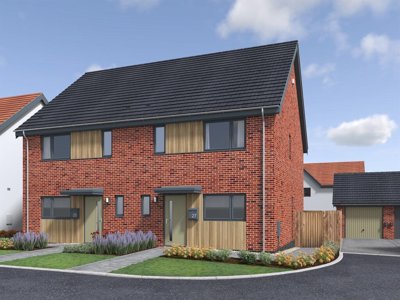
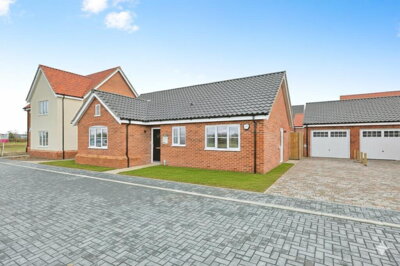
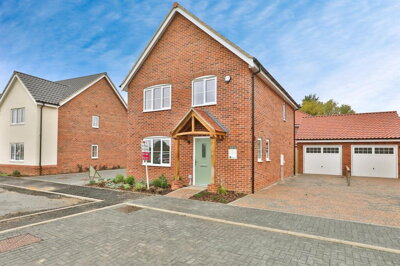
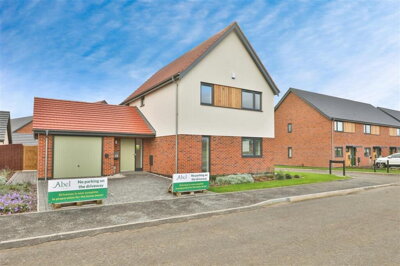
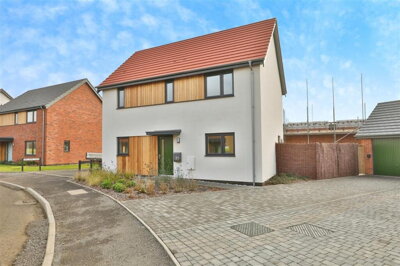
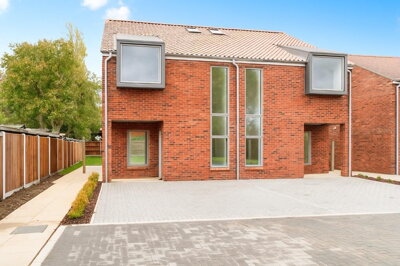
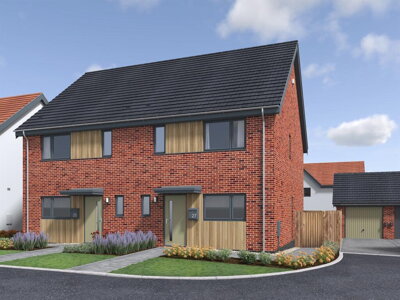
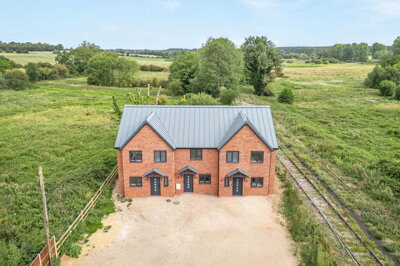
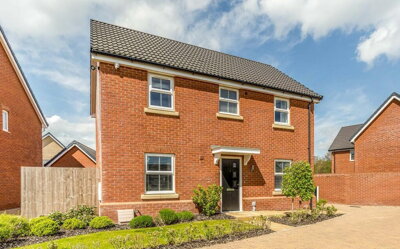
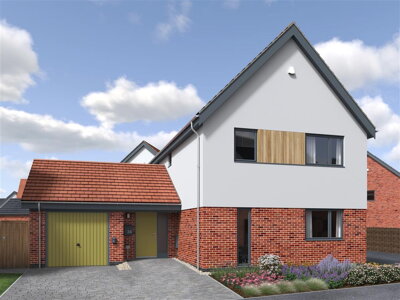
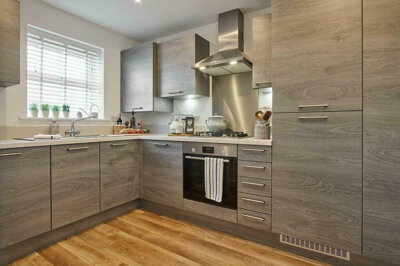
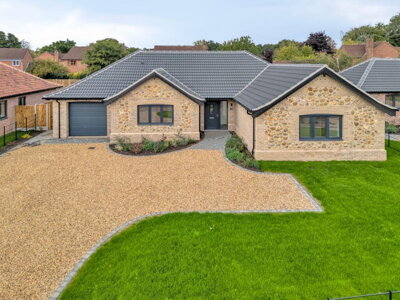
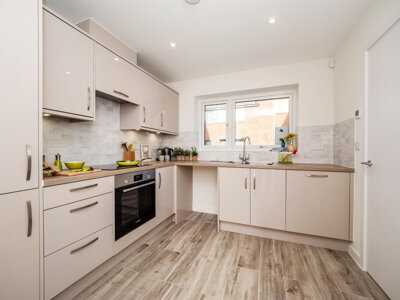
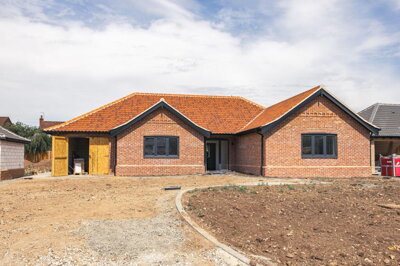
Browse 18 homes new builds in NR20 from local developer agents.
Three bedroom properties represent a significant portion of the NR20 housing market, offering space for families with multiple reception rooms and gardens in many cases. Browse detached, semi-detached, and terraced options ranging across new residential developments.
£300k
43
5
123
Source: home.co.uk
Showing 43 results for 3 Bedroom Houses new builds in NR20. 5 new listings added this week. The median asking price is £300,000.
Source: home.co.uk
Detached
19 listings
Avg £373,684
Semi-Detached
13 listings
Avg £278,808
Terraced
11 listings
Avg £232,727
Source: home.co.uk
Source: home.co.uk
The NR20 property market has demonstrated remarkable stability despite broader national fluctuations. Over the past twelve months, average property prices in the area stood at approximately £356,047 according to Zoopla, with Property Solvers reporting a slightly higher average of £382,681 using HM Land Registry figures. Zoopla records an average sold price of £360,231, while Rightmove states an overall average of £356,534, reflecting the variation in data sources that buyers should consider when evaluating property values. The market saw 255 residential transactions completed, representing a 29% decrease in sales volume compared to the previous year, which aligns with national trends of reduced transaction numbers as buyers exercise caution in the current economic climate.
Property type significantly influences value within NR20, with detached homes commanding the highest prices at an average of £428,477 to £433,917. These larger properties represent the majority of sales in the area, appealing to families seeking space and privacy. Semi-detached properties, which form a substantial portion of family housing stock, average approximately £254,405 to £256,080, making them an accessible option for first-time buyers and growing families alike. Terraced properties offer the most affordable entry point at around £203,294 to £205,879, while flats in the area average £155,000, providing options for those seeking smaller properties or investment opportunities.
New build activity within NR20 has been relatively limited in recent years, with most available stock comprising existing properties ranging from period cottages to homes built throughout the twentieth and twenty-first centuries. The area's construction heritage includes traditional brick and flint buildings that reflect Norfolk's architectural vernacular, alongside more conventional brick-built properties. Period properties dating from the Georgian and Victorian eras can be found throughout Dereham town centre, with inter-war and post-war housing forming established residential areas on the town's periphery. The surrounding villages feature a mix of older cottages, converted farm buildings, and more recent residential development.

Dereham, the principal town within the NR20 postcode, serves as a thriving market town that has supported local communities for centuries. The town centre features a mix of independent retailers, national chains, and weekly markets where local producers sell fresh Norfolk produce. The High Street and surrounding streets host a variety of shops, cafes, and restaurants, while the twice-weekly market brings traders offering everything from local vegetables to artisan goods. The area's character combines agricultural heritage with modern conveniences, creating an environment where residents enjoy the benefits of rural living without sacrificing access to everyday amenities.
The surrounding villages contribute their own distinct personalities to the NR20 area. Villages such as Mattishall, North Elmham, and Swanton Morley each offer their own character, from historic churches and village greens to community pubs and local shops that foster a strong sense of neighbourhood. These smaller communities provide peaceful residential environments while remaining within easy reach of Dereham's facilities. Many villages host regular events including craft fairs, quiz nights, and agricultural shows that bring residents together throughout the year.
The Norfolk countryside surrounding NR20 offers extensive opportunities for outdoor recreation and appreciation of natural landscapes. Footpaths and bridleways crisscross the area, providing routes for walking, cycling, and horse riding through farmland, woodland, and heathland. The Brecks, a distinctive Breckland landscape characterised by pine forests and sandy heath, lies within easy reach and offers additional recreational opportunities including wildlife watching and off-road cycling. This connection to natural environments significantly enhances the quality of life for residents and contributes to the area's appeal for families seeking space for children to explore and grow.
Community life in NR20 benefits from a range of clubs, societies, and organisations that cater to diverse interests. Sports facilities include football clubs, tennis courts, and leisure centres, while cultural activities range from theatre groups to historical societies that preserve and celebrate the area's heritage. The presence of community halls and venues supports regular events, from craft fairs to agricultural shows, that bring together residents across different age groups and backgrounds. This strong community fabric creates an environment where newcomers typically find it straightforward to establish connections and feel genuinely at home.

Education provision in the NR20 area serves children from early years through to further education, with a selection of primary and secondary schools available within Dereham and the surrounding villages. Primary schools in the area typically serve their local communities, providing education for children aged five to eleven, with several schools offering before and after-school care to support working families. The Dereham area has several primary schools serving different catchment areas, including schools in the town centre and those in surrounding villages such as Mattishall, Toftwood, and Guiltcross. These schools provide a foundation for children's education while fostering community connections within their local areas.
The town also provides secondary education options, with schools offering a range of academic and vocational qualifications to suit different learning pathways and career aspirations. Families in NR20 have access to secondary schools within reasonable travelling distance, with several options available across the Breckland district. The presence of both academic and vocational routes ensures that students can pursue education paths suited to their individual strengths and career ambitions.
Parents considering relocation to NR20 should research individual school performance, Ofsted ratings, and admissions criteria carefully, as catchment areas can significantly influence school placement. Several schools in the area have established reputations for academic achievement and holistic development, though waiting lists and catchment boundaries can be competitive, particularly for popular establishments. Families are advised to contact schools directly and consult the Norfolk County Council admissions portal for the most current information regarding applications and waiting list procedures.
For older students, further education opportunities include colleges in nearby towns offering A-levels, vocational qualifications, and apprenticeships across a wide range of subject areas. The proximity of Norwich and Cambridge provides access to higher education institutions for those pursuing university degrees, with regular bus and rail connections supporting students who choose to commute from the NR20 area. This educational pathway, from primary through to higher education, makes the area suitable for families at all stages of their journey.
The NR20 postcode area benefits from strategic positioning within Norfolk, providing access to major road networks while maintaining its semi-rural character. The A47 trunk road passes nearby, connecting Dereham to Norwich to the east and King's Lynn to the west, facilitating regional travel by car. The A1075 and other local roads provide connections to surrounding villages and market towns, supporting daily commutes and leisure travel throughout the Breckland district. Road infrastructure generally copes well with local traffic, though peak hours may see some congestion in Dereham town centre.
Public transport options include bus services connecting Dereham with Norwich, where passengers can access the wider national rail network and Norwich International Airport. The bus journey from Dereham to Norwich takes approximately forty minutes, making day trips to the city feasible for shopping, appointments, or leisure. Rail connections from Norwich provide journey times of approximately two hours to London Liverpool Street, making day commuting feasible for those working in the capital. Bus services operated by various providers offer local routes connecting villages with Dereham town centre and nearby towns, though service frequency varies by route and time of day.
Cycling infrastructure has improved in recent years, with dedicated cycle routes and quieter country lanes providing options for shorter commutes and recreational cycling. The flat terrain characteristic of Norfolk's Breckland region generally favours cycling, though the variable weather conditions typical of the east of England mean that cyclists should prepare for wind and occasional rain. For those working in Norwich, cycling has become an increasingly popular option, with the approximately fourteen-mile journey achievable within an hour for regular cyclists. Many residents find that a combination of transport methods suits their lifestyle, with cycling for local trips and public transport for longer journeys.
Explore property listings on Homemove to understand current prices, available property types, and typical features in NR20 and surrounding villages. Consider engaging with local estate agents who can provide insight into market conditions and upcoming listings that may not yet be publicly advertised. Given the area's mix of period properties and modern homes, understanding the differences between property types will help you narrow your search effectively.
Once you have identified properties of interest, schedule viewings to assess their suitability. View multiple properties to compare options and return to particularly promising homes for a second visit before making any decisions. Pay attention to the neighbourhood, nearby amenities, travel times to work or family commitments, and the condition of surrounding properties. In Dereham town centre, consider proximity to the market place and High Street, while village properties may offer more space but require travel for everyday amenities.
Before making an offer, secure a mortgage agreement in principle from a lender. This demonstrates your financial readiness to sellers and estate agents, strengthening your position in competitive situations. Compare rates from multiple providers and consider consulting a mortgage broker who can access deals across the market. With average prices in NR20 ranging around £356,000 to £382,000, understanding your borrowing capacity will help you focus your search appropriately.
Before completing your purchase, arrange for a professional property survey to assess the condition of the building. A RICS Level 2 survey provides a thorough inspection of a property's condition, identifying defects that may require attention or negotiation with the seller. Given NR20's mix of period properties, including Georgian townhouses, Victorian terraces, and traditional brick and flint cottages, this step is particularly valuable for identifying issues specific to older construction methods.
Engage a conveyancing solicitor to handle the legal aspects of your purchase. They will conduct searches, review contracts, and coordinate with the seller's solicitors to progress your transaction. Solicitors familiar with Norfolk properties may have particular familiarity with regional property characteristics, local authority requirements, and any applicable planning considerations specific to Breckland District Council.
Once all searches are satisfactory and both parties have agreed to terms, you will exchange contracts and pay your deposit. Completion typically follows within days or weeks, at which point you will receive the keys to your new home in NR20 and can begin settling into your new community. Allow time for moving logistics, including removal arrangements and utility transfers, to ensure a smooth transition to your new property.
Properties in the NR20 area encompass a diverse range of ages and construction types, from modern developments to period cottages and traditional Norfolk farmhouses. When evaluating older properties, pay particular attention to signs of timber decay, roof condition, and any evidence of movement or subsidence. The traditional brick and flint construction found in some local properties is generally robust, but specialist knowledge may be beneficial when assessing these characteristic Norfolk buildings. Period properties throughout Dereham may feature original sash windows, fireplaces, and structural elements that require ongoing maintenance and careful assessment during purchase.
Norfolk's underlying geology, characterised by the Breckland region's sandy soils and chalk deposits, can affect foundation conditions and ground stability in certain areas. Properties built on sandy soils may experience different movement patterns compared to those on clay subsoils, and buyers should be aware that traditional strip foundations may be affected by variations in ground conditions. A thorough survey by a qualified RICS inspector will identify any structural concerns before you commit to purchase, and can assess whether previous movement or subsidence has been appropriately addressed.
Flood risk in NR20 should be investigated for specific properties, particularly those near watercourses or in low-lying areas. While the postcode is inland and not subject to coastal flooding, surface water and river flooding can affect certain locations. Properties near the River Yare or its tributaries may warrant additional investigation, and buyers should request information about any previous flooding incidents. Review the Environment Agency's flood maps for the specific property address to understand potential flood risk, as properties with elevated risk may face higher insurance premiums or mortgage conditions that affect your purchase plans.
Planning restrictions in NR20 vary depending on location within the Dereham area and surrounding villages. Conservation considerations may apply to period properties or properties in certain localities, affecting permitted development rights and renovation options. Dereham town centre contains several buildings of architectural and historical interest, and any works to these properties may require consent from Breckland District Council. Before purchasing, consult the planning portal to understand any constraints on your potential property. Your solicitor should also flag any recent planning applications nearby that might affect your enjoyment of the property or its future value.
The average house price in NR20 over the past twelve months has ranged from £356,047 according to Zoopla to £382,681 according to Property Solvers using HM Land Registry data. Detached properties average approximately £428,477 to £433,917, representing the premium segment of the market, while semi-detached homes command around £254,405 to £256,080. Terraced properties average approximately £203,294 to £205,879, offering more affordable entry to the market, and flats average around £155,000 for those seeking smaller accommodations or investment opportunities. Prices have remained relatively stable, with Rightmove reporting values similar to the previous year and approximately 4% down on the 2022 peak of £372,604, suggesting relatively favourable conditions for buyers compared to pandemic-era highs.
Properties in NR20 fall under Breckland District Council and Norfolk County Council jurisdiction for local services provision. Council tax bands in the area follow the standard England banding system from A through H, with most family homes falling into bands B through E depending on their assessed value. Smaller properties and flats typically occupy bands A to C, while larger detached homes may fall into bands E to G. Prospective buyers should check the Valuation Office Agency website for the specific property address to confirm the applicable council tax band and associated annual charges, as these costs form part of ongoing property ownership expenses.
The NR20 area offers primary and secondary education options within Dereham and surrounding villages. Primary schools serve children from age five through to eleven, with several schools across the area offering before and after-school care facilities for working families. Secondary education is available within reasonable travelling distance, with options across the Breckland district offering academic and vocational pathways. Ofsted ratings vary across individual schools, and parents are encouraged to research current performance data and visit schools directly when considering relocation. The proximity of Norwich provides access to additional secondary and further education options for families seeking a broader range of educational provision.
Public transport connectivity in NR20 centres on bus services linking Dereham with Norwich and surrounding towns. The bus journey from Dereham to Norwich takes approximately forty minutes, providing access to the city's shopping, healthcare, and employment opportunities. Rail access requires travel to Norwich, with direct train services to London Liverpool Street taking around two hours. Bus service frequency varies by route, with more frequent services on major corridors between Dereham and Norwich, and fewer options serving smaller villages such as Mattishall, North Elmham, and Swanton Morley. Many residents rely on private vehicles for daily transport, though public transport options are adequate for occasional use and accessing regional hubs.
NR20 offers several factors that may appeal to property investors, including relatively accessible entry prices compared to larger regional centres like Norwich and Cambridge. Strong rental demand exists in the area, driven by local employment opportunities, families seeking rental accommodation, and workers requiring proximity to the A47 corridor. Property prices have remained relatively stable with modest fluctuations, suggesting lower volatility than some urban markets. Rental yields will vary by property type and condition, with modern family homes typically commanding higher rents than period properties requiring renovation. Detached properties near good schools may attract premium rents from families willing to pay for location, while terraced properties and flats may appeal to first-time renters.
For standard purchases by non-first-time buyers, stamp duty land tax applies at 0% on the first £250,000 of property value, 5% on the amount from £250,001 to £925,000, 10% on £925,001 to £1.5 million, and 12% on any amount exceeding £1.5 million. First-time buyers purchasing properties up to £625,000 benefit from relief that raises the nil-rate threshold to £425,000, with 5% applied to amounts between £425,000 and £625,000. Given NR20's average prices sitting around £356,000, a first-time buyer purchasing an average property would pay no stamp duty, while a subsequent purchaser would pay approximately £5,300 on a typical home. Properties priced above £925,000 would incur higher rates, so buyers should calculate their specific liability based on the purchase price.
The NR20 property market offers diverse housing stock to suit various preferences and budgets. Detached family homes represent the majority of properties sold, ranging from traditional Norfolk farmhouses with brick and flint construction to modern executive homes on established developments. Semi-detached properties provide practical family accommodation and typically feature generous gardens and off-street parking. Terraced properties throughout Dereham town centre include Victorian and Edwardian homes with period features, while more recent terraces can be found in established residential areas. Flats are less common in NR20 compared to urban areas but provide affordable options for first-time buyers or those seeking lower maintenance living. The surrounding villages feature a mix of period cottages, converted agricultural buildings, and smaller developments that expand the range of available properties.
Before purchasing in NR20, consider the practical aspects of daily life in this semi-rural area. Most residents find that private vehicle ownership is essential, as public transport options, while adequate for accessing Norwich and nearby towns, may not support daily commuting to all destinations without a car. The area's character as a market town with surrounding villages means that everyday amenities are concentrated in Dereham, with village residents typically travelling for larger shopping trips or specialist services. The local economy draws on agriculture, services, and light industries, with larger employers accessible in Norwich for those willing to commute. Community life is strong, with active village associations, sports clubs, and regular events providing opportunities to meet neighbours and establish roots in the area.
From 3.94%
Expert mortgage advice for NR20 buyers with access to exclusive rates
From £499
Norfolk-based solicitors handling your property purchase
From £350
Professional property survey for NR20 homes
From £85
Energy performance certificate for your new home
When purchasing property in NR20, budget carefully for the various costs associated with buying a home beyond the property price itself. The most significant additional cost for many buyers is stamp duty land tax, which applies to purchases above £250,000 for non-first-time buyers. For a typical NR20 property priced around the average of £356,000, a purchasing buyer would pay stamp duty calculated at 0% on the first £250,000 and 5% on the remaining £106,000, totalling approximately £5,300. First-time buyers benefit from relief that raises the nil-rate threshold to £425,000 for properties up to £625,000, meaning many first-time buyers purchasing average-priced homes in NR20 would pay no stamp duty at all, significantly reducing their upfront costs.
Solicitor fees for conveyancing typically range from £500 to £1,500 depending on the complexity of the transaction and whether the property is freehold or leasehold. Disbursements, including local authority searches, title registration fees, and Land Registry charges, can add several hundred pounds to the total. Survey costs vary by property type and inspection depth, with a RICS Level 2 home survey starting from around £350 for standard properties but potentially higher for larger, older, or more complex homes such as period farmhouses or converted buildings with non-standard construction. A mortgage valuation survey, if required by your lender, typically costs between £200 and £500 depending on the property value and is usually arranged by your mortgage provider.
Additional moving costs include removal firms, which vary widely depending on distance and volume of belongings, as well as mortgage arrangement fees that some lenders charge. Buildings insurance must be in place from completion, and life insurance or critical illness cover is often recommended for those with mortgages. Setting aside a contingency fund of around 10-15% of the property price is advisable to cover unexpected costs discovered after moving in, particularly relevant for older properties in NR20 where maintenance issues may not be apparent during viewings. Planning these costs carefully ensures a smoother transition to your new home without unexpected financial strain.
Properties New Builds In London

Properties New Builds In Plymouth

Properties New Builds In Liverpool

Properties New Builds In Glasgow

Properties New Builds In Sheffield

Properties New Builds In Edinburgh

Properties New Builds In Coventry

Properties New Builds In Bradford

Properties New Builds In Manchester

Properties New Builds In Birmingham

Properties New Builds In Bristol

Properties New Builds In Oxford

Properties New Builds In Leicester

Properties New Builds In Newcastle

Properties New Builds In Leeds

Properties New Builds In Southampton

Properties New Builds In Cardiff

Properties New Builds In Nottingham

Properties New Builds In Norwich

Properties New Builds In Brighton

Properties New Builds In Derby

Properties New Builds In Portsmouth

Properties New Builds In Northampton

Properties New Builds In Milton Keynes

Properties New Builds In Bournemouth

Properties New Builds In Bolton

Properties New Builds In Swansea

Properties New Builds In Swindon

Properties New Builds In Peterborough

Properties New Builds In Wolverhampton

Enter your details to see if this property is within your budget.
Loans, cards, car finance
Estimated property budget
Borrowing + deposit
You could borrow between
Typical borrowing
Monthly repayment
Est. at 4.5%
Loan-to-value
This is an estimate only. Your actual budget may vary depending on interest rates, credit history, and personal circumstances. For an accurate affordability assessment, speak to one of our free mortgage advisors.
This calculator provides estimates for illustrative purposes only and does not constitute financial advice. Your home may be repossessed if you do not keep up repayments on your mortgage. Estimates based on 4.5% interest rate, repayment mortgage. Actual rates depend on your circumstances.
Homemove is a trading name of HM Haus Group Ltd (Company No. 13873779, registered in England & Wales). Homemove Mortgages Ltd (Company No. 15947693) is an Appointed Representative of TMG Direct Limited, trading as TMG Mortgage Network, which is authorised and regulated by the Financial Conduct Authority (FRN 786245). Homemove Mortgages Ltd is entered on the FCA Register as an Appointed Representative (FRN 1022429). You can check registrations at NewRegister or by calling 0800 111 6768.

We use cookies to show you personalised content and improve your experience of our website. Find out more in our Privacy policy and Cookie policy.