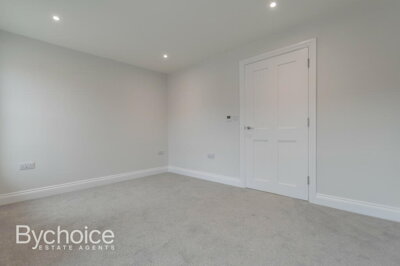
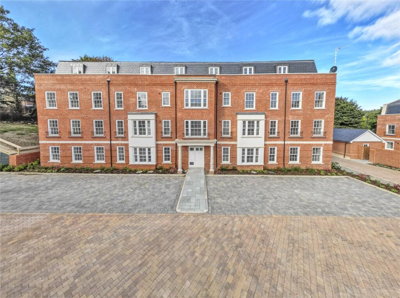
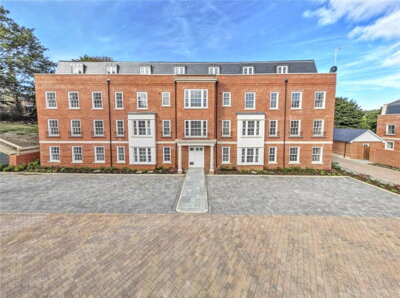
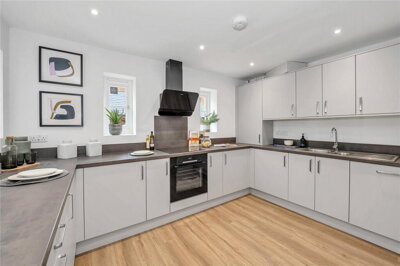
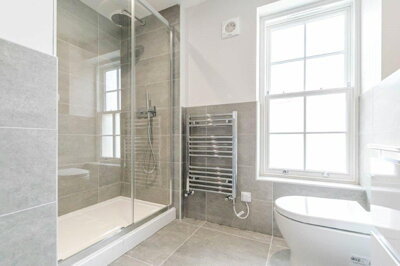
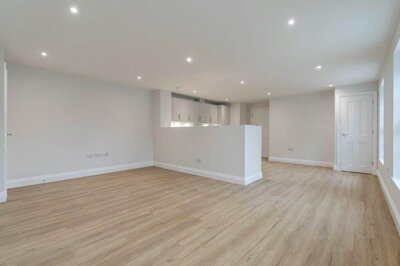
Browse 6 homes new builds in Nowton, West Suffolk from local developer agents.
The 2 bed flat sector typically includes two separate bedrooms, dedicated living areas, and bathroom facilities. Properties in Nowton span purpose-built blocks, converted period houses, and modern apartment complexes on various floors.
£0k
0
0
0
Source: home.co.uk
Showing 0 results for 2 Bedroom Flats new builds in Nowton, West Suffolk.
The Worminghall property market offers a range of options for buyers seeking village living in South Buckinghamshire. Detached properties command the highest prices, averaging £752,000, reflecting the desirability of generous gardens and privacy in this rural setting. Terraced properties provide more accessible entry points at around £360,000, appealing to first-time buyers and those looking to downsize from larger homes in surrounding towns. The majority of accommodation in the village is detached, with the remainder split between semi-detached and terraced properties, creating a characterful streetscape that reflects Worminghall's evolution from a historic agricultural settlement.
Recent market data shows that house prices in Worminghall have experienced a 7% decrease over the past year, following a broader cooling in regional property values. Prices now stand 38% below the 2023 peak of £893,600, creating potential opportunities for buyers who missed the previous market peak. Another source indicates a fall of 14.2% over the last 12 months as of January 2026, suggesting the market correction has brought more properties within reach for families seeking the quality of life that Worminghall provides, with its excellent schooling, countryside walks, and strong sense of community.
New build activity in Worminghall remains limited but noteworthy. The Coldstream Farm development by Brickhill Homes delivers 18 brand new properties ranging from 3 to 5 bedrooms, including 6 affordable homes for local buyers. Located at Coldstream Farm, HP18 9GS, this development has been carefully designed to complement the village character, with varied architectural styles and materials that reflect Worminghall's heritage while meeting modern standards for energy efficiency and comfortable family living.
Planning applications continue to shape the village's future, with proposals submitted for sites including Land North Of Waterperry Road (HP18 9JW) for five residential dwellings and Land To The Rear Of Magpies at 78 The Avenue (HP18 9LE) for two detached dwellings. These developments, alongside others in surrounding villages like Ickford, reflect ongoing demand for housing in this desirable corner of Buckinghamshire.
Worminghall embodies the classic English village experience, where residents enjoy the benefits of countryside living without sacrificing accessibility to major employment centres. The village sits within the rural landscape of South Buckinghamshire, surrounded by farmland and scenic walking routes that connect to neighbouring villages including Ickford, Oakley, and Waterperry. The Worminghall Brook and its tributaries wind through the parish, adding to the rural charm while reminding residents of the importance of understanding local flood risk when purchasing property in the area. The Thame operational catchment area encompasses the village's water features, with long-term flood risk from rivers, surface water, and groundwater requiring consideration for prospective buyers.
Demographically, Worminghall reflects broader trends affecting rural England, with over 20% of residents aged 60 or above and almost half the population aged 45 or older according to the 2011 census. Just under a third of households have dependent children, indicating a family-friendly environment with good schools nearby. The community is characterised by its high car ownership, with nearly half of households owning two or more vehicles, a practical necessity given the limited public transport options available within the village itself. The estimated 2024 population of 597 represents growth from 534 in 2011, suggesting sustained appeal for this village location.
The village hosts Worminghall Industrial Park on land that once served as an airfield during World War Two, now providing employment opportunities for local residents. The local economy includes a mix of professional workers commuting to Oxford, Aylesbury, and London, alongside those who have chosen early retirement or work locally. The Worminghall Neighbourhood Plan actively encourages a broader demographic mix by supporting affordable housing initiatives, recognising that a balanced community benefits everyone who calls this village home. The village hall, a Victorian building of polychromatic brick that once served as the parish school, continues to serve as a focal point for community activities and events throughout the year.
Families considering a move to Worminghall will find a selection of educational options within easy reach, reflecting the village's position in South Buckinghamshire's strong schooling network. Primary education is available at nearby village schools including those in Ickford and Oakley, with several achieving good or outstanding Ofsted ratings. The rural setting means children benefit from smaller class sizes and individual attention, while school transport links ensure accessibility for those living further from school gates in the surrounding countryside. Parents frequently cite the quality of primary education in nearby villages as a key factor in their decision to move to Worminghall.
Secondary education options in the surrounding area include well-regarded schools in Thame, Aylesbury, and Bicester, all accessible by school transport from Worminghall. These institutions serve students from across the region and offer a range of GCSE and A-level courses, alongside specialist subjects and extracurricular activities. For families prioritising academic excellence, the grammar school system in Buckinghamshire provides selective education for those who pass the 11-plus examination, with places at prestigious schools available to pupils who demonstrate the required aptitude.
Further and higher education opportunities abound within commuting distance, with Oxford's world-renowned universities and colleges situated just 12 miles away. The city's education sector provides adult learning opportunities, professional development courses, and cultural events that enrich the lives of residents beyond school years. The proximity to Oxford makes Worminghall particularly attractive to academics, researchers, and families with university-age children who appreciate easy access to one of the world's leading university cities. Local residents regularly take advantage of Oxford's libraries, lectures, and cultural institutions.
Connectivity from Worminghall centres on road access, with the M40 motorway providing a direct route to Oxford to the west and London to the east. The village sits approximately 10 miles from junction 8a of the M40, placing Oxford city centre within a 25-minute drive and central London accessible within 90 minutes depending on traffic conditions. This road connectivity makes Worminghall particularly attractive to commuters who work in Oxford's growing technology and research sectors or travel to the capital for business. Residents frequently comment on the convenience of the M40 corridor for accessing employment opportunities across the region.
Public transport options in Worminghall are limited, reinforcing the high car ownership rates observed in census data. Bus services connect the village to nearby towns including Thame and Aylesbury, though frequencies may not suit those requiring daily commutes to major employment centres. Rail access is available from nearby stations including Haddenham and Thame Parkway, Bicester North, and Oxford, with direct services to London Marylebone and Birmingham. The station at Haddenham and Thame Parkway offers particularly convenient access for Worminghall residents, with regular services to the capital.
Cycling infrastructure in the area has improved in recent years, with quieter country lanes providing pleasant routes for recreational cycling and shorter local commutes. The village's position between Oxford and Aylesbury places it on several established cycling routes used by both residents and visitors. For those working from home, which is increasingly common in this knowledge-economy era, Worminghall's peaceful environment offers an ideal base free from urban distractions while remaining connected to clients and colleagues through reliable broadband services.
Prospective buyers should be aware of local flood risk when considering properties in Worminghall. The village sits within the Thame operational catchment area, with Worminghall Brook and its tributaries presenting long-term flood considerations. Properties near water features or in lower-lying areas of the parish require particular attention, and comprehensive building surveys should include thorough assessments of damp and moisture issues that may arise from the local hydrology. As of February 2026, two flood alerts were active in the wider area, indicating that some flooding is possible, though the immediate five-day risk is very low.
The age of Worminghall's housing stock varies considerably, from centuries-old listed buildings including the Grade II* almshouses built in 1675 to properties constructed in the late 1960s during the village's first major housing development. Older properties may exhibit traditional construction methods including rubblestone walls with ashlar quoins, as seen in the parish church of St Mary the Virgin, alongside Victorian-era polychromatic brickwork. These construction styles bring tremendous character but also require awareness of potential maintenance needs regarding outdated electrics, period features, and traditional building materials that behave differently from modern construction.
Planning considerations in Worminghall are governed by the Neighbourhood Plan, which encourages development that respects existing character and surrounding context. Conservation awareness is high among residents, and any modifications to properties may be subject to planning restrictions, particularly for listed buildings. Buyers should investigate whether their intended property falls within any designated areas and understand the implications for future alterations or extensions. Properties requiring renovation or modernisation may present opportunities for buyers willing to invest in improvements, though such purchases should include thorough surveys to assess the full scope of works required.

Understanding the construction methods prevalent in Worminghall helps buyers appreciate the characteristics and potential maintenance needs of different property types. Historic properties in the village display traditional building techniques including the rubblestone construction with ashlar quoins seen in the parish church, a method common in Buckinghamshire vernacular architecture. The Victorian-era former parish school, now serving as the village hall, showcases polychromatic brickwork that was popular in the late nineteenth century, creating distinctive facades that require understanding of period building practices.
The late 1960s housing developments introduced more modern construction methods typical of that era, including cavity wall construction with brick outer leaves and concrete tile roofing. These properties, now over 50 years old, may exhibit issues associated with their age including potential roof deterioration, original window frames requiring replacement, and systems that have reached the end of their operational lifespan. A thorough property survey can identify these age-related concerns and help buyers budget for necessary improvements.
New-build properties at the Coldstream Farm development demonstrate contemporary construction standards with energy-efficient specifications and modern building materials. These homes comply with current building regulations and offer the advantage of reduced maintenance requirements in the early years of ownership. However, even new-build properties benefit from a professional survey to document the condition of finishes and systems before the warranty period expires.
Properties in Worminghall span a wide range of ages, from seventeenth-century almshouses to brand new homes at Coldstream Farm, each presenting distinct defect profiles that buyers should understand. Older properties commonly exhibit signs of damp, which may manifest as penetrating damp through traditional walls or rising damp affecting ground floor areas. The local hydrology, with the Worminghall Brook and its tributaries, means that properties in lower-lying positions warrant particular attention to moisture penetration and ventilation issues.
Roof condition represents a common concern across all property ages, though older properties may have undergone partial re-roofing that introduces inconsistencies in materials and workmanship. Tiles or slates may have become brittle with age, while leadwork around chimneys and valleys may require renewal. Original roof structures in Victorian and earlier properties may show signs of deflection or movement that a thorough survey will document and assess.
Electrical systems in period properties frequently require updating to meet modern safety standards and accommodate contemporary power demands. Rewiring may be necessary for properties where the original installation has not been updated, particularly those with old rubber or fabric insulated cables. A qualified electrician should assess the consumer unit, wiring, and socket outlets before purchase. Similarly, heating systems in older properties may be inefficient or inadequate, requiring replacement or upgrade to achieve comfortable living standards and manage energy costs.
Begin by exploring property listings in Worminghall to understand current prices, property types, and availability. With detached homes averaging £752,000 and terraced properties around £360,000, establishing your budget early helps narrow your search effectively. Consider registering with local estate agents who operate in the village and surrounding area, as off-market opportunities occasionally arise for buyers with established relationships.
Before viewing properties, obtain a mortgage agreement in principle from a lender. This strengthens your position when making offers and demonstrates to sellers that you are a serious buyer with financing already considered. Given the property values in Worminghall, most buyers will require substantial mortgages, and having this arranged in advance streamlines the process considerably.
Visit properties that match your criteria, paying attention to the property's condition, garden space, and proximity to local amenities. Worminghall's mix of historic and modern properties means each viewing offers unique characteristics to evaluate. Take notes and photographs during viewings to help compare properties later in the decision-making process.
Once your offer is accepted, arrange a thorough home survey. Given Worminghall's mix of older properties including those built in the late 1960s and historic buildings with traditional construction methods, a Level 2 survey will identify any structural issues, signs of damp, or needed repairs before you commit to purchase. For older or listed properties, a more comprehensive Level 3 Building Survey may be more appropriate.
Choose a conveyancing specialist to handle the legal aspects of your purchase, including searches, contracts, and land registry checks. Your solicitor will manage communication between all parties and ensure a smooth transaction through to completion. Local knowledge of Buckinghamshire and the Worminghall area can be valuable when dealing with planning conditions and any restrictions arising from the Neighbourhood Plan.
The average house price in Worminghall stands at £556,000 based on recent transactions over the last year. Detached properties average £752,000, while terraced homes are more accessible at around £360,000. Prices have decreased by 7% over the past year, with some sources indicating a fall of 14.2% over the last 12 months as of January 2026. This presents opportunities for buyers who missed the 2023 market peak when prices reached £893,600, potentially bringing properties within reach that were previously beyond budget.
Properties in Worminghall fall within the Aylesbury Vale district council jurisdiction, now part of Buckinghamshire Council following local government reorganisation. Council tax bands range from A to H based on property value, with most village homes falling in bands C through E. Exact bands depend on individual property valuations and can be confirmed through the Buckinghamshire Council website or your solicitor during conveyancing searches.
Worminghall benefits from good primary schools in surrounding villages, with several achieving positive Ofsted ratings. Secondary education options in nearby Thame, Aylesbury, and Bicester serve the area well, with school transport providing accessibility from Worminghall. Buckinghamshire's selective grammar school system provides additional options for academically-minded students who pass the 11-plus examination, with places at prestigious schools available to successful candidates.
Public transport options are limited in Worminghall, with infrequent bus services connecting to nearby towns including Thame and Aylesbury. The village is better served by road access, with the M40 providing routes to Oxford and London, with junction 8a approximately 10 miles from the village centre. Nearest rail stations at Haddenham and Thame Parkway, Bicester North, or Oxford offer services to major destinations including direct trains to London Marylebone. High car ownership reflects this reality, with nearly half of households owning two or more vehicles.
Worminghall offers solid fundamentals for property investment, combining rural charm with excellent connectivity to Oxford and London via the M40 motorway. The village maintains strong community spirit and high owner-occupancy rates at over 70%, suggesting stable long-term demand for quality housing. Recent price corrections of around 7% to 14% have brought values closer to historic norms, potentially improving entry points for investors seeking rental income or capital growth as the market stabilises.
Stamp duty rates for 2024-25 apply zero duty on properties up to £250,000, 5% between £250,000 and £925,000, 10% from £925,000 to £1.5 million, and 12% above £1.5 million. First-time buyers receive relief on the first £425,000 at 5% with no relief above £625,000. Given Worminghall's average price of £556,000, a typical purchase would incur stamp duty of around £15,300 for standard buyers, while first-time buyers might pay approximately £6,550 if the property qualifies for first-time buyer relief.
Yes, Worminghall is at long-term flood risk from rivers, surface water, and groundwater, with the Worminghall Brook and its tributaries part of the Thame operational catchment area. Two flood alerts were active in the wider area as of February 2026, indicating that some flooding is possible, though the immediate five-day risk is very low. Buyers should investigate flood risk for specific properties and ensure adequate buildings insurance. A thorough survey can identify any signs of previous flooding or moisture issues that may affect the property.
Yes, we strongly recommend arranging a professional survey before completing your Worminghall purchase. The village's diverse housing stock includes historic properties with traditional construction methods, late 1960s developments, and contemporary new-builds, each presenting different potential issues. A RICS Level 2 Survey will identify visible defects, signs of damp, structural concerns, and maintenance requirements, helping you make an informed decision and budget for any necessary repairs. For older or listed properties, a more comprehensive Level 3 Building Survey may be more appropriate given the complexity of traditional construction.
Understanding the full cost of purchasing property in Worminghall extends beyond the sale price to include stamp duty, legal fees, survey costs, and moving expenses. For a typical Worminghall home priced around the £556,000 average, standard buyers should budget approximately £15,300 in stamp duty land tax under current 2024-25 rates. First-time buyers may benefit from reduced rates, bringing this down to around £6,550 if the property qualifies for first-time buyer relief, making the village more accessible to those entering the property market.
Professional costs for your Worminghall purchase typically include conveyancing fees starting from £499 for standard transactions, though more complex purchases involving older properties or those with planning conditions may cost more. A RICS Level 2 survey typically costs between £350 and £600 depending on property size and value, with higher-value homes commanding higher survey fees. An EPC assessment costs from £80 and is required for all new build properties and existing homes being sold. Mortgage arrangement fees may apply depending on your lender, and you should budget for valuation fees if your mortgage provider requires one.
Additional considerations for Worminghall buyers include buildings insurance from completion date, which is particularly important given local flood awareness and the presence of older properties with traditional construction methods. Life insurance and contents cover should also be arranged before moving day. Setting aside a contingency fund equivalent to 10-15% of your purchase price for unexpected repairs or issues discovered after moving is prudent, especially for older village properties where traditional building methods may require ongoing maintenance investment.
From 4.5%
Find competitive mortgage rates when buying in Worminghall
From £499
Expert legal services for your Worminghall property purchase
From £350
Professional survey of your Worminghall property
From £500
Comprehensive building survey for older or complex properties
From £80
Energy performance certificate for your new home
Properties New Builds In London

Properties New Builds In Plymouth

Properties New Builds In Liverpool

Properties New Builds In Glasgow

Properties New Builds In Sheffield

Properties New Builds In Edinburgh

Properties New Builds In Coventry

Properties New Builds In Bradford

Properties New Builds In Manchester

Properties New Builds In Birmingham

Properties New Builds In Bristol

Properties New Builds In Oxford

Properties New Builds In Leicester

Properties New Builds In Newcastle

Properties New Builds In Leeds

Properties New Builds In Southampton

Properties New Builds In Cardiff

Properties New Builds In Nottingham

Properties New Builds In Norwich

Properties New Builds In Brighton

Properties New Builds In Derby

Properties New Builds In Portsmouth

Properties New Builds In Northampton

Properties New Builds In Milton Keynes

Properties New Builds In Bournemouth

Properties New Builds In Bolton

Properties New Builds In Swansea

Properties New Builds In Swindon

Properties New Builds In Peterborough

Properties New Builds In Wolverhampton

Enter your details to see if this property is within your budget.
Loans, cards, car finance
Estimated property budget
Borrowing + deposit
You could borrow between
Typical borrowing
Monthly repayment
Est. at 4.5%
Loan-to-value
This is an estimate only. Your actual budget may vary depending on interest rates, credit history, and personal circumstances. For an accurate affordability assessment, speak to one of our free mortgage advisors.
This calculator provides estimates for illustrative purposes only and does not constitute financial advice. Your home may be repossessed if you do not keep up repayments on your mortgage. Estimates based on 4.5% interest rate, repayment mortgage. Actual rates depend on your circumstances.
Homemove is a trading name of HM Haus Group Ltd (Company No. 13873779, registered in England & Wales). Homemove Mortgages Ltd (Company No. 15947693) is an Appointed Representative of TMG Direct Limited, trading as TMG Mortgage Network, which is authorised and regulated by the Financial Conduct Authority (FRN 786245). Homemove Mortgages Ltd is entered on the FCA Register as an Appointed Representative (FRN 1022429). You can check registrations at NewRegister or by calling 0800 111 6768.

We use cookies to show you personalised content and improve your experience of our website. Find out more in our Privacy policy and Cookie policy.