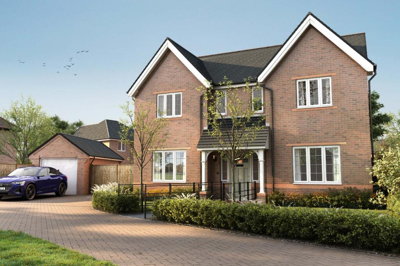
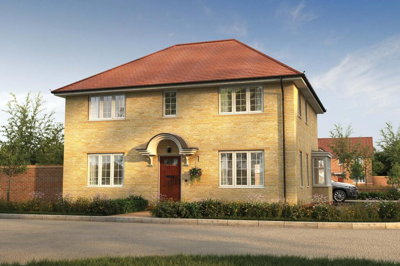
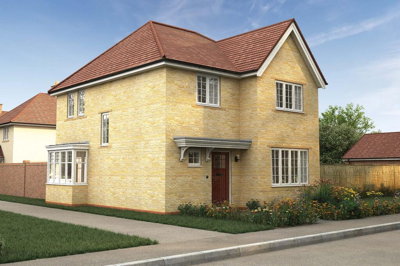
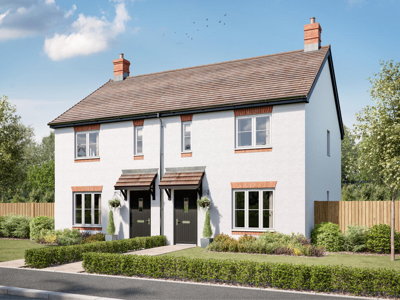
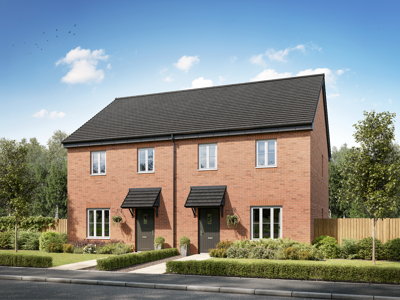
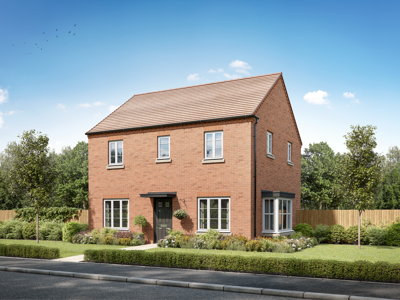
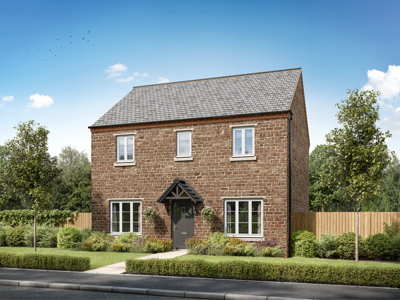
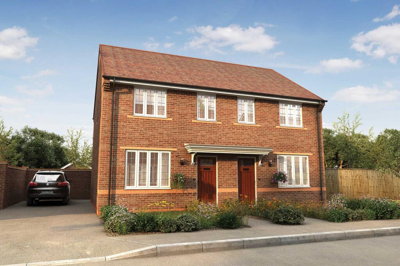
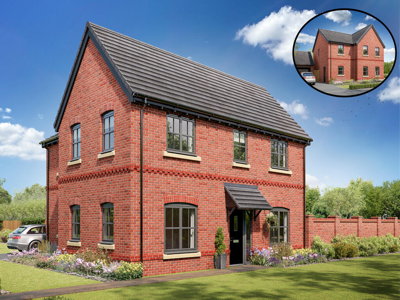
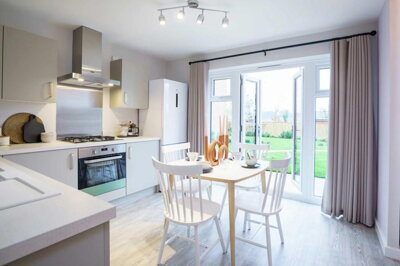
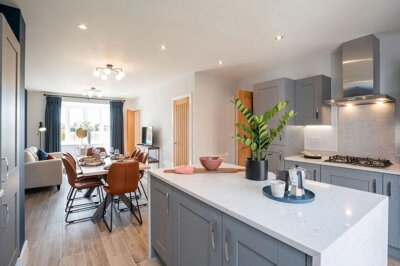
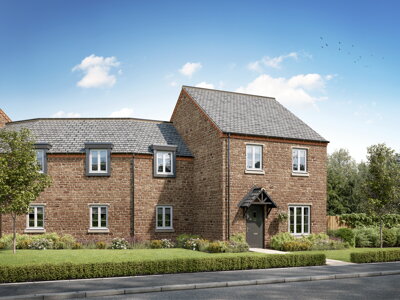
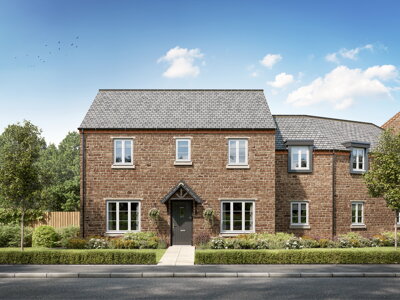
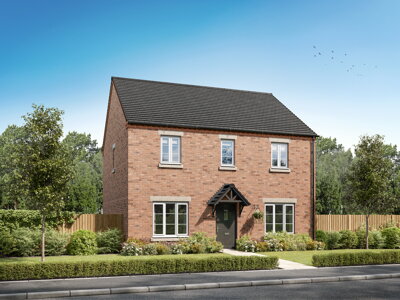
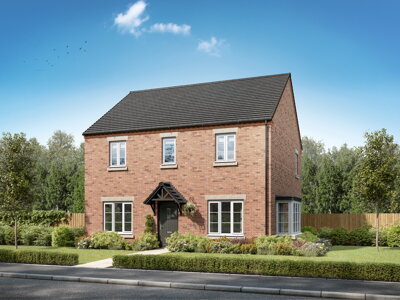
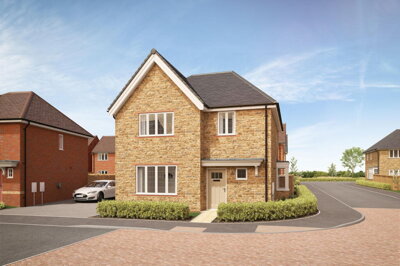
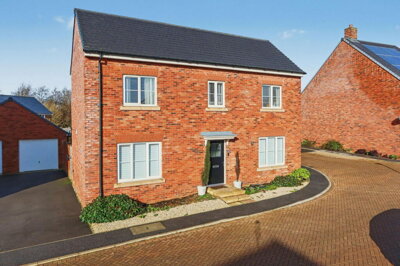
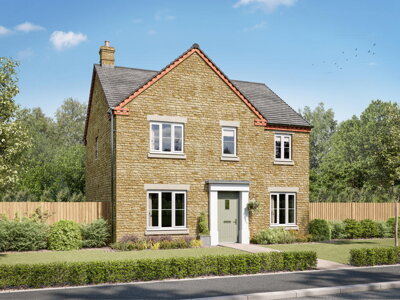
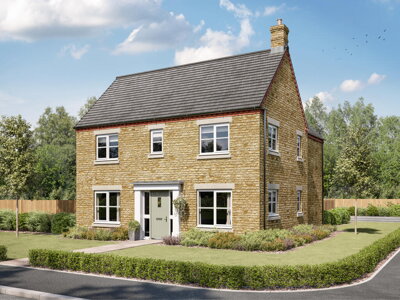
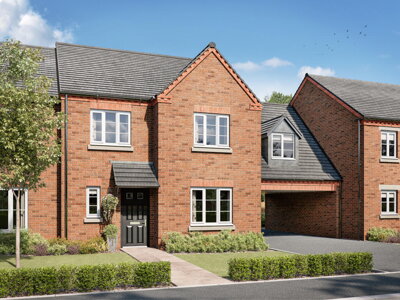
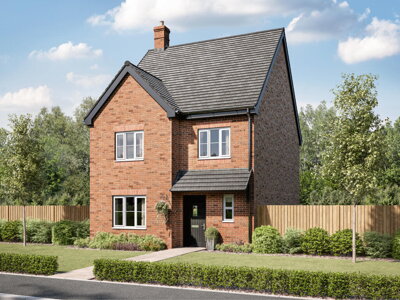
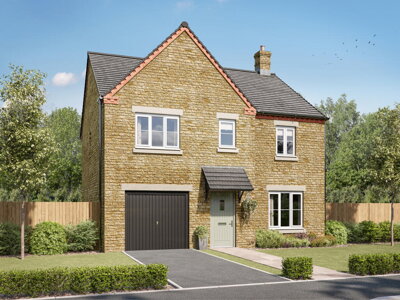
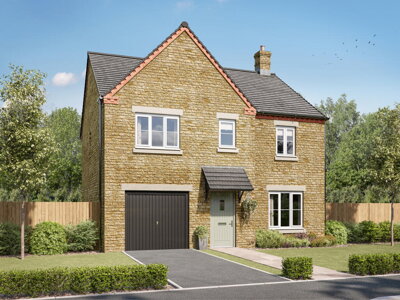
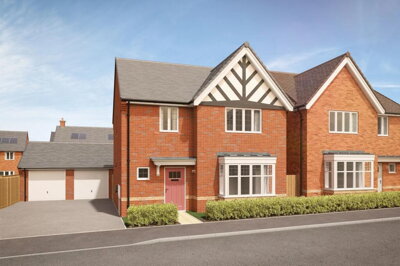
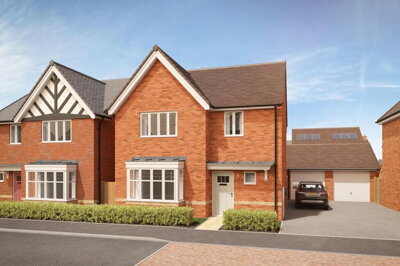
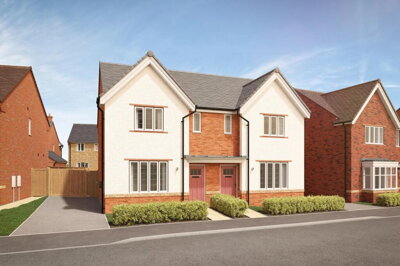
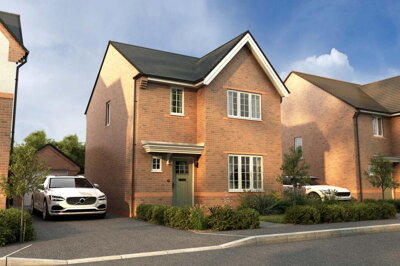
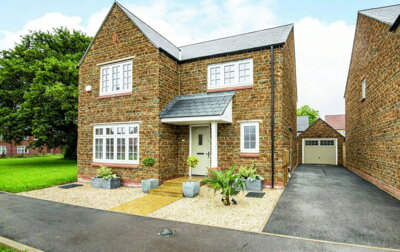
Browse 31 homes new builds in North Newington from local developer agents.
The North Newington property market offers detached, semi-detached, and terraced houses spanning various price ranges and neighbourhoods. Each listing includes detailed property information, photographs, and direct contact with the marketing agent.
The North Newington property market has experienced notable price corrections over the past twelve months, with average prices falling 68% compared to the previous year and 69% below the 2020 peak. This significant adjustment presents opportunities for buyers who previously found the market beyond their budget. The current average price of £284,000 reflects a more accessible entry point for those looking to establish themselves in this desirable Oxfordshire village. For comparison, broader Newington area data shows terraced properties averaging £285,808, semi-detached homes at £327,143, and detached properties at £577,708, though these figures encompass a wider geographical area.
Property types available in North Newington reflect the village's historic character, with stone-built cottages, period farmhouses, and traditional terrace housing dominating the stock. The absence of new-build developments within the specific OX15 6xx postcode means buyers seeking modern construction will need to look toward nearby Banbury, approximately six miles away. The Conservation Area designation covers the historic core of the village, protecting the architectural heritage that makes North Newington distinctive. Properties here range from modest terraced cottages to substantial detached homes, catering to various buyer requirements and budgets.
The recent price adjustment has brought North Newington properties within reach of a broader range of buyers, including first-time purchasers who may previously have been priced out of the village. The village's location within the Oxford-Cambridge growth corridor suggests potential for future value appreciation as regional investment continues. Buyers should conduct thorough research into specific properties and their historical sale prices before making offers, as the small number of transactions can lead to significant average price variations based on the types of properties sold in any given period.
North Newington offers a quintessentially English village lifestyle, with a tight-knit community atmosphere that appeals to families, retirees, and professionals seeking refuge from urban congestion. The village has evolved over centuries, with Park Farmhouse dating back to the 14th or 15th century, and other notable structures including the 17th-century circular dovecote and what was formerly The Baker's Arms public house, now known as The Blinking Owl. This heritage creates an environment rich in architectural character, where homes built from local Hornton Stone or Banbury Ironstone line quiet lanes that have witnessed centuries of English history.
The village setting within the Oxfordshire countryside provides residents with immediate access to rolling farmland, scenic footpaths, and the gentle waters of Sor Brook, which forms part of the eastern parish boundary. The broader Cherwell district offers additional amenities in nearby market towns, while Oxford itself lies within reasonable commuting distance for those who work in the city. The Oxford-Cambridge growth corridor designation ensures continued investment in regional infrastructure, supporting property values while preserving the essential character that makes villages like North Newington desirable places to call home. Local community life centres around the village pub and parish events, fostering connections between neighbours in this peaceful corner of South East England.
Sor Brook, a tributary of the River Cherwell, adds to the natural appeal of North Newington while also requiring consideration from prospective buyers regarding flood risk assessment. The brook forms part of the eastern parish boundary and flows through the surrounding countryside, contributing to the idyllic rural setting that defines village life here. Oxfordshire has experienced increased frequency of flooding in recent years due to wet weather patterns, so buyers should investigate flood risk reports for specific properties, particularly those located in lower-lying positions near watercourses.

Families considering a move to North Newington will find educational provision centred primarily in nearby towns, with primary schooling available in surrounding villages and market towns within a short drive. The village's historic school building, dating from the 17th century, reflects the long-standing importance of education in the community, though families should verify current provision and catchment area details with Cherwell District Council. Secondary education options in the area include schools in Banbury and surrounding towns, with several institutions offering strong academic and extracurricular programmes that serve the wider rural catchment.
For families requiring private education, Oxfordshire offers a range of independent schools at primary and secondary levels, with several notable institutions within reasonable commuting distance of North Newington. The presence of the University of Oxford and Oxford Brookes University in the nearby city provides broader educational pathways for older children and young adults. Parents are advised to research specific school performance data, admission policies, and transportation arrangements when considering properties in North Newington, as school catchment areas can significantly influence property values and daily family routines.
The nearest primary schools are located in surrounding villages within Cherwell District, with several rated Good or Outstanding by Ofsted. Parents should check current admission catchment areas with Oxfordshire County Council, as these boundaries can change and may affect school placement for their children. Secondary school options in nearby Banbury include both state and independent establishments, providing families with choices that can accommodate different educational preferences and requirements.
Transport connectivity from North Newington centres primarily on road connections, with the village situated within easy reach of major routes that serve the wider Oxfordshire area. The proximity to Banbury provides access to railway services, with direct trains to London Marylebone taking approximately one hour, making the capital feasible for regular commuters. For those working in Oxford, road connections via the A423 or A41 offer relatively straightforward journeys, though traffic conditions on these routes can vary significantly during peak hours.
The village location means that daily practicalities, including supermarket shopping, healthcare appointments, and leisure facilities, typically require some form of personal transport. Bus services connect North Newington with nearby towns, though frequencies may be limited compared to urban areas. Cyclists benefit from rural lanes that form part of the Oxfordshire countryside network, though the hilly terrain in some sections requires appropriate fitness levels. Parking provision within the village reflects its rural character, with most properties offering off-street parking suitable for family needs.
For commuters working in Oxford, the journey from North Newington typically takes around 30-40 minutes by car, depending on traffic conditions and the specific destination within the city. The A423 provides a direct route, passing through nearby villages and offering views of the surrounding countryside. Those relying on public transport should note that bus services to Oxford require connections and may add significant time to the journey compared to private vehicle travel.
North Newington properties showcase the distinctive building traditions of North Oxfordshire, with Marlstone serving as the predominant construction material throughout the village. Also known as Hornton Stone or Banbury Ironstone, this iron-rich limestone is quarried from the Middle Lias geological formation and weathers to a characteristic golden orange-brown colour that defines the visual appearance of the village. The stone was historically used for both structural walls and decorative dressings, creating the warm-toned buildings that make North Newington so visually distinctive. Understanding this local building material is essential for anyone considering purchasing property here, as it has specific maintenance requirements that differ from brick or render-covered construction.
The geology of Oxfordshire includes significant clay formations that create potential challenges for property owners throughout the region. The British Geological Survey has identified a broad area from Oxford extending north toward The Wash as having increased risk of clay-related subsidence. Oxford itself is projected to experience a 33% increase in households where subsidence becomes probable due to changing moisture levels in clay soils. The Oxford-Cambridge growth corridor, which includes North Newington, is particularly noted for susceptibility to ground movement due to gault clay, a specific geological formation prevalent in this area of South East England.
Older vernacular buildings in North Newington often incorporate timber-framed construction combined with brick or stone infill panels, reflecting traditional building practices from earlier centuries. This combination of materials can create unique maintenance considerations, as different elements expand and contract at varying rates in response to temperature and moisture changes. Properties in North Newington should be carefully inspected for signs of movement, cracking, or previous structural work that may indicate past issues with ground conditions. The age of many village properties means that previous repairs and renovations have been completed using whatever materials and techniques were contemporary at the time, potentially resulting in mismatched repairs or historical alterations that a professional survey would identify.
North Newington benefits from a designated Conservation Area that protects the historic core of the village and maintains its architectural heritage for future generations. Properties within this designated zone are subject to certain planning controls that require consideration before undertaking alterations, extensions, or significant changes to the exterior appearance. Cherwell District Council administers these controls, and anyone considering purchasing property in North Newington should clarify exactly which restrictions apply to their specific property and factor any planning requirements into renovation budgets.
The village contains several Grade II listed buildings that represent the architectural and historical heritage of North Newington. Park Farmhouse stands as one of the most significant structures, with architectural features dating from the 14th or 15th century that demonstrate the evolution of local building traditions over several centuries. A 17th-century circular dovecote located near Park Farmhouse represents an increasingly rare example of agricultural outbuilding design from this period. The former Baker's Arms public house, now operating as The Blinking Owl, dates from the 17th century and exemplifies the traditional pub architecture that once characterised English village high streets.
Listed Building status brings additional responsibilities and considerations for prospective buyers, as significant alterations to these protected structures require Listed Building Consent from Cherwell District Council. Works must respect the historic character of the property, and materials and techniques must be appropriate to the building's age and construction. Properties with listed status may also have restricted permitted development rights, meaning that even minor alterations could require formal planning permission. These factors should be carefully considered alongside purchase price and renovation budgets when evaluating any listed building in North Newington.
Before committing to a purchase in North Newington, spend time exploring the village at different times of day and week to understand the community atmosphere, noise levels, and practical considerations such as broadband speeds and mobile phone reception. Visit local amenities in nearby towns to assess accessibility and review planning applications with Cherwell District Council to understand potential future changes to the area. Pay particular attention to the location of Sor Brook and assess whether any properties you are considering have elevated flood risk.
Contact mortgage lenders or brokers to obtain an Agreement in Principle before beginning property viewings. This demonstrates your buying capacity to sellers and estate agents while helping you understand your realistic budget within the £284,000 average price range. Given recent market fluctuations, obtaining professional mortgage advice is particularly valuable for understanding current interest rates and borrowing options available to you. Specialist brokers familiar with Oxfordshire properties may have access to products suitable for period properties.
Work with local estate agents to arrange viewings of properties matching your criteria in North Newington. Pay attention to construction materials, noting the prevalence of Marlstone and traditional building methods. Check the condition of stone walls, examine roof structures, and look for signs of historic maintenance or renovation. Properties in Conservation Areas may have restrictions on alterations, so clarify these details during viewings. Ask about the age of any renovations and request documentation for any structural works that have been completed.
Once you have identified a property to purchase, instruct a qualified surveyor to conduct a RICS Level 2 Home Survey before proceeding. This is particularly important in North Newington given the age of many properties and the presence of clay soils in Oxfordshire that can cause subsidence issues. The survey will identify any structural concerns, maintenance requirements, or potential problems that might affect your decision or negotiating position. Given the prevalence of Marlstone construction and the known gault clay subsidence risk in the Oxford-Cambridge growth corridor, a thorough survey is essential due diligence.
Appoint a conveyancing solicitor to handle the legal aspects of your purchase, including searches with Cherwell District Council, review of the contract, and registration of your ownership at the Land Registry. Conveyancing for period properties in Conservation Areas may require additional checks regarding planning history and any relevant restrictions. Your solicitor should also obtain environmental searches that will identify any flood risk, ground instability concerns, or contamination issues affecting the property.
Once all surveys, searches, and legal checks are satisfactory, you will exchange contracts with the seller and pay your deposit. Completion typically follows within a few weeks, at which point you will receive the keys to your new home in North Newington. Ensure your buildings insurance is in place from the exchange date onwards, as this is a legal requirement. Consider arranging a thorough condition survey at this stage to establish a baseline for future maintenance planning.
Purchasing a property in North Newington requires careful attention to factors specific to this historic Oxfordshire village. The prevalence of traditional stone construction using Marlstone or Hornton Stone creates homes of considerable character but demands understanding of ongoing maintenance requirements. Stone walls can be susceptible to weathering and may require repointing over time, so examine the condition of mortar joints and any signs of water penetration. Properties built from this distinctive iron-rich limestone typically display the warm golden-brown colouring that characterises traditional North Oxfordshire architecture.
The presence of clay soils throughout Oxfordshire raises potential concerns about subsidence and ground movement. The British Geological Survey has identified areas at increased risk of shrink-swell subsidence, particularly given the changing moisture content of clay formations. The Oxford-Cambridge growth corridor is specifically noted for susceptibility to ground movement due to gault clay, which is prevalent in this region. When viewing properties, look for signs of cracking in walls, doors or windows that stick, and any previous underpinning or structural work. A thorough RICS Level 2 Survey will assess these risks and provide professional guidance on any remedial work required.
North Newington's Conservation Area status imposes certain controls on alterations and extensions to properties within its boundary. Before purchasing, clarify with Cherwell District Council what restrictions apply to your potential property and factor any planning requirements into your renovation budget. Similarly, if you are considering a listed building, Grade II status means that significant alterations will require Listed Building Consent, and works must respect the property's historic character. Properties near Sor Brook should be assessed for flood risk, and you should obtain relevant flood search results as part of your due diligence.

The average house price in North Newington currently stands at £284,000 based on recent sales data. This represents a significant adjustment from the 2020 peak of £903,750, with prices falling 68% over the past twelve months. For context, the broader Newington area shows terraced properties averaging £285,808, semi-detached homes at £327,143, and larger detached properties reaching approximately £577,708. This price correction has created more accessible entry points for buyers looking to purchase in this picturesque Oxfordshire village.
Properties in North Newington fall under Cherwell District Council for council tax purposes. Specific band distributions within the village vary depending on property value and type, with most period cottages and terraced homes likely falling in bands B through D, while larger detached properties may be in higher bands. Prospective buyers should verify the exact council tax band for any specific property through the Cherwell District Council website or the listing details before purchasing. Council tax bills in Cherwell District fund local services including refuse collection, street cleaning, and local authority services across the district.
North Newington is a small village without its own primary or secondary schools, with children typically attending establishments in surrounding villages and towns. Parents should research current catchment areas and admission arrangements with Oxfordshire County Council, as these boundaries determine which schools children can access. Nearby Banbury offers several primary and secondary options, while private education is available at independent schools throughout Oxfordshire. School performance data and Ofsted ratings should be consulted when making relocation decisions, as catchment boundaries can influence school placement and property values in surrounding areas.
Public transport options from North Newington are limited, reflecting its rural village character. Bus services connect the village with nearby towns, though frequencies may not support daily commuting without a car. The nearest railway station is in Banbury, providing direct services to London Marylebone in approximately one hour. Most residents of North Newington rely on private vehicles for daily travel to work, shopping, and accessing services, so prospective buyers should ensure they have appropriate transport arrangements in place. For commuters working in Oxford, the drive typically takes 30-40 minutes depending on traffic conditions.
North Newington offers several factors that may appeal to property investors. The village's location within the Oxford-Cambridge growth corridor suggests potential for long-term value appreciation as regional investment continues. Recent price adjustments have brought properties to more accessible levels, potentially creating opportunities for capital growth. However, the small village scale means limited rental demand and a relatively illiquid market compared to urban areas. Any investment decision should consider these factors alongside personal circumstances and investment objectives, and the lack of new-build development in the OX15 6xx postcode area means supply of character properties remains constrained.
Stamp Duty Land Tax rates from April 2024 are 0% on the first £250,000 of residential property, 5% between £250,001 and £925,000, 10% between £925,001 and £1.5 million, and 12% above £1.5 million. First-time buyers qualify for relief on the first £425,000, paying 5% between £425,001 and £625,000. For a typical North Newington property at the current average price of £284,000, standard buyers would pay stamp duty of £1,700, while first-time buyers would pay £0 on qualifying purchases within the relief threshold.
Properties near Sor Brook, which forms the eastern boundary of North Newington parish, should be assessed for potential flood risk from this tributary of the River Cherwell. Oxfordshire has experienced increased frequency of flooding in recent years due to wet weather patterns, and buyers should obtain a professional flood risk report before purchasing any property near watercourses or in lower-lying areas of the village. Properties at higher elevations within North Newington may face lower flood risk, though all buyers should conduct appropriate due diligence given the changing climate patterns affecting the region.
Properties constructed from Marlstone, Hornton Stone, or Banbury Ironstone require specific maintenance approaches that differ from brick or rendered properties. The iron-rich limestone can be susceptible to weathering and erosion over time, and mortar joints may need repointing every 20-30 years depending on exposure and original construction quality. Water penetration can cause damage to stonework, so roof conditions, gutter maintenance, and the condition of flashing around chimneys should be assessed carefully. Traditional lime mortar should be used for any repointing work to allow the stone to breathe and prevent moisture retention that could accelerate deterioration.
Understanding the full cost of purchasing property in North Newington extends beyond the headline purchase price. Beyond Stamp Duty Land Tax, buyers should budget for solicitor fees, which typically range from £500 to £1,500 depending on complexity, as well as search fees, land registry fees, and removal costs. Survey costs for a RICS Level 2 Home Survey typically start from around £350, though larger or more complex properties may cost more. Given the age of many properties in North Newington and the presence of traditional construction methods, budgeting for a thorough survey is particularly important to identify any issues before completion.
For properties at the current average price of £284,000, a standard buyer would incur Stamp Duty of £1,700 under current thresholds, while first-time buyers purchasing within the £425,000 relief limit would pay no stamp duty. Additional costs include mortgage arrangement fees, which vary by lender but can range from £0 to £2,000, and mortgage valuation fees typically between £200 and £500. Buildings insurance should be arranged from the point of contract exchange, and buyers should also consider ongoing costs such as council tax, utility bills, and maintenance reserves for period properties.
When budgeting for a period property in North Newington, setting aside funds for potential maintenance and repair work is prudent. Older properties may require updates to electrical systems, heating systems, or plumbing that were installed to earlier standards. Properties with listed status may require specialist contractors and materials for any renovation work, which can increase costs compared to standard property maintenance. A thorough survey will identify any immediate concerns and help prioritise spending after purchase.
From £350
Professional survey recommended for North Newington's period properties
From £450
Comprehensive survey for older or complex properties
From £80
Energy performance certificate for your property
From £499
Legal services for your property purchase
From 3.84%
Find the best mortgage deal
Properties New Builds In London

Properties New Builds In Plymouth

Properties New Builds In Liverpool

Properties New Builds In Glasgow

Properties New Builds In Sheffield

Properties New Builds In Edinburgh

Properties New Builds In Coventry

Properties New Builds In Bradford

Properties New Builds In Manchester

Properties New Builds In Birmingham

Properties New Builds In Bristol

Properties New Builds In Oxford

Properties New Builds In Leicester

Properties New Builds In Newcastle

Properties New Builds In Leeds

Properties New Builds In Southampton

Properties New Builds In Cardiff

Properties New Builds In Nottingham

Properties New Builds In Norwich

Properties New Builds In Brighton

Properties New Builds In Derby

Properties New Builds In Portsmouth

Properties New Builds In Northampton

Properties New Builds In Milton Keynes

Properties New Builds In Bournemouth

Properties New Builds In Bolton

Properties New Builds In Swansea

Properties New Builds In Swindon

Properties New Builds In Peterborough

Properties New Builds In Wolverhampton

Enter your details to see if this property is within your budget.
Loans, cards, car finance
Estimated property budget
Borrowing + deposit
You could borrow between
Typical borrowing
Monthly repayment
Est. at 4.5%
Loan-to-value
This is an estimate only. Your actual budget may vary depending on interest rates, credit history, and personal circumstances. For an accurate affordability assessment, speak to one of our free mortgage advisors.
This calculator provides estimates for illustrative purposes only and does not constitute financial advice. Your home may be repossessed if you do not keep up repayments on your mortgage. Estimates based on 4.5% interest rate, repayment mortgage. Actual rates depend on your circumstances.
Homemove is a trading name of HM Haus Group Ltd (Company No. 13873779, registered in England & Wales). Homemove Mortgages Ltd (Company No. 15947693) is an Appointed Representative of TMG Direct Limited, trading as TMG Mortgage Network, which is authorised and regulated by the Financial Conduct Authority (FRN 786245). Homemove Mortgages Ltd is entered on the FCA Register as an Appointed Representative (FRN 1022429). You can check registrations at NewRegister or by calling 0800 111 6768.

We use cookies to show you personalised content and improve your experience of our website. Find out more in our Privacy policy and Cookie policy.