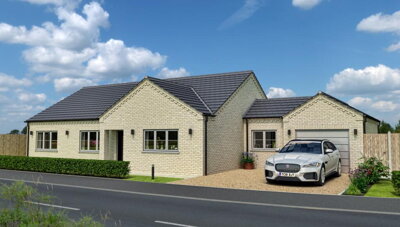
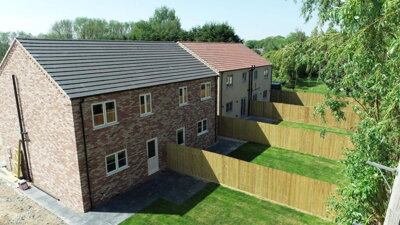
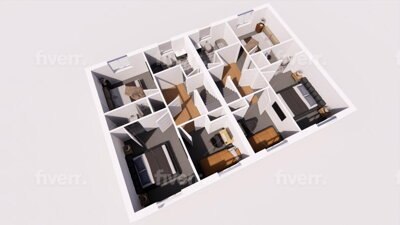
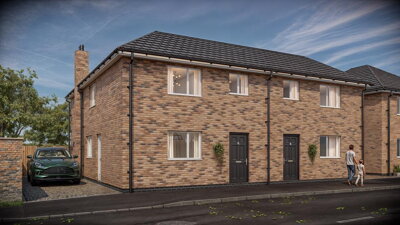
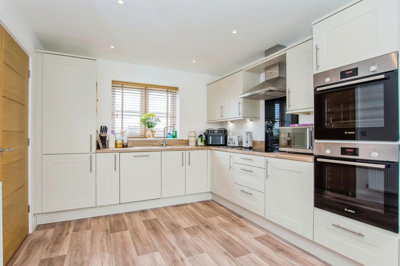
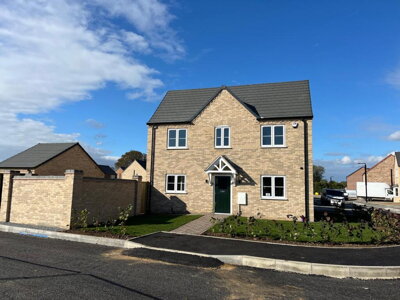
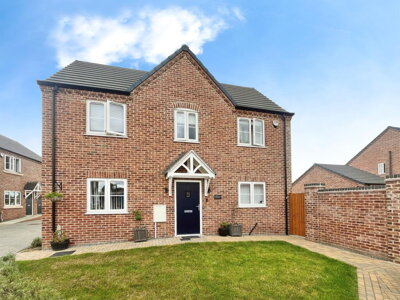
Browse 7 homes new builds in Newton from local developer agents.
Three bedroom properties represent a significant portion of the Newton housing market, offering space for families with multiple reception rooms and gardens in many cases. Browse detached, semi-detached, and terraced options ranging across new residential developments.
The Newton property market in the PE13 area has experienced notable activity over the past year, with approximately 150 sales recorded in the village according to Rightmove data. Property prices in Newton have shown some variation across sources, with overall averages ranging from £200,200 to £245,371 depending on the data source consulted. This spread reflects the mix of property types available, from smaller terraced homes to larger detached houses. However, recent data shows that prices in Newton have fallen 33% compared to the previous year and sit 39% below the 2022 peak of £327,781, creating potential opportunities for buyers willing to take a longer-term view.
Detached properties in the Newton area command the highest prices, averaging around £233,333 according to recent data. Semi-detached homes provide more accessible options at approximately £150,500 on average, making them popular among first-time buyers and growing families. The Fenland district average for detached properties sits at £323,000, while terraced properties average £168,000 and flats around £96,000. Interestingly, while Newton itself has seen price corrections, the wider Fenland district has shown resilience, with average prices rising 7.0% in the year to December 2025, indicating healthy demand in the wider area.
This contrast between village-level and district-level trends offers nuanced opportunities for different types of buyers. First-time buyers may find the lower entry point in Newton attractive, while those seeking family homes with more space may appreciate the value available compared to more expensive parts of Cambridgeshire. The Fenland market overall has shown particular strength in semi-detached properties, which rose 8.6% in the past year, suggesting that family-sized homes in Newton could be well-positioned for future appreciation as the wider market continues to grow.

Newton embodies the classic Fenland village experience, offering residents a peaceful environment rooted in agricultural tradition and community spirit. The village sits within the distinctive flat landscape of the Fens, where wide skies and open farmland define the character of the area. This is countryside living at its most authentic, with the gentle rhythm of rural life punctuated by local events and the familiar faces of a close-knit community. The low-lying topography, shaped by centuries of drainage engineering, creates an unusual and beautiful landscape where water channels and dykes thread through farmland, and distant church spires mark the locations of villages across the Fens.
The local economy of the Fenland district centres on agriculture and food processing, industries that have shaped the region for generations and continue to provide employment for local residents. Beyond farming, the area has developed manufacturing and logistics sectors, taking advantage of good road connections to the wider region. Newton residents typically access everyday amenities in nearby Wisbech, a market town where shops, supermarkets, healthcare facilities, and recreational amenities are available. The village itself offers an escape from urban life, with plenty of green space and country walks right on the doorstep, making it particularly appealing to those who value outdoor activities and a slower pace of living.
The Fenland landscape around Newton features the characteristic drainage systems that make this region unique. Ancient dykes and water channels crisscross the farmland, a legacy of centuries of engineering to manage the marshy terrain. Walking and cycling routes follow these water courses, offering pleasant routes for daily exercise and exploration. The flat terrain makes cycling particularly practical for local journeys, though the exposed nature of the Fens means that weather conditions can change quickly, and residents learn to dress for the elements when venturing out.

The distinctive geology of the Fenland district means buyers should pay particular attention to ground conditions when purchasing property in Newton. The area is characterised by alluvial deposits including clay, silt, peat, and sand, which create the flat, low-lying landscape that defines the Fens. This geological composition can present shrink-swell risks in clay-rich soils, where changes in moisture content cause the ground to contract and expand. These soil conditions can affect properties with shallow foundations, potentially leading to subsidence or heave over time, making professional surveys essential for any purchase in the area.
Properties in Newton may show signs of ground movement if built on reactive clay soils, particularly during periods of drought followed by heavy rainfall. We check foundations carefully during surveys, looking for cracks in walls, doors that stick, and other indicators of subsidence or heave. Older properties in the village may have shallow foundations more susceptible to these movements, while more recent builds may have been designed with the local geology in mind. Our inspectors have experience identifying the tell-tale signs of ground-related issues that might not be immediately apparent to buyers.
Flood risk is another important consideration for properties in Newton and the surrounding Fenland villages. The low-lying landscape and extensive drainage system of dykes and water channels means that some properties may be susceptible to surface water flooding, particularly during periods of heavy rainfall. The area is crisscrossed by numerous drains that form part of the extensive Fenland drainage system, managed to protect the farmland and properties from flooding. Before purchasing, consult the Environment Agency's flood maps for the PE13 postcode area and discuss any flood risk concerns with your surveyor. Properties in flood risk areas may require specific insurance arrangements, and your solicitor should report on any relevant flood searches as part of the conveyancing process.
Families considering a move to Newton will find educational options available both within the village and in the nearby market towns of the Fenland district. Primary education is accessible locally, with several village and town primary schools serving the surrounding communities. For secondary education, pupils typically travel to schools in Wisbech, March, or other Fenland towns, where a range of secondary schools and sixth form colleges provide opportunities for GCSE and A-Level study. The presence of these educational facilities within reasonable travel distance makes Newton suitable for families at various stages of parenting, from those with young children to those with teenagers approaching further education.
When purchasing property in the Newton area, it is important to research specific school catchments, as admission policies can significantly affect which schools your children can access. Many parents find that the relatively affordable property prices in the Fenland district allow them to purchase larger family homes than they might in more urban areas, offsetting any additional travel time to good schools. Visiting local schools, checking their most recent Ofsted reports, and understanding admission arrangements should form part of your property search if education is a priority. Our listings include detailed information about nearby schools to help you make an informed decision about which part of Newton or the surrounding villages best suits your family's needs.
The Fenland district has several primary schools serving the rural communities, with admissions typically based on catchment areas and proximity to the school. Secondary schools in nearby Wisbech and March serve as the main options for older children, with transport arrangements varying by school and location within the village. Parents should also consider the availability of school transport and the practicalities of the school run when evaluating different properties in Newton.
Transport connections from Newton centre around road networks that link the village to the wider Fenland area and beyond. The PE13 postcode area is served by roads connecting to Wisbech, where the A47 provides access to Peterborough to the west and King's Lynn to the north. These road connections open up commuting possibilities for those working in larger regional centres, though journey times should be factored into any decision about relocating to Newton. Bus services operate in the area, providing public transport options for those without cars, though frequencies may be limited compared to urban routes.
For longer-distance travel, King's Lynn railway station offers connections to Cambridge and Norwich, while Peterborough provides access to the East Coast Main Line with fast services to London and the north. Peterborough station offers regular trains to London King's Cross with journey times of around 45 minutes, making day commuting to the capital feasible for those willing to factor in the travel time from Newton. King's Lynn provides connections to Cambridge, typically taking around 90 minutes, useful for accessing the university city and its wider employment opportunities.
The flat landscape of the Fens can make cycling a viable option for local journeys, though the weather and distances to larger towns should be considered. Many Newton residents embrace the rural lifestyle while maintaining careers that may involve some travel, finding that the affordable property prices and quality of life in the village make the trade-off worthwhile. When viewing properties in Newton, consider your specific commuting requirements and test the routes you would use regularly to ensure the location works for your circumstances.
Explore current listings in the PE13 area and understand recent sale prices. Our platform shows properties available now in Newton, along with sold price data to help you understand what homes have achieved recently. Pay particular attention to price trends in the village versus the wider Fenland district, as local variations can affect your buying decision. The recent data showing 33% price falls in Newton while the wider district rose 7% suggests opportunities for buyers who take a longer-term view.
Before viewing properties in Newton, arrange a mortgage agreement in principle with a lender. This documents how much you can borrow and demonstrates to sellers that you are a serious buyer with finance available. Given the rural location and the variety of lenders offering mortgages in Cambridgeshire, speaking to a mortgage broker can help you find the best deal for your circumstances. With average property prices around £200,000 to £250,000, many buyers will find they can borrow a significant sum relative to property values in the area.
Visit properties that match your requirements in Newton and the surrounding Fenland villages. Take time to explore the village itself, chat to residents about local life, and assess the practicalities of daily living in the PE13 area. Consider factors such as distance to schools, nearest shops, and transport connections when evaluating each property. Ask about the local community, any upcoming developments, and what residents enjoy most about living in the village.
Before proceeding with your purchase, we strongly recommend booking a RICS Level 2 Survey, particularly given the local geology of the Fens. Properties in this area may be affected by shrink-swell clay soils, and a thorough survey can identify any structural concerns, drainage issues, or signs of damp that might require attention or negotiation with the seller. Our inspectors are experienced with Fenland properties and know what to look for in this unique geological environment.
Once your survey is complete and you are satisfied with the property, instruct a conveyancing solicitor to handle the legal aspects of your purchase. Your solicitor will handle searches, contracts, and registration of your ownership, including specific checks on flood risk and drainage matters relevant to Fenland properties. On completion, you will receive the keys to your new Newton home and can begin settling into your new Fenland village community.
Purchasing a property in Newton involves several costs beyond the purchase price, with stamp duty land tax being one of the most significant. For properties in the PE13 area priced around the village average of £200,000 to £250,000, most buyers purchasing with a mortgage will pay no stamp duty at all, as the threshold where SDLT begins is £250,000. This zero-rate band makes Newton an attractive option for first-time buyers who may have budgeted for this cost and can pleasantly discover they have more funds available for other expenses. However, if you are purchasing a higher-value property or are not a first-time buyer, the standard SDLT rates will apply.
Beyond stamp duty, your total buying costs should include solicitor fees for conveyancing, typically ranging from £500 to £1,500 depending on the complexity of your transaction and the property type. Survey costs for a RICS Level 2 Survey in the Newton area typically start from around £400 for standard properties, rising for larger homes. Search fees, Land Registry fees, and mortgage arrangement fees will add several hundred pounds more. When setting your budget, we recommend adding approximately 3% to 5% of the purchase price to cover these associated costs, ensuring you have sufficient funds to complete your Newton purchase without financial strain.
First-time buyers purchasing in Newton may benefit from additional savings through shared ownership schemes or government support programs available in Cambridgeshire, though eligibility criteria apply. We recommend consulting with an independent mortgage broker who can explain all available options and help you understand the total cost of purchasing your new home. With average Newton property prices around £200,000 to £250,000, many buyers may pay minimal or no stamp duty, leaving more budget available for survey costs, legal fees, and moving expenses.
Given the unique Fenland geology of alluvial deposits including clay, peat, silt, and sand, properties in Newton face several area-specific concerns that buyers should understand. Shrink-swell clay risks are particularly relevant in areas with significant clay content, where the moisture-sensitive soils expand and contract with weather changes. This ground movement can cause subsidence in properties with shallow foundations or heave where ground conditions push upward against foundations. Our inspectors check carefully for diagonal cracks, sticking doors, and other signs of structural movement when surveying properties in the PE13 area.
Dampness represents another common issue in Fenland properties, particularly in older buildings where original construction methods may not have included modern damp-proof courses. The low-lying nature of the Fens and the water channels that crisscross the landscape can create consistently moist conditions in the ground, which older properties may struggle to manage. Penetrating damp from driving rain, which can be more prevalent given the exposed nature of the flat Fenland landscape, also affects some properties. Rising damp is particularly relevant for properties without adequate damp-proofing or where ground levels have been raised over time.
Drainage challenges are inherent to low-lying areas like the Fens, and Newton properties may experience issues with surface water management. The extensive drainage system of dykes and water channels that protects the area from flooding also means that properties need well-maintained drainage infrastructure. Blocked or inadequate drainage can lead to damp problems, water ingress, and other issues that affect habitability and property value. When viewing properties in Newton, check the condition of drains, look for signs of water staining at low levels, and ask about any history of drainage problems in the property.
Average house prices in Newton (PE13) have been reported between £200,200 and £245,371 depending on the data source, with detached properties averaging around £233,333 and semi-detached homes at approximately £150,500. The wider Fenland district shows an average of £235,000 as of December 2025, with prices rising 7.0% year-on-year across the district. However, Newton itself has seen more significant price corrections, down 33% from the previous year, creating potential opportunities for buyers who take a longer-term view of the market.
Properties in Newton fall under Fenland District Council for council tax purposes. Specific banding depends on the property valuation, but homes in Cambridgeshire villages typically range from Band A through to Band D for standard residential properties, with larger detached homes potentially in higher bands. With average property prices around £200,000 to £250,000, many Newton homes fall within Bands A to C. You can check the exact council tax band for any specific property through the Valuations Office Agency website or by contacting Fenland District Council directly.
Newton has access to primary schools in the village and surrounding communities, with secondary education available in nearby Wisbech and March. The best school for your family will depend on your children's ages, your specific location within the PE13 area, and admission catchment boundaries. We recommend researching individual schools' Ofsted ratings and admission policies to find the most suitable options for your children. The relatively affordable property prices in Newton may allow families to purchase larger homes with gardens, potentially offsetting any additional travel required to reach good schools.
Newton is served by local bus routes connecting to Wisbech, though service frequencies may be limited compared to urban areas. For rail travel, King's Lynn and Peterborough stations provide access to national rail networks, with Peterborough offering fast connections to London in around 45 minutes. Many residents rely on car travel for daily commuting and shopping, so considering parking facilities at any property and your vehicle requirements is important when moving to the village. The A47 road via Wisbech provides good connections to Peterborough and King's Lynn for those commuting further afield.
The Newton and Fenland property market has shown contrasting trends, with village prices down 33% recently while the wider district rose 7.0% in the year to December 2025. This contrast may present opportunities for investors willing to take a longer-term view, particularly given the relative affordability of Newton compared to other parts of Cambridgeshire. The ongoing demand for rental property in rural Cambridgeshire suggests potential rental income opportunities. However, as with any property investment, you should carefully consider local market conditions, potential void periods, and your long-term investment goals before proceeding.
Stamp duty land tax applies to your Newton purchase according to standard UK thresholds. For residential purchases, you pay nothing on the first £250,000 of the purchase price, 5% on the portion from £250,001 to £925,000, 10% up to £1.5 million, and 12% above that. First-time buyers benefit from relief on the first £425,000, paying 5% between £425,001 and £625,000. Given average Newton property prices around £200,000 to £250,000, many buyers may pay minimal or no stamp duty, as properties at this price point fall within the zero-rate threshold for standard purchases.
Properties in Newton and the Fenland district face potential flood risks from surface water due to the low-lying landscape and the area's extensive drainage system of dykes and channels. The flat terrain and proximity to water courses means that surface water flooding can occur during periods of heavy rainfall, though the managed drainage system helps protect properties in most conditions. Before purchasing, you should consult Environment Agency flood maps for the PE13 postcode area, review your surveyor's findings, and ensure appropriate flood risk insurance is available. A RICS Level 2 Survey can identify any signs of previous flooding or water damage that may affect your decision.
Given the Fenland geology of alluvial deposits, clay, peat, and sand, common concerns include subsidence or heave related to shrink-swell clay soils, dampness issues in older properties, and drainage challenges common to low-lying areas. Our inspectors frequently identify foundation concerns, penetrating damp from the exposed Fenland weather, and inadequate drainage as issues in Newton properties. A comprehensive RICS Level 2 Survey is particularly valuable in this region to identify these potential issues before you commit to your purchase, allowing you to negotiate repairs or price adjustments as needed.
From £400
A detailed survey ideal for most properties in Newton, checking for structural issues, damp, and defects common to Fenland properties
From £500
A comprehensive building survey for older or unusual properties, providing thorough analysis of construction and condition
From £80
Energy Performance Certificate required for property sales, showing energy efficiency ratings
From £499
Legal services for your Newton property purchase, including local searches and contract work
From 4.5%
Find competitive mortgage deals for your Newton home purchase
Properties New Builds In London

Properties New Builds In Plymouth

Properties New Builds In Liverpool

Properties New Builds In Glasgow

Properties New Builds In Sheffield

Properties New Builds In Edinburgh

Properties New Builds In Coventry

Properties New Builds In Bradford

Properties New Builds In Manchester

Properties New Builds In Birmingham

Properties New Builds In Bristol

Properties New Builds In Oxford

Properties New Builds In Leicester

Properties New Builds In Newcastle

Properties New Builds In Leeds

Properties New Builds In Southampton

Properties New Builds In Cardiff

Properties New Builds In Nottingham

Properties New Builds In Norwich

Properties New Builds In Brighton

Properties New Builds In Derby

Properties New Builds In Portsmouth

Properties New Builds In Northampton

Properties New Builds In Milton Keynes

Properties New Builds In Bournemouth

Properties New Builds In Bolton

Properties New Builds In Swansea

Properties New Builds In Swindon

Properties New Builds In Peterborough

Properties New Builds In Wolverhampton

Enter your details to see if this property is within your budget.
Loans, cards, car finance
Estimated property budget
Borrowing + deposit
You could borrow between
Typical borrowing
Monthly repayment
Est. at 4.5%
Loan-to-value
This is an estimate only. Your actual budget may vary depending on interest rates, credit history, and personal circumstances. For an accurate affordability assessment, speak to one of our free mortgage advisors.
This calculator provides estimates for illustrative purposes only and does not constitute financial advice. Your home may be repossessed if you do not keep up repayments on your mortgage. Estimates based on 4.5% interest rate, repayment mortgage. Actual rates depend on your circumstances.
Homemove is a trading name of HM Haus Group Ltd (Company No. 13873779, registered in England & Wales). Homemove Mortgages Ltd (Company No. 15947693) is an Appointed Representative of TMG Direct Limited, trading as TMG Mortgage Network, which is authorised and regulated by the Financial Conduct Authority (FRN 786245). Homemove Mortgages Ltd is entered on the FCA Register as an Appointed Representative (FRN 1022429). You can check registrations at NewRegister or by calling 0800 111 6768.

We use cookies to show you personalised content and improve your experience of our website. Find out more in our Privacy policy and Cookie policy.