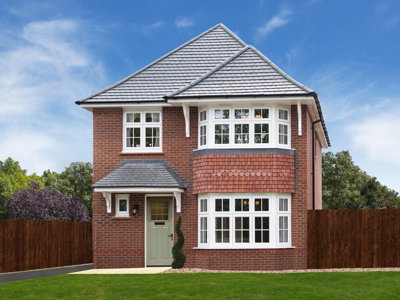
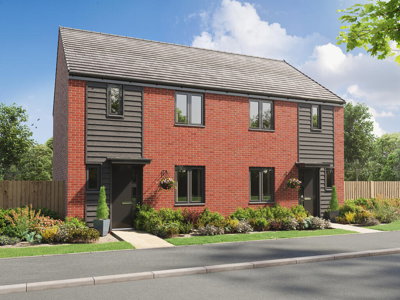
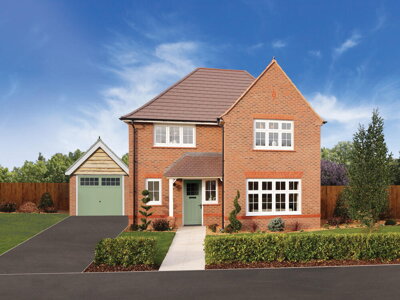
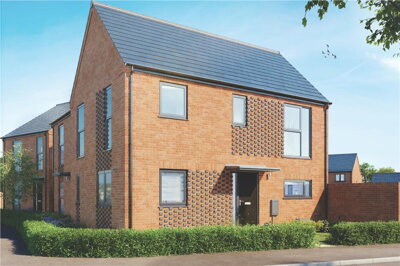
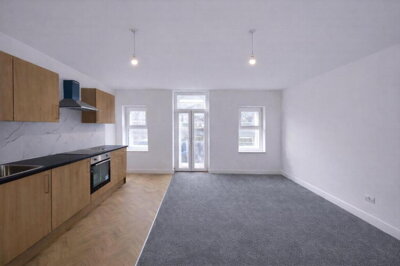
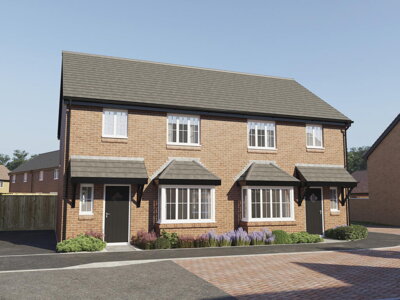
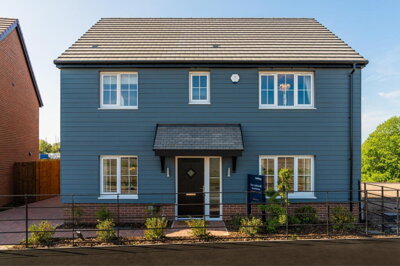
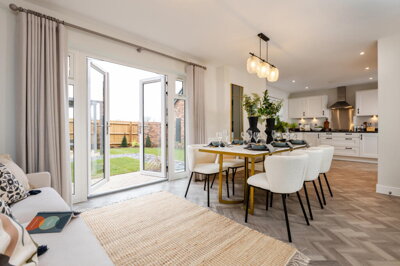
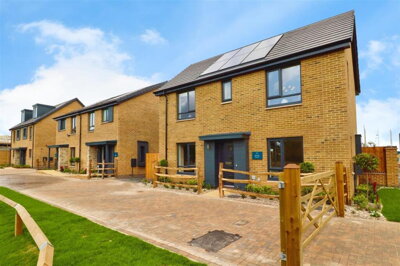
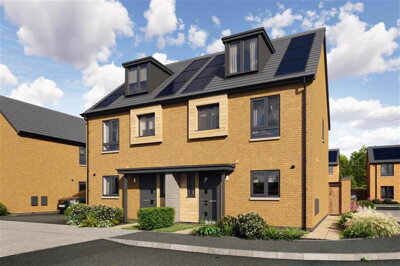
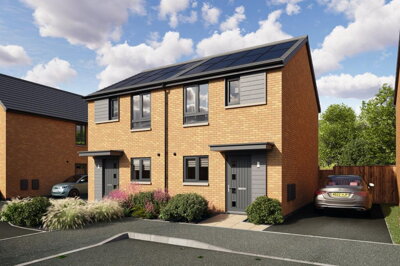
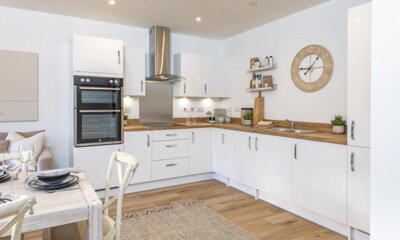
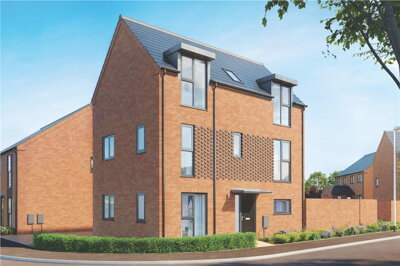
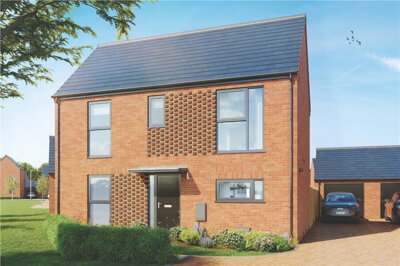
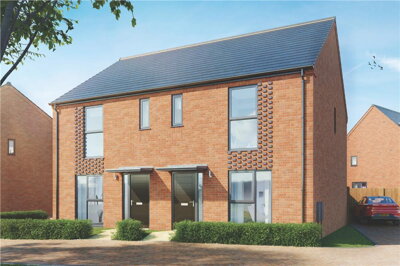
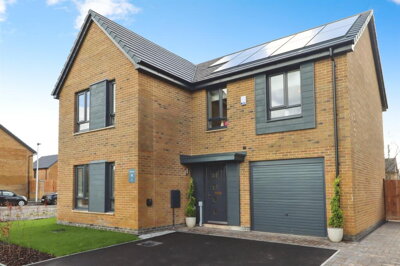
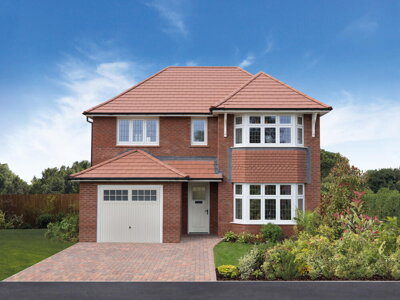
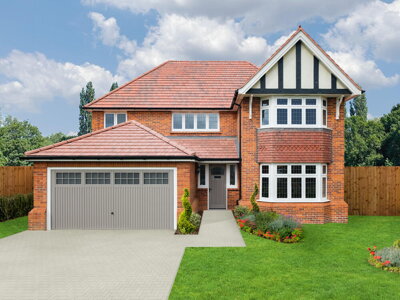
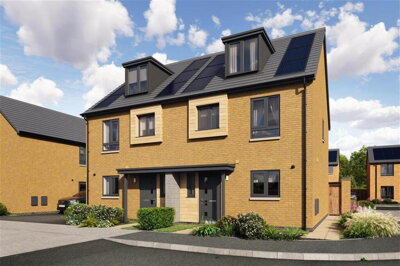
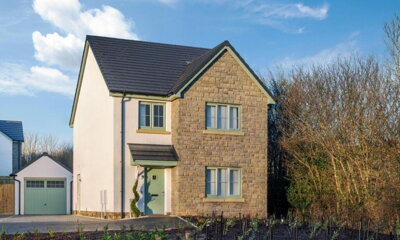
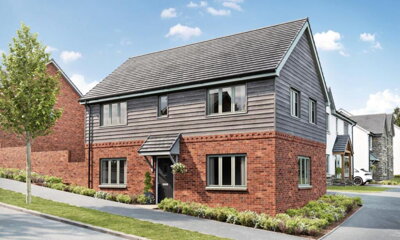
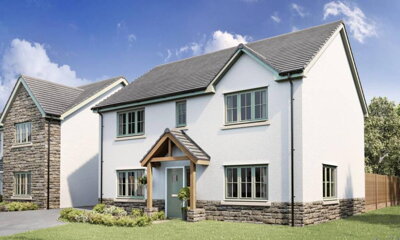
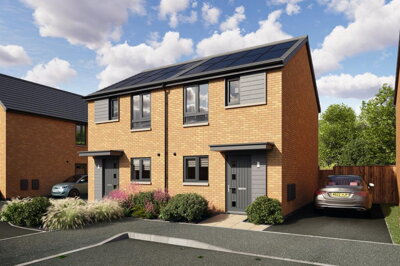
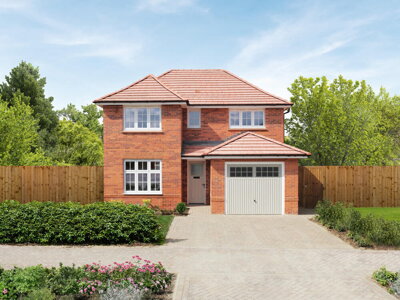
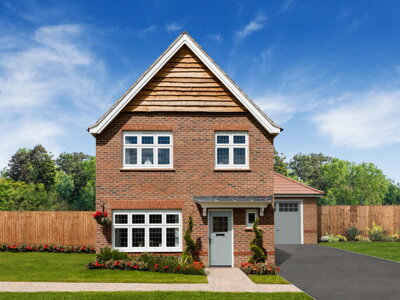
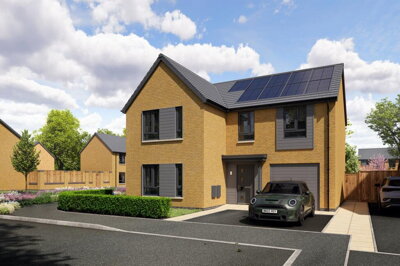
Browse 82 homes new builds in Newport, Cymru / Wales from local developer agents.
£260k
888
67
108
Source: home.co.uk
Source: home.co.uk
Detached
235 listings
Avg £509,130
Semi-Detached
232 listings
Avg £282,937
Terraced
155 listings
Avg £206,154
Flat
78 listings
Avg £126,638
End of Terrace
49 listings
Avg £220,101
Apartment
47 listings
Avg £140,264
Detached Bungalow
19 listings
Avg £377,892
Bungalow
12 listings
Avg £324,158
House
8 listings
Avg £246,250
Maisonette
6 listings
Avg £176,665
Source: home.co.uk
Source: home.co.uk
The Barrow-upon-Humber property market has demonstrated remarkable resilience, with average house prices standing at £240,779 according to recent data from Zoopla and HM Land Registry records. Rightmove reports a comparable figure of £242,315 for the past year, reflecting steady growth of approximately 2.3% to 2.47% in recent months. The market sits just 5% below the 2022 peak of £254,841, indicating healthy long-term value for buyers entering now. With 80 residential property sales completing in the last twelve months, activity levels remain solid despite a 33.75% reduction in transaction volumes compared to the previous year, which aligns with broader national trends in smaller rural markets.
Property types in Barrow-upon-Humber span a diverse range to suit varying budgets and lifestyles. Detached homes command the highest values at around £295,381, offering generous space and often featuring the characteristic brick construction seen throughout the village's historic properties. Semi-detached properties average £200,051, providing excellent value for families seeking more affordable accommodation without sacrificing proximity to local schools and amenities. Terraced properties, averaging £147,857, represent the most accessible entry point into this desirable postcode area, with properties along High Street and Barton Lane offering particular character.
The village's housing stock tells a story spanning several centuries, from converted farmhouses and historic workers' cottages to modern executive homes built in recent developments. Many properties along the main thoroughfares retain original features including sash windows, Victorian fireplaces, and exposed beams that appeal to buyers seeking period character. Understanding the specific characteristics of different property types and their locations helps buyers identify which homes offer genuine value within the current market.

New build activity in Barrow-upon-Humber continues to expand the housing options available to buyers, with the Harrison Green development by Keigar Homes leading the way. Situated off Ferry Road, this well-regarded scheme offers a range of bungalows and family homes with two to five bedrooms, catering to first-time buyers, growing families, and those seeking single-level living alike. The development incorporates thoughtful communal spaces including a large public open area, community orchard, wildflower meadow, and pond, enhancing the appeal for residents who value green spaces and environmental considerations.
OnTheMarket currently lists new build plots within the DN19 area starting from £219,950 for a three-bedroom semi-detached house, with larger four-bedroom detached properties available at around £419,950. These modern properties come with the advantage of energy-efficient construction, modern wiring, and contemporary layouts designed for 21st-century living. New homes also benefit from NHBC or similar warranty protection, reducing the risk of unexpected repair costs in the early years of ownership.
A proposed expansion off Wold Road by Keigar Homes would add a further 28 homes to the village, featuring a mix of two and four-bedroom bungalows designed specifically for the over-55s market alongside traditional family homes with up to five bedrooms. This development mix reflects growing demand for downsizing options within the village, ensuring Barrow-upon-Humber can accommodate residents at all life stages. The planning application for this expansion was publicly viewable in October 2025, with construction potentially commencing in the following months pending approval.

Barrow-upon-Humber rewards residents with a distinctive blend of historic charm and modern convenience that makes village life genuinely fulfilling. The substantial Conservation Area preserves the character of the historic village core, encompassing the picturesque streets around Barton Street, Thornton Street, Lord's Lane, Green Lane, and Palmer Lane. The architecture tells a story spanning centuries, with 18th and 19th-century houses and shops featuring prominently, many constructed in traditional brick using Flemish bond techniques with pantile or Welsh slate roofing. Properties such as Barrow House and Barrow Hall showcase the finest examples of this heritage, with Barrow Hall featuring fine red brick with limestone ashlar dressings that speak to the village's prosperous past.
The village supports a range of local amenities that serve daily needs without requiring journeys to larger towns. Essential services include convenience shopping, a post office, and traditional public houses where community events and local gatherings take place. The proximity to the Humber Estuary provides residents with scenic walking routes, birdwatching opportunities, and a sense of connection to the broader landscape of North Lincolnshire. The presence of numerous listed buildings, including two Grade I designations for the Church of Holy Trinity and Barrow Hall, reinforces the village's historical significance and contributes to the architectural variety that makes every street discovery interesting.
Community life in Barrow-upon-Humber revolves around village events, local clubs, and the welcoming atmosphere that smaller settlements provide. The village hall hosts regular activities and serves as a focal point for social gatherings throughout the year. For newcomers, this strong community spirit offers an accessible pathway to establishing roots and building relationships with long-term residents who take pride in their village's heritage and future.

Education provision in Barrow-upon-Humber centres on established primary education within the village and strong secondary options in the surrounding area. Families choosing Barrow-upon-Humber benefit from access to good quality schools that have built solid reputations within the community. The local primary school serves younger children with the reassurance of supportive class sizes and strong parental involvement that characterises village education settings. For secondary education, pupils typically travel to nearby towns where they can access a broader range of specialist subjects and extracurricular activities.
Parents researching the area will find that school performance data, including Ofsted inspection outcomes, plays a significant role in property decisions for families with children. The proximity to grammar school options in surrounding towns influences demand patterns, with catchment areas creating defined zones that affect property values in particular streets and developments. For families prioritising educational outcomes, understanding these dynamics before purchasing proves essential. Sixth form and further education provision lies within reasonable commuting distance in nearby towns, ensuring that older students have access to appropriate courses without necessarily requiring boarding arrangements.
The journey to secondary school typically involves travel to Barton-upon-Humber or Brigg, both accessible by school transport arrangements. Parents should factor these travel times into their daily routines when considering properties, as younger children may have longer days than those living closer to their school. The village primary school's performance metrics and any planned changes to admission boundaries deserve attention during the property search process.

Transport connectivity from Barrow-upon-Humber balances rural charm with practical access to employment centres and amenities further afield. The village sits within the DN19 postcode area of North Lincolnshire, positioned between the market towns of Barton-upon-Humber and Brigg. Road connections serve the primary transport needs of residents, with the A15 and A18 providing routes to larger centres including Hull, Grimsby, and Scunthorpe. The proximity to the Humber Bridge provides particularly valuable access to North Lincolnshire's eastern neighbours, opening commuting possibilities to areas that might otherwise require significantly longer journeys.
Public transport options include bus services connecting Barrow-upon-Humber with neighbouring towns, though frequencies reflect the rural nature of the location and residents generally find car ownership essential for complete convenience. Bus routes provide connections to Barton-upon-Humber where train services to larger cities are available, though those commuting daily to major employment centres typically rely on private vehicles. The flat landscape of the Humber estuary region offers relatively straightforward driving conditions, though coastal weather can occasionally affect visibility and road conditions during winter months.
Cyclists benefit from the generally flat terrain surrounding the village, with routes along country lanes providing pleasant journeys to nearby towns. However, dedicated cycling infrastructure remains limited compared to urban alternatives, and cyclists should exercise appropriate caution on busier roads. For commuters working in Hull or Grimsby, the practicalities of daily travel require consideration of journey times and parking availability at destination stations.

Contact a mortgage broker or bank to obtain an Agreement in Principle before beginning your property search. This document demonstrates that a lender has assessed your financial circumstances and is prepared to offer a mortgage up to a specified amount, strengthening your position when making offers. In Barrow-upon-Humber's competitive market where traditional village properties attract strong interest, having this documentation signals serious intent to sellers and their agents.
Study recent sale prices in Barrow-upon-Humber using platforms like Zoopla, Rightmove, and HM Land Registry records. Understanding the difference between terraced properties averaging £147,857 and detached homes at £295,381 helps set realistic expectations and identify properties offering genuine value. Pay particular attention to how properties in the Conservation Area have performed compared to newer developments, as heritage considerations can affect both values and purchase costs.
Contact estate agents listing properties in Barrow-upon-Humber to arrange viewings at times that suit your schedule. During viewings, pay particular attention to the condition of older properties in the Conservation Area, noting construction materials, the state of roofs and gutters, and any signs of maintenance requirements. Properties with original features may require updating investment, while newer homes like those at Harrison Green should be assessed for build quality and any snagging issues.
Once your offer is accepted, instruct a qualified surveyor to conduct a RICS Level 2 Survey before completing. This home buyer report identifies structural issues, potential maintenance concerns, and defects that may not be visible during viewings. Given the age of many properties in Barrow-upon-Humber's historic core, surveyors frequently identify issues with traditional construction methods, original wiring, or plumbing that buyers should understand before committing to purchase.
Choose an experienced property solicitor to handle the legal transfer of ownership. They will conduct searches through North Lincolnshire Council, review contracts, and manage communications with the seller's legal team. Local searches typically include planning history, local land charges, and drainage searches that reveal any issues affecting the property or neighbouring land.
Finalise your mortgage offer with your lender, receive search results from your solicitor, and agree a completion date with the seller. Before exchange, ensure you understand any planning conditions or listed building consents that affect the property. On completion day, funds transfer through the solicitor and you receive the keys to your new Barrow-upon-Humber home.
Purchasing property in Barrow-upon-Humber requires attention to several location-specific considerations that may not apply in urban settings. The extensive Conservation Area covering the historic village core means that properties here may be subject to planning restrictions affecting permitted development rights, external alterations, and even interior modifications in listed buildings. Buyers should investigate these constraints before purchasing if they anticipate wanting to extend or alter a property, as consents can be harder to obtain and more costly to achieve than in non-designated areas.
Construction materials warrant careful inspection given the village's heritage. Many historic properties feature brick in Flemish bond construction with pantile or Welsh slate roofing, and these traditional materials may require different maintenance approaches compared to modern brick and tile. The age of properties in the Conservation Area means that electrical wiring, plumbing, and insulation standards may not meet contemporary expectations, potentially requiring investment after purchase. Properties in newer developments like Harrison Green offer the advantage of modern construction standards but come with different considerations around service charges and estate management arrangements.
Flood risk assessment merits attention despite unverified specific data for Barrow-upon-Humber, as the proximity to the Humber Estuary means that flood considerations form part of standard conveyancing enquiries. Buyers should review the Environment Agency's flood risk maps and discuss any concerns with their solicitor during the conveyancing process. For leasehold properties, ground rent arrangements and service charges deserve scrutiny, with freehold properties generally preferred where available given the potential complications of leasehold tenure.
Local searches conducted by your solicitor through North Lincolnshire Council typically reveal planning history, any enforcement actions, and local land charges affecting the property. These searches also check for adopted planning documents that might affect future development in the surrounding area. For properties in newer developments, the search results should confirm that all infrastructure and estate roads have been properly adopted and are maintained by the appropriate authority.

Understanding the full costs of purchasing property in Barrow-upon-Humber helps buyers budget accurately and avoid surprises during the transaction process. Stamp Duty Land Tax represents the most significant government levy, though many buyers in this price range find their liability is lower than initially expected. With the average property price at £240,779, a first-time buyer purchasing at the market average would pay no SDLT whatsoever, as the threshold for first-time buyer relief extends to £425,000. Non-first-time buyers purchasing at this price point would pay no SDLT on the first £250,000 and just 5% on the portion above that threshold, working out to approximately £479.
Beyond stamp duty, buyers should budget for solicitor fees averaging between £500 and £1,500 depending on complexity and whether the property is freehold or leasehold. Conveyancing searches through North Lincolnshire Council typically cost £200 to £400, with additional drainage and environmental searches adding further amounts. A RICS Level 2 Survey costs from £350 for a standard property, though this investment proves valuable for identifying issues in older properties that form a significant part of the Barrow-upon-Humber market. Mortgage arrangement fees, typically 0% to 2% of the loan amount, should be factored in when comparing mortgage deals, and removal costs vary significantly based on distance and volume of belongings.
Additional costs to consider include building insurance from the point of exchange, which is particularly important for older properties with higher rebuild costs. Surveyors may recommend specialist investigations for certain property types, such as timber condition surveys for properties with significant wooden elements or electrical testing for homes with older wiring. Budgeting a contingency of around 10% above purchase price for unexpected costs is prudent, particularly for period properties where maintenance issues may not become apparent until after moving in.

The average house price in Barrow-upon-Humber currently stands at £240,779 according to recent market data from Zoopla and HM Land Registry. Detached properties average £295,381, semi-detached homes around £200,051, and terraced properties approximately £147,857. Prices have increased by 2.47% over the past year, sitting around 5% below the 2022 peak of £254,841, indicating stable market conditions with healthy long-term values for buyers.
Properties in Barrow-upon-Humber fall under North Lincolnshire Council's jurisdiction for council tax purposes. Bands range across all eight categories depending on property value and type, with terraced cottages and smaller properties typically in bands A to C, while larger detached homes and period properties may fall into higher bands. Contacting North Lincolnshire Council directly or viewing specific property details on the valuation office agency website provides accurate band information for any individual property you are considering.
Barrow-upon-Humber provides good quality primary education within the village, serving younger children with the benefit of supportive class sizes and strong community involvement. Secondary school options in the surrounding area include schools with established reputations, and families should research current Ofsted ratings and admission criteria for their specific addresses. Grammar school access in nearby towns influences demand in particular areas, making school catchment information valuable during property searches. The village primary school typically serves children from Reception through Year 6, with secondary pupils travelling to schools in Barton-upon-Humber or surrounding towns.
Public transport connectivity in Barrow-upon-Humber reflects its rural village status, with bus services providing connections to nearby towns including Barton-upon-Humber and Brigg. Frequencies are moderate rather than high, making car ownership practical necessity for most residents. The village's position provides reasonable access to road networks, with routes to Hull, Grimsby, and Scunthorpe via the A15 and A18, and the Humber Bridge provides convenient access to areas on the northern bank of the estuary. Rail connections available at nearby Barton-upon-Humber station provide access to the wider rail network for longer journeys.
Barrow-upon-Humber offers several investment considerations for buyers. The stable market with prices rising 2.47% annually and sitting only 5% below peak values suggests healthy fundamentals. The village's heritage, including the Conservation Area and numerous listed buildings, limits new supply and may support values of character properties. New developments like Harrison Green and the proposed Wold Road expansion indicate ongoing community growth. The mix of traditional terraced properties and modern homes provides options across different investment strategies, from renovation projects in the conservation area to modern new builds with warranty protection.
Stamp Duty Land Tax applies to purchases in Barrow-upon-Humber at standard England rates. First-time buyers pay nothing on properties up to £425,000, then 5% on the portion between £425,000 and £625,000. Other buyers pay nothing on the first £250,000, 5% on £250,001 to £925,000, 10% on £925,001 to £1.5 million, and 12% above £1.5 million. Given the average property price of £240,779, most buyers would pay no SDLT at all as first-time buyers, or a minimal amount as non-first-time buyers purchasing at or near the market average.
The Barrow-upon-Humber housing stock encompasses a wide variety of property types to suit different needs and budgets. Historic terraced cottages and houses cluster around the Conservation Area streets, offering period character with traditional brick construction and features like Inglenook fireplaces. Semi-detached family homes provide the majority of mid-market options, with newer examples complementing older stock. Detached properties range from traditional farmhouses and converted agricultural buildings to modern executive homes, with prices extending above £400,000 for the largest examples in desirable locations like Ferry Road and around the village green.
Properties within Barrow-upon-Humber's Conservation Area require special consideration during purchase. The designation imposes restrictions on external alterations, extensions, and even some interior works for listed buildings. Buyers should review the listing grade and discuss any planned modifications with North Lincolnshire Council planning department before committing to purchase. Traditional construction features like Flemish bond brickwork, pantile roofs, and original sash windows represent both character elements and potential maintenance responsibilities. A thorough RICS Level 2 Survey is particularly valuable for conservation properties, as surveyors experienced with historic buildings can identify issues specific to traditional construction methods and materials.
From 4.5%
Compare mortgage deals and find the best rate for your Barrow-upon-Humber purchase
From £499
Expert property solicitors handling your legal work
From £350
Professional home buyer report for your Barrow-upon-Humber property
From £60
Energy performance certificate for your property
Properties New Builds In London

Properties New Builds In Plymouth

Properties New Builds In Liverpool

Properties New Builds In Glasgow

Properties New Builds In Sheffield

Properties New Builds In Edinburgh

Properties New Builds In Coventry

Properties New Builds In Bradford

Properties New Builds In Manchester

Properties New Builds In Birmingham

Properties New Builds In Bristol

Properties New Builds In Oxford

Properties New Builds In Leicester

Properties New Builds In Newcastle

Properties New Builds In Leeds

Properties New Builds In Southampton

Properties New Builds In Cardiff

Properties New Builds In Nottingham

Properties New Builds In Norwich

Properties New Builds In Brighton

Properties New Builds In Derby

Properties New Builds In Portsmouth

Properties New Builds In Northampton

Properties New Builds In Milton Keynes

Properties New Builds In Bournemouth

Properties New Builds In Bolton

Properties New Builds In Swansea

Properties New Builds In Swindon

Properties New Builds In Peterborough

Properties New Builds In Wolverhampton

Enter your details to see if this property is within your budget.
Loans, cards, car finance
Estimated property budget
Borrowing + deposit
You could borrow between
Typical borrowing
Monthly repayment
Est. at 4.5%
Loan-to-value
This is an estimate only. Your actual budget may vary depending on interest rates, credit history, and personal circumstances. For an accurate affordability assessment, speak to one of our free mortgage advisors.
This calculator provides estimates for illustrative purposes only and does not constitute financial advice. Your home may be repossessed if you do not keep up repayments on your mortgage. Estimates based on 4.5% interest rate, repayment mortgage. Actual rates depend on your circumstances.
Homemove is a trading name of HM Haus Group Ltd (Company No. 13873779, registered in England & Wales). Homemove Mortgages Ltd (Company No. 15947693) is an Appointed Representative of TMG Direct Limited, trading as TMG Mortgage Network, which is authorised and regulated by the Financial Conduct Authority (FRN 786245). Homemove Mortgages Ltd is entered on the FCA Register as an Appointed Representative (FRN 1022429). You can check registrations at NewRegister or by calling 0800 111 6768.

We use cookies to show you personalised content and improve your experience of our website. Find out more in our Privacy policy and Cookie policy.