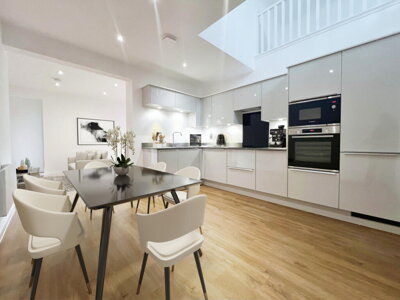
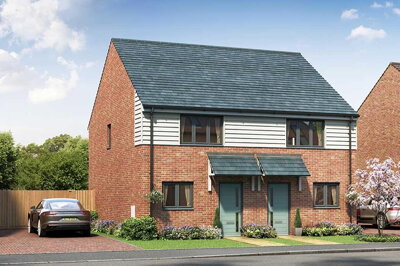
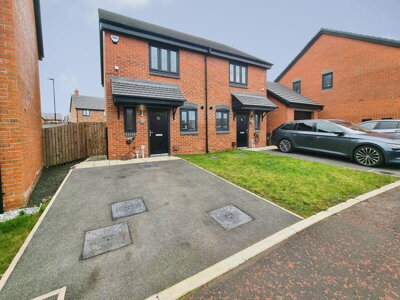
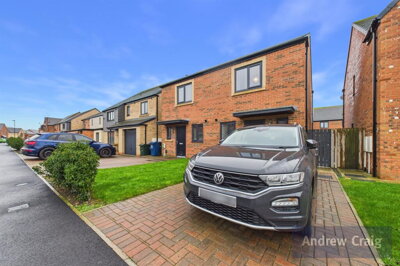
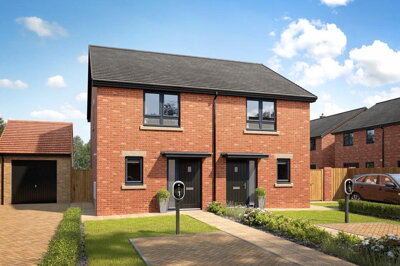
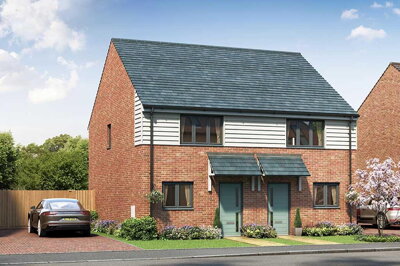
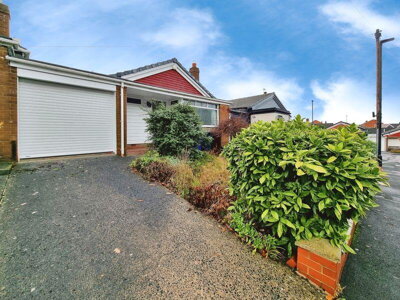
Browse 7 homes new builds in Newcastle, North East from local developer agents.
The 2 bed house market features detached, semi-detached, and terraced properties with two separate bedrooms plus living spaces. Properties in Newcastle range across contemporary developments, with pricing varying across different neighbourhoods.
£155k
72
10
71
Source: home.co.uk
Showing 72 results for 2 Bedroom Houses new builds in Newcastle, North East. 10 new listings added this week. The median asking price is £155,000.
Source: home.co.uk
Semi-Detached
38 listings
Avg £164,630
Terraced
34 listings
Avg £151,116
Source: home.co.uk
Source: home.co.uk
The Newcastle property market has demonstrated consistent growth over recent years, driven by strong local employment, two major universities, and ongoing regeneration projects. Our data shows that properties in popular areas such as Jesmond, Sandyford, and Gosforth command premium prices, while more affordable options can be found in suburbs like Byker, Walker, and Kenton. The city centre offers an excellent selection of apartments, from purpose-built studios to spacious penthouses overlooking the river.
Property types in Newcastle range from traditional Tyneside flats and Victorian terraces to contemporary new-build apartments and detached family homes. Quayside developments have transformed former industrial waterfront into premium residential addresses, with prices reflecting the stunning river views and proximity to restaurants, bars, and cultural venues. First-time buyers are particularly drawn to the Heaton and Sandyford areas, where Victorian conversions provide character at more accessible price points.
Recent market activity has seen particular demand for family homes in Gosforth, where properties on streets like Gosforth High Street and Avenue command strong prices due to the area's excellent schooling and transport connections. Meanwhile, the Ouseburn Valley has emerged as a creative hub attracting young professionals to converted warehouse apartments and contemporary townhouses. Investment activity remains robust, particularly in the purpose-built student accommodation sector and city centre rental properties.

Understanding the predominant property types in Newcastle helps buyers appreciate the character and potential maintenance requirements of different homes. The Tyneside flat, a distinctive two-storey maisonette design with its own street-level entrance, remains a staple of neighbourhoods like Heaton, Sandyford, and Jesmond. These properties typically feature high ceilings, original fireplaces, and bay windows, though they often require updating of electrics and plumbing systems that may date from the early twentieth century.
Victorian and Edwardian terraces dominate areas such as Jesmond Vale, Coxlodge, and Fawdon, offering generous room sizes and period features that appeal to buyers seeking character properties. These homes were typically constructed with solid walls and traditional materials, meaning they breathe differently than modern properties and may require attention to damp proofing and roof conditions. Many have been sympathetically modernised over the years while retaining their original staircases, cornicing, and timber floors.
Inter-war semi-detached houses built during the 1920s and 1930s are prevalent in suburbs like Kenton, Brunswick Village, and Longbenton. These properties often feature more modern construction techniques than their Victorian predecessors, with cavity walls and improved insulation properties. Gardens tend to be larger than Victorian equivalents, making them popular with families. Post-war council housing developments in areas like Walker and Byker represent a different era of housing provision, with some properties now privately owned and others remaining in social tenure.
Contemporary new-build developments have proliferated along the River Tyne and on former industrial sites across the city. Properties on developments such as those along St. James Boulevard and the East Quayside represent modern living at its most stylish, with open-plan layouts, Juliet balconies, and energy-efficient specifications. However, buyers of new-build properties should still commission a thorough inspection to identify any construction defects or snagging issues before completion.
Life in Newcastle revolves around its distinctive neighbourhoods, each offering its own character and community. Jesmond remains one of the city's most prestigious suburbs, known for its tree-lined avenues, boutique shops, and vibrant Osborne Road restaurant scene. Gosforth offers excellent schools, local parks, and good transport links into the city centre, making it particularly popular with families. The Ouseburn Valley has emerged as Newcastle's creative hub, home to independent cafes, artist studios, and the acclaimed Live Theatre.
The city centre pulses with energy, from the historic Grainger Market to the modern intu Eldon Square shopping centre. Newcastle's famous nightlife scene centres on the Bigg Market and Quayside area, though residential developments increasingly cater to those seeking quieter urban living. The nearby Northumberland coast, including Whitley Bay and Tynemouth, offers beautiful beaches and a different pace of life just twenty minutes from the city centre.
For those seeking more affordable neighbourhoods without sacrificing amenity, areas like Forest Hall and Palmersville offer good value semi-detached housing with straightforward access to the city centre via the Metro system. Benton and Four Lane Ends provide similar benefits with excellent local shops and schools. Wallbottle and Darras Hall represent more upmarket options on the city outskirts, offering larger detached properties and private road settings that appeal to families seeking more space.

Newcastle is home to two major universities, Newcastle University and Northumbria University, attracting thousands of students each year and contributing to the city's youthful, dynamic atmosphere. For families, the city offers a good selection of primary and secondary schools, with notable performers including the Royal Grammar School, Newcastle High School for Girls, and St Mary's Catholic School. The Gosforth Academy and Churchill Community College serve strong catchment areas in the north and west of the city respectively.
Independent education options include the prestigious Dame Allan's Schools, which offers co-educational and single-sex education from nursery through sixth form. The city also hosts excellent further education facilities at Newcastle College and the Newcastle Sixth Form College. Parents relocating to Newcastle will find good provision across all key stages, though competition for places at the most sought-after schools means early planning is advisable.
Primary school provision is particularly strong in the Gosforth and Jesmond areas, with schools like Christ Church CofE Primary School and Hotspur Primary School consistently receiving positive Ofsted reports. The West Moor area of North Tyneside, while administratively separate from Newcastle, offers excellent primary schools serving families who prefer a more suburban lifestyle while working in Newcastle. Secondary school choices should be researched carefully, as catchment areas significantly impact which schools children can access.
Newcastle boasts excellent transport connections that make it one of the best-connected cities in the North of England. Newcastle Central Station provides direct rail services to London King's Cross in approximately three hours via the East Coast Main Line, with regular services throughout the day. Edinburgh can be reached in around ninety minutes, and Manchester in approximately two and a half hours. The Tyne and Wear Metro provides an integrated light rail and bus network connecting Newcastle to surrounding areas including Gateshead, North Shields, Whitley Bay, and Newcastle Airport.
For commuters by car, the A1(M) runs past Newcastle and provides connections to the north and south of the country. The Tyne Tunnel offers easy access to the A19 and the southern suburbs of Tyneside. Within the city, traffic can be busy during peak hours, particularly on the Central Motorway and around major junctions. However, cycling infrastructure has improved significantly, with designated routes connecting residential areas to the city centre and Quayside.
Newcastle Airport, located in Woolsington to the north of the city, offers domestic flights and connections to European destinations, making it a valuable asset for frequent travellers. The airport is accessible via the Metro, with the Airport station located a short walk from the terminal building. For international commuting, the combination of rail links to London and the channel tunnel makes Newcastle surprisingly well-connected to continental Europe.
Explore different neighbourhoods to find areas that match your lifestyle and budget. Jesmond and Gosforth offer excellent schools and family amenities, while Heaton and Sandyford provide more affordable options closer to the universities. Consider factors like commute times, local amenities, and future development plans when narrowing your search area.
Speak to a mortgage broker or lender to obtain an agreement in principle before viewing properties. This strengthens your position when making an offer and demonstrates your financial readiness to estate agents. Newcastle has numerous mortgage brokers familiar with the local market who can help you understand borrowing limits and competitive rates available in the area.
Contact local estate agents to arrange viewings of properties that match your criteria. Take notes on the condition of properties, any potential issues, and whether the asking price reflects current market values in the area. When viewing properties in Newcastle, pay attention to construction types, as older properties may have specific maintenance requirements.
Once your offer is accepted, arrange a RICS Level 2 survey to assess the property's condition and identify any defects that may require attention or negotiation. For Newcastle's older property stock, including Victorian terraces and Tyneside flats, a Level 3 Building Survey may be more appropriate to identify hidden structural issues or renovation requirements.
Choose a conveyancing solicitor to handle the legal aspects of your purchase. They will conduct searches, review contracts, and manage the transfer of ownership. Local solicitors familiar with Newcastle and surrounding areas can provide valuable insights into local searches and any specific issues affecting the property.
Your solicitor will coordinate the exchange of contracts and set a completion date. On completion day, the remaining funds are transferred and you receive the keys to your new Newcastle home. Plan your move carefully, particularly if moving to or from areas with restricted parking or requiring arrangements with managing agents for new-build apartments.
Newcastle has undergone significant transformation over the past two decades, with regeneration projects reshaping former industrial sites into vibrant residential communities. The East Quayside area has seen particular investment, with converted warehouses and contemporary apartments replacing former shipyard buildings. These developments have attracted young professionals and created a distinctive waterfront character that complements the more established Quayside residential areas.
The former Swan Hunter shipyard site at Wallsend, though primarily an industrial heritage project, has influenced surrounding residential values and community development. Meanwhile, the Science Park area near the Central Station has attracted technology and knowledge economy businesses, increasing demand for nearby residential properties in areas like Shieldfield and Arthur's Hill. Understanding these development patterns helps buyers identify areas likely to see continued growth and investment.
Future development plans continue to shape the city, with proposals for the Stephenson Quarter and surrounding areas likely to bring further transformation. Buyers considering new-build properties should research developer track records and any delayed completion histories that might affect their purchase timeline. Existing homeowners in regeneration zones may benefit from capital growth as neighbourhood improvements take effect over coming years.
When purchasing property in Newcastle, understanding local planning restrictions is essential. Several areas, particularly in the city centre and Quayside, have conservation designations that may affect permitted developments and alterations. Properties near the River Tyne may be subject to flood risk assessments, and buyers should request relevant search results before committing. Ground conditions vary across the city, with some areas built on former mining land requiring specific surveys.
The distinction between freehold and leasehold ownership significantly impacts purchasing decisions in Newcastle. Flats in the city centre and Quayside are typically leasehold, and buyers should carefully examine the remaining lease term, ground rent arrangements, and any service charges before proceeding. Houses in residential suburbs are predominantly freehold, offering straightforward ownership. Service charges for city centre apartments can range considerably and should be factored into affordability calculations alongside mortgage payments.
Flood risk varies significantly across Newcastle depending on proximity to watercourses and the local topography. Properties in the lower Ouseburn Valley and areas close to the River Tyne should be checked against Environment Agency flood maps. However, modern developments typically incorporate flood resilience measures, and insurance is generally available even for properties with some flood history. Your survey should identify any signs of previous flooding or water ingress that might indicate ongoing issues.
Understanding the full cost of buying a property in Newcastle is essential for budgeting effectively. Beyond the purchase price, buyers should account for Stamp Duty Land Tax, which applies to all purchases above £250,000 at standard rates. First-time buyers purchasing properties up to £625,000 can benefit from relief that reduces costs significantly. Additional expenses include solicitor fees, typically ranging from £500 to £1,500 depending on the complexity of the transaction, plus disbursements for local authority searches, land registry fees, and mortgage arrangement costs.
Survey costs should also be factored into your budget. A RICS Level 2 Homebuyer Report is advisable for most properties and typically costs from £350 depending on the property value and size. For older properties or those in conservation areas, a more detailed Level 3 Building Survey may be recommended at additional cost. Factor in removal costs, potential redecoration or renovation expenses, and the cost of redirecting mail and updating utilities. Setting aside approximately 10% of your budget for these additional costs ensures a financially prepared and less stressful move.
Newcastle City Council charges search fees as part of the conveyancing process, and buyers should budget around £200-300 for local authority searches covering planning history, building regulations, and environmental factors. For properties near former industrial sites or colliery workings, additional environmental searches may be recommended to identify potential contamination risks. These costs are relatively modest but provide important protection for what is typically the largest financial transaction of your life.
Property prices in Newcastle vary significantly by area and property type. City centre apartments typically start from around £120,000 for a one-bedroom flat, while Victorian terraces in popular areas like Jesmond or Heaton range from £200,000 to £350,000. Detached family homes in suburbs such as Gosforth and Darras Hall can exceed £500,000, with premium properties on sought-after streets reaching higher. The overall average price reflects the diversity of the market, from affordable starter homes to premium city centre apartments and spacious suburban properties. Recent sales data shows consistent year-on-year growth in most postcode areas, though city centre flats have seen more volatile values depending on new supply levels.
Newcastle upon Tyne City Council sets council tax bands for all properties in the city. Most Victorian terraces and semi-detached homes fall into bands A through D, while larger detached properties and city centre apartments may be categorised in higher bands E through H. A typical Victorian terrace in Heaton or Jesmond will usually be band B or C, while modern city centre penthouses may fall into bands E or F. Prospective buyers can check specific bands via Newcastle City Council's online database before committing to a purchase, and should factor annual council tax costs into their overall affordability assessment.
Newcastle offers excellent educational provision across all levels. For primary education, well-regarded schools include Moorside Primary Academy and Dormanstown Primary Academy, with the Gosforth area offering particularly strong provision including Gosforth Central First School and Envirotech. At secondary level, the Royal Grammar School and Newcastle High School for Girls consistently achieve strong academic results, though these are oversubscribed and selective. The city's two universities, Newcastle University and Northumbria University, rank among the best in the UK for various subjects and contribute significantly to the city's research and cultural life. Parents should research catchment areas carefully, as school places are allocated based on proximity in many cases.
Newcastle has an excellent public transport network centred on the Tyne and Wear Metro, which provides frequent services across the city and surrounding areas including Gateshead, North Shields, Whitley Bay, and Newcastle Airport. The Metro runs from around 5am until midnight with trains every 12 minutes on most lines during peak hours. Newcastle Central Station offers direct rail connections to London, Edinburgh, Manchester, Leeds, Birmingham, Bristol, and other major cities. Local bus services operated by Stagecoach and Go North East provide comprehensive coverage across residential areas, making car ownership optional for many residents.
Newcastle offers strong fundamentals for property investment, with consistent demand from students, young professionals, and families. Rental yields in the city centre and university areas are particularly attractive, with demand consistently outstripping supply in popular neighbourhoods like Jesmond and Sandyford. A typical three-bedroom Victorian terrace in Heaton can generate rental income of £1,200-1,500 per month, while city centre one-bedroom apartments commonly achieve £700-900 per month. Ongoing regeneration projects and the city's growing reputation as a cultural and economic hub continue to attract investors. However, as with any investment, thorough research into specific areas and property types is advisable, and investors should consider void periods between tenants when calculating yields.
Stamp Duty Land Tax rates depend on the property price and your buyer status. For standard purchases, you pay nothing on the first £250,000, 5% on £250,001 to £925,000, and 10% on the portion between £925,001 and £1.5 million. First-time buyers benefit from relief on the first £425,000, paying 5% between £425,001 and £625,000. Properties above £625,000 do not qualify for first-time buyer relief. This means a first-time buyer purchasing a typical £200,000 Victorian terrace in Newcastle would pay no stamp duty at all, making the city particularly accessible for those entering the property market.
Flood risk in Newcastle is primarily associated with proximity to the River Tyne, the Ouseburn watercourse, and various burns that flow through the city. The lower Ouseburn Valley, particularly around Byker and Ouseburn, has historically experienced flooding and new developments in this area incorporate flood mitigation measures. Properties on the Quayside benefit from modern flood defences but buyers should still check Environment Agency data. Areas further from watercourses, including most of Gosforth, Jesmond, and the suburban estates to the north and west, carry minimal flood risk. Your solicitor should include appropriate drainage and water authority searches as part of the conveyancing process.
Newcastle's Victorian and Edwardian property stock, while full of character, often requires ongoing maintenance attention. Common issues in older terraces include rising damp due to failed or missing damp proof courses, timber decay to floorboards and window frames, and pointing deterioration on bay windows exposed to prevailing winds. Tyneside flats may have shared maintenance responsibilities with neighbouring properties that require clear agreements. For inter-war properties, original single-glazed windows and aging central heating systems are frequently cited as areas requiring upgrade. New-build properties, while meeting current standards, can suffer from snagging issues that should be identified before the warranty period expires.
From 4.5%
Expert mortgage advice and competitive rates
From £499
Specialist solicitors for Newcastle property transactions
From £350
Professional property surveys in Newcastle
From £85
Energy performance certificates for Newcastle properties
Properties New Builds In London

Properties New Builds In Plymouth

Properties New Builds In Liverpool

Properties New Builds In Glasgow

Properties New Builds In Sheffield

Properties New Builds In Edinburgh

Properties New Builds In Coventry

Properties New Builds In Bradford

Properties New Builds In Manchester

Properties New Builds In Birmingham

Properties New Builds In Bristol

Properties New Builds In Oxford

Properties New Builds In Leicester

Properties New Builds In Newcastle

Properties New Builds In Leeds

Properties New Builds In Southampton

Properties New Builds In Cardiff

Properties New Builds In Nottingham

Properties New Builds In Norwich

Properties New Builds In Brighton

Properties New Builds In Derby

Properties New Builds In Portsmouth

Properties New Builds In Northampton

Properties New Builds In Milton Keynes

Properties New Builds In Bournemouth

Properties New Builds In Bolton

Properties New Builds In Swansea

Properties New Builds In Swindon

Properties New Builds In Peterborough

Properties New Builds In Wolverhampton

Enter your details to see if this property is within your budget.
Loans, cards, car finance
Estimated property budget
Borrowing + deposit
You could borrow between
Typical borrowing
Monthly repayment
Est. at 4.5%
Loan-to-value
This is an estimate only. Your actual budget may vary depending on interest rates, credit history, and personal circumstances. For an accurate affordability assessment, speak to one of our free mortgage advisors.
This calculator provides estimates for illustrative purposes only and does not constitute financial advice. Your home may be repossessed if you do not keep up repayments on your mortgage. Estimates based on 4.5% interest rate, repayment mortgage. Actual rates depend on your circumstances.
Homemove is a trading name of HM Haus Group Ltd (Company No. 13873779, registered in England & Wales). Homemove Mortgages Ltd (Company No. 15947693) is an Appointed Representative of TMG Direct Limited, trading as TMG Mortgage Network, which is authorised and regulated by the Financial Conduct Authority (FRN 786245). Homemove Mortgages Ltd is entered on the FCA Register as an Appointed Representative (FRN 1022429). You can check registrations at NewRegister or by calling 0800 111 6768.

We use cookies to show you personalised content and improve your experience of our website. Find out more in our Privacy policy and Cookie policy.