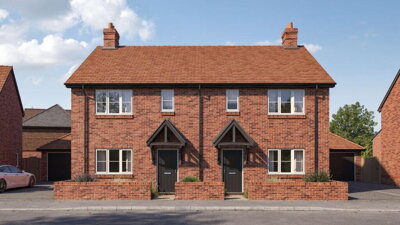
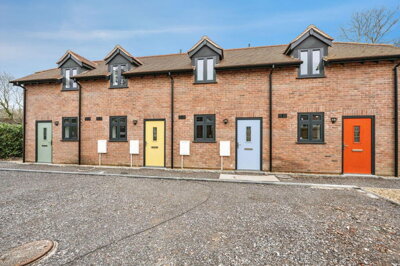
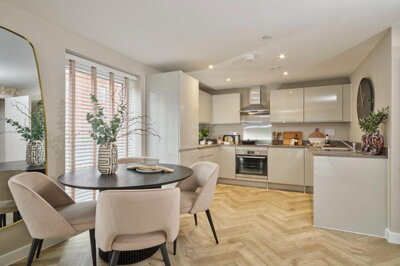
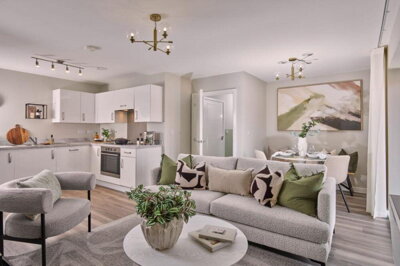
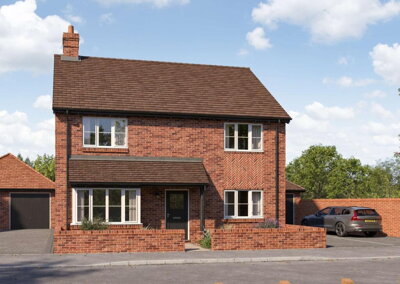
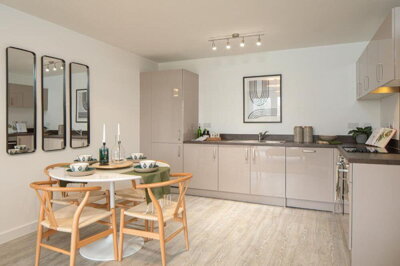
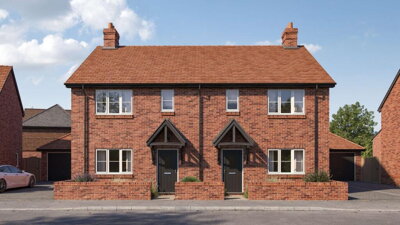
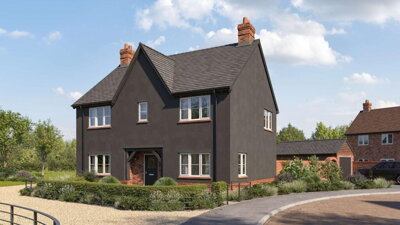
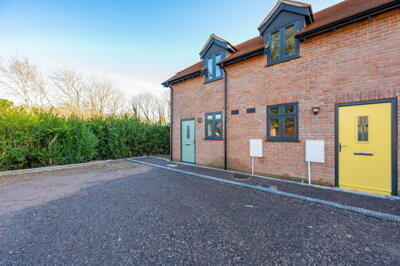
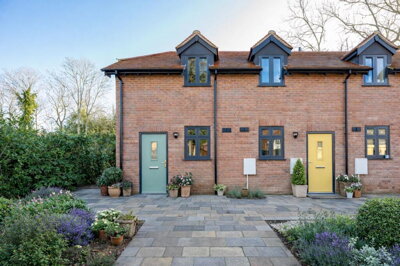
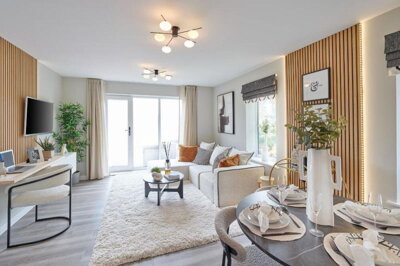
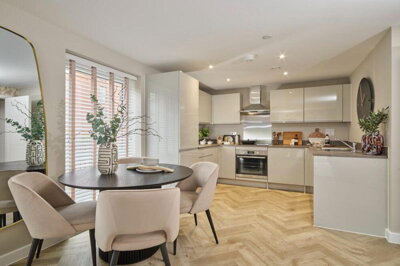
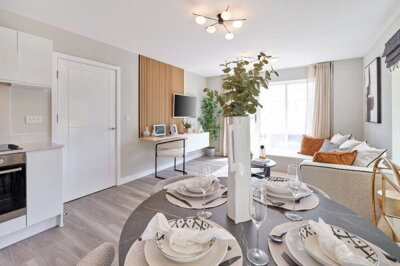
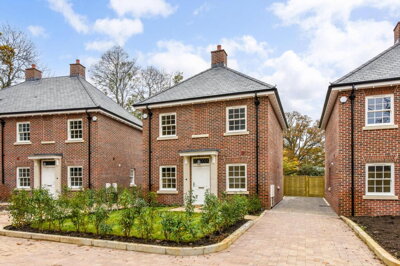
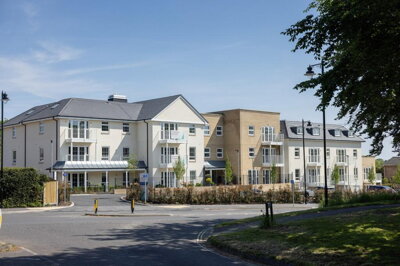
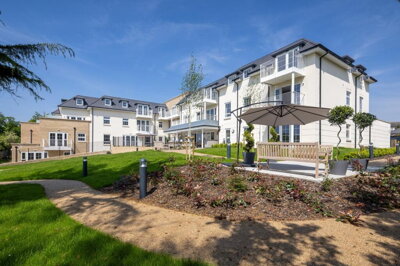
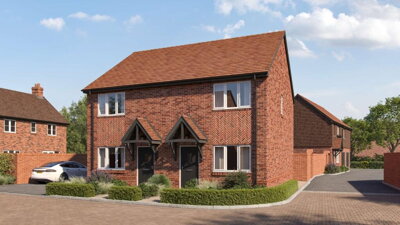
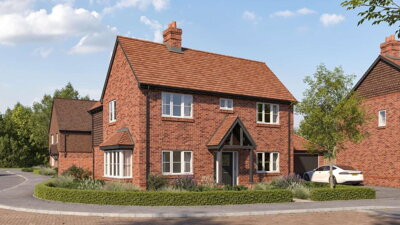
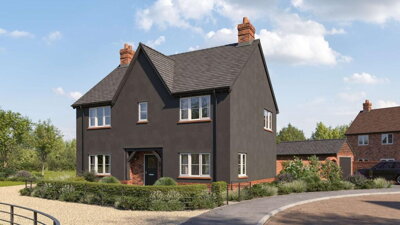
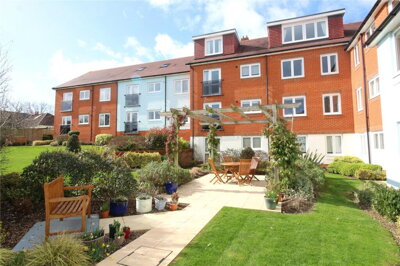
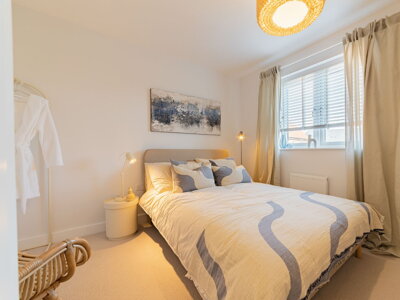
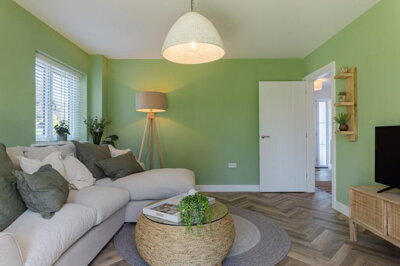
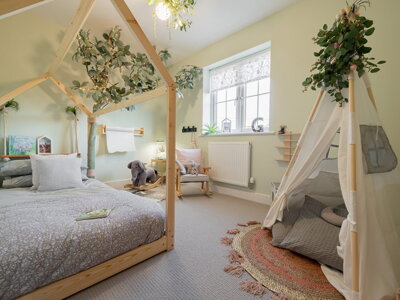
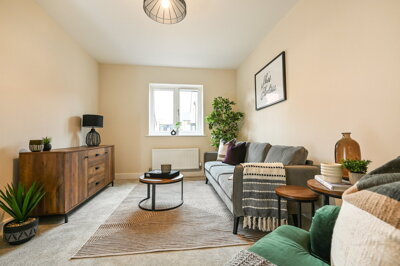
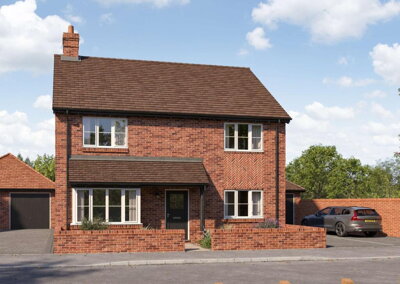
Browse 34 homes new builds in New Forest from local developer agents.
Studio apartments feature open-plan living spaces without separate bedrooms, incorporating sleeping, living, kitchen, and bathroom facilities. The New Forest studio market includes properties in modern apartment complexes, modern purpose-built developments and new residential complexes.
£176,842
Average House Price
+11%
Annual Price Growth
£260,000
Detached Average
£169,950
Semi-Detached Average
£149,889
Terraced Average
The Harrington property market has shown encouraging resilience over the past year, with house prices rising by approximately 11% compared to the previous twelve months. This growth brings the average property price in the village to around £176,842, matching the peak levels seen in 2023 and suggesting sustained demand for homes in this particular corner of Lincolnshire. We have observed that villages like Harrington often experience different market dynamics to the broader East Lindsey district, which recorded an average house price of £219,000 in December 2025 with a more modest 0.9% annual change. This distinction is important for buyers to understand when assessing value in the local area.
When examining available property types in Harrington, the market offers a good variety for prospective buyers. Detached properties command the highest prices, averaging around £260,000, reflecting the additional space and privacy they provide. Semi-detached homes typically sell for approximately £169,950, while terraced properties represent the most affordable entry point at around £149,889. Our team has noted that terraced properties have accounted for the majority of sales in the village over the past year, suggesting strong demand at the more accessible price points. Flats are less common in the village itself, though the wider East Lindsey district shows an average flat price of £95,000 where available.
New build activity in Harrington remains limited, with no active developments currently under construction in the village. This means most buyers purchasing in the area will be acquiring existing properties, many of which will be older constructions with their own unique characteristics and potential maintenance considerations. For buyers specifically seeking modern specifications or new-build warranties, the surrounding market towns may offer more options, though at generally higher price points. We always advise clients purchasing older rural properties to commission a thorough survey to understand exactly what they are acquiring.
Harrington sits within the East Lindsey district of Lincolnshire, a county renowned for its expansive landscapes, agricultural heritage, and welcoming communities. The village itself embodies the character of rural England, with stone and brick cottages, traditional farm buildings, and quiet lanes that invite leisurely walks. Our inspectors regularly visit properties across this part of Lincolnshire, and we can confirm that the area retains a distinctive charm that appeals to those seeking an escape from busier urban environments. The surrounding countryside consists largely of farmland, with the Lincolnshire Wolds Area of Outstanding Natural Beauty located to the west, offering rolling hills, scenic trails, and panoramic views that draw visitors from across the region.
Daily life in Harrington typically revolves around community spirit and the simple pleasures of village living. Local amenities may be limited within the village itself, but larger market towns such as Louth and Spilsby are within easy driving distance, providing supermarkets, independent shops, restaurants, and healthcare facilities. We find that residents here quickly adapt to a lifestyle where weekly shopping trips to market towns become part of the normal routine, rather than a burden. The East Lindsey coastline, including popular destinations like Skegness, is reachable within half an hour by car, offering beaches and seaside attractions for family days out.
The village atmosphere tends to be friendly and tight-knit, with community events and local traditions providing opportunities for neighbours to connect and socialise. For buyers relocating from larger towns or cities, this represents a significant lifestyle shift that many find rewarding. Our experience working with buyers across East Lindsey suggests that those who thrive in Harrington tend to be those who actively engage with village life and appreciate the quieter pace on offer. The sense of community and lower crime rates associated with rural villages like Harrington are factors that our clients frequently cite as reasons for choosing this area.

Families considering a move to Harrington will find a selection of educational options within the surrounding area of East Lindsey. Primary education is typically provided through local village schools, which often serve small catchments and provide a nurturing environment for young children. Our team has worked with many families relocating to this part of Lincolnshire, and we consistently hear positive feedback about the personalised attention children receive in smaller school settings. However, parents should verify current Ofsted ratings and capacity information, as provision can vary across the district and some schools may have waiting lists for certain year groups.
Secondary education is generally accessed through schools in nearby market towns, with pupils travelling daily to attend their chosen establishment. The East Lindsey area hosts several secondary schools, including some with sixth form facilities for students continuing their education beyond GCSE level. We always recommend that families research individual school performance data via the government website before committing to a property purchase, as catchment area boundaries can be subject to change and may affect which schools children can attend. Visiting schools directly and speaking with admissions staff can provide valuable insights beyond published statistics.
For those seeking further education, colleges in larger towns such as Lincoln and Boston offer a broader range of vocational and academic courses. Given the rural nature of the area, school transport arrangements are an important consideration for families, and prospective buyers should factor in journey times and bus services when evaluating properties in and around Harrington. Some families choose to factor school transport logistics heavily into their property search, prioritising homes with convenient access to established bus routes. Others find that the trade-off of longer journeys is worthwhile given the lifestyle benefits of rural living.

Transport connections from Harrington reflect its status as a small rural village, with residents typically relying on private vehicles for the majority of their travel needs. The village is situated within reasonable distance of major road routes, including the A16 which runs through nearby market towns and provides access to larger cities such as Lincoln and Peterborough. We find that most of our clients purchasing in this area are car owners who understand that driving is a necessity rather than an inconvenience. The A158 offers connections towards the coast and towards Lincoln, giving residents options for regional travel without necessarily heading onto major motorways.
For those working in administrative or professional roles, the road network does permit commuting to larger employment centres, though journey times will naturally be longer than for those living in more urban areas. Our experience shows that residents who work from home for several days per week tend to find the location most sustainable long-term. Those requiring daily commuting to major office locations should carefully consider the practicalities before committing to a purchase. Journey times of 45 minutes to an hour each way are typical for those travelling to larger employment centres, and this should be factored into any decision.
Public transport options in the immediate vicinity of Harrington are limited, as is common for villages of its size in Lincolnshire. Bus services connect some rural villages to market towns, though frequencies tend to be low, making them more suitable for occasional trips than daily commuting. The nearest railway stations are located in larger towns, with services to destinations including Lincoln, Nottingham, and beyond. For regular commuters, living in Harrington works best for those with flexible arrangements, remote working options, or who primarily travel by car. We always advise clients to thoroughly research public transport options if they anticipate needing to use them regularly, as services can be infrequent and may not align with typical working hours.
Start by exploring current listings in Harrington and the surrounding East Lindsey area. Understanding price ranges for different property types will help you set realistic expectations and identify opportunities that match your budget and requirements. We recommend setting up property alerts on major portals and working with local estate agents who have knowledge of the village market.
Before arranging viewings, speak to a mortgage broker or lender to obtain an Agreement in Principle. This demonstrates to sellers that you are a serious buyer with financing already considered, which is particularly valuable in villages where competition for properties can be strong. Having your mortgage in place before making an offer can also help expedite the process once your offer is accepted.
Visit properties that meet your criteria and assess their condition, location, and proximity to amenities you need. Take time to explore the village and surrounding area at different times of day to get a genuine feel for what daily life would be like. We always suggest viewing properties in various weather conditions and at different times to understand how the area changes throughout the day and seasons.
Once you have had an offer accepted, instruct a RICS Level 2 Home Survey on the property. This will identify any structural issues, defects, or areas requiring attention before you commit to the purchase, giving you negotiating leverage if problems are found. Given that many properties in rural Lincolnshire are older constructions, a thorough survey is particularly important in this area.
Choose a solicitor experienced in rural property transactions to handle the legal aspects of your purchase. They will conduct searches, handle contracts, and manage the transfer of funds through to completion. Rural transactions can sometimes involve additional complications such as rights of way, drainage arrangements, or agricultural covenants that require specialist knowledge.
After all searches are satisfactory and contracts are signed, you will exchange deposits and agree on a completion date. On the day of completion, the remaining funds are transferred and you receive the keys to your new home in Harrington. We recommend arranging buildings insurance well in advance of completion, as this is typically required by lenders before funds can be released.
Purchasing a property in a rural village like Harrington requires some specific considerations beyond those that apply to urban properties. The age and construction of properties can vary significantly, with many homes in Lincolnshire villages dating from Victorian or earlier periods. Our inspectors have examined numerous properties across this area, and we frequently encounter construction characteristics typical of period rural homes, including original roof structures, solid wall construction, and older drainage systems that may require updating. This means buyers should pay close attention to the condition of roofs, foundations, and drainage systems, as older properties may have undergone various alterations and repairs over the years.
Planning restrictions in rural areas can be different from those in towns and cities, so it is worth researching whether the property is in a conservation area or is subject to any planning conditions. While our research did not identify specific conservation areas within Harrington itself, properties in rural Lincolnshire can still be subject to planning conditions that affect what alterations are permitted. We always recommend requesting copies of all planning permissions and building regulation approvals from the current owner, and checking with East Lindsey District Council for any relevant history or conditions.
Flood risk should also be considered, particularly for properties near watercourses or in low-lying areas. While our specific research did not identify particular flood risk areas within Harrington itself, the East Lindsey district includes areas with varying flood susceptibility, particularly near the coast. A thorough survey will identify any signs of previous flooding or water damage, and we strongly recommend that buyers discuss any concerns with their surveyor before proceeding. Properties with large gardens or land may involve higher maintenance costs and potential agricultural restrictions, so understanding exactly what is included with the property is essential.
Given that the majority of properties in Harrington are likely to be older constructions, we strongly recommend that all buyers commission a RICS Level 2 Survey before completing their purchase. Our inspectors bring extensive experience examining properties throughout Lincolnshire and understand the common issues that affect homes in this part of the country. A thorough survey will assess the property's condition, identify any defects that may require attention, and provide you with the information needed to make an informed decision about your purchase.
Common issues we find in older rural properties include damp affecting walls and timbers, roof coverings that may be nearing the end of their lifespan, and electrical systems that do not meet current standards. Properties with solid walls rather than cavity walls may have different insulation properties and heat retention characteristics that affect running costs. We also frequently encounter older drainage arrangements that may connect to private septic systems or cess pools rather than mains drainage, which carries its own maintenance requirements and regulatory considerations.
The investment in a proper survey typically costs from around £350 depending on property size, and this can provide invaluable protection when negotiating the purchase price or requesting that the seller address specific issues before completion. We always advise buyers to budget for a survey as an essential part of their purchase costs, rather than viewing it as an optional extra. The cost of identifying problems before purchase is invariably less than the cost of addressing them after you have committed to the sale.
The average house price in Harrington, East Lindsey, over the last year was approximately £176,842. This represents an 11% increase compared to the previous year, bringing prices back in line with the 2023 peak of £176,819. Detached properties average around £260,000, semi-detached homes around £169,950, and terraced properties approximately £149,889. Our local market knowledge suggests that terraced properties have accounted for the majority of recent sales in the village, indicating strong demand at the more accessible price points.
Properties in Harrington fall under the East Lindsey District Council area for council tax purposes. Specific band distributions for the village itself would need to be confirmed with the local authority or via the Valuation Office Agency website, where you can search by property address to find the exact council tax band for any specific home. Council tax bands in East Lindsey range from A through to H, with the band affecting your monthly payments to the local authority for services including refuse collection, street cleaning, and local authority services.
Schools in the immediate Harrington area are typically small village primaries serving local catchments, with secondary schools located in nearby market towns. Parents should research individual school performance and Ofsted ratings via the government website, and consider journey times and transport arrangements when choosing a property, as school catchment areas can significantly affect which schools children can attend. Many families moving to this area factor school transport logistics into their property search, as daily journeys to secondary schools in towns like Louth or Spilsby are common for village residents.
Public transport connections from Harrington reflect its rural village location and are limited compared to urban areas. Bus services connect some villages to nearby towns, though frequencies are generally low, making them more suitable for occasional trips than daily commuting. The nearest railway stations are located in larger towns with services to Lincoln, Nottingham, and beyond. Most residents rely on private vehicles for daily travel, making car ownership important for life in this area. We recommend that buyers who anticipate needing public transport regularly should thoroughly research current bus timetables and railway station access before committing to a purchase.
House prices in Harrington have shown positive growth over the past year, rising by approximately 11% and matching previous peak levels. The East Lindsey district continues to attract buyers seeking rural lifestyles, and properties in villages like Harrington may appeal to those priced out of more expensive areas. Our experience suggests that the village market tends to be driven by genuine residential demand rather than investor activity, which can indicate stable long-term demand. However, as with any property investment, prospective buyers should consider factors including future demand, rental potential, and any planned local developments before committing.
Stamp duty rates (SDLT) from April 2025 are 0% on the first £250,000 of residential property, 5% on £250,001 to £925,000, 10% on £925,001 to £1.5 million, and 12% above £1.5 million. First-time buyers relief raises the nil-rate threshold to £425,000 with 5% charged between £425,001 and £625,000. The average property price in Harrington of around £176,842 would typically fall within the nil-rate band for most buyers, meaning no stamp duty would be payable on a purchase at the average price point.
Many properties in rural Lincolnshire villages like Harrington date from Victorian or earlier periods, so look closely at the condition of roofs, walls, and foundations. Signs of damp, structural movement, or outdated electrical and plumbing systems are worth investigating carefully before making an offer. Our inspectors frequently find that older rural properties may have non-standard construction features, private drainage arrangements, or older heating systems that require updating. A RICS Level 2 Survey will highlight any concerns and help you make an informed decision before committing to the purchase.
Our research confirmed that there are no active new-build developments currently under construction in Harrington village itself. This means buyers seeking modern specifications or the reassurance of a new-build warranty will need to look to surrounding market towns, where prices are typically higher. The existing housing stock in Harrington consists predominantly of older properties, which carry their own character and charm but also require appropriate due diligence through a professional survey before purchase.
Get mortgage advice for your Harrington purchase
From 4.5%
Expert legal services for property buyers
From £499
Professional home survey for Harrington properties
From £350
Energy performance certificate for your new home
From £60
Understanding the full costs of buying a property in Harrington goes beyond the purchase price itself. The most significant additional cost for most buyers is Stamp Duty Land Tax, and the thresholds that apply from April 2025 are worth understanding before making an offer. For a property at the Harrington average price of approximately £176,842, most buyers would not owe any stamp duty, as the nil-rate band extends to £250,000. This means a straightforward purchase at average prices could save thousands compared to buying in higher-priced areas where stamp duty would apply.
First-time buyers benefit from an even more generous nil-rate threshold of £425,000, with 5% charged between £425,001 and £625,000. This relief applies to buyers who have not previously owned property anywhere in the world, and it can make a significant difference to the upfront costs of purchasing your first home in Harrington. We regularly work with first-time buyers who are pleasantly surprised to discover that their purchase at the village average price falls entirely within the nil-rate band, freeing up capital for other moving costs or improvements to their new home.
Beyond stamp duty, buyers should budget for solicitor fees, which typically range from £500 to £1,500 depending on complexity, plus disbursements for searches, surveys, and registration fees. A RICS Level 2 Survey costs from around £350 depending on property size, and mortgage arrangement fees may apply depending on the product chosen. Building insurance must be in place from completion, and removals costs should also be factored into your moving budget. We recommend that buyers set aside an additional contingency of around 5-10% of the purchase price to cover unexpected costs that can arise during the transaction process.
Properties New Builds In London

Properties New Builds In Plymouth

Properties New Builds In Liverpool

Properties New Builds In Glasgow

Properties New Builds In Sheffield

Properties New Builds In Edinburgh

Properties New Builds In Coventry

Properties New Builds In Bradford

Properties New Builds In Manchester

Properties New Builds In Birmingham

Properties New Builds In Bristol

Properties New Builds In Oxford

Properties New Builds In Leicester

Properties New Builds In Newcastle

Properties New Builds In Leeds

Properties New Builds In Southampton

Properties New Builds In Cardiff

Properties New Builds In Nottingham

Properties New Builds In Norwich

Properties New Builds In Brighton

Properties New Builds In Derby

Properties New Builds In Portsmouth

Properties New Builds In Northampton

Properties New Builds In Milton Keynes

Properties New Builds In Bournemouth

Properties New Builds In Bolton

Properties New Builds In Swansea

Properties New Builds In Swindon

Properties New Builds In Peterborough

Properties New Builds In Wolverhampton

Enter your details to see if this property is within your budget.
Loans, cards, car finance
Estimated property budget
Borrowing + deposit
You could borrow between
Typical borrowing
Monthly repayment
Est. at 4.5%
Loan-to-value
This is an estimate only. Your actual budget may vary depending on interest rates, credit history, and personal circumstances. For an accurate affordability assessment, speak to one of our free mortgage advisors.
This calculator provides estimates for illustrative purposes only and does not constitute financial advice. Your home may be repossessed if you do not keep up repayments on your mortgage. Estimates based on 4.5% interest rate, repayment mortgage. Actual rates depend on your circumstances.
Homemove is a trading name of HM Haus Group Ltd (Company No. 13873779, registered in England & Wales). Homemove Mortgages Ltd (Company No. 15947693) is an Appointed Representative of TMG Direct Limited, trading as TMG Mortgage Network, which is authorised and regulated by the Financial Conduct Authority (FRN 786245). Homemove Mortgages Ltd is entered on the FCA Register as an Appointed Representative (FRN 1022429). You can check registrations at NewRegister or by calling 0800 111 6768.

We use cookies to show you personalised content and improve your experience of our website. Find out more in our Privacy policy and Cookie policy.