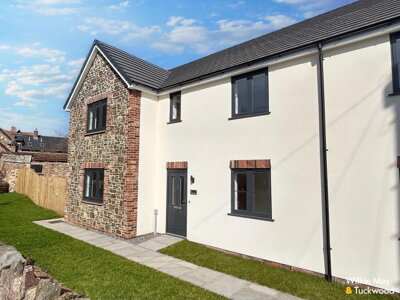
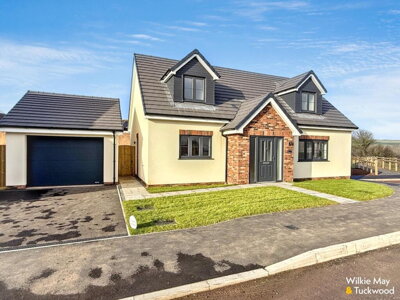
Browse 2 homes new builds in Nettlecombe, Somerset from local developer agents.
The Nettlecombe property market offers detached, semi-detached, and terraced houses spanning various price ranges and neighbourhoods. Each listing includes detailed property information, photographs, and direct contact with the marketing agent.
£0k
0
0
0
Source: home.co.uk
Showing 0 results for Houses new builds in Nettlecombe, Somerset.
The Lancashire housing market demonstrates steady performance with approximately 20,400 property sales recorded in the county over the past twelve months, including around 742 newly built properties entering the market. Property prices have shown remarkable stability, with the overall average remaining within 1% of the 2023 peak of £214,674, indicating a mature market that offers predictability for both buyers and sellers. The median property price stands at £179,000, providing an accessible entry point for first-time buyers seeking to establish themselves in the region.
Property types across Lancashire reflect the county's varied architectural heritage, with terraced properties accounting for 37.6% of sales volume, making them the most common housing type. Semi-detached homes represent 32.9% of transactions, while detached properties comprise 21.9% of the market. Flats make up the remaining 7.5%, primarily concentrated in urban centres and coastal towns. Average prices by type range from £124,962 for flats to £363,833 for detached homes, with semi-detached properties averaging £212,177 and terraced homes at £144,217, offering options across all budget ranges.
Recent market analysis indicates that house prices in Lancashire have remained relatively stable over the past twelve months, with some variation between property types and locations. Terraced properties and flats have seen slightly different trends compared to houses, reflecting demand patterns from first-time buyers and investors versus families seeking more space. The new build sector accounts for approximately 3.6% of total sales, with developments from major housebuilders including Barratt Homes, Persimmon, Taylor Wimpey, and David Wilson Homes contributing to housing supply across the county.

Several major housebuilders are actively developing new homes across Lancashire, providing opportunities for buyers seeking modern construction with warranties and energy-efficient designs. Barratt Homes offers properties at The Pastures in Langho with prices ranging from £269,995 to £389,995 for three and four-bedroom homes, while their Weavers Fold development in Colne presents options from £219,995 to £364,995. These developments represent significant investment in the county's housing stock and appeal to families seeking move-in ready homes with contemporary layouts.
David Wilson Homes operates premium developments including Whittingham Place near Preston, where three to five-bedroom homes are available from £299,995 up to £549,995, and the Waterside development on the Fylde coast with properties from £299,995 to £449,995. Persimmon Homes offers more affordable options at Stone Bridge Fold in Preston, with two to five-bedroom properties ranging from £174,995 to £349,995, while Taylor Wimpey's Highfield development in Clayton-le-Moors provides three and four-bedroom homes from £219,995 to £329,995. New builds typically come with NHBC or equivalent warranties covering structural defects for ten years, offering for purchasers.
Beyond these major developments, additional new build opportunities exist at Cottam Gardens in Preston, where Barratt Homes offers three and four-bedroom properties from £239,995 to £369,995. This development is situated in the Cottam area of Preston, providing convenient access to the city centre and surrounding amenities. When considering new build purchases, buyers should factor in potential estate charges, discuss snagging issues with their solicitor, and verify whether any help-to-buy or part-exchange schemes are available from the developer, as these can significantly affect the overall cost and timeline of your purchase.

Lancashire offers an exceptional quality of life that balances urban conveniences with access to stunning natural landscapes. The county's geography spans dramatic Pennine moorland, fertile river valleys, and an coastline along Morecambe Bay and the Fylde coast. The Forest of Bowland, designated an Area of Outstanding Natural Beauty, provides extensive walking and cycling opportunities just minutes from market towns like Clitheroe and Kirkby Lonsdale. Coastal towns including Blackpool, Morecambe, and Lytham St Annes offer traditional seaside attractions alongside sophisticated dining and cultural venues.
The county's economy benefits from diverse sectors including advanced manufacturing, aerospace operations at BAE Systems facilities in Warton and Samlesbury, digital and creative industries, and health innovation clusters around the university cities. Major employers include Lancaster University and the University of Central Lancashire in Preston, providing stable employment and contributing to vibrant academic communities. Tourism remains significant, particularly along the coast and in rural areas, supporting local businesses and maintaining the character of traditional market towns. The cost of living in Lancashire remains competitive compared to neighbouring Greater Manchester, making the county particularly attractive for buyers seeking more space for their money.
Historic market towns like Clitheroe, with its castle ruins and independent shops, and the riverside town of Kirkby Lonsdale provide quintessential Lancashire character alongside modern amenities. Urban centres offer comprehensive shopping, dining, and entertainment options, with Preston serving as the county's administrative capital and Lancaster providing a historic university city atmosphere. The Ribble Valley in particular has become increasingly popular among buyers seeking a rural lifestyle within commuting distance of major cities, with property values reflecting this growing demand. Coastal areas from Fleetwood to Southport offer traditional seaside living with ongoing investment in sea defences and promenade improvements.
Lancashire provides excellent educational opportunities across all levels, making it a particularly attractive destination for families. The county hosts several high-performing secondary schools including Westrigging School near Clitheroe, which consistently achieves strong examination results, and Lancaster Grammar School offering traditional academic education with a reputation for achievement. Primary education is well-served throughout the county with numerous schools rated Good or Outstanding by Ofsted, including schools in Lancaster and those in satellite villages offering convenient access for families living in both urban and rural settings.
Higher education options are particularly strong, with Lancaster University consistently ranked among the top universities in national league tables and internationally recognised for research excellence. The University of Central Lancashire in Preston serves over 35,000 students and maintains strong links with regional employers, providing graduates with excellent career prospects. Further education colleges across the county, including Blackpool and The Fylde College and Nelson and Colne College, offer vocational qualifications and apprenticeship pathways. Parents researching properties should verify specific catchment areas, as school admissions policies significantly impact property values and competition for places in popular school zones.
The Ribble Valley consistently emerges as a sought-after location for families prioritising education, with villages like Longridge and Waddington offering good primary schools alongside reasonable commute times to secondary schools in Clitheroe. Urban areas like Preston and Lancaster provide more diverse school options, though competition for places at popular schools can be intense, particularly in catchment areas that include desirable residential neighbourhoods. Private education options exist throughout the county, with independent schools in locations including Preston, Lancaster, and the Ribble Valley providing alternative educational pathways for families with the flexibility to consider these options.
Lancashire benefits from excellent transport connections that make commuting to major northern cities highly practical. The West Coast Main Line provides direct rail services from Preston to London Euston, with journey times of approximately two hours and fifteen minutes, while Lancaster station offers connections to Edinburgh and Glasgow via the West Coast route. Preston station provides frequent services to Manchester, Liverpool, and Leeds, with Manchester accessible in around forty-five minutes. The M6 motorway runs through the heart of the county, providing direct access to Birmingham and the south while connecting with the M65 for easy access to East Lancashire towns.
Local public transport varies across the county, with bus services providing essential connectivity in urban areas and between market towns. Preston and Lancaster both offer Park and Ride schemes reducing congestion in city centres. For air travel, Liverpool John Lennon Airport and Manchester Airport are within easy reach, while Blackpool Airport provides domestic flights and limited European destinations. Cyclists benefit from the National Cycle Network passing through Lancashire, with scenic routes including the Lancashire Loop and connections to the Pennine Cycleway. Major towns including Preston, Lancaster, and Blackburn have invested in active travel infrastructure in recent years, improving conditions for pedestrians and cyclists.
The M65 motorway corridor links East Lancashire towns including Blackburn, Burnley, and Nelson to the M6 and onwards to Leeds and the north-east. This makes towns like Accrington, Church, and Clayton-le-Moors particularly attractive for buyers working in West Yorkshire while seeking more affordable property prices than directly across the Pennines. The Kirkby Lonsdale to Kendal road provides access to the Lake District for those valuing proximity to national parks, while the A59 runs through the heart of the Ribble Valley connecting Preston to York via Clitheroe and Skipton.
Start by exploring different towns and neighbourhoods across Lancashire to find locations that match your priorities for commute times, school access, amenities, and property type. Consider factors like flood risk areas near rivers such as the Ribble and Lune, and check whether properties fall within conservation areas that may affect renovation plans. Our platform allows you to filter searches by criteria including price range, property type, and number of bedrooms, helping you narrow down options before arranging viewings.
Before viewing properties, obtain a mortgage agreement in principle from a lender. This demonstrates your budget to estate agents and sellers, strengthening your position when making offers. Current average prices around £217,316 mean many buyers will fall within standard lending criteria, but getting financial documentation ready early streamlines the purchase process. Having this documentation prepared before you start viewing properties gives you a significant advantage in Lancashire's competitive market areas.
View multiple properties across different areas and price ranges to understand what is available within your budget. Pay attention to construction materials common in Lancashire, including sandstone and red brick period properties, and note any signs of damp or roof condition issues in older homes that may require survey investigation. Our platform enables you to save properties and compare listings side by side, helping you track your options and identify which properties represent the best value.
Once you have a property under offer, arrange a RICS Level 2 Survey to assess the condition of the property. Given Lancashire's significant stock of older properties, surveys frequently identify issues like damp, roof deterioration, or electrical rewiring needs that may affect your decision or provide negotiating leverage. A thorough survey is particularly important for period properties in conservation areas or homes constructed with traditional methods that may have specific maintenance requirements.
Appoint a conveyancing solicitor to handle the legal aspects of your purchase. They will conduct searches including local authority checks, environmental searches for flood risk and mining activity, and handle the transfer of ownership. Mining searches are particularly important in parts of Lancashire with historical coal mining activity, particularly in East Lancashire and former mining communities. Your solicitor will also handle the Stamp Duty Land Tax return and coordinate with your mortgage lender if applicable.
After satisfactory survey results and completed searches, your solicitor will coordinate the exchange of contracts with the seller's legal team. You will pay your deposit at this stage, with the remaining balance due on completion day when you receive your keys and take ownership of your new Lancashire home. Our platform provides guidance throughout this process, connecting you with recommended conveyancing and mortgage services to ensure a smooth transaction.
Lancashire's varied geology requires buyers to understand potential environmental risks specific to different areas of the county. Properties situated on boulder clay deposits may face shrink-swell risk during periods of extreme weather, potentially affecting foundations. The county's geology includes Carboniferous rocks, Triassic sandstones, and glacial deposits, meaning ground conditions can vary significantly between locations. Commissioning appropriate surveys helps identify these issues before purchase, and lenders may require specific investigations depending on the property location.
Flood risk awareness is essential when buying in Lancashire, with significant areas along the Rivers Ribble, Lune, Wyre, and Calder at risk of fluvial flooding. Coastal properties along Morecambe Bay and the Fylde coast face additional tidal and storm surge risks, while surface water flooding can affect urban areas during heavy rainfall. Properties in flood risk zones may face higher insurance premiums or require specialist coverage, and buyers should review Environment Agency flood maps and any existing flood resilience measures installed by current owners. Areas including parts of Preston near the River Ribble, low-lying areas around Lancaster, and coastal towns require particular attention when assessing flood risk.
Conservation areas and listed buildings require particular attention, as restrictions apply to modifications and extensions. Lancashire has numerous designated conservation areas protecting the character of historic towns and villages, with stringent controls on exterior alterations, window replacements, and demolition. Listed buildings require consent for virtually any works to preserve their special architectural interest. While these properties offer exceptional character, buyers should budget for potentially higher maintenance costs and specialist survey requirements. The historic cities of Lancaster and Preston, along with market towns like Clitheroe and Kirkby Lonsdale, have extensive conservation area coverage that prospective buyers should investigate before committing to a purchase.
The average house price in Lancashire is currently £217,316 according to Rightmove data, with the median price standing at £179,000 according to Plumplot figures from 2025. Property prices have remained stable over the past twelve months, sitting within 1% of the 2023 peak of £214,674. Prices vary significantly by property type, with detached homes averaging £363,833, semi-detached properties at £212,177, terraced houses at £144,217, and flats at approximately £124,962. First-time buyers will find terraced properties and flats most accessible, while family buyers seeking more space may target semi-detached or detached homes in towns like Preston, Lancaster, or the suburban areas surrounding major employment centres.
Council tax bands in Lancashire vary by property value and local authority area, with bands ranging from A through H. Most terraced properties and smaller semis fall into bands A through D, while larger detached homes and properties in premium locations may be banded E through H. Lancashire is covered by multiple district councils including Preston City Council, Lancaster City Council, South Ribble Borough Council, and Ribble Valley Borough Council, each of which sets council tax rates for properties within their jurisdiction. Council tax rates vary between authorities, with Band D properties in Preston typically paying around £1,800 to £2,000 annually, though exact amounts depend on the specific council and any additional charges for county council services. Prospective buyers can check the Valuation Office Agency website to confirm the council tax band for any specific property.
Lancashire offers strong educational options at all levels, with particular standouts including Lancaster Grammar School and Westrigging School near Clitheroe for secondary education. The county hosts several primary schools rated Outstanding by Ofsted, particularly in rural areas and smaller towns where class sizes tend to be more manageable. For higher education, Lancaster University maintains an excellent reputation and regularly appears in top twenty national rankings, while the University of Central Lancashire in Preston provides extensive undergraduate and postgraduate programmes with strong industry connections. Parents should verify current Ofsted ratings and admission catchment areas, as these can change and directly impact school accessibility from different property locations.
Lancashire benefits from comprehensive rail connections via the West Coast Main Line, with Preston providing direct services to London, Manchester, Liverpool, Birmingham, and Glasgow. The M6 motorway bisects the county, connecting Lancashire to the national motorway network, while the M65 links East Lancashire towns to Leeds and beyond. Local bus services operate throughout urban areas, with Preston and Lancaster offering Park and Ride facilities. For air travel, Liverpool John Lennon Airport and Manchester Airport are both accessible within approximately ninety minutes by road, while Blackpool Airport serves limited domestic and European routes. Cyclists benefit from the National Cycle Network providing scenic routes across the county.
Lancashire presents a compelling case for property investment due to its relative affordability compared to neighbouring Greater Manchester, stable employment base across diverse sectors, and ongoing infrastructure investment. The county's economy includes aerospace operations, advanced manufacturing, digital creative industries, and two major universities that consistently generate rental demand from students and academic staff. Property values have demonstrated resilience, with prices remaining within 1% of their 2023 peak despite national market fluctuations. New build developments from major housebuilders provide opportunities for investors seeking modern properties with rental guarantees or developer incentives, while period properties in conservation areas may offer capital appreciation through renovation projects subject to appropriate consents.
Stamp Duty Land Tax rates for 2024-25 apply zero percent duty on the first £250,000 of residential property purchases, five percent on the portion from £250,001 to £925,000, ten percent from £925,001 to £1.5 million, and twelve percent on amounts exceeding £1.5 million. First-time buyers benefit from increased thresholds, paying no duty on the first £425,000 and five percent on the portion between £425,001 and £625,000, though no relief applies above £625,000. For a typical Lancashire property at the county average of £217,316, a standard buyer would pay no stamp duty, while a first-time buyer would also pay nothing. Properties priced between £250,000 and £300,000 would incur SDLT on the amount exceeding £250,000, meaning a £275,000 property would attract £1,250 in stamp duty for a standard buyer.
Understanding the full costs of purchasing property in Lancashire helps buyers budget accurately and avoid financial surprises during the transaction. Beyond the property price and any mortgage financing, buyers should account for Stamp Duty Land Tax, solicitor fees typically ranging from £500 to £1,500 for conveyancing, survey costs between £350 and £1,500 depending on property size and survey type, and land registry fees for registration of ownership. Mortgage arrangement fees vary significantly between lenders, ranging from zero to around £2,000, and borrowers should consider whether to add these to their mortgage or pay upfront.
Additional costs include removal expenses, buildings insurance from completion day, and potentially furniture and renovation expenditure if the property requires updating. For properties in flood risk areas, specialist insurance may be required, while conservation area or listed building purchases may involve additional professional fees for specialist surveys or heritage consultation. Given that the average property price in Lancashire sits at £217,316, most buyers purchasing at or near the average price will pay no stamp duty as standard buyers, or qualify for first-time buyer relief extending to £425,000. Buyers should obtain a detailed quote from their conveyancing solicitor itemising all anticipated costs before proceeding with a purchase.
Search costs form an important part of the overall purchase expenditure, with local authority searches typically costing £200 to £300, environmental searches around £50 to £150, and mining searches particularly relevant in former coal mining areas of East Lancashire at approximately £30 to £60. Mortgage valuation fees, if applicable, are usually deducted from the loan but represent a cost factor to account for. First-time buyers should also factor in any costs associated with obtaining a Help to Buy ISA or Lifetime ISA bonus, while those using the government's Help to Buy equity loan scheme should understand the fees and interest arrangements applicable to their loan.
Properties New Builds In London

Properties New Builds In Plymouth

Properties New Builds In Liverpool

Properties New Builds In Glasgow

Properties New Builds In Sheffield

Properties New Builds In Edinburgh

Properties New Builds In Coventry

Properties New Builds In Bradford

Properties New Builds In Manchester

Properties New Builds In Birmingham

Properties New Builds In Bristol

Properties New Builds In Oxford

Properties New Builds In Leicester

Properties New Builds In Newcastle

Properties New Builds In Leeds

Properties New Builds In Southampton

Properties New Builds In Cardiff

Properties New Builds In Nottingham

Properties New Builds In Norwich

Properties New Builds In Brighton

Properties New Builds In Derby

Properties New Builds In Portsmouth

Properties New Builds In Northampton

Properties New Builds In Milton Keynes

Properties New Builds In Bournemouth

Properties New Builds In Bolton

Properties New Builds In Swansea

Properties New Builds In Swindon

Properties New Builds In Peterborough

Properties New Builds In Wolverhampton

Enter your details to see if this property is within your budget.
Loans, cards, car finance
Estimated property budget
Borrowing + deposit
You could borrow between
Typical borrowing
Monthly repayment
Est. at 4.5%
Loan-to-value
This is an estimate only. Your actual budget may vary depending on interest rates, credit history, and personal circumstances. For an accurate affordability assessment, speak to one of our free mortgage advisors.
This calculator provides estimates for illustrative purposes only and does not constitute financial advice. Your home may be repossessed if you do not keep up repayments on your mortgage. Estimates based on 4.5% interest rate, repayment mortgage. Actual rates depend on your circumstances.
Homemove is a trading name of HM Haus Group Ltd (Company No. 13873779, registered in England & Wales). Homemove Mortgages Ltd (Company No. 15947693) is an Appointed Representative of TMG Direct Limited, trading as TMG Mortgage Network, which is authorised and regulated by the Financial Conduct Authority (FRN 786245). Homemove Mortgages Ltd is entered on the FCA Register as an Appointed Representative (FRN 1022429). You can check registrations at NewRegister or by calling 0800 111 6768.

We use cookies to show you personalised content and improve your experience of our website. Find out more in our Privacy policy and Cookie policy.