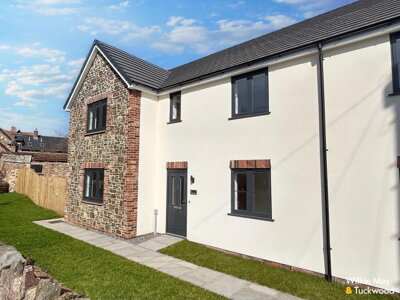
Browse 1 home new builds in Nettlecombe, Somerset from local developer agents.
The larger property sector typically features multiple bathrooms, substantial reception space, and private gardens or off-street parking. Four bedroom houses in Nettlecombe span detached, semi-detached, and occasionally terraced configurations, with styles ranging from period properties to modern executive homes.
£0k
0
0
0
Source: home.co.uk
Showing 0 results for 4 Bedroom Houses new builds in Nettlecombe, Somerset.
The Lancashire property market demonstrates remarkable resilience and diversity, with recent data showing approximately 20,400 sales completed in the past twelve months. House prices have remained relatively stable over the past year, showing just a 0-2.5% adjustment depending on the data source, and sitting approximately 1% above the 2023 peak of £214,674. The median property price in Lancashire stands at £179,000, making the county significantly more affordable than many neighbouring regions while still offering excellent value across all property types.
Property types in Lancashire reflect the county's rich architectural heritage spanning centuries of construction from medieval farmhouses through Victorian terraces to contemporary new builds. Terraced properties account for 37.6% of all sales, with an average price of £144,217, making them an attractive option for first-time buyers and investors alike in towns like Accrington, Colne and Nelson. Semi-detached homes represent 32.9% of sales volume, commanding an average price of £212,177, while detached properties average £363,833 and account for 21.9% of transactions. Flats make up 7.5% of sales with an average price of £124,962, concentrated heavily in coastal areas like Blackpool, Morecambe and Lytham St Annes, as well as urban centres including Preston and Blackburn.
New build properties constituted 742 sales, representing 3.6% of the market, with active developments available from major housebuilders including Barratt Homes at The Pastures in Langho and Cottam Gardens in Preston, David Wilson Homes at Whittingham Place and Waterside in Greenhalgh, Persimmon Homes at Stone Bridge Fold in Preston, and Taylor Wimpey at Highfield in Clayton-le-Moors. These new build developments offer a range of 2 to 5 bedroom homes with prices spanning from around £175,000 for entry-level properties up to £550,000 for premium 5-bedroom family homes, providing options for various budgets and stages of the property ladder.

Lancashire offers an extraordinarily varied landscape that encompasses everything from urban centres to rural idylls, providing genuine lifestyle choices for property buyers. The county is characterised by its distinctive geology, featuring Carboniferous rocks including limestone in the Morecambe Bay area, gritstone throughout the Pennine fringe, and coal measures extending through the east of the county from Wigan through to Accrington and Colne, alongside Triassic sandstones and glacial deposits of boulder clay across the Lancashire Plain, with sands and gravels concentrated in river valleys. This varied geology has shaped not only the landscape but also the traditional building materials found throughout the county, where local sandstone from sources including the Lake District fringe, various brick types from historic brickworks, and Welsh slate roofs define the architectural character of towns and villages from the Georgian terraces of Lytham St Annes to the Victorian mill owners' houses of Bury and Rossendale.
The county's economy benefits from significant diversity, providing stability for the housing market across different areas and protecting against economic downturns in any single sector. Key employment sectors include advanced manufacturing anchored by companies in the M65 corridor towns, the aerospace industry centred around BAE Systems operations at Warton and Samlesbury which employ thousands and support a significant supply chain of precision engineering firms, digital and creative enterprises particularly around Preston and the creative corridor towards Manchester, health innovation at major NHS trusts and private healthcare providers, and the education sector with major universities anchoring towns like Lancaster and Preston. Tourism plays a vital role along the coastal areas of Blackpool and Morecambe, which collectively attract millions of visitors annually to their attractions, amusement parks and traditional seaside amenities, while the Forest of Bowland Area of Outstanding Natural Beauty draws visitors to the rural heartland for walking, cycling and rural tourism.
Lancashire's towns each offer distinct characters and property markets, from the Victorian grandeur and golf course elegance of Lytham St Annes on the Fylde coast to the industrial heritage and ongoing regeneration of Blackburn and Burnley, the university town character of Lancaster with its castle and historic connections, the market town charm of Clitheroe with its Norman castle and independent shops, and the commuter-friendly appeal of Chorley, Leyland and South Ribble with their excellent transport links to Manchester and Liverpool. This diversity means buyers can genuinely choose between coastal living, urban convenience, rural tranquility or industrial heritage based on their lifestyle preferences and budget requirements.

Lancashire provides educational opportunities across all levels, making it an attractive destination for families considering a property purchase. The county hosts two major universities: Lancaster University, a globally recognised institution consistently ranked among the UK's top 15 universities with particular strengths in management, law and the sciences, and the University of Central Lancashire (UCLan) in Preston, one of the largest universities in the country with over 35,000 students and strengths in medicine, dentistry and sports sciences. These institutions not only provide higher education but also contribute significantly to the local economy, employing thousands of academic and support staff, supporting research and innovation, and generating demand for rental accommodation that benefits property investors.
At secondary level, Lancashire offers a mix of comprehensive schools, academies and grammar schools, with notable institutions including West Lancs Grammar School for boys and Huyton College providing strong academic pathways in the south of the county, and Garibaldi College in Mansfield, though specific academic performance varies significantly across institutions. The county also features excellent faith schools including Catholic high schools in most towns that often feature among the best-performing schools locally. Parents buying property in Lancashire should research specific catchment areas carefully, as school admissions are typically determined by geographic proximity and can significantly impact property values in popular school catchment zones. Primary education across the county includes well-established community schools and faith schools, with many receiving Good or Outstanding Ofsted ratings, though parents should verify current ratings as these can change.
The county also features further education colleges providing vocational training and A-level courses, including Blackburn College, Burnley College and Lancaster and Morecambe College, ensuring young people have clear progression routes regardless of their chosen career path. For families considering private education, Lancashire offers several independent schools including ground-breaking institutions like Westholme School in Blackburn and Rossall School on the Fylde coast, a historic boarding and day school set in 70 acres of grounds overlooking the Irish Sea. The presence of strong educational provision at all levels makes Lancashire particularly attractive to families and supports the rental market for student accommodation in university towns.
Lancashire benefits from excellent transport connections that make commuting to major northern cities and beyond highly practical for residents. The West Coast Main Line provides direct rail services from Preston to London Euston, with fastest journey times of around two hours and ten minutes to the capital, making day trips and business travel highly feasible. Local rail services across Lancashire connect towns including Lancaster, Morecambe, Blackpool, Preston, Blackburn and Burnley via the Northern network, with the West Coast Partnership providing intercity services and CrossCountry offering connections to destinations including Birmingham, Bristol and Edinburgh. The county's rail infrastructure continues to improve, with electrification projects and service enhancements planned that will further reduce journey times and increase capacity.
The M6 motorway runs through the heart of the county from the Lancashire-Cheshire border near Warrington through to the Scottish border, providing crucial north-south connectivity and access to destinations including Manchester, Liverpool, Birmingham and beyond. The M65 motorway connects the east of the county, linking towns such as Blackburn, Burnley, Pendle and Colne to the motorway network and providing access to Leeds via the A1(M) for residents of eastern Lancashire towns. For those working in Manchester, the county offers particularly attractive commuter options, with towns like Leyland, Chorley, Croston and Eccleston providing regular train services into Manchester Piccadilly and Victoria with journey times typically between 35 and 50 minutes. Bus services operate throughout the county, with Stagecoach Manchester and other operators providing routes connecting smaller towns and villages to major centres.
For air travel, Blackpool International Airport provides domestic and selected European flights, while Manchester Airport, easily accessible from the south of the county via the M6 or direct rail services, offers extensive international connections to destinations worldwide. The county's strategic position between Liverpool and Leeds provides residents with access to two additional major airports and all their international flight options. Cycling infrastructure continues to improve in urban areas, with protected cycle lanes being developed in Preston and other towns as part of local authority sustainable transport initiatives, and the county's undulating landscape offers both challenging routes for experienced cyclists and flatter routes along canal paths and river valleys for leisure cycling.
Explore property listings and recent sales data to understand what your budget can buy in different areas of the county. Lancashire offers significant variety between coastal towns like Blackpool and Morecambe, urban centres including Preston and Blackburn, rural market towns such as Clitheroe and Kirkby Lonsdale, and commuter-friendly villages in South Ribble and Chorley. Understanding local price variations is essential before beginning your property search, as prices for similar properties can vary substantially between locations depending on transport links, school quality and local amenities.
Contact lenders or mortgage brokers to obtain an Agreement in Principle before viewing properties. This strengthens your position when making offers and demonstrates to sellers that you have secured financing. Lancashire's average price of £217,316 means many buyers will fall within standard mortgage lending criteria, though specialist lenders may be required for properties in certain areas or with non-standard construction. Consider speaking to a local mortgage broker who understands the Lancashire property market and can advise on products suitable for different property types including older terraced houses and properties in conservation areas.
Visit a range of properties across different areas and price ranges to understand what is available within your budget. Consider factors including local amenities, transport connections, school catchments, development plans and the condition of the property when evaluating each option. Take notes and photographs to help compare options later, and where possible view properties at different times of day to assess noise levels, traffic and the neighbourhood character. For older properties, consider arranging a preliminary viewing with a building surveyor to identify potential issues before making an offer.
Once your offer is accepted, instruct a qualified surveyor to conduct a Level 2 Survey, particularly important for Lancashire's many older properties. Given the prevalence of traditional construction including solid wall buildings, potential issues such as damp from penetrating rain through porous stonework, rising damp through failed damp-proof courses, and roof deterioration on older slate-covered properties are common findings. Our inspectors are familiar with Lancashire's varied construction methods from Victorian mill terraces to post-war semis and can identify defects specific to local building traditions and materials.
Appoint a conveyancing solicitor to handle the legal aspects of your purchase. Your solicitor will conduct searches including local authority searches with the relevant district council, drainage and water searches with United Utilities, environmental searches covering land contamination, flood risk and ground stability, and potentially mining searches for properties in former mining areas of east Lancashire around Wigan, Rossendale and Pendle where historic coal extraction may have left underground voids. Given Lancashire's industrial heritage and varied geology including areas of shrink-swell clay, these searches are essential for protecting your investment.
Once all searches are satisfactory and your mortgage is finalized, you will exchange contracts and pay your deposit, typically between 5% and 10% of the purchase price. Completion typically follows within days or weeks depending on your agreement with the seller, and you will receive the keys to your new Lancashire home. On completion day, ensure you have buildings insurance in place from the point of exchange, take meter readings for utilities, and notify relevant parties of your change of address.
Lancashire's diverse housing stock includes properties built across many different eras and using various construction methods, making thorough inspection essential before purchase. Many terraced and semi-detached properties throughout the county, particularly those built before 1919 in areas with traditional sandstone or brick construction, feature solid wall construction that may lack cavity wall insulation and can be susceptible to damp penetration through driving rain. Properties in conservation areas may have additional requirements regarding exterior finishes and alterations that buyers should understand before purchase. Prospective buyers should look carefully for signs of rising damp indicated by tide marks on plasterwork and peeling wallpaper at low levels, penetrating damp visible as staining or deterioration on walls, often particularly evident after periods of heavy rain, and condensation-related issues in poorly ventilated rooms.
Roof condition deserves particular attention on Lancashire properties, especially those over 50 years old with original slate or clay tile coverings that may be reaching the end of their serviceable life. Deteriorating lead flashing at junctions, damaged or missing gutters and downpipes, slipped or broken tiles and missing ridge tiles can all lead to significant water ingress and internal damage that may not become apparent until considerable damage has occurred. Properties with timber elements including structural timbers, window frames, door frames and skirting boards should be checked for signs of wet rot, dry rot and woodworm infestation, particularly in suspended timber floors common in period properties that may have inadequate sub-floor ventilation. Electrical and plumbing systems in older homes may not comply with current Part P electrical regulations or water regulations and often require updating before or shortly after purchase.
Environmental factors specific to Lancashire include flood risk from major rivers including the Ribble flowing through Preston and Clitheroe, the Lune through Lancaster and the Wyre through Garstang, with properties in these floodplains and in low-lying coastal areas of the Fylde coast around Fleetwood, Cleveleys and Thornton requiring particular vigilance and flood resilience measures. Surface water flooding affects urban and rural areas following heavy rainfall, with localised flood risk in areas with inadequate drainage systems. The county's geology, particularly areas with significant boulder clay deposits across the Lancashire Plain, creates potential shrink-swell risk that can affect property foundations through the expansion and contraction of clay soils during wet and dry periods. Former mining areas, particularly in the east of the county in districts including Wigan, St Helens, Blackburn with Darwen, Burnley and Pendle, may have underlying mine workings from historic coal extraction requiring specialist mining searches and potentially affecting property insurance and mortgage availability.
The average house price in Lancashire is £217,316 according to recent Rightmove data, with a median price of £179,000. Property prices vary significantly across the county depending on location and property type, with terraced homes averaging around £144,217, semi-detached properties at approximately £212,177, and detached houses commanding an average of £363,833. Flats and apartments, concentrated heavily in Blackpool, Morecambe and Lytham St Annes, average £124,962. The market has remained relatively stable over the past year with minimal price changes recorded, though some sources indicate modest declines of up to 2.5% depending on the methodology used.
Council tax bands in Lancashire vary depending on the specific local authority and property valuation. Lancashire is served by multiple district councils including Preston City Council, Lancaster City Council, Blackburn with Darwen Borough Council, Blackpool Council, Burnley Borough Council, Chorley Council, Fylde Borough Council, Hyndburn Borough Council, Pendle Borough Council, Ribble Valley Borough Council, Rossendale Borough Council, South Ribble Borough Council, West Lancashire Borough Council and Wyre Borough Council. Each council sets its own rates within government guidelines and provides separate council tax bands ranging from A through to H based on property value. Prospective buyers should check the specific council tax band for any property they are considering, as this forms a significant ongoing cost alongside mortgage payments and utility bills, and band differences between otherwise similar properties can be substantial.
Lancashire offers strong educational provision at all levels, from primary schools through to higher education at Lancaster University and UCLan in Preston. The county includes grammar schools in areas including West Lancashire and the south of the county for selective admission, alongside comprehensive schools and academies providing broader access education. School performance varies by location and institution, so parents should research specific schools and their current Ofsted ratings and examination results before purchasing property, as school admissions are typically determined by geographic proximity and catchment areas that can change. Notable independent schools including Rossall School on the Fylde coast and Westholme School in Blackburn offer private education alternatives. The presence of two major universities supports demand for rental accommodation and contributes to the local economy, making Lancashire an attractive location for academic professionals and students.
Lancashire benefits from excellent transport connections including the West Coast Main Line providing fast services to London from Preston in approximately two hours and ten minutes. The M6 and M65 motorways traverse the county, providing road access to Manchester, Liverpool, Leeds and the wider motorway network including connections to Birmingham and the south. Local rail services connect major towns including Blackpool, Lancaster, Preston, Blackburn, Burnley and Morecambe via the Northern network and CrossCountry services. For commuters to Manchester, several Lancashire towns offer convenient train services with journey times of between 35 and 50 minutes, including Chorley, Leyland, Croston and Euxton, making them popular choices for those working in the city who want to benefit from lower property prices while maintaining accessible commuting options.
Lancashire offers several attractions for property investors, including more affordable entry prices compared to many neighbouring regions including Greater Manchester and Cheshire, and a diverse economy providing employment stability across multiple sectors including aerospace, advanced manufacturing, digital industries and education. The county's housing stock includes numerous terraced properties suitable for the private rental sector, with rental yields potentially attractive in towns with strong commuter demand such as Chorley and Leyland, or student populations near Lancaster University and UCLan. The presence of two major universities supports consistent demand for rental accommodation from students and academic staff. Ongoing regeneration projects in towns including Preston, which is benefiting from significant investment as part of its city deal programme, and Blackburn, with its ongoing town centre redevelopment, may create capital growth opportunities as infrastructure improvements and amenities attract new residents and businesses to these areas.
Stamp Duty Land Tax rates for England apply uniformly across Lancashire. Standard rates are 0% on the first £250,000 of property value, 5% on the portion from £250,001 to £925,000, 10% on £925,001 to £1.5 million, and 12% on any amount above £1.5 million. First-time buyers can claim relief on the first £425,000, paying 5% on the portion from £425,001 to £625,000, with no relief available above £625,000. Given Lancashire's average property price of £217,316, many buyers purchasing at or below this level will pay little or no stamp duty under standard rates, and first-time buyers purchasing properties up to £425,000 will benefit from complete SDLT relief on their purchase.
Lancashire has several active new build developments offering homes from major housebuilders including Barratt Homes at locations such as The Pastures in Langho near Whalley and Cottam Gardens in Cottam near Preston, David Wilson Homes at Whittingham Place in Preston and Waterside in Greenhalgh on the Fylde coast, Persimmon Homes at Stone Bridge Fold in Preston, and Taylor Wimpey at Highfield in Clayton-le-Moors near Accrington. These developments offer a range of 2 to 5 bedroom homes with prices spanning from around £175,000 for entry-level properties from Persimmon to over £550,000 for premium 5-bedroom homes from David Wilson Homes, providing options for first-time buyers through to families seeking larger modern homes with NHBC warranty protection and contemporary construction standards.
Lancashire has significant flood risk from multiple sources including fluvial flooding from major rivers including the Ribble, Lune, Wyre and Calder which have floodplains extending through towns including Preston, Lancaster, Clitheroe and Garstang where properties close to the river channels face the highest risk. Tidal flooding affects coastal areas particularly around Morecambe Bay and the Fylde coast including Fleetwood, Cleveleys and Thornton, with storm surges combining with high tides to create coastal flood risk. Surface water flooding can occur across urban and rural areas following heavy rainfall when drainage systems are overwhelmed, particularly in urban areas with extensive hard surfacing. Properties in these flood risk areas may face higher insurance premiums and mortgage conditions, so understanding the flood risk for any property you are considering purchasing is essential before committing to a purchase.
Understanding the full costs of purchasing property in Lancashire is essential for budgeting effectively and avoiding unexpected expenses during the transaction. Beyond the property purchase price, buyers must account for Stamp Duty Land Tax, which for a typical Lancashire property at the county average of £217,316 would attract no stamp duty under standard rates, as the entire purchase falls within the nil-rate threshold. First-time buyers purchasing below the £425,000 threshold may qualify for first-time buyer relief, eliminating SDLT on their purchase. For higher-value properties, particularly larger detached homes in sought-after areas like Lytham St Annes, Ribble Valley and South Lancashire, SDLT becomes a significant consideration, so factor this into your maximum budget calculations when searching for homes in Lancashire.
Solicitor conveyancing fees typically range from £499 for basic freehold transactions up to £1,500 or more for complex purchases involving leasehold properties, shared ownership schemes or properties in conservation areas requiring additional due diligence. Local searches specific to Lancashire include drainage and water searches with United Utilities, local authority searches with the relevant district council including Preston, Lancaster, Blackburn or whichever council covers the property location, environmental searches covering land contamination, flood risk and ground stability, chancel repair searches for properties near historic churches, and potentially mining searches for properties in former mining areas of east Lancashire around Wigan, Rossendale and Pendle where historic coal extraction may have left underground mine workings. Survey costs depend on property type and value, with a RICS Level 2 Survey starting from around £350 for standard properties, rising for larger, older or more complex homes including those with non-standard construction or in flood risk areas.
For those purchasing leasehold properties, which are more common for flats and apartments in Blackpool, Morecambe, Lytham St Annes and urban centres, additional costs include ground rent payments and service charges that can vary significantly between developments and should be carefully reviewed before purchase. These ongoing costs typically cover building insurance, maintenance of communal areas, lift maintenance and management company fees, and can range from modest amounts to substantial annual charges on premium developments. Obtaining precise figures for all leasehold costs before committing to a purchase is crucial. Land Registry fees for registering your ownership are typically covered by your solicitor as part of their conveyancing fee. Buildings insurance should be arranged from the point of exchange of contracts, and mortgage arrangement fees, valuation fees and removal costs complete the typical purchase budget for buyers in Lancashire.
From £350
A detailed inspection of the property condition, ideal for Lancashire's older housing stock
From £500
Comprehensive building survey for older or complex properties
From £60
Energy performance certificate required for sale
From 3.5%
Expert mortgage advice and competitive rates
From £499
Expert legal support for your property purchase
Properties New Builds In London

Properties New Builds In Plymouth

Properties New Builds In Liverpool

Properties New Builds In Glasgow

Properties New Builds In Sheffield

Properties New Builds In Edinburgh

Properties New Builds In Coventry

Properties New Builds In Bradford

Properties New Builds In Manchester

Properties New Builds In Birmingham

Properties New Builds In Bristol

Properties New Builds In Oxford

Properties New Builds In Leicester

Properties New Builds In Newcastle

Properties New Builds In Leeds

Properties New Builds In Southampton

Properties New Builds In Cardiff

Properties New Builds In Nottingham

Properties New Builds In Norwich

Properties New Builds In Brighton

Properties New Builds In Derby

Properties New Builds In Portsmouth

Properties New Builds In Northampton

Properties New Builds In Milton Keynes

Properties New Builds In Bournemouth

Properties New Builds In Bolton

Properties New Builds In Swansea

Properties New Builds In Swindon

Properties New Builds In Peterborough

Properties New Builds In Wolverhampton

Enter your details to see if this property is within your budget.
Loans, cards, car finance
Estimated property budget
Borrowing + deposit
You could borrow between
Typical borrowing
Monthly repayment
Est. at 4.5%
Loan-to-value
This is an estimate only. Your actual budget may vary depending on interest rates, credit history, and personal circumstances. For an accurate affordability assessment, speak to one of our free mortgage advisors.
This calculator provides estimates for illustrative purposes only and does not constitute financial advice. Your home may be repossessed if you do not keep up repayments on your mortgage. Estimates based on 4.5% interest rate, repayment mortgage. Actual rates depend on your circumstances.
Homemove is a trading name of HM Haus Group Ltd (Company No. 13873779, registered in England & Wales). Homemove Mortgages Ltd (Company No. 15947693) is an Appointed Representative of TMG Direct Limited, trading as TMG Mortgage Network, which is authorised and regulated by the Financial Conduct Authority (FRN 786245). Homemove Mortgages Ltd is entered on the FCA Register as an Appointed Representative (FRN 1022429). You can check registrations at NewRegister or by calling 0800 111 6768.

We use cookies to show you personalised content and improve your experience of our website. Find out more in our Privacy policy and Cookie policy.