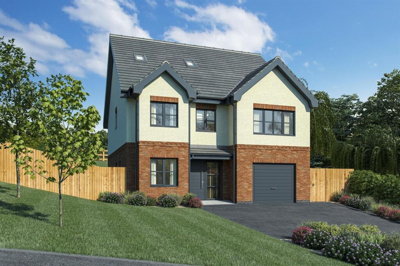
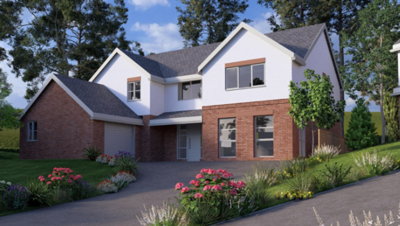
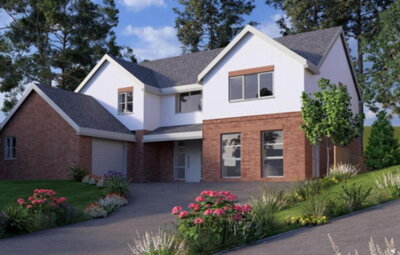
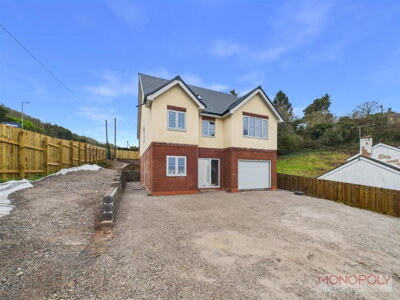
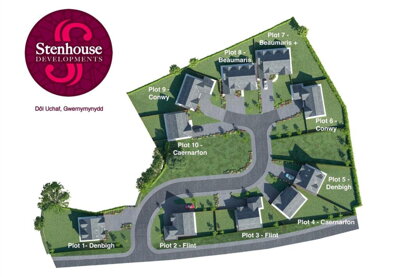
Browse 5 homes new builds in Nercwys, Flintshire from local developer agents.
The Nercwys property market offers detached, semi-detached, and terraced houses spanning various price ranges and neighbourhoods. Each listing includes detailed property information, photographs, and direct contact with the marketing agent.
£295k
5
0
153
Source: home.co.uk
Showing 5 results for Houses new builds in Nercwys, Flintshire. The median asking price is £295,000.
Source: home.co.uk
Detached
3 listings
Avg £546,667
Terraced
2 listings
Avg £185,000
Source: home.co.uk
Source: home.co.uk
The Winterborne St. Martin property market reflects the character of the village itself - established, stable, and sought-after by buyers who appreciate rural Dorset living. Our listings currently feature properties across all major types, from traditional stone cottages to substantial detached family homes. The average house price of £591,000 positions the village within the upper tier of the Dorset property market, yet it offers value compared to more commuter-intensive areas closer to London. Detached properties command the highest prices, averaging £679,000, which reflects the generous plot sizes and rural settings available in this village location.
Property types in Winterborne St. Martin are dominated by detached houses, which comprise approximately 60-70% of the housing stock according to available census data. This proportion is significantly higher than national averages and reflects the village's rural character with its generous plot sizes and spacious gardens. Semi-detached properties account for around 20-30% of homes, typically offering excellent value at approximately £385,000, while terraced properties average £350,000 and represent a smaller portion of the market at roughly 5-10%. Flats are extremely rare in the village, comprising less than 5% of properties, making Winterborne St. Martin an almost exclusively houses market that appeals to buyers seeking space and privacy.
The market has shown slight resilience over the past twelve months, with overall prices declining by just 1.5% despite broader national economic pressures. Approximately 10 properties have changed hands in the village over the past year, indicating a steady but measured level of activity suited to a village of this size. Notably, there are no active new-build developments within Winterborne St. Martin itself, meaning buyers seeking modern specifications will need to look to nearby towns or accept the character that comes with period properties. The limited supply of new housing stock helps maintain property values and ensures the village retains its distinctive character and exclusivity.

Life in Winterborne St. Martin revolves around community spirit and the natural beauty of the Dorset countryside. The village takes its name from St. Martin's Church, a Grade I Listed building that anchors the historic core and serves as both a spiritual centre and architectural landmark. The village centre, which falls within a designated Conservation Area, features a collection of historic farmhouses, cottages, and barns that showcase traditional Dorset architecture using local Purbeck stone, red brick, and render finishes. Many properties feature characteristic thatched or slate roofs that add to the timeless aesthetic that draws buyers to this part of Dorset.
The Winterborne stream flows gently through the village, adding to its pastoral charm while providing a natural feature for dog walkers and families to enjoy. The surrounding countryside offers extensive footpaths and bridleways, perfect for residents who appreciate outdoor pursuits including walking, cycling, and horse riding. The village's location provides excellent access to the Dorset Area of Outstanding Natural Beauty, with its rolling chalk downland, ancient woodlands, and stunning coastal scenery all within easy reach. For those who love exploring Britain's natural heritage, living in Winterborne St. Martin places you one of England's most celebrated landscapes.
The local economy around Winterborne St. Martin is influenced by agriculture, with the surrounding farmland producing arable crops and supporting livestock farms that have operated for generations. Tourism plays an increasing role, with visitors drawn to the Jurassic Coast World Heritage Site and the many attractions of Dorset. The village serves primarily as a residential community for those who work in nearby towns, with Dorchester approximately 6 miles away and the larger urban centres of Poole and Bournemouth accessible within 30 minutes by car. This makes Winterborne St. Martin particularly attractive to commuters who need to reach employment in these towns while returning each evening to a peaceful rural home. Local amenities are modest but adequate, with essential services available in the village and comprehensive shopping, dining, and leisure facilities found in the nearby market towns.
Families considering a move to Winterborne St. Martin will find a good selection of educational options in the surrounding area. The village itself falls within Dorset, which maintains a network of primary and secondary schools serving rural communities across the county. Primary education in the vicinity is provided through several village primary schools, which typically offer small class sizes and strong community connections that many parents value for their young children. Secondary education options include schools in nearby towns, with bus services operating to serve students from outlying villages.
Dorset schools generally perform well in national assessments, with many primary schools achieving above-average results in reading, writing, and mathematics. Secondary schools in the area offer a range of academic and vocational qualifications, with sixth forms available for students pursuing higher education pathways. Parents should research specific school catchments and admission arrangements when considering properties in Winterborne St. Martin, as catchment boundaries can affect which schools children are eligible to attend. The county's grammar school system operates in certain areas, with selective entry at age 11 for academically able students who pass the entrance examination.
For families seeking independent education, Dorset offers several well-regarded private schools at primary and secondary levels. These institutions provide alternative educational approaches and may be particularly attractive to parents seeking specific curricula, smaller class sizes, or particular extracurricular programmes. Early registration is often advisable for popular independent schools, as places can fill quickly. Whether choosing state or independent education, families moving to Winterborne St. Martin can be confident that quality schooling is accessible within a reasonable distance of the village.
Transport connections from Winterborne St. Martin balance the village's rural character with practical accessibility to larger employment centres. The village sits approximately 6 miles north of Weymouth, providing access to the mainline railway station with regular services to London Waterloo, Bristol, and Southampton. Trains from Weymouth reach London in approximately 2 hours 40 minutes, making day commuting feasible for those who work in the capital but wish to enjoy countryside living. The A354 road provides the main route connecting the village to Dorchester and Weymouth, offering straightforward access to these key towns.
For residents working in the Poole and Bournemouth conurbation, the journey by car typically takes 25-35 minutes depending on traffic conditions, with the A35 and A347 routes providing connections. This makes Winterborne St. Martin popular with commuters who appreciate returning to a peaceful village environment after work in these larger centres. Bus services operate in the area, connecting Winterborne St. Martin with nearby towns and villages, though service frequencies may be limited compared to urban areas. Car ownership is therefore common among residents, and properties typically include off-street parking or garages to accommodate this.
Cycling is increasingly popular for shorter journeys, with the Dorset countryside offering scenic routes for recreational and commuting purposes. The flat terrain around the village is suitable for cyclists of varying abilities, while more challenging routes into the hills await those seeking greater adventures. For air travel, Bournemouth Airport offers domestic and European flights, while Southampton Airport and Bristol Airport provide broader international connections. The village's position in South Dorset also provides relatively quick access to the ferry ports at Poole and Weymouth for those wishing to explore continental destinations.
Begin by exploring current listings in Winterborne St. Martin on Homemove. With approximately 10 properties selling annually in this village market, opportunities can be infrequent. Understanding the price range, typically from £350,000 for terraced homes to £679,000 for detached properties, will help you set realistic expectations and act quickly when suitable properties become available.
Before arranging viewings, obtain a mortgage agreement in principle from a lender. This demonstrates your financial readiness to estate agents and sellers, which is particularly valuable in a village market where multiple interested parties may compete for the same property. Contact Homemove's mortgage partners to compare rates and find the best deal for your circumstances.
Once you have identified properties of interest, arrange viewings through the listing agents. Given the village's historic character, many properties will be period homes requiring careful inspection. Consider the property's construction materials, age, and any listed building status, as these factors affect both the purchase price and ongoing maintenance responsibilities.
For most properties in Winterborne St. Martin, we strongly recommend a RICS Level 2 Survey. With the majority of properties being over 50 years old, often built with traditional methods using local stone and traditional roofing materials, a professional survey will identify any structural issues, damp problems, or timber defects before you commit to purchase. Survey costs in the DT2 8 area typically range from £450 to £900+.
Your solicitor will handle the legal aspects of the purchase, including local searches, title verification, and contract preparation. For properties in Conservation Areas or Listed Buildings, additional considerations may apply regarding permitted development rights and any planning conditions. Homemove's conveyancing partners offer fixed-fee packages from £499 to handle your purchase professionally.
Once all surveys, searches, and legal work are satisfactory, you will exchange contracts and pay your deposit. Completion typically follows within 2-4 weeks, after which you will receive the keys to your new home in Winterborne St. Martin. Your solicitor will arrange the registration of title and payment of Stamp Duty Land Tax.
Properties in Winterborne St. Martin present unique considerations that buyers should carefully evaluate before committing to purchase. The village's geology plays a significant role in property conditions, with much of the area underlain by Upper Chalk that generally presents low shrink-swell risk for foundations. However, some properties may sit on areas with Reading Beds or London Clay, which can exhibit moderate to high shrink-swell potential during extreme weather conditions. This can affect foundation performance, particularly for properties with nearby trees that extract moisture from the soil. A thorough survey will assess whether any structural movement has occurred and whether foundations are adequate for the specific ground conditions.
Flood risk, while generally low in Winterborne St. Martin, warrants careful consideration for certain properties. The Winterborne stream runs through the village, and properties immediately adjacent to its course may face elevated flood risk during periods of heavy rainfall. Surface water flooding can also affect low-lying areas across the village, a risk common to many rural Dorset locations. Your solicitor will investigate these risks through flood risk assessments and drainage searches. Properties in the highest-risk areas may face difficulties obtaining mortgages without specialist insurance, so understanding the flood profile of any property is essential.
The Conservation Area designation and presence of Listed Buildings in Winterborne St. Martin create additional factors for buyers to consider. Properties within the Conservation Area may face restrictions on alterations, extensions, and exterior changes that would otherwise be permitted development. Listed Buildings, whether Grade I, Grade II*, or Grade II, require formal consent for most works to the building's fabric, and inappropriate alterations can result in enforcement action. Buyers considering older properties should budget for potential specialist surveys and be prepared for the additional responsibilities that come with owning historic buildings. The character and craftsmanship of these period homes often justify the extra considerations, but informed purchasing is essential.
The current average house price in Winterborne St. Martin is approximately £591,000 according to recent market data. Detached properties average £679,000, reflecting the village's predominantly rural character with generous plot sizes. Semi-detached homes average around £385,000, while terraced properties are typically priced from £350,000. The market has shown relative stability with just a 1.5% price reduction over the past twelve months, indicating continued demand for village properties in this part of Dorset despite broader economic conditions.
Properties in Winterborne St. Martin fall under Dorset Council's council tax scheme. Specific bands vary by property depending on the valuation band assigned by the Valuation Office Agency. Generally, period properties in Conservation Areas with historical features may be valued differently than modern equivalents. You can check specific bands via the Valuation Office Agency website using the property address or council tax reference number. Dorset Council handles all council tax enquiries and payments for residents of Winterborne St. Martin.
Winterborne St. Martin is served by primary schools in surrounding villages, with several rated Good or Outstanding by Ofsted in the wider Dorset area. Secondary education options include schools in nearby Dorchester and Weymouth, accessible by school bus services. Dorset maintains grammar school provision in certain areas for academically selective admission at age 11. Parents should verify current school catchments and admission arrangements with Dorset Council, as boundaries can change and affect eligibility for specific schools.
Public transport options from Winterborne St. Martin are limited compared to urban areas, reflecting the village's rural character. Bus services connect the village to nearby towns including Dorchester and Weymouth, with frequencies varying by route and day of week. The nearest railway station is Weymouth, offering regular services to London Waterloo with journey times around 2 hours 40 minutes. Most residents rely on car ownership for daily mobility, with the A354 providing the primary road connection to surrounding towns. For those working in Poole or Bournemouth, car commuting times are typically 25-35 minutes outside peak hours.
Winterborne St. Martin offers several factors that appeal to property investors and homebuyers. The village's location within easy reach of the Dorset AONB and Jurassic Coast supports tourism demand for holiday lets and rental properties. The limited supply of new housing stock helps maintain property values in the longer term, while the village's historic character and Conservation Area designation protect its appeal. With approximately 10 properties selling annually, the market moves slowly but steadily. The village is particularly attractive to commuters working in Dorchester, Poole, or Bournemouth, ensuring a consistent pool of potential buyers for quality properties.
Stamp Duty Land Tax rates for 2024-25 are as follows: 0% on the first £250,000 of purchase price, 5% on £250,001 to £925,000, 10% on £925,001 to £1.5 million, and 12% on any amount above £1.5 million. First-time buyers benefit from relief on the first £425,000, with 5% charged between £425,001 and £625,000. For a typical Winterborne St. Martin property at £591,000, a standard buyer would pay £17,050 in stamp duty, while first-time buyers would pay £8,300 assuming all relief criteria are met.
Flood risk in Winterborne St. Martin is generally low but varies by property location. The Winterborne stream poses a potential fluvial flood risk to properties immediately adjacent to its course, particularly during periods of heavy rainfall when water levels can rise rapidly. The village's inland position means there is no coastal flood risk. Surface water flooding can affect low-lying areas during intense rainfall, similar to many rural locations with natural topography. Your solicitor will arrange flood risk searches as part of the conveyancing process, and buildings insurance should be confirmed as available before completing purchase.
Properties in Winterborne St. Martin are predominantly built using local Purbeck stone and traditional brick, often with render finishes that give the village its characteristic appearance. Traditional properties frequently feature thatch or slate roofs, adding to the historic aesthetic but requiring specialist maintenance. Construction methods typically involve solid wall construction using stone or brick with lime mortar, which requires different treatment than modern cement-based products. Timber roof structures are common in period properties. These traditional building methods contribute to the village's charm but require knowledgeable maintenance, making professional surveys particularly valuable for this housing stock.
From 4.5%
Compare mortgage deals from leading lenders
From £499
Fixed-fee solicitors handling your property purchase
From £450
Professional survey identifying defects in period properties
From £80
Energy performance certificate for your new home
Understanding the full costs of purchasing property in Winterborne St. Martin helps you budget accurately for your move. The primary government cost is Stamp Duty Land Tax, which applies to all purchases above £250,000. For a typical detached property at £679,000, a standard buyer would pay £21,450 in stamp duty, while first-time buyers would pay £12,700 assuming eligibility criteria are met. Semi-detached properties at £385,000 would incur £6,750 for standard buyers or £0 for first-time buyers claiming full relief. These figures underline the significant savings available to first-time buyers under current government thresholds.
Beyond stamp duty, you should budget for solicitor fees for conveyancing, which typically range from £499 to £1,500 depending on complexity and whether the property is a Listed Building or within a Conservation Area. Survey costs for a RICS Level 2 Survey in the DT2 8 area range from £450 to £900 or more for larger properties, with older or more complex properties potentially requiring Level 3 Surveys at higher costs. An Energy Performance Certificate is legally required and typically costs £80 to £150. Mortgage arrangement fees vary by lender but commonly range from 0% to 1.5% of the loan amount.
Additional costs to factor into your budget include mortgage valuation fees (typically £300 to £500), land registry fees for title registration (usually £100 to £200), and search fees from your local authority (approximately £250 to £400). Buildings insurance should be arranged from the point of exchange, while removals costs depend on distance and volume of belongings. For properties in Winterborne St. Martin's Conservation Area, you should also budget for potential specialist surveys that may be advisable for period properties. Careful budgeting ensures you can complete your purchase without financial surprises, allowing you to focus on settling into your new Dorset village home.

Properties New Builds In London

Properties New Builds In Plymouth

Properties New Builds In Liverpool

Properties New Builds In Glasgow

Properties New Builds In Sheffield

Properties New Builds In Edinburgh

Properties New Builds In Coventry

Properties New Builds In Bradford

Properties New Builds In Manchester

Properties New Builds In Birmingham

Properties New Builds In Bristol

Properties New Builds In Oxford

Properties New Builds In Leicester

Properties New Builds In Newcastle

Properties New Builds In Leeds

Properties New Builds In Southampton

Properties New Builds In Cardiff

Properties New Builds In Nottingham

Properties New Builds In Norwich

Properties New Builds In Brighton

Properties New Builds In Derby

Properties New Builds In Portsmouth

Properties New Builds In Northampton

Properties New Builds In Milton Keynes

Properties New Builds In Bournemouth

Properties New Builds In Bolton

Properties New Builds In Swansea

Properties New Builds In Swindon

Properties New Builds In Peterborough

Properties New Builds In Wolverhampton

Enter your details to see if this property is within your budget.
Loans, cards, car finance
Estimated property budget
Borrowing + deposit
You could borrow between
Typical borrowing
Monthly repayment
Est. at 4.5%
Loan-to-value
This is an estimate only. Your actual budget may vary depending on interest rates, credit history, and personal circumstances. For an accurate affordability assessment, speak to one of our free mortgage advisors.
This calculator provides estimates for illustrative purposes only and does not constitute financial advice. Your home may be repossessed if you do not keep up repayments on your mortgage. Estimates based on 4.5% interest rate, repayment mortgage. Actual rates depend on your circumstances.
Homemove is a trading name of HM Haus Group Ltd (Company No. 13873779, registered in England & Wales). Homemove Mortgages Ltd (Company No. 15947693) is an Appointed Representative of TMG Direct Limited, trading as TMG Mortgage Network, which is authorised and regulated by the Financial Conduct Authority (FRN 786245). Homemove Mortgages Ltd is entered on the FCA Register as an Appointed Representative (FRN 1022429). You can check registrations at NewRegister or by calling 0800 111 6768.

We use cookies to show you personalised content and improve your experience of our website. Find out more in our Privacy policy and Cookie policy.