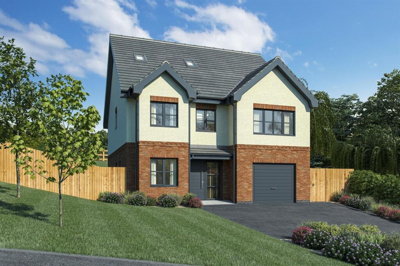
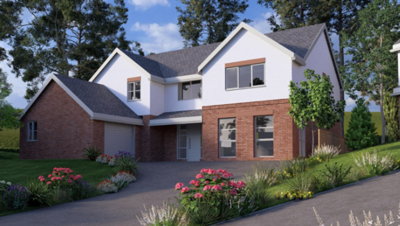
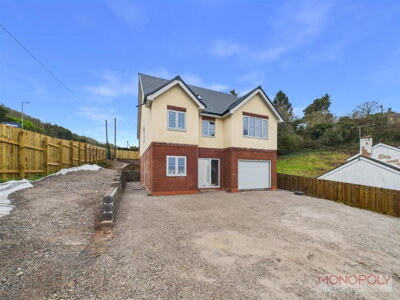
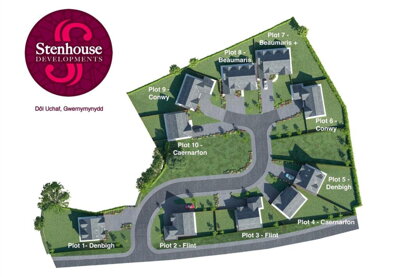
Browse 5 homes new builds in Nercwys, Flintshire from local developer agents.
£345k
6
0
147
Source: home.co.uk
Source: home.co.uk
Detached
3 listings
Avg £546,667
Terraced
2 listings
Avg £185,000
Not Specified
1 listings
Avg £950,000
Source: home.co.uk
Source: home.co.uk
£591,000
Average Price
10
Properties Sold (12 months)
£679,000
Detached Average
-1.5%
Price Change (12 months)
The Winterborne St. Martin property market has shown remarkable resilience despite broader national fluctuations. Recent data indicates approximately 10 properties sold in the village over the past twelve months, with overall average prices sitting at £591,000 as of early 2026. The market experienced a modest decline of 1.5% over the previous twelve months, which is relatively stable compared to urban areas that have seen more significant corrections. This stability reflects the enduring appeal of rural Dorset villages among buyers seeking character properties in peaceful settings.
Property types in Winterborne St. Martin reflect the village's predominantly detached character, with an estimated 60-70% of homes being detached properties. Detached houses command the highest prices, averaging around £679,000, while semi-detached properties typically sell for approximately £385,000 and terraced homes for around £350,000. Flats remain scarce in the village due to the low-density residential nature of the area, which means those seeking apartment living would need to look at nearby towns. There are currently no active new-build developments within the village itself, as future development tends to be limited by the Conservation Area designation and planning restrictions.
The village housing stock spans several architectural periods, with a significant proportion of properties dating from the pre-1919 era. Traditional cottages and farmhouses constructed from local Purbeck stone or brick dominate the older properties, often featuring thatch or slate roofs that contribute to the area's charming aesthetic. More recent additions from the post-1980 period provide modern alternatives, though these are limited in number. For buyers considering period properties, understanding the construction methods and potential maintenance requirements of older buildings is essential, particularly those with solid wall construction and traditional lime mortar pointing.
The combination of limited supply, strong demand, and the village's protected status creates a market where properties can command premium prices relative to their size. Buyers should expect competition for the most desirable properties, particularly those with original features, generous gardens, or views over the surrounding countryside. Our inspectors have extensive experience surveying properties across Winterborne St. Martin and understand the specific construction methods and common defects found in local housing stock.
Properties in Winterborne St. Martin rarely come to market, making any available homes worth serious consideration. The village's position within the Dorset AONB and its proximity to the Jurassic Coast World Heritage Site ensure continued demand from buyers seeking a rural lifestyle with excellent access to the coast and countryside. The Conservation Area designation protects the village's historic character, which means new development is strictly controlled and existing properties retain their traditional appearance.
When searching for property in Winterborne St. Martin, working with local estate agents who understand the village market is advantageous. Our inspectors frequently work alongside local agents and can provide guidance on property values and condition for homes you may be considering. The village offers a range of property types from compact cottages to substantial farmhouses, with prices reflecting size, condition, and the presence of original features. Many properties benefit from generous gardens that take advantage of the mild Dorset climate and fertile soils.

Winterborne St. Martin offers a lifestyle that many aspire to but few truly experience, combining the warmth of a close-knit community with the beauty of rural Dorset. The village has a population of approximately 700-800 residents distributed across 300-350 households, creating an intimate atmosphere where neighbours often know each other by name. The Winterborne stream meanders through the village, adding to its pastoral charm while providing a natural feature that enhances local walks and wildlife observation. The surrounding farmland and proximity to the Dorset AONB ensure that residents enjoy panoramic views and access to some of England's finest countryside.
The village's economic character has evolved from its agricultural roots into a primarily residential community, though farming continues to play a role in the local landscape. Many residents commute to larger employment centres including Dorchester and the Poole/Bournemouth conurbation, taking advantage of the village's position that offers the best of both worlds. The local economy benefits from tourism generated by visitors exploring the Jurassic Coast and surrounding AONB, with small local businesses serving both residents and visitors. Agricultural influences remain visible in the traditional farm buildings, fields, and rural lanes that define the village approach.
Local amenities in Winterborne St. Martin are typical of a small Dorset village, with essential services available in neighbouring communities for more extensive shopping and leisure needs. The village pub provides a focal point for social gatherings, while village hall activities cater to various interests and age groups. Cultural attractions in the wider area include historic houses, gardens, and museums that showcase Dorset's rich heritage. The strong community spirit is evident through various events and volunteer activities that bring residents together throughout the year, making the village particularly appealing to families and those seeking a sense of belonging.
Families considering a move to Winterborne St. Martin will find a selection of educational options within reasonable driving distance. The village itself may have access to a primary school, though parents should verify current catchment areas and admission policies with Dorset Council as these can change. For secondary education, pupils typically travel to schools in nearby towns, with several good options available in the Dorchester area. Grammar schools in Dorset operate a selective admission system, and places are allocated based on entrance exam performance, which families should research thoroughly when planning a move.
The wider Dorset area offers several well-regarded secondary schools including The Gryphon School in Dorchester and Purbeck School in Wareham, both serving their respective catchment areas. Parents should note that school transport arrangements and journey times can significantly impact family logistics, particularly for those with children attending schools some distance from Winterborne St. Martin. Sixth form provision is available at secondary schools with sixth forms and at separate colleges in larger towns, offering A-levels and vocational qualifications. Early research into school admissions, catchment boundaries, and transport options is strongly recommended for families with school-age children.
For younger children, early years provision may be available within the village or nearby communities, providing nursery and preschool education. Parents should also consider the various independent schools available in Dorset and the surrounding counties, which provide alternative educational pathways for those seeking non-selective education. The quality of local schooling should be verified through current Ofsted reports and direct contact with schools, as provision and ratings can change over time. Transport costs and time commitments for school runs are practical considerations when evaluating properties in this rural location.
Transport connections from Winterborne St. Martin reflect its rural village character, offering straightforward road access while maintaining a peaceful residential environment. The village is situated near the A35 trunk road, which provides a direct route east to Bournemouth and Southampton, and west towards Dorchester and Exeter. This main road corridor connects residents to broader motorway networks and major employment centres along the south coast. Daily commuters should budget for the practical realities of rural driving, including the need for private transport and potentially longer journey times than urban areas.
Public transport options are limited in common with many rural Dorset villages, with bus services providing the primary alternative to car travel. Local bus routes connect Winterborne St. Martin to nearby towns and villages, though service frequency may be less frequent than in urban areas. For longer-distance travel, railway stations in Dorchester, Wareham, and Poole offer connections to regional and national rail networks, with direct services to London, Bristol, and the South West. Those considering Winterborne St. Martin as a home base should carefully evaluate their commuting requirements and transport preferences before committing to a purchase.
Cycling infrastructure in the area has improved in recent years, with more residents choosing to cycle for both leisure and commuting purposes. The Dorset countryside offers excellent cycling routes, though hilly terrain requires varying fitness levels. Walking is popular for local journeys, with village paths and rural lanes providing pleasant routes for daily activities. Parking provision in the village is generally adequate for residential purposes, though visitors and deliveries require consideration given the historic street patterns. Overall, prospective residents should view car ownership as essential rather than optional when planning a move to Winterborne St. Martin.
Start by exploring available properties on Homemove and understanding the Winterborne St. Martin housing market. With approximately 10 properties selling annually and prices ranging from £350,000 for terraced homes to £679,000 for detached properties, knowing your budget and priorities will focus your search effectively.
Before viewing properties, obtain a mortgage agreement in principle from a lender. This demonstrates your financial readiness to estate agents and sellers, strengthening your position when making offers in what can be a competitive market for desirable village properties.
Visit properties that match your criteria, paying attention to the specific characteristics of homes in Winterborne St. Martin. Consider factors such as proximity to the Winterborne stream, conservation area restrictions, and the condition of period features in older properties.
Given that most properties in Winterborne St. Martin are over 50 years old, a thorough survey is essential. Our inspectors understand the specific construction methods used in local period properties and know what defects to look for. RICS Level 2 Surveys in the area typically cost between £450 and £900, depending on property size and complexity. This investment can reveal issues with damp, timber defects, or structural movement common in period properties.
Choose a conveyancing solicitor to handle the legal aspects of your purchase. They will conduct searches, review contracts, and coordinate with the seller's solicitor through to completion. Local knowledge of Dorset properties and their specific characteristics can be valuable.
Once all surveys, searches, and finances are satisfactory, you will exchange contracts and pay your deposit. Completion typically follows within weeks, when the remaining balance is transferred and you receive the keys to your new home in Winterborne St. Martin.
Properties in Winterborne St. Martin present unique considerations that buyers should carefully evaluate before committing to a purchase. The village's Conservation Area designation means that properties may be subject to additional planning controls affecting external alterations, extensions, and even certain maintenance works. Buyers considering any changes to a period property should consult with Dorset Council planning department to understand restrictions before proceeding. The concentration of Listed Buildings in the village means that some properties carry statutory protections requiring Listed Building Consent for alterations, which adds complexity and cost to any renovation plans.
Building materials used in local properties warrant close inspection during viewings and surveys. Many homes are constructed from Purbeck stone or traditional brick with render finishes, and the underlying geology includes areas of London Clay and Reading Beds that present moderate to high shrink-swell risk for foundations. Properties with large trees nearby, particularly those on clay soils, may show signs of subsidence or heave that require professional assessment. Roof conditions deserve particular attention given the prevalence of slate, tile, and thatch roofing on older properties, with common issues including slipped tiles, failing pointing, and timber deterioration.
Flood risk considerations are relevant for properties near the Winterborne stream, though the overall risk remains generally low. Surface water flooding can occur during heavy rainfall when drainage systems are overwhelmed, so buyers should review Environment Agency flood maps and consider the property's position relative to the watercourse. Properties in lower-lying areas of the village may be more susceptible to surface water accumulation after extreme weather events. Insurance implications of any flood risk should be discussed with providers before purchase completion. Electrical wiring, plumbing, and heating systems in older properties frequently require updating to meet modern standards, so budget allocations for potential works should factor into your overall purchase cost calculations.
Our inspectors provide professional RICS Level 2 survey inspections for properties in Winterborne St. Martin, giving you detailed information about the condition of any home you are considering purchasing. RICS Level 2 Survey pricing in the area typically ranges from £450 to £900, depending on property size and complexity. The survey examines the property's condition throughout, identifying defects that may require attention or negotiation before completing your purchase. Our team understands the specific construction methods used in local properties and knows which issues are most commonly found in Winterborne St. Martin homes.
Most properties in Winterborne St. Martin are period buildings constructed before 1919, featuring traditional solid-wall construction using local Purbeck stone or traditional brick with render finishes. These older buildings require specialist understanding when assessing condition and identifying defects. Our inspectors check roof structure, walls, floors, damp-proof courses, and services, producing a detailed report that clearly explains any issues found. We also assess the property's position within the Conservation Area and proximity to the Winterborne stream, both of which can affect how the property performs and what future considerations may arise.
Common defects our inspectors identify in Winterborne St. Martin properties include damp issues such as rising damp due to failed or absent damp-proof courses, penetrating damp from deteriorated render or pointing, and condensation problems in poorly ventilated areas. Timber defects including woodworm and wet or dry rot frequently affect older properties, particularly where moisture has entered the building fabric. Roof defects are common given the prevalence of slate, tile, and thatch roofing, with issues including slipped tiles, failing felt, and deterioration of mortar at ridges and verges. Chimney stacks often show signs of deterioration including leaning, mortar erosion, or flashing failures.
Properties in the village are generally built on chalk geology which presents a low shrink-swell risk, though areas with Reading Beds can experience some ground movement. Our inspectors assess foundations and look for signs of subsidence or heave, particularly in properties with large trees nearby. Electrical wiring in older properties frequently does not meet current standards and may require complete re-wiring, while plumbing and heating systems often need updating. Our detailed survey report documents each issue found with specific recommendations for remediation and cost estimates, giving you the information needed to make an informed decision about your purchase and negotiate confidently with the seller.
The average house price in Winterborne St. Martin is currently around £591,000, based on recent market data. Detached properties average approximately £679,000, semi-detached homes around £385,000, and terraced properties about £350,000. The market has shown relative stability with a modest 1.5% price reduction over the past twelve months, reflecting consistent demand for rural Dorset properties despite national market fluctuations.
Properties in Winterborne St. Martin fall under Dorset Council jurisdiction, with council tax bands ranging from A through H depending on property value. Most period properties in the village likely fall within bands B to E, though exact bandings should be confirmed through the Valuation Office Agency listing for specific properties. Individual assessments can vary based on property characteristics and recent alterations, so buyers should verify the banding for any property they are considering.
Families should verify current school admissions and catchment areas directly with schools and Dorset Council, as these can change over time. Primary school options include schools in Winterborne St. Martin and nearby villages, with secondary education typically provided at schools in the Dorchester area. Several grammar schools operate selective admissions in Dorset, and independent schools are also available in the wider county. Early research into admission criteria, transport arrangements, and current Ofsted ratings is essential for families planning school placements.
Public transport options in Winterborne St. Martin are limited compared to urban areas, with bus services providing the primary public transport link. The village is situated near the A35 road, which connects to larger towns and the broader road network. Railway stations in Dorchester, Wareham, and Poole offer national rail connections for longer-distance travel. Prospective residents should consider that car ownership is effectively essential for daily living in this rural location, particularly for commuting and accessing amenities not available in the village.
Winterborne St. Martin offers several attractive features for property investment, including the village's position within the Dorset AONB and proximity to the Jurassic Coast. The limited supply of properties for sale, combined with enduring demand from buyers seeking rural lifestyles, tends to support long-term values. The Conservation Area designation restricts new development, which helps maintain the character and scarcity of period properties. However, buyers should consider factors such as the modest annual transaction volumes, potential maintenance costs for older properties, and the practical requirements of rural living when evaluating investment potential.
Beyond the purchase price, budget for Stamp Duty Land Tax which applies at 0% on the first £250,000, 5% between £250,001 and £925,000, and higher rates above this threshold. For the average property priced at £591,000, a standard buyer would pay approximately £17,050 in SDLT after the nil-rate band. First-time buyers benefit from enhanced relief raising the nil-rate threshold to £425,000, reducing SDLT to around £8,300. Solicitor fees typically range from £500 to £2,000 plus search costs of £300 to £500, while a RICS Level 2 Survey costs between £450 and £900 depending on property size and condition.
Understanding the full costs of purchasing property in Winterborne St. Martin is essential for budgeting purposes beyond the purchase price itself. Stamp Duty Land Tax represents a significant expense, with standard rates applying 0% to the first £250,000, 5% between £250,001 and £925,000, 10% from £925,001 to £1.5 million, and 12% on amounts exceeding £1.5 million. For the average Winterborne St. Martin property priced at £591,000, a standard buyer would pay approximately £17,050 in stamp duty after the nil-rate band. These thresholds apply to the England-wide SDLT system regardless of location.
First-time buyers enjoy enhanced relief that raises the nil-rate threshold to £425,000, with 5% applying between £425,001 and £625,000. This means a first-time buyer purchasing an average property in Winterborne St. Martin would pay around £8,300 in stamp duty rather than £17,050, resulting in substantial savings. However, first-time buyer relief is not available on any portion above £625,000, so higher-value properties attract standard rates on the amount exceeding this threshold. Investors, second home buyers, and those who have previously owned property do not qualify for first-time buyer relief regardless of their current residency status.
Beyond stamp duty, buyers should budget for solicitor fees typically ranging from £500 to £2,000 depending on complexity, plus disbursements for searches which can cost £300 to £500 in Dorset. Our RICS Level 2 Survey for properties in Winterborne St. Martin costs between £450 and £900 depending on property size and condition. An Energy Performance Certificate is required before marketing and typically costs £80 to £120. Mortgage arrangement fees, valuation fees, and broker charges add further costs, with lenders charging 0% to 2% of the loan amount. Factor in removals, potential refurbishment costs, and a contingency fund for unexpected works when setting your overall budget for moving to this Dorset village.

Properties New Builds In London

Properties New Builds In Plymouth

Properties New Builds In Liverpool

Properties New Builds In Glasgow

Properties New Builds In Sheffield

Properties New Builds In Edinburgh

Properties New Builds In Coventry

Properties New Builds In Bradford

Properties New Builds In Manchester

Properties New Builds In Birmingham

Properties New Builds In Bristol

Properties New Builds In Oxford

Properties New Builds In Leicester

Properties New Builds In Newcastle

Properties New Builds In Leeds

Properties New Builds In Southampton

Properties New Builds In Cardiff

Properties New Builds In Nottingham

Properties New Builds In Norwich

Properties New Builds In Brighton

Properties New Builds In Derby

Properties New Builds In Portsmouth

Properties New Builds In Northampton

Properties New Builds In Milton Keynes

Properties New Builds In Bournemouth

Properties New Builds In Bolton

Properties New Builds In Swansea

Properties New Builds In Swindon

Properties New Builds In Peterborough

Properties New Builds In Wolverhampton

Enter your details to see if this property is within your budget.
Loans, cards, car finance
Estimated property budget
Borrowing + deposit
You could borrow between
Typical borrowing
Monthly repayment
Est. at 4.5%
Loan-to-value
This is an estimate only. Your actual budget may vary depending on interest rates, credit history, and personal circumstances. For an accurate affordability assessment, speak to one of our free mortgage advisors.
This calculator provides estimates for illustrative purposes only and does not constitute financial advice. Your home may be repossessed if you do not keep up repayments on your mortgage. Estimates based on 4.5% interest rate, repayment mortgage. Actual rates depend on your circumstances.
Homemove is a trading name of HM Haus Group Ltd (Company No. 13873779, registered in England & Wales). Homemove Mortgages Ltd (Company No. 15947693) is an Appointed Representative of TMG Direct Limited, trading as TMG Mortgage Network, which is authorised and regulated by the Financial Conduct Authority (FRN 786245). Homemove Mortgages Ltd is entered on the FCA Register as an Appointed Representative (FRN 1022429). You can check registrations at NewRegister or by calling 0800 111 6768.

We use cookies to show you personalised content and improve your experience of our website. Find out more in our Privacy policy and Cookie policy.