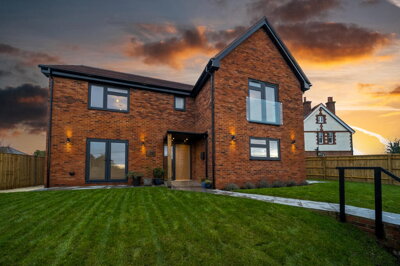
Browse 1 home new builds in Moulsford, South Oxfordshire from local developer agents.
£900k
2
0
60
Source: home.co.uk
Source: home.co.uk
Detached
2 listings
Avg £900,000
Source: home.co.uk
Source: home.co.uk
The property market in Littleton has demonstrated consistent performance over recent years, with values holding firm despite broader national fluctuations. Zoopla records an average sold price of £794,357 for properties in Littleton over the past twelve months, while other measurements suggest average prices closer to £907,300 when accounting for all transactions in the area. These figures position Littleton firmly within the premium segment of the Hampshire property market, reflecting the area's desirable location near Winchester, excellent schools nearby, and the quality of distinctive housing stock available. Detached properties command the highest prices, averaging around £973,000, while semi-detached homes typically sell for approximately £644,000.
Property values in Littleton have shown resilience with modest growth patterns over recent years. Overall prices over the past year were approximately 2% down compared to the previous twelve months, yet they remain 2% above the 2022 peak of £887,366, indicating sustained demand in the area. Main Road properties have performed particularly strongly, with prices increasing by 44% year-on-year, demonstrating that certain streets and property types within Littleton are experiencing significant buyer interest. The market benefits from a diverse range of property types, including historic cottages, substantial family homes, and newer developments in the Harestock area, ensuring that buyers with varying budgets and preferences can find suitable options.
The housing stock in Littleton reflects its evolution from a small fifteenth-century hamlet centred around St Catherine's Church to a thriving commuter village. The older village area contains around 450 homes, many dating from the fifteenth and sixteenth centuries, while the more recent development of Harestock adds over 1,000 properties built during the nineteenth and twentieth centuries. This mix creates a neighbourhood that offers genuine period character alongside modern family homes, making Littleton particularly attractive to buyers who appreciate historic architecture without sacrificing contemporary comforts.

Based on sold prices over the past 12 months. Source: Zoopla and Homemove data.
Understanding the construction methods used in Littleton properties helps buyers appreciate the character of the local housing stock and anticipate common maintenance requirements. The village retains several Hampshire Hall houses dating from the fifteenth and sixteenth centuries, originally constructed with timber frames and filled with plaster and flint infill. Many of these historic properties were later encased in brick and stuccoed, giving them their distinctive appearance while preserving the traditional structural framework beneath. The old plain tile roofs on these properties require regular maintenance and should be thoroughly inspected during any survey.
Littleton Manor, a Grade II* listed building, exemplifies the historic building traditions of the area. This fifteenth-century timber-framed structure was later encased in brick and stuccoed, with an old plain tile roof that reflects the construction standards of its era. Littleton Lodge, an early nineteenth-century house, uses rendered brick with a slate roof, representing the shift towards more standardised construction methods during that period. The White House demonstrates how historic open hall houses were adapted over time, having been encased in brick and extended during the nineteenth century. These variations in building materials and methods mean that properties in Littleton may present different maintenance considerations depending on their age and construction type.
The underlying geology of Littleton consists of chalk, which forms part of the Hampshire Downs landscape with elevations ranging from 60 to 100 metres above sea level. The chalk aquifer in this area tends to drain away effectively beyond the Winchester area, generally indicating stable ground conditions with lower shrink-swell potential compared to clay-rich soils. However, localised clay deposits can still occur, and our surveyors always check for these during property assessments. Properties in Harestock, developed during the twentieth century, typically use more modern construction methods consistent with their era of construction, though these should still be inspected for typical defects associated with their build period.
Littleton and the surrounding civil parish area is home to a population of approximately 4,100 residents, having grown steadily from 3,577 at the 2011 census to 4,051 by 2021. This growth reflects the area's increasing popularity as a place to live, driven by its combination of rural character and proximity to Winchester. The village retains a strong sense of community with local amenities, traditional pubs, and community events that bring residents together throughout the year. The civil parish encompasses both the historic village of Littleton and the more recent development of Harestock, creating a balanced community with established character and modern convenience.
The area benefits from its position on the southern edge of the Hampshire Downs, with attractive views across rolling countryside while remaining accessible to urban conveniences. Local employment is influenced by proximity to Winchester, with many residents commuting to the city for work, while the broader area maintains connections to agricultural land and local businesses. The village atmosphere is complemented by good connectivity to larger towns and cities, making it practical for those who need to travel for work while still enjoying the benefits of village life. Community facilities include local shops, pubs, and recreational spaces that serve the day-to-day needs of residents, with Winchester city centre just 3 miles away for additional amenities and employment opportunities.
Education provision in the Littleton area serves families well, with a selection of primary and secondary schools within reasonable travelling distance. Primary schools in the surrounding area provide solid foundations for younger children, with several achieving good or outstanding Ofsted ratings. Families are advised to research specific catchment areas as these can significantly impact school placement, and properties within desirable catchment zones often command premium values. The availability of good primary education is a key factor for families considering relocation to the area, and viewing properties with school proximity in mind is strongly recommended.
Secondary education options include both state and independent schools serving the wider Winchester district, with several well-regarded institutions within a reasonable commute. Parents should verify current Ofsted ratings and admission criteria directly with schools or the local education authority, as these can change over time and catchment boundaries may be adjusted. Sixth form provision is available at secondary schools in nearby towns, offering a range of A-level subjects and vocational courses for older students. The presence of quality educational options contributes significantly to the area's attractiveness to families, and this factor should be carefully considered when budgeting for a property purchase in Littleton.
Winchester itself hosts several highly regarded schools, including Winchester College and other independent institutions, which draw families to the wider area. State secondary schools in the vicinity include The Westgate School and Kings' School, both of which serve local communities and maintain strong academic records. Parents moving to Littleton often cite the educational opportunities as a primary motivation, and this sustained demand from families helps maintain property values in the area over time.

Flood risk is an important consideration for anyone buying property in Littleton, as the area faces specific environmental challenges that differ from many other parts of Hampshire. The village and surrounding areas are at risk from groundwater flooding, flash flooding, sewage flooding, and flooding from burst water mains. This is particularly relevant for properties with basements or those in lower-lying areas of the village. A flood alert for groundwater flooding in Littleton, Headbourne, Kings and Martyr Worthy, Easton and Chilland was issued as recently as February 2026, indicating that high groundwater levels may lead to flooding, and cellar flooding in Littleton could occur if heavy rain affects the area.
The risk of groundwater flooding in Littleton stems from the chalk geology of the Hampshire Downs, which stores and transmits water differently than clay or sandy soils. During periods of intense rainfall or snowmelt, groundwater levels can rise significantly, overwhelming the local drainage systems that rely on soakaways. Flash flooding can occur throughout the year due to intense rainfall overwhelming or blocking the water drainage system. Parts of Littleton are at risk from periods of groundwater flooding, with somewhat less risk in Harestock due to its more modern mains drainage system. We strongly recommend that buyers check the Environment Agency flood maps and review any flood risk information relevant to specific streets before committing to a purchase.
Sellers are required to complete a flood risk questionnaire as part of the TA6 property information form, and buyers should review this carefully alongside their survey findings. Properties in lower-lying areas or those with basements require careful inspection for signs of damp or previous water ingress. Understanding these constraints is important before purchasing, as they can affect future renovation plans and property values. Insurance costs may also be higher for properties with significant flood risk, and buyers should factor this into their budget calculations.
Winchester City Council has designated the old village of Littleton as a Conservation Area due to its special architectural and historic interest. This designation protects the historic buildings, natural features, trees, hedges, walls, fences, open areas, and archaeological sites that contribute to the village's distinctive character. Conservation Area policies aim to preserve the traditional appearance and feel of the village, which means that certain properties may be subject to planning restrictions that limit alterations, extensions, or significant changes without consent from the local authority.
Littleton and Harestock contain a notable concentration of Listed Buildings, reflecting the area's historic significance within Hampshire. Grade II* listed properties include the Church of St Catherine, a historic place of worship the village, and Littleton Manor, a fifteenth-century manor house with timber-framed construction. Additional Grade II listed buildings include Littleton Lodge, Littleton War Memorial, Monks Rest, Slade Cottage, St Swithun's Cottage, The White House, and a Wall and Gate in Front of Littleton Lodge. Any alterations or demolition of these listed buildings require Listed Building Consent from Winchester City Council.
Properties in conservation areas may have specific requirements regarding windows, doors, roofing materials, and exterior finishes, so budgeting for compliant materials is advisable if renovation work is planned. Buyers purchasing listed buildings should be aware of additional responsibilities regarding maintenance and restoration, as alterations typically require more extensive consents than standard properties. These considerations can affect future renovation plans and property values, making it essential to understand the implications before committing to a purchase. For older listed properties, a more detailed survey such as a RICS Level 3 Building Survey may be more appropriate than a standard Level 2 survey.
Transport connectivity in the Littleton area provides practical options for commuters and those who need to travel regularly for work or leisure. The proximity to Winchester city centre offers excellent access to mainline railway services from Winchester station, with direct connections to major cities including London, Southampton, and Portsmouth. Winchester station provides regular services to London Waterloo with journey times of around one hour, making it feasible for commuters who work in the capital but prefer to enjoy village life in Hampshire. Local bus services connect Littleton with surrounding villages and Winchester city centre, providing options for those who prefer not to drive.
Road connectivity is well-established, with the A34 and other major routes providing access to Winchester and the wider motorway network. The M3 motorway is within easy reach, connecting to the M25 and facilitating travel to London and the south coast. For those who travel further afield, Southampton Airport and London Heathrow Airport are accessible within approximately one hour's drive, offering international travel connections. Cycling infrastructure in the area continues to improve, with quiet country lanes popular among recreational cyclists and commuters alike. Parking provision varies by specific location within Littleton, with on-street parking available in most residential areas.
Many residents of Littleton commute daily to Winchester, with the journey taking approximately 10-15 minutes by car or around 30 minutes by bus. The village's position on the southern edge of the Hampshire Downs also provides straightforward access to the M3 for those working further afield. The broader Winchester area maintains strong economic connections, with the city serving as a significant employment hub for the region. This combination of rural charm and practical connectivity makes Littleton particularly attractive to professionals seeking a better work-life balance without sacrificing career opportunities.
Spend time exploring Littleton at different times of day and week to understand the neighbourhood character, noise levels, and community atmosphere. Check local planning applications with Winchester City Council, verify school catchments, and review flood risk information for specific streets using Environment Agency maps. Given the conservation area designation and presence of listed buildings, understanding any planning restrictions on potential properties is essential before proceeding.
Speak to a mortgage broker or lender to obtain an agreement in principle before starting your property search. This strengthens your position when making offers and demonstrates to sellers that you are a serious, qualified buyer with financing in place. For properties in the Littleton price range, typically £600,000 to over £1 million, ensuring you have appropriate mortgage arrangements in place is particularly important.
Work with local estate agents to arrange viewings of properties matching your criteria. Take notes during viewings, ask about property history, previous owners, and any renovation work undertaken. Consider returning for second viewings at different times of day. Given the mix of historic timber-framed properties and modern homes in the area, viewing at various times can reveal different aspects of a property's condition and the local environment.
Once you have an offer accepted, arrange a Level 2 survey to assess the property condition thoroughly. Given Littleton's mix of older properties including fifteenth-century timber-framed houses and nineteenth-century homes, this is particularly important for identifying any structural issues, damp problems, or maintenance concerns before purchase. Properties above £500,000 typically cost around £586 for a Level 2 survey, while listed buildings may require additional specialist assessment.
Choose a conveyancing solicitor to handle the legal aspects of your purchase. They will conduct searches, handle contracts, and coordinate with the seller's solicitor through to completion. Using a solicitor with local knowledge of Winchester and the Littleton area can be advantageous, particularly for properties in conservation areas or those with listed building status.
Once all searches are satisfactory and both parties agree on terms, you will exchange contracts and pay your deposit. Completion typically follows within days or weeks, after which you will receive the keys to your new home in Littleton. Our team can recommend local solicitors and mortgage providers familiar with the Winchester area if needed.
Buyers considering properties in Littleton should pay particular attention to flood risk, given the area's susceptibility to groundwater flooding and flash flooding during periods of intense rainfall. Properties in lower-lying areas or those with basements require careful inspection for signs of damp or previous water ingress. Checking the Environment Agency flood maps and understanding a property's flood history is essential before committing to a purchase. Sellers are required to complete a flood risk questionnaire as part of the TA6 property information form, and buyers should review this carefully alongside their survey findings.
The conservation area designation in parts of Littleton means that certain properties may be subject to planning restrictions that limit alterations, extensions, or significant changes without consent from the local authority. Properties in conservation areas may have specific requirements regarding windows, doors, roofing materials, and exterior finishes, so budgeting for compliant materials is advisable. The age of properties in Littleton means that electrical wiring, plumbing, and heating systems may require updating to meet modern standards. Properties built before the 1980s commonly have outdated fuse boxes, dated wiring, and older heating systems that may need replacement within the near term.
For older timber-framed properties, our inspectors check carefully for timber decay, damp, and structural movement that can affect historic buildings if not properly maintained. Ground conditions in the area are generally stable, being situated on chalk geology, but any local clay deposits should be checked during the survey process. A thorough survey should identify any potential issues, and buyers should budget for necessary upgrades when calculating the total cost of purchase. Properties in conservation areas or those with historical features may hold particular appeal, though they require more careful consideration of ongoing maintenance responsibilities and planning constraints.
Properties in Littleton have sold for an average of approximately £794,000 to £907,000 depending on the data source and property types included. Detached properties command higher prices averaging around £973,125, while semi-detached homes typically sell for approximately £644,000. Main Road properties have shown particularly strong performance with prices 44% up year-on-year. The market has shown resilience with prices holding firm and showing modest growth above previous peaks, reflecting consistent demand for properties in this desirable Hampshire village location.
Properties in Littleton fall within the council tax system administered by Winchester City Council. Specific bandings vary by property based on valuation, with most residential properties in the area ranging from Band C through to Band G depending on property size and value. Properties in conservation areas or those with historic features may have varied valuations. Buyers should verify the specific banding of any property they are considering, as council tax costs form part of the ongoing cost of ownership and can vary significantly between properties on the same street.
The Littleton area is served by several primary schools within the surrounding region, with a number achieving good or outstanding Ofsted ratings. Secondary education options include both state and independent schools within commuting distance of Winchester, with The Westgate School and Kings' School serving the wider area. Winchester itself hosts several highly regarded schools including Winchester College and other independent institutions. Parents should research specific catchment areas and admission criteria directly, as these can impact school placement. The quality of local education is a significant factor contributing to the area's popularity with families.
Littleton benefits from good connectivity despite its village character. Local bus services link the area with Winchester city centre and surrounding villages. Winchester railway station provides mainline services to London, Southampton, Portsmouth, and other major cities, with journey times of around one hour to London Waterloo. Road connections via the A34 and proximity to the M3 motorway provide straightforward access to the wider region. Southampton Airport and London Heathrow are accessible within approximately one hour's drive.
Littleton's proximity to Winchester, combined with its rural character, conservation area status, and quality schooling, makes it attractive to a range of buyers including families, commuters, and those seeking a quieter lifestyle. Property values have demonstrated stability over recent years, and the area benefits from consistent demand driven by the excellent schools and transport links. Properties in conservation areas or those with historical features such as listed buildings may hold particular appeal. As with any property investment, buyers should consider their specific circumstances, rental potential if relevant, and long-term plans for the property.
Stamp Duty Land Tax rates for residential properties start at 0% on the first £250,000 of purchase price. For properties between £250,001 and £925,000, the rate is 5%. Higher rates apply for properties above £925,000, reaching 10% on the portion between £925,001 and £1.5 million, and 12% on anything above £1.5 million. Given that average property prices in Littleton are around £800,000 to £900,000, most buyers would pay stamp duty on the portion above £250,000. First-time buyers may benefit from relief on properties up to £425,000, paying 5% on the portion between £425,001 and £625,000.
Older properties in Littleton, including the timber-framed houses from the fifteenth and sixteenth centuries, require careful inspection for timber decay, damp, and structural movement. The groundwater flooding risk in the area makes damp a particular concern, especially for properties with cellars or those without modern damp-proofing. Historic properties may also have outdated electrical systems, plumbing, and heating that require updating. Listed buildings and properties in conservation areas have additional planning requirements that buyers should understand before purchase. A thorough RICS Level 2 survey is essential for any older property in Littleton.
The housing stock in Littleton and Harestock includes a mix of historic properties from the fifteenth century through to twentieth-century developments. While specific active new-build developments within the SO22 6 postcode area may be limited, the Harestock area represents twentieth-century suburban growth from Winchester and offers more recently constructed properties. Buyers seeking newer homes should check current listings with local estate agents, as availability changes regularly. Newer properties in the area typically benefit from modern construction standards and may have lower maintenance requirements than the historic housing stock in the original village.
From 3.5%
Expert mortgage advice with competitive rates for Littleton properties
From £499
Local solicitors familiar with Winchester and Littleton transactions
From £400
Essential survey for Littleton's mix of historic and modern properties
From £85
Energy performance certificate for your new property
When purchasing a property in Littleton, Stamp Duty Land Tax represents a significant upfront cost that varies according to your purchase price and whether you qualify for any reliefs. For a typical property in the £800,000 range, you would pay zero stamp duty on the first £250,000, then 5% on the remaining £550,000, which equates to £27,500. First-time buyers purchasing properties up to £425,000 pay no stamp duty at all, with a reduced rate of 5% on the portion between £425,001 and £625,000. These thresholds can result in substantial savings for qualifying buyers.
Beyond stamp duty, buyers should budget for additional costs including solicitor fees, which typically range from £500 to £1,500 depending on complexity. Search fees, land registry fees, and mortgage arrangement fees add further costs of several hundred pounds. A RICS Level 2 survey typically costs between £400 and £800 depending on property size and value, with larger or listed properties attracting higher fees. Buildings insurance must be in place from completion, and removals costs should also be factored into your budget. Getting a mortgage agreement in principle before searching is essential, as it clarifies your budget and strengthens your negotiating position when you find the right property in Littleton.
For properties above £500,000, survey costs average around £586, while listed buildings may incur additional specialist fees of £150-400 due to their complex construction and heritage considerations. Pre-1900 properties might also incur survey premiums of 20-40% due to the additional inspection requirements for timber-framed buildings. Our survey team has extensive experience inspecting historic properties throughout the Littleton and Winchester area, and we can provide detailed quotes tailored to your specific property requirements. Getting a comprehensive survey before purchase can save significant money by identifying issues that might otherwise result in costly repairs after completion.
Properties New Builds In London

Properties New Builds In Plymouth

Properties New Builds In Liverpool

Properties New Builds In Glasgow

Properties New Builds In Sheffield

Properties New Builds In Edinburgh

Properties New Builds In Coventry

Properties New Builds In Bradford

Properties New Builds In Manchester

Properties New Builds In Birmingham

Properties New Builds In Bristol

Properties New Builds In Oxford

Properties New Builds In Leicester

Properties New Builds In Newcastle

Properties New Builds In Leeds

Properties New Builds In Southampton

Properties New Builds In Cardiff

Properties New Builds In Nottingham

Properties New Builds In Norwich

Properties New Builds In Brighton

Properties New Builds In Derby

Properties New Builds In Portsmouth

Properties New Builds In Northampton

Properties New Builds In Milton Keynes

Properties New Builds In Bournemouth

Properties New Builds In Bolton

Properties New Builds In Swansea

Properties New Builds In Swindon

Properties New Builds In Peterborough

Properties New Builds In Wolverhampton

Enter your details to see if this property is within your budget.
Loans, cards, car finance
Estimated property budget
Borrowing + deposit
You could borrow between
Typical borrowing
Monthly repayment
Est. at 4.5%
Loan-to-value
This is an estimate only. Your actual budget may vary depending on interest rates, credit history, and personal circumstances. For an accurate affordability assessment, speak to one of our free mortgage advisors.
This calculator provides estimates for illustrative purposes only and does not constitute financial advice. Your home may be repossessed if you do not keep up repayments on your mortgage. Estimates based on 4.5% interest rate, repayment mortgage. Actual rates depend on your circumstances.
Homemove is a trading name of HM Haus Group Ltd (Company No. 13873779, registered in England & Wales). Homemove Mortgages Ltd (Company No. 15947693) is an Appointed Representative of TMG Direct Limited, trading as TMG Mortgage Network, which is authorised and regulated by the Financial Conduct Authority (FRN 786245). Homemove Mortgages Ltd is entered on the FCA Register as an Appointed Representative (FRN 1022429). You can check registrations at NewRegister or by calling 0800 111 6768.

We use cookies to show you personalised content and improve your experience of our website. Find out more in our Privacy policy and Cookie policy.