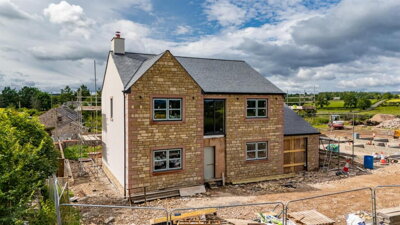
Browse 1 home new builds in Morland, Westmorland and Furness from local developer agents.
The larger property sector typically features multiple bathrooms, substantial reception space, and private gardens or off-street parking. Four bedroom houses in Morland span detached, semi-detached, and occasionally terraced configurations, with styles ranging from period properties to modern executive homes.
£500k
1
0
32
Source: home.co.uk
Showing 1 results for 4 Bedroom Houses new builds in Morland, Westmorland and Furness. The median asking price is £500,000.
Source: home.co.uk
Detached
1 listings
Avg £500,000
Source: home.co.uk
Source: home.co.uk
The Morland property market reflects the character of the village itself, offering a blend of traditional period properties and carefully maintained family homes. Our current listings feature detached properties averaging £440,000, which typically offer generous gardens, traditional stone facades, and spacious interiors suited to families or those seeking rural seclusion. Semi-detached homes in Morland present excellent value at an average of £247,500, making them an attractive option for first-time buyers or those looking to downsize from larger properties while remaining in the area. Terraced properties, averaging £205,000, often include charming cottages with original features such as exposed beam ceilings, inglenook fireplaces, and traditional flagstone floors that appeal to buyers seeking period character.
Recent market activity in Morland has been notably positive, with 10 property sales completing in the twelve months to the most recent data, demonstrating sustained demand for homes in this Eden Valley location. The 10% increase in average property values over the same period indicates strong buyer confidence in the local market, driven by the area's unspoiled natural beauty, excellent transport connections to the M6 corridor, and proximity to the Lake District. Unlike larger towns that may experience more volatile market conditions, Morland benefits from consistent demand from buyers seeking a quieter lifestyle without sacrificing accessibility. New build developments remain scarce in the immediate Morland area, which has helped preserve the traditional character and architectural integrity of the village while supporting property values across all segments of the market.
The majority of properties in Morland date from before 1919, featuring traditional stone construction with solid walls rather than the cavity wall insulation found in modern homes. This means prospective buyers should pay particular attention to insulation standards, heating efficiency, and potential moisture management issues when evaluating properties. Our local knowledge of the Eden Valley housing stock helps you understand what to expect when viewing different property types and age categories within the village.

Morland offers a lifestyle rooted in the traditions of rural Cumbria, where the rhythms of village life are shaped by the changing seasons and the stunning natural landscape of the Eden Valley. The village sits in a valley formed by the River Lyvennet, which flows through the heart of the community before joining the River Eden downstream, creating an environment of gentle water meadows, traditional farmland, and wooded hillside that has remained largely unchanged for generations. The local economy centres on agriculture, with many farms in the surrounding area producing livestock and crops that contribute to the regional food economy. Tourism also plays a significant role, as visitors drawn to the area explore the network of public footpaths, discover historic sites, and experience the warm hospitality of traditional Cumbrian pubs.
The village community maintains a strong sense of identity, with regular gatherings, local events, and initiatives that bring residents together throughout the year. St. Lawrence's Church stands as a focal point of village life, a historic place of worship surrounded by listed buildings and traditional farmhouses that form the architectural heritage of Morland. The Conservation Area designation ensures that new developments respect the traditional stone-built character, preserving the aesthetic appeal that makes the village so attractive to buyers seeking an authentic English rural setting. Daily amenities are available within the village, while the market towns of Penrith and Appleby-in-Westmorland provide access to larger retail centres, healthcare facilities, and employment opportunities for those who need them. The proximity to the Lake District National Park opens up endless opportunities for outdoor recreation, from hiking and cycling to water sports and wildlife watching, making Morland an ideal base for nature enthusiasts.
Many residents of Morland commute to larger towns for work, taking advantage of the village's position relative to major road and rail connections while enjoying the benefits of rural living at home. The sense of community is strengthened by local events, village hall activities, and the network of countryside walks that connect the village to surrounding farmland and moorland. For buyers seeking a peaceful setting with strong community bonds and easy access to both local services and the wider region, Morland presents a compelling proposition that combines the best of traditional English village life with modern connectivity.

Families considering a move to Morland will find a selection of educational options within reasonable travelling distance, reflecting the rural nature of the Westmorland and Furness area. Primary education is typically provided through village schools in the surrounding area, where small class sizes allow for individual attention and a strong community atmosphere. For secondary education, pupils often travel to schools in nearby market towns, with many families choosing to factor school catchment areas into their property search. The local education authority, Westmorland and Furness Council, maintains detailed information on school performance, admission arrangements, and transport policies that govern travel to schools outside the immediate village.
Several primary schools in the surrounding Eden Valley have achieved favourable Ofsted ratings, providing parents with reassurance regarding educational quality while maintaining the benefits of small school environments. Secondary schools in nearby Penrith and Appleby-in-Westmorland offer comprehensive curricula, sixth form provision, and specialist facilities across a range of subjects. For families with specific educational preferences, the area includes grammar school options accessible through the selection process, while independent schools in the broader Cumbria region provide alternative educational pathways. Parents should verify current school performance data and catchment area boundaries, as these can change and may significantly impact property values in different parts of the Morland parish.
The travel times from Morland to schools in Penrith and Appleby-in-Westmorland are manageable for daily commuting, with school bus services operating on routes that serve the surrounding villages. The presence of quality educational options within commuting distance helps make Morland an attractive proposition for families seeking to balance rural living with academic excellence. We recommend arranging school visits and speaking directly with admissions offices to understand current arrangements before committing to a property purchase, as catchment boundaries can shift between academic years.
Morland benefits from its position in the Eden Valley, offering access to major transport routes while maintaining the peaceful character of a rural village location. The village is situated approximately 8 miles from Penrith, which provides direct access to the M6 motorway at junction 40, connecting residents to the national motorway network and enabling straightforward journeys to cities including Carlisle, Newcastle, Manchester, and Leeds. The A66 trunk road runs through Penrith, providing an additional east-west route across northern England and linking to the A1(M) further east. For air travel, Carlisle Lake District Airport offers regional flights, while Newcastle International Airport and Manchester Airport provide broader international connections within reasonable driving distance.
Public transport options include bus services connecting Morland to nearby market towns, allowing residents without private vehicles to access retail, healthcare, and educational facilities. Penrith railway station offers regular train services on the West Coast Main Line, with direct connections to London Euston, Edinburgh, Birmingham, and major cities throughout the UK. The journey time from Penrith to London is approximately three hours by train, making day trips to the capital practical for business or leisure. Within the village itself, walking and cycling are popular modes of transport for local journeys, with the network of public footpaths and quiet country lanes encouraging active travel.
Car ownership remains relatively high in rural areas like Morland, and properties typically include off-street parking or garages to accommodate this practical necessity. When viewing properties in Morland, buyers should consider parking arrangements as part of their assessment, particularly for period properties in the Conservation Area where access may be constrained by historic street patterns. Many traditional stone cottages have limited off-street parking, and prospective buyers should verify what parking provision is available before completing a purchase.
Begin by exploring current listings in Morland and understanding local property values. With an average price of £330,000 and detached properties averaging £440,000, you can refine your search based on property type and budget. Review the character of different neighbourhoods within the village and the surrounding parish to identify areas that match your lifestyle preferences and requirements. New build properties are extremely scarce in Morland itself, so most buyers will be looking at the traditional housing stock, which typically dates from before 1919.
Before arranging viewings, obtain a mortgage agreement in principle from a lender or broker. This demonstrates your financial credibility to sellers and estate agents, strengthening your position in negotiations. With typical mortgage rates available through Homemove's mortgage comparison tool, you can understand your borrowing capacity and budget accordingly for properties in this Eden Valley location. Rural properties sometimes present challenges for mortgage valuations, so speaking to a broker experienced with traditional stone properties is advisable.
Visit shortlisted properties in Morland to assess their condition, character, and suitability. Pay particular attention to the traditional stone construction, roof conditions, and any signs of damp that are common in period properties. Viewing multiple properties helps you understand the range of options available and identify features that matter most to you. Our team can arrange viewings on your behalf and provide insights into the local market during your visits.
Given that many properties in Morland are pre-1919 traditional constructions, a Level 2 Survey (HomeBuyer Report) is strongly recommended. Our inspectors regularly identify defects in traditional Cumbrian properties including damp penetration through solid walls, slipped slate tiles, and timber decay in roof structures. This survey identifies defects such as damp, roof issues, timber decay, and structural movement that may not be apparent during viewings. A surveyor familiar with Cumbrian properties can provide specific insights into local construction methods and potential issues.
Once your offer is accepted, instruct a conveyancing solicitor to handle the legal transfer of ownership. Your solicitor will conduct searches with Westmorland and Furness Council, investigate title deeds, and manage the complex process of purchasing property in a Conservation Area with potential listed building considerations. Properties in Morland often have complex title arrangements, and we can recommend conveyancing solicitors experienced with rural and period properties.
After satisfactory survey results and contract negotiations, you will exchange contracts and pay a deposit. Completion typically follows within a few weeks, when the remaining funds are transferred and you receive the keys to your new Morland home. Register ownership with the Land Registry and notify relevant utilities and services of your change of address. We can connect you with utility providers and local services to ensure a smooth transition to your new property.
Purchasing a property in Morland requires careful consideration of factors specific to this historic Cumbrian village, where traditional construction methods and Conservation Area status significantly influence property condition and ownership obligations. The prevalent use of traditional stone construction, particularly local sandstone with slate roofs, means that many properties will have solid walls rather than modern cavity wall insulation. This construction type can result in different thermal performance and moisture management characteristics compared to newer properties, and prospective buyers should assess insulation levels, heating systems, and ventilation carefully. The Eden Valley geology, with its Permian and Triassic sandstones and mudstones combined with glacial till deposits, can create conditions where shrink-swell behaviour in clay soils affects building foundations, particularly during periods of extreme weather.
Flood risk is a legitimate consideration for properties in Morland, given the village's location beside the River Lyvennet and its confluence with the River Eden downstream. Properties situated in low-lying areas adjacent to watercourses face potential fluvial flooding, and buyers should request information about previous flooding incidents, review flood risk assessments, and consider the potential impact on insurance costs and property values. Surface water flooding during heavy rainfall can also affect certain areas, particularly where drainage systems may be overwhelmed. The Conservation Area designation that covers the historic core of Morland imposes certain planning restrictions on alterations, extensions, and exterior changes that buyers should understand before committing to a purchase. Listed buildings within the village, including St. Lawrence's Church and numerous historic farmhouses and cottages, require Listed Building Consent for more significant works, adding complexity to renovation projects.
Our inspectors frequently encounter specific issues when surveying traditional properties in Morland and the surrounding Eden Valley. These include inadequate or damaged damp-proof courses in solid stone walls, leading to rising damp that affects ground floor walls and timbers. Slate roofs on older properties commonly show signs of deterioration including slipped or broken tiles, failed lead flashing at valleys and junctions, and timber decay in roof structures caused by persistent water penetration. Woodworm and both wet and dry rot affect floor joists, ceiling timbers, and joinery throughout period properties, particularly where ventilation is poor or timber has become damp. When evaluating service charges and maintenance obligations, particularly for any period properties held on leasehold or with shared amenities, buyers should obtain full details of these costs and any planned major works or reserve fund contributions.
The current average house price in Morland stands at £330,000, based on recent market data from the past twelve months. Detached properties command an average of £440,000, reflecting the generous space and traditional character these homes typically offer. Semi-detached homes average £247,500, while terraced properties average around £205,000. The market has shown strong performance with a 10% increase in average values over the past year, indicating robust demand for properties in this Eden Valley village location.
Properties in Morland fall under Westmorland and Furness Council's jurisdiction for council tax purposes. The majority of traditional stone-built properties in the village typically fall within council tax bands A through D, though specific bands depend on the property's assessed value. Band values in rural Cumbria often benefit from relatively modest council tax rates compared to urban areas, though buyers should verify the specific band and current charges with the local authority before completing a purchase.
Primary education is available through village schools in the surrounding Eden Valley, where small class sizes provide individual attention and strong community engagement. For secondary education, pupils typically travel to schools in Penrith or Appleby-in-Westmorland, which offer comprehensive curricula and sixth form provision. Several local primary schools have achieved favourable Ofsted ratings, and the area provides access to grammar school options through the selection process. Parents should verify current admission arrangements and catchment boundaries with Westmorland and Furness Council, as these can change and significantly impact school placement.
Morland is connected to surrounding towns via local bus services, providing access to larger centres for shopping, healthcare, and other services. Penrith railway station, approximately 8 miles away, offers direct trains on the West Coast Main Line to London, Edinburgh, Birmingham, and major cities, with journey times to London of approximately three hours. The M6 motorway at junction 40 near Penrith provides straightforward road access to the national motorway network. However, car ownership remains advantageous in this rural location, and most households maintain private vehicles for daily transportation needs.
Morland presents several factors that make it attractive to property investors and those seeking long-term value. The village benefits from proximity to the Lake District National Park, ensuring consistent demand from buyers and tenants seeking rural Cumbrian living. Recent price growth of 10% demonstrates market strength, while the limited supply of properties and Conservation Area restrictions on new development help maintain property values. Traditional stone properties in good condition tend to retain their value well, and the strong local community, good transport links to the M6 corridor, and beautiful natural setting continue to attract buyers from across the UK.
Stamp Duty Land Tax (SDLT) rates for 2024-25 apply as follows: there is no SDLT on purchases up to £250,000, 5% on the portion from £250,001 to £925,000, 10% from £925,001 to £1.5 million, and 12% above £1.5 million. First-time buyers benefit from relief on the first £425,000, with 5% charged between £425,001 and £625,000. Given the average Morland property price of £330,000, a standard buyer would pay £4,000 in SDLT, while first-time buyers would pay £0 on qualifying purchases. Buyers purchasing higher-value detached properties averaging £440,000 would incur SDLT of £9,500 as a standard buyer or £750 as a first-time buyer with qualifying relief.
Older properties in Morland, particularly those within the Conservation Area and built before 1919, require careful inspection for several common issues. Traditional sandstone construction with solid walls can be susceptible to damp penetration if damp-proof courses are inadequate or damaged, and rising damp is frequently found in period properties without modern damp proofing. Slate roofs on these older homes often require maintenance for slipped or broken slates and deterioration of lead flashing. Timber defects including woodworm and both wet and dry rot can affect roof structures, floor timbers, and joinery throughout traditional buildings. Structural movement in older properties should be assessed by a qualified surveyor, as minor cracking may indicate foundation issues related to the local clay geology and shrink-swell behaviour.
Properties in Morland that sit adjacent to the River Lyvennet or in low-lying areas downstream face potential fluvial flooding risk, particularly during periods of heavy rainfall or snowmelt in the Eden Valley catchment. Surface water flooding can also affect certain areas during intense weather events. We strongly recommend requesting information about previous flooding incidents from vendors, reviewing Environment Agency flood risk data, and checking whether the property is included in any flood warning areas. Buildings insurance premiums may be higher for properties with significant flood risk, and this should be factored into your overall budget when considering a purchase in affected locations.
From 4.5%
Expert mortgage advice and competitive rates for your Morland property purchase
From £499
Specialist solicitors for your Morland property purchase
From £400
Recommended for traditional stone properties in Morland
From £85
Energy performance certificate for your Morland property
Understanding the full costs of purchasing property in Morland is essential for budgeting effectively, and stamp duty land tax represents a significant element of the overall purchase expense. For a typical Morland property priced at the current average of £330,000, a standard buyer purchasing with an existing property would incur SDLT of £4,000, calculated as 5% on £80,000 (the portion between £250,000 and £330,000). First-time buyers purchasing their first home would pay no SDLT on the first £425,000 of a qualifying purchase, meaning they would incur £0 stamp duty on a property at the current Morland average price. However, first-time buyer relief does not apply to purchases above £625,000, so those buying higher-value detached properties averaging £440,000 should budget for SDLT of £750 under first-time buyer relief or £9,500 without this relief.
Beyond stamp duty, buyers should budget for additional costs including solicitor conveyancing fees, which typically range from £500 to £1,500 depending on the complexity of the transaction and whether the property involves leasehold, listed building, or Conservation Area considerations that are common in Morland. Survey costs should include a RICS Level 2 Survey (HomeBuyer Report) priced from £400 to £900 depending on property value and size, which is particularly important for the pre-1919 traditional stone properties prevalent in the village. Local search fees with Westmorland and Furness Council, bankruptcy checks, and Land Registry registration fees add further modest costs. Mortgage arrangement fees, valuation fees, and broker charges may apply depending on your chosen lender and mortgage product.
Buildings insurance should be arranged from the point of exchange, and buyers should consider the potential for higher insurance premiums on properties near watercourses due to flood risk from the River Lyvennet. Our team can help you calculate total buying costs and connect you with local service providers who understand the Morland property market. We recommend obtaining quotes for all associated costs before making an offer, ensuring you have a complete picture of the financial commitment involved in purchasing your new home in Morland.
Properties New Builds In London

Properties New Builds In Plymouth

Properties New Builds In Liverpool

Properties New Builds In Glasgow

Properties New Builds In Sheffield

Properties New Builds In Edinburgh

Properties New Builds In Coventry

Properties New Builds In Bradford

Properties New Builds In Manchester

Properties New Builds In Birmingham

Properties New Builds In Bristol

Properties New Builds In Oxford

Properties New Builds In Leicester

Properties New Builds In Newcastle

Properties New Builds In Leeds

Properties New Builds In Southampton

Properties New Builds In Cardiff

Properties New Builds In Nottingham

Properties New Builds In Norwich

Properties New Builds In Brighton

Properties New Builds In Derby

Properties New Builds In Portsmouth

Properties New Builds In Northampton

Properties New Builds In Milton Keynes

Properties New Builds In Bournemouth

Properties New Builds In Bolton

Properties New Builds In Swansea

Properties New Builds In Swindon

Properties New Builds In Peterborough

Properties New Builds In Wolverhampton

Enter your details to see if this property is within your budget.
Loans, cards, car finance
Estimated property budget
Borrowing + deposit
You could borrow between
Typical borrowing
Monthly repayment
Est. at 4.5%
Loan-to-value
This is an estimate only. Your actual budget may vary depending on interest rates, credit history, and personal circumstances. For an accurate affordability assessment, speak to one of our free mortgage advisors.
This calculator provides estimates for illustrative purposes only and does not constitute financial advice. Your home may be repossessed if you do not keep up repayments on your mortgage. Estimates based on 4.5% interest rate, repayment mortgage. Actual rates depend on your circumstances.
Homemove is a trading name of HM Haus Group Ltd (Company No. 13873779, registered in England & Wales). Homemove Mortgages Ltd (Company No. 15947693) is an Appointed Representative of TMG Direct Limited, trading as TMG Mortgage Network, which is authorised and regulated by the Financial Conduct Authority (FRN 786245). Homemove Mortgages Ltd is entered on the FCA Register as an Appointed Representative (FRN 1022429). You can check registrations at NewRegister or by calling 0800 111 6768.

We use cookies to show you personalised content and improve your experience of our website. Find out more in our Privacy policy and Cookie policy.