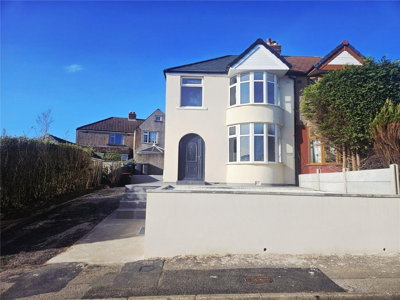
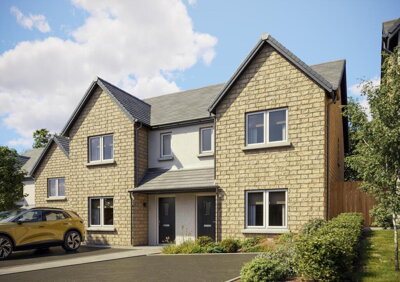
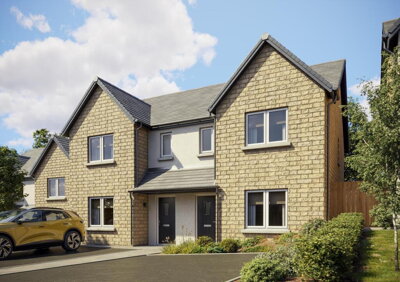
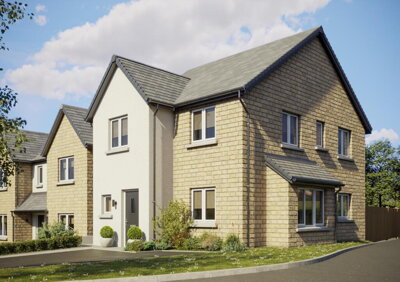
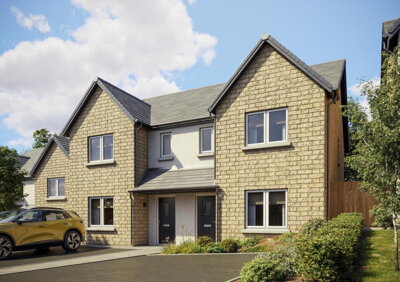
Browse 5 homes new builds in Morecambe, Lancaster from local developer agents.
Three bedroom properties represent a significant portion of the Morecambe housing market, offering space for families with multiple reception rooms and gardens in many cases. Browse detached, semi-detached, and terraced options ranging across new residential developments.
£210k
68
9
92
Source: home.co.uk
Showing 68 results for 3 Bedroom Houses new builds in Morecambe, Lancaster. 9 new listings added this week. The median asking price is £210,000.
Source: home.co.uk
Semi-Detached
49 listings
Avg £227,687
Terraced
16 listings
Avg £168,797
Detached
3 listings
Avg £381,667
Source: home.co.uk
Source: home.co.uk
The Morecambe property market presents compelling opportunities for buyers at various price points. Detached properties command the highest prices with a median of £288,750, offering generous space for families seeking room to grow. Semi-detached homes, which account for over half of all sales in the area at 50.5%, typically sell for around £197,000, providing excellent value for three-bedroom family accommodation close to schools and local amenities. The abundance of semi-detached housing reflects the town's development history as a popular seaside resort during the Victorian and Edwardian eras, when the railway brought visitors from Manchester and Leeds seeking sea air and entertainment.
Terraced properties represent another attractive segment of the market, with median prices around £150,000, making them particularly accessible for first-time buyers entering the property ladder. Flats and apartments offer the most affordable entry point at approximately £107,750 to £117,500, perfect for singles, couples, or investors seeking rental opportunities. Rightmove data shows an average asking price of £190,542, with flats averaging £117,501 and terraced homes at £159,539. The Bay Mill development on Bold Street has introduced 42 new one and two-bedroom apartments to the market, offering modern specification with parking and EV charging points for those preferring new build properties.
Price growth has been modest but consistent, with PropertyResearch.uk reporting a 2.2% increase over the past 12 months based on Land Registry sales data. However, Rightmove indicates that while sold prices over the last year were 2% down on the previous year, they sit 2% above the 2023 peak, suggesting a stabilising market after earlier gains. GetAgent data shows asking prices have shifted by -3% in the past six months, indicating some cooling as affordability constraints affect buyer activity across the region.
Morecambe offers a distinctive coastal lifestyle that combines seaside relaxation with practical town amenities. The town centre centres around the promenade and Central Pier, where residents enjoy sweeping views across Morecambe Bay to the distant Cumbrian hills. The West End neighbourhood has undergone significant regeneration in recent years, with Placefirst completing over 100 new homes and continuing investment through the Bay Mill development. This ongoing renewal reflects growing confidence in Morecambe's future, particularly following the announcement of the £50 million Eden Project development that will transform the town's tourism appeal and local economy.
The population of approximately 35,000 creates a friendly, community-focused atmosphere where neighbours recognise each other and local businesses thrive. The built-up area maintains a settled feel, with established parks, traditional pubs, independent shops, and familiar high street names serving everyday needs. Fish and chip shops, ice cream parlours, and seaside amusements preserve the traditional seaside character that has drawn visitors to Morecambe for over a century. Beyond the coast, the Lancashire countryside opens up for walks and outdoor activities, while the nearby Lake District national park lies within easy reach for weekend adventures.
The Eden Project represents the most significant investment in Morecambe's future, with £50 million of funding secured to create a major new attraction. Construction is underway on the coastal site, and when complete, the development is expected to attract hundreds of thousands of visitors annually, supporting local jobs and boosting the wider economy. For property buyers, this investment signals long-term confidence in Morecambe's potential and may support property values as the town transforms into a destination for sustainable tourism and environmental education.

Understanding the types of properties available in Morecambe helps buyers narrow their search effectively. The town's housing stock spans multiple eras, from Victorian and Edwardian terraces built to accommodate seaside visitors to post-war semi-detached homes constructed for growing families. Most residential areas developed between 1870 and 1930, creating a predominance of solid-wall construction properties with traditional brick and stone facades. These older properties offer character and solid construction but may require attention to damp proofing, roof condition, and energy efficiency upgrades.
Semi-detached homes dominate the Morecambe residential landscape, accounting for over 50% of all sales in the area. These properties typically date from the interwar period (1919-1945) and offer three bedrooms, gardens front and rear, and garages or driveways on larger plots. Detached properties are less common and command premium prices, often found in established suburbs like Torrisholme and Heysham, where larger plots allow for spacious family homes with bay views. The coastal defences constructed in the late 1920s and 1930s used concrete and natural limestone from local quarries, materials reflected in some period properties along the seafront.
New build activity has increased in recent years, with Placefirst leading the West End regeneration programme. Beyond Bay Mill on Bold Street, which offers 42 apartments with EV charging and renewable energy features, the development company has already delivered 107 homes in the neighbourhood. Plans have also been approved for up to 130 dwellings off Powder House Lane in Torrisholme, on land between Morecambe and Lancaster that was formerly Green Belt. This development, from Wrenman Strategic Land, will include substantial public open space and represents continued growth in the area.
Families considering a move to Morecambe will find a range of educational options across all age groups. Primary schools serving the town include Morecambe Road Primary School, West End Primary School, and Sandylands Primary School, each serving their local neighbourhoods. The town hosts several primary schools serving local neighbourhoods, with most children progressing to secondary education in Morecambe or nearby Lancaster. Parents should research individual school Ofsted ratings and catchment areas, as these significantly influence property values in specific streets and neighbourhoods throughout the town.
Secondary education in Morecambe includes Morecambe High School and Saint Mary's Catholic College, serving students from Year 7 through to sixth form. The Bay Campus in Lancaster offers further education opportunities accessible via regular bus services or the scenic coastal train line, providing vocational and academic courses for students post-16. For academically selective education, Lancaster Grammar Schools attract students from across the region, with admission based on entrance examination performance. Some families prioritize proximity to these schools when choosing where to live, factoring travel arrangements into their property search.
Higher education options include the University of Lancaster, situated a short drive or bus ride from Morecambe, meaning families can plan for the long term knowing undergraduate options are nearby without requiring a major relocation. The university ranks among the top UK institutions and attracts students nationally and internationally. When purchasing property in Morecambe, buyers with school-age children should confirm current school admissions policies, as catchment boundaries can affect which institutions children attend. Estate agents frequently highlight proximity to popular schools as a key selling point, and properties within good school catchments often command premiums in this market.
Morecambe benefits from practical transport connections that balance coastal tranquility with commuting feasibility. Bay railway station provides regular services to Lancaster in under ten minutes, with onward connections to major cities including Manchester, Liverpool, and Leeds. Direct trains to Lancaster connect with the West Coast Main Line, opening up longer-distance travel options for professionals working in regional centres. The Bay Gateway road improvement has significantly enhanced road connections between Morecambe and Lancaster, reducing journey times by car and improving access to the M6 motorway at junction 34.
For commuters travelling to Lancaster, the train service runs throughout the day with good frequency during peak hours. Lancaster itself offers direct services to Birmingham New Street, London Euston via the West Coast Main Line, and Edinburgh. Manchester Airport is accessible via a change at Lancaster or Preston, making international travel feasible for Morecambe residents. The relatively short commute to Lancaster makes Morecambe attractive for workers who need city access but prefer coastal living with lower housing costs and better quality of life.
Local bus services operate throughout Morecambe, connecting residential areas with the town centre, seafront, and neighbouring communities including Heysham and Lancaster. For commuters working from home or seeking slower-paced lifestyles, Morecambe's transport links offer a viable middle ground between rural seclusion and urban connectivity. Parking availability varies across different neighbourhoods, with newer developments like Bay Mill including allocated parking while older terraced streets may rely on on-street parking. Cyclists benefit from the relatively flat terrain in many areas, though coastal winds can make cycling challenging during winter months.
Before scheduling viewings, obtain a mortgage agreement in principle from a lender or mortgage broker. This confirms your budget based on your financial circumstances and demonstrates to estate agents and sellers that you are a serious buyer with financing already arranged. Having this in place accelerates the buying process once you find a property you want to purchase.
Explore different areas of Morecambe, from the regenerating West End with its new build developments to established residential streets near schools in the Torrisholme area. Consider factors like flood risk for coastal locations, leasehold terms for flats, proximity to amenities, and transport connections when narrowing your search. We recommend spending time in each neighbourhood at different times of day before committing to an area.
Contact estate agents listing properties in your chosen areas and schedule viewings. Take notes on property condition, ask about recent works, renovation history, and any issues the current owners are aware of. We suggest assessing the neighbourhood at different times of day, including evening visits, to understand noise levels, street activity, and parking availability before making an offer.
Once your offer is accepted, book a RICS Level 2 Home Survey before completing. For Morecambe's older properties, this survey will identify any structural issues, damp problems, or roof concerns that might affect your purchase. Given the town's coastal location and the age of much of its housing stock, we strongly recommend this survey to understand what you are buying and factor any necessary repairs into your budget.
Appoint a solicitor to handle the legal transfer of ownership. They will conduct searches including local authority, drainage, and environmental checks, review contracts, and coordinate with your mortgage lender to ensure a smooth transaction. Lancaster-based conveyancing solicitors frequently handle Morecambe transactions and are familiar with local issues including flood risk areas and any planning constraints.
After satisfactory survey results and receiving your formal mortgage offer, your solicitor will arrange the exchange of contracts and set a completion date. On completion day, you receive the keys and can move into your new Morecambe home. We recommend arranging buildings insurance from completion date onwards and notifying utility companies of your move in advance to ensure services are connected when you take ownership.
Property buyers in Morecambe should pay particular attention to flood risk considerations given the town's coastal location. Properties along Marine Road East and Central areas fall within designated Flood Warning Areas, and historical records show significant flooding occurred in 1977 when severe weather affected over 1,300 local properties. When viewing properties in these areas, ask about any flood resilience measures, previous flooding incidents, and whether the property has appropriate insurance available at reasonable cost. A RICS Level 2 survey will assess flood risk and any resulting property condition concerns that buyers should factor into their purchase decisions.
Coastal erosion affects some parts of Morecambe Bay, and buyers should understand the long-term implications for specific locations. Beach erosion has worsened in certain areas due to changes in the bay's natural tidal patterns, and while coastal management strategies are in place, these are important considerations for property values and insurance costs over time. Predictions for 2050 indicate that rising sea levels may increase flood risk for areas of Morecambe and Lancaster, making flood resilience measures increasingly relevant for coastal properties.
For flat buyers, verify lease terms carefully, including ground rent arrangements and service charges, as these ongoing costs vary significantly between developments. The Bay Mill development includes modern service charge arrangements with transparent costs, while older blocks may have more complex or escalating ground rent clauses. Properties in the West End regeneration areas benefit from modern construction and contemporary standards, while older Victorian and Edwardian terraces offer character but may require more maintenance investment. We recommend asking about planned maintenance, recent service charge expenditure, and any major works already approved when viewing leasehold properties.

Morecambe faces flood risk from multiple sources including rivers, the sea, and surface water, making environmental risk assessment an important part of any property purchase. The Lancashire coastline at North Morecambe Town, along Marine Road East and Central to the Midland Hotel, is designated as a Flood Warning Area by the Environment Agency. Properties in these locations face a greater than 1% probability of flooding from the sea in any given year, and buyers should Factor this risk into their purchase decisions and budget for appropriate insurance.
Historical flooding events provide context for understanding risk levels. The severe gales, high tides, and heavy rain in 1977 caused widespread flooding in North Lancashire, with over 1,300 properties flooded in Morecambe alone. While such events are rare, climate change projections suggest increased risk of extreme weather events in the future. The South Morecambe Bay area has flood alerts and warnings, broadly equating to areas with a greater than 1% flood risk in any year. We recommend requesting information about any previous flooding at the property and checking what flood resilience measures have been installed.
Coastal erosion presents additional considerations for long-term property ownership in Morecambe. Erosion of salt marshes in Morecambe Bay is a concern, with studies underway to understand and combat it. Beach erosion has worsened due to the location of the promenade, the building of the sea wall, and natural regime changes within Morecambe Bay. Coastal management strategies are in place to manage erosion and flood risk, and the local authority continues to invest in sea defences. For buyers, these factors suggest prioritizing modern properties with contemporary construction standards and adequate flood resilience features where possible.
The average house price in Morecambe is £195,464 according to HM Land Registry data, with Rightmove reporting £190,542 and Zoopla indicating £196,663 for average sold prices. Detached properties average around £288,750, semi-detached homes approximately £197,000, terraced properties near £150,000, and flats around £107,750 to £121,000. House prices have increased by approximately 2-3.5% over the past year, reflecting steady demand in this coastal market. Morecambe remains significantly more affordable than many other seaside towns in northwest England, making it attractive for first-time buyers and families seeking coastal living at accessible price points.
Properties in Morecambe fall under Lancaster City Council authority for council tax purposes. Council tax bands range from A to H depending on the assessed value of the property, with most terraced homes and smaller properties in bands A to C, offering lower annual charges. A typical band B property in the Morecambe area would pay around £1,400 to £1,600 per year, while band D properties are typically in the £1,800 to £2,000 range. Prospective buyers should check specific bandings with Lancaster City Council or the Valuation Office Agency, as the band affects ongoing housing costs and should be factored into overall affordability calculations alongside mortgage payments and other purchase costs.
Morecambe offers several primary and secondary schools serving local families, though school performance varies across the town. Primary schools include Morecambe Road Primary School, West End Primary School, and Sandylands Primary School, each serving their respective neighbourhoods. For secondary education, Morecambe High School and Saint Mary's Catholic College provide GCSE and A-level programmes. Parents should consult recent Ofsted reports to identify the best options for their children, as school quality directly affects catchments and property desirability in surrounding streets. Lancaster's grammar schools and private education options provide additional choices for families seeking selective or independent schooling, though these require travel arrangements from Morecambe.
Morecambe is well connected via Bay railway station, offering regular services to Lancaster in under ten minutes with connections to Manchester, Liverpool, Leeds, and the West Coast Main Line. The train service runs throughout the day with good frequency, making commuting to Lancaster feasible for professionals working in the city. Direct services connect to London Euston via the West Coast Main Line, with journey times of around three hours from Lancaster. Local bus services operate throughout Morecambe, connecting residential areas with the town centre, seafront, and neighbouring communities, while the Bay Gateway provides efficient road access to Lancaster and the M6 motorway at junction 34. For commuters, Morecambe offers a viable balance between coastal living and access to regional employment centres.
Morecambe presents solid investment potential for several reasons aligned with current market conditions and future developments. Property prices remain significantly below the national average, limiting downside risk while offering growth opportunities as the town regenerates. The £50 million Eden Project development is expected to boost tourism and local economic activity, potentially supporting property values and rental demand as the attraction draws hundreds of thousands of visitors annually. Rental demand exists from professionals working in Lancaster, retirees seeking coastal living, and holidaymakers interested in short-term letting opportunities. However, buyers should consider coastal flood risk, potential insurance costs, and the need for ongoing maintenance in older housing stock when evaluating investment returns. Properties in regeneration areas like the West End may offer stronger capital growth prospects due to ongoing investment in the local area.
Standard SDLT rates apply to properties in Morecambe as it falls outside London and the South East. First-time buyers pay nothing on properties up to £425,000, then 5% on the portion between £425,000 and £625,000. Other buyers pay 0% up to £250,000, 5% on £250,000 to £925,000, 10% on £925,000 to £1.5 million, and 12% above £1.5 million. Given Morecambe's average price of around £195,000, most properties fall within the lowest SDLT band, meaning first-time buyers would pay zero SDLT and other buyers would pay nothing on the first £250,000. This makes purchase costs very manageable compared to properties in higher-priced regions, allowing buyers to allocate more budget toward the property itself or renovation works.
The primary risks when buying property in Morecambe relate to its coastal location and the age of much of its housing stock. Flood risk affects properties along Marine Road East and Central areas, which fall within designated Flood Warning Areas, and buyers should verify adequate insurance is available before completing. Coastal erosion is a consideration for some bay locations, with long-term implications for property values and maintenance costs. Older properties, particularly Victorian and Edwardian terraces, may have issues with damp, roof condition, or outdated electrical systems that require investment. We recommend a thorough RICS Level 2 survey for any property in Morecambe to identify these issues before purchase. Limited stock in certain market segments can also create competitive conditions, with multiple buyers pursuing the same properties and potentially driving prices above asking.
Buying a property in Morecambe involves several costs beyond the purchase price that buyers should budget for carefully. Stamp Duty Land Tax represents the most significant upfront expense, though at Morecambe's average price of around £195,000, most buyers pay little or no SDLT. First-time buyers purchasing properties up to £425,000 can benefit from relief, paying nothing on the first £425,000 of their purchase. For a typical £195,000 terraced home, first-time buyers would pay zero SDLT, while other buyers would pay nothing on the first £250,000, with the remainder falling in the standard bands.
Survey costs for Morecambe properties typically range from £395 to £1,250 depending on property value and size, with a standard RICS Level 2 Home Survey recommended for most purchases. Older properties may incur higher survey fees due to their construction complexity and potential for defects. Conveyancing fees usually start from around £499 for standard transactions, though complex purchases involving leasehold properties, new builds, or unusual terms may cost more. We recommend obtaining quotes from several local conveyancing solicitors to compare costs and services. Mortgage arrangement fees vary by lender but often range from zero to £1,500, with some deals offering cashback or free valuations to offset these costs.
Buyers should also budget for searches, land registry fees, and removal costs. Local authority searches, drainage and water searches, and environmental searches typically total £250 to £400. Land registry fees for registering your ownership are modest, usually under £200. Removal costs vary significantly based on distance and volume of belongings, ranging from £500 to £2,000 for a typical household move. Altogether, these additional costs typically total 2-4% of the property price, so a £195,000 home would require approximately £4,000 to £8,000 for associated buying costs beyond the deposit and mortgage. We recommend setting aside a contingency fund for unexpected expenses discovered during surveys or conveyancing.
From 4.5%
Compare mortgage deals from leading lenders to find the right finance for your Morecambe property purchase
From £499
Expert property solicitors handling your legal work from offer to completion
From £395
Professional home survey identifying defects before you buy
From £85
Energy performance certificate for your new property
Properties New Builds In London

Properties New Builds In Plymouth

Properties New Builds In Liverpool

Properties New Builds In Glasgow

Properties New Builds In Sheffield

Properties New Builds In Edinburgh

Properties New Builds In Coventry

Properties New Builds In Bradford

Properties New Builds In Manchester

Properties New Builds In Birmingham

Properties New Builds In Bristol

Properties New Builds In Oxford

Properties New Builds In Leicester

Properties New Builds In Newcastle

Properties New Builds In Leeds

Properties New Builds In Southampton

Properties New Builds In Cardiff

Properties New Builds In Nottingham

Properties New Builds In Norwich

Properties New Builds In Brighton

Properties New Builds In Derby

Properties New Builds In Portsmouth

Properties New Builds In Northampton

Properties New Builds In Milton Keynes

Properties New Builds In Bournemouth

Properties New Builds In Bolton

Properties New Builds In Swansea

Properties New Builds In Swindon

Properties New Builds In Peterborough

Properties New Builds In Wolverhampton

Enter your details to see if this property is within your budget.
Loans, cards, car finance
Estimated property budget
Borrowing + deposit
You could borrow between
Typical borrowing
Monthly repayment
Est. at 4.5%
Loan-to-value
This is an estimate only. Your actual budget may vary depending on interest rates, credit history, and personal circumstances. For an accurate affordability assessment, speak to one of our free mortgage advisors.
This calculator provides estimates for illustrative purposes only and does not constitute financial advice. Your home may be repossessed if you do not keep up repayments on your mortgage. Estimates based on 4.5% interest rate, repayment mortgage. Actual rates depend on your circumstances.
Homemove is a trading name of HM Haus Group Ltd (Company No. 13873779, registered in England & Wales). Homemove Mortgages Ltd (Company No. 15947693) is an Appointed Representative of TMG Direct Limited, trading as TMG Mortgage Network, which is authorised and regulated by the Financial Conduct Authority (FRN 786245). Homemove Mortgages Ltd is entered on the FCA Register as an Appointed Representative (FRN 1022429). You can check registrations at NewRegister or by calling 0800 111 6768.

We use cookies to show you personalised content and improve your experience of our website. Find out more in our Privacy policy and Cookie policy.