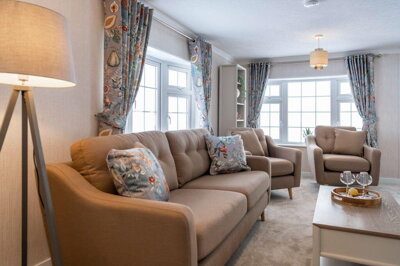
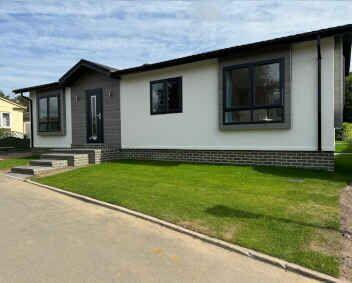
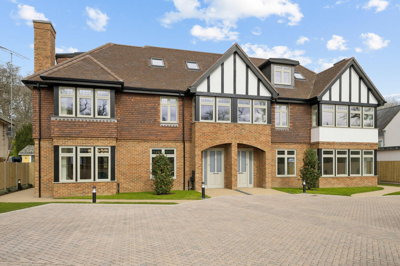
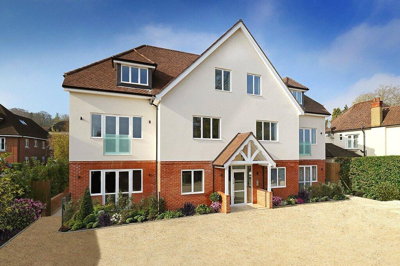
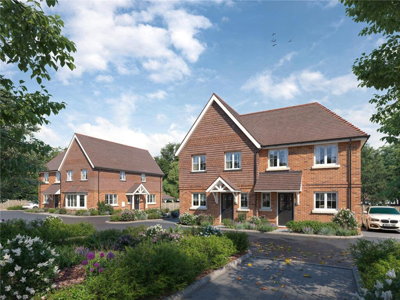
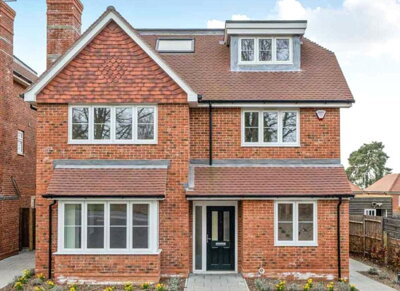
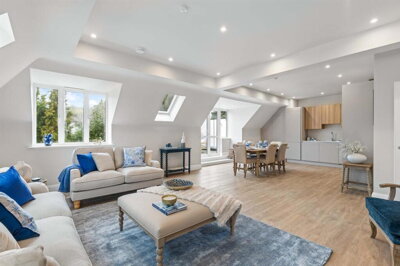
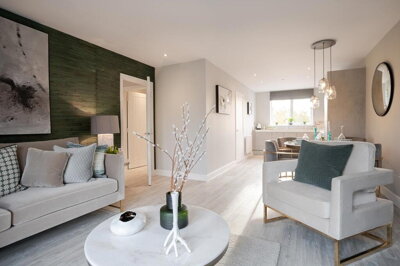
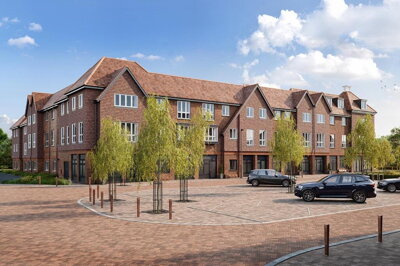
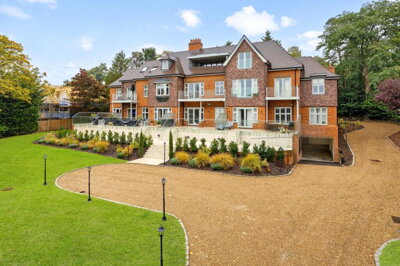
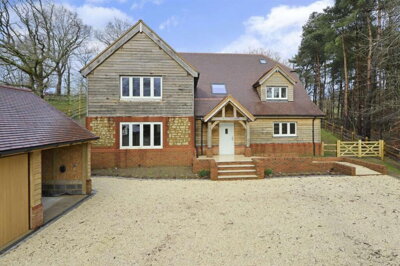
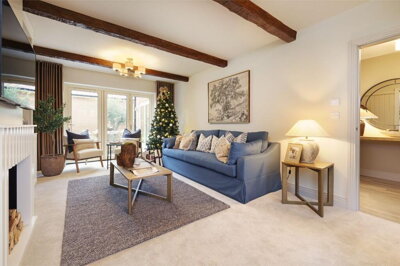
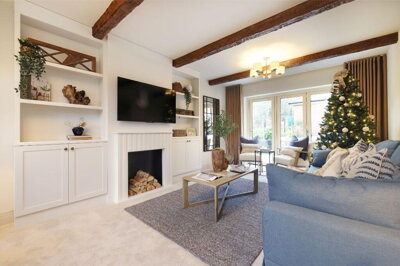
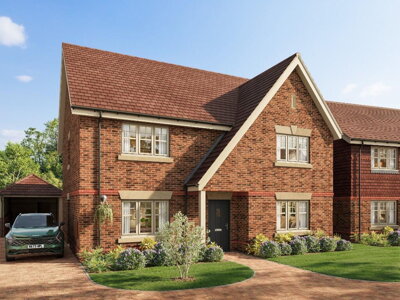
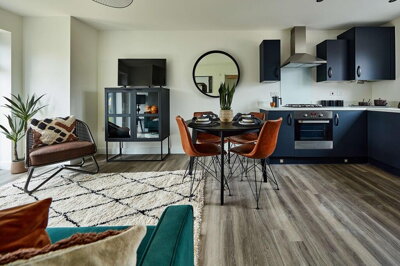
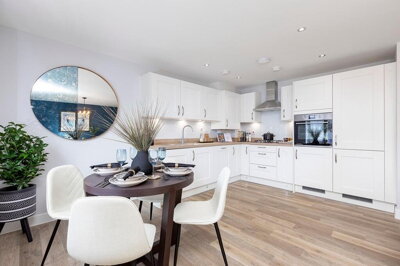
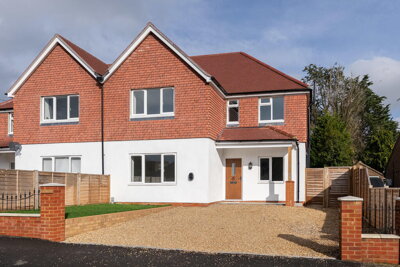
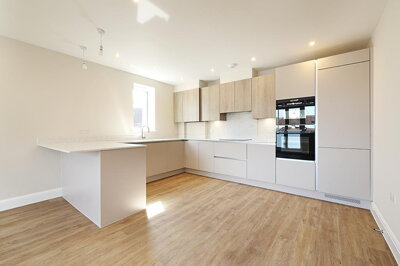
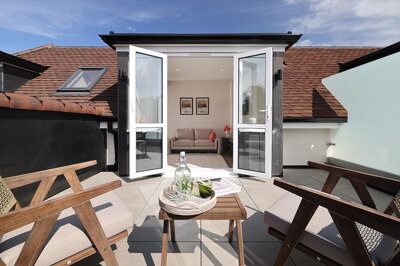
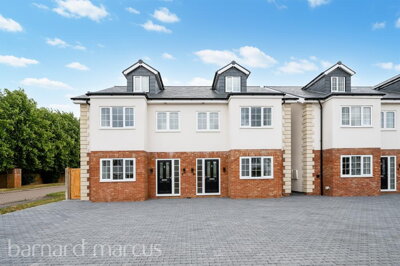
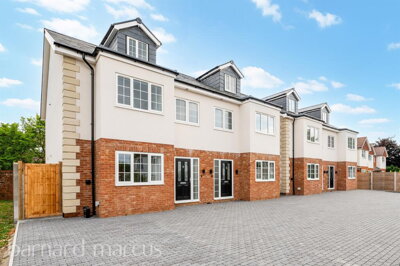
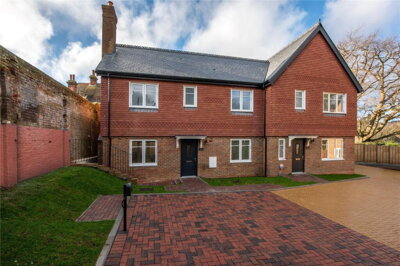
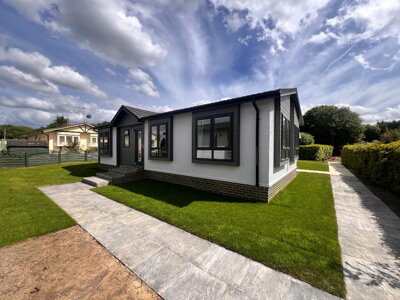
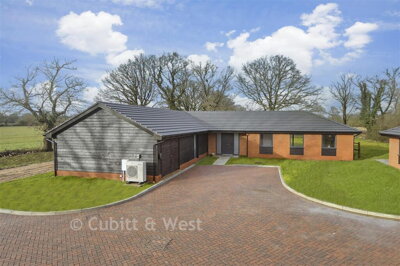
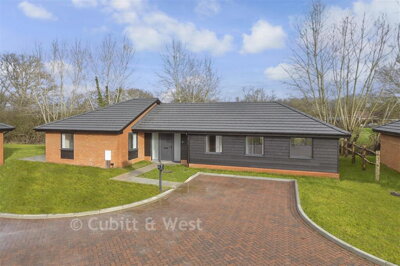
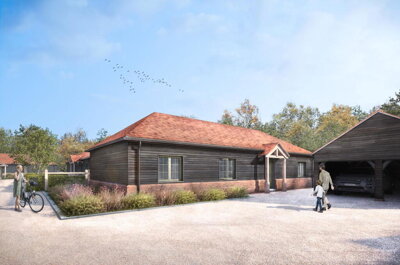
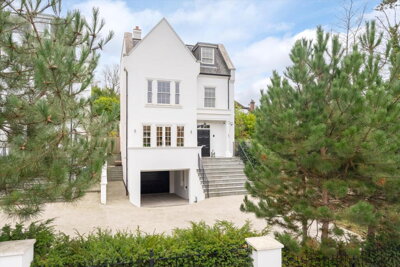
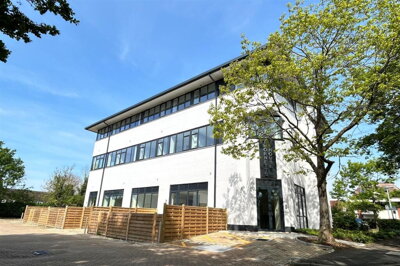
Browse 70 homes new builds in Mole Valley from local developer agents.
The Wold Newton property market reflects the character of this small rural community, offering buyers a distinctive range of homes that differ significantly from the broader North East Lincolnshire averages. Our current listings showcase detached properties commanding prices around £402,000, reflecting the generous plot sizes and rural positioning that appeal to families seeking more space than urban alternatives can provide. Semi-detached homes in the village typically trade around £385,667, representing strong value for buyers who want substantial accommodation without the premium attached to fully detached properties. These figures stand notably higher than the wider North East Lincolnshire average of £148,000 for all property types, demonstrating the premium associated with village living in the Lincolnshire Wolds.
The market here operates with a degree of scarcity that buyers should note when planning their search. Rightmove records indicate limited activity with only four properties sold in the past year, a common characteristic of small village markets where transactions occur less frequently but with meaningful price movements. This thin market can result in significant price variations between individual sales, with the 121% year-on-year increase potentially reflecting a small number of higher-value transactions rather than uniform appreciation across all properties. Terraced properties, though less common in Wold Newton, occasionally appear at lower price points around £80,000, offering an accessible entry point to village life for first-time buyers or investors. This limited supply means prospective purchasers should act decisively when suitable properties become available.
For buyers coming from the nearby town of Grimsby, where average property prices sit around £148,000, the step up to Wold Newton represents a significant lifestyle choice as much as a financial decision. The premium reflects the additional land, the rural setting, and the particular character of properties in an Area of Outstanding Natural Beauty. We recommend that buyers factor in viewing properties across different price points to understand what their budget can achieve in this village market before making a final decision on which properties to pursue seriously.

Life in Wold Newton centres on community spirit and the rhythms of rural Lincolnshire, where neighbours know one another and local events bring residents together throughout the year. The village pub serves as a social hub, offering hearty meals and a warm welcome to newcomers, while the historic church stands as the area's long heritage dating back centuries. Walking enthusiasts particularly appreciate the network of public footpaths that traverse the surrounding farmland, connecting Wold Newton to neighbouring villages and offering stunning views across the Lincolnshire Wolds landscape. The public right of way network provides miles of walking routes through fields, woodland, and along country lanes, making this area particularly attractive to those who enjoy outdoor recreation.
The broader North East Lincolnshire area provides additional amenities within a short drive, with the town of Grimsby offering supermarkets, healthcare facilities, and retail shopping for residents who need more than the village provides. Families gravitate toward Wold Newton for its safe environment, where children can play freely and the traffic through the village creates a peaceful atmosphere unsuitable for younger households. The absence of major road noise and the dark skies away from urban light pollution add to the quality of life that attracts buyers seeking an escape from city living. Local community events throughout the year, from harvest festivals to summer fetes, provide regular opportunities for residents to socialise and build lasting connections with their neighbours.
The village position within the Lincolnshire Wolds AONB means that residents benefit from protection of the natural landscape while enjoying access to one of England's most beautiful Areas of Outstanding Natural Beauty. This designation helps maintain property values by preserving the rural character that makes Wold Newton attractive in the first place, while also attracting visitors who support the local economy through tourism and hospitality spending. The combination of natural beauty, community spirit, and proximity to larger towns makes Wold Newton an increasingly sought-after location for buyers who want the best of both rural and urban living.

Education provision for Wold Newton families relies primarily on schools in the surrounding villages and towns, with several well-regarded primary schools serving the local area within a reasonable commuting distance. Parents should research catchment areas carefully when considering properties in Wold Newton, as primary school admissions policies can significantly impact daily family routines. Schools in nearby villages such as Barnoldby le Beck, Laceby, and Waltham serve the surrounding rural communities and generally receive positive reports from parents who appreciate their community-focused approach to primary education. The village position means that school transport arrangements become an important factor in the decision-making process for families with children of primary school age.
Secondary education options in the region include both comprehensive schools and grammar schools, with Lincolnshire operating a selective education system that means entrance examinations play a role in determining school placement. Secondary schools in nearby towns such as Grimsby, Cleethorpes, and Louth serve the wider area, with some families choosing independent education options for pupils with particular academic or sporting talents. Grimsby offers several secondary schools with established reputations, while the grammar schools in the region attract students from across North East Lincolnshire and the surrounding villages. Parents should verify current school performance data and admission arrangements before committing to a property purchase.
Sixth form provision expands further afield, with colleges in Grimsby and surrounding market towns offering A-level courses and vocational qualifications to meet diverse educational pathways. For families considering Wold Newton as a long-term home, the availability of good schools within reasonable travelling distance adds to the area's appeal for those at different stages of family life. Independent schools in the region provide additional options for parents seeking alternative educational approaches, though these require additional budgeting beyond state provision.

Transport connections from Wold Newton reflect its rural village character, with residents typically relying on private vehicles as the primary means of getting around. The A46 and A18 roads provide reasonable access to larger towns, connecting Wold Newton with Grimsby to the east and Lincoln to the west for those who need to commute regularly. The journey to Grimsby takes approximately 20-25 minutes by car, while Lincoln can be reached in around 45 minutes depending on traffic conditions. The nearest railway stations can be found in Grimsby and Cleethorpes, offering connections to major cities including Sheffield, Manchester, and Nottingham via the national rail network.
Bus services operate in the area but with limited frequency, making a car almost essential for residents who need to travel for work, shopping, or social activities outside the village. Prospective residents should check local bus timetables carefully to understand the practical limitations of public transport in the village before committing to a purchase. Cyclists benefit from quieter rural lanes, though the rolling terrain of the Lincolnshire Wolds can make cycling more demanding than in flatter regions. The National Cycle Network passes through the area, providing options for recreational cycling and shorter local journeys for those who are fit enough to handle the hills.
For those working in Hull or Leeds, the village position means factoring in longer commute times, though the relative affordability compared to properties closer to major employment centres can offset the travel inconvenience for some buyers. Many residents who work in Grimsby or the surrounding area find the village position ideal, enjoying a peaceful home life while maintaining reasonable access to their workplace. The village position within the Lincolnshire Wolds does mean that winter driving conditions can be more challenging than in urban areas, with rural roads potentially affected by ice and snow during colder months.

Begin by exploring current listings in Wold Newton and understanding the price ranges for different property types. Given the limited number of properties available at any one time, setting up saved searches and alerts will help you respond quickly when new homes come to market. The village market moves differently from urban areas, with fewer transactions but potentially longer marketing periods for individual properties. Understanding the local market dynamics, including typical time on market and vendor motivation, can help you time your offer effectively.
Contact local mortgage brokers or banks to obtain an agreement in principle before beginning property viewings. This demonstrates your financial readiness to sellers and estate agents, strengthening your position in a market where multiple interested parties may pursue the same property. Given that detached properties in Wold Newton average around £402,000, prospective buyers should ensure their borrowing capacity aligns with the upper end of the local market. Mortgage brokers familiar with rural properties can also advise on any unique financing considerations for older village homes.
Visit properties that match your requirements and assess their condition, surroundings, and proximity to local amenities. Pay particular attention to the age of the property, any signs of maintenance issues, and whether the home would suit your current and future needs. In a village like Wold Newton, viewing properties at different times of day and week can reveal different aspects of the local area, from traffic patterns to noise levels from nearby farms. Ask estate agents about the local community and any upcoming developments that might affect the area.
Before completing your purchase, arrange for a qualified surveyor to conduct a Level 2 HomeBuyer Report. This inspection identifies structural issues, maintenance concerns, and any defects specific to older rural properties that may not be apparent during a standard viewing. Older properties in Wold Newton may feature traditional construction methods that require specialist knowledge to assess properly, including solid wall construction, older roof structures, and period features that require careful maintenance.
Appoint a solicitor with experience in rural property transactions to handle the legal aspects of your purchase. They will conduct local searches, check the title deeds, and manage the exchange of contracts through to completion. Rural properties may involve additional legal considerations including rights of way, agricultural covenants, and drainage arrangements that differ from standard urban transactions. Your solicitor should have experience with properties in the Lincolnshire Wolds area to anticipate any issues that might arise.
Once all searches are satisfactory and finances are confirmed, you will exchange contracts and pay your deposit. Completion typically follows within a few weeks, at which point you will receive the keys to your new Wold Newton home. In a thin market like Wold Newton, maintaining good communication with all parties helps ensure a smooth transaction despite the complexities of rural property purchases. Factor in additional time for any unexpected issues that may arise with older properties or unique aspects of village living.
Properties in rural Lincolnshire villages like Wold Newton often feature traditional construction methods that buyers should understand before committing to a purchase. Older stone and brick properties may have solid walls rather than cavity wall insulation, which affects heating efficiency and retrofitting potential for energy improvements. A thorough building survey can identify these characteristics and advise on any necessary works to bring the property up to modern standards while preserving its character. The age of properties in the village means that many will have been built before modern building regulations, which can affect everything from electrical systems to structural modifications made over the years.
Rural properties frequently come with larger gardens and land holdings that require ongoing maintenance throughout the year. Prospective buyers should factor in the costs and time commitments associated with larger outdoor spaces, including fencing repairs, tree management, and general grounds maintenance. Properties bordering farmland may also experience agricultural noise and smells, particularly during planting and harvesting seasons, which visitors to the area might not anticipate when first viewing properties. The views across the Lincolnshire Wolds that make these properties so attractive also mean that neighbouring land use can change over time as farming practices evolve.
Drainage and sewage systems in rural villages sometimes differ from urban standards, with properties relying on private septic tanks or cesspits rather than mains sewerage. These systems require regular emptying and maintenance, with costs that buyers should budget for alongside their purchase and moving expenses. Your conveyancing solicitor should confirm the drainage arrangements for any property and include appropriate enquiries in the local search process. Properties with private water supplies, which are more common in rural areas, also require careful consideration regarding water quality, testing requirements, and maintenance responsibilities.
The condition of boundaries and outbuildings deserves particular attention when viewing rural properties in Wold Newton. Fencing between agricultural land and residential gardens may be the responsibility of the property owner, and older boundary walls may require significant maintenance investment. Outbuildings such as barns, stables, and stores add value and utility to rural properties but may require updating to meet modern standards for electrical safety, insulation, or structural integrity. Including these potential costs in your budget before making an offer helps avoid financial surprises after purchase.

The average house price in Wold Newton, North East Lincolnshire, was £355,625 over the past year according to available market data. Detached properties average around £402,000, while semi-detached homes trade at approximately £385,667. Terraced properties are less common but can be found from around £80,000. The relatively small number of transactions in this village market means buyers should treat these figures as indicative rather than precise, as individual property prices can vary significantly based on condition, size, and specific location within the village. The 121% increase compared to the previous year may reflect a small number of high-value sales rather than uniform appreciation across all properties.
Properties in Wold Newton fall under North East Lincolnshire Council administration, which sets council tax bands based on property valuations. Most detached family homes in the village typically fall into bands D through F, while smaller cottages and terraced properties may be in bands B or C. The specific band affects annual council tax payments, so prospective buyers should check individual properties on the Valuation Office Agency website to confirm the exact band and associated annual costs before proceeding with a purchase. Council tax rates for North East Lincolnshire can be verified on the local authority website, where you can also find information about current charges for each band.
Wold Newton village itself does not have its own primary school, so local children typically attend schools in neighbouring villages such as Barnoldby le Beck, Laceby, or Waltham. These primary schools serve the surrounding rural communities and generally receive positive reports from parents. For secondary education, families often consider schools in Grimsby and the surrounding area, with several options available depending on academic emphasis, extracurricular activities, and individual aptitude for grammar school entrance examinations. Lincolnshire operates a selective education system, so families should research grammar school options and entry requirements when planning their move to the area. School performance data is available through Ofsted's website, allowing parents to compare local options before committing to a property purchase.
Public transport connections from Wold Newton are limited, reflecting its status as a small rural village. Bus services operate in the area but with infrequent timetables that make them impractical as a primary commuting option. The nearest railway stations are in Grimsby and Cleethorpes, offering national rail connections to major cities including direct services to Sheffield and Manchester. Most residents rely on private vehicles for daily transportation needs, and this should be factored into any decision to purchase property in the village, particularly for those who work in urban areas. The village position means that owning a car is effectively essential rather than optional, and this should be reflected in your overall household budget calculations.
Property investment in small rural villages like Wold Newton requires careful consideration of the limited rental market and potential for capital growth. The village attracts tenants seeking peaceful countryside living, though demand is naturally lower than in towns or cities due to the smaller population and reduced local employment opportunities. Capital growth potential exists given the relative affordability compared to more accessible locations, with recent data showing significant price movements in the village market. Buyers should recognise that property values in small villages can be more volatile due to the thin market with few annual transactions, meaning longer holding periods may be necessary to realise any capital appreciation.
Stamp Duty Land Tax applies to all residential property purchases in England and is calculated based on the purchase price. For properties under £250,000, no stamp duty is payable on the portion below that threshold. Properties priced between £250,001 and £925,000 attract a 5% rate on that portion. At the village average of £355,625, a buyer who is not a first-time purchaser would pay approximately £5,281 in stamp duty on the portion above £250,000. First-time buyers benefit from relief on properties up to £425,000, meaning no SDLT would be payable on a property at this average price point. Your conveyancing solicitor will calculate the exact SDLT liability based on your circumstances and purchase price.
When viewing properties in Wold Newton, pay particular attention to the construction type and age of the property, as many village homes will be older constructions with solid walls rather than modern cavity wall insulation. Check the condition of the roof, look for signs of damp or subsidence, and ask about the heating system and its efficiency. Rural properties may have private drainage systems that require maintenance, so ask about the last emptying date and any known issues with the septic tank or cesspit. The condition of boundaries and any outbuildings should also be assessed, as these can require significant maintenance investment in rural properties.
Rural villages in the Lincolnshire Wolds often contain period properties and historic buildings that may be listed or located within conservation areas. When viewing properties in Wold Newton, ask the estate agent whether the property is listed or falls within any designated area, as this affects what alterations or extensions may be permitted. Listed buildings require consent from the local planning authority for most works, which can limit future renovation options. Your conveyancing solicitor should verify any heritage designations during the legal process, and a specialist survey may be advisable for historic properties.
Understanding the full costs of buying a property in Wold Newton extends beyond the purchase price to include stamp duty, legal fees, survey costs, and moving expenses. For a typical detached home at the village average of £355,625, a UK buyer who is not a first-time purchaser would pay stamp duty on the amount above £250,000, which at the current 5% rate equates to £5,281.25. First-time buyers would benefit from relief on the first £425,000, meaning no SDLT would be payable on a property at this price point. The threshold and rate structures can change with government budget announcements, so your solicitor will confirm the current rates at the time of your transaction.
Additional costs to budget for include solicitor conveyancing fees, which typically range from £500 to £1,500 depending on the complexity of the transaction and any leasehold elements or unique features of rural property. A RICS Level 2 HomeBuyer Report costs between £350 and £600 depending on property size, while an Energy Performance Certificate is mandatory and costs approximately £80 to £120. Moving costs, buildings insurance from completion date, and potential renovation works should also factor into your financial planning to avoid surprises during the transaction process. For properties with larger gardens or land holdings, grounds maintenance equipment and ongoing garden care costs should also be factored into your household budget.
Mortgage arrangement fees deserve particular attention for buyers financing their purchase with a loan. Many lenders charge booking fees of £100 to £300 and then additional arrangement fees of 0.5% to 1.5% of the loan amount upon completion. These fees can add several thousand pounds to the cost of financing your Wold Newton property and should be weighed against the interest rate benefits offered by different mortgage products. Speaking with an independent mortgage broker before making an offer can help you understand the full financing picture for your purchase and identify the most suitable products for your circumstances. With properties averaging around £355,000 to £402,000 in Wold Newton, most buyers will require significant mortgage finance, making these costs material to the overall transaction.

Properties New Builds In London

Properties New Builds In Plymouth

Properties New Builds In Liverpool

Properties New Builds In Glasgow

Properties New Builds In Sheffield

Properties New Builds In Edinburgh

Properties New Builds In Coventry

Properties New Builds In Bradford

Properties New Builds In Manchester

Properties New Builds In Birmingham

Properties New Builds In Bristol

Properties New Builds In Oxford

Properties New Builds In Leicester

Properties New Builds In Newcastle

Properties New Builds In Leeds

Properties New Builds In Southampton

Properties New Builds In Cardiff

Properties New Builds In Nottingham

Properties New Builds In Norwich

Properties New Builds In Brighton

Properties New Builds In Derby

Properties New Builds In Portsmouth

Properties New Builds In Northampton

Properties New Builds In Milton Keynes

Properties New Builds In Bournemouth

Properties New Builds In Bolton

Properties New Builds In Swansea

Properties New Builds In Swindon

Properties New Builds In Peterborough

Properties New Builds In Wolverhampton

Enter your details to see if this property is within your budget.
Loans, cards, car finance
Estimated property budget
Borrowing + deposit
You could borrow between
Typical borrowing
Monthly repayment
Est. at 4.5%
Loan-to-value
This is an estimate only. Your actual budget may vary depending on interest rates, credit history, and personal circumstances. For an accurate affordability assessment, speak to one of our free mortgage advisors.
This calculator provides estimates for illustrative purposes only and does not constitute financial advice. Your home may be repossessed if you do not keep up repayments on your mortgage. Estimates based on 4.5% interest rate, repayment mortgage. Actual rates depend on your circumstances.
Homemove is a trading name of HM Haus Group Ltd (Company No. 13873779, registered in England & Wales). Homemove Mortgages Ltd (Company No. 15947693) is an Appointed Representative of TMG Direct Limited, trading as TMG Mortgage Network, which is authorised and regulated by the Financial Conduct Authority (FRN 786245). Homemove Mortgages Ltd is entered on the FCA Register as an Appointed Representative (FRN 1022429). You can check registrations at NewRegister or by calling 0800 111 6768.

We use cookies to show you personalised content and improve your experience of our website. Find out more in our Privacy policy and Cookie policy.