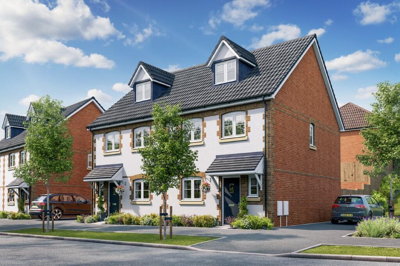
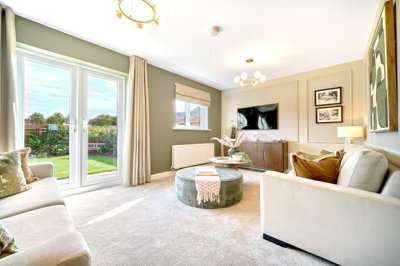
Browse 2 homes new builds in Melbourn, South Cambridgeshire from local developer agents.
The larger property sector typically features multiple bathrooms, substantial reception space, and private gardens or off-street parking. Four bedroom houses in Melbourn span detached, semi-detached, and occasionally terraced configurations, with styles ranging from period properties to modern executive homes.
£650k
18
1
44
Source: home.co.uk
Showing 18 results for 4 Bedroom Houses new builds in Melbourn, South Cambridgeshire. 1 new listing added this week. The median asking price is £650,000.
Source: home.co.uk
Detached
15 listings
Avg £727,000
Semi-Detached
3 listings
Avg £566,667
Source: home.co.uk
Source: home.co.uk
The Melbourn property market has demonstrated remarkable stability over the past year, with the average price paid standing at £463,000 as of February 2026, representing a modest 0.3% increase over the preceding twelve months. This figure aligns closely with the longer-term average of £466,675, suggesting a market that has found its equilibrium after the fluctuations seen during the pandemic years. The current average is approximately 6% below the 2020 peak of £493,966, indicating that prices have moderated from their post-pandemic highs while remaining supported by strong local demand factors. This stability makes Melbourn an attractive option for buyers seeking predictable property values without the volatility seen in some neighbouring areas.
Property types in Melbourn cater to diverse buyer requirements. Detached properties average £630,745 and represent the majority of sales activity, appealing to families seeking generous garden space and off-street parking. Semi-detached homes average £383,662 and offer excellent value for first-time buyers or those upsizing from terraced accommodation. Terraced properties in the village average £380,833, with charming examples often found within walking distance of the village centre. Flats remain less common in this village setting, though conversions along High Street and New Road occasionally appear on the market, with prices around £249,000 for purpose-built units. The mix of property types ensures that buyers across the price spectrum can find suitable options within the village.
Different neighbourhoods within Melbourn command varying price levels based on their desirability and character. Properties in Melbourn Bury average £492,678, representing a slight premium over the village average, with detached properties in this area averaging £707,946. The Melbourn Bury area saw a 2% decrease from the previous year and an 8% reduction from its 2022 peak of £538,111, suggesting some cooling in this formerly hot sub-market. High Street properties average £586,684, with detached houses reaching an impressive average of £805,200, reflecting the premium associated with the village's most prestigious address. New Road offers more accessible entry at £310,833 average, with prices having risen 27% over the past year after significant declines from the 2020 peak of £950,000.

Melbourn's housing stock spans multiple eras of British residential construction, from historic thatched cottages to contemporary new-build developments. The village's historic core features properties constructed using traditional methods common to Cambridgeshire, including timber-framed structures with rendered or brick infill panels. These older properties often feature steep pitched roofs, sometimes covered in clay tiles or thatch, with original sash windows and solid fuel fireplaces that require ongoing maintenance. Understanding the construction era and methods helps buyers anticipate potential issues such as outdated electrical systems, insulation deficiencies, or the need for specialist damp assessments.
The village centre and surrounding streets contain numerous Grade II listed buildings, particularly concentrated along the High Street where heritage designation protects architectural features of historical significance. These listed properties carry specific legal obligations for maintenance and any alterations require consent from South Cambridgeshire District Council. Our team regularly advises buyers on the implications of purchasing listed properties, including the additional costs of specialist materials and contractors, potential restrictions on energy efficiency improvements, and insurance considerations. Despite these constraints, listed properties in Melbourn command premium valuations due to their irreplaceable character and scarcity value.
Modern residential development has added contemporary homes to the village over recent decades, particularly in areas surrounding the historic core. These properties typically feature conventional brick and tile construction, cavity wall insulation, modern central heating systems, and double-glazed windows. They offer the advantage of compliance with contemporary building regulations and generally lower maintenance requirements compared to period properties. However, even newer homes benefit from professional surveys, as construction defects can occur in any property regardless of age. Our inspectors in Melbourn have encountered issues ranging from inadequate foundations on variable local soils to poor workmanship in newly-constructed properties.

Melbourn is a thriving village community set within the scenic South Cambridgeshire countryside. The village maintains a traditional character, with a conservation area centred around the historic High Street where you will find a select collection of shops, a village store, and traditional public houses serving local ales and hearty pub meals. The presence of Grade II listed thatched cottages along the High Street serves as a reminder of the village's heritage, dating back several centuries. Community life revolves around the village hall, local church, and sports facilities including a recreation ground and tennis courts. The annual village fete, regular quiz nights, and various clubs and societies provide ample opportunities for social engagement.
The village strikes an effective balance between rural tranquility and practical accessibility. Daily amenities are available within walking distance, reducing the need for car journeys for routine requirements. For larger shopping requirements, the market town of Royston is a short drive away, offering major supermarkets, high street retailers, and banking facilities. The nearby city of Cambridge, approximately 12 miles distant, provides comprehensive cultural attractions including theatres, museums, and diverse dining options. The surrounding Cambridgeshire countryside offers extensive walking and cycling routes, with the historic market town of Saffron Walden also within easy reach for weekend excursions. The flat terrain characteristic of this part of Cambridgeshire makes cycling particularly practical for commuters and leisure riders alike.
The local economy benefits from proximity to Cambridge's renowned technology and biotech clusters, which attract highly skilled workers seeking accommodation outside the city. Companies based at Cambridge Science Park, the Biomedical Campus, and the various research facilities throughout the city employ thousands of professionals whose commuting requirements drive demand in villages like Melbourn. The presence of these anchor employers supports not only the property market but also local services, with residents benefiting from strong community facilities and excellent transport connections. Families appreciate the combination of good schools, safe streets, and recreational opportunities that make village life particularly attractive for those with children.
Education provision in Melbourn centres on Melbourn Primary School, which serves families with children from Reception through to Year 6. The school occupies a central position within the village and maintains strong ties to the local community. The school benefits from modern facilities while retaining connections to the village's educational heritage spanning multiple generations. For secondary education, pupils typically progress to schools in surrounding towns, with several well-regarded secondary schools and sixth forms accessible via school transport services. Parents are advised to check current catchment areas and admission policies, as these can influence property values significantly in villages like Melbourn where school placement determines which secondary institution a child attends.
The surrounding South Cambridgeshire area is renowned for its excellent educational standards. Several nearby schools consistently achieve above-average results in government performance tables, making the area particularly attractive to families prioritising education. Secondary schools in Royston and Cambridge serve Melbourn residents, with some offering specialist subjects, extensive extracurricular programmes, and strong records of progression to higher education. Sixth form provision is available at schools in Cambridge, Royston, and Saffron Walden, offering A-Level and vocational courses alongside apprenticeships and other pathways. For those seeking private education, a number of independent schools operate within commuting distance, including schools in Cambridge and Hertfordshire. The presence of these educational options adds to the family-friendly credentials of the Melbourn area.
The strong educational reputation of the surrounding area significantly influences property values and buyer interest in Melbourn. Families frequently cite school quality as a primary factor in their decision to relocate to the village, willing to pay premiums for properties within favourable catchment areas. This demand pattern means that properties near good schools and those offering straightforward access to sought-after secondary institutions command higher prices and sell more quickly than comparable properties in less well-served locations. When considering property purchases, we recommend that buyers with school-age children carefully research current admission arrangements and consider how these might change over their anticipated period of residence.
Melbourn benefits from strategic positioning for commuters working in Cambridge, London, and the wider region. The village is situated approximately 3 miles from Meldreth railway station, which provides regular services to Cambridge in around 20 minutes and to London Kings Cross in approximately 50 minutes. This direct rail connection makes Melbourn particularly attractive to professionals working in the capital who wish to enjoy village living without lengthy commutes. Meldreth station offers parking facilities for residents who prefer to drive rather than cycle to the station. Additional rail services operate from Royston station, offering alternative routes and additional frequency for commuters requiring greater flexibility in their travel patterns.
Road connectivity is equally strong, with the A10 running nearby and providing direct access to Cambridge to the north and the market town of Royston to the south. The A10 passes through the village of Foxton and continues to Harston, connecting with the M11 motorway at junction 11 near Cambridge. The M11 provides routes towards London and connects to Stansted Airport within approximately 40 minutes, making international travel highly accessible from Melbourn. Local bus services operate within Melbourn and connect to surrounding villages and towns, though services are less frequent than in urban areas. Car ownership therefore remains advantageous for families and those requiring flexible travel options. Cyclists benefit from the generally flat Cambridgeshire landscape, with several scenic routes available for leisure and commuting purposes along the many lanes and byways surrounding the village.
The practical commuting options available from Melbourn influence both buyer demographics and property values in the village. Professionals working in Cambridge's technology and research sectors frequently choose Melbourn as a base, valuing the combination of village character and excellent transport connections. The relatively short journey times to major employment centres make dual-income households practical, as partners can commute to different locations without excessive travel times. This commuter appeal supports demand for properties at various price points, from modest starter homes to substantial family houses, ensuring a diverse and active local property market.
Contact a local mortgage broker or bank to obtain an Agreement in Principle before viewing properties. This demonstrates your financial credibility to estate agents and sellers, and helps you understand your realistic budget. With Melbourn properties ranging from around £310,000 to £700,000 plus, knowing your limit prevents wasted time on properties outside your range. Mortgage brokers familiar with South Cambridgeshire can advise on products suitable for village properties, including those with unique features like thatch or listed status that may affect lending criteria.
Explore current listings on Homemove to understand the full range of properties available. Consider the different character areas such as the High Street with its premium period properties, New Road offering more accessible options, and Melbourn Bury providing family-sized homes in a quieter setting. Review recent sale prices and compare what each area offers in terms of space, amenities, and commute times to help narrow your search. Understanding the market segments helps you identify the best value within your budget.
Once you have identified suitable properties, arrange viewings through the listed estate agents. Take time to assess the condition of properties, noting features like parking availability, garden orientation, and any signs of maintenance issues. For older properties along the High Street, pay particular attention to the condition of thatched roofs, timber-framed walls, and period features that require specialist maintenance. Document your observations at each viewing to help compare properties objectively later in the process.
Before completing your purchase, arrange a Level 2 Homebuyer Report on the property. This survey identifies structural issues, potential defects, and areas requiring attention. Given the number of older and listed properties in Melbourn, a professional survey is essential to understand the true condition of your chosen home. Our inspectors have experience with the various property types found in the village and can identify issues common to period properties, including timber decay, damp penetration, and subsidence risk. The survey report provides valuable negotiating leverage if significant defects are identified.
Choose a conveyancing solicitor to handle the legal aspects of your purchase. They will conduct searches, review contracts, and liaise with the seller's solicitors on your behalf. Solicitors familiar with South Cambridgeshire transactions can flag any local planning concerns, conservation area restrictions, or rights of way that might affect the property. Given the number of listed buildings in Melbourn, your solicitor should specifically investigate any planning history relevant to the property's condition and any alterations that have been carried out over the years.
Once all searches are satisfactory and contracts are signed, you will exchange deposits and agree on a completion date. On completion day, your solicitor transfers the remaining funds and you receive the keys to your new Melbourn home. We recommend arranging building insurance to commence from the date of exchange, as this is when you become legally responsible for the property. Arrange your removal logistics in advance, particularly if moving from outside the area, to ensure a smooth transition to your new home.
Purchasing a property in Melbourn requires attention to several area-specific considerations that may not apply in urban markets. The village contains a concentration of Grade II listed buildings, particularly along the High Street, which carry specific maintenance obligations and planning restrictions. If you are considering a listed property, you should understand that exterior alterations, even seemingly minor changes like replacing windows or adding satellite dishes, may require Listed Building Consent from South Cambridgeshire District Council. Interior alterations to original features may similarly require consent, and carrying out unauthorised works to a listed building constitutes a criminal offence. Budget accordingly for any works you plan to undertake.
The age variation of properties in Melbourn means that building materials and construction methods vary considerably across the village. Older period cottages may feature traditional construction techniques including timber frames, lath and plaster internal walls, and thatched roofing. These properties require specialist knowledge for maintenance and insurance purposes. Our inspectors frequently encounter issues in period properties such as timber decay in hidden areas, inadequate ventilation leading to condensation and mould, outdated electrical installations, and the gradual deterioration of traditional lime-based mortars and renders. Modern developments, by contrast, typically conform to contemporary building standards with conventional materials, though even new-build properties can harbour defects. When viewing properties, consider requesting information about previous renovations, extension works, and any building regulation approvals obtained by current owners.
Flood risk in Melbourn should be investigated for specific properties, as surface water flooding can affect certain areas during periods of heavy rainfall. Request information about any historical flooding incidents and review the Environment Agency flood maps for the property location. Properties with large gardens or land may offer scope for extension, subject to planning permission, which can add significant value over time. Understanding the South Cambridgeshire Local Plan and any applicable Article 4 directions will help you assess the development potential of any property you are considering. For properties near agricultural land, investigate any planning applications for farm diversification or development that might affect your enjoyment of the property in future.
The average house price in Melbourn over the past year stands at £466,675, with the most recent data showing an average price paid of £463,000 as of February 2026. This represents a modest 0.3% increase over the previous twelve months, indicating a stable market that has settled after the volatility of the pandemic period. Detached properties average £630,745 and represent the largest share of sales, while semi-detached homes average £383,662 and terraced properties around £380,833. Properties along the prestigious High Street command premium prices averaging £586,684, with detached houses on this road reaching an average of £805,200. More affordable options can be found along New Road, where the average property price is £310,833.
Properties in Melbourn fall under South Cambridgeshire District Council's council tax scheme. Bands range from A to H depending on the property's assessed value, with most terraced properties and smaller semis falling into bands B to D. Larger detached family homes typically occupy bands E to G, with the most substantial period properties potentially reaching band H. You can check the specific band for any property via the Valuation Office Agency website or on your local council tax bill. Council tax payments fund local services including education, waste collection, and community facilities, all of which contribute to Melbourn's quality of life.
Melbourn Primary School serves the village for primary education, providing Reception through Year 6 education in a central village location with strong community connections. The school is complemented by several well-regarded primary schools in nearby villages including those in Meldreth, Foxton, and Harston. For secondary education, pupils attend schools in surrounding towns including Royston and Cambridge, with several achieving strong results in GCSE and A-Level examinations. The Melbourn Science Park is also located nearby, providing employment and educational links. Parents should verify current admission arrangements as catchment areas can influence school placements and property values vary accordingly.
Melbourn benefits from good transport connectivity despite its village setting. Meldreth railway station, approximately 3 miles away, offers direct services to Cambridge in 20 minutes and London Kings Cross in around 50 minutes, making it highly practical for commuters. Local bus services connect Melbourn to Royston, Cambridge, and surrounding villages, though services are less frequent than in urban areas. The A10 trunk road provides direct car access to Cambridge and Royston, with the M11 accessible via Cambridge for longer-distance travel. For those working in Cambridge's biotech and technology sectors, the journey by car or rail is manageable on a daily basis.
Melbourn offers several factors that make it attractive for property investment. The village's proximity to Cambridge, combined with the continued growth of the city's technology and biotech sectors, supports demand from commuters seeking village living. The limited supply of properties, combined with the village's character and amenities, tends to maintain values over time. Rental demand exists from professionals working in Cambridge or commuting to London, with rental yields potentially competitive for the area. Properties along High Street and in Melbourn Bury have historically shown strong appreciation, though all property investments carry risks and transaction costs should be carefully considered. The village's conservation area status and limited development opportunities help protect the character that makes the location desirable.
Stamp duty on a property in Melbourn follows standard UK thresholds. For a property at the village average of £466,675, a buyer who is not a first-time purchaser would pay 0% on the first £250,000 and 5% on the amount between £250,001 and £466,675, resulting in approximately £10,833 in Stamp Duty Land Tax. First-time buyers purchasing for £425,000 or less would pay no stamp duty, while those buying between £425,001 and £625,000 would pay 5% on the portion above £425,000. Properties priced at £925,000 and above attract the highest rates, with 10% on the portion between £925,001 and £1.5 million and 12% above that threshold. We recommend using the HMRC stamp duty calculator for precise figures based on your specific purchase price and buyer status.
We strongly recommend arranging a professional survey before purchasing any property in Melbourn. The village contains numerous period properties, Grade II listed buildings, and thatched cottages where hidden defects are common. Our inspectors regularly find issues such as timber rot, structural movement, damp penetration, and outdated electrical systems in older properties throughout the village. Even modern homes can harbour defects that only become apparent upon specialist inspection. The cost of a RICS Level 2 survey from £350 represents excellent value compared to the potential cost of discovering serious defects after completion. For listed properties, we recommend discussing any additional survey requirements with your solicitor.
Competitive rates for Melbourn properties
From 4.5% APR
Local solicitors familiar with South Cambridgeshire
From £499
Essential for period properties in Melbourn
From £350
Required for all property sales
From £60
Understanding the full costs of purchasing property in Melbourn is essential for budgeting effectively. The Stamp Duty Land Tax on a typical Melbourn property priced at the village average of £466,675 would be approximately £10,833 for a standard buyer. This calculation applies 0% to the first £250,000 and 5% to the amount between £250,001 and £466,675. First-time buyers purchasing properties up to £425,000 would pay no stamp duty, while those buying between £425,001 and £625,000 would pay 5% on the amount above £425,000. Properties at the upper end of the Melbourn market, around £700,000, would incur approximately £23,750 in stamp duty for standard buyers.
Beyond stamp duty, buyers should budget for solicitor fees typically ranging from £500 to £1,500 depending on complexity. Conveyancing costs for leasehold properties or those with complex titles may exceed this range. Search fees for South Cambridgeshire local authority searches, drainage and water searches, and environmental searches typically total between £200 and £400. A RICS Level 2 Homebuyer Report costs from £350 depending on property size and value, while an Energy Performance Certificate costs from £60 as a legal requirement for all sales. If you require a mortgage, arrangement fees typically range from £0 to £2,000 depending on the lender and product chosen, though some deals offer cashback or fee-free periods that offset these costs.
Removal costs vary widely depending on distance and volume of belongings, with local moves within Cambridgeshire potentially costing between £500 and £2,000. For properties requiring renovation or repair, factor in quotes from contractors before committing to a purchase, particularly for period properties that often reveal additional works upon closer inspection. Building insurance must commence from the date of contract exchange, and contents insurance from completion. Budgeting for surveys, legal work, and moving costs ensures a smooth transaction without unexpected financial pressures that might delay or jeopardise your purchase of that perfect Melbourn home.
Properties New Builds In London

Properties New Builds In Plymouth

Properties New Builds In Liverpool

Properties New Builds In Glasgow

Properties New Builds In Sheffield

Properties New Builds In Edinburgh

Properties New Builds In Coventry

Properties New Builds In Bradford

Properties New Builds In Manchester

Properties New Builds In Birmingham

Properties New Builds In Bristol

Properties New Builds In Oxford

Properties New Builds In Leicester

Properties New Builds In Newcastle

Properties New Builds In Leeds

Properties New Builds In Southampton

Properties New Builds In Cardiff

Properties New Builds In Nottingham

Properties New Builds In Norwich

Properties New Builds In Brighton

Properties New Builds In Derby

Properties New Builds In Portsmouth

Properties New Builds In Northampton

Properties New Builds In Milton Keynes

Properties New Builds In Bournemouth

Properties New Builds In Bolton

Properties New Builds In Swansea

Properties New Builds In Swindon

Properties New Builds In Peterborough

Properties New Builds In Wolverhampton

Enter your details to see if this property is within your budget.
Loans, cards, car finance
Estimated property budget
Borrowing + deposit
You could borrow between
Typical borrowing
Monthly repayment
Est. at 4.5%
Loan-to-value
This is an estimate only. Your actual budget may vary depending on interest rates, credit history, and personal circumstances. For an accurate affordability assessment, speak to one of our free mortgage advisors.
This calculator provides estimates for illustrative purposes only and does not constitute financial advice. Your home may be repossessed if you do not keep up repayments on your mortgage. Estimates based on 4.5% interest rate, repayment mortgage. Actual rates depend on your circumstances.
Homemove is a trading name of HM Haus Group Ltd (Company No. 13873779, registered in England & Wales). Homemove Mortgages Ltd (Company No. 15947693) is an Appointed Representative of TMG Direct Limited, trading as TMG Mortgage Network, which is authorised and regulated by the Financial Conduct Authority (FRN 786245). Homemove Mortgages Ltd is entered on the FCA Register as an Appointed Representative (FRN 1022429). You can check registrations at NewRegister or by calling 0800 111 6768.

We use cookies to show you personalised content and improve your experience of our website. Find out more in our Privacy policy and Cookie policy.