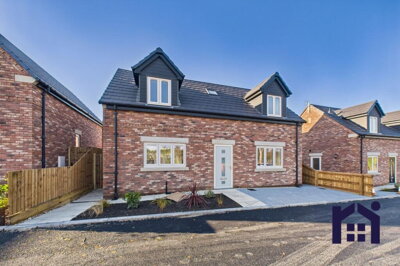
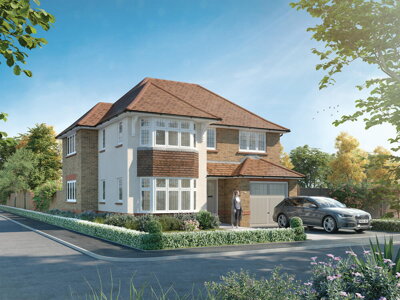
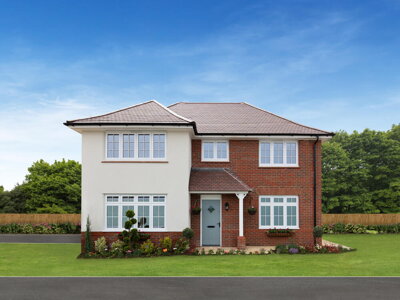
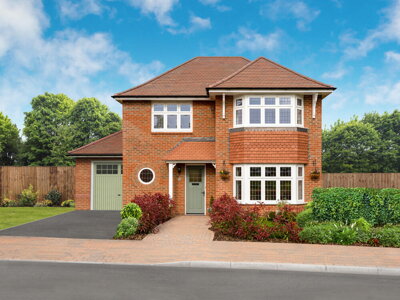
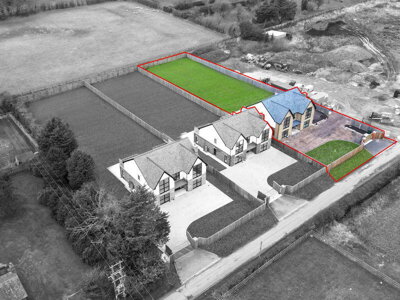
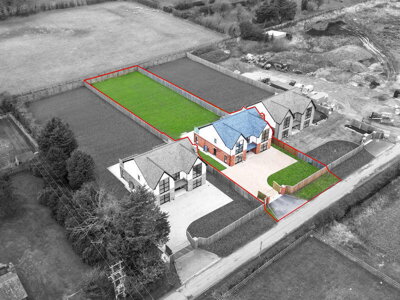
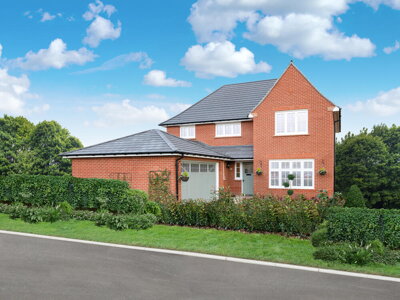
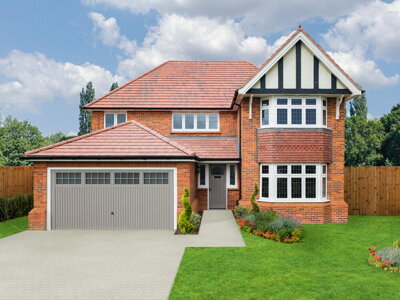
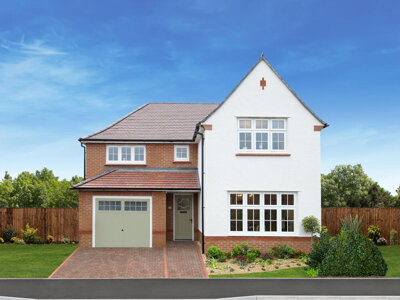
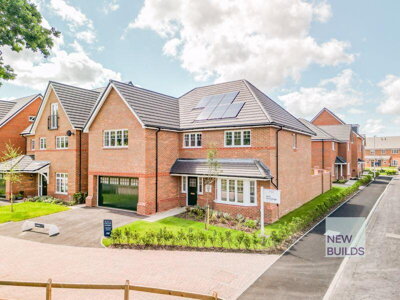
Browse 12 homes new builds in Mawdesley, Chorley from local developer agents.
£550k
23
0
104
Source: home.co.uk
Source: home.co.uk
Detached
12 listings
Avg £1.06M
Semi-Detached
5 listings
Avg £284,000
Detached Bungalow
2 listings
Avg £424,975
Bungalow
1 listings
Avg £300,000
Cottage
1 listings
Avg £310,000
Equestrian Facility
1 listings
Avg £1.20M
Flat
1 listings
Avg £335,000
Source: home.co.uk
Source: home.co.uk
The Appleton-le-Moors property market operates within a unique context shaped by its position within the North York Moors National Park and its status as a historic settlement with strict planning controls. Our data shows an average property price of £58,000, though this figure masks considerable variation depending on property type and size. Recent sales demonstrate this diversity: a semi-detached property at 3 Greendale View sold for £170,000 in 2020, while substantial period properties command significantly higher prices, with Appleton Farmhouse on Headlands Road achieving £770,000 and Manor Farm selling for £955,000.
Property transactions in this village are infrequent by necessity rather than lack of demand. There have been no recorded sales in the last twelve months according to our current data, though sales activity over the previous three years shows a steady stream of quality properties changing hands. Tewantin on Headlands Road sold for £576,000 in November 2024, demonstrating continued appetite for properties in this coveted location. The 10-year sales data indicates the Appleton-Le-Moors market has increased by 29.6%, reflecting the enduring appeal of moorland village living. New build activity remains absent from the immediate area, with any development opportunities constrained by National Park planning policies designed to preserve the historic environment.
The village's housing stock reflects its medieval origins and subsequent centuries of development. Traditional stone cottages sit alongside substantial farmhouses and converted agricultural buildings, creating a diverse mix of property types. Semi-detached and terraced cottages form the backbone of the residential core, while detached properties along Headlands Road represent the more substantial residential offerings. This mix provides options across different budget ranges, from entry-level cottages around the £170,000 mark to premium farmhouses exceeding £800,000.

Appleton-le-Moors presents a lifestyle defined by tranquil rural living in one of England's most celebrated national parks. With a population of approximately 154 residents spread across a compact linear settlement, the village offers an intimate community atmosphere that is increasingly rare in modern Britain. Houses in the village traditionally feature long gardens extending behind them, a characteristic of the medieval planned layout that has shaped the settlement since its establishment in the 12th century. The population density of just 22.01 persons per square kilometre underscores the genuinely rural nature of this location.
The village's economic character is shaped by its National Park setting, with tourism and agriculture forming the twin pillars of local activity. The dramatic moorland landscape provides extensive opportunities for outdoor recreation, including hiking, cycling, and wildlife observation, while traditional farming continues to maintain the pastoral character of the surrounding countryside. The village contains a public house and retains several historic commercial buildings including a former mill and mill house, reflecting its evolution from a self-sufficient rural community to a destination for those seeking escape from urban life. The North York Moors National Park Authority maintains strict controls over development within the parish, ensuring that the village's historic character and natural environment are protected for future generations.
Community life in Appleton-le-Moors revolves around traditional village institutions and the rhythm of rural activities. The public house serves as a focal point for social interaction, while the village war memorial commemorates those who served in conflicts stretching back through the centuries. The presence of a former school and schoolmaster's house reflects the village's historical commitment to education, even as formal schooling has consolidated in neighbouring communities. Seasonal events and gatherings bring residents together throughout the year, fostering the strong sense of community that characterises this corner of North Yorkshire.

Families considering a move to Appleton-le-Moors will find educational provision organised around smaller village schools with direct links to secondary schools in nearby market towns. The village historically contained its own school and schoolmaster's house, reflecting the importance of education in rural communities, though families should research current provision in the surrounding area. Primary education for village children is typically provided through small rural schools in neighbouring communities, with transport arrangements managed through the local education authority for those living beyond walking distance.
The nearest primary schools serve children from Appleton-le-Moors and surrounding villages, with catchment areas extending across the moorland fringe. Schools in communities such as Helmsley and Pickering provide primary education for families willing to travel, with dedicated school transport operating along the A170 corridor. Parents are advised to confirm current catchment arrangements with North Yorkshire Council, as school provision in rural areas can change over time and transport routes may affect practical accessibility for younger children.
Secondary education options are concentrated in the market towns of North Yorkshire, accessible via the local bus network or private transport. Parents should note that catchment areas for secondary schools can be extensive in this rural region, and early enquiries about placements and transport arrangements are advisable when relocating with school-age children. The nearest towns offer a range of secondary options including both community schools and faith schools, providing families with choices appropriate to their preferences. For families prioritising academic excellence, researching individual school performance data and Ofsted ratings for schools within reasonable commuting distance is essential when considering a move to this rural location.
Transport connections from Appleton-le-Moors reflect its position as a small village within a national park, with residents typically relying on private vehicles for the majority of journeys and using local bus services for specific routes. The village sits within easy reach of the A170 road, which provides access to the market towns of Pickering to the east and Helmsley to the west, connecting residents to wider regional road networks. The scenic byroads surrounding the village are well-maintained but require appropriate caution, particularly during winter months when rural lanes may be affected by adverse weather conditions.
Public transport options include local bus services connecting Appleton-le-Moors with neighbouring villages and market towns, providing essential access for those without private vehicles. Bus routes serve the A170 corridor, linking the village with surrounding communities and enabling access to shopping, healthcare, and other services in nearby towns. These services are particularly valuable for older residents and those without vehicles, though journey frequency may be limited compared to urban areas.
The nearest railway stations are located in the surrounding larger towns, with York providing the closest major rail hub offering connections to London, Edinburgh, and destinations across the north of England. The journey from York to London Kings Cross takes approximately two hours, making day trips to the capital feasible for those willing to travel. For commuters, the journey to York by road takes approximately one hour, while Leeds is accessible within around ninety minutes via the A64. Cyclists benefit from the North York Moors' designated cycling routes, which provide scenic connections to surrounding villages and towns for both leisure and utility journeys.
Explore available properties through Homemove and familiarise yourself with the Appleton-le-Moors housing market, including recent sale prices for comparable properties. Given the village's small size and limited availability, understanding values for different property types from farmhouses to traditional cottages will help you make competitive offers when opportunities arise.
Before viewing properties, secure a mortgage agreement in principle from a lender to confirm your borrowing capacity. This demonstrates to sellers that you are a serious buyer with finance arranged, which is particularly important in a competitive small-village market where properties are scarce.
Visit properties that match your requirements and assess their condition, location within the village, and proximity to amenities. For listed buildings or properties within the Conservation Area, consider how planning restrictions might affect your intended use and any future modifications.
Given the age of Appleton-le-Moors' housing stock, with many properties predating 1900, we strongly recommend commissioning a RICS Level 2 Survey before proceeding. This will identify any defects common to older properties, including potential issues with damp, roof condition, and outdated electrical systems.
Appoint a solicitor with experience of rural property transactions to handle the legal aspects of your purchase. They will conduct searches relevant to the North York Moors National Park, check flooding risk data, and ensure all Conservation Area requirements are properly addressed.
Once all searches are satisfactory and your mortgage is finalised, your solicitor will exchange contracts and set a completion date. On the day of completion, you will receive the keys to your new home in Appleton-le-Moors.
Properties in Appleton-le-Moors require careful consideration of several factors unique to this historic National Park village. The presence of a designated Conservation Area means that exterior modifications, extensions, and certain alterations require consent from the North York Moors National Park Authority. Prospective buyers should familiarise themselves with these requirements before purchasing, particularly if they have plans to modernise or alter any property. The village's 24 listed buildings, including one Grade I structure, are subject to additional planning controls that protect their historic character.
Flood risk represents a practical consideration for this North Yorkshire village. The North York Moors National Park Authority's Strategic Flood Risk Assessment identifies areas of varying flood vulnerability within Appleton-le-Moors, including surface water flood risk and Flood Zones 2 and 3. A property's specific flood risk should be established through appropriate searches before purchase, and buildings insurance costs may reflect this risk profile. Understanding which areas of the village are affected by flood risk and how this might impact your intended property will help you make an informed decision.
The construction materials used in local properties reflect the village's geology and building traditions. Limestone walls and red clay pantile roofs characterise the traditional buildings, with sandstone quoins providing decorative detail. These materials are beautiful and appropriate for the historic environment, but they require understanding during maintenance and renovation. Red clay pantiles in particular represent a traditional roofing material that differs significantly from modern alternatives, requiring specialist knowledge during repair or replacement. Prospective buyers should factor ongoing maintenance costs for traditional construction into their budget, particularly for roof coverings which may require specialist knowledge of pantile repair.
Properties over 50 years old will benefit most from a thorough survey before purchase. Given that Appleton-le-Moors contains numerous properties dating from the 12th century through to the 19th century, issues such as rising damp, timber decay, and roof condition are common considerations. The village's older properties may also feature outdated electrical systems and plumbing that would require updating to meet modern standards. A RICS Level 2 Survey provides detailed assessment of these issues, giving buyers a clear picture of maintenance requirements and associated costs before committing to purchase.
The average house price in Appleton-le-Moors is currently £58,000 based on recent sales data. However, prices vary significantly depending on property type and size, with traditional cottages starting around £170,000 while substantial period properties such as farmhouses have sold for between £540,000 and £955,000. The village's position within the North York Moors National Park and its exceptional collection of 24 listed buildings contribute to premium values for quality period properties. Recent transactions include Appleton Farmhouse on Headlands Road at £770,000, Tewantin on the same road at £576,000, and Manor Farm which achieved £955,000.
Yes, Appleton-le-Moors has a designated Conservation Area that was established in 1977. The historic core of the village is included within this protected zone, and the North York Moors National Park Authority maintains an Appleton-le-Moors Conservation Area Character Appraisal and Management Plan. Any significant external alterations to properties within the Conservation Area require consent from the planning authority, helping preserve the village's historic character. This designation affects properties throughout the village's medieval planned layout, including traditional cottages along the main settlement pattern and farmhouses on Headlands Road.
Primary education for Appleton-le-Moors residents is provided through small rural schools in neighbouring villages, with the nearest secondary schools located in North Yorkshire market towns such as Pickering and Helmsley. Families should research current school provision and transport arrangements, as catchment areas in this rural region can be extensive and may require dedicated school transport. The nearest towns offer multiple secondary school options, and parents are advised to check individual school Ofsted ratings when considering educational provision. North Yorkshire Council manages school transport for qualifying families living beyond walking distance of their designated school.
Appleton-le-Moors is served by local bus routes connecting the village to surrounding communities and market towns including Pickering and Helmsley, providing essential access for residents without private vehicles. The bus services operate along the A170 corridor, connecting the village with facilities in nearby towns. The nearest railway stations are located in the surrounding towns, with York offering major national rail connections to London and Edinburgh. Most residents rely on private vehicles for daily commuting and larger journeys, with the A170 providing road access to surrounding towns and the wider regional road network.
Appleton-le-Moors offers several factors that may appeal to property investors seeking exposure to the North York Moors National Park property market. The village's historic character, combined with strict National Park planning controls limiting new development, suggests potential for long-term value appreciation for quality properties. Historical data shows the local market has increased by 29.6% over the past decade. However, investors should note that rental demand in such a small village may be limited, and any future purchases should comply with National Park planning policies regarding holiday lets and rental properties. Properties wishing to operate as holiday lets will require planning consent from the National Park Authority.
Appleton-le-Moors has identified flood risk areas as documented in the North York Moors National Park Authority's Strategic Flood Risk Assessment, last updated in 2017. This assessment identifies areas of high, moderate, and low vulnerability to surface water flooding, as well as Flood Zones 2, 3a, and 3b indicating fluvial flood risk from nearby watercourses. Prospective buyers should commission appropriate searches to establish the specific flood risk for any property they are considering purchasing and factor potential insurance implications into their decision. Buildings insurance costs may be higher for properties in identified flood risk areas, and this should be reflected in overall purchase cost calculations.
Properties in Appleton-le-Moors fall under Ryedale District Council for council tax purposes, with the village subsequently managed by North Yorkshire Council following local government reorganisation in 2023. Specific council tax bands vary by property depending on the valuation band assigned by the Valuation Office Agency. Traditional cottages and farmhouses may fall into different bands based on their assessed value, with larger period properties typically in higher bands. Buyers should check the council tax band for any specific property during the conveyancing process.
From 4.5%
Expert mortgage advice for Appleton-le-Moors properties
From £499
Solicitors experienced in Appleton-le-Moors transactions
From £350
Professional survey for Appleton-le-Moors homes
From £85
Energy performance certificate for your property
Stamp Duty Land Tax (SDLT) represents a significant consideration for property purchases in Appleton-le-Moors, with current thresholds applying to all buyers. For standard purchases, there is no SDLT on properties up to £250,000, with rates of 5% applying to the portion between £250,001 and £925,000. Properties priced between £925,001 and £1.5 million attract 10% SDLT, while those exceeding £1.5 million are charged at 12% on the full value above this threshold. Given the price range of properties in Appleton-le-Moors, with many traditional cottages falling below the £250,000 nil-rate threshold, SDLT costs may be minimal for smaller property purchases.
First-time buyers benefit from enhanced SDLT relief, paying no duty on properties up to £425,000 with 5% applied only to the portion between £425,001 and £625,000. This relief is available to all buyers who do not own any other residential property anywhere in the world, though it cannot be claimed if the buyer has previously owned property. Many cottage-style properties in Appleton-le-Moors would fall within the nil-rate band for first-time buyers, making this relief particularly valuable for those entering the market at the lower end of the price spectrum.
Beyond SDLT, buyers should budget for additional costs including mortgage arrangement fees, survey fees, and conveyancing charges. A RICS Level 2 Survey for a typical property costs between £380 and £629, while solicitor fees for conveyancing typically start from £499 for standard transactions. Property in Appleton-le-Moors may also be subject to flooding search fees given the documented flood risk areas identified in the Strategic Flood Risk Assessment, and buyers purchasing listed buildings should consider the potential costs of specialist surveys. Buildings insurance should be arranged from the point of exchange, with costs varying based on property type, age, and flood risk assessment. Traditional stone buildings with thatch or pantile roofs may also attract specialist insurance considerations.
Properties New Builds In London

Properties New Builds In Plymouth

Properties New Builds In Liverpool

Properties New Builds In Glasgow

Properties New Builds In Sheffield

Properties New Builds In Edinburgh

Properties New Builds In Coventry

Properties New Builds In Bradford

Properties New Builds In Manchester

Properties New Builds In Birmingham

Properties New Builds In Bristol

Properties New Builds In Oxford

Properties New Builds In Leicester

Properties New Builds In Newcastle

Properties New Builds In Leeds

Properties New Builds In Southampton

Properties New Builds In Cardiff

Properties New Builds In Nottingham

Properties New Builds In Norwich

Properties New Builds In Brighton

Properties New Builds In Derby

Properties New Builds In Portsmouth

Properties New Builds In Northampton

Properties New Builds In Milton Keynes

Properties New Builds In Bournemouth

Properties New Builds In Bolton

Properties New Builds In Swansea

Properties New Builds In Swindon

Properties New Builds In Peterborough

Properties New Builds In Wolverhampton

Enter your details to see if this property is within your budget.
Loans, cards, car finance
Estimated property budget
Borrowing + deposit
You could borrow between
Typical borrowing
Monthly repayment
Est. at 4.5%
Loan-to-value
This is an estimate only. Your actual budget may vary depending on interest rates, credit history, and personal circumstances. For an accurate affordability assessment, speak to one of our free mortgage advisors.
This calculator provides estimates for illustrative purposes only and does not constitute financial advice. Your home may be repossessed if you do not keep up repayments on your mortgage. Estimates based on 4.5% interest rate, repayment mortgage. Actual rates depend on your circumstances.
Homemove is a trading name of HM Haus Group Ltd (Company No. 13873779, registered in England & Wales). Homemove Mortgages Ltd (Company No. 15947693) is an Appointed Representative of TMG Direct Limited, trading as TMG Mortgage Network, which is authorised and regulated by the Financial Conduct Authority (FRN 786245). Homemove Mortgages Ltd is entered on the FCA Register as an Appointed Representative (FRN 1022429). You can check registrations at NewRegister or by calling 0800 111 6768.

We use cookies to show you personalised content and improve your experience of our website. Find out more in our Privacy policy and Cookie policy.