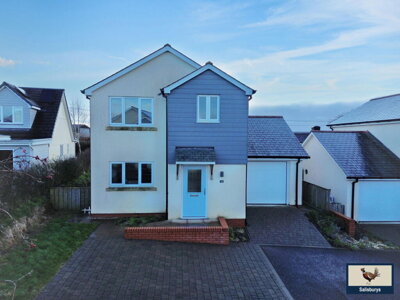
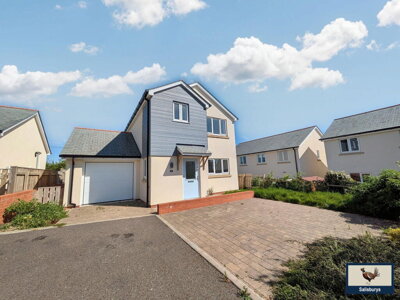
Browse 2 homes new builds in Marystow, West Devon from local developer agents.
Three bedroom properties represent a significant portion of the Marystow housing market, offering space for families with multiple reception rooms and gardens in many cases. Browse detached, semi-detached, and terraced options ranging across new residential developments.
£0k
0
0
0
Source: home.co.uk
Showing 0 results for 3 Bedroom Houses new builds in Marystow, West Devon.
The property market in Marystow operates very differently from urban areas, with sales occurring infrequently due to the parish's intimate scale. With only approximately 122 households and a population of 319 residents, property changes hands only occasionally, making each available home a rare opportunity. This scarcity means that when properties do come to market, they attract considerable interest from buyers seeking the quintessential English countryside lifestyle that Marystow provides so successfully.
For broader context, the Devon property market saw approximately 15,500 sales in the twelve months to December 2025, though this represented a decline of 15.6 percent compared to the previous year. Rightmove data indicates that sold prices in Devon over the last year were 2 percent down on the previous year and 5 percent down on the 2023 peak. Across Devon, detached properties sold for an average of £481,428, semi-detached homes for £303,511, terraced properties for £255,407, and flats averaged £181,559. These figures provide useful benchmarks for buyers considering Marystow and the surrounding West Devon area.
The last open market sale in Marystow parish itself occurred in 2018 at £572,500, with Land Registry records showing no sales in several recent years including 2016, 2017, 2019, 2020, 2021, 2022, and 2023. This extraordinary scarcity reflects both the parish's tiny scale and the reluctance of residents to leave such a desirable location. Housing affordability in Devon has become stretched, with a ratio of 9.5 compared to 7.7 nationally, driven partly by buyers relocating from more expensive areas like London and the South East.
While new build activity within Marystow itself is essentially non-existent, the neighbouring parish of Lifton offers a development called Oakdene by Wain Homes, featuring 2, 3, and 4-bedroom homes including a house type named "The Marystow" - a 3-bedroom detached stone-built property inspired by traditional Devon architecture. This development illustrates the enduring appeal of period-style construction in the region, even in new builds.

Marystow is a parish that embodies the timeless beauty of rural Devon, characterized by winding lanes, hedgerow-lined fields, and the gentle rhythm of country life. The village takes its name from St Mary The Virgin Church, a historic building with origins dating back to the 12th century, with subsequent additions in the 14th, 15th, and 16th centuries. The church's construction from local stone rubble with dressed granite highlights how the village's architecture has always drawn upon the natural resources of its landscape. Sydenham House, another historic residence in the parish, was erected in the early 17th century, further demonstrating the area's rich architectural heritage.
The demographics of Marystow reflect a community that has successfully blended traditional rural living with modern working patterns. Economic activity stands at 62.2 percent of the parish population, with employment rates remaining healthy. Significantly, 33.3 percent of residents work mainly from home, a figure that underscores how Marystow has become an attractive base for remote workers seeking to escape larger urban centres. Only 12.1 percent of residents travel less than 10 kilometres to their workplace, suggesting that many have embraced the flexibility that rural living and digital connectivity now afford. Household deprivation levels remain low, with 49.3 percent of households not deprived in any dimension.
The area's history is rooted in agriculture and mining, with the parish once supporting manganese mining operations that contributed to economic activity in the 19th century. The population stood at 570 in 1851 before declining to 448 by 1861 as mining demand fell and agricultural practices modernised. Today, the parish supports a small but resilient community that values its heritage while remaining connected to broader economic opportunities. Local employers in the wider West Devon area include the health sector, retail, education, and tourism, which together account for over 42 percent of employment across Devon.
The property profile of Marystow skews heavily towards larger homes, with Census 2021 data showing 34.8 percent of properties having four or more bedrooms - significantly higher than the 21.1 percent average for England and Wales. A further 42.4 percent of homes have three bedrooms, while just 1.5 percent are one-bedroom properties and 21.2 percent have two bedrooms. This distribution reflects the parish's heritage of farmhouse conversions and family homes rather than smaller cottages or apartments.

Families considering a move to Marystow will find educational options scattered across the surrounding West Devon villages, with primary schools typically serving Reception through to Year 6. The nearest primary schools include Lamerton Church of England Voluntary Controlled Primary School, which serves several surrounding parishes, and Lifton Primary School in the neighbouring village of Lifton. Parents should research specific school performance data through Ofsted reports and contact West Devon Borough Council for the most current information on catchment areas, as school admissions policies can be competitive in desirable rural locations. The close-knit nature of these village schools often provides an excellent start to children's education in a supportive, community-focused environment.
Secondary education options for Marystow residents include schools in the nearby market town of Tavistock, which offers comprehensive schooling options for families living in the surrounding parishes. The historic market town of Tavistock provides good access to secondary education, with schools catering to a range of abilities and interests. Mount House School andamp; Media Arts College is another option within reach, providing secondary education with a focus on creative subjects. For families requiring sixth form provision or further education, the wider Devon area offers colleges and sixth form centres, though these may require longer journeys from Marystow's more remote location.
When purchasing property in Marystow, prospective buyers with school-age children should carefully consider journey times and transportation arrangements. The rural location means that school transport links and bus services warrant investigation before committing to a purchase. Devon County Council operates school transport for children living beyond a certain distance from their nearest school, and details of these arrangements should be confirmed during the property search process. Planning viewings around school hours can provide valuable insight into the practical realities of daily life with children in this countryside location.
Marystow sits within the beautiful West Devon countryside, approximately 4 miles from the market town of Tavistock, which serves as the primary service centre for the surrounding rural parishes. The village's position offers access to the A390, which connects Tavistock to Liskeard and provides routes towards the coast and central Devon. For residents needing to travel further afield, the A38 provides connections to Plymouth and the wider motorway network, while Exeter lies within reasonable driving distance for those requiring rail links or international travel options.
Public transport options in rural West Devon are limited, as is typical for parishes of Marystow's scale. Bus services connect the village to Tavistock, though frequencies are likely to be modest, making car ownership essential for most residents. The nearest railway stations are located in Gunnislake (on the Tamar Valley Line) or in Plymouth, offering connections to major destinations including London Paddington. Many Marystow residents have embraced flexible working arrangements, with a third of the working population primarily working from home, reducing the pressure to commute daily.
For cyclists and walkers, the Devon countryside offers excellent opportunities for recreational travel and exploration. The local lanes are generally quiet, thoughhilly and narrow sections require care. The proximity to Tavistock opens up access to the Granite Way cycle path and other traffic-free routes that connect to the broader Devon walking and cycling network. Plymouth can be reached by bicycle for the energetic, though most residents use a combination of cycling for local journeys and car travel for longer distances.
Broadband connectivity in Marystow has improved significantly in recent years, supporting the high proportion of residents who work from home. Full-fibre broadband is becoming increasingly available in rural Devon, though prospective residents should verify current speeds at any specific property address before purchase. Mobile phone coverage varies across the parish, with some areas having good 4G signal while others may experience reduced connectivity.
Begin by exploring what properties are currently available in Marystow and the surrounding West Devon area through Homemove. With limited sales occurring within the parish itself, understanding the broader market and being prepared to act quickly when opportunities arise is essential. Property listings in Marystow are rare, so registering with local estate agents in Tavistock and setting up alerts can help you monitor the market effectively.
Before arranging viewings, obtain a mortgage agreement in principle from a lender. This strengthens your position as a buyer and demonstrates your commitment to sellers. With Devon property prices averaging £321,000 and the last Marystow sale achieving £572,500, calculate your budget realistically, factoring in the premium that desirable rural properties can command and the additional costs associated with older or listed buildings.
Visit properties that match your requirements and assess the practicalities of living in Marystow. Consider journey times to schools, shops, and workplaces. Pay particular attention to the condition of older properties, as many homes in the parish will have historic construction that requires careful assessment. Viewing properties at different times of day and in various weather conditions can reveal issues that might not be apparent during a single visit.
Given the prevalence of older properties in Marystow, a thorough RICS Level 2 Survey is highly recommended. This will identify any structural issues, damp problems, or defects common in historic buildings constructed from stone, cob, or traditional methods. For listed buildings or properties of unusual construction, consider a more detailed Level 3 Building Survey. Survey costs typically range from £374 for a 1-bedroom property up to £726 for a 4-bedroom home, with older or non-standard properties potentially requiring specialist assessors.
Appoint a solicitor experienced in rural property transactions to handle the legal aspects of your purchase. They will conduct searches, check planning permissions, and ensure the title is clear. Given the historical mining activity in the area, local searches should confirm there are no outstanding issues. Conveyancing costs typically start from around £499 for straightforward transactions but may increase for more complex rural properties. Expect the process to take six to eight weeks, though rural transactions can sometimes take longer due to additional searches and title complications.
Once all searches are satisfactory and your mortgage offer is confirmed, you can proceed to exchange contracts and set a completion date. Your solicitor will coordinate with all parties to ensure a smooth transfer of ownership. Buildings insurance must be in place from the point of exchange, so arrange this well in advance. Removal costs and utility transfers should also be planned ahead of your completion date.
Purchasing property in Marystow requires careful consideration of factors that may not be apparent during a casual viewing. The age of properties in this historic parish means that many homes were built using traditional construction methods that differ significantly from modern standards. Solid wall construction, lime mortar, and natural stone materials require different maintenance approaches than cavity-wall built homes, and prospective buyers should understand these differences before committing to a purchase. Common construction materials in the area include local stone rubble, dressed granite, and potentially cob - a traditional Devon building material made from earth and straw.
The risk of flooding in Devon warrants investigation for any property purchase. While Marystow itself sits inland, the rural nature of West Devon means that surface water flooding can occur after heavy rainfall, particularly in areas with limited drainage infrastructure. The Environment Agency provides flood risk maps that can help identify properties in flood zones. Given climate change projections that suggest increased risk from shrink-swell subsidence and surface water flooding, carrying out appropriate surveys before purchase is essential. Clay-rich soils in parts of Devon can be susceptible to shrink-swell movement, which may affect foundations.
Listed building status affects many properties in historic parishes like Marystow, and any building of historical significance may be protected under listing regulations. Unauthorised alterations to listed buildings can result in criminal legal action, so understanding the implications of listing before purchase is crucial. The Church of St Mary The Virgin is Grade 1 listed, and other properties in the parish may have varying levels of protection. Factor in the additional costs and responsibilities that come with owning a listed property, including requirements for specialist materials, conservation-approved contractors, and the need to obtain listed building consent for any alterations.
Structural concerns in older rural properties often include timber defects such as wet or dry rot, which can affect floor joists, roof structures, and window frames if ventilation is poor. Chimney deterioration is another common issue, with pointing, flashing, and brickwork requiring regular maintenance. Electrical systems in period properties may be outdated and not compliant with current regulations, while plumbing may include lead or galvanised steel pipes that require replacement. A thorough RICS Level 2 Survey will identify these issues before you commit to purchase.
Specific average house price data for Marystow parish is not available due to the extremely limited number of property sales within this small community. The last recorded open market sale in Marystow was in 2018, achieving £572,500. There were no registered Land Registry sales in several recent years including 2016, 2017, 2019, 2020, 2021, 2022, and 2023. For broader context, the average property price across Devon stands at approximately £321,000 as of December 2025, with Rightmove indicating prices have fallen 2 percent over the past year and 5 percent from the 2023 peak. Detached properties in Devon average £481,428, semi-detached homes £303,511, and terraced properties £255,407. Housing affordability in Devon has become stretched, with a ratio of 9.5 compared to 7.7 nationally.
Properties in Marystow fall under West Devon Borough Council administration, with council tax bands ranging from A through to H depending on the property's assessed value. You can check the council tax band for any specific property through the Valuation Office Agency website using the property address. Council tax charges in West Devon for 2024-25 start from approximately £1,776 for a Band A property and rise to around £5,327 for Band H. Second homes may qualify for a reduction if the property is unoccupied and unfurnished, while a premium may apply to properties furnished as second homes or holiday lets.
Marystow is served by primary schools in nearby villages, with options including Lamerton Church of England Voluntary Controlled Primary School and Lifton Primary School, both serving families in the surrounding parishes. Parents should research individual school performance through Ofsted reports and consider catchment area boundaries when selecting a property, as admission policies can be competitive in desirable rural locations. Secondary education is available in Tavistock, including schools providing education for ages 11-16, with sixth form and further education options requiring travel to larger centres. School transport arrangements should be investigated during the property search process, as Devon County Council provides transport for children living beyond specified distances from their nearest school.
Public transport in rural West Devon is limited, as is typical for parishes of Marystow's small scale. Bus services connect the village to Tavistock, though frequencies are likely to be modest, making car ownership essential for most residents. The nearest railway stations are in Gunnislake on the Tamar Valley Line or in Plymouth, with Plymouth offering direct services to London Paddington. Most residents require private vehicle ownership for daily activities. The 33 percent of residents who work from home find this less restrictive, and improved broadband connectivity makes remote work practical from the village. Broadband speeds should be verified at any specific property address before purchase.
Marystow offers a rare opportunity to purchase in one of Devon's most picturesque and historic parishes, though the limited number of properties coming to market means investment opportunities are infrequent. Housing affordability in Devon has become stretched, with a ratio of 9.5 compared to 7.7 nationally, driven partly by buyers relocating from more expensive areas. The peaceful rural lifestyle, combined with improved remote working infrastructure, continues to attract buyers to West Devon. Properties that do come to market tend to hold their value due to persistent demand and limited supply. Second homes and holiday lets represent a significant factor in Devon generally, which can influence rental availability and property prices in desirable rural parishes.
Stamp duty land tax rates for 2024-25 are 0 percent on the first £250,000 of property value, 5 percent on £250,001 to £925,000, 10 percent on £925,001 to £1.5 million, and 12 percent on any amount above £1.5 million. First-time buyers receive relief on the first £425,000, with 5 percent charged between £425,001 and £625,000. For a typical Devon property at the county average of £321,000, standard buyers pay £3,550 in stamp duty, while first-time buyers pay nothing on the first £425,000. Given the premium placed on Marystow properties, with the last sale achieving £572,500, stamp duty of around £16,125 would apply for standard buyers on a similar price property.
Marystow parish itself has very limited commercial amenities due to its small scale, which is typical for a community of approximately 122 households. The neighbouring village of Lifton provides essential services including a convenience store, pub, and pharmacy. The market town of Tavistock, approximately 4 miles away, offers a wider range of supermarkets, independent shops, banks, and healthcare facilities. Plymouth, the major city in the region, provides comprehensive retail, healthcare, and cultural amenities within approximately 30 minutes' drive. Residents should factor these journey distances into their daily planning when considering a property in Marystow.
Older properties in Marystow were typically built using traditional construction methods including solid stone walls, lime mortar pointing, and potentially cob construction, all of which require different maintenance approaches than modern cavity-wall properties. Common issues identified in older rural properties include penetrating damp due to failing lime mortar, timber defects such as wet or dry rot affecting floor joists and roof structures, chimney deterioration, outdated electrical systems not compliant with current regulations, and plumbing using lead or galvanised steel pipes. The parish's history of manganese mining in the 19th century means local searches should confirm there are no mining-related issues affecting the property. A thorough RICS Level 2 Survey is essential before purchase, with a Level 3 Building Survey recommended for listed buildings or properties of unusual construction.
From 3.89%
Professional mortgage advice and competitive rates for your Marystow property purchase
From £499
Expert legal services for your property transaction
From £350
Comprehensive survey for your Marystow property
From £60
Energy performance certificate for your property
When budgeting for a property purchase in Marystow, understanding the full cost of buying is essential for financial planning. The stamp duty land tax thresholds for 2024-25 set the zero-rate band at £250,000 for standard buyers, meaning a property purchased at the Devon average of £321,000 would attract stamp duty of £3,550. Properties priced above £925,000 move into the higher rate bands, so most Marystow properties are likely to fall within the 0-5 percent bracket. First-time buyers benefit from an increased threshold covering the first £425,000, making purchases below this level exempt from stamp duty entirely.
Beyond stamp duty, buyers should budget for solicitor conveyancing costs, which typically start from around £499 for a straightforward transaction but can increase depending on complexity. A RICS Level 2 Survey costs between £374 and £726 depending on property size, with 3-bedroom properties averaging around £437 and 4-bedroom homes averaging £495. Given that many Marystow properties are likely to be older constructions with historic features, the additional cost of a more detailed Level 3 Building Survey may be worthwhile in some cases. Energy Performance Certificates are mandatory and typically cost from £60 depending on property size.
Additional costs to factor in include mortgage arrangement fees (which vary by lender but can reach £2,000 or more), valuation fees, and removal costs. Buildings insurance must be in place from the point of exchange, and life or income protection insurance may be sensible for those relying on regular earnings to service their mortgage. With properties in Marystow potentially commanding premiums due to their rural character and historic features, ensuring your overall budget covers these ancillary costs alongside the purchase price itself is crucial for a stress-free transaction.
Properties New Builds In London

Properties New Builds In Plymouth

Properties New Builds In Liverpool

Properties New Builds In Glasgow

Properties New Builds In Sheffield

Properties New Builds In Edinburgh

Properties New Builds In Coventry

Properties New Builds In Bradford

Properties New Builds In Manchester

Properties New Builds In Birmingham

Properties New Builds In Bristol

Properties New Builds In Oxford

Properties New Builds In Leicester

Properties New Builds In Newcastle

Properties New Builds In Leeds

Properties New Builds In Southampton

Properties New Builds In Cardiff

Properties New Builds In Nottingham

Properties New Builds In Norwich

Properties New Builds In Brighton

Properties New Builds In Derby

Properties New Builds In Portsmouth

Properties New Builds In Northampton

Properties New Builds In Milton Keynes

Properties New Builds In Bournemouth

Properties New Builds In Bolton

Properties New Builds In Swansea

Properties New Builds In Swindon

Properties New Builds In Peterborough

Properties New Builds In Wolverhampton

Enter your details to see if this property is within your budget.
Loans, cards, car finance
Estimated property budget
Borrowing + deposit
You could borrow between
Typical borrowing
Monthly repayment
Est. at 4.5%
Loan-to-value
This is an estimate only. Your actual budget may vary depending on interest rates, credit history, and personal circumstances. For an accurate affordability assessment, speak to one of our free mortgage advisors.
This calculator provides estimates for illustrative purposes only and does not constitute financial advice. Your home may be repossessed if you do not keep up repayments on your mortgage. Estimates based on 4.5% interest rate, repayment mortgage. Actual rates depend on your circumstances.
Homemove is a trading name of HM Haus Group Ltd (Company No. 13873779, registered in England & Wales). Homemove Mortgages Ltd (Company No. 15947693) is an Appointed Representative of TMG Direct Limited, trading as TMG Mortgage Network, which is authorised and regulated by the Financial Conduct Authority (FRN 786245). Homemove Mortgages Ltd is entered on the FCA Register as an Appointed Representative (FRN 1022429). You can check registrations at NewRegister or by calling 0800 111 6768.

We use cookies to show you personalised content and improve your experience of our website. Find out more in our Privacy policy and Cookie policy.