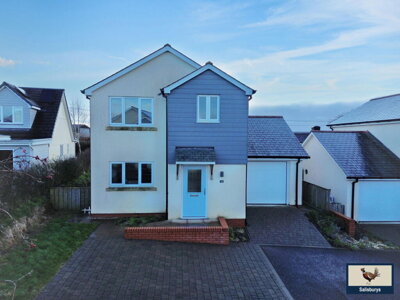
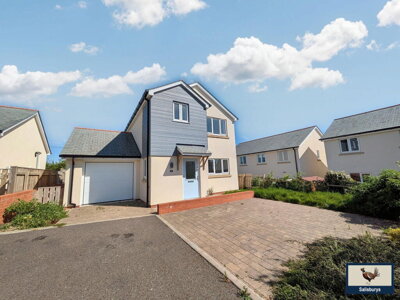
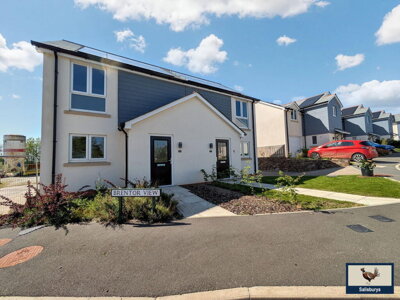
Browse 3 homes new builds in Marystow, West Devon from local developer agents.
£750k
3
0
219
Source: home.co.uk
Source: home.co.uk
Detached
2 listings
Avg £647,500
Barn Conversion
1 listings
Avg £1.95M
Source: home.co.uk
Source: home.co.uk
The Foulness property market operates within a framework unlike almost anywhere else in the UK. Our current data shows an average property price of £395,000 for the detached homes available on the island, reflecting the limited supply and unique character of this coastal location. Property prices in Foulness Island have remained stable over the past twelve months, showing no change, which demonstrates the resilient demand from buyers specifically seeking this type of remote lifestyle. In the last twelve months, there has been one property sale recorded, underscoring the scarcity of available homes and the patience required when searching for property here.
New build development on Foulness Island is effectively nonexistent, and this situation is unlikely to change given the island's designation as a military testing range area. The Ministry of Defence owns much of the land on the island, which fundamentally restricts any private residential development. The housing stock that does exist consists primarily of detached properties built to suit the rural coastal environment, likely constructed using traditional brick and timber frame methods typical of rural Essex. For buyers, this means that existing properties, while limited in number, represent irreplaceable opportunities to secure a foothold in this distinctive community.
The predominance of detached properties on Foulness reflects both the rural nature of the island and the absence of any pressure for higher-density housing. Most properties here were constructed using methods typical of rural Essex coastal settlements, with traditional brick and timber frame construction being common. Given the limited new development over decades, a significant proportion of the existing housing stock is likely to be over 50 years old, meaning that properties may show signs of age-related wear including potential issues with damp penetration, roof condition deterioration, and outdated services. Buyers should approach any property purchase here with a thorough understanding that these are not newly built homes, and maintenance requirements may be more substantial than in modern construction.

Life on Foulness Island offers an experience fundamentally different from conventional suburban living. The island forms part of the Rochford district in Essex, positioned along the coast with extensive salt marshes, mudflats, and grazing land creating a landscape of outstanding natural beauty. The population of approximately 150-200 residents has developed a close-knit community character, where neighbours know each other and the rhythms of life follow the tides rather than traffic patterns. This is a place where the sound of birdsong replaces traffic noise and where the horizon stretches uninterrupted across the estuary.
The local economy of Foulness centres primarily on the Ministry of Defence operations and, to a lesser extent, agriculture. The MOD testing range dominates the island's eastern side, creating an environment where military exercises occasionally punctuate the pastoral quiet. Despite this presence, or perhaps because of it, the island has maintained an extraordinary quality of natural habitat. The mudflats and marshes support significant populations of wading birds and other wildlife, making the area important for conservation. Local amenities are limited by necessity, with residents typically travelling to mainland Rochford or Southend for shopping, healthcare, and other services, but the compensation comes in the form of a living environment that simply cannot be replicated elsewhere.
The geological composition of Foulness Island, comprising Quaternary alluvium deposits including clay, silt, sand, and gravel, shapes many aspects of daily life here. These alluvial deposits create the low-lying terrain that defines the island's character but also introduces specific considerations for property ownership. The clay content in particular means that properties with nearby mature trees may be subject to shrink-swell ground movement as soil moisture levels fluctuate through the seasons. Understanding this geological context helps explain why thorough structural surveys are particularly valuable for any property purchase on the island, as our inspectors often find that foundations in such conditions require careful assessment.
Education provision in Foulness reflects the island's small population and remote nature. Families living on the island typically access primary schools in the nearby mainland communities of Rochford and surrounding villages, which offer a range of options including community schools and faith schools with good Ofsted ratings. The journey to school involves crossing onto the mainland, a reality that parents should factor into daily routines and childcare arrangements. Secondary education is similarly accessed through mainland schools, with families choosing from options across the Rochford district and Southend area.
For families considering a move to Foulness, the educational landscape requires thoughtful planning around logistics. The island's small population means there is no local secondary school, so students travel daily to mainland institutions. Many families find that this arrangement, while requiring commitment, actually provides children with valuable exposure to broader social environments and activities. Sixth form and further education options in Southend and Chelmsford offer extensive choices as students progress through their education. Parents should research specific school catchments and admission policies for their preferred mainland locations before committing to a purchase on the island.
The educational implications extend beyond the practical logistics of daily travel. Children growing up on Foulness develop a unique appreciation for their natural surroundings and learn self-sufficiency from an early age. The close-knit community means that families support each other with childcare arrangements and school runs, creating bonds that often last well beyond the school years. Our team has spoken with residents who describe this communal approach to raising children as one of the unexpected benefits of island life, though we always recommend that prospective families visit the mainland schools they are considering and speak directly with school admissions offices about catchment areas and travel arrangements from the Foulness crossing point.
Access to Foulness Island is governed by its unique status as a MOD operational area. The island is connected to the mainland via a single road crossing, and access permissions vary depending on current military activities. Residents and those with legitimate business on the island must navigate these access restrictions, which can occasionally delay travel plans. For daily commuters, this reality requires flexibility and understanding of the MOD's operational needs. The SS3 postcode area covering Foulness places the island within reasonable reach of Southend Airport, offering domestic and European flight connections.
For those working in London, commuting from Foulness involves a multi-stage journey typically involving driving to a rail station on the mainland. Rochford station provides access to the Greater Anglia network with services to London Liverpool Street, though journey times reflect the coastal routing. The closest major rail hubs include Rayleigh and Hockley stations, which offer similar connections to the capital. Many residents find that remote working significantly eases the practical challenges of commuting from this remote location, and the peaceful environment proves ideal for concentrated work when needed. A vehicle is essential for Foulness living, given the limited public transport options and the need to travel to mainland services.
The practicalities of daily transport require careful consideration before purchasing property here. Our inspectors who travel to Foulness for property surveys always plan for potential delays at the crossing point, and prospective residents should adopt a similar approach. The single road onto the island means that any incident on this route can temporarily prevent access, and residents learn to maintain supplies and flexibility accordingly. Those considering Foulness as a primary residence should evaluate their employer's attitude toward flexible working and whether the commute patterns they currently have will be compatible with island life. The residents we have spoken with consistently report that the initial adjustment period passes quickly as new arrivals learn the rhythms of MOD operations and adjust their routines accordingly.
Before proceeding with any property purchase on Foulness, investigate the current access arrangements and any restrictions that may affect your daily life. Contact the MOD and speak with existing residents to understand what to expect. The unique status of the island as an operational military area means that access can be subject to change, and understanding these arrangements thoroughly before committing is essential for a smooth transition to island living.
Given the unique nature of island property, arrange a mortgage agreement in principle before viewing homes. Lenders familiar with rural and unusual properties can guide you through any special considerations for the valuation process. Properties on Foulness may require more detailed valuation work than standard properties, and having your financial position confirmed early strengthens your negotiating position when a rare property becomes available.
Instruct a solicitor with experience of Essex coastal and rural properties. They can advise on any title complications, rights of access, and the specific legal framework governing property ownership on the island. Given the MOD presence and restricted access, title matters may involve unusual provisions that require specialist knowledge. A solicitor familiar with the area can navigate these complexities efficiently.
Commission a RICS Level 2 Survey to assess the property's condition thoroughly. Given the coastal location and potential for clay-related ground movement, a detailed structural assessment is particularly valuable here. Our inspectors are experienced in assessing properties in challenging environments, and a thorough survey will identify any issues with damp, timber condition, roof structure, or foundation movement that could affect your purchase decision.
Once legally binding, coordinate with your solicitor to complete the transaction. Ensure you have all necessary access credentials and understand the procedures for entering and leaving the island. Your solicitor can guide you through any registration requirements with the MOD and help establish your credentials for regular access to the island.
Properties on Foulness Island face specific environmental challenges that buyers must understand before committing to a purchase. The island's geology consists of Quaternary alluvium deposits, including significant clay content that creates potential for shrink-swell movement. This ground movement risk, particularly relevant for properties with mature trees nearby, can lead to subsidence issues over time. A thorough structural survey is essential for any property purchase here, not merely a box-ticking exercise but a genuine investigation into the building's long-term stability.
Flood risk represents perhaps the most significant environmental consideration for prospective Foulness buyers. The island is a low-lying coastal area designated as having high flood risk from both tidal and coastal sources as well as surface water flooding. Properties may have experienced flooding historically, and future flood events remain a genuine possibility. Prospective buyers should review Environment Agency flood mapping, consider any existing flood mitigation measures, and factor the potential impact on buildings insurance premiums into their budget calculations. The combination of coastal exposure and alluvial geology also means that timber defects, including rot and woodworm, require particular attention during any property survey.
Our inspectors who survey properties on Foulness approach each assessment with full awareness of these local conditions. We check specifically for signs of previous flooding damage, including water marks on walls, stained floorboards, and any evidence of damp remediation works. The timber condition assessment receives particular attention given the coastal environment, with our inspectors examining all accessible timbers for signs of rot, woodworm activity, or fungal decay. Properties constructed using traditional methods may have solid walls without cavity insulation, which can lead to different patterns of damp penetration compared to modern construction, and our surveys reflect these technical distinctions. The presence of mature trees within or near the property footprint requires careful assessment of root systems and their potential interaction with foundations on shrink-swell clay soils.
Our current market data shows an average property price of £395,000 for detached homes on Foulness Island. This figure reflects the limited supply of properties and the unique nature of this coastal location. Prices have remained stable over the past twelve months with no recorded change, indicating a steady market despite the extreme scarcity of available homes. Only one property sale has been recorded in the past year, underscoring how rare opportunities in this location truly are.
Properties in Foulness fall under Rochford District Council's council tax banding. Most residential properties in the Rochford area fall within bands A through D, though specific banding depends on the property's assessed value. Prospective buyers should confirm the exact band for any property they are considering, as council tax contributions fund local services including the education provision and transport infrastructure that Foulness residents rely upon daily. The banding also affects the overall cost of ownership, which should be factored into budget planning alongside mortgage payments and maintenance costs.
Foulness Island itself has no school facilities due to its small population. Primary education is accessed through mainland schools in the Rochford area, with popular options including Rochford Primary School and others in surrounding villages. Secondary schools in the wider area include FitzWimarc School and King Edmund School, both with established reputations. Families should verify current admission arrangements and travel times from Foulness when evaluating educational options, as school catchment boundaries can affect eligibility for preferred institutions.
Public transport connections to Foulness are extremely limited, reflecting the island's small population and remote nature. There is no direct rail service to the island, and bus services are minimal. Residents typically rely on private vehicles for all travel needs, including trips to mainland amenities. Rochford station, approximately 10 miles from the island crossing, provides the nearest rail connection with services to London Liverpool Street. A vehicle is considered essential for comfortable living on Foulness, and prospective residents should factor this into their calculations when considering the practicalities of daily life on the island.
Property investment on Foulness Island presents a highly unusual proposition. The combination of MOD ownership of much land, restricted access, high flood risk, and limited development potential means this is not a conventional investment location. Properties that do become available rarely appear on the market, suggesting that any purchase here is likely driven by lifestyle motivation rather than investment returns. Capital growth prospects are difficult to predict given the extreme scarcity of comparable sales data. Buyers should view Foulness property as a lifestyle purchase with potential future value reflecting the unique nature of the location.
Stamp Duty Land Tax on a Foulness property follows standard UK thresholds. For residential purchases, you pay nothing on the first £250,000 of property value, then 5% on the portion between £250,001 and £925,000. A typical £395,000 property would attract SDLT of £7,250. First-time buyers may qualify for relief on the first £425,000, reducing their SDLT liability to nil on most properties at this price point. Always verify your individual position with a financial adviser, as circumstances affect eligibility.
Our inspectors frequently identify damp-related issues in Foulness properties, including both rising damp in solid-walled structures and penetrating damp resulting from coastal exposure. Timber defects are also common findings, with our surveys often revealing varying degrees of woodworm activity and fungal decay in structural and non-structural timbers. Roof conditions require careful assessment, with older properties particularly susceptible to deterioration of coverings and structural elements. The alluvial clay geology means we pay close attention to foundation conditions and any signs of subsidence or ground movement, especially where mature trees are present on or near the property.
From £400
A detailed assessment of property condition, essential for Foulness properties given coastal and geological considerations
From £500
Comprehensive structural survey recommended for older properties or those with apparent defects
From £85
Energy performance certificate required for all property sales
From 4.5%
Specialist mortgage advice for unusual properties
From £499
Specialist solicitor services for Foulness purchases
Understanding the full costs of buying property in Foulness requires careful planning beyond the purchase price itself. The Stamp Duty Land Tax on a typical £395,000 detached property in Foulness would amount to £7,250 at standard rates, calculated as 5% on £145,000 above the £250,000 threshold. First-time buyers may benefit from first-time buyer relief, which raises the zero-rate threshold to £425,000 and could eliminate SDLT liability entirely for qualifying purchasers. These figures underscore the importance of understanding your tax position before budgeting for your purchase.
Additional buying costs in Foulness include solicitor fees, which for a straightforward residential purchase typically range from £500 to £1,500 depending on complexity and search requirements. A RICS Level 2 Survey represents a particularly wise investment given the coastal location and geological considerations, with national averages ranging from £400 to £1,000. Buildings insurance premiums may be higher than average due to flood risk factors, and prospective buyers should obtain insurance quotes before completing their purchase. Together, these additional costs typically add £2,000 to £4,000 to the purchase price, though individual circumstances vary significantly.
The unique nature of Foulness property ownership may introduce additional costs not typically encountered in conventional purchases. Properties in areas with restricted access or unusual legal arrangements may require specialist legal work that increases solicitor fees. Flood risk considerations can significantly affect buildings insurance premiums, and some insurers may decline to cover properties in high-risk flood zones entirely or may charge substantially higher premiums. Our team recommends obtaining insurance quotes before committing to a purchase, as insurance availability and cost can affect the overall viability of owning property on the island. Survey costs may also be higher for Foulness properties given the logistics of accessing the island and the additional expertise required to assess properties in challenging coastal and geological environments.
Properties New Builds In London

Properties New Builds In Plymouth

Properties New Builds In Liverpool

Properties New Builds In Glasgow

Properties New Builds In Sheffield

Properties New Builds In Edinburgh

Properties New Builds In Coventry

Properties New Builds In Bradford

Properties New Builds In Manchester

Properties New Builds In Birmingham

Properties New Builds In Bristol

Properties New Builds In Oxford

Properties New Builds In Leicester

Properties New Builds In Newcastle

Properties New Builds In Leeds

Properties New Builds In Southampton

Properties New Builds In Cardiff

Properties New Builds In Nottingham

Properties New Builds In Norwich

Properties New Builds In Brighton

Properties New Builds In Derby

Properties New Builds In Portsmouth

Properties New Builds In Northampton

Properties New Builds In Milton Keynes

Properties New Builds In Bournemouth

Properties New Builds In Bolton

Properties New Builds In Swansea

Properties New Builds In Swindon

Properties New Builds In Peterborough

Properties New Builds In Wolverhampton

Enter your details to see if this property is within your budget.
Loans, cards, car finance
Estimated property budget
Borrowing + deposit
You could borrow between
Typical borrowing
Monthly repayment
Est. at 4.5%
Loan-to-value
This is an estimate only. Your actual budget may vary depending on interest rates, credit history, and personal circumstances. For an accurate affordability assessment, speak to one of our free mortgage advisors.
This calculator provides estimates for illustrative purposes only and does not constitute financial advice. Your home may be repossessed if you do not keep up repayments on your mortgage. Estimates based on 4.5% interest rate, repayment mortgage. Actual rates depend on your circumstances.
Homemove is a trading name of HM Haus Group Ltd (Company No. 13873779, registered in England & Wales). Homemove Mortgages Ltd (Company No. 15947693) is an Appointed Representative of TMG Direct Limited, trading as TMG Mortgage Network, which is authorised and regulated by the Financial Conduct Authority (FRN 786245). Homemove Mortgages Ltd is entered on the FCA Register as an Appointed Representative (FRN 1022429). You can check registrations at NewRegister or by calling 0800 111 6768.

We use cookies to show you personalised content and improve your experience of our website. Find out more in our Privacy policy and Cookie policy.