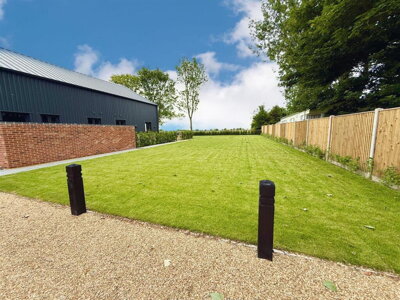
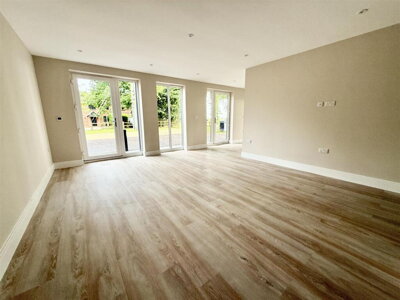
Browse 2 homes new builds in Martham, Great Yarmouth from local developer agents.
The Martham property market offers detached, semi-detached, and terraced houses spanning various price ranges and neighbourhoods. Each listing includes detailed property information, photographs, and direct contact with the marketing agent.
£273k
20
0
121
Source: home.co.uk
Showing 20 results for Houses new builds in Martham, Great Yarmouth. The median asking price is £272,500.
Source: home.co.uk
Detached
10 listings
Avg £415,500
Semi-Detached
8 listings
Avg £239,375
Terraced
2 listings
Avg £142,500
Source: home.co.uk
Source: home.co.uk
Argyll and Bute encompasses a vast area of western Scotland, stretching from the peninsula of Kintyre to the islands of the Inner and Outer Hebrides. The property market here reflects the region's diverse geography, ranging from affordable village cottages to premium coastal estates. Our current listings span properties in communities like Oban, the "Gateway to the Isles," Tarbert, Inveraray, Dunoon, and the surrounding countryside. Each area offers its own character while sharing the common advantages of stunning natural beauty and a relaxed pace of life that draws buyers from across the UK.
The median property price in Argyll and Bute typically sits below the Scottish national average, making this one of Scotland's more affordable coastal regions for buyers. According to recent market data, residential properties in the council area commonly range between £150,000 and £250,000 for standard family homes, with coastal properties commanding premiums depending on sea views and accessibility. Oban, as the largest town and commercial centre, tends to have the highest property values in the region, while smaller villages and island communities often offer more competitive pricing for buyers willing to embrace rural living.
Rural properties in the region often feature traditional Scottish construction methods, including stone walls and slate roofing that reflect the area's heritage. Many homes were built using local stone quarried from the surrounding hills, creating distinctive buildings that blend seamlessly into the landscape. These older properties typically predate modern building regulations and may require updates to insulation, heating systems, and wiring to meet current standards. New builds are limited in the more remote communities, with most housing stock consisting of older properties that have been carefully maintained by local owners. This older housing stock means buyers should budget for potential renovation work or updates to insulation and heating systems.
Our platform updates daily with new listings across the region, ensuring you have access to the most current market information whether you are searching for a period cottage in Inveraray, a modern home near Oban, or a remote property on one of the many islands accessible by ferry. The Argyll and Bute property market remains active throughout the year, though spring and summer typically see increased activity as buyers take advantage of better weather for property viewings and travel to island locations.

Argyll and Bute offers a lifestyle that prioritises quality of life over urban conveniences. The region is characterised by its dramatic coastline, ancient woodlands, and historic castles that dot the landscape. Residents enjoy easy access to outdoor activities including sailing, fishing, hiking, and wildlife watching, with regular sightings of deer, eagles, and seals. The population of the council area is approximately 86,000, spread across mainland communities and numerous islands, creating tight-knit communities where neighbours know one another and local events bring people together throughout the year.
The economy of Argyll and Bute is built on tourism, fishing, forestry, and public services. Oban serves as the commercial centre for the region, home to approximately 8,000 residents and offering a range of shops, restaurants, and professional services. The town is famous for its seafood, particularly fresh oysters and langoustines landed at the harbour, and its proximity to distilleries including Oban, Glengoyne, and Deanston attracts visitors interested in Scotland's whisky heritage. Smaller villages maintain their own local shops, pubs, and services, with Tarbert serving as an important gateway between the Kintyre peninsula and the mainland, and Dunoon providing ferry connections to Gourock on the Clyde.
Healthcare facilities are concentrated in towns like Oban and Dunoon, with smaller communities served by local GP surgeries and mobile services. The region has seen renewed interest from remote workers seeking affordable property prices combined with exceptional natural beauty, with improved broadband connectivity making home working increasingly viable even in more remote locations. The Scottish Government has invested in digital infrastructure across the region, though speeds can still vary significantly between communities. For those considering relocation, Argyll and Bute offers a genuine alternative to urban living, with property prices substantially lower than comparable areas in England while maintaining excellent access to wilderness and outdoor recreation.
Community life in Argyll and Bute revolves around traditional events including highland games, seafood festivals, and local agricultural shows that take place throughout the summer months. The region has a strong Gaelic heritage, and several communities actively maintain the language through education and cultural events. New residents are typically welcomed warmly, with the established communities appreciating the economic contribution that incomers bring to sustain local services and businesses.

Families considering a move to Argyll and Bute will find a range of educational options across the region. The council operates primary schools in most communities, with class sizes often smaller than in urban areas, allowing for more individual attention and strong pupil-teacher relationships. Oban Primary School and Rockfield Primary in Oban serve the largest town, while smaller settlements have their own primary schools serving local catchment areas. These smaller schools are often their communities, hosting events and providing facilities for residents beyond regular school hours.
Secondary education is available in larger towns including Oban High School, which serves students from across the region and offers a broad curriculum including sciences, languages, and the arts. The school has modern facilities and participates in national programmes providing opportunities for students in music, drama, and sports. Other secondary schools in the region include Dunoon Grammar School, Hermitage Academy in Helensburgh, and Islay High School serving island communities. The Scottish education system follows the Curriculum for Excellence framework, preparing students for national qualifications including Highers and Advanced Highers for those pursuing further education at Scottish universities.
Independent schools in the region include St Columba's in Oban, providing an alternative educational approach for families seeking different pedagogical methods. For vocational training and further education, the region is served by Argyll College UHI, part of the University of the Highlands and Islands network, offering courses from introductory level through degree programmes in subjects including business, computing, arts, and STEM subjects. The college has campuses in Oban, Dunoon, and other locations, with online delivery supplementing face-to-face learning for remote students. University education is accessible through the same institution or by travel to Glasgow, Stirling, or other Scottish university cities, with regular bus services connecting larger communities to university towns.
Parents considering relocation should note that transport arrangements for secondary pupils living in rural areas are typically provided by the council, though journey times to school can be longer than in urban settings. For families with children requiring additional support, the council's Additional Support for Learning team works with schools to ensure appropriate provision is available. Island communities have their own school arrangements, with secondary pupils typically boarding during the week or pursuing distance learning options offered through UHI.
Transportation in Argyll and Bute requires careful consideration, as the region's geography means travel often involves water crossings or scenic coastal routes. The A83 trunk road runs through the mainland portion of the region, connecting communities from Tarbert to Dunoon and serving as the main arterial route for road transport. The road passes through spectacular scenery including the Rest and Be Thankful pass, though landslides and closures can occasionally affect access to some communities. The A819 provides access to the Inveraray area and the shores of Loch Awe, while the A83 continues to Campbeltown at the southern tip of Kintyre.
For island properties, ferry services are a fact of life, with regular crossings to islands including Mull, Jura, Islay, and Bute. CalMac ferries operate under a public service obligation, offering reduced fares for island residents and regular timetables throughout the year. The crossing from Oban to Craignure on Mull takes approximately 45 minutes, while longer routes to Islay require several hours. Vehicle ferry bookings are essential during peak summer periods, and owners of island properties should factor in waiting times when planning travel with vehicles. Foot passengers can usually board without booking on most services.
Rail connections to Argyll and Bute are limited, with the West Highland Line serving the northern section through places like Bridge of Orchy and Glenfinart on the route from Glasgow to Mallaig. This scenic railway has been featured in numerous films and offers connections to Fort William and the Highlands beyond. For most mainland communities, Glasgow is approximately two to three hours' drive away, making it feasible for occasional commuting for those working in the city. Bus services operate throughout the region, connecting villages to larger towns, though frequencies may be reduced compared to urban areas, particularly on Sundays and public holidays.
Edinburgh Airport offers connections across the UK and Europe, approximately three to four hours' drive from the southern parts of the region. Glasgow Airport is more accessible for most mainland communities, typically around two to three hours' drive depending on departure point. Inverness Airport in the north provides connections to Orkney and Shetland as well as UK and European destinations. For island residents, helicopter services operated by Loganair provide emergency medical transfers and some scheduled services to more remote communities not served by regular ferry routes.
Contact Scottish mortgage lenders or brokers to obtain an Agreement in Principle before viewing properties. Scotland has its own financial regulations, and speaking with a broker familiar with the Scottish market ensures you understand local lending criteria and can borrow confidently. Interest rates and lending products may differ from those available in England, and some UK-wide lenders do not operate in Scotland, making local broker advice valuable.
Create your free account on Homemove to save favourite properties, set up alerts for new listings matching your criteria, and access detailed property information from estate agents across Argyll and Bute. Our platform is updated daily with new properties as they come to market, and you can filter searches by price, property type, number of bedrooms, and location within the region. We also provide information on local schools, transport options, and community facilities to help you assess different areas.
Schedule viewings for properties that meet your requirements and spend time exploring the local community. Consider seasonal variations, as some coastal areas may feel quite different during winter months when tourist traffic decreases and some facilities close. Speak with locals about their experience living in the area, including practical matters such as broadband speeds, mobile phone coverage, and access to services. For island properties, spend time on the island during different seasons if possible to understand the full picture of island living.
When you find your ideal property, your solicitor will submit a formal offer through the Scottish missives process. Unlike England, offers in Scotland are typically binding once accepted and missives are concluded, so ensure your finances are confirmed before making an offer. Negotiations may include fixtures and fittings, and it is worth specifying exactly what is included in the sale. The Home Report, which sellers must provide, gives you valuable information about the property's condition and energy efficiency before you make an offer.
Instruct a Scottish solicitor to handle the transaction and order a RICS Level 2 Survey to assess the property's condition. For older properties common in the region, surveys typically cost between £400 and £550 depending on property size and value. We can arrange surveys across Argyll and Bute through our network of RICS qualified surveyors familiar with local construction methods and common issues in the area. Do not skip the survey, as older properties may have hidden defects that could be costly to remedy.
In Scotland, there is no formal exchange of contracts separate from completion. Once missives are concluded, a date is set for entry, and you will receive the keys to your new home. Your solicitor will arrange the Land and Buildings Transaction Tax payment, and your mortgage lender will transfer funds directly to complete the purchase. Arrange buildings insurance from the date of entry, as properties in coastal and rural areas can face higher insurance risks.
Purchasing property in Argyll and Bute requires specific considerations that differ from urban property purchases elsewhere in the UK. Properties in this coastal and island region may be subject to unique risks including coastal erosion, exposure to severe weather, and potential flooding in low-lying areas near waterways. A thorough survey is essential, and buyers should pay particular attention to roof conditions, heating systems, and insulation quality in older properties where renovation may be needed to meet modern standards.
Many properties in the region are heated by oil or bottled gas rather than mains gas, so buyers should budget for fuel costs and understand the logistics of fuel delivery to more remote locations. Oil tanks require regular filling, typically two to three times per year depending on usage, and prices can fluctuate significantly. Some properties use electric heating, which can be expensive, while others have solid fuel systems using wood or coal. Understanding the heating system and its running costs is essential for budgeting accurately for your new home.
Water supply may come from private boreholes or lochs rather than the mains network, requiring testing and potential treatment systems. Scottish Water provides information on which properties are on mains supply, and private water supplies should be tested for bacteria, nitrates, and other contaminants before purchase. Septic tank or bio-disc systems serve many rural properties instead of mains drainage, and prospective buyers should have these inspected as part of their survey process. Septic tanks require emptying periodically and must be registered with SEPA, the Scottish Environment Protection Agency.
Home insurance costs may be higher than urban areas due to risks such as storm damage and flooding. Properties near the coast may face higher premiums due to exposure to severe weather, and some insurers may require specific flood proofing measures or refuse coverage in high-risk areas. Getting insurance quotes before finalising a purchase is advisable, as insurance costs can significantly affect the overall affordability of a property. For island properties, factor in the additional complexity and potential delays in arranging repairs or emergency services when considering maintenance costs.
Property prices in Argyll and Bute generally sit below the Scottish national average, with median prices for residential properties typically ranging between £150,000 and £250,000 depending on property type and location. A typical three-bedroom family home in a village setting often costs between £150,000 and £200,000, while larger detached properties in desirable locations such as coastal villages near Oban may exceed £300,000. Coastal properties with sea views and island homes may command premiums, while cottages in smaller villages can be available at more affordable prices. The exact price you pay will depend on factors including property condition, accessibility, and proximity to local amenities.
The Scottish property system operates separately from England and Wales, with distinct legal processes and terminology that reflect Scotland's independent legal jurisdiction. Properties are described as "offers over" the Home Report valuation figure rather than asking price in many cases, meaning the final sale price is typically higher than the valuation figure. Once an offer is accepted and missives are concluded, it is legally binding, unlike the more tentative offer process in England where neither party is committed until contracts are exchanged. The Home Report is a mandatory document including a survey, energy certificate, and property questionnaire that sellers must make available to potential buyers before offers can be considered.
Council tax in Argyll and Bute is set by Argyll and Bute Council and follows the Scottish banding system from A to H based on property valuation as of April 1991. Most residential properties in the region fall into bands A through D, with band A properties typically valued up to £27,000 and band D properties valued between £58,001 and £78,000. The actual council tax amount depends on the band and the council's annual budget, with most households in Argyll and Bute paying between £1,000 and £1,500 per year. You can check the council tax band for any property through the Scottish Assessors Association website.
Land and Buildings Transaction Tax (LBTT) applies to property purchases in Scotland rather than Stamp Duty Land Tax which applies in England and Wales. The current Scottish thresholds are 0% on the first £145,000, 2% on the portion from £145,001 to £250,000, 5% from £250,001 to £325,000, 10% from £325,001 to £750,000, and 12% above £750,000. First-time buyers may qualify for relief on properties up to £175,000, effectively zero rating the first band. Your solicitor will calculate the exact LBTT due and include this in their settlement statement.
Public transport options in Argyll and Bute include bus services connecting most communities to larger towns, with Argyll and Bute Council operating some routes and private operators providing others. The frequency of services varies significantly, with main routes between towns typically running several times daily while more remote villages may have only one or two buses per week. Ferry services are essential for accessing island communities, with CalMac providing regular crossings to major islands including Mull, Jura, Islay, Bute, and Coll. Rail services are limited to the northern mainland section via the West Highland Line between Glasgow Queen Street and Mallaig. For travel to Glasgow and Edinburgh, most residents use their own vehicles or take buses to connect with rail services at Dumbarton or similar points.
Argyll and Bute offers potential for property investment, particularly for those seeking holiday lets, second homes, or long-term rentals. The tourism industry in the region is well-established, with visitors drawn to the natural beauty, outdoor activities, and island hopping opportunities that make the area unique. Properties in Oban and along popular tourist routes can generate substantial holiday rental income, with some owners achieving yields of 6-8% on well-presented properties. However, buyers should research local regulations regarding short-term lets and consider that the market may be less liquid than urban areas, potentially affecting resale timelines. Property values have shown steady growth over recent years as more buyers discover the region's combination of affordability and quality of life.
Surveying a property in Argyll and Bute requires attention to region-specific issues that our surveyors are experienced in identifying. The condition of roofs requires careful assessment given exposure to coastal weather and strong winds that are common in the region. Check for signs of damp, particularly in stone-built properties where moisture penetration can cause structural issues over time. Assess the effectiveness and type of heating systems, as many older properties have outdated or inefficient heating that will incur high running costs. For coastal properties, examine for evidence of coastal erosion or flood damage, and check the condition of any sea walls or coastal defences. A RICS Level 2 Survey provides a thorough assessment and highlights any issues requiring attention before purchase, with surveyors in our network familiar with common defects in traditional Scottish construction.
From 3.5% APR
Finding the right mortgage for your Scottish property purchase
From £499
Scottish solicitors handling your property transaction
From £400
Comprehensive survey for your Argyll and Bute property
From £60
Energy performance certificate for Scottish properties
Beyond the property purchase price, buyers in Argyll and Bute should budget for several additional costs including Land and Buildings Transaction Tax, solicitor fees, survey costs, and potential renovation expenses. Home Report fees are typically paid by the seller, but buyers may need to commission additional surveys for older properties or those in more challenging locations such as islands or exposed coastal sites. Factor in costs for moving, which may include ferry crossings for island properties, as well as utility connections and any work required to bring a property up to habitable standard.
Land and Buildings Transaction Tax rates start at 0% for the first £145,000 of the purchase price, rising through several bands to 12% for properties above £750,000. For a typical property priced at £200,000 in Argyll and Bute, LBTT would be £1,100, while a £300,000 purchase would incur £3,100 in tax. First-time buyers benefit from relief that effectively removes tax on the first £175,000. Mortgage arrangement fees typically range from £0 to £2,000 depending on the lender and product chosen, and some lenders offer cashback deals that can offset these costs.
Survey costs for a RICS Level 2 Survey average between £400 and £550 for properties in the region, with more valuable or complex properties potentially costing more. Our surveyors who work across Argyll and Bute are familiar with traditional construction methods and common issues in the area, ensuring thorough assessments of stone walls, slate roofs, and older heating systems. Solicitor fees for conveyancing typically range from £500 to £1,500 depending on the complexity of the transaction and property value, with island transactions sometimes incurring additional costs due to the complexity of title deeds. Buyers purchasing with a mortgage will also need to budget for valuation fees charged by the lender and buildings insurance from day one of ownership.
Properties New Builds In London

Properties New Builds In Plymouth

Properties New Builds In Liverpool

Properties New Builds In Glasgow

Properties New Builds In Sheffield

Properties New Builds In Edinburgh

Properties New Builds In Coventry

Properties New Builds In Bradford

Properties New Builds In Manchester

Properties New Builds In Birmingham

Properties New Builds In Bristol

Properties New Builds In Oxford

Properties New Builds In Leicester

Properties New Builds In Newcastle

Properties New Builds In Leeds

Properties New Builds In Southampton

Properties New Builds In Cardiff

Properties New Builds In Nottingham

Properties New Builds In Norwich

Properties New Builds In Brighton

Properties New Builds In Derby

Properties New Builds In Portsmouth

Properties New Builds In Northampton

Properties New Builds In Milton Keynes

Properties New Builds In Bournemouth

Properties New Builds In Bolton

Properties New Builds In Swansea

Properties New Builds In Swindon

Properties New Builds In Peterborough

Properties New Builds In Wolverhampton

Enter your details to see if this property is within your budget.
Loans, cards, car finance
Estimated property budget
Borrowing + deposit
You could borrow between
Typical borrowing
Monthly repayment
Est. at 4.5%
Loan-to-value
This is an estimate only. Your actual budget may vary depending on interest rates, credit history, and personal circumstances. For an accurate affordability assessment, speak to one of our free mortgage advisors.
This calculator provides estimates for illustrative purposes only and does not constitute financial advice. Your home may be repossessed if you do not keep up repayments on your mortgage. Estimates based on 4.5% interest rate, repayment mortgage. Actual rates depend on your circumstances.
Homemove is a trading name of HM Haus Group Ltd (Company No. 13873779, registered in England & Wales). Homemove Mortgages Ltd (Company No. 15947693) is an Appointed Representative of TMG Direct Limited, trading as TMG Mortgage Network, which is authorised and regulated by the Financial Conduct Authority (FRN 786245). Homemove Mortgages Ltd is entered on the FCA Register as an Appointed Representative (FRN 1022429). You can check registrations at NewRegister or by calling 0800 111 6768.

We use cookies to show you personalised content and improve your experience of our website. Find out more in our Privacy policy and Cookie policy.