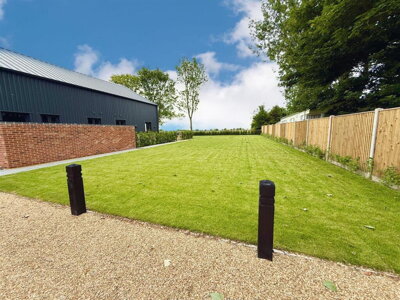
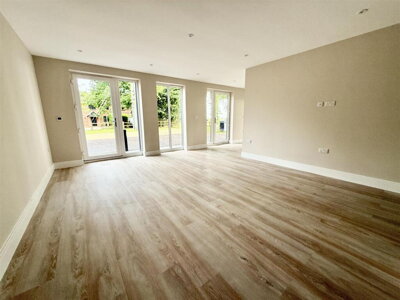
Browse 2 homes new builds in Martham, Great Yarmouth from local developer agents.
£260k
45
2
134
Source: home.co.uk
Source: home.co.uk
Detached Bungalow
12 listings
Avg £345,417
Detached
10 listings
Avg £415,500
Semi-Detached
8 listings
Avg £239,375
End of Terrace
4 listings
Avg £195,000
Bungalow
2 listings
Avg £255,000
Cottage
2 listings
Avg £185,000
Terraced
2 listings
Avg £142,500
Town House
2 listings
Avg £235,000
Barn Conversion
1 listings
Avg £425,000
Mill
1 listings
Avg £495,000
Source: home.co.uk
Source: home.co.uk
The Argyll and Bute property market offers distinctive opportunities for buyers seeking authentic Scottish coastal living, with properties ranging from traditional stone-built cottages and Victorian terraces in towns like Oban and Dunoon to modern developments and converted historic buildings. The market caters to various budgets and preferences, from compact one-bedroom flats suitable for first-time buyers to substantial family homes with multiple bedrooms and generous gardens overlooking the Firth of Lorn or the Firth of Clyde. Properties in popular coastal towns command premium prices, with three-bedroom family homes in Oban typically ranging from £180,000 to £280,000 depending on condition and location, while detached properties with sea views frequently exceed £350,000.
The Scottish Highlands property market has demonstrated resilience and steady growth, with coastal locations particularly attractive to buyers seeking a better quality of life away from urban centres. Remote working trends have increased demand for properties with dedicated office spaces and reliable broadband connections, with the Scottish Government investing in digital infrastructure improvements across rural areas. Property values in towns like Oban have shown consistent appreciation over the past decade, driven by limited new supply and growing demand from buyers seeking coastal and rural lifestyles. The tourism industry supports a seasonal rental market, with properties in strategic locations capable of generating supplementary income through holiday letting platforms, though buyers should obtain planning consent for any change of use to residential letting.
First-time buyers in Scotland benefit from favourable SDLT (Land and Buildings Transaction Tax) thresholds compared to England, with first-time buyer relief applying to properties up to £175,000. For a typical first-time buyer purchasing a property at £200,000 in Argyll and Bute, SDLT would be approximately £1,100, whereas a non-first-time buyer would pay around £1,500. These savings can be significant when combined with competitive mortgage products available from Scottish lenders, many of whom offer favourable rates for properties in this region. The lower entry costs compared to Scottish city markets make Argyll and Bute an attractive proposition for buyers willing to embrace rural and coastal living.

Argyll and Bute is one of Scotland's most scenic council areas, encompassing mainland communities and numerous islands including Mull, Islay, Jura, and Bute. The region is characterised by dramatic mountain landscapes including the peaks of Glencoe and Ben Nevis visible from western viewpoints, deep sea lochs such as Loch Fyne and Loch Long, ancient woodlands, and an extensively indented coastline that provides breathtaking views and abundant outdoor recreational opportunities. The local economy draws strength from tourism, fishing, aquaculture, renewable energy, and the presence of heritage attractions including Duart Castle on Mull, Inveraray Castle, and numerous prehistoric sites that celebrate the area's rich Gaelic culture and history spanning thousands of years.
Communities throughout Argyll and Bute benefit from a range of local amenities including primary schools, health centres, shops, restaurants, and community facilities. The main towns of Oban (known as the Gateway to the Isles), Dunoon on the Cowal peninsula, and Rothesay on the Isle of Bute serve as local service centres with expanded retail and hospitality offerings. Oban itself offers a comprehensive range of amenities including supermarkets, independent retailers, restaurants, and professional services, while smaller villages provide essential local services within intimate community settings. The region's population includes a mix of long-established Highland families, incomers from Scottish cities, and international buyers drawn by the quality of life and natural beauty that defines this part of Scotland.
Cultural activities include traditional music sessions in local pubs, Highland games throughout the summer months at venues including Oban, Dunoon, and Rothesay, and community festivals that showcase local arts and crafts. The Gaelic language remains an important part of the cultural fabric, with Gaelic medium education available in appropriate areas and road signs displayed in both Gaelic and English. The climate in Argyll and Bute is typically milder than equivalent latitudes on the continent, thanks to the warming influence of the Gulf Stream, though residents should be prepared for significant rainfall throughout the year and occasional strong winds from the Atlantic. Property owners in coastal areas may encounter higher insurance premiums due to weather exposure and potential coastal erosion risks, which should be factored into overall budget calculations.

Education provision in Argyll and Bute includes a network of primary schools serving local communities across the mainland and islands, with secondary education provided at schools in towns such as Oban High School, Dunoon Grammar School, and Islay High School. Class sizes in rural schools tend to be smaller than urban counterparts, allowing for more individualised attention and a strong sense of community belonging among pupils. The council maintains commitment to providing quality education while preserving Gaelic language and culture through Gaelic medium education options available in appropriate areas. For families with secondary-age children requiring specialist subjects or facilities, transport arrangements connect students to larger schools, though these journeys may involve ferry crossings for island communities.
Parents researching schools in the Argyll and Bute area can access Education Scotland inspection reports through their website, which evaluate schools across multiple quality indicators including learning, teaching, and assessment; meeting of learning needs; effectiveness of leadership; and quality of care and support. These inspection reports provide objective assessments of school quality and can support informed decisions about schooling options for your family when relocating to the area. For families considering private education, options are limited within the immediate region, though boarding schools in the broader Scottish Highlands and Central Belt may be considered. Parents should verify current school roll capacities and admission arrangements directly with Argyll and Bute Council education department, as some schools may have capacity constraints due to teacher recruitment challenges common in rural areas.
Further and higher education opportunities are accessible through colleges in Oban and Lochgilphead, with the University of the Highlands and Islands offering courses at multiple local centres. Larger university institutions located in Inverness, Glasgow, and Stirling are accessible within reasonable commuting distance for part-time or distance learning programmes. The growing availability of online learning platforms has expanded educational opportunities for residents pursuing professional qualifications or career development while living in Argyll and Bute. Families should consider potential travel times and arrangements for extracurricular activities, as some educational opportunities may require journeys to larger population centres.
Transport connections in Argyll and Bute combine ferry services, road networks, and regional air links to connect the area with the rest of Scotland. The terminal at Oban provides regular ferry services to the islands of Mull, Coll, Tiree, and the Outer Hebrides, making island communities accessible for commuting and leisure purposes. The CalMac ferry network serves as a vital lifeline for island residents, with multiday tickets available for those planning extended visits to mainland services. Road access to the mainland is via the A85 trunk road running through the region, connecting Oban to Glasgow via Crianlarich and Stirling, with journey times to Glasgow typically around two and a half to three hours by car.
Bus services operated by Scottish Citylink and local operators provide public transport connections between major towns and villages, though frequency may be limited in more remote areas. The West Coast Motors company provides services along the A83 through Kintyre and the A815 through Cowal, connecting communities with Oban, Dunoon, and regional centres. For those without private vehicles, journey planning requires careful attention to timetables, as services to smaller villages may operate only once or twice daily. The rugged terrain and numerous sea lochs mean that road journeys often involve longer distances than they might appear on a map, with some routes requiring ferry crossings.
The nearest railway stations are at Oban (with daily services to Glasgow Queen Street via the scenic West Highland Line passing through Glen Coe and Rannoch Moor) and at Taynuilt on the longer route. The West Highland Line is renowned as one of Scotland's most scenic railway journeys, regularly featured in travel documentaries and attracting tourist interest that can lead to crowded services during peak summer months. For air travel, Glasgow International Airport and Glasgow Prestwick Airport provide access to the broader UK and international flight networks, located approximately three to three and a half hours' drive from the Oban area. Inverness Airport in the north offers connections to London and other major UK destinations with significantly reduced journey times from that direction. Many residents in Argyll and Bute rely on private vehicles as their primary transport mode given the rural nature of the area, and property searchers should consider whether adequate parking and garaging facilities are available when evaluating properties.
Investigate different communities within Argyll and Bute to find the location that best matches your lifestyle needs, budget, and proximity to work, schools, and amenities. Consider factors such as ferry timetables if commuting to islands, road conditions, and seasonal tourism impacts on traffic in popular areas. Visit potential locations at different times of year if possible, as summer visitor numbers can significantly alter the character of coastal towns like Oban and Dunoon. Local property agents can provide valuable insights into community dynamics, upcoming developments, and areas likely to see price appreciation.
Obtain a mortgage agreement in principle before beginning property viewings to understand your budget and demonstrate your seriousness to sellers. Scottish lenders offer competitive rates, and speaking with a mortgage broker can help you find the best deal for your circumstances, whether you are a first-time buyer or moving from another property. In Scotland, mortgages work similarly to the rest of the UK, with most lenders offering products suitable for residential properties in rural and coastal areas. Be aware that properties on islands may have different lending criteria, and some lenders require properties to meet minimum size or condition requirements.
Use Homemove to browse current listings across Argyll and Bute, setting up property alerts for your preferred locations and criteria. Arrange viewings through listed estate agents, and consider visiting areas at different times of year to experience seasonal variations in weather and tourism activity before committing. Properties in Argyll and Bute can sell quickly in peak seasons, so registering with multiple local estate agents is advisable. Ask agents about the motivation of sellers, any offers already received, and the length of time the property has been on the market to inform your negotiation strategy.
Before purchasing, arrange for a RICS Level 2 Survey (Homebuyer Report) to assess the property condition and identify any defects or maintenance issues. National averages for this survey type range from around £416 to £639 depending on property value and location, with properties above £500,000 averaging around £586. For standard residential properties in Argyll and Bute, survey costs typically fall between £400 and £550, providing valuable information about construction quality, potential structural issues, and required maintenance. Given the age of many properties in the region and the challenging coastal environment, a thorough survey is particularly important to identify any issues with weathering, damp penetration, or timber conditions.
Appoint a Scottish solicitor (called a solicitor-advocate) to handle the legal aspects of your purchase, including Title deeds review, property searches, and registration with the Land Register of Scotland. Conveyancing costs in Scotland typically range from £500 to £1,500 depending on property value and complexity. Many solicitors in Argyll and Bute and the wider Highland region specialise in rural property transactions and understand the specific issues affecting coastal and island properties. Your solicitor will conduct searches for matters including planning permissions, building warrants, and any environmental factors affecting the property.
Your solicitor will handle the exchange of missives (the Scottish equivalent of contracts) and the final settlement date when you receive the keys. The missives process in Scotland differs from the English system, with the conclusion of formal letters representing the binding agreement rather than a separate exchange of contracts. Ensure buildings insurance is in place from the completion date, and arrange utility transfers for your new home including electricity, gas where available, oil heating supply, and water services. Register with local medical practices and council services promptly after relocation, as some rural services may have waiting lists.
Property purchases in rural Argyll and Bute require attention to specific considerations beyond standard property searches. Buildings in coastal and island locations may be constructed from traditional materials including stone, slate, and local timber, requiring knowledge of maintenance requirements for these construction types. Properties in exposed coastal positions may face higher insurance premiums due to weather exposure and potential coastal erosion risks, which buyers should factor into their overall budget calculations. Many properties in the region are of traditional construction, built before modern building regulations, and may require ongoing maintenance to maintain weather tightness and structural integrity.
Flood risk varies throughout the region, with properties near rivers, sea lochs, and coastal areas potentially subject to flooding during severe weather events. The Scottish Flood Risk Management information available through SEPA (Scottish Environment Protection Agency) and local councils can help identify known flood risk areas, and mortgage lenders may require flood risk assessments for properties in affected locations. The changing climate has increased awareness of extreme weather events, and buyers should consider the potential for flooding when evaluating properties near watercourses or on low-lying coastal ground. Properties on elevated sites with good drainage may offer better long-term resilience to changing weather patterns.
Energy efficiency ratings (EPCs) are particularly relevant for older rural properties, where solid wall construction and reliance on oil or electric heating can result in higher running costs compared to modern homes with central heating systems using mains gas. Approximately 15% of properties in Scotland are estimated to have an EPC rating of G, the lowest rating, with older rural properties disproportionately represented in this category. Buyers should factor potential heating costs into their budget calculations, and consider whether investment in insulation, double glazing, or renewable heating systems might be warranted. The Scottish Government has introduced various schemes to support energy efficiency improvements in older properties, and your solicitor can advise on any available funding.
Many properties in Argyll and Bute are sold as freehold, though buyers should verify tenure details as some properties (particularly flats within larger buildings) may be leasehold with associated ground rent and service charge obligations. In Scotland, factors (managing agents) maintain communal areas and building exteriors, with costs shared among property owners through factoring agreements. Conservation areas exist in various towns and villages throughout the region, potentially affecting permissions for external alterations or extensions. Listed building status (categories A, B, and C) applies to buildings of special architectural or historic interest, requiring listed building consent for most modifications, and buyers should understand the implications of purchasing a listed property before proceeding.
Understanding the costs involved in purchasing property in Argyll and Bute is essential for budgeting effectively. The Land and Buildings Transaction Tax (SDLT) replaces the England and Wales stamp duty land tax and applies to all residential property purchases in Scotland. First-time buyers benefit from relief on properties up to £175,000, significantly reducing upfront costs compared to the English system where first-time buyer relief applies up to £425,000. For a typical property in Argyll and Bute priced at £200,000 purchased by a first-time buyer, SDLT would be approximately £1,100, whereas the same property purchased by a non-first-time buyer would attract around £1,500 in SDLT, making first-time buyer status worth approximately £400 in this price range.
Beyond SDLT, buyers should budget for solicitor fees typically ranging from £500 to £1,500 depending on property value and transaction complexity, plus outlays for property searches, Land Register registration (approximately £200-400), and Title deed examination. Survey costs for a RICS Level 2 Homebuyer Report average between £416 and £639 nationally, with Argyll and Bute properties typically falling within the £400-£550 range for standard residential properties. Buildings insurance must be arranged from the completion date, and buyers purchasing flats should obtain details of any service charges, sinking funds, and building maintenance obligations from the factoring company. Additional costs may include mortgage arrangement fees, valuation fees required by lenders, and removals expenses.
The current SDLT thresholds (2024-25) mean no tax is payable on purchases up to £145,000. Rates then progress through bands: 2% on the portion from £145,001 to £250,000, 5% from £250,001 to £325,000, 10% from £325,001 to £750,000, and 12% on amounts exceeding £750,000. Second home buyers and landlords face an additional 4% supplement on the entire purchase price, which significantly affects the economics of additional property purchases. The Scottish Parliament sets SDLT rates and thresholds, and these may change with each annual budget, so buyers should verify current rates closer to their anticipated purchase date. Your solicitor can provide a detailed calculation of all purchase costs once the agreed price is known.
Specific house price data for Liath Sgeir itself is not available as this is a coastal islet location without a residential property market. In the broader Argyll and Bute area, property prices vary significantly between towns and rural locations, with typical residential properties ranging from £100,000 for smaller cottages and flats to £300,000 or more for substantial family homes in popular coastal towns like Oban and Dunoon. Three-bedroom semi-detached properties in Oban typically command prices between £150,000 and £220,000, while detached family homes with sea views frequently exceed £350,000. The Scottish Registers of Scotland publishes detailed transaction data that your solicitor can access to verify comparable sales in specific localities.
Council tax in Argyll and Bute is set by Argyll and Bute Council, with property bands ranging from A (lowest values) through to H (highest values) based on the assessed value of properties as determined by the Scottish Assessers. Bands A through D typically apply to properties valued at up to £212,000, while bands E through H apply to progressively more valuable properties, with band H covering homes valued above £1.051 million. Monthly council tax bills vary accordingly, with band A properties paying approximately half the rate of band D properties. First-time buyers in Scotland may be eligible for council tax exemption on certain properties, and some relief schemes are available for individuals with disabilities or severe mental health conditions.
Schools in Argyll and Bute are managed by Argyll and Bute Council education department, with Oban High School and Dunoon Grammar School serving as major secondary schools with good reputations for academic achievement and extracurricular activities. Oban High School serves students from the town and surrounding mainland communities, while Dunoon Grammar School provides secondary education for the Cowal peninsula. Primary education is available in most communities, with smaller schools in rural villages offering intimate learning environments with lower pupil-to-teacher ratios. Education Scotland inspection reports provide objective assessments of school quality and can be accessed through their website to support informed decisions about schooling options for your family.
Public transport options in Argyll and Bute include bus services operated by Scottish Citylink and local operators, with the A85 route connecting Oban to Glasgow and the A83 serving the Cowal peninsula and Kintyre. Ferries operated by Caledonian MacBrayne connect mainland terminals at Oban, Claonaig, and Colintraves to island communities including Mull, Islay, and Bute, with some routes subject to weather-related disruption during winter months. Rail services at Oban station provide daily connections to Glasgow Queen Street via the scenic West Highland Line passing through Glen Coe and Rannoch Moor. Visitors and residents should note that services to more remote areas, including Liath Sgeir itself, are limited or non-existent given the uninhabited nature of the islet, and private vehicle ownership remains essential for residents in most Argyll and Bute locations.
Property investment in Argyll and Bute offers distinct advantages including strong lifestyle appeal, potential for holiday let income through platforms like Airbnb and Sykes Holiday Cottages, and growing demand from remote workers seeking coastal and rural lifestyles. The tourism industry supports a seasonal rental market, particularly in areas with ferry connections to islands and popular attractions, while long-term residential demand is sustained by local employment in fishing, aquaculture, tourism, and public services. However, investors should carefully research specific locations, consider seasonal variations in tourism income which may fluctuate with weather patterns and economic conditions, and account for potential challenges including higher property maintenance costs in coastal environments and limited resale liquidity in smaller markets. Properties requiring renovation may offer value opportunities but should be surveyed thoroughly before purchase.
In Scotland, SDLT applies to all residential property purchases, with current thresholds (2024-25) meaning no SDLT is payable on purchases up to £145,000. Rates then progress through bands: 2% on the portion from £145,001 to £250,000, 5% from £250,001 to £325,000, 10% from £325,001 to £750,000, and 12% on amounts exceeding £750,000. First-time buyers in Scotland receive relief on properties up to £175,000, paying nothing on the first £175,000 and standard rates thereafter. Second home buyers and landlords face an additional 4% supplement on the entire purchase price, which can significantly increase costs for investment property purchases in this region. Your solicitor will calculate the exact SDLT liability based on the purchase price and your buyer status.
From 3.99%
Competitive mortgage products available from Scottish and UK lenders for properties across Argyll and Bute
From £499
Scottish solicitors specialising in residential property transactions throughout Argyll and Bute and the wider Highland region
From £400
Thorough condition survey for properties in Argyll and Bute, identifying defects and maintenance requirements
From £80
Energy Performance Certificate required for all property sales in Scotland
Properties New Builds In London

Properties New Builds In Plymouth

Properties New Builds In Liverpool

Properties New Builds In Glasgow

Properties New Builds In Sheffield

Properties New Builds In Edinburgh

Properties New Builds In Coventry

Properties New Builds In Bradford

Properties New Builds In Manchester

Properties New Builds In Birmingham

Properties New Builds In Bristol

Properties New Builds In Oxford

Properties New Builds In Leicester

Properties New Builds In Newcastle

Properties New Builds In Leeds

Properties New Builds In Southampton

Properties New Builds In Cardiff

Properties New Builds In Nottingham

Properties New Builds In Norwich

Properties New Builds In Brighton

Properties New Builds In Derby

Properties New Builds In Portsmouth

Properties New Builds In Northampton

Properties New Builds In Milton Keynes

Properties New Builds In Bournemouth

Properties New Builds In Bolton

Properties New Builds In Swansea

Properties New Builds In Swindon

Properties New Builds In Peterborough

Properties New Builds In Wolverhampton

Enter your details to see if this property is within your budget.
Loans, cards, car finance
Estimated property budget
Borrowing + deposit
You could borrow between
Typical borrowing
Monthly repayment
Est. at 4.5%
Loan-to-value
This is an estimate only. Your actual budget may vary depending on interest rates, credit history, and personal circumstances. For an accurate affordability assessment, speak to one of our free mortgage advisors.
This calculator provides estimates for illustrative purposes only and does not constitute financial advice. Your home may be repossessed if you do not keep up repayments on your mortgage. Estimates based on 4.5% interest rate, repayment mortgage. Actual rates depend on your circumstances.
Homemove is a trading name of HM Haus Group Ltd (Company No. 13873779, registered in England & Wales). Homemove Mortgages Ltd (Company No. 15947693) is an Appointed Representative of TMG Direct Limited, trading as TMG Mortgage Network, which is authorised and regulated by the Financial Conduct Authority (FRN 786245). Homemove Mortgages Ltd is entered on the FCA Register as an Appointed Representative (FRN 1022429). You can check registrations at NewRegister or by calling 0800 111 6768.

We use cookies to show you personalised content and improve your experience of our website. Find out more in our Privacy policy and Cookie policy.