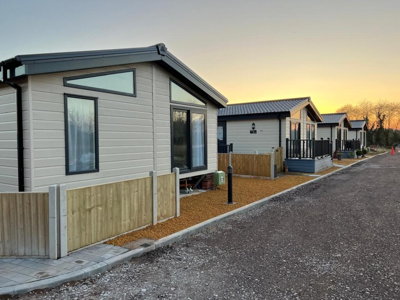
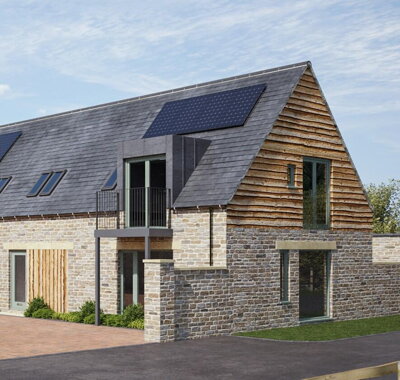
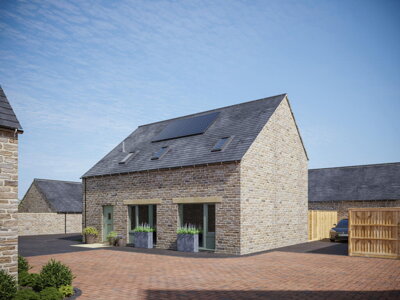
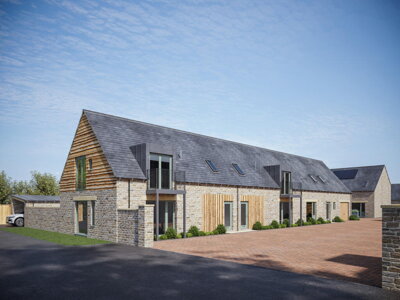
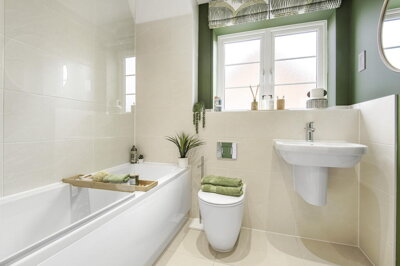
Browse 6 homes new builds in Marston Maisey from local developer agents.
The Marston Maisey property market offers detached, semi-detached, and terraced houses spanning various price ranges and neighbourhoods. Each listing includes detailed property information, photographs, and direct contact with the marketing agent.
Property types in Marston Maisey span the full spectrum of rural English housing. Detached properties command the highest values, with Little Plestor selling for £1,700,000 in November 2023 and Barn Owl House achieving £1,175,000 in February 2021. Semi-detached homes average around £543,735, with recent sales including 1 Greenleaze at £690,000 in August 2024. Terraced properties average £440,725, while flats in the area fetch approximately £267,944. These figures underscore the premium placed on space and character in this Cotswold village, where traditional stone construction and generous gardens remain highly desirable among buyers seeking the English countryside at its most authentic.
The market here moves deliberately, with approximately 17 properties changing hands over the past decade in the SN6 6LQ postcode alone, demonstrating steady rather than rapid turnover that characterises many rural Cotswold settlements. Recent sales within the last twelve months include 4 Greenleaze at £275,000 in September 2024, along with the notable Little Plestor transaction. This measured pace reflects the village's appeal to buyers who prioritise location and character over rapid capital growth, making Marston Maisey particularly attractive to those seeking a long-term home in an area where properties rarely appear on the market.

Life in Marston Maisey revolves around the rhythms of the countryside, with community spirit that flourishes despite the village's modest size. The population of 229 residents, as recorded in the 2021 census, represents steady growth from the 207 counted in 2011, reversing a long period of decline that saw numbers fall to just 166 by 1971. This resurgence reflects the village's transformation into a commuter settlement, attracting professionals who value the peaceful environment while working in nearby towns. The population peaked historically at 245 in 1841, during the height of agricultural employment, and the current growth trajectory suggests Marston Maisey continues to offer something special that draws people seeking an escape from urban life.
The local economy has evolved from mixed farming, which characterised the area for centuries, to predominantly arable production by the 21st century. The presence of The Old Spotted Cow provides a focal point for social interaction and good pub food, while the village's position near the River Thames southern boundary offers beautiful walking routes along the water and through surrounding farmland. The nearby RAF Fairford adds an international dimension to the local community, with the base historically providing employment and more recently hosting the Royal International Air Tattoo. Residents enjoy the best of both worlds: genuine rural isolation when desired, yet excellent connectivity to Swindon and beyond when needed for work or leisure.
The village occupies a distinctive position at the edge of the Cotswolds Area of Outstanding Natural Beauty, providing residents with immediate access to some of England's most celebrated landscapes. Rolling farmland, ancient woodlands, and the meandering Marston Meysey Brook define the surrounding countryside, offering excellent opportunities for walking, cycling, and wildlife observation. The River Thames forms the southern boundary of the parish, with the waterway providing further recreational possibilities and contributing to the village's timeless appeal. Our inspectors who visit properties in Marston Maisey frequently comment on the exceptional quality of the local environment, with many noting that the village retains an unspoiled character that distinguishes it from more heavily developed Cotswold locations.
Families considering a move to Marston Maisey will find educational opportunities available both within the village and in surrounding areas. The village's historic fabric includes several buildings with educational connections, notably Marston Hill House, which was constructed in 1884-85 and was used in the 1950s as a school for children of US servicemen stationed at RAF Fairford. This heritage underscores the village's ability to accommodate educational needs while maintaining its rural character. Primary education options in the wider area include schools in nearby villages, with parents able to access detailed Ofsted ratings and catchment area information through local authority resources to identify the most suitable options for their children.
Secondary education opportunities extend to schools in the Swindon area, reachable via the excellent transport connections that make Marston Maisey an attractive base for working families. For those considering private education, several well-regarded independent schools operate within reasonable driving distance across Wiltshire and Gloucestershire. The village's position near the Cotswold border provides access to schools in both counties, offering families a broader choice than might be expected for a settlement of this size. Sixth form and further education provision is readily available in Swindon, with its comprehensive range of A-level courses and vocational qualifications that cater to all academic pathways and career aspirations.
The availability of further and higher education within reach of Marston Maisey adds to the village's suitability for families at various stages. Swindon College and New College Swindon provide vocational courses and apprenticeships, while the proximity to universities in Bristol, Bath, and Oxford expands options for older students pursuing degree programmes. For families prioritising educational provision, our team can advise on which Marston Maisey property locations offer the most convenient access to preferred schools and colleges, helping you narrow your search to areas that match your specific requirements.
Connectivity defines Marston Maisey's appeal to commuters, with excellent road links connecting the village to major employment centres throughout the region. The village sits within easy reach of the A419, providing straightforward access to Swindon to the north and the M4 motorway beyond. The journey to Swindon town centre takes approximately 30 minutes by car, opening up employment opportunities in the borough's growing commercial and technology sectors. For those working in London, the M4 provides a direct route eastward to the capital, with journey times of around two hours to central London under normal traffic conditions, making day commuting feasible for those willing to make the journey.
Public transport options, while limited as expected for a village of this size, serve essential journeys effectively. Bus services link Marston Maisey with nearby towns, providing options for those who prefer not to drive for daily needs. The nearest railway stations operate in the surrounding area, connecting to the national rail network via Swindon and other regional hubs for longer journeys. For international travel, Bristol Airport and London Heathrow are accessible within approximately 90 minutes by car, making Marston Maisey a practical base for frequent flyers who need global connectivity.
Cyclists benefit from the peaceful rural lanes that characterise the area, though the gently undulating Cotswold landscape requires some fitness. The National Cycle Route 45 passes through the broader area, offering traffic-free options for recreational cycling and sustainable commuting where terrain permits. Many residents combine cycling with public transport, using bikes for local journeys and rail services for longer trips. Our inspectors who travel to Marston Maisey properties often note the contrast between the peaceful village environment and the excellent road connectivity, with the A419 providing swift access to employment centres that might otherwise seem distant.
Understanding how properties in Marston Maisey were constructed helps you appreciate their characteristics and anticipate maintenance requirements. The village exemplifies traditional Cotswold construction, with most historic properties built using locally quarried Cotswold limestone - a warm, honey-coloured oolitic limestone that defines the visual character of the village. This stone, which has been used in the area for centuries, is relatively soft and workable when freshly quarried but hardens with age, creating the distinctive appearance that makes Cotswold villages so attractive to buyers seeking authentic rural character.
Traditional Cotswold properties were constructed using lime mortar rather than cement, allowing the walls to breathe and moisture to evaporate naturally through the fabric of the building. Many older properties in Marston Maisey have solid walls without cavity insulation, which differs significantly from modern construction methods. Our team frequently identifies maintenance issues arising from inappropriate modern repairs - cement-based mortars and renders applied to historic stonework can trap moisture and cause decay that may take decades to become apparent. Understanding local building methods helps you evaluate renovation requirements and assess whether previous owners have maintained properties using appropriate traditional techniques.
Properties constructed after the Victorian era increasingly used brick as a primary building material, often alongside stone for decorative elements. This transitional construction introduces different maintenance considerations, as brick and stone respond differently to weathering and moisture. Our inspectors assess these material transitions carefully, as they often represent areas where water ingress can occur if flashings or mortar joints deteriorate. The combination of traditional stone construction and later brick additions creates a varied housing stock that requires experienced surveyors who understand both historic and more recent building methods prevalent in the area.
The Conservation Area designation covering Marston Maisey brings specific planning considerations that affect what you can and cannot do with a property. Any external alterations, extensions, or even significant landscaping may require consent from Wiltshire Council, and demolition of unlisted buildings within the Conservation Area faces similar scrutiny. Properties near The Street and the area around the Grade II* Church of St James fall within particularly sensitive zones where the planning authority takes a close interest in any proposed changes. Many buyers find these constraints contribute to the village's charm, as they help preserve the distinctive character that makes Marston Maisey so appealing in the first place.
Listed Building status adds another layer of planning control for the numerous historic properties in the village. The Grade II* Church of St James, Marston Hill House, Marston Meysey Manor House, Cox's Farmhouse, Bleeke House, Breakpools, Coln Cottage, and Grange Farmhouse all require Listed Building Consent for any works affecting their special character. This consent extends beyond structural changes to include alterations to windows, doors, roof materials, and even internal features where they contribute to the building's significance. Our team has experience surveying properties subject to these designations and can advise on the implications for your purchase and future plans.
These planning restrictions can affect renovation budgets and project timelines significantly. Works that might be straightforward on a modern property may require specialist consent, heritage assessment, and longer lead times when dealing with historic buildings. However, the same restrictions that limit what you can change also protect your investment by preventing unsympathetic alterations by neighbouring owners. Buyers who appreciate these constraints often find that they enhance the village's appeal, creating a living environment where architectural heritage is genuinely valued and preserved for future generations.
Our inspectors regularly identify defects specific to Marston Maisey's housing stock, and understanding these common issues helps you evaluate properties during your search. The village's geology presents particular challenges for property foundations, as the clay-rich soils common throughout Wiltshire are susceptible to shrink-swell behaviour. Properties in this area often experience seasonal ground movement as moisture levels in the clay change, with foundations typically extending only 450-600mm below ground level on older buildings. Extended dry periods can cause significant clay shrinkage, leading to subsidence that manifests as cracks in walls, sticking doors, and uneven floors. Our inspectors carefully assess crack patterns to determine whether movement is active or historical, using established criteria that distinguish between minor settlement and more serious structural concerns.
Flood risk from the Marston Meysey Brook demands careful consideration when purchasing property in Marston Maisey. The brook flows through the village and becomes a Flood Warning Area during periods of heavy rainfall, with low-lying properties facing potential flooding when levels at Whetstone Bridge reach 1.27m. Property flooding becomes possible above 1.40m, and the flood risk extends to surrounding land that may form part of a garden or outbuilding. Our team recommends reviewing historical flood records and understanding any flood resilience measures that may have been implemented at properties you are considering. Insurance costs may reflect these risks, so obtaining quotes before finalising your purchase decision represents a sensible precaution.
Damp and timber decay affect many period properties throughout the village, particularly those that predate modern damp-proof courses. Rising damp occurs where original damp-proof membranes are absent or have failed, and our inspectors frequently note signs such as staining, salt deposits on skirting boards, and peeling wallpaper at low levels. Penetrating damp results from defective rainwater goods, damaged flashings, or deteriorating stonework, and can affect walls at any height. Timber decay including wet rot and dry rot develops in persistently damp conditions, with wet rot requiring direct moisture contact while dry rot can spread through masonry and affect apparently dry timbers. Our inspectors test timber elements systematically and report any decay that requires remedial treatment before purchase.
Stone and mortar deterioration represents a particular concern with traditional Cotswold construction. Cotswold limestone is relatively soft and susceptible to erosion and spalling, particularly on west-facing elevations exposed to prevailing winds. Our inspectors examine pointing quality and stone surface condition, looking for evidence of previous repairs that may have used inappropriate materials. Properties that have received cement-based repairs often show accelerated stone decay in surrounding areas, as cement mortars trap moisture rather than allowing the wall to breathe as original lime mortars would have done. These maintenance issues typically develop gradually but require ongoing attention to prevent more serious deterioration affecting structural elements.
Begin by exploring property listings in Marston Maisey and surrounding villages. Understand the price ranges for different property types, from traditional stone cottages to converted barns. Note that detached properties here command significant premiums, with recent sales exceeding £1.7 million for premium stock. The village's Conservation Area status means development is restricted, which helps maintain long-term property values.
Before viewing properties, secure a mortgage agreement in principle from a lender. This strengthens your position when making offers in a market where traditional Cotswold properties attract considerable interest. With average prices around £486,837, most buyers will require mortgage financing, and having agreement in principle demonstrates serious intent to sellers.
View multiple properties across different seasons if possible, as rural homes can reveal different characteristics in various weather conditions. Pay particular attention to the condition of stone walls, roofing, and any signs of damp or structural movement common in older properties. Check proximity to the Marston Meysey Brook and review any flood history.
Given Marston Maisey's significant older housing stock, including numerous Listed Buildings and properties dating from the 17th century, a thorough survey is essential. Homemove offers Level 2 surveys in Wiltshire from £395, with costs varying based on property value and age. For Listed Buildings or heavily altered properties, consider a more comprehensive Level 3 Building Survey.
Appoint a conveyancing solicitor with experience in rural and Listed properties. They can advise on any restrictions arising from the Conservation Area designation and ensure all searches are completed thoroughly, including flood risk assessments for properties near the Marston Meysey Brook.
Once surveys are satisfactory and legal searches are complete, proceed to exchange contracts and set a completion date. Budget for Stamp Duty at current rates and remember that first-time buyers may qualify for relief on properties up to £625,000.
Purchasing a property in Marston Maisey requires careful attention to several factors unique to this Cotswold village. The presence of clay-rich soils throughout Wiltshire means that shrink-swell behaviour represents a genuine risk, particularly for older properties with shallow foundations. Look for signs of structural movement such as cracks in walls, uneven floors, or doors that fail to close properly. A thorough RICS Level 2 survey becomes especially valuable in this context, identifying potential issues before you commit to purchase. Climate change is increasing the frequency of both prolonged droughts and heavy rainfall, which can exacerbate ground movement in susceptible areas and put stress on older foundations.
The Conservation Area designation brings additional planning considerations that affect what you can and cannot do with a property. Any external alterations, extensions, or even significant landscaping may require consent from Wiltshire Council. For Listed Buildings, which include the Church of St James, Marston Hill House, and numerous farmhouses and cottages throughout the village, Listed Building Consent is required for works affecting the special character. Factor these restrictions into your renovation plans and budget, as specialist consents can add time and cost to projects. Many buyers find these constraints part of the village's charm, preserving the character that makes Marston Maisey so attractive in the first place.
When viewing properties in Marston Maisey, our inspectors recommend paying particular attention to the condition of stone walls, roof coverings, and rainwater systems. Traditional Cotswold stone requires ongoing maintenance, and our team frequently identifies issues arising from previous repairs using inappropriate materials. Check that pointing is in good condition and that no stones are loose or eroded. Examine roof slopes for slipped tiles or sagging ridges, and ensure gutters and downpipes are clear and functioning. Properties with large gardens require assessment of any trees near the house, as root systems can affect foundations in clay soils. Our detailed surveys cover all these aspects and more, providing you with the information needed to make an informed purchase decision.
The average property price in the broader Marston area stands at £486,837 according to recent market data. Detached properties command the highest values, with premium examples selling for over £1.7 million, while semi-detached homes average around £543,735 and terraced properties approximately £440,725. The market has experienced a 13% correction over the past year following a 2023 peak of £542,326, bringing prices to more accessible levels. Flats in the area average £267,944, though the village's housing stock is predominantly traditional houses rather than apartments given its rural character.
Properties in Marston Maisey fall under Wiltshire Council's jurisdiction for council tax purposes. Specific band allocations depend on the property's assessed value, with traditional stone cottages and converted farmhouses potentially spanning a range of bands from modest terraced properties to substantial detached homes. Contact Wiltshire Council directly or view the property's council tax band through the Valuation Office Agency website for precise information on any specific property you are considering purchasing.
Marston Maisey itself offers limited formal schooling due to its small size, but families benefit from primary school options in surrounding villages and secondary schools accessible via the excellent transport connections. The nearest secondary schools are located in the Swindon area, with detailed Ofsted ratings available through the Ofsted website. Several well-regarded independent schools operate within reasonable driving distance across Wiltshire and Gloucestershire, providing options for families seeking private education. Sixth form provision is readily available in Swindon's comprehensive schools and colleges for older students.
While public transport options reflect the village's rural character, residents can access bus services connecting to nearby towns including Swindon for daily needs. The nearest railway stations operate in the surrounding area, connecting to the national rail network. For commuting purposes, the A419 provides quick access to Swindon and the M4 motorway, making car travel the primary transport method for most residents. Bristol Airport and London Heathrow are accessible within approximately 90 minutes by car for international travel.
Marston Maisey offers several characteristics that make it attractive for property investment. The village's Conservation Area status and high concentration of Listed Buildings restrict new development, helping maintain property values in the long term. The transition to a commuter settlement has driven population growth from 207 in 2011 to 229 in 2021, suggesting continued demand from buyers seeking rural character with good connectivity. Properties in the area appeal to buyers seeking traditional Cotswold stone homes with adequate land, and these command consistent premiums in the market. However, flood risk from the Marston Meysey Brook and potential subsidence issues related to clay soils require careful consideration when assessing individual properties.
Stamp Duty Land Tax rates for 2024-25 apply as follows: 0% on purchases up to £250,000, 5% on the portion from £250,001 to £925,000, 10% on £925,001 to £1.5 million, and 12% above £1.5 million. First-time buyers enjoy enhanced relief, paying 0% up to £425,000 and 5% between £425,001 and £625,000. Given Marston Maisey's average prices, most purchases will attract stamp duty at the standard rates, though first-time buyers may qualify for significant savings on properties within the relief threshold.
Given the village's predominantly older housing stock and local geology, our inspectors frequently identify several recurring issues. Clay soils susceptible to shrink-swell behaviour can cause subsidence, particularly affecting properties with shallow foundations during extended dry periods. Properties near the Marston Meysey Brook face measurable flood risk that warrants careful investigation before purchase. Traditional stone construction requires specific maintenance attention, with inappropriate modern repairs using cement mortar a common concern that can accelerate stone decay. Damp and timber decay affect many period properties lacking modern damp-proof courses, and outdated electrical and plumbing systems frequently require updating to meet current standards. A thorough survey before purchase helps identify these issues while they remain the seller's responsibility.
If you are purchasing a Listed Building in Marston Maisey, such as those around The Street or near the Church of St James, our team typically recommends a Level 3 Building Survey rather than a standard Level 2. Listed Buildings often have unusual construction features, hidden historic fabric, and specific maintenance requirements that benefit from the more comprehensive assessment a Level 3 provides. While the additional cost reflects the extra time and expertise involved, the detailed information helps you understand what you are purchasing and anticipate future maintenance needs. Planning constraints affecting Listed Buildings also make professional survey advice valuable before committing to purchase.
🏠
From 4.5% fixed rates available for Marston Maisey properties
From £499
Specialist conveyancing for Marston Maisey conservation and Listed properties
From £395
Standard survey suitable for most properties, from £395
From £550
Comprehensive survey for older, Listed, or unusual properties
Understanding the full cost of purchasing property in Marston Maisey extends beyond the purchase price itself. Stamp Duty Land Tax represents the most significant additional cost, with current rates applying 0% to the first £250,000 of any purchase, 5% on amounts between £250,001 and £925,000, 10% on the next tier up to £1.5 million, and 12% on any value exceeding this threshold. For a typical property in Marston Maisey priced around the £486,837 average, a buyer would incur stamp duty of approximately £11,842, assuming they do not qualify for first-time buyer relief. Those purchasing their first home may benefit from the enhanced threshold, paying nothing on the first £425,000 and 5% on amounts up to £625,000.
Professional survey costs merit careful budgeting given the village's distinctive property characteristics. RICS Level 2 surveys in Wiltshire start from approximately £395 through Homemove, rising to around £1,250 for higher-value properties with multiple bedrooms. The average cost in the nearby Swindon area stands at £470. For Marston Maisey's older properties, including the numerous Listed Buildings and properties dating from the 17th century, a Level 3 Building Survey may prove more appropriate despite the higher cost, providing the comprehensive assessment that unusual construction demands. Conveyancing fees typically start from £499 for straightforward transactions, rising for properties with additional complexity such as those involving Conservation Area restrictions or historic property considerations.
Additional costs to budget for include search fees, mortgage arrangement fees where applicable, and building insurance from the point of exchange. Properties near the Marston Meysey Brook may incur higher insurance premiums reflecting flood risk, and our team recommends obtaining buildings insurance quotes before completion to avoid any unexpected expenses. Factor in potential renovation costs if purchasing a period property requiring updates to electrical systems, plumbing, or insulation. Our detailed surveys provide cost guidance for any remedial works identified, helping you budget accurately for your Marston Maisey purchase.

Properties New Builds In London

Properties New Builds In Plymouth

Properties New Builds In Liverpool

Properties New Builds In Glasgow

Properties New Builds In Sheffield

Properties New Builds In Edinburgh

Properties New Builds In Coventry

Properties New Builds In Bradford

Properties New Builds In Manchester

Properties New Builds In Birmingham

Properties New Builds In Bristol

Properties New Builds In Oxford

Properties New Builds In Leicester

Properties New Builds In Newcastle

Properties New Builds In Leeds

Properties New Builds In Southampton

Properties New Builds In Cardiff

Properties New Builds In Nottingham

Properties New Builds In Norwich

Properties New Builds In Brighton

Properties New Builds In Derby

Properties New Builds In Portsmouth

Properties New Builds In Northampton

Properties New Builds In Milton Keynes

Properties New Builds In Bournemouth

Properties New Builds In Bolton

Properties New Builds In Swansea

Properties New Builds In Swindon

Properties New Builds In Peterborough

Properties New Builds In Wolverhampton

Enter your details to see if this property is within your budget.
Loans, cards, car finance
Estimated property budget
Borrowing + deposit
You could borrow between
Typical borrowing
Monthly repayment
Est. at 4.5%
Loan-to-value
This is an estimate only. Your actual budget may vary depending on interest rates, credit history, and personal circumstances. For an accurate affordability assessment, speak to one of our free mortgage advisors.
This calculator provides estimates for illustrative purposes only and does not constitute financial advice. Your home may be repossessed if you do not keep up repayments on your mortgage. Estimates based on 4.5% interest rate, repayment mortgage. Actual rates depend on your circumstances.
Homemove is a trading name of HM Haus Group Ltd (Company No. 13873779, registered in England & Wales). Homemove Mortgages Ltd (Company No. 15947693) is an Appointed Representative of TMG Direct Limited, trading as TMG Mortgage Network, which is authorised and regulated by the Financial Conduct Authority (FRN 786245). Homemove Mortgages Ltd is entered on the FCA Register as an Appointed Representative (FRN 1022429). You can check registrations at NewRegister or by calling 0800 111 6768.

We use cookies to show you personalised content and improve your experience of our website. Find out more in our Privacy policy and Cookie policy.