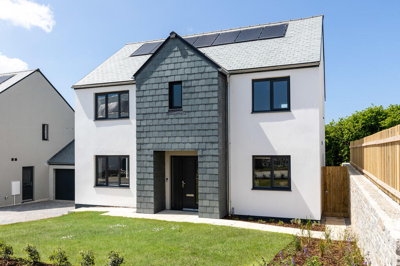
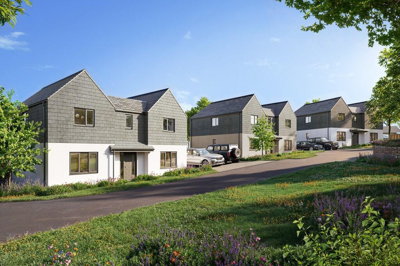
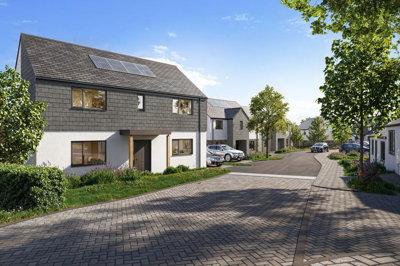
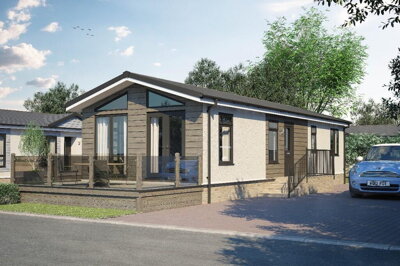
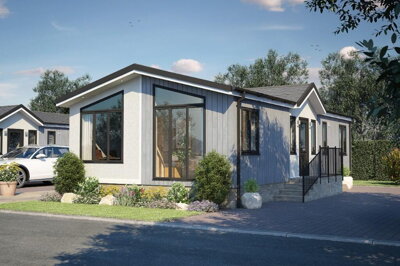
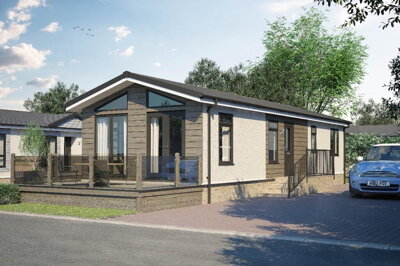
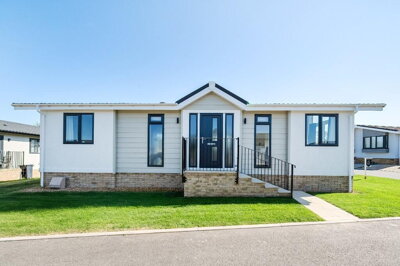
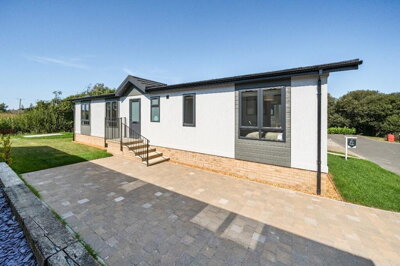
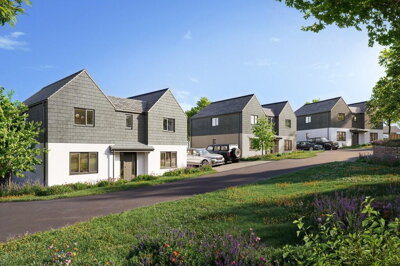
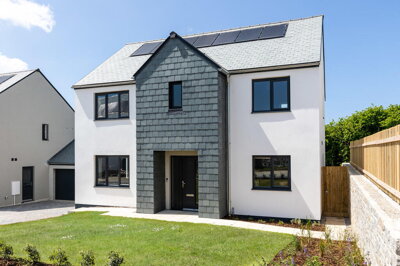
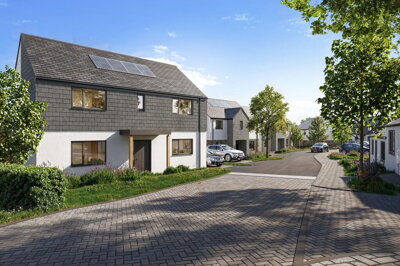
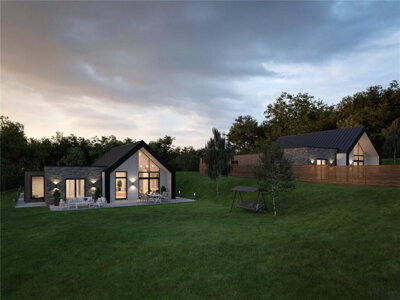
Browse 12 homes new builds in Marhamchurch, Cornwall from local developer agents.
£350k
13
1
140
Source: home.co.uk
Source: home.co.uk
Detached
4 listings
Avg £548,750
Semi-Detached
3 listings
Avg £501,667
Terraced
3 listings
Avg £260,917
Bungalow
2 listings
Avg £412,500
Detached Bungalow
1 listings
Avg £465,000
Source: home.co.uk
Source: home.co.uk
The Loddington property market reflects the village's status as a desirable Northamptonshire address, with detached homes commanding an average price of £529,286 according to Rightmove data. Terraced properties in the village average around £215,000, offering more accessible entry points for first-time buyers or those seeking a smaller footprint. The market has shown resilience despite broader national trends, with some measures indicating a significant rise in average sale prices over the past twelve months. Historical data shows property values in the NN14 postcode area experienced a 5% reduction compared to the previous year and sit approximately 7% below the 2018 peak of £524,400, presenting potential opportunities for buyers who identify value before the market recovers further ground.
The village's housing stock reflects its long history, with properties spanning several architectural periods from medieval farmhouses to Victorian terraces and contemporary family homes. This variety means that buyers can find everything from compact stone cottages dating back centuries to spacious modern detached houses built within the past few decades. Rightmove listings show 123 properties sold within the last year in the broader NN14 area, though the village's limited stock means opportunities arise infrequently. This scarcity relative to demand helps support property values even during periods of broader market adjustment.
New build opportunities in Loddington remain relatively scarce, which makes the arrival of Sterling Court on Main Street particularly noteworthy. This exclusive development by A P Lewis & Sons Ltd features four substantial stone-built detached residences, each offering five bedrooms and high-specification fixtures throughout. The gated development incorporates traditional stone construction with modern energy-efficient systems, including air source heating, solar panels with optional battery storage, and underfloor heating to the ground floor. These homes represent a rare chance to acquire brand-new accommodation in a village where such opportunities seldom arise, and they come backed by a 10-year guarantee for purchasers.

Loddington presents a compelling proposition for those seeking the quintessential English village experience without sacrificing modern conveniences. The settlement clusters around Main Street and the historic Church of St Leonard, which dates back to the 13th century with subsequent additions through the 14th and 16th centuries. The Grade II* listed church stands as the village's ancient heritage and provides a focal point for community life that newer developments simply cannot replicate. The village's tranquil setting belies its historical significance, as evidenced by the remnants of ironstone quarrying that shaped local industry from 1892 until 1963 when the Loddington Iron Ore Company ceased operations.
The architectural character of Loddington reflects the rich geological heritage of North Northamptonshire, with properties built predominantly from local ironstone, limestone, and sandstone materials. Ironstone bricks shaped the county's building tradition for hundreds of years, and Loddington's older cottages and farmhouses showcase this warm, reddish-brown stone beautifully. The village forms part of a designated Conservation Area, with 15 Listed Buildings including the impressive Loddington Hall, a Grade II* property originally constructed around 1290-1300 and remodelled in both 1615 and 1893. Walking through the village reveals a of architectural periods, from medieval farmhouses to Victorian terraces and 20th-century family homes, all unified by the consistent use of local stone and traditional building techniques.
Community life in Loddington centres on traditional institutions that bring residents together throughout the year. The village primary school provides education for local children while fostering connections between families that often endure long after pupils have moved on to secondary education. The cricket club serves as both a sporting venue and a social hub, hosting matches against neighbouring villages and organising events that draw residents of all ages. The anticipated reopening of The Hare pub in 2026 will restore an important gathering place that has been missed since its closure in early 2024. For everyday necessities, Kettering town centre lies just a short drive away, offering supermarkets, independent shops, and a range of professional services.

Families considering a move to Loddington will find the village served by its own primary school, providing education for children from reception through to Year 6. The school serves as a cornerstone of the community, fostering strong links between families and providing children with educational foundations in a small, supportive environment. Primary school education in a village setting often benefits from smaller class sizes and closer relationships between teachers, pupils, and parents, factors that many families find advantageous during their children's formative years. For secondary education, pupils typically travel to schools in nearby Kettering, which offers a selection of state and potentially grammar school options depending on catchment areas and selection criteria.
The broader North Northamptonshire area has witnessed significant population growth, with household numbers increasing by 28% over the past two decades according to census data. This growth has placed increasing pressure on school places, making it advisable for families to research current admission arrangements and catchment area boundaries before committing to a property purchase. For families with particular educational aspirations, investigating specific school performance data, recent Ofsted ratings, and admission policies will prove essential steps in the house-hunting process. Private schooling options exist in the wider region for those pursuing alternatives to state education, though these naturally add to the overall cost of raising children in the area.
The historic character of many Loddington properties means that families may wish to consider how older buildings affect living arrangements and maintenance responsibilities. Properties built before 1900 often require more maintenance than newer construction, and parents with young children should factor potential renovation costs into their overall budget. The village's proximity to Kettering means that families can access a broader range of educational settings, including independent schools within reasonable driving distance, providing flexibility for those with specific preferences regarding their children's education.
One of Loddington's most significant advantages lies in its excellent transport connections, despite the village's peaceful rural setting. Kettering railway station sits just a short drive from the village centre and offers direct services to London St Pancras in under 60 minutes, making the capital accessible for daily commuters or those who travel occasionally for business and leisure. The East Midlands Railway service provides regular departures throughout the day, with journey times that compare favourably with many outer London suburbs at a fraction of the property prices. This connectivity explains why Loddington attracts buyers who work in London but prefer to live in a more spacious, tranquil environment away from the capital's urban density.
Road connections from Loddington serve the surrounding region effectively, with the A14 trunk road providing links to Cambridge, Felixstowe, and the wider motorway network. The village sits within reasonable distance of the A6, offering routes to Northampton and surrounding market towns. For everyday local travel, bus services connect Loddington with Kettering and nearby villages, though residents with full mobility typically find car ownership essential for maximum flexibility. Cycling infrastructure in the area has improved in recent years, with traffic-free routes connecting some settlements, though the undulating Northamptonshire countryside presents challenges for less experienced cyclists. Parking at Kettering station is available for those combining rail travel with car storage, with season ticket options providing cost savings for regular commuters.
The convenience of the rail connection makes Loddington particularly attractive to professionals who split their working week between home and office in the capital. Journey times of under an hour mean that even a four-day working pattern remains practical, with commuters able to reach their desks within two hours of leaving their village home. The A14 provides straightforward access to employment centres across the East Midlands and beyond, including the logistics hubs around Corby and the commercial areas of Northampton. For those who work locally, Kettering's growing business parks offer increasing employment opportunities within easy reach of the village.
Before viewing properties, research Loddington's property market thoroughly by comparing current listings, recent sale prices, and local market trends. Obtain a mortgage agreement in principle from a lender to understand your borrowing capacity and strengthen your position when making offers. Factor in additional costs including Stamp Duty, solicitor fees, survey charges, and moving expenses. Understanding the local market dynamics, including the village's position within the NN14 postcode and recent price trends, will help you make competitive offers on desirable properties.
Contact local estate agents representing properties in Loddington and schedule viewings of homes that match your criteria. During viewings, assess the property's condition, age, construction materials, and any signs of maintenance issues. Take photographs and notes to help compare properties later and identify which properties warrant more detailed investigation through a professional survey. Pay particular attention to the condition of stone walls, roof coverings, and any signs of movement or damp in older properties.
Once you have agreed a purchase price, instruct a qualified surveyor to inspect the property thoroughly. For conventional properties in reasonable condition, an RICS Level 2 Home Survey provides comprehensive reporting on condition, defects, and recommended repairs. Given Loddington's prevalence of older stone-built properties, the Level 2 survey offers excellent value for identifying issues common to historic construction. Survey costs in the Kettering area typically range from £395 to £1,250 depending on property size and specification, with older properties sometimes requiring additional specialist inspection.
Appoint a solicitor or licensed conveyancer to handle the legal aspects of your purchase. They will conduct searches against the property, review the contract pack, raise enquiries with the seller's legal representatives, and manage the transfer of funds on completion. Local knowledge of North Northamptonshire properties and transactions can prove valuable when dealing with older properties, conservation areas, or listed buildings. Searches should include drainage and water checks, local authority records, and environmental reports specific to the NN14 area.
Once all enquiries are satisfied, mortgage funds are in place, and both parties are ready, your solicitor will arrange for contracts to be exchanged, legally committing you to the purchase. Completion typically follows within days or weeks, after which you will receive the keys to your new Loddington home. Register your ownership with the Land Registry and update your address with relevant banks, employers, and service providers. Consider notifying the local council to update your electoral registration and arrange council tax arrangements.
Purchasing a property in Loddington requires careful attention to factors specific to the village's geology and construction heritage. The local geology comprises Northampton Sand, Boulder Clay, and Upper Lias Clay, all of which present potential for shrink-swell behaviour that can affect foundations over time. Clay-rich soils contract during dry periods and expand when moisture levels rise, and this ground movement can cause structural damage if foundations prove inadequate for the local conditions. A thorough survey should investigate whether properties show any signs of subsidence, cracking, or movement that might indicate foundation issues requiring attention or negotiation on price.
The village's position within a Conservation Area brings additional considerations for prospective buyers, as permitted development rights may be restricted and any external alterations could require planning permission from the local authority. Properties carrying Listed Building status impose even greater obligations, as any repairs, alterations, or modifications must respect the building's historic character and may require consent from conservation officers. The presence of 15 or more Listed Buildings in Loddington means that buyers should establish whether any property they are considering carries such protection before proceeding. Insurance costs for Listed Buildings can also exceed those for comparable unlisted properties, and maintenance budgets should reflect the specialist care these homes require.
Flood risk warrants investigation given that the parish is deeply cut by three parallel north-east-flowing streams. While the village itself shows no evidence of significant flooding history, surface water risk can vary considerably between neighbouring properties, and localised drainage issues occasionally affect even properties located outside main flood zones. Reviewing local authority flood maps and discussing drainage with current owners provides useful context for assessing this risk. Properties converted from historic agricultural buildings may present challenges including original construction methods, potential asbestos in older materials, and outdated services that require upgrading to meet modern standards for comfort and energy efficiency.
The traditional building materials used throughout Loddington require specific maintenance approaches that differ from modern construction. Ironstone, while durable, can be susceptible to frost damage and erosion if not properly maintained, and repointing should use appropriate lime mortar rather than cement to allow the stone to breathe. Roof coverings may include traditional materials such as Collyweston slate or clay tiles that require specialist repair skills, and buyers should factor the cost of maintaining these heritage features into their overall budget. Properties that have been well-maintained by previous owners will typically command a premium, but they also offer that more neglected properties cannot provide.
Average house prices in Loddington show some variation depending on the data source consulted. Rightmove reports an overall average of £490,000, with detached properties averaging £529,286 and terraced homes around £215,000. Zoopla records an average sold price of £433,750 for the past twelve months, while OnTheMarket indicates £1,036,000 for recent transactions, suggesting significant variation based on property type and size. The NN14 postcode area has seen prices fall approximately 5% year-on-year, though the village's limited stock and desirable character continue to support values relative to the wider market. The scarcity of available properties in this small village means that well-presented homes often attract competitive interest from buyers seeking the Northamptonshire village lifestyle.
Properties in Loddington fall under North Northamptonshire Council's jurisdiction for council tax purposes. Specific bandings depend on the property's valuation and characteristics, with historic stone cottages typically falling into bands B through D, and larger detached homes or converted period properties potentially in higher bands. The village's mix of older stone-built cottages and more recent developments means that council tax bands can vary considerably between neighbouring properties. Prospective buyers should check the Valuation Office Agency's records for specific properties to confirm banding, as this directly affects annual running costs alongside energy bills and maintenance commitments.
Loddington has its own primary school serving children from reception through to Year 6, providing education within the village itself. The small village setting often means smaller class sizes and closer relationships between teachers and pupils, which many families find advantageous during early education. For secondary education, pupils typically attend schools in nearby Kettering, where options include both comprehensive and grammar school provision depending on admission criteria and catchment areas. Parents should research current admission arrangements, Ofsted ratings, and any catchment area changes before purchasing property, as school places can be competitive in popular village locations. Private schooling options exist within reasonable driving distance for families pursuing alternatives to state education, with several independent schools serving the wider North Northamptonshire area.
Loddington benefits from proximity to Kettering railway station, approximately 15 minutes drive away, where East Midlands Railway services provide direct connections to London St Pancras in under 60 minutes. The rail connection makes Loddington particularly attractive to commuters working in the capital, with journey times comparable to many outer London suburbs at significantly lower property prices. Bus services link the village with Kettering and surrounding villages, though frequency may be limited compared to urban routes. Residents typically find car ownership essential for maximum flexibility, though the excellent rail service reduces the practical impact of this for those who commute regularly to London.
Loddington offers several factors that may appeal to property investors, including its strong transport links to London, attractive village character, and relatively limited new supply. The village's Conservation Area status and concentration of Listed Buildings suggest that property values benefit from restricted development and historic appeal. However, the small size of the village and limited rental demand may make investment returns less predictable than in larger towns. Rental demand tends to be driven by commuters seeking affordable village living relative to London, but the overall pool of potential tenants remains small. Prospective investors should carefully consider tenant demand, void periods, and ongoing maintenance requirements for older properties before committing to a purchase.
Stamp Duty Land Tax rates for standard purchases in England start at 0% on the first £250,000 of property value, rising to 5% on the portion between £250,001 and £925,000. Properties priced above £925,000 incur 10% up to £1.5 million, with 12% applying above that threshold. On a typical Loddington property valued at the village average of £490,000, a standard buyer would pay £12,000 in SDLT on the portion above £250,000. First-time buyers purchasing properties up to £625,000 benefit from relief on the first £425,000 at 0%, with 5% charged between £425,001 and £625,000, reducing their SDLT to £3,250 on the same property. SDLT rules can be complex, particularly for additional properties or non-residents, so consulting current HMRC guidance or seeking professional advice before completing your purchase is recommended.
Understanding the full costs of purchasing property in Loddington extends beyond the advertised purchase price and requires careful budgeting for associated expenses. Stamp Duty Land Tax represents the most significant additional cost for most buyers, with current thresholds starting at 0% for the first £250,000 before rising through 5%, 10%, and 12% bands as property values increase. On a typical Loddington property valued at the village average of £490,000, a standard buyer would pay £12,000 in SDLT on the portion above £250,000. First-time buyers benefiting from relief would pay £3,250 on the same property, representing meaningful savings that can be redirected towards moving costs or home improvements.
Professional services add substantially to overall purchase costs, with conveyancing fees typically ranging from £500 to £2,000 depending on complexity and whether the property is freehold or leasehold. Survey costs in the Kettering area for an RICS Level 2 Home Survey typically fall between £395 and £1,250 based on property size and value, with larger or more complex properties commanding higher fees. Given that many Loddington properties are older stone-built homes, the survey may identify issues requiring specialist assessment, potentially adding to initial costs but providing valuable negotiating opportunities. Additional searches including local authority searches, drainage and water checks, and environmental reports usually total £300 to £500.
Mortgage arrangement fees, valuation charges, and broker costs should also be factored in, alongside removals expenses and potential renovation budgets for properties requiring updating or repair. Properties in Conservation Areas or Listed Buildings may incur additional costs for planning applications, specialist surveys, and consent from conservation officers before undertaking works. Energy performance certificate assessments are mandatory and typically cost £85 to £150 depending on property size. Building insurance quotes should be obtained before completion, as premiums for older stone properties or Listed Buildings can exceed those for modern equivalents. Budgeting for an emergency repair fund equivalent to at least 1% of the property value is prudent for new owners of historic village properties.
From 4.5%
Compare mortgage rates and find the best deal for your Loddington purchase
From £499
Expert legal services for your property purchase in Loddington
From £395
Professional property survey for your Loddington home
From £85
Energy performance certificate for your property
Properties New Builds In London

Properties New Builds In Plymouth

Properties New Builds In Liverpool

Properties New Builds In Glasgow

Properties New Builds In Sheffield

Properties New Builds In Edinburgh

Properties New Builds In Coventry

Properties New Builds In Bradford

Properties New Builds In Manchester

Properties New Builds In Birmingham

Properties New Builds In Bristol

Properties New Builds In Oxford

Properties New Builds In Leicester

Properties New Builds In Newcastle

Properties New Builds In Leeds

Properties New Builds In Southampton

Properties New Builds In Cardiff

Properties New Builds In Nottingham

Properties New Builds In Norwich

Properties New Builds In Brighton

Properties New Builds In Derby

Properties New Builds In Portsmouth

Properties New Builds In Northampton

Properties New Builds In Milton Keynes

Properties New Builds In Bournemouth

Properties New Builds In Bolton

Properties New Builds In Swansea

Properties New Builds In Swindon

Properties New Builds In Peterborough

Properties New Builds In Wolverhampton

Enter your details to see if this property is within your budget.
Loans, cards, car finance
Estimated property budget
Borrowing + deposit
You could borrow between
Typical borrowing
Monthly repayment
Est. at 4.5%
Loan-to-value
This is an estimate only. Your actual budget may vary depending on interest rates, credit history, and personal circumstances. For an accurate affordability assessment, speak to one of our free mortgage advisors.
This calculator provides estimates for illustrative purposes only and does not constitute financial advice. Your home may be repossessed if you do not keep up repayments on your mortgage. Estimates based on 4.5% interest rate, repayment mortgage. Actual rates depend on your circumstances.
Homemove is a trading name of HM Haus Group Ltd (Company No. 13873779, registered in England & Wales). Homemove Mortgages Ltd (Company No. 15947693) is an Appointed Representative of TMG Direct Limited, trading as TMG Mortgage Network, which is authorised and regulated by the Financial Conduct Authority (FRN 786245). Homemove Mortgages Ltd is entered on the FCA Register as an Appointed Representative (FRN 1022429). You can check registrations at NewRegister or by calling 0800 111 6768.

We use cookies to show you personalised content and improve your experience of our website. Find out more in our Privacy policy and Cookie policy.