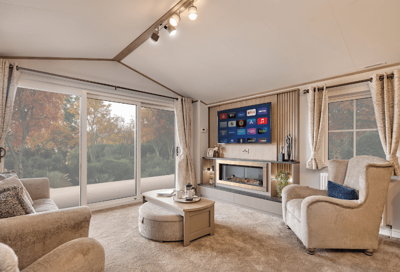
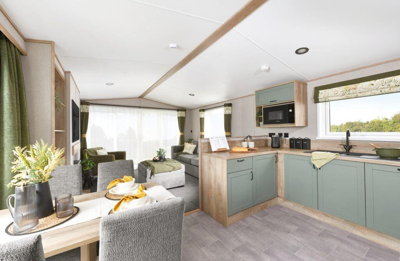
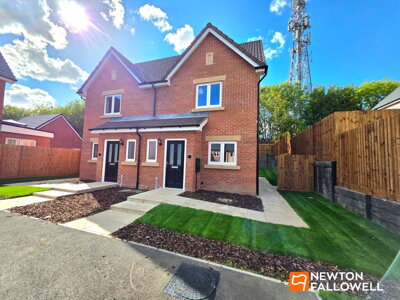
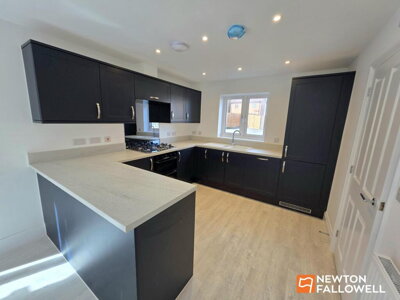
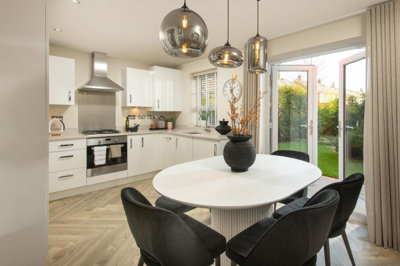
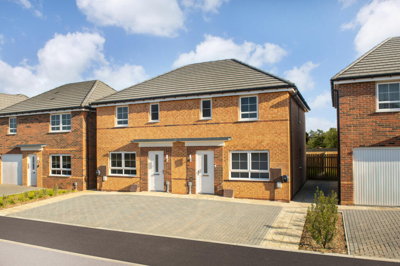
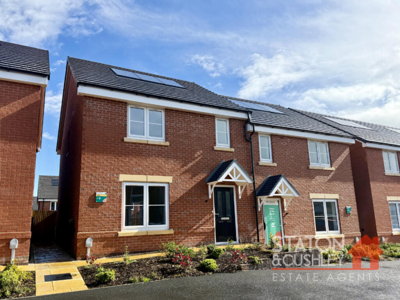
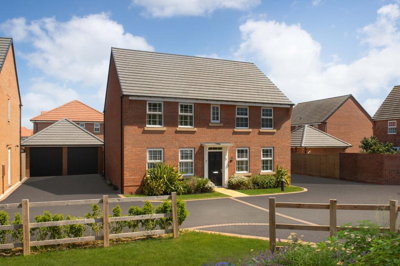
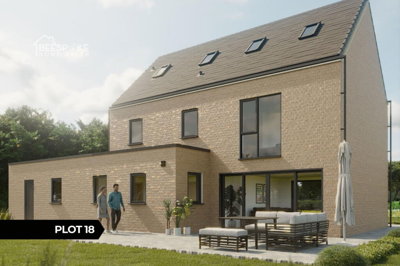
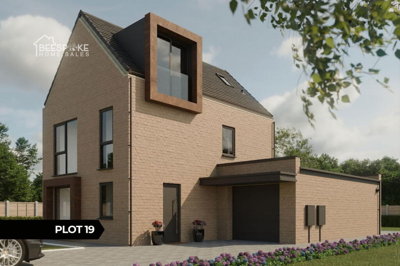
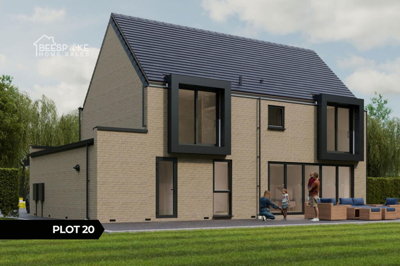
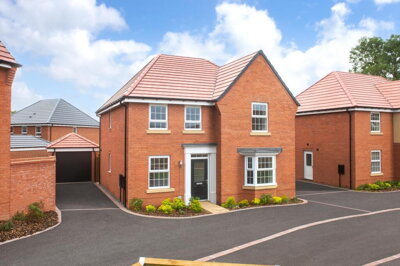
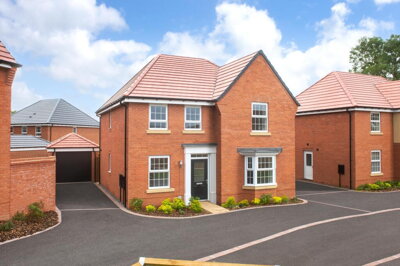
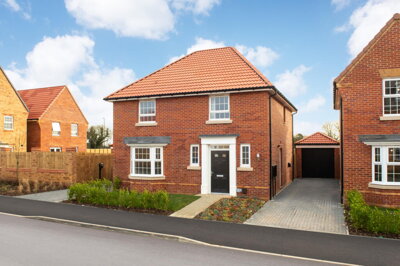
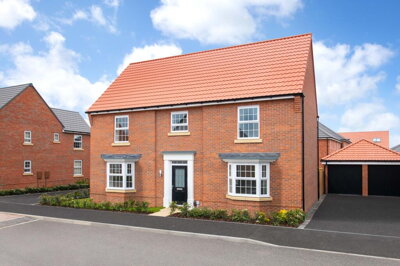
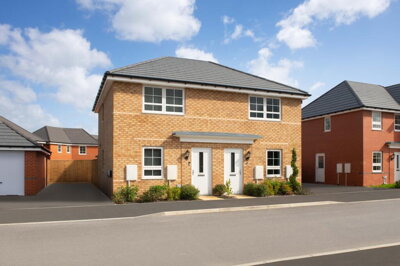
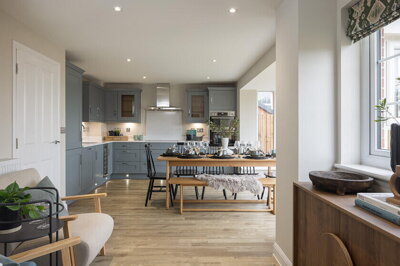
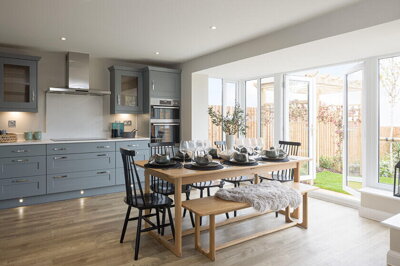
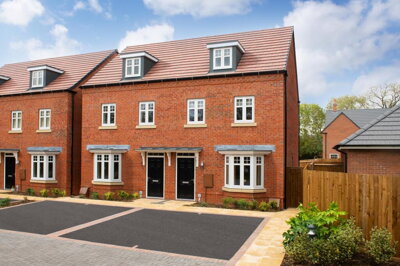
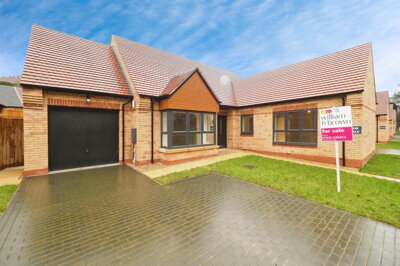
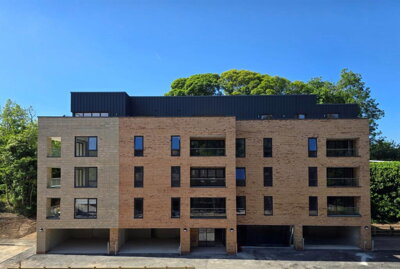
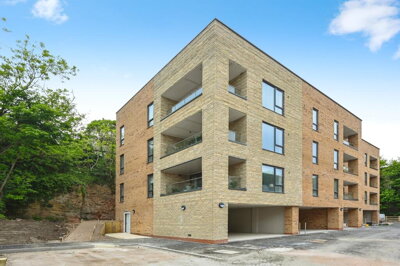
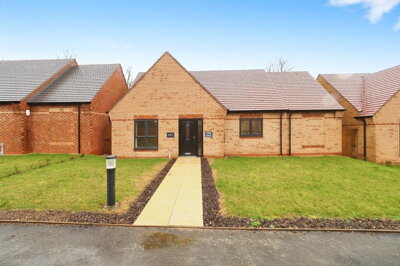
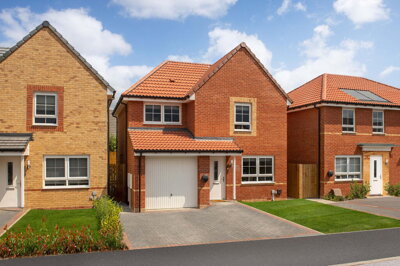
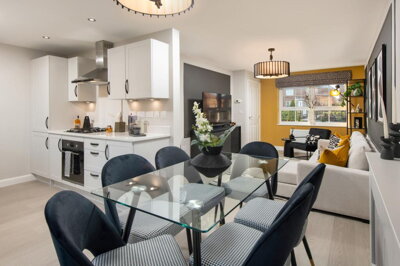
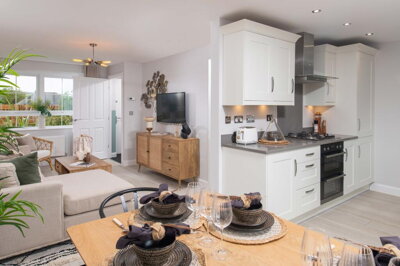
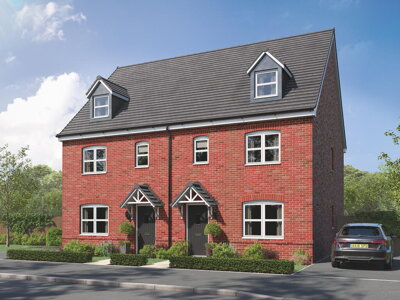
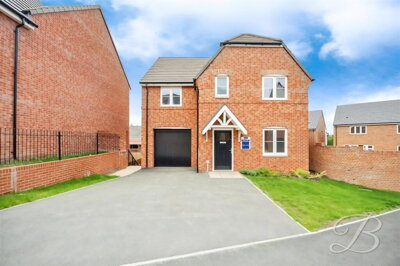
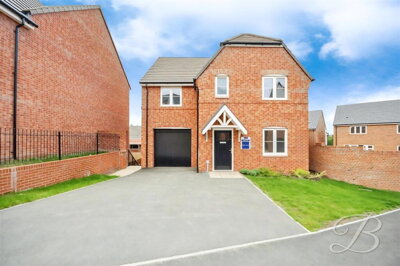
Browse 126 homes new builds in Mansfield and Mansfield Woodhouse from local developer agents.
£201,544 - £216,988
Average Price (Mansfield Woodhouse)
£223,831
Average Price (Mansfield)
+14%
Year-on-Year Growth (Mansfield Woodhouse)
+5%
Year-on-Year Growth (Mansfield)
163
Annual Sales (Mansfield Woodhouse)
1,100
Annual Sales (Mansfield)
The Mansfield and Mansfield Woodhouse property market has demonstrated remarkable resilience and growth, with both areas reporting significant price increases over the past twelve months. Mansfield Woodhouse leads the charge with a 14% year-on-year price increase, pushing the average property price to approximately £216,988 according to Rightmove data. This follows a previous peak in 2023 of £189,559, meaning current prices are 14% above that previous high as well. The broader Mansfield market has also performed strongly, with prices up 5% year-on-year and sitting 9% above the 2022 peak of £205,010. Property Solvers reports a 2.33% increase over the last twelve months for Mansfield Woodhouse specifically, while Housemetric data shows 11.8% growth in the NG19 8 postcode area.
When examining property types available in the area, Rightmove data reveals that detached properties dominate sales in both Mansfield and Mansfield Woodhouse, reflecting buyer preference for family-sized homes with gardens. In Mansfield Woodhouse, detached properties command an average of £285,582, while semi-detached homes sell for around £171,223 and terraced properties average £132,942. Mansfield town shows similar patterns with detached properties averaging £309,781, semi-detached at £184,100, and terraced homes at £135,235. This variety ensures that buyers across all budget ranges can find suitable accommodation, from affordable starter homes to substantial family residences.
The sales volume data tells an interesting story about market dynamics. Mansfield Woodhouse recorded 163 residential property sales in the last year, a decrease of 83 transactions compared to the previous year according to Property Solvers data. Despite this reduction in available stock, prices have continued to rise, indicating sustained demand against constrained supply. The wider Mansfield area saw approximately 1,100 property sales, though this represented a 13.9% drop compared to the previous twelve months. This pattern of falling inventory combined with rising prices suggests a competitive market where well-priced properties command strong interest from buyers.
Looking at new build options, Forest Town has emerged as a key location for contemporary housing developments. Persimmon Homes Regency Grange on Broadleaf Drive offers two to five-bedroom properties ranging from £215,000 to £385,000, while Gleeson Homes Crown Gardens at Watts Walk provides three-bedroom homes from £247,995 to £267,995. The proposed Gladman Developments scheme on farmland south of Peafield Lane in Mansfield Woodhouse could add a further 235 homes if planning is approved, expanding buyer choice in the area.
Mansfield and Mansfield Woodhouse offer a distinctive blend of historical character and contemporary convenience that appeals to a broad spectrum of buyers. Mansfield Woodhouse is particularly noteworthy for its stone-built centre, constructed using local sand-coloured magnesian limestone that was famously used in the Houses of Parliament. The town's history dates back before the Roman Empire, with its current stone-built church of St Edmund rebuilt after a devastating fire in 1304. This rich heritage is preserved in the designated conservation area, where period properties line attractive streetscapes that reflect centuries of architectural development.
The demographic profile of the area reveals a community with strong family foundations and stable household structures. Mansfield District has a population of 110,482 as of the 2021 Census, representing a 5.8% increase from 2011. The predominant age band is those aged 55-59, comprising 7.3% of residents, which suggests a mature population with established roots in the community. The area has historically been shaped by its economic base of quarrying, mining, farming, and textile industries, though modern economic development plans from Mansfield District Council focus on fostering new industries and technologies. This transition brings employment opportunities while maintaining the area's affordable cost of living.
Local amenities in Mansfield town centre provide comprehensive shopping, dining, and leisure facilities that serve both towns and surrounding villages. The Four Seasons Shopping Centre offers high street retail, while regular markets in the historic marketplace bring local produce and crafts. For recreation, residents enjoy proximity to Sherwood Forest, the legendary woodland that inspired Robin Hood folklore, situated just north of the area. The River Maun flows through the district, contributing to the landscape while offering pleasant walking routes along its banks. Cultural attractions include the museums and theatres in nearby Nottingham, accessible via regular bus services or the scenic train journey through the Trent Valley.
The broader Mansfield district encompasses eleven conservation areas, including The Park, Market Place, Bridge Street, West Gate, Pleasley Park and Vale, Crow Hill Drive, Church Warsop, Nottingham Road, Terrace Road, and Market Warsop. These designated areas preserve distinctive architectural character and green spaces that enhance the quality of life for residents. The presence of over 200 listed buildings across the area, ranging from medieval churches to Victorian public houses, reflects the architectural heritage that makes Mansfield and Mansfield Woodhouse distinctive places to live.

Education provision in Mansfield and Mansfield Woodhouse serves students across all age groups, with a range of primary and secondary schools available within the district. The area includes several primary schools that have achieved good or outstanding Ofsted ratings, providing strong foundations for young learners. Parents moving to the area will find schools catering to various educational approaches, from traditional academy primaries to faith schools and community schools. Primary schools in Mansfield Woodhouse benefit from the area's established residential communities, with many situated within walking distance of family homes in the conservation area and surrounding neighbourhoods.
Secondary education in the wider Mansfield area includes both comprehensive schools and grammar school options for academically able students. Schools in the district prepare students for GCSE examinations and offer A-level programmes through sixth forms, with some students progressing to further education colleges in Mansfield town centre. The proximity to Nottingham means that families can also access the renowned grammar school system in that city, with regular transport links making this a viable option for secondary-aged children. Parents should research individual school catchments, as admission policies can significantly affect property values in specific streets and neighbourhoods.
For higher education and vocational training, the Mansfield College of Further Education provides a wide range of courses and apprenticeships that serve the local economy. The nearby University of Nottingham and Nottingham Trent University are accessible for degree programmes, with regular bus and rail connections making daily commuting feasible for students. Families considering the area should note that school performance and Ofsted ratings can fluctuate, so consulting current data from the government website provides the most up-to-date picture of educational options. The combination of local primary schools, secondary options, and access to universities in Nottingham makes Mansfield and Mansfield Woodhouse practical choices for families at all stages of their educational journey.
When searching for family homes, buyers should consider properties within catchment areas of high-performing schools, as these often command a premium in the local market. Victorian and Edwardian terraces near good primary schools in Mansfield Woodhouse conservation area frequently attract families willing to pay more for educational access. The semi-detached and detached housing developments from the interwar period offer larger gardens and additional bedrooms that families often require as children grow.
Transport connectivity ranks among Mansfield and Mansfield Woodhouse's strongest attributes, positioning the area as an ideal base for commuters working in major East Midlands cities. The area benefits from excellent road connections, with the A38 providing direct access to Derby and the M1 motorway interchange nearby offering routes to Sheffield, Leeds, and London. The journey time to Nottingham city centre typically takes around 30 minutes by car, making daily commuting a realistic proposition for professionals working in the university city. For those travelling further afield, East Midlands Airport is accessible within approximately 40 minutes, offering domestic flights and European destinations.
Rail services from Mansfield and surrounding stations provide alternatives to road travel, with connections to Nottingham, Derby, and Sheffield via the Robin Hood Line. Journey times to Nottingham typically range from 25 to 40 minutes depending on the specific station, while Sheffield is accessible within approximately one hour. These rail connections make Mansfield particularly attractive to buyers who wish to avoid the costs and stresses of motorway driving while maintaining employment options across the region. The line also serves intermediate towns, opening up additional employment possibilities without requiring relocation.
Local bus services operate throughout Mansfield and Mansfield Woodhouse, providing essential connections for residents without private vehicles. The public transport network links residential areas to shopping centres, healthcare facilities, and educational institutions, supporting daily life without dependence on cars. For cyclists, the area offers various cycle paths and quieter roads suitable for less experienced riders, though the hilly terrain in some areas may require more effort. Parking provision in Mansfield town centre accommodates shoppers and workers, though peak times can see high demand for spaces. The comprehensive transport options ensure that residents can navigate the area and reach employment centres without significant difficulty.
Contact mortgage brokers to obtain an agreement in principle before viewing properties. With average prices around £201,544 in Mansfield Woodhouse, most buyers will need a mortgage. Having finance agreed in principle strengthens your position when making offers and demonstrates seriousness to sellers. Mortgage brokers familiar with the local market can advise on products suited to different property types, whether you are purchasing a modern new build or an older stone-fronted terrace.
Explore current listings in Mansfield and Mansfield Woodhouse to understand what your budget buys in different neighbourhoods. Consider property types, proximity to schools, and transport links when evaluating options. The difference between terraced properties at £132,942 and detached homes at £285,582 represents different lifestyle options worth evaluating carefully. New developments like Regency Grange and Crown Gardens offer different advantages compared to period properties in the conservation area.
Visit properties that match your criteria, taking time to assess the condition of buildings and their surroundings. Many homes in the conservation area are older properties that may require survey work. Take notes on factors like natural light, room sizes, and any signs of damp or structural issues. We recommend viewing properties at different times of day to assess noise levels, lighting, and the general atmosphere of the neighbourhood.
For most properties in Mansfield and Mansfield Woodhouse, a Level 2 Homebuyers Report provides thorough assessment of condition. With significant older housing stock including stone-built and Victorian properties, survey costs typically range from £350 to £600 depending on property size and age. This investment can reveal issues that affect value or require future maintenance. Properties built before 1945, those with non-standard construction, or listed buildings may benefit from the more detailed Level 3 Building Survey instead.
Once your offer is accepted, instruct a solicitor to handle the legal aspects of your purchase. They will conduct searches, check titles, and manage contracts through to completion. Local knowledge of Nottinghamshire properties helps identify any specific issues relevant to the area, such as historic mining records or conservation area constraints. Mining searches are particularly important in Mansfield Woodhouse due to the area's quarrying and mining heritage.
Your solicitor will arrange the final steps, including payment of stamp duty and registration of ownership. On completion day, you receive the keys to your new Mansfield or Mansfield Woodhouse home and can begin settling into your new community. We recommend arranging buildings insurance from this date and scheduling any immediate repairs or renovations before moving furniture in.
Properties in Mansfield and Mansfield Woodhouse present specific considerations that buyers should address before committing to a purchase. The area's geological conditions warrant attention, as clay-rich soils are common in Nottinghamshire and carry shrink-swell risks that can cause subsidence in extreme weather. Properties with mature trees nearby may be particularly susceptible to ground movement during dry periods. The British Geological Survey projects that subsidence risks will increase significantly by 2070 due to climate change, making this a forward-looking consideration for long-term ownership. Commissioning a thorough survey helps identify any existing signs of movement or structural concerns before you commit to purchase.
Flood risk deserves careful evaluation given Mansfield's identification as one of the most at-risk communities in Nottinghamshire for surface water flooding. Almost 1,000 homes in the area have been classified as high risk, prompting a £76 million Mansfield Sustainable Flood Resilience project that includes sustainable drainage systems. Properties near rivers or in low-lying areas should be checked against current flood risk data available through GOV.UK services. While no river or sea flood warnings are currently active, surface water flooding during extreme rainfall events represents the primary concern for property owners. The area sits between the Rivers Maun and Meden, which can contribute to localised flooding during periods of heavy rainfall.
The mining and quarrying heritage of Mansfield Woodhouse means some properties may sit above or near abandoned mine workings. Historic extraction of coal, lead, zinc, fluorite, shale, claystone, limestone, and dolomite creates potential for ground instability in specific locations. Buyers should request mining searches as part of the conveyancing process to identify any relevant records. Additionally, over 200 listed buildings in the wider Mansfield area means many period properties carry statutory protections that affect what alterations owners can undertake. Understanding these constraints before purchase prevents costly surprises and ensures your renovation plans are feasible.
Our inspectors frequently encounter damp issues in Victorian and Edwardian properties throughout Mansfield and Mansfield Woodhouse, particularly those built before modern damp-proof courses were introduced. Penetrating damp through ageing brickwork, rising damp from solid floors, and condensation due to inadequate ventilation are common findings. Timber decay and pest damage also occur regularly in older properties with poor maintenance histories. Outdated electrical systems and original lead pipework represent additional concerns that buyers should factor into their renovation budgets. We always recommend a thorough survey before purchasing any property built before 1980, as these issues are frequently identified during our inspections.
The construction methods used in properties throughout Mansfield and Mansfield Woodhouse reflect the area's industrial heritage and access to local materials. The most distinctive feature is the use of sand-coloured magnesian limestone from local quarries, famously incorporated into the Houses of Parliament. This stone features prominently in the conservation area of Mansfield Woodhouse, particularly in the Church of St Edmund and numerous period properties along the main thoroughfares. Understanding these construction methods helps buyers appreciate the character of local properties while identifying potential maintenance requirements specific to stone-built homes.
Victorian and Edwardian terraces in the area typically feature solid brick walls constructed before cavity wall insulation became standard practice in the 1920s and 1930s. These solid walls lack the moisture resistance of modern cavity construction, making them more susceptible to penetrating damp through driving rain or rising damp from the ground. Our inspectors frequently note that original lime mortar pointing on stone and brick properties requires periodic re-pointing to maintain weather resistance. The internal layout of these period homes often includes smaller rooms by contemporary standards, though Victorian ceiling heights typically provide good natural light despite smaller window openings.
Interwar semi-detached properties from the 1920s and 1930s represent a significant portion of the housing stock, featuring cavity brick construction and more generous room sizes than their Victorian predecessors. These homes often incorporate original wooden casement windows, clay tile roofs, and cast iron rainwater goods that may require replacement after decades of exposure to Nottinghamshire weather. Many of these properties retain original features such as fireplaces, picture rails, and wooden floorboards that add character but may conceal maintenance issues beneath decorative surfaces. Our surveys thoroughly assess these common defect areas while respecting the character features that make interwar properties desirable.
Post-war housing developments from the 1950s through to the 1980s introduced system-built construction in some areas, alongside more traditional brick-built terraces and semis. Properties from this period may feature concrete tile roofs, cavity wall insulation (where subsequently installed), and original single-glazed windows that affect energy efficiency. More recent new build developments in Forest Town, such as Regency Grange and Crown Gardens, offer contemporary construction with modern insulation standards and energy-efficient specifications. These newer properties typically require less immediate maintenance but may have different snagging concerns that our inspectors are trained to identify.
Average house prices in Mansfield and Mansfield Woodhouse vary by location and property type. Mansfield Woodhouse has an average price of approximately £216,988 according to Rightmove data, with detached properties averaging £285,582, semi-detached at £171,223, and terraced homes at £132,942. The wider Mansfield area shows slightly higher averages at £223,831, with detached properties reaching £309,781. Both markets have shown strong growth, with Mansfield Woodhouse prices rising 14% year-on-year and the area sitting 14% above the previous 2023 peak of £189,559.
Council tax bands in Mansfield and Mansfield Woodhouse are set by Nottinghamshire County Council and Mansfield District Council. Bands range from A through H, with most residential properties falling within bands A through D given the relatively modest property values in the area. The specific band depends on the property's assessed value as of April 1991, and buyers can check current bands through the VOA website. These bands determine the annual council tax payable and vary significantly between properties based on size and character, with larger detached properties in areas like Forest Town often falling into higher bands.
The Mansfield and Mansfield Woodhouse area offers a range of educational options across primary and secondary levels. Several primary schools have achieved good or outstanding Ofsted ratings, serving local catchment areas throughout both towns including schools in the conservation area of Mansfield Woodhouse. Secondary schools include comprehensive options within the district, with grammar school access available in nearby Nottingham via regular transport links. Families should research current Ofsted reports and admission catchment boundaries when evaluating schools, as these can affect which properties best serve their needs and property values can be significantly influenced by school performance in specific postcodes.
Public transport in Mansfield and Mansfield Woodhouse provides good connectivity to surrounding cities and towns via the Robin Hood Line rail services and comprehensive local bus networks. Local bus services operate throughout both areas, linking residential neighbourhoods to shopping, healthcare, and educational facilities including the Four Seasons Shopping Centre and local hospitals. Rail connections serve stations connecting to Nottingham and Sheffield networks, with journey times of 25-40 minutes to Nottingham and approximately one hour to Sheffield. The A38 and M1 motorway provide road access to Derby, Leicester, and beyond, making the area practical for commuters who work in major East Midlands employment centres.
The Mansfield and Mansfield Woodhouse property market has demonstrated consistent growth, with prices rising 14% year-on-year in Mansfield Woodhouse and 5% in Mansfield. The combination of affordable average prices compared to nearby Nottingham and Sheffield, strong transport links, and new housing developments makes the area attractive to investors seeking value in the East Midlands. Rental demand exists from commuters seeking lower-cost accommodation while working in larger cities, with demand particularly strong near railway stations and along bus routes to Nottingham. New build developments like Regency Grange and Crown Gardens provide modern investment options, while period properties offer character at accessible price points with potential for rental income or capital appreciation.
Stamp duty land tax rates for 2024-25 apply to all properties in England, including those in Mansfield and Mansfield Woodhouse. Standard rates charge 0% on the first £250,000, 5% on £250,001 to £925,000, 10% on £925,001 to £1.5 million, and 12% above £1.5 million. First-time buyers receive relief on the first £425,000, paying 5% on £425,001 to £625,000. Given average prices around £201,544 to £223,831, most buyers in this area pay minimal or no stamp duty on purchases within the threshold, making this an particularly affordable market for first-time buyers.
Mansfield has been identified as one of the most flood-risk communities in Nottinghamshire, with approximately 1,000 homes classified as high risk for surface water flooding due to climate change. A £76 million Mansfield Sustainable Flood Resilience project is addressing this through sustainable drainage systems including rain gardens, bioswales, and detention basins across the district. However, no river or sea flood warnings are currently active for the area despite its position between the Rivers Maun and Meden. Buyers should check GOV.UK flood risk data for specific properties and consider surface water flooding potential when evaluating homes, particularly those in low-lying areas or near watercourses, before committing to purchase.
Surveyors operating in Mansfield and Mansfield Woodhouse offer RICS Level 2 Homebuyers Reports and Level 3 Building Surveys for residential properties. For properties under £300,000 in the Mansfield area, guideline fees for a Homebuyers Report range from £350 for post-1945 flats up to £650 for pre-1919 five-bedroom houses. Checkatrade indicates an average Homebuyer report cost of £477 in Mansfield Woodhouse, with prices typically starting at £390 up to £593. Specialist surveyors are recommended for listed buildings or properties with non-standard construction, as heritage properties and those built from magnesian limestone require particular expertise to assess properly.
From £350
A thorough assessment of condition ideal for most properties in Mansfield and Mansfield Woodhouse
From £550
Comprehensive survey recommended for older properties, listed buildings, or non-standard construction
From 4.5%
Competitive mortgage deals from trusted lenders
From £499
Expert legal services for your property purchase
Properties New Builds In London

Properties New Builds In Plymouth

Properties New Builds In Liverpool

Properties New Builds In Glasgow

Properties New Builds In Sheffield

Properties New Builds In Edinburgh

Properties New Builds In Coventry

Properties New Builds In Bradford

Properties New Builds In Manchester

Properties New Builds In Birmingham

Properties New Builds In Bristol

Properties New Builds In Oxford

Properties New Builds In Leicester

Properties New Builds In Newcastle

Properties New Builds In Leeds

Properties New Builds In Southampton

Properties New Builds In Cardiff

Properties New Builds In Nottingham

Properties New Builds In Norwich

Properties New Builds In Brighton

Properties New Builds In Derby

Properties New Builds In Portsmouth

Properties New Builds In Northampton

Properties New Builds In Milton Keynes

Properties New Builds In Bournemouth

Properties New Builds In Bolton

Properties New Builds In Swansea

Properties New Builds In Swindon

Properties New Builds In Peterborough

Properties New Builds In Wolverhampton

Enter your details to see if this property is within your budget.
Loans, cards, car finance
Estimated property budget
Borrowing + deposit
You could borrow between
Typical borrowing
Monthly repayment
Est. at 4.5%
Loan-to-value
This is an estimate only. Your actual budget may vary depending on interest rates, credit history, and personal circumstances. For an accurate affordability assessment, speak to one of our free mortgage advisors.
This calculator provides estimates for illustrative purposes only and does not constitute financial advice. Your home may be repossessed if you do not keep up repayments on your mortgage. Estimates based on 4.5% interest rate, repayment mortgage. Actual rates depend on your circumstances.
Homemove is a trading name of HM Haus Group Ltd (Company No. 13873779, registered in England & Wales). Homemove Mortgages Ltd (Company No. 15947693) is an Appointed Representative of TMG Direct Limited, trading as TMG Mortgage Network, which is authorised and regulated by the Financial Conduct Authority (FRN 786245). Homemove Mortgages Ltd is entered on the FCA Register as an Appointed Representative (FRN 1022429). You can check registrations at NewRegister or by calling 0800 111 6768.

We use cookies to show you personalised content and improve your experience of our website. Find out more in our Privacy policy and Cookie policy.