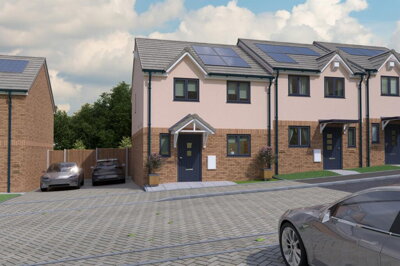
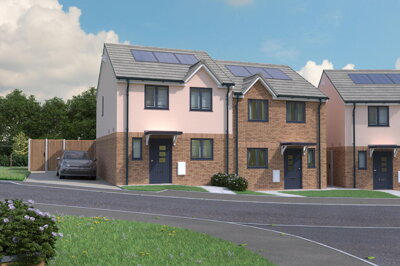
Browse 2 homes new builds in Maiden Newton from local developer agents.
The St. Sampson property market reflects the broader appeal of mid-Cornwall living, with buyers drawn to the area for its excellent transport connections, quality schools, and relaxed lifestyle. Property types in the village include traditional stone-built cottages dating back several centuries, sympathetically modernised period farmhouses, contemporary detached family homes, and bungalows suitable for retirees or those seeking single-level living. Semi-rural positioning means larger plot sizes are common compared to urban centres, with many properties benefiting from generous gardens and countryside views.
Cornwall's property market has shown steady resilience in recent years, with demand consistently outstripping supply in desirable villages like St. Sampson. The average property price in Cornwall has experienced sustained growth over the past decade as more buyers seek the quality of life offered by coastal and countryside locations. Buyers purchasing in St. Sampson can expect to find period cottages priced from around £280,000, while larger detached family homes and farmhouses may command prices from £450,000 upwards depending on size, condition, and plot size.
The village attracts a diverse range of buyers, from young families relocating from Bristol and Exeter to remote workers seeking more space, and retirees looking to downsize from larger properties elsewhere in the South West. New buyers to the area often comment on the welcoming atmosphere and the ease with which newcomers are integrated into village life through local events, the pub, and community activities. Properties in St. Sampson tend to come to market infrequently due to limited stock, making it important for serious buyers to act quickly when suitable properties become available. Our platform monitors all major property portals and estate agents to bring you comprehensive coverage of the local market.

St. Sampson takes its name from the 6th-century Saint Samson, and the village has evolved over centuries from small agricultural settlement to a thriving community that still retains its distinctive Cornish character. The village centre centres around the historic St. Sampson's Church, a prominent landmark featuring traditional Cornish granite construction that reflects the geology of the area. The churchyard and surrounding village green provide focal points for community gatherings and events throughout the year, from summer fetes to Christmas celebrations.
Daily life in St. Sampson benefits from its proximity to the larger town of Truro, approximately five miles distant, where residents access major supermarkets, high street shops, healthcare facilities, and cultural venues including the Hall for Cornwall theatre. Closer to home, the village offers essential amenities including a traditional public house serving local ales and home-cooked food, a village shop for everyday essentials, and regular mobile services including a butcher's van and library bus. The surrounding countryside provides extensive walking and cycling opportunities, with the Glynn Valley offering scenic routes through woodland and alongside the River Fal.
The Glynn Valley itself is a notable geographic feature, carved by the River Fal as it makes its way towards the sea at Falmouth. The valley's sides are lined with mixed woodland, predominantly oak and ash with patches of hazel and holly, creating a diverse habitat for wildlife including badgers, foxes, and a variety of bird species. Residents enjoy access to numerous public footpaths and bridleways that criss-cross the parish, offering endless opportunities for countryside exploration without the need to travel far from home. The river itself supports populations of sea trout and salmon, attracting anglers who hold permits for the local beats.

Education provision in and around St. Sampson serves families well, with the village home to St. Sampson's Church of England Primary School, a community school that has served the parish for generations. The primary school maintains strong links with the local church and emphasizes both academic achievement and personal development within a supportive rural setting. School performance data is published annually by the Department for Education, and prospective parents are encouraged to visit during open events to appreciate the nurturing environment offered to pupils.
The Ofsted-rated Good primary school accommodates children from reception through to Year 6, with small class sizes that allow teachers to provide individual attention to each pupil. Parents frequently cite the strong sense of community and the excellent transition support as key advantages of the local school, with staff known personally to families throughout the village. Extra-curricular activities include football, cricket, gardening club, and various music opportunities, ensuring children develop beyond purely academic skills.
Secondary education is available at schools in the nearby towns of Truro and Penryn, with several grammar schools operating selective admissions policies accessible to pupils who meet the required standard in entrance examinations. Truro School, a well-established independent school, provides private education options for families seeking alternative educational pathways. Sixth form provision is excellent, with Truro and Penryn College offering a wide range of A-level subjects alongside vocational courses, while Falmouth University and the University of Exeter's Cornwall campus at Penryn provide higher education opportunities within reasonable commuting distance.
St. Sampson benefits from excellent road connections that make car travel straightforward for residents. The A39 trunk road passes nearby, providing direct access to the cathedral city of Truro to the north and the maritime town of Falmouth to the south. The journey to Truro takes approximately fifteen minutes by car, while Falmouth is reached in around twenty minutes. The nearby Treliever Cross roundabout provides connections to the A390 heading towards St Austell and the Roseland Peninsula. Daily commuting to major employment centres is therefore practical for those working in Truro or Falmouth.
Public transport options include bus services operated by First Cornwall, with routes connecting St. Sampson to Truro, Falmouth, and surrounding villages. The nearby railway station at Truro offers regular services to major destinations including Plymouth, Exeter, Bristol, and London Paddington, with journey times to the capital taking approximately four and a half hours. For international travel, Newquay Airport provides domestic flights and seasonal connections to European destinations, while Southampton and Bristol airports offer broader international routes within reasonable driving distance.
For cyclists, the village connects to the Cornwall Cycle Network, with routes available to Truro and beyond. Many residents combine cycling with train travel for longer commutes, parking at Truro station which offers secure cycle storage. The relatively flat terrain of the Glynn Valley makes cycling accessible for most fitness levels, while more challenging routes into the surrounding hills attract leisure cyclists at weekends.
Before beginning your property search, speak to a mortgage broker to understand your borrowing capacity and obtain an Agreement in Principle. This strengthens your position when making offers and demonstrates to sellers that you are a serious, finance-ready buyer. With numerous lenders operating in Cornwall, rates and products vary considerably, making independent advice valuable.
Spend time exploring St. Sampson at different times of day and week to understand the neighbourhood character. Visit local amenities, speak to residents, and check commute times to your workplace. Consider factors including flood risk, broadband speed, and mobile signal coverage. The village has good 4G coverage from most networks, though broadband speeds in some properties may be limited by copper infrastructure.
Use Homemove to search all available properties in St. Sampson and set up instant alerts for new listings. View multiple properties before deciding, and do not rush the decision - purchasing a home is a significant commitment that deserves careful consideration. Given the limited stock in popular Cornish villages, being ready to act quickly when the right property appears is advisable.
Once you find your ideal home, submit a formal offer through the estate agent. Upon acceptance, instruct a conveyancing solicitor immediately to handle the legal work. Your solicitor will conduct searches, review contracts, and manage the complex paperwork involved in property transfer. We can connect you with trusted conveyancing partners experienced in Cornish property transactions.
Before completing, arrange an RICS Level 2 Survey to assess the property's condition and identify any structural issues or defects. Your solicitor will then exchange contracts with the seller's representative, committing both parties to the transaction. A deposit of typically 10% is paid at exchange. Properties in St. Sampson range from centuries-old cottages to modern homes, making condition surveys particularly valuable for older properties.
On completion day, your solicitor transfers the remaining funds to the seller's solicitor, and you receive the keys to your new home. Register ownership with the Land Registry and update your address with banks, employers, and utility providers. Congratulations - you are now a homeowner in St. Sampson.
Properties in St. Sampson encompass a range of construction types and ages, with many traditional cottages and farmhouses built using local granite stone. When viewing period properties, pay particular attention to the condition of the roof, as older properties may have original coverings that require eventual replacement. Examine walls for signs of cracking or subsidence, and check that windows and doors function correctly. A thorough RICS Level 2 Survey will identify any structural concerns before you commit to purchase.
Given St. Sampson's semi-rural location near the River Fal, it is prudent to inquire about flood risk for any property you are considering. The Environment Agency provides flood maps showing historical and potential flood areas, and your solicitor should conduct appropriate searches during the conveyancing process. Properties in lower-lying areas near watercourses may be more susceptible to flooding during periods of heavy rainfall, and this risk should be reflected in both your offer price and your decisions regarding insurance.
Many properties in the village will be freehold, though some may be leasehold or share of freehold arrangements, particularly for apartments or converted units. Verify the tenure type early in the process and understand any ground rent, service charges, or maintenance obligations that may apply. For cottages and farmhouses with land, check the extent of the garden and whether any additional land or outbuildings are included in the sale.
Electrical and plumbing systems in older properties may require updating to meet current regulations. Look for evidence of recent rewiring, check the consumer unit for modern circuit breakers rather than old fuse boxes, and verify that the property has adequate insulation. Properties with solid walls rather than cavity walls may have different insulation requirements and costs to consider. Your RICS Level 2 Survey will highlight any electrical or plumbing concerns that warrant further investigation.
The buildings of St. Sampson reflect centuries of Cornish building tradition, with many properties constructed using locally quarried granite that characterises the Glynn Valley landscape. This igneous rock, formed deep underground millions of years ago, provides exceptionally durable walls that have stood for generations, though the mortar between stones often requires more frequent attention than the granite itself. Traditional Cornish cottages typically feature thick walls of around 450mm, providing excellent thermal mass that helps regulate internal temperatures throughout the year.
Roof construction in older St. Sampson properties predominantly uses natural slate imported historically from Wales, though some properties feature local Delabole slate from quarries further north in Cornwall. The weight of slate roofing means that roof timbers must be in good condition, and our inspectors frequently identify issues with sagging or rotted rafters in properties where roof coverings have been neglected. Look up when viewing period properties - water staining on ceiling timbers often indicates previous leaks that may have caused hidden decay.
Many cottages in the village retain original features that add character but may require maintenance, including timber sash windows, flagstone floors, and exposed beam ceilings. These features are highly sought after by buyers who appreciate period character, but they can present challenges for insulation and energy efficiency. Properties that have been sympathetically modernised often strike the best balance between retaining original features and meeting modern comfort standards. When evaluating such properties, consider both the charm they offer and the ongoing maintenance requirements they may bring.
St. Sampson presents interesting opportunities for property investors, with demand from several buyer categories supporting consistent interest in the village. Professional couples and families working in Truro or Falmouth often seek rental accommodation in semi-rural villages like St. Sampson, preferring the quality of life over the higher costs of living in the towns themselves. This demand creates opportunities for buy-to-let investors seeking reliable tenants with strong references and stable employment.
Rental values in the St. Sampson area typically reflect the broader Cornwall market, with two-bedroom cottages commanding around £900-£1,200 per month depending on condition and specification. Three-bedroom family homes suitable for renting to professionals or small families may achieve £1,200-£1,500 per month. Gross rental yields for typical properties range from approximately 4% to 6% annually, though exact returns depend on purchase price, renovation costs, and ongoing management expenses.
Capital growth prospects in St. Sampson are linked to Cornwall's continued popularity as a relocation destination and the limited supply of properties coming to market in desirable villages. The ongoing trend towards flexible working arrangements has accelerated demand for homes in semi-rural locations with good broadband connectivity, benefiting villages like St. Sampson that offer village charm alongside practical connections to urban employment centres. As with any property investment, prospective buyers should conduct thorough research and consider consulting a property investment advisor to understand the specific opportunities and risks.
Property prices in St. Sampson reflect the village's desirable location and the broader strength of Cornwall's property market. Traditional cottages typically start from around £280,000 for a two-bedroom property in need of some modernisation, while well-presented family homes with three or four bedrooms commonly sell for between £350,000 and £500,000. Large detached farmhouses or properties with substantial land can exceed £600,000. Exact prices depend on property condition, size, and specific location within the parish. Consulting current listings on Homemove provides the most accurate picture of prevailing prices.
Properties in St. Sampson fall under Cornwall Council's jurisdiction for council tax purposes. Bands range from A (the lowest) to H (the highest), with the band assigned based on the property's assessed value as of 1991. Most cottages and smaller properties are typically in bands A to C, while larger family homes and detached properties often fall into bands D to E. The current council tax rates for Cornwall Council can be found on their official website, with payments collected monthly or annually depending on preference.
St. Sampson's Church of England Primary School serves the village and has built a strong reputation for providing quality primary education within a caring village setting. The school benefits from small class sizes that allow teachers to provide individual attention to each pupil, and parents frequently praise the welcoming atmosphere and strong community links. For secondary education, parents commonly consider schools in Truro including Truro High School for Girls, Penryn College, and the selective Truro School if seeking grammar or independent provision. School admissions are based on catchment areas and oversubscription criteria, so prospective buyers should verify which schools serve their specific address before purchasing.
Bus services operated by First Cornwall connect St. Sampson to Truro and Falmouth throughout the day, with services increasing during peak commuting hours. The number 36 and 36A routes provide regular connections to both towns, making it possible to commute without a car, though timings require careful planning. The nearest railway station is Truro, offering regular services to major cities including Exeter, Bristol, and London Paddington. For those reliant on public transport, living in St. Sampson requires car ownership for complete convenience, though the bus services do provide adequate connectivity for occasional use and shopping trips to Truro.
St. Sampson offers appeal for property investment due to its desirable location, limited supply of properties coming to market, and strong demand from buyers seeking Cornish village life. Rental demand exists from professionals working in Truro or Falmouth who prefer semi-rural surroundings, with rental yields typically ranging from four to six percent depending on property type and condition. The village's excellent road connections make it attractive to commuters who split their working week between home and office. Capital growth prospects are linked to Cornwall's broader property market trends and the continued popularity of the county as a relocation destination. As with any investment, prospective buyers should conduct thorough research and consider consulting a property investment advisor.
Stamp Duty Land Tax (SDLT) applies to all property purchases in England, including St. Sampson. For standard purchases, the rates are 0% on the first £250,000 of the purchase price, 5% on the portion from £250,001 to £925,000, 10% on the portion from £925,001 to £1,500,000, and 12% on any amount above £1,500,000. First-time buyers benefit from increased thresholds, paying 0% on the first £425,000 and 5% on the portion from £425,001 to £625,000, provided they meet the eligibility criteria and are purchasing their first home. A typical first-time buyer purchasing a £350,000 cottage in St. Sampson would pay no stamp duty at all under current rules.
When viewing properties in St. Sampson, pay particular attention to the condition of traditional granite walls, checking for cracking, bulging, or mortar deterioration that may indicate structural issues. Examine the roof coverings and timbers carefully, as slate roofs on period properties often require eventual replacement. Check for signs of damp in walls and basements, particularly in properties near the River Fal. Verify that the property has adequate insulation and that any modern additions have been properly installed with appropriate consents. Your RICS Level 2 Survey will provide a detailed assessment of the property's condition before you commit to purchase.
Properties in lower-lying areas of St. Sampson, particularly those near the River Fal and its tributaries, may be at elevated flood risk during periods of heavy rainfall. The Environment Agency flood maps show potential flood zones that your solicitor should investigate during the conveyancing process. Flood risk should be considered alongside building insurance costs and the potential impact on property value over time. Many properties in the village sit at elevations well above the flood plain and face minimal risk, but verification for any specific property is essential before completing a purchase.
From 4.5%
Expert mortgage advice from trusted lenders
From £499
Trusted solicitors for your property transaction
From £350
Professional survey by qualified inspectors
From £60
Energy performance certificate
Purchasing a property in St. Sampson involves several costs beyond the purchase price itself. Stamp Duty Land Tax represents the most significant additional expense for many buyers, calculated on a tiered scale applied to the total purchase price. First-time buyers purchasing properties up to £625,000 can benefit from relief that effectively removes SDLT on the first £425,000, saving thousands compared to standard rates. The stamp duty savings for first-time buyers can amount to over £10,000 on typical family homes, making property purchase more accessible for those entering the market for the first time.
Solicitor conveyancing fees typically range from £500 to £1,500 depending on the complexity of the transaction and the property value. Searches conducted by your solicitor, including local authority searches, environmental searches, and drainage searches, usually cost between £200 and £400. These searches investigate planning history, potential contamination, and water and drainage arrangements - all important factors for semi-rural properties like those in St. Sampson. Your solicitor will also conduct drainage and water authority searches specific to Cornish properties, which can reveal important information about private drainage systems common in villages outside of mains sewerage areas.
Mortgage arrangement fees vary by lender, with many charging between 0% and 1% of the loan amount, though some offer fee-free mortgages with slightly higher interest rates. Survey costs for an RICS Level 2 Survey typically start from around £350 for modest properties and increase with property value. Budgeting for removals, new furniture, and potential renovation works adds further expense that buyers should plan for in advance. Many buyers underestimate the total cost of moving, so setting aside a contingency fund equivalent to at least 1% to 2% of the purchase price is advisable to cover unexpected expenses.
Properties New Builds In London

Properties New Builds In Plymouth

Properties New Builds In Liverpool

Properties New Builds In Glasgow

Properties New Builds In Sheffield

Properties New Builds In Edinburgh

Properties New Builds In Coventry

Properties New Builds In Bradford

Properties New Builds In Manchester

Properties New Builds In Birmingham

Properties New Builds In Bristol

Properties New Builds In Oxford

Properties New Builds In Leicester

Properties New Builds In Newcastle

Properties New Builds In Leeds

Properties New Builds In Southampton

Properties New Builds In Cardiff

Properties New Builds In Nottingham

Properties New Builds In Norwich

Properties New Builds In Brighton

Properties New Builds In Derby

Properties New Builds In Portsmouth

Properties New Builds In Northampton

Properties New Builds In Milton Keynes

Properties New Builds In Bournemouth

Properties New Builds In Bolton

Properties New Builds In Swansea

Properties New Builds In Swindon

Properties New Builds In Peterborough

Properties New Builds In Wolverhampton

Enter your details to see if this property is within your budget.
Loans, cards, car finance
Estimated property budget
Borrowing + deposit
You could borrow between
Typical borrowing
Monthly repayment
Est. at 4.5%
Loan-to-value
This is an estimate only. Your actual budget may vary depending on interest rates, credit history, and personal circumstances. For an accurate affordability assessment, speak to one of our free mortgage advisors.
This calculator provides estimates for illustrative purposes only and does not constitute financial advice. Your home may be repossessed if you do not keep up repayments on your mortgage. Estimates based on 4.5% interest rate, repayment mortgage. Actual rates depend on your circumstances.
Homemove is a trading name of HM Haus Group Ltd (Company No. 13873779, registered in England & Wales). Homemove Mortgages Ltd (Company No. 15947693) is an Appointed Representative of TMG Direct Limited, trading as TMG Mortgage Network, which is authorised and regulated by the Financial Conduct Authority (FRN 786245). Homemove Mortgages Ltd is entered on the FCA Register as an Appointed Representative (FRN 1022429). You can check registrations at NewRegister or by calling 0800 111 6768.

We use cookies to show you personalised content and improve your experience of our website. Find out more in our Privacy policy and Cookie policy.