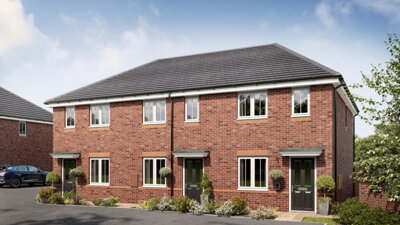
Browse 1 home new builds in Mackworth, Amber Valley from local developer agents.
Studio apartments feature open-plan living spaces without separate bedrooms, incorporating sleeping, living, kitchen, and bathroom facilities. The Mackworth studio market includes properties in modern apartment complexes, modern purpose-built developments and new residential complexes.
£0k
0
0
0
Source: home.co.uk
Showing 0 results for Studio Flats new builds in Mackworth, Amber Valley.
The Lanhydrock property market has demonstrated remarkable strength over the past twelve months, with house prices rising by 14% compared to the previous year. This significant growth reflects increasing buyer interest in Cornwall's villages beyond the coastal hotspots, as more people discover the exceptional quality of life offered by historic inland communities like Lanhydrock. The current average property price of £785,000 positions the village firmly in the premium segment of the Cornish property market, yet remains competitive when compared to similar heritage villages in other parts of the country. Our team monitors these market movements closely to help you understand the best time to make your move.
Detached properties command the highest values in Lanhydrock, with the average detached home selling for approximately £710,000. These substantial period residences often feature generous gardens, original stonework, and spacious interiors that reflect the architectural ambitions of their Victorian and Georgian builders. Semi-detached properties offer more accessible entry points to the local market, with recent sales data showing properties in this category achieving around £250,000 to £275,000, making them attractive options for first-time buyers or those seeking a smaller footprint without sacrificing the village setting. We have observed that terraced properties in Lanhydrock have sold for around £285,000 in recent transactions, demonstrating consistent demand across all property types in the village.
For context on the broader Cornwall market, the county-wide breakdown of recent sales shows detached properties accounting for 35.9% of transactions, terraced homes at 30.2%, semi-detached at 22.2%, and flats comprising 11.7%. Lanhydrock follows a similar pattern, though the village's heritage status means period properties and larger detached homes represent a higher proportion of available stock than the county average. Very limited new-build development activity in the village means supply remains constrained, which continues to support property values and contributes to the competitive nature of transactions in this highly sought-after location.
Understanding the local property landscape is essential for making informed decisions when buying in Lanhydrock. The village's proximity to Lanhydrock House and the National Trust estate influences the broader character of the area, with many properties benefiting from protected views and access to formal gardens and woodland walks. Our search tool allows you to filter properties by type, price range, and proximity to local amenities, helping you identify homes that match your specific requirements quickly and efficiently.

Lanhydrock occupies a privileged position in mid-Cornwall, nestled within a deep valley that slopes gently toward the River Fowey. The village takes its name from Saint Hydroc, with the parish church of St Hydroc standing as a Grade I listed building within the grounds of the famous Lanhydrock House estate. This proximity to one of Cornwall's finest historic properties shapes daily life in the village, with residents enjoying access to the estate's formal gardens, woodland walks, and meadowland trails that form part of the National Trust's 900-acre holding. The registered park and garden at Lanhydrock is itself Grade I listed, underlining the national significance of this landscape.
The local architecture in Lanhydrock reflects centuries of Cornish building tradition, with grey granite the predominant construction material just as it is for the famous house itself. Traditional cottages feature the characteristic granite or slate ground floors with cob walls above, a building technique developed by generations of Cornish craftsmen using locally sourced materials. Cob, a mixture of clay, sand, straw, and water, provided excellent insulation and was particularly suited to Cornwall's maritime climate. Roofs throughout the village are typically finished with slate, creating the harmonious aesthetic that has made Lanhydrock one of Cornwall's most photographed villages. The conservation area designation covering much of the village ensures that new development respects this historic character while allowing sensitive modern improvements.
Community life in Lanhydrock revolves around the village hall, local events, and the strong sense of place that comes from living in a tight-knit parish with deep historical roots. The nearby town of Bodmin, just three miles away, provides essential shopping facilities, supermarkets, and healthcare services, while the village pub offers a traditional gathering place for locals. The surrounding countryside offers exceptional walking and cycling opportunities, with the Camel Trail accessible from nearby Wenfordbridge and the coast only a short drive away at popular destinations like Polperro and Looe.
Properties in Lanhydrock showcase the traditional building methods that have characterised Cornish construction for centuries. The use of locally quarried grey granite provides the foundation for many structures, with the stone's natural durability ensuring that centuries-old buildings remain structurally sound today. Lanhydrock House itself exemplifies the quality of Cornish granite craftsmanship, its construction spanning from the 1620s with significant reconstruction in 1881 following a devastating fire. When viewing period properties in the village, we recommend paying close attention to the condition of granite pointing, as mortar deterioration in older structures can allow water ingress that may compromise the stonework over time.
The combination of granite or slate at ground floor level with cob construction above represents a sophisticated response to local conditions. Ground floors raised on granite plinths protected the cob walls from groundwater capillary action, while the cob itself offered superior thermal mass compared to modern construction materials. This traditional approach to building creates homes with excellent temperature regulation, keeping interiors cool in summer and retaining warmth during Cornwall's sometimes harsh winters. Modern buildings in the area may incorporate structural steel, glass, and sustainable timber, though any new development within the conservation area must respect the established character and scale of the village.
Roofing throughout Lanhydrock predominantly uses slate, sourced either from local Cornish quarries or imported from Wales during the Victorian era when railway connections improved material availability. The steep roof pitches common to the area reflect the need to shed Cornwall's heavy rainfall quickly, and we advise that surveyors pay particular attention to roof condition when assessing period properties. Leadwork around chimneys, valleys, and parapets represents a common maintenance concern in historic properties, and quotes for repair or replacement should be obtained before committing to purchase.
Families considering a move to Lanhydrock will find a good selection of educational options within easy reach. Within the village itself, Lanhydrock Primary School serves the local community, providing education for children from Reception through to Year 6. The school maintains strong links with the Lanhydrock estate and benefits from its idyllic setting, offering pupils a unique connection to local heritage and the natural environment. Class sizes in rural primary schools often remain smaller than in urban areas, allowing for more individual attention and a community-focused approach to learning that parents frequently cite as a significant advantage.
Secondary education options in the surrounding area include Bodmin College, a comprehensive secondary school located in the nearby town of Bodmin. The school offers a broad curriculum and has a sixth form providing A-Level qualifications for students continuing their education locally. For families seeking alternative educational approaches, Cornwall hosts several well-regarded independent schools at both primary and secondary levels, with particular concentrations in Truro and the coastal towns. Transport arrangements for secondary students typically involve school bus services connecting Lanhydrock with nearby secondary schools, and the planning of any property purchase should consider these practical arrangements carefully.
Lanhydrock benefits from its position in mid-Cornwall, offering relatively straightforward access to the county's major transport corridors while maintaining its peaceful village atmosphere. The A38 main road passes near the village, providing a direct route to Plymouth and the M5 motorway beyond, making the journey to Exeter and Bristol feasible for those who need to commute south or north. The journey to Plymouth takes approximately 45 minutes under normal traffic conditions, opening up opportunities for those working in the city while living in the more tranquil Cornish countryside.
For rail travel, the nearest mainline station is in Bodmin, offering connections to the broader rail network serving Cornwall and beyond. However, the most convenient mainline station is often found to be in Liskeard, which provides regular services to London Paddington with journey times of around three hours. The coastal ports of Plymouth and Penzance offer additional rail connections for those travelling further afield, while Newquay Airport provides air links to London and other major cities for international travel. Local bus services connect Lanhydrock with Bodmin and surrounding villages, though those commuting regularly will find a car essential for the fullest flexibility.
Before arranging viewings, spend time understanding local prices and property types. Our listings show 41 homes currently available, with detached properties averaging £710,000, semi-detached homes around £250,000 to £275,000, and terraced properties recently selling for approximately £285,000. The 14% annual price increase indicates strong demand, so understanding market conditions will help you act decisively when the right property appears. We recommend setting up property alerts so you receive immediate notification when new listings match your criteria.
Contact a mortgage broker to obtain an Agreement in Principle before viewing properties. This demonstrates to sellers that you are a serious buyer with funding in place. Cornwall lenders familiar with the local market can often arrange competitive rates, and having your mortgage arranged before viewing gives you a clear budget to work within. Our recommended mortgage brokers understand the specific considerations of lending against period properties in conservation areas and can advise on appropriate products for your circumstances.
Use our comprehensive search tool to arrange viewings of properties that match your requirements. When viewing in Lanhydrock, pay particular attention to the age and construction of properties, as many are period homes that may require updating or specialist maintenance. Conservation area restrictions may affect what alterations are permitted, so discuss any plans for changes with the seller or their agent before making an offer. We can arrange accompanied viewings if you prefer to have our team present to answer technical questions about the property.
Once your offer is accepted, arrange a RICS Level 2 Survey for properties under £1 million, or a Level 3 Survey for more complex historic properties. Given Lanhydrock's geological considerations and the age of many local properties, a thorough survey is essential to identify any issues with foundations, roofing, or historic building fabric before you commit to purchase. Our recommended surveyors have extensive experience assessing Cornish period properties and understand the specific defect patterns common to traditional construction methods in the area.
Your solicitor will handle all legal aspects of the purchase, including searches relevant to Cornwall and the Lanhydrock area specifically. Local searches will reveal any planning constraints, conservation area requirements, or environmental factors that may affect the property. For Grade II listed properties, your solicitor will advise on listed building consent requirements for any future works. We work with conveyancing solicitors who understand the complexities of buying period property in Lanhydrock and can guide you through the process efficiently.
The majority of properties in Lanhydrock fall within the conservation area, and many are listed buildings ranging from Grade II through to the Grade I designation held by Lanhydrock House and the parish church. Before purchasing, understand that listed building consent is required for virtually any alterations to the external appearance or significant internal features of listed properties. This restriction protects the historic character of the village but does mean that renovation projects require more planning and consultation with conservation officers than would be the case in non-listed areas.

Cornwall's geology presents specific considerations for property buyers in the Lanhydrock area. The county's complex geology includes clay-rich soils that can exhibit shrink-swell behaviour, particularly during periods of drought or heavy rainfall. Research indicates that sub-ground soils in Cornwall often contain between 10% and 25% clay, creating potential for ground movement that may affect properties with shallow foundations or those built on filled ground. Some areas may have bedrock at ground level, while in others it can be several metres deep, and this variation can significantly affect foundation design and cost when any groundworks are required.
Properties in deep valley locations such as Lanhydrock may also be affected by groundwater conditions and natural drainage patterns. The proximity to the River Fowey means that properties in lower-lying parts of the village warrant careful investigation. A thorough building survey will identify any signs of movement or historic subsidence, and your surveyor can advise on appropriate remediation measures if required. We recommend that buyers commission a specialist ground condition assessment for any property where there is visible evidence of cracking, uneven floors, or doors and windows that stick, as these may indicate ongoing movement that requires professional attention.
Flood risk in Lanhydrock requires investigation for specific properties, particularly those close to watercourses or in lower-lying parts of the village. While Lanhydrock itself sits inland, the nearby River Fowey can experience rapid rises during periods of heavy rainfall, and the steep-sided valley location means that water can flow quickly from higher ground. Properties with river frontage or those downstream should be carefully assessed, and we strongly recommend requesting a flooding history from the vendor and checking the Environment Agency's flood risk maps before proceeding. Standard insurance arrangements may be affected for properties in flood-risk areas, so obtain appropriate quotations before committing to purchase.
The average house price in Lanhydrock over the past year is £785,000, reflecting the premium nature of this historic village. Detached properties average £710,000, while semi-detached homes have sold recently for £250,000 to £275,000. Terraced properties in Lanhydrock have achieved around £285,000 in recent sales. The market has shown strong growth, with prices rising 14% year-on-year, indicating sustained demand for properties in this sought-after Cornwall location.
Properties in Lanhydrock fall within the Cornwall Council jurisdiction, and council tax bands vary by property. Banding depends on the property's assessed value as of April 1991, with bands ranging from A through to H. Most period cottages and smaller properties typically fall into bands A to C, while larger detached homes may be in higher bands. Contact Cornwall Council directly or view the property's council tax records through their online portal for specific banding information relating to any property you are considering purchasing.
Lanhydrock Primary School serves the village and surrounding area, offering education from Reception through to Year 6 with the benefit of small class sizes and strong community links. For secondary education, Bodmin College is the nearest comprehensive school, located approximately three miles away in Bodmin, with a sixth form providing A-Level options for students continuing their education locally. Several independent schools operate throughout Cornwall for families seeking alternative educational approaches, with particular concentrations in Truro and the coastal towns.
Lanhydrock is served by local bus routes connecting the village to Bodmin and surrounding communities, though car ownership is virtually essential for most daily activities. The nearest railway stations are in Bodmin and Liskeard, with Liskeard offering direct services to London Paddington in approximately three hours, making day trips to the capital feasible. The A38 provides road connections to Plymouth and the M5 motorway beyond, with Plymouth accessible in around 45 minutes under normal traffic conditions.
The 14% annual increase in Lanhydrock property values demonstrates strong investment potential in this historic village. Properties in conservation areas with listed building status tend to hold their value well, and demand for quality village homes in Cornwall continues to grow as more buyers seek the combination of rural character, heritage, and access to beautiful countryside that Lanhydrock offers. New-build development activity remains very limited in the village, with recent planning applications near Trebyan suggesting only modest additional housing supply, which should continue to support values in the established village.
For properties priced at the Lanhydrock average of £785,000, standard stamp duty rates apply as of April 2025, with no duty charged on the first £250,000 of residential property purchase price. On the amount between £250,001 and £785,000, you will pay 5% stamp duty, resulting in a total tax bill of £26,750 on an average-priced property. First-time buyers purchasing properties up to £625,000 may benefit from relief that reduces their stamp duty liability significantly. Always confirm current thresholds with HMRC as these can change with each Budget, and consider consulting a financial adviser for personalised guidance on your specific situation.
Budgeting for your Lanhydrock property purchase requires careful consideration of all costs beyond the advertised price. Stamp duty Land Tax represents the most significant additional expense, and at current thresholds you would pay approximately £26,750 on a property priced at the local average of £785,000. This calculation works on a tiered basis, with no duty on the first £250,000, then 5% on the amount between £250,001 and £785,000. If this is your first residential property purchase and the price is within the first-time buyer relief threshold, your stamp duty bill would be substantially reduced, potentially saving thousands of pounds.
Legal costs for conveyancing typically start from around £499 for straightforward transactions, though the complexity of historic Lanhydrock properties may require additional work. Your solicitor will conduct local authority searches with Cornwall Council, which will reveal planning history, conservation area status, and any environmental factors affecting the property. For listed buildings, additional checks on listed building consents and requirements may be necessary. Survey costs vary depending on property type and complexity, with a RICS Level 2 Survey starting from approximately £350 for a standard property, rising for larger or more complex historic homes.
Moving costs should also be factored into your overall budget, including removal services, potential temporary storage if your purchase and sale are not synchronized, and connection fees for utilities at your new property. Buildings insurance must be in place from the point of exchange, and for period properties in Lanhydrock, ensure your insurer understands the construction type and any specific risks associated with the property. Setting aside a contingency fund of around 5-10% of the purchase price for unexpected costs is prudent, particularly for older properties where issues may only become apparent after legal completion.
From £350
A detailed inspection for standard properties up to £1 million
From £500
Comprehensive survey for complex or historic properties
From £60
Energy performance certificate required for all homes
From £499
Legal services for your property purchase
From 4.5%
Competitive rates for Lanhydrock properties
Properties New Builds In London

Properties New Builds In Plymouth

Properties New Builds In Liverpool

Properties New Builds In Glasgow

Properties New Builds In Sheffield

Properties New Builds In Edinburgh

Properties New Builds In Coventry

Properties New Builds In Bradford

Properties New Builds In Manchester

Properties New Builds In Birmingham

Properties New Builds In Bristol

Properties New Builds In Oxford

Properties New Builds In Leicester

Properties New Builds In Newcastle

Properties New Builds In Leeds

Properties New Builds In Southampton

Properties New Builds In Cardiff

Properties New Builds In Nottingham

Properties New Builds In Norwich

Properties New Builds In Brighton

Properties New Builds In Derby

Properties New Builds In Portsmouth

Properties New Builds In Northampton

Properties New Builds In Milton Keynes

Properties New Builds In Bournemouth

Properties New Builds In Bolton

Properties New Builds In Swansea

Properties New Builds In Swindon

Properties New Builds In Peterborough

Properties New Builds In Wolverhampton

Enter your details to see if this property is within your budget.
Loans, cards, car finance
Estimated property budget
Borrowing + deposit
You could borrow between
Typical borrowing
Monthly repayment
Est. at 4.5%
Loan-to-value
This is an estimate only. Your actual budget may vary depending on interest rates, credit history, and personal circumstances. For an accurate affordability assessment, speak to one of our free mortgage advisors.
This calculator provides estimates for illustrative purposes only and does not constitute financial advice. Your home may be repossessed if you do not keep up repayments on your mortgage. Estimates based on 4.5% interest rate, repayment mortgage. Actual rates depend on your circumstances.
Homemove is a trading name of HM Haus Group Ltd (Company No. 13873779, registered in England & Wales). Homemove Mortgages Ltd (Company No. 15947693) is an Appointed Representative of TMG Direct Limited, trading as TMG Mortgage Network, which is authorised and regulated by the Financial Conduct Authority (FRN 786245). Homemove Mortgages Ltd is entered on the FCA Register as an Appointed Representative (FRN 1022429). You can check registrations at NewRegister or by calling 0800 111 6768.

We use cookies to show you personalised content and improve your experience of our website. Find out more in our Privacy policy and Cookie policy.