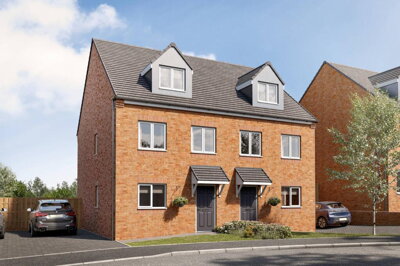
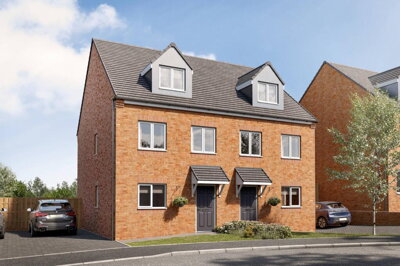
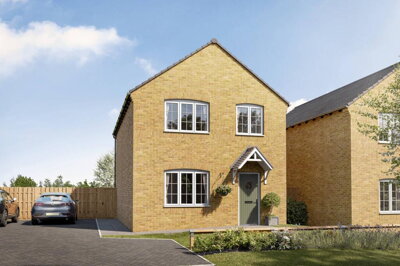
Browse 3 homes new builds in Lowside Quarter from local developer agents.
The larger property sector typically features multiple bathrooms, substantial reception space, and private gardens or off-street parking. Four bedroom houses in Lowside Quarter span detached, semi-detached, and occasionally terraced configurations, with styles ranging from period properties to modern executive homes.
The Lowside Quarter property market presents a healthy mix of traditional resale homes and exciting new build opportunities. Our current listings include approximately 75 properties across all segments, with recent sales data from the Land Registry confirming active trading activity throughout the area. The market has demonstrated resilience and steady appreciation, with the overall average price standing at £237,500 as of February 2026. Detached properties command the highest values at around £350,000, while terraced homes offer the most accessible entry point at approximately £195,000. Flats in the area typically start from £160,000, making Lowside Quarter an attractive option for first-time buyers looking to establish themselves in a desirable location without stretching their budget to breaking point.
Two significant new build developments are currently underway within the LSQ postcode area, adding fresh inventory to meet demand. The Lowside Collection by Heritage Homes, located on Lowside Road, offers 3 and 4-bedroom semi-detached and detached homes priced from £280,000 to £450,000. These properties appeal to families seeking modern construction, energy efficiency, and generous living spaces. Meanwhile, Canal View Residences by Waterside Developments on Old Mill Lane provides 2-bedroom apartments and 3-bedroom townhouses ranging from £190,000 to £320,000, ideal for downsizers, young professionals, and investors targeting the rental market. The twelve-month price growth of 3.5% suggests a stable market with sustained buyer interest, making this an opportune time to purchase in Lowside Quarter.

Understanding the construction methods used in Lowside Quarter properties helps you identify potential issues and budget for necessary improvements. The predominant building materials in the area include red brick, typically finished with either sand lime or engineering brick for damp resistance, combined with slate or concrete tile roofs depending on the property era. Some of the older properties around the Old Mill Conservation Area feature local sandstone, which requires specific maintenance approaches and specialist cleaning methods to preserve without damage. Rendered finishes are common on post-war properties, particularly those constructed during the council estate expansion of the 1950s and 1960s.
Construction methods vary significantly by property age across Lowside Quarter. Properties built before 1945, which comprise approximately 45% of the housing stock, typically feature solid wall construction with timber suspended floors. These older properties often have less insulation than modern standards require, resulting in higher heating costs and potential condensation issues during colder months. Post-war homes built between 1945 and 1980, representing 35% of the area, generally use cavity wall construction with concrete ground floors, offering better thermal performance but still requiring attention to damp proofing and ventilation. The underlying geology of glacial till over Carboniferous sandstone and shale creates a moderate to high shrink-swell risk, particularly in areas with mature trees and inadequate drainage, which can affect foundation performance over time.
Lowside Quarter supports a population of approximately 7,500 residents across 3,200 households, creating a village atmosphere with a genuine sense of community. The area developed around the historic Old Mill district, where former industrial buildings and workers' cottages now stand as Grade II listed landmarks within a designated Conservation Area. Walking through this historic quarter, you will encounter charming sandstone properties, cobbled courtyards, and the tranquil remnants of the canal system that once powered local industry. The neighbourhood has successfully transitioned from its manufacturing heritage to become a sought-after residential area while preserving the architectural character that makes it distinctive. Local residents enjoy community events, independent shops, and traditional pubs that contribute to the area's warm, welcoming atmosphere.
The housing landscape in Lowside Quarter reflects its evolutionary history, with property types distributed across terraced (35%), semi-detached (30%), detached (20%), and apartment (15%) configurations. Approximately 25% of properties pre-date 1919, clustered around the Old Mill Conservation Area and original village core, while a significant 35% were constructed during the post-war period of 1945-1980, including both council and private developments. The remaining 20% represents post-1980 construction, including modern infill and contemporary developments. Key employers in the area include a large distribution centre on the outskirts and a medium-sized manufacturing plant, with growing small businesses in retail and services providing local employment opportunities. The proximity to larger towns and cities makes Lowside Quarter particularly appealing to commuters who wish to enjoy rural living without sacrificing career opportunities.
The canal system that once drove local industry has been adapted for recreational use, with towpaths providing pleasant routes for walking and cycling away from busy roads. The unnamed brook that feeds into the canal system creates areas of moderate surface water flood risk in lower-lying parts of Lowside Quarter, which prospective buyers should investigate when considering specific properties. The disused railway line has been transformed into a green corridor, offering additional traffic-free routes for residents who enjoy outdoor activities. Community facilities include a village hall, several parks and play areas, and regular markets that showcase local produce and crafts, all of which contribute to the strong community spirit that characterises the area.

Families considering a move to Lowside Quarter will find a range of educational options within and nearby the neighbourhood. The area is served by primary schools catering to children from reception through to Year 6, with several receiving positive ratings for academic achievement and student welfare. Parents should research individual school performance data and admission policies, as catchment areas can influence placement decisions significantly. Many primary schools in the surrounding area offer extended provision including breakfast clubs, after-school activities, and holiday programmes, supporting working families with childcare requirements. Primary education in the region emphasises both academic fundamentals and creative development, preparing children for the transition to secondary education.
Secondary education in the wider Cumberland area includes both comprehensive schools and grammar school options, depending on local authority arrangements and catchment boundaries. The nearest secondary schools to Lowside Quarter typically serve students from Year 7 through to Year 13, offering a choice of academic and vocational pathways. Sixth form provision is available at larger secondary schools and further education colleges within reasonable commuting distance, offering A-levels, vocational qualifications, and apprenticeship pathways for students post-16. For those seeking independent education, several private schools operate in the broader region, though these require separate applications and fee arrangements. When purchasing property in Lowside Quarter, we recommend confirming current school allocations with the local education authority, as catchment boundaries can change and spaces in popular schools fill quickly.
The presence of quality educational options within easy reach enhances Lowside Quarter's appeal to family buyers and contributes to long-term property values in the area. Several primary schools in the surrounding villages have achieved good or outstanding Ofsted ratings, making them attractive to parents prioritising education when house hunting. Transport links to secondary schools are generally adequate, with school bus services operating for those living further from preferred establishments. Parents should note that some families choose to expand into surrounding villages where larger properties and garden space are available at similar price points, while still accessing the same educational catchment areas.

Lowside Quarter benefits from practical transport connections that serve both local needs and longer-distance commuting requirements. The area's position offers access to road networks connecting residents to employment centres across Cumberland and beyond, with the nearby distribution centre and manufacturing facilities providing substantial local job opportunities. For those commuting to larger towns or cities, the strategic location means journey times remain manageable for daily travel. Bus services operate throughout the area, connecting Lowside Quarter with surrounding villages and towns, though service frequencies may vary by route and time of day. Residents without private vehicles should check local timetables carefully when planning daily routines, particularly for early morning and evening travel.
The towpaths along the former canal system provide pleasant routes for walking and cycling away from busy roads, supporting sustainable travel for shorter local journeys. Cycling infrastructure in the wider area continues to improve, with new cycle lanes being added to major routes connecting Lowside Quarter with nearby towns. Parking availability varies across the neighbourhood, with on-street parking common in residential areas and dedicated parking more limited in the older, denser parts of Lowside Quarter near the Old Mill district. For rail travel, connections to the wider national network are available at stations in nearby towns, making Lowside Quarter viable for commuters who require occasional or regular train journeys.
The combination of local amenities, employment opportunities, and regional transport links makes Lowside Quarter practical for diverse lifestyles and household circumstances. Residents working at the distribution centre or manufacturing plant on the outskirts enjoy particularly short commute times, while those working in larger towns benefit from relatively straightforward road access. The proximity to the canal towpaths also provides recreational opportunities for cycling and walking, with routes extending into the surrounding countryside for those who enjoy outdoor activities without travelling significant distances.

Before viewing properties, obtain a mortgage agreement in principle from a lender. This demonstrates your seriousness to estate agents and sellers while helping you understand your true budget. Factor in additional costs including stamp duty, solicitor fees, survey costs, and moving expenses. Our partners offer competitive mortgage rates starting from 4.5% APR, and a broker can help you find the right deal for your circumstances.
Explore Lowside Quarter at different times of day to understand the neighbourhood character. Visit local amenities, check commute times to your workplace, and review school catchments if applicable. Understanding the local property market trends helps you recognise a fair price when you see one. With terraced homes averaging £195,000 and semi-detached properties at £250,000, the market offers clear pricing tiers that experienced estate agents can help you navigate.
Use Homemove to search all available properties in Lowside Quarter and book viewings through listed estate agents. Attend viewings with a checklist covering property condition, potential renovation costs, and any red flags such as signs of damp, subsidence, or flooding. Take photographs for comparison later. With 75 properties currently listed, attending multiple viewings across different streets and developments helps build a comprehensive understanding of what your budget can achieve in the area.
For most properties in Lowside Quarter, particularly those over 50 years old which comprise approximately 80% of the housing stock, a RICS Level 2 Survey is essential. Survey costs for a typical 3-bedroom semi-detached property range from £450 to £650. This inspection identifies defects like damp, roofing issues, and structural concerns specific to local construction methods including solid wall properties and clay-related subsidence risks.
Choose a conveyancing solicitor experienced in local transactions to handle legal work including searches, contracts, and land registry requirements. Your solicitor will liaise with the seller's representatives, arrange mortgage documentation, and guide you through the completion process from offer acceptance through to completion and key handover. Properties in the Old Mill Conservation Area or listed buildings may require additional specialist searches.
Once all searches are satisfactory and mortgage offer confirmed, you will exchange contracts and pay a deposit (typically 10%). Completion usually follows within 7-28 days, at which point ownership transfers and you receive the keys to your new Lowside Quarter home. We recommend arranging buildings insurance before completion and scheduling your removal company to coincide with your agreed completion date.
Properties in Lowside Quarter present both opportunities and considerations specific to the local area that prudent buyers should investigate thoroughly. The underlying geology of glacial till over Carboniferous sandstone and shale creates a moderate to high shrink-swell risk, particularly in properties with mature trees or inadequate drainage. This translates to potential subsidence issues that can affect foundations, so examine walls for cracking, check door and window operation, and review any past underpinning or foundation work. Properties near the canal system and lower-lying areas face elevated surface water flood risk, which can affect insurance premiums and future saleability. Request flood risk reports and check whether properties have appropriate flood resilience measures in place.
The Old Mill Conservation Area contains numerous Grade II listed buildings with specific planning restrictions and maintenance obligations. If your purchase falls within or near this designated area, be aware that permitted development rights may be limited, requiring planning permission for extensions, dormer loft conversions, or significant alterations. Listed building consent has separate requirements for external and structural changes. With approximately 45% of Lowside Quarter properties built before 1945, many homes feature solid wall construction, traditional building materials, and aging infrastructure. A thorough survey will identify outdated electrical wiring (often requiring full rewire to meet current standards), old plumbing systems including potential lead pipes, and damp issues arising from inadequate damp-proof courses.
Common defects found in Lowside Quarter properties include rising damp and penetrating damp in older terraced and semi-detached homes, particularly those with inadequate damp-proof courses or poor external maintenance. Roofing issues such as slipped tiles, failing pointing, and deteriorated felt are prevalent in properties over 50 years old, given that approximately 80% of the housing stock pre-dates 1980. Timber suspended floors in older properties may show signs of rot or insect damage, while solid floor concrete can suffer from damp penetration where original damp-proof membranes have failed. When viewing properties, bring a torch and look up into roof spaces where accessible, check walls at low level for damp staining and salt deposits, and test window and door frames for signs of movement or decay. These remediation costs should factor into your offer price alongside the purchase price itself.

The average property price in Lowside Quarter stands at £237,500 as of February 2026, according to Land Registry and Rightmove data. Property types command different values: detached homes average around £350,000, semi-detached properties at £250,000, terraced houses at £195,000, and flats from £160,000. Prices have increased 3.5% over the past twelve months, indicating a stable and gradually appreciating market that continues attracting buyers seeking value in Cumberland. First-time buyers will find terraced properties and flats provide the most accessible entry points to the local market.
Council tax bands in Lowside Quarter vary by property, with bands ranging from A through to F depending on the assessed value of individual homes. Band A properties typically include smaller flats and terraced houses, while larger detached homes and properties in the conservation area often fall into higher bands. Cumberland Council manages council tax collection in the area, and you can check the specific council tax band for any property through the local valuation list, which is publicly accessible online. Annual council tax bills vary accordingly, with Band A properties typically paying significantly less than Band E or F homes.
Lowside Quarter is served by primary schools within the neighbourhood and surrounding area, with several receiving positive recognition for educational quality. Parents should research individual school Ofsted ratings, academic performance data, and admission catchment boundaries when choosing a property, as school quality and availability can significantly impact family purchasing decisions in this area. Secondary options in the wider region include both comprehensive and grammar schools depending on local arrangements and catchment zones. We recommend visiting potential schools before purchasing and speaking to headteachers about current admissions policies, as catchment areas can change and popular schools fill quickly.
Lowside Quarter is served by local bus services connecting the area to surrounding towns and villages, though frequencies vary by route and time of day. Road connections provide access to major employment centres including the distribution centre and manufacturing plant on the outskirts, plus routes to larger towns and cities for longer-distance commuting. Nearby towns offer rail connections to the wider national network for those requiring train travel. The towpaths along the former canal system provide traffic-free routes for cycling and walking, supporting sustainable local travel. Daily commuters should verify service reliability during early morning and evening peak times, particularly if relying on public transport for regular work attendance.
Lowside Quarter presents several investment characteristics worth considering for landlords and property investors. The area's steady 3.5% annual price appreciation indicates stable demand, while the mix of traditional housing and new developments attracts diverse buyer and tenant demographics. Rental demand is supported by local employment from the distribution centre and manufacturing plant, plus commuters seeking more affordable housing than nearby cities. Two new build developments currently under construction, The Lowside Collection on Lowside Road and Canal View Residences on Old Mill Lane, add modern stock to the market. Investors should factor in potential flood risk in lower-lying areas near the canal, the costs of maintaining older properties with solid wall construction, and any restrictions affecting listed buildings or conservation area properties. Properties requiring renovation may offer value-add opportunities given the strong local market.
Stamp Duty Land Tax (SDLT) rates from April 2025 are 0% on the first £250,000 of residential property purchase price, 5% on the portion from £250,001 to £925,000, 10% from £925,001 to £1.5 million, and 12% above £1.5 million. First-time buyers benefit from relief on purchases up to £625,000, paying 0% on the first £425,000 and 5% on the remainder. At current average prices around £237,500, most buyers in Lowside Quarter fall within the lowest SDLT band, meaning a terraced home or flat at average prices would incur zero stamp duty for any buyer category. However, higher-value properties including detached homes averaging £350,000 and new build properties priced from £280,000 to £450,000 would incur additional charges above the nil-rate threshold.
We strongly recommend commissioning a survey for any property purchase in Lowside Quarter, particularly given that approximately 80% of properties were built before 1980 and 45% pre-date 1945. A RICS Level 2 Survey typically costs between £450 and £650 for a standard 3-bedroom semi-detached property, rising to £600-£800 or more for larger detached homes. This investment identifies defects common to the area including damp issues in solid wall properties, roofing deterioration, potential subsidence from clay soils, and outdated electrical and plumbing systems. Properties in the Old Mill Conservation Area or Grade II listed buildings may require the more comprehensive RICS Level 3 Building Survey due to their unique construction and specialist maintenance requirements.
Lowside Quarter has areas of moderate surface water flood risk, particularly in lower-lying parts near the disused canal system and along the unnamed brook that feeds into it. Properties in these areas may face higher buildings insurance premiums and could require flood resilience measures such as raised electrical sockets, waterproof rendering, or flood barriers. Before purchasing, request a flood risk report from the Environment Agency and check the property's flood history with the vendor. Properties at higher elevation away from watercourses generally face lower flood risk. Your survey should also identify any signs of previous flooding such as water marks, warped skirting boards, or damp staining at low levels on walls.
Purchasing a property in Lowside Quarter involves several costs beyond the purchase price that buyers should budget for well in advance. Stamp Duty Land Tax represents the most significant additional expense for many buyers. From April 2025, the nil-rate threshold sits at £250,000, meaning a first-time buyer purchasing a terraced home at the area average of £195,000 would pay no SDLT whatsoever. Someone buying a typical semi-detached property at £250,000 would pay no SDLT on the first £250,000. Properties priced between £250,001 and £925,000 incur 5% on the amount above £250,000, while higher-value purchases including some detached homes and new build properties attract progressively higher rates. First-time buyers should note that relief applies only up to £625,000, with the relief percentage reducing on amounts above £425,000.
Solicitor conveyancing fees in Lowside Quarter typically start from £499 for standard transactions, though costs increase for leasehold properties, conservation area homes with additional searches, or transactions involving listed buildings requiring specialist documentation. Your solicitor will conduct local authority searches, drainage and water searches, environmental searches, and potentially mining or flooding investigations relevant to the area's geology and proximity to watercourses. Survey costs represent another important budget item: a RICS Level 2 Survey for a typical 3-bedroom semi-detached property in Lowside Quarter ranges from £450 to £650, while larger detached homes or flats may cost between £350 and £800 depending on size and complexity. Given that approximately 80% of properties in Lowside Quarter were built before 1980 and 45% pre-date 1945, investing in a thorough survey is particularly valuable for identifying defects common to the area's older housing stock including damp, roofing issues, and outdated services.
Removal costs, mortgage arrangement fees, and building insurance should also factor into your overall moving budget. Removal companies serving Lowside Quarter typically charge based on volume and distance, with local moves within Cumberland generally more affordable than long-distance relocations. Mortgage arrangement fees vary by lender, with some offering fee-free products while others charge booking or arrangement fees that can reach £1,000 or more on larger loans. Buildings insurance must be in place from the point of completion, and premiums in Lowside Quarter may be higher for properties in flood-risk zones or those with thatch roofing, traditional construction, or listed status. We recommend obtaining quotes for all these costs before committing to a purchase to avoid financial surprises during the transaction process.

Properties New Builds In London

Properties New Builds In Plymouth

Properties New Builds In Liverpool

Properties New Builds In Glasgow

Properties New Builds In Sheffield

Properties New Builds In Edinburgh

Properties New Builds In Coventry

Properties New Builds In Bradford

Properties New Builds In Manchester

Properties New Builds In Birmingham

Properties New Builds In Bristol

Properties New Builds In Oxford

Properties New Builds In Leicester

Properties New Builds In Newcastle

Properties New Builds In Leeds

Properties New Builds In Southampton

Properties New Builds In Cardiff

Properties New Builds In Nottingham

Properties New Builds In Norwich

Properties New Builds In Brighton

Properties New Builds In Derby

Properties New Builds In Portsmouth

Properties New Builds In Northampton

Properties New Builds In Milton Keynes

Properties New Builds In Bournemouth

Properties New Builds In Bolton

Properties New Builds In Swansea

Properties New Builds In Swindon

Properties New Builds In Peterborough

Properties New Builds In Wolverhampton

Enter your details to see if this property is within your budget.
Loans, cards, car finance
Estimated property budget
Borrowing + deposit
You could borrow between
Typical borrowing
Monthly repayment
Est. at 4.5%
Loan-to-value
This is an estimate only. Your actual budget may vary depending on interest rates, credit history, and personal circumstances. For an accurate affordability assessment, speak to one of our free mortgage advisors.
This calculator provides estimates for illustrative purposes only and does not constitute financial advice. Your home may be repossessed if you do not keep up repayments on your mortgage. Estimates based on 4.5% interest rate, repayment mortgage. Actual rates depend on your circumstances.
Homemove is a trading name of HM Haus Group Ltd (Company No. 13873779, registered in England & Wales). Homemove Mortgages Ltd (Company No. 15947693) is an Appointed Representative of TMG Direct Limited, trading as TMG Mortgage Network, which is authorised and regulated by the Financial Conduct Authority (FRN 786245). Homemove Mortgages Ltd is entered on the FCA Register as an Appointed Representative (FRN 1022429). You can check registrations at NewRegister or by calling 0800 111 6768.

We use cookies to show you personalised content and improve your experience of our website. Find out more in our Privacy policy and Cookie policy.