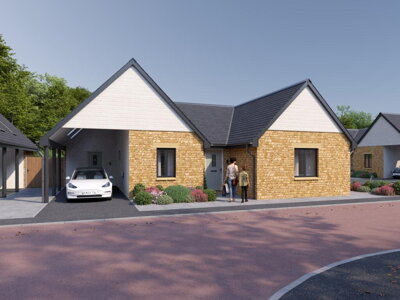
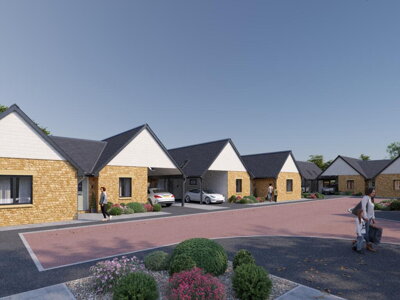
Browse 2 homes new builds in Lopen, Somerset from local developer agents.
The Lopen property market offers detached, semi-detached, and terraced houses spanning various price ranges and neighbourhoods. Each listing includes detailed property information, photographs, and direct contact with the marketing agent.
£547k
2
0
137
Source: home.co.uk
Showing 2 results for Houses new builds in Lopen, Somerset. The median asking price is £547,475.
Source: home.co.uk
Detached
2 listings
Avg £547,475
Source: home.co.uk
Source: home.co.uk
The Lake District property market reflects its unique status as a protected landscape, with property prices influenced by scarcity, heritage designations, and enduring appeal to buyers from across the UK. Detached properties command the highest prices, with the average currently sitting at £608,983, while semi-detached homes average £347,750. Traditional terraced cottages, a hallmark of Lake District villages, average around £290,000, and flats remain the most accessible entry point at approximately £200,000. Over the past 12 months, prices have increased by 1.35% across all property types, indicating steady demand in this coveted location.
The market sees particular activity in towns like Windermere and Bowness-on-Windermere, where buyers compete for properties with lake access or views, and in villages such as Hawkshead, Grasmere, and Coniston that offer traditional character within walking distance of local amenities. Keswick serves as the northern hub, attracting buyers drawn to Derwentwater and the Northern Fells, while Ambleside appeals to those seeking a vibrant centre with excellent restaurants and outdoor equipment shops. Understanding which micro-market suits your priorities is crucial in a region where property availability fluctuates significantly with the seasons.
New build developments within the National Park are relatively rare due to stringent planning controls designed to protect the landscape. However, notable exceptions include Hawkshead Gardens in Hawkshead, offering 2 to 5-bedroom homes from £325,000, and developments in gateway towns like Kendal such as The Heathers, with 3 to 5-bedroom homes from £319,995. These opportunities provide modern comforts within easy reach of the National Park's iconic scenery, though buyers seeking character properties will find an abundance of beautifully restored farmhouses, period cottages, and historic manor houses throughout the region.
Holiday let investment significantly influences the Lake District market, with properties in popular locations commanding premium prices when marketed as potential holiday rentals. Towns like Windermere, Ambleside, and Keswick see particularly strong investor interest, though prospective buyers should understand that planning consent for holiday lets may require conditions and that local authorities are increasingly scrutinising second home concentrations in some villages.

Life in the Lake District offers an unparalleled quality of life that draws people from urban centres seeking space, natural beauty, and a stronger sense of community. The resident population of approximately 42,000 within the National Park shares their home with millions of annual visitors who come to explore 3,200 kilometres of public rights of way, sail on Windermere, or climb the peaks that inspired William Wordsworth and the Romantic poets. The area's character is defined by its stone-built villages, dry stone walls threading across fells, and the ever-changing interplay of light on water that has inspired artists and writers for centuries.
The local economy centres on tourism, agriculture, and an increasing number of remote workers who have discovered that the Lake District makes an ideal base for their professional lives. Villages like Ambleside, Grasmere, Hawkshead, and Coniston offer essential amenities including village shops, traditional pubs, and artisan cafes, while larger towns such as Kendal and Penrith provide comprehensive retail, healthcare, and educational facilities on the National Park's periphery. The strong sense of community is evident in village events, farmers' markets, and the network of local organisations that preserve both traditions and natural heritage for future generations.
Healthcare facilities within the National Park include community hospitals in Keswick and Cockermouth, with more comprehensive services available at West Cumberland Hospital in Whitehaven and the Royal Victoria Infirmary in Newcastle for specialist care. The proximity to major motorway connections means that residents can access excellent hospital facilities in Manchester or Leeds within approximately two hours by car when needed. For families, the combination of outstanding natural playgrounds and good local schools makes the Lake District particularly attractive, though parents with teenagers should consider that older children may eventually seek the social opportunities available in larger towns.

Families considering a move to the Lake District will find a range of educational options that serve both the resident population and the wider region. Primary education is well-served by village schools scattered throughout the National Park, many of which embrace outdoor learning philosophies that align naturally with their stunning surroundings. Schools such as Hawkshead Primary School and Ambleside Primary School offer small class sizes and strong community ties, though parents should verify current Ofsted ratings and catchment area boundaries as these can change and vary significantly between villages.
Secondary education options include notable establishments such as Dallam School in Milnthorpe, QE Grammar School in Kirkby Lonsdale, and schools in the gateway towns of Kendal and Penrith that fall just outside the National Park boundary. For families prioritising academic excellence, these schools serve as attractive options given that Lake District residents can access education in nearby towns while enjoying National Park living. Several schools in the area have achieved good or outstanding Ofsted ratings, and the presence of sixth form colleges in larger towns provides clear pathways for older students. Parents are advised to research specific schools thoroughly, as the rural nature of the area means travel times can be significant for secondary school pupils.
Further education opportunities in the region include Kendal College, which offers a wide range of vocational courses and apprenticeships, and the University of Cumbria's campuses in Carlisle and Lancaster. For children with special educational needs, parents should carefully assess the support available locally, as specialist provisions may require travel to larger towns or, in some cases, to facilities outside the National Park entirely.
The Lake District's connectivity has improved significantly in recent years, making it increasingly viable as a location for commuters and those who need to access major cities for work. The West Coast Main Line serves Penrith and Oxenholme, with direct trains to London Euston taking approximately three hours from Penrith. The Furness Line connects Barrow-in-Furness with Lancaster and beyond, while local bus services operated by Stagecoach and others link villages throughout the National Park, though frequency can be limited in more remote areas.
Road access varies considerably depending on your specific location within the Lake District. The M6 motorway passes close to the southern edge of the National Park, providing straightforward access to Manchester, Liverpool, and Birmingham. The A591 connects Kendal, Windermere, and Grasmere, while the A66 crosses the northern fells between Penrith and Workington. For daily commuting, Oxenholme Lake District station offers the most practical rail connections, with regular services to Manchester and the broader rail network. Prospective buyers should consider that many Lake District villages involve single-track roads and that winter conditions can occasionally affect travel, making proximity to main routes an important factor in property selection.
Air travel is accessible through several regional airports within reasonable driving distance, including Manchester Airport (approximately 90 minutes from southern parts of the Lake District), Liverpool John Lennon Airport, and Newcastle International Airport for northern locations. These connections make the Lake District viable for those who need to travel internationally for work, though most residents find that the area's broadband improvements have significantly reduced the frequency of business travel required.
Explore our listings to understand the variety of properties available, from traditional stone cottages to contemporary homes, and familiarise yourself with the Lake District's unique property landscape including conservation area restrictions and National Park planning policies. Consider whether you need proximity to schools, commuting routes, or tourist hotspots when narrowing your search area.
Schedule viewings of properties that match your requirements, taking time to visit at different times of day and in various weather conditions to fully appreciate each location's character, light, and access during busy tourist seasons. Summer weekends can be particularly busy in popular villages, so experiencing a location during quieter periods helps you understand what everyday life would be like.
Contact lenders or use our mortgage comparison tool to secure an agreement in principle before making an offer, which demonstrates your financial readiness to sellers in what can be a competitive market. Specialist rural mortgage brokers familiar with Lake District properties can often secure better rates for unique properties including listed buildings and non-standard construction.
Given the age and character of many Lake District properties, a comprehensive RICS Level 2 Survey is essential to identify any structural concerns, moisture issues common in older stone buildings, or potential flood risk considerations for properties near rivers or lakes. With over 36% of Cumbria's housing stock pre-dating 1919, professional surveys are particularly valuable in this area.
Appoint a solicitor with experience in Lake District property transactions, particularly those familiar with listed building regulations, conservation area requirements, and any unique aspects of National Park property ownership. National Park planning conditions may affect how you can use your property, and a specialist solicitor will ensure these are clearly explained.
Work with your solicitor to complete the legal formalities, pay Stamp Duty Land Tax where applicable, and receive your keys to your new Lake District home. Budget for the additional costs of moving to a rural area, including potential specialist insurance requirements for traditional or listed properties.
Purchasing property in the Lake District requires careful consideration of factors that are unique to this special landscape. Flood risk is a significant concern throughout the National Park, with major rivers including the Derwent, Eden, Kent, and their tributaries posing risks particularly in valley bottoms and floodplains. Towns and villages such as Keswick, Cockermouth, Kendal, and Glenridding have experienced severe flooding events, so prospective buyers should research flood history, check Environment Agency flood maps, and consider the elevation and drainage characteristics of any property under consideration.
The prevalence of listed buildings and conservation areas means that many properties come with planning restrictions that affect renovations, extensions, and even external decorations. Over 6,000 listed buildings exist in Cumbria, with particularly high concentrations in Lake District villages, and consent from the local planning authority or Historic England may be required for modifications. Building materials also require attention, as traditional Lake District properties built from local stone and slate may require specialist maintenance, and buyers should understand the potential for higher insurance costs and the importance of using craftsmen experienced with traditional building techniques. Ground conditions vary across the National Park, and while shrink-swell subsidence risk is generally low, localised areas of glacial till with higher clay content can exist in valley bottoms.
Our inspectors frequently encounter specific defect patterns in Lake District properties that prospective buyers should understand. Traditional stone walls often show signs of weathering and mortar degradation, particularly on north-facing elevations where rainfall exposure is greatest. Roof conditions deserve particular attention, as many properties feature slate roofs that may be original or reclaimed, and missing or slipped slates can lead to rapid water ingress given the area's high rainfall. Damp penetration in older properties, especially those with solid walls and limited or absent damp-proof courses, requires professional assessment during survey. Properties with thatched roofs, while rare, require specialist knowledge for valuation and insurance purposes.
Drainage and soakaway conditions merit careful investigation, as many rural properties rely on private sewage treatment systems rather than mains drainage. The National Park's geology, dominated by volcanic rocks and glacial deposits, can affect how properties handle surface water, and our surveyors have identified numerous instances where inadequate drainage has caused structural damage over time. For properties near lakes or rivers, understanding the history of water levels and any flood defences is essential before committing to purchase.
The average house price in the Lake District National Park stands at approximately £388,485, with detached properties averaging £608,983, semi-detached homes at £347,750, terraced properties around £290,000, and flats at approximately £200,000. Prices have increased by 1.35% over the past 12 months, indicating steady demand in this sought-after location. Windermere and Bowness-on-Windermere command the highest prices due to their proximity to the largest lake, while more affordable options can be found in villages like Workington or Maryport on the National Park's western edge.
Council tax bands in the Lake District vary depending on the specific local authority area. Properties within Westmorland and Furness council area fall under this authority's banding system, while northern parts of the National Park may fall under Cumberland council. Bands range from A to H based on property value, and buyers should check the specific banding with the relevant local authority as this affects annual running costs. Traditional stone cottages in conservation areas frequently fall into bands C to E, while larger detached properties with gardens and outbuildings may be banded higher.
The Lake District offers good primary education through village schools such as Hawkshead Primary and Ambleside Primary, while secondary options include Dallam School in Milnthorpe and QE Grammar School in Kirkby Lonsdale. Schools in gateway towns like Kendal and Penrith also serve Lake District residents and include several with good or outstanding Ofsted ratings. Parents should research current Ofsted reports and verify catchment areas, as the rural nature of the National Park means school transport arrangements and travel times are practical considerations for families with secondary-age children.
The Lake District is served by rail connections at Penrith and Oxenholme Lake District on the West Coast Main Line, with direct trains to London taking approximately three hours. Local bus services operated by Stagecoach connect major villages, though frequencies may be limited in remote areas. The M6 motorway passes near the southern National Park boundary, and the A591 provides key road connections through the central Lake District. For commuters working in Manchester, Oxenholme Lake District station offers the most practical access, with journey times to Manchester Piccadilly of approximately 90 minutes.
The Lake District property market benefits from strong fundamentals including UNESCO World Heritage status, limited supply due to National Park protections, and consistent demand from buyers seeking holiday homes, second homes, and permanent residences in an area of outstanding natural beauty. However, buyers should be aware of the affordability challenges faced by local residents due to second home demand, potential planning restrictions on holiday lets, and the need to budget for higher maintenance costs on traditional properties. Properties in popular tourist villages like Grasmere and Coniston can achieve strong holiday let returns, though the introduction of optional holiday let licensing may affect profitability.
Standard Stamp Duty Land Tax rates apply to Lake District purchases, with 0% on properties up to £250,000, 5% on the portion from £250,001 to £925,000, 10% from £925,001 to £1.5 million, and 12% above £1.5 million. First-time buyers benefit from relief on properties up to £625,000, paying 0% up to £425,000 and 5% on the portion between £425,001 and £625,000. A typical £388,485 Lake District property would attract approximately £6,924 in stamp duty for a standard buyer. For investors purchasing second homes or holiday lets, a 3% surcharge applies on each band, significantly increasing the total SDLT payable.
From 4.5%
Specialist mortgage advice for Lake District properties including listed buildings and rural homes
From £499
Conveyancing solicitors with experience in Lake District property transactions
From £450
Professional property surveys for Lake District homes including traditional stone properties
From £80
Energy Performance Certificates for Lake District properties
Understanding the full cost of purchasing property in the Lake District requires careful budgeting beyond the purchase price itself. Stamp Duty Land Tax applies to all property purchases in England, and for a typical Lake District property priced at the market average of £388,485, a standard buyer would pay approximately £6,924 in stamp duty. First-time buyers purchasing properties up to £625,000 can benefit from relief, reducing costs significantly on properties within that threshold. Additional purchase costs include solicitor fees typically ranging from £800 to £1,500 for conveyancing, mortgage arrangement fees of £0 to £2,000 depending on the lender, and survey costs that are particularly important for older Lake District properties.
RICS Level 2 Surveys in the Lake District typically range from £450 to £900 or more, reflecting the complexity of inspecting traditional stone-built properties that often feature older construction methods and unique characteristics. Properties pre-1919, which represent over 36% of Cumbria's housing stock, may require more detailed inspection due to their age and traditional building materials. Remote locations within the National Park may also incur additional surveyor travel costs. Buyers should budget for removal costs, potential furniture storage if transitioning from a furnished holiday let, and ongoing costs including council tax, building insurance (which can be higher for thatched or listed properties), and regular maintenance of traditional building features such as slate roofs and stone walls.
Building insurance costs in the Lake District can exceed those for comparable properties in urban areas, particularly for listed buildings, properties with thatched roofs, or homes in flood-risk zones. Specialist insurers familiar with traditional construction and the National Park environment can often provide better coverage and pricing than standard providers. We recommend obtaining insurance quotes before completing your purchase to accurately budget for ongoing costs, and Factor in potential increases if flood defences or security arrangements require improvement.
Properties New Builds In London

Properties New Builds In Plymouth

Properties New Builds In Liverpool

Properties New Builds In Glasgow

Properties New Builds In Sheffield

Properties New Builds In Edinburgh

Properties New Builds In Coventry

Properties New Builds In Bradford

Properties New Builds In Manchester

Properties New Builds In Birmingham

Properties New Builds In Bristol

Properties New Builds In Oxford

Properties New Builds In Leicester

Properties New Builds In Newcastle

Properties New Builds In Leeds

Properties New Builds In Southampton

Properties New Builds In Cardiff

Properties New Builds In Nottingham

Properties New Builds In Norwich

Properties New Builds In Brighton

Properties New Builds In Derby

Properties New Builds In Portsmouth

Properties New Builds In Northampton

Properties New Builds In Milton Keynes

Properties New Builds In Bournemouth

Properties New Builds In Bolton

Properties New Builds In Swansea

Properties New Builds In Swindon

Properties New Builds In Peterborough

Properties New Builds In Wolverhampton

Enter your details to see if this property is within your budget.
Loans, cards, car finance
Estimated property budget
Borrowing + deposit
You could borrow between
Typical borrowing
Monthly repayment
Est. at 4.5%
Loan-to-value
This is an estimate only. Your actual budget may vary depending on interest rates, credit history, and personal circumstances. For an accurate affordability assessment, speak to one of our free mortgage advisors.
This calculator provides estimates for illustrative purposes only and does not constitute financial advice. Your home may be repossessed if you do not keep up repayments on your mortgage. Estimates based on 4.5% interest rate, repayment mortgage. Actual rates depend on your circumstances.
Homemove is a trading name of HM Haus Group Ltd (Company No. 13873779, registered in England & Wales). Homemove Mortgages Ltd (Company No. 15947693) is an Appointed Representative of TMG Direct Limited, trading as TMG Mortgage Network, which is authorised and regulated by the Financial Conduct Authority (FRN 786245). Homemove Mortgages Ltd is entered on the FCA Register as an Appointed Representative (FRN 1022429). You can check registrations at NewRegister or by calling 0800 111 6768.

We use cookies to show you personalised content and improve your experience of our website. Find out more in our Privacy policy and Cookie policy.