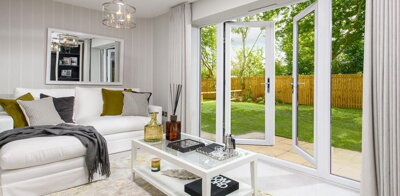
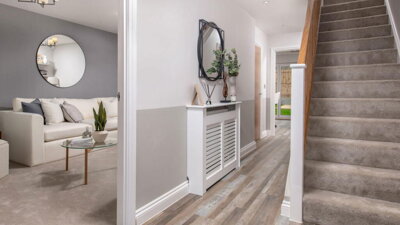
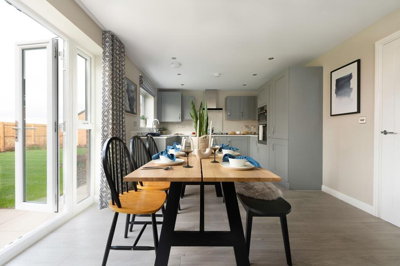
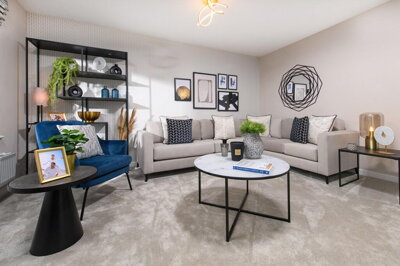
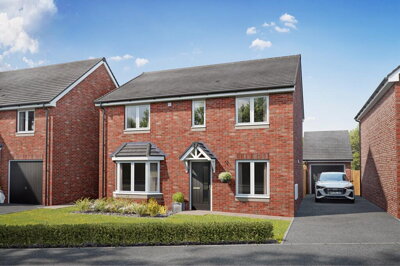
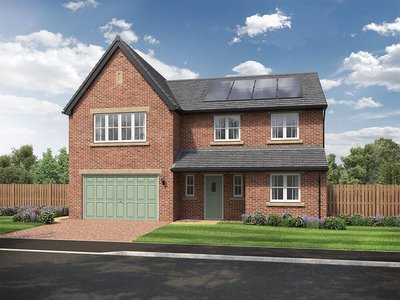
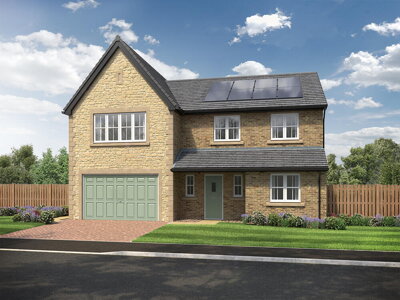
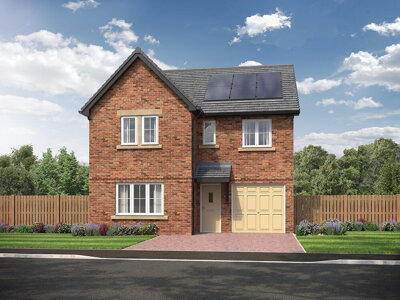
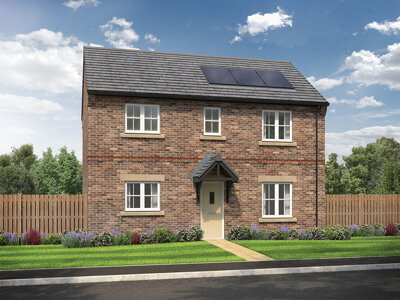
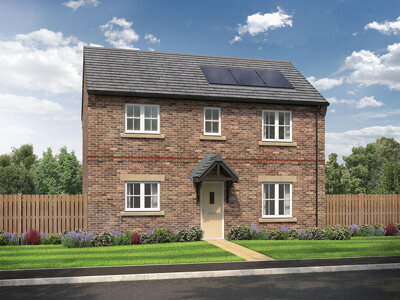
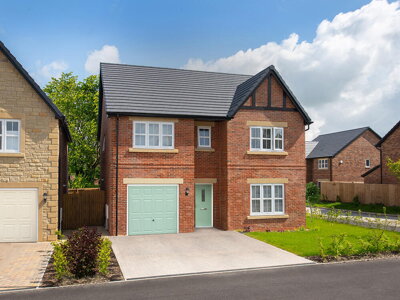
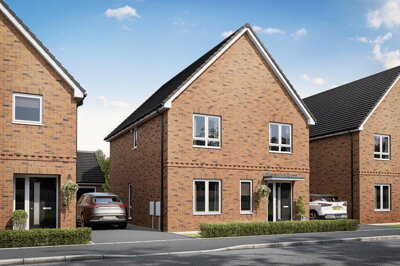
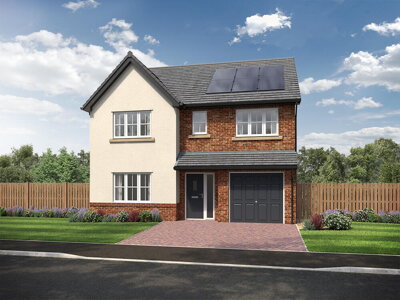
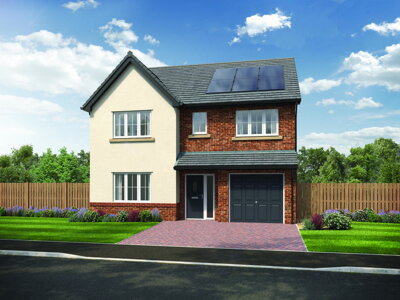
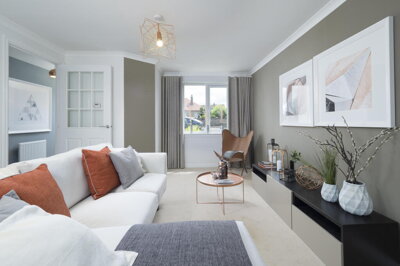
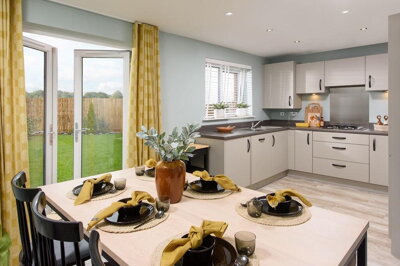
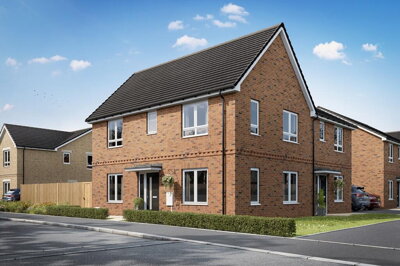
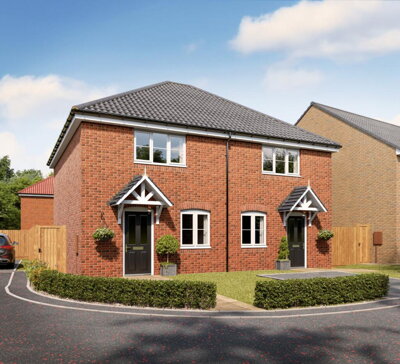
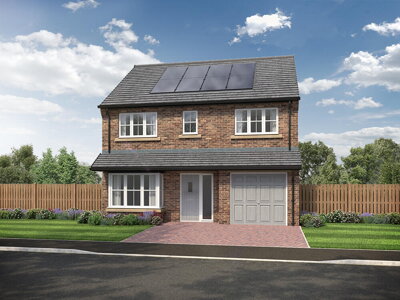
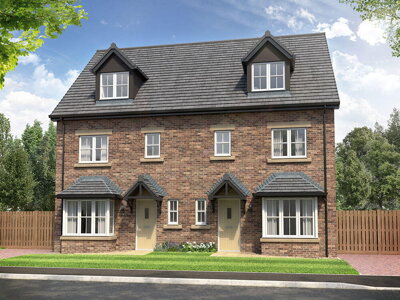
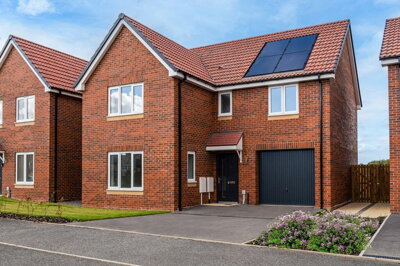
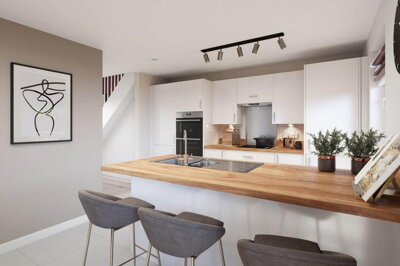
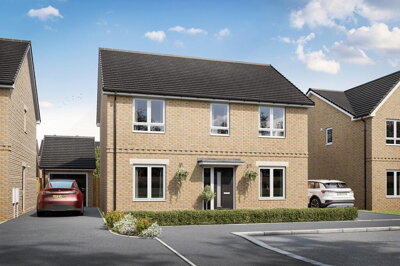
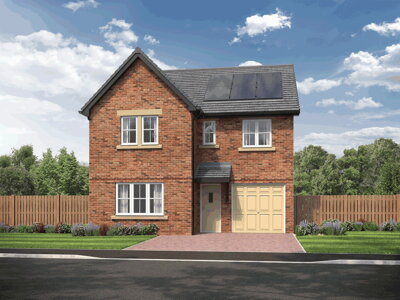
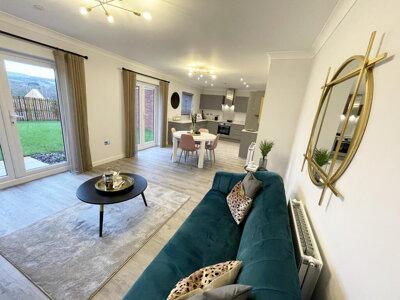
Browse 27 homes new builds in Longnewton, Stockton-on-Tees from local developer agents.
£350k
5
1
167
Source: home.co.uk
Source: home.co.uk
Detached
2 listings
Avg £400,000
End of Terrace
1 listings
Avg £43,125
Semi-Detached
1 listings
Avg £550,000
Terraced
1 listings
Avg £270,000
Source: home.co.uk
Source: home.co.uk
The Longnewton property market offers something for every buyer, from first-time purchasers to growing families seeking larger homes. Detached properties command the highest prices, with the average sitting at £367,000, reflecting the demand for spacious family homes with gardens. Semi-detached properties provide excellent value at around £220,000, making them an attractive option for families looking to upgrade from terraced homes. Terraced properties average £165,000, while flats start from approximately £110,000, offering more accessible entry points to the local housing market.
Two significant new build developments are currently underway in Longnewton, bringing fresh options to the market. The Orchard at Longnewton, developed by Miller Homes, offers 3, 4, and 5 bedroom homes priced from £269,995 to £429,995. Similarly, Longnewton Gardens by Avant Homes provides homes in the same size range and price brackets. These developments sit within the TS21 1DA postcode area and represent a £270,000 minimum investment for buyers seeking brand new accommodation. The steady 1.7% annual price growth indicates a stable market with sustained demand from buyers recognising the village's appeal.

Longnewton is a village with deep historical roots, evident in its Conservation Area designation and several listed buildings that punctuate the community. St. Mary's Church stands as a focal point of the village, while various farmhouses and cottages reflect the area's agricultural heritage. The village core features properties dating back to the pre-1919 era, many constructed from traditional red brick with stone accents and tiled roofs. This architectural diversity creates an attractive streetscape that appeals to those seeking character homes with genuine history.
The village serves primarily as a residential community, with residents often commuting to larger employment centres across the Tees Valley. With an estimated population of 1,000 to 1,500 residents across approximately 400 to 600 households, Longnewton maintains an intimate village atmosphere while being well-connected to urban amenities. The wider Tees Valley region offers employment opportunities in chemicals, advanced manufacturing, and logistics sectors, making Longnewton an ideal base for professionals. The proximity to Teesside University also attracts academic staff and students seeking quieter accommodation within reasonable commuting distance.
Longnewton's position within Stockton-on-Tees borough means residents benefit from village life while having access to comprehensive local authority services. The village's road connections via the A19 and A66 position it conveniently for those working in Middlesbrough, Darlington, or the wider Teesside industrial zone. Community events and local facilities maintain the village's social fabric, making it particularly attractive to families and those seeking a balanced lifestyle away from larger urban centres.

Families considering a move to Longnewton will find a range of educational options available in the surrounding Stockton-on-Tees area. Primary schools in the vicinity serve the local community, with several rated good or outstanding by Ofsted inspectors. The village's position within Stockton-on-Tees borough provides access to primary education establishments that cater to children from Reception through to Year 6, establishing strong foundations for young learners in a supportive environment. Parents should research individual school performance data and visiting arrangements to identify the best fit for their children's educational needs.
Secondary education options in the wider Tees Valley include both comprehensive schools and grammar schools, depending on specific catchment areas and admission policies. Students in Longnewton typically progress to secondary schools in nearby towns such as Stockton-on-Tees or Middlesbrough, with school transport arrangements supporting these daily commutes. The grammar school system in parts of the Tees Valley provides additional options for academically able students, though admission is subject to the 11-plus assessment and current catchment boundaries. Sixth form provision is available at secondary schools and colleges in the surrounding area, including facilities at Teesside University for higher education. Parents are advised to verify current catchment boundaries and admission criteria with Stockton-on-Tees local authority when planning school placements for their children.
Longnewton enjoys excellent road connections that make commuting to major employment centres straightforward and convenient. The A19 trunk road runs nearby, providing direct access to Middlesbrough to the north and Thirsk, York, and Leeds to the south. The A66 crosses the region, offering connections to Darlington and the A1(M) motorway for travel further afield. These major road links position Longnewton residents within easy reach of employment opportunities throughout the Tees Valley and beyond, making the village particularly attractive to workers in the chemical, manufacturing, and logistics sectors that dominate the regional economy.
Public transport options include bus services connecting Longnewton to Stockton-on-Tees and surrounding villages, with regular services operating on weekdays and Saturdays. Rail connections are accessible from nearby stations including Stockton-on-Tees and Eaglescliffe, which offer services to major cities including Newcastle, York, and London King's Cross via the East Coast Main Line. The East Coast Main Line provides convenient access to London in approximately two and a half hours from Eaglescliffe station, making Longnewton viable for commuters working in the capital. For those who cycle, the flat terrain of the Tees Valley makes cycling a viable option for shorter journeys, while walking paths connect various parts of the village for local trips. Parking availability in the village accommodates residents with cars, though commuters using rail services often benefit from station parking facilities at nearby railway stations.
Explore Longnewton's Conservation Area, compare property prices across different types, and understand local amenities before beginning your property search. Use our platform to monitor new listings and price changes in the village. The Conservation Area designation affects what you can do with period properties, so understanding these restrictions early helps inform your decision.
Contact a mortgage broker or lender to obtain an agreement in principle before viewing properties. This strengthens your position as a serious buyer and helps you understand your budget range. In the current market, having your finances arranged demonstrates to sellers that you are a credible purchaser.
Schedule viewings of properties that match your requirements, paying attention to construction materials, potential maintenance needs, and proximity to local facilities. Given the variety of property ages in Longnewton, from pre-1919 cottages to brand new homes, viewing multiple properties helps you understand what is available within your budget.
Once your offer is accepted, instruct a qualified RICS surveyor to conduct a Level 2 Survey. In Longnewton, these typically cost between £400 and £700 depending on property size. For older properties in the Conservation Area or those with unusual construction, a thorough survey is particularly valuable for identifying potential issues before completion.
Appoint a solicitor to handle the legal aspects of your purchase, including local searches, contract review, and registration with the Land Registry. Your solicitor will also conduct mining and environmental searches relevant to the Longnewton area, which is important given the regional mining history.
Once all checks are satisfactory, exchange contracts with the seller and set a completion date. Your solicitor will arrange the transfer of funds and keys handover. On completion day, you will receive the keys to your new Longnewton home and can begin the exciting process of settling into your new property.
The underlying geology of Longnewton presents some specific considerations for prospective buyers. The area sits on Permian rocks including Magnesian Limestone, with glacial till deposits containing significant clay content. This clay layer can cause shrink-swell movement, particularly during periods of extreme weather or where large trees are present near properties. A thorough RICS Level 2 Survey will check for signs of subsidence, cracking, or movement that might indicate foundation issues related to clay shrinkage. Properties with mature trees in their grounds or nearby require particular attention, as root systems can exacerbate moisture-related ground movement over time.
Buyers should also be aware that Longnewton village is a designated Conservation Area, which means planning restrictions apply to external alterations and developments. If you are purchasing a period property, any plans for extensions or modifications will require consideration of conservation guidelines. Listed buildings within the village require additional approvals from the local planning authority before any works can commence. Understanding these restrictions before purchase ensures you can plan any future improvements appropriately and avoid costly surprises after moving in.
The area's wider geological history includes connections to County Durham's mining heritage. While Longnewton itself is not situated on major coal seams, the regional mining history means that professional searches should check for any historical mining activity or shallow mine workings in the vicinity. Ground instability from historical mining can affect property foundations, making this an important consideration for due diligence. A competent RICS Level 2 Survey will note any signs of mining-related movement or recommend specialist investigation where appropriate.
Surface water flooding represents a localised consideration in parts of Longnewton, particularly in low-lying areas and around certain roads during heavy rainfall. While the overall flood risk from rivers and the sea remains low, a property-specific flood risk assessment is advisable for homes in affected locations. Older properties dating from the pre-1919 period commonly feature traditional solid wall construction, which may require different maintenance approaches compared to modern cavity wall properties. These homes often have outdated electrical wiring and plumbing systems that might need updating as part of your renovation plans. A thorough survey will identify these issues and help you budget for any necessary works.
Properties in Longnewton span several distinct construction eras, each with characteristic features and potential maintenance considerations. The oldest properties in the village core date from the pre-1919 period and typically feature solid brick or stone walls with timber-framed roofs covered in slate or clay tiles. These traditional construction methods create attractive period homes but require different maintenance approaches compared to modern properties. Understanding the construction type helps buyers anticipate maintenance needs and renovation possibilities.
Properties built during the mid-twentieth century, particularly those from the 1945-1980 period, often feature early cavity wall construction with brick outer leaves and pitched tiled roofs. These homes sometimes include original features such as flat roofs over extensions or outbuildings that may have reached the end of their serviceable life. Condensation and inadequate insulation are common issues in this age of property, as building standards of the era did not prioritise thermal efficiency to the same degree as modern construction. A RICS Level 2 Survey will identify any such issues and their associated repair costs.
More recent properties built after 1980 generally feature modern cavity wall construction with brick or block internal leaves, integrated insulation, and pitched roofs with concrete or clay tiles. These homes typically require less maintenance than older properties but may still present issues from poor workmanship during construction or defects in modern materials. The new build developments at The Orchard and Longnewton Gardens represent the latest generation of construction, with contemporary insulation standards and modern building techniques. However, even new properties can benefit from a thorough survey to identify any defects before the developers' warranty periods expire.
The average property price in Longnewton, Stockton-on-Tees, is £297,556 as of February 2026. Detached properties average £367,000, semi-detached homes cost around £220,000, terraced properties sit at approximately £165,000, and flats start from £110,000. Property prices have increased by 1.7% over the past twelve months, indicating steady demand in this Tees Valley village.
Properties in Longnewton fall under Stockton-on-Tees Borough Council's jurisdiction for council tax purposes. Bands range from A through to H depending on the property's assessed value. Most semi-detached and terraced homes in the village fall into Band B or C, while larger detached properties may be in Band D or above. Prospective buyers should verify the specific band with the local authority or on the property listing.
Longnewton is served by primary schools in the surrounding area, with several achieving good or outstanding Ofsted ratings. Secondary education is available at schools in Stockton-on-Tees and nearby towns, with options including both comprehensive and grammar schools. Parents should check current admission policies and catchment area boundaries with Stockton-on-Tees local authority, as these can affect school placement eligibility.
Longnewton has bus services connecting to Stockton-on-Tees and surrounding villages on weekdays and Saturdays. The nearest railway stations are at Stockton-on-Tees and Eaglescliffe, providing access to national rail services including routes to London, Newcastle, and York via the East Coast Main Line. The nearby A19 and A66 road networks provide additional transport options for residents with cars.
Longnewton's status as a Conservation Area village with limited new development creates sustained demand for properties. The village serves as a commuter base for Teesside employment, supporting rental demand from professionals. The 1.7% annual price growth demonstrates a stable market, while new build developments at The Orchard and Longnewton Gardens indicate ongoing investment in the area. Properties in the Conservation Area or near listed buildings may offer particular long-term appeal, subject to planning considerations.
Standard Stamp Duty rates for 2024-25 apply to purchases in Longnewton, with 0% charged on the first £250,000, 5% on £250,001 to £925,000, 10% on £925,001 to £1.5 million, and 12% above £1.5 million. First-time buyers benefit from relief on properties up to £625,000, paying 0% on the first £425,000 and 5% between £425,001 and £625,000. Most properties in Longnewton fall within the lower tax brackets.
While Longnewton itself is not situated directly on major coal seams, the wider County Durham region has a significant mining heritage. Professional searches should check for any historical mining activity or shallow mine workings that might affect ground stability in the local area. A competent RICS Level 2 Survey will identify any signs of mining-related movement or recommend specialist investigation where ground conditions suggest potential concern. For most residential properties in the village, mining risk is considered low but should form part of your due diligence.
Understanding the full cost of purchasing property in Longnewton requires consideration beyond the sale price. Stamp Duty Land Tax applies to all purchases above £250,000 at standard rates, with the tax calculated on a tiered basis. For a typical semi-detached property at £220,000, no stamp duty would be payable as the purchase falls below the threshold. However, a detached home at the village average of £367,000 would incur stamp duty on the amount above £250,000, resulting in a charge of £5,850. First-time buyers purchasing properties up to £625,000 can benefit from relief that raises their zero-rate threshold to £425,000, reducing their tax liability significantly on properties within that range.
Additional purchasing costs include mortgage arrangement fees, which vary by lender but typically range from £500 to £2,000. Survey costs for a RICS Level 2 Survey in Longnewton typically fall between £400 and £700 depending on property size and complexity. For a standard 3-bedroom semi-detached property, expect to pay around £450 to £600 for a comprehensive survey report. Conveyancing fees generally start from £499 for standard purchases, though leasehold properties or those with complications may cost more. Local searches from Stockton-on-Tees Borough Council, environmental searches, and Land Registry fees add further costs of approximately £300 to £500 in total. Budgeting around 3% to 5% of the property price for these additional costs ensures you are prepared for the full financial commitment of buying your Longnewton home.
From 4.5% APR
Compare mortgage rates from leading lenders
From £499
Expert solicitors to handle your purchase
From £400
Professional property surveys by RICS members
From £80
Energy performance certificates for your property
Properties New Builds In London

Properties New Builds In Plymouth

Properties New Builds In Liverpool

Properties New Builds In Glasgow

Properties New Builds In Sheffield

Properties New Builds In Edinburgh

Properties New Builds In Coventry

Properties New Builds In Bradford

Properties New Builds In Manchester

Properties New Builds In Birmingham

Properties New Builds In Bristol

Properties New Builds In Oxford

Properties New Builds In Leicester

Properties New Builds In Newcastle

Properties New Builds In Leeds

Properties New Builds In Southampton

Properties New Builds In Cardiff

Properties New Builds In Nottingham

Properties New Builds In Norwich

Properties New Builds In Brighton

Properties New Builds In Derby

Properties New Builds In Portsmouth

Properties New Builds In Northampton

Properties New Builds In Milton Keynes

Properties New Builds In Bournemouth

Properties New Builds In Bolton

Properties New Builds In Swansea

Properties New Builds In Swindon

Properties New Builds In Peterborough

Properties New Builds In Wolverhampton

Enter your details to see if this property is within your budget.
Loans, cards, car finance
Estimated property budget
Borrowing + deposit
You could borrow between
Typical borrowing
Monthly repayment
Est. at 4.5%
Loan-to-value
This is an estimate only. Your actual budget may vary depending on interest rates, credit history, and personal circumstances. For an accurate affordability assessment, speak to one of our free mortgage advisors.
This calculator provides estimates for illustrative purposes only and does not constitute financial advice. Your home may be repossessed if you do not keep up repayments on your mortgage. Estimates based on 4.5% interest rate, repayment mortgage. Actual rates depend on your circumstances.
Homemove is a trading name of HM Haus Group Ltd (Company No. 13873779, registered in England & Wales). Homemove Mortgages Ltd (Company No. 15947693) is an Appointed Representative of TMG Direct Limited, trading as TMG Mortgage Network, which is authorised and regulated by the Financial Conduct Authority (FRN 786245). Homemove Mortgages Ltd is entered on the FCA Register as an Appointed Representative (FRN 1022429). You can check registrations at NewRegister or by calling 0800 111 6768.

We use cookies to show you personalised content and improve your experience of our website. Find out more in our Privacy policy and Cookie policy.