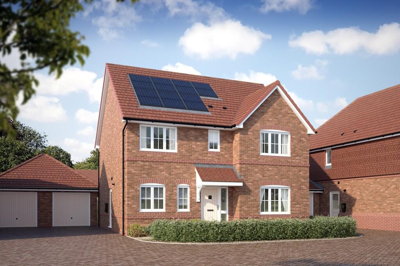
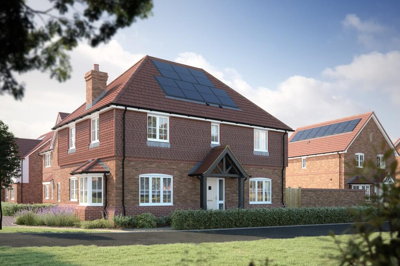
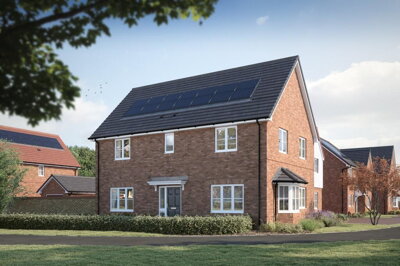
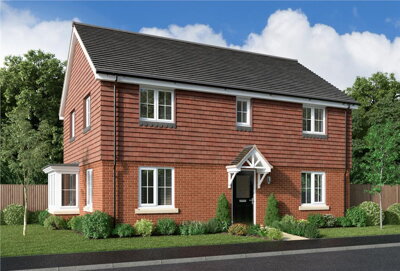
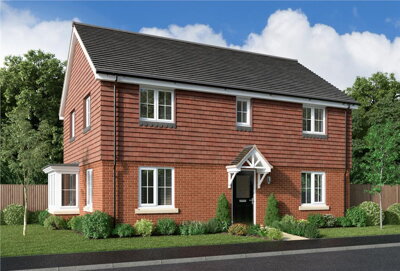
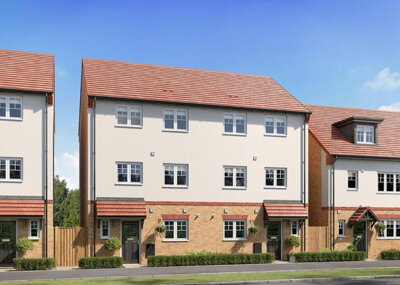
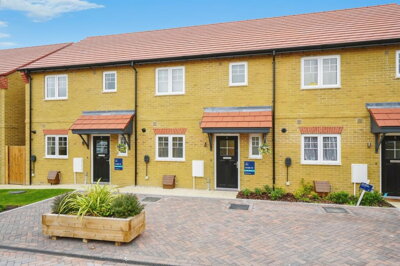
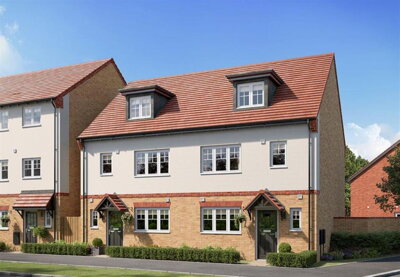
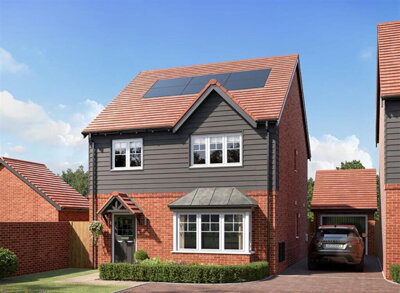
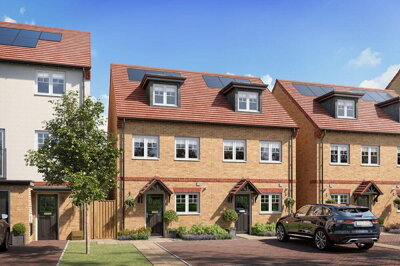
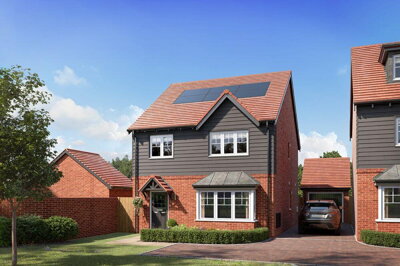
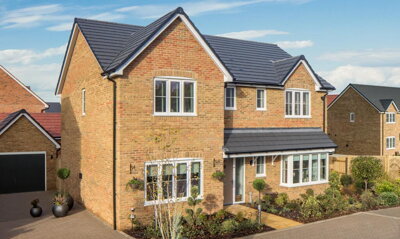
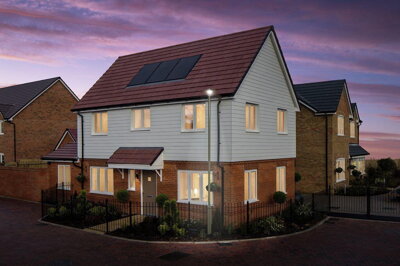
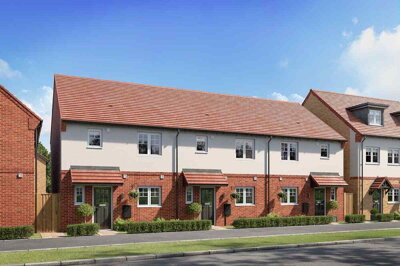
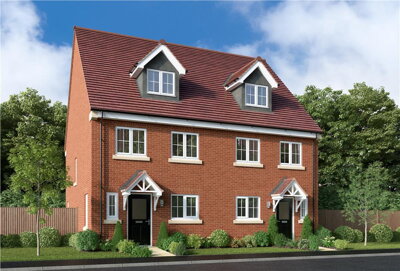
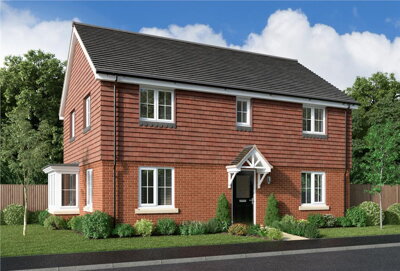
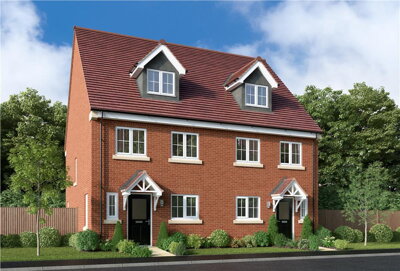
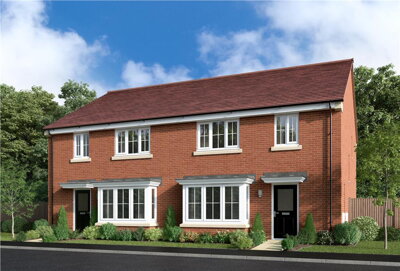
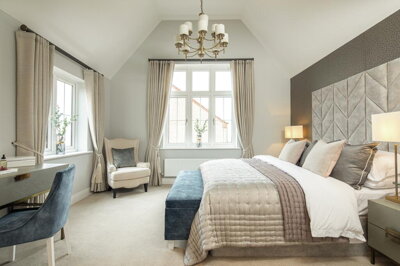
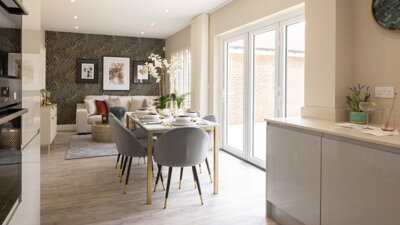
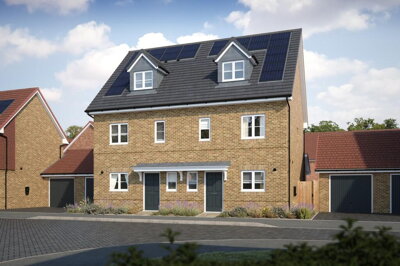
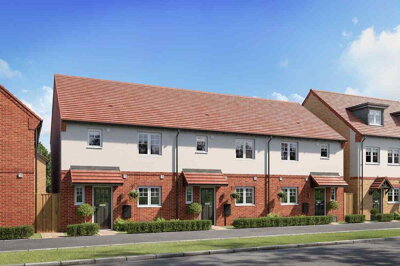
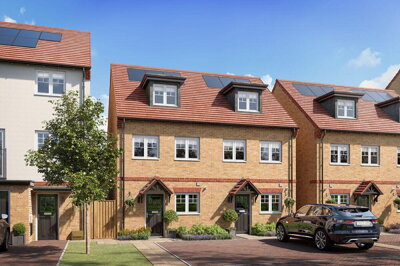
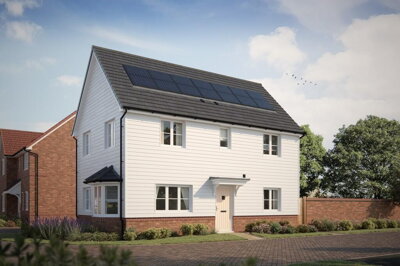
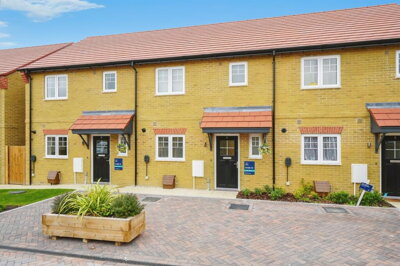
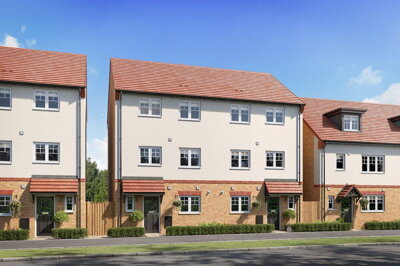
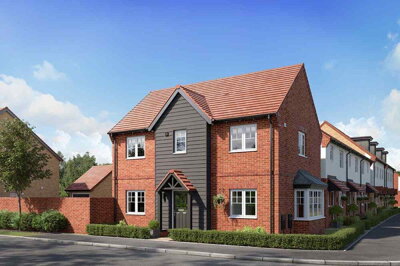
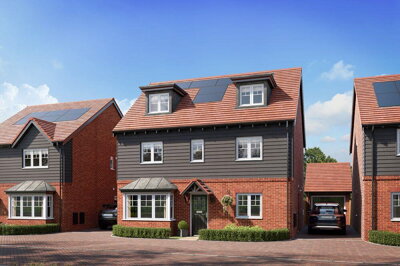
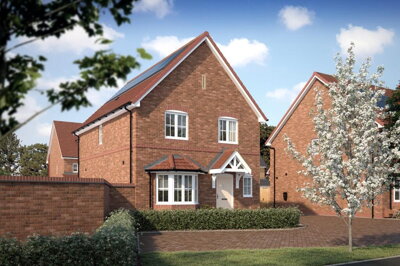
Browse 36 homes new builds in Long Wittenham from local developer agents.
The Long Wittenham property market offers detached, semi-detached, and terraced houses spanning various price ranges and neighbourhoods. Each listing includes detailed property information, photographs, and direct contact with the marketing agent.
The Louth property market offers a diverse mix of property types to suit various budgets and preferences. Detached properties command the highest prices, averaging £316,000, reflecting the desirability of family homes with generous gardens in this semi-rural location. Semi-detached homes, which are plentiful in the area, average £194,000, providing excellent value for families seeking comfortable accommodation without the premium associated with larger detached properties. Terraced properties starting from £165,000 represent an accessible entry point into the Louth market, while flats averaging £108,000 offer an affordable option for first-time buyers or those seeking low-maintenance living.
Recent market data shows that property prices in Louth have experienced a modest decline of 2% over the past 12 months, in line with broader national trends. This cooling effect has created opportunities for buyers who may have been priced out of the market in previous years. The price corrections have been relatively uniform across property types, with detached properties down 2%, terraced properties down 2%, and semi-detached homes showing more resilience with just a 1% decline. This stability suggests a mature market driven by genuine local demand rather than speculative investment.
Three new-build developments are currently active in Louth, offering modern homes for those preferring new construction. The Maltings by Taylor Wimpey on Grimsby Road features 2, 3, and 4-bedroom homes from £209,995, while Saxon Fields by Cyden Homes on Legbourne Road provides larger 3, 4, and 5-bedroom properties from £279,950. King Edward's Place by Chestnut Homes also offers 2, 3, and 4-bedroom homes from £229,950 on Grimsby Road. These developments provide options for buyers seeking modern construction methods, energy-efficient homes, and new-build warranties, complementing the characterful period properties that dominate much of the local housing stock.

Louth is a prosperous market town with a population of approximately 17,400 residents across 7,800 households, creating a close-knit community atmosphere while still offering comprehensive amenities. The town centre features an attractive mix of Georgian and Victorian architecture, with the significant conservation area protecting the historic character that makes Louth so appealing to residents and visitors alike. St James' Church, a Grade I listed building, dominates the skyline and serves as a focal point for the community. The local economy centres on agriculture, food processing, and tourism, with the Hain Daniels Group providing significant local employment alongside numerous small businesses serving the surrounding rural population.
The housing stock in Louth reflects its historical development, with detached properties comprising 39% of homes, semidetached properties at 30.5%, and terraced homes at 19%. Approximately 64.6% of properties were built before 1980, giving the town a rich architectural heritage with Victorian and Edwardian properties featuring traditional red brick construction, slate or clay tile roofs, and characterful details. The combination of solid brick walls, timber suspended floors, and lime mortar construction means older properties often require specialist knowledge during renovation or repair work, which buyers should factor into their decision-making process.
The surrounding landscape of the Lincolnshire Wolds provides stunning countryside walks, while the town itself offers parks, recreational facilities, and a thriving weekly market. The combination of natural beauty, historic charm, and strong community spirit makes Louth an exceptionally pleasant place to call home. The town serves as a service centre for a wide rural catchment area, meaning local amenities including healthcare, education, and retail remain well-supported despite the semi-rural location. For buyers seeking a balanced lifestyle combining countryside living with practical convenience, Louth represents an attractive proposition that remains more affordable than many comparable market towns in other parts of the UK.

Education provision in Louth serves families from across the surrounding Lincolnshire Wolds and rural East Lindsey, with the town acting as an educational centre for the wider area. Primary education is well-represented with several schools serving different parts of the town and surrounding villages, while secondary education is provided by schools in Louth that serve families across the district. Parents considering a move to Louth should research individual school performance through Ofsted reports and local league tables to identify the best fit for their children's educational needs.
The property age data reveals that 20.3% of homes in the East Lindsey area were built pre-1919, meaning families purchasing period properties may wish to commission thorough surveys to assess the condition of older buildings. Properties constructed before 1919 may contain materials such as horsehair plaster, cast iron fireplaces, and timber sash windows that require specialist maintenance. Victorian and Edwardian properties often feature suspended timber floors which can be susceptible to rot if ventilation is poor, and the original lime mortar used in these buildings needs different treatment than modern cement-based mortars.
For families with children approaching secondary school age, it is worth noting that catchment areas can significantly impact school placement, making proximity to preferred schools an important factor when searching for properties in Louth. Properties in or near the conservation area may present additional considerations for families, as older construction methods and materials require specialist knowledge during the buying process. The combination of educational requirements and property considerations means families should start their property search early, allowing sufficient time to research both school performance data and the specific construction characteristics of properties that interest them.
Louth benefits from its position on the eastern edge of the Lincolnshire Wolds, offering a balance of rural tranquility with reasonable transport connections. The town is served by regular bus routes connecting to larger centres including Grimsby, Lincoln, and Boston, while rail connections are available at nearby stations including Cleethorpes and Grimsby for broader national rail services. For commuters working in larger cities, the journey to Lincoln takes approximately one hour by car, while Grimsby is accessible within 30 minutes, making Louth suitable for those who work in nearby towns but prefer a more peaceful home environment.
For those travelling by car, Louth sits within reasonable distance of major road networks, though the town is not directly served by motorways, so planning for longer journey times to major cities is advisable. The A16 runs through the town, providing access to Grimsby to the northeast and Spalding to the southeast, while the A158 connects Louth to Lincoln to the west. The surrounding Lincolnshire countryside offers scenic driving routes, and parking provision in the town centre accommodates residents visiting local shops and amenities.
Cyclists will find both on-road and off-road routes available, particularly in the Wolds area where dedicated paths and quieter lanes make cycling popular. The Lincolnshire Wolds offer excellent terrain for cycling enthusiasts, with rolling hills and scenic routes connecting Louth to nearby villages including Tetford, Belchford, and Fulletby. For international travel, Humberside Airport offers limited services, while Leeds Bradford, East Midlands, and Birmingham airports provide broader connections with approximately 2-3 hours travel time. Many residents find that the convenient access to East Midlands Airport, approximately 90 minutes away by car, provides sufficient connectivity for both business and leisure travel.
Before viewing properties, research Louth's different neighbourhoods and understand the local property market. With prices ranging from £108,000 for flats to £316,000 for detached homes, knowing your budget helps you focus your search on suitable properties. Consider factors such as proximity to schools if you have children, distance from the town centre if you value walking access to amenities, and flood risk for properties near the River Lud.
Contact local mortgage brokers or lenders to obtain an agreement in principle before making offers. With current average prices at £233,400, most buyers will need a mortgage, and having finance secured strengthens your position when competing with other buyers. Several local brokers operate in the Louth area who understand the local property market and can offer competitive rates tailored to the specific characteristics of properties in this part of Lincolnshire.
Work with local estate agents to arrange viewings of properties matching your criteria. Given Louth's active market with around 279 annual sales, viewing multiple properties helps you understand value and identify the best opportunities. Pay attention to the condition of properties, noting the prevalence of older construction methods and materials that may require maintenance or renovation.
For most properties, particularly older homes which make up 64.6% of Louth's housing stock, a RICS Level 2 Survey provides essential inspection of condition. Costs range from £450-650 for typical properties, rising to £600-850+ for larger detached homes. Given the prevalence of clay soils in the area, a thorough inspection for signs of subsidence or structural movement is particularly important.
Once your offer is accepted, instruct a solicitor to handle the legal aspects of your purchase. They will conduct searches, handle local authority enquiries, and manage the transfer of ownership through to completion. For properties in the conservation area or listed buildings, your solicitor should advise on any planning restrictions or consent requirements that may affect your purchase.
Several location-specific factors deserve attention when purchasing property in Louth. The River Lud flows through the town centre, creating fluvial flood risk particularly in low-lying areas adjacent to the river and in parts of the town where surface water flooding can occur during heavy rainfall. Prospective buyers should check flood risk assessments for specific properties and consider the implications for insurance and long-term property value. Properties on Eastgate and in the area near St James' Church should be subject to particular scrutiny regarding flood risk, given their proximity to the river course.
The underlying geology of Louth presents important considerations for property buyers. The town sits on the eastern edge of the Lincolnshire Wolds, where the underlying geology primarily consists of Chalk with superficial deposits of Till (boulder clay) and some Glaciofluvial deposits in river valleys. Properties built on clay-rich Till deposits, which are common in the area, face moderate to high shrink-swell risk during periods of extreme weather. This ground movement can affect foundations, particularly where mature trees are present or where drainage conditions have changed. Properties in areas with significant clay content should be carefully inspected for signs of subsidence or structural movement, and a thorough survey is strongly recommended before purchase.
The construction methods found in Louth's older properties warrant specific attention during the buying process. Victorian and Edwardian properties typically feature solid brick walls, often built with local red brick, slate or clay tile roofs, timber suspended floors, and lime mortar pointing. Pre-1980 properties often have original electrical wiring and plumbing systems that may not meet current standards, and many lack adequate insulation by modern requirements. Properties built between 1919 and 1945 may feature cavity brick walls but retain timber elements that require inspection.
Given that Louth has a significant conservation area covering much of its historic town centre, buyers considering properties within this area should be aware of potential planning restrictions and maintenance requirements. Listed buildings require specialist surveys and consent for alterations, and maintaining traditional features using appropriate materials may involve additional costs. The predominant use of red brick, Lincolnshire limestone, and traditional lime mortar in older properties requires specialist knowledge during renovation or repair work. Building materials including slate and clay tiles on older roofs may also require maintenance, and buyers should factor potential repair costs into their budget when considering period properties.
Given that 64.6% of properties in Louth were built before 1980, understanding common defects in older housing stock is essential for prospective buyers. Our inspectors frequently identify damp issues in Victorian and Edwardian properties, including rising damp where original damp-proof courses have failed, penetrating damp caused by deteriorated pointing or damaged roof elements, and condensation resulting from inadequate ventilation in properties that have been insulated to modern standards without corresponding ventilation improvements.
Roof condition represents another common area of concern, particularly for properties with original slate or clay tile coverings. Our team regularly finds slipped or missing tiles, perished underfelt, and deteriorated leadwork around chimneys and valleys. Properties on Westgate, Eastgate, and the streets surrounding the market place often feature historic roof coverings that have exceeded their expected lifespan and require significant maintenance investment.
Timber defects including wet rot, dry rot, and woodworm infestations occur frequently in properties where ventilation has been compromised or where damp has been allowed to penetrate structural elements. Suspended timber floors in Victorian properties are particularly vulnerable, especially where original airbricks have been blocked or where ground levels have been raised, restricting airflow beneath the property.
Outdated electrical systems and plumbing represent practical concerns in older properties. Many pre-1980 properties retain original or partially updated wiring that does not meet current safety standards, while lead pipes, galvanised steel pipes, and outdated heating systems are commonly encountered. Asbestos-containing materials may be present in properties built before 2000, particularly in textured coatings, old pipe lagging, and insulant boards.
The average house price in Louth is £233,400 as of February 2026, according to property sales data. Detached properties average £316,000, semidetached homes average £194,000, terraced properties average £165,000, and flats average £108,000. Prices have decreased by approximately 2% over the past 12 months, creating potential opportunities for buyers in a market that has seen 279 property sales in the past year.
Properties in Louth fall under East Lindsey District Council, which sets council tax rates for the area. Specific bands depend on property value and range from Band A for the lowest-valued properties to Band H for the most expensive homes. Buyers should check the Valuation Office Agency website for specific council tax bands on individual properties. East Lindsey District Council maintains local services including waste collection, planning, and community services funded through council tax contributions.
Louth provides education options for all age groups, serving as a centre for families from across the surrounding Lincolnshire Wolds area. The town has several primary schools and secondary education provision, with performance data available through Ofsted reports and national league tables. Parents should research individual school performance, consider catchment areas, and factor school provision into property location decisions when buying in Louth. For families seeking specialist education or alternative educational approaches, options may exist in nearby towns.
Louth is served by regular bus services connecting the town to Grimsby, Lincoln, Boston, and surrounding villages, providing essential connectivity for residents without cars. Rail services are accessible at nearby stations including Cleethorpes and Grimsby, which offer connections to the broader national rail network. For those working in nearby towns like Grimsby, which is approximately 30 minutes away by car, Louth offers a viable base for commuters who prefer rural living while maintaining access to urban employment centres.
Louth offers stable property values in a market driven by local demand rather than speculative investment. The town's role as a service centre for the surrounding rural community, combined with its attractive setting on the edge of the Lincolnshire Wolds, provides consistent demand from families and individuals seeking quality of life in a semi-rural location. With prices having stabilised and new housing developments providing modern options, Louth can be a sound choice for buyers prioritising long-term home ownership over rapid capital growth. The presence of local employers including the food processing sector provides employment stability for residents.
Stamp duty rates for residential properties purchased in Louth follow standard UK thresholds. For properties purchased from April 2025 onwards, you pay 0% on the first £250,000, 5% on the portion from £250,001 to £925,000, 10% on the portion from £925,001 to £1.5 million, and 12% above £1.5 million. First-time buyers can claim relief paying 0% on the first £425,000 with 5% on the portion from £425,001 to £625,000. For a typical Louth property at the average price of £233,400, most buyers would pay no stamp duty at all.
Properties in Louth face varying levels of flood risk depending on their location relative to the River Lud. The river flows through the town centre, creating fluvial flood risk particularly in low-lying areas and streets adjacent to the watercourse. Surface water flooding can also occur during heavy rainfall in parts of the town where drainage capacity is limited. Prospective buyers should obtain a flood risk assessment for any specific property and factor potential insurance implications into their decision. Properties on elevated ground away from the river valley generally face lower flood risk.
With 64.6% of properties built before 1980, older properties in Louth require careful inspection for common defects including damp issues, roof deterioration, timber defects, and outdated electrics and plumbing. Properties in the conservation area may have planning restrictions affecting renovation options, while listed buildings require consent for alterations. The clay-rich Till deposits underlying parts of Louth can cause foundation movement, so signs of subsidence should be investigated thoroughly before purchase.
Properties New Builds In London

Properties New Builds In Plymouth

Properties New Builds In Liverpool

Properties New Builds In Glasgow

Properties New Builds In Sheffield

Properties New Builds In Edinburgh

Properties New Builds In Coventry

Properties New Builds In Bradford

Properties New Builds In Manchester

Properties New Builds In Birmingham

Properties New Builds In Bristol

Properties New Builds In Oxford

Properties New Builds In Leicester

Properties New Builds In Newcastle

Properties New Builds In Leeds

Properties New Builds In Southampton

Properties New Builds In Cardiff

Properties New Builds In Nottingham

Properties New Builds In Norwich

Properties New Builds In Brighton

Properties New Builds In Derby

Properties New Builds In Portsmouth

Properties New Builds In Northampton

Properties New Builds In Milton Keynes

Properties New Builds In Bournemouth

Properties New Builds In Bolton

Properties New Builds In Swansea

Properties New Builds In Swindon

Properties New Builds In Peterborough

Properties New Builds In Wolverhampton

Enter your details to see if this property is within your budget.
Loans, cards, car finance
Estimated property budget
Borrowing + deposit
You could borrow between
Typical borrowing
Monthly repayment
Est. at 4.5%
Loan-to-value
This is an estimate only. Your actual budget may vary depending on interest rates, credit history, and personal circumstances. For an accurate affordability assessment, speak to one of our free mortgage advisors.
This calculator provides estimates for illustrative purposes only and does not constitute financial advice. Your home may be repossessed if you do not keep up repayments on your mortgage. Estimates based on 4.5% interest rate, repayment mortgage. Actual rates depend on your circumstances.
Homemove is a trading name of HM Haus Group Ltd (Company No. 13873779, registered in England & Wales). Homemove Mortgages Ltd (Company No. 15947693) is an Appointed Representative of TMG Direct Limited, trading as TMG Mortgage Network, which is authorised and regulated by the Financial Conduct Authority (FRN 786245). Homemove Mortgages Ltd is entered on the FCA Register as an Appointed Representative (FRN 1022429). You can check registrations at NewRegister or by calling 0800 111 6768.

We use cookies to show you personalised content and improve your experience of our website. Find out more in our Privacy policy and Cookie policy.