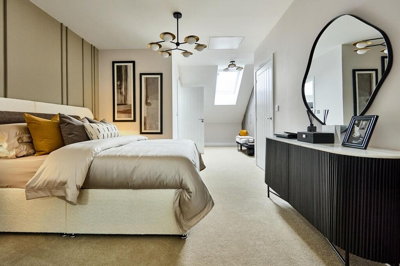
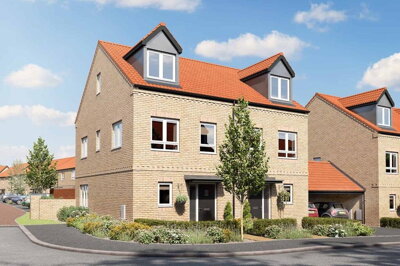
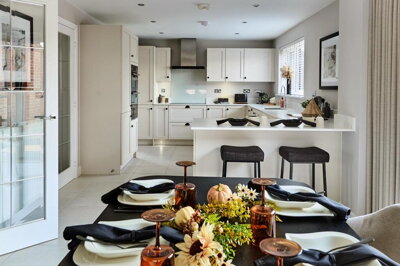
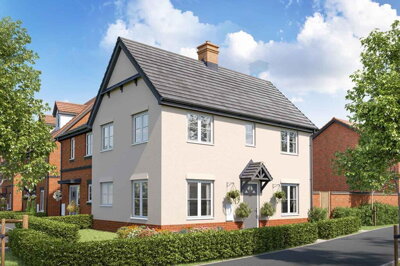
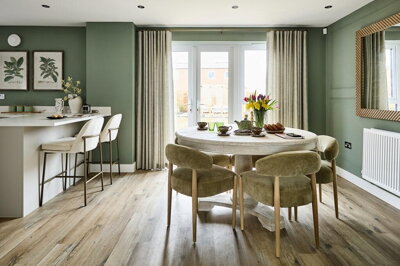
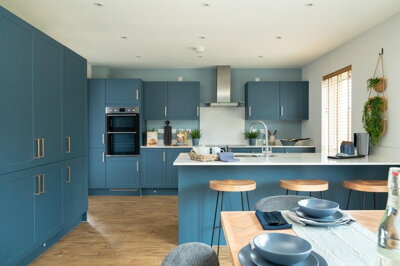
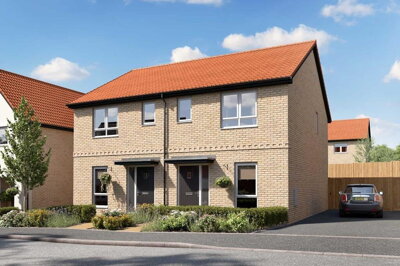
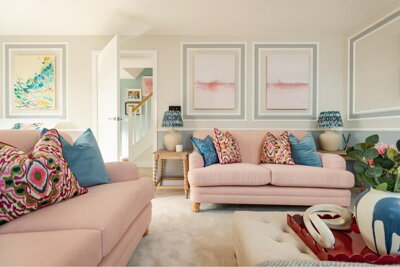
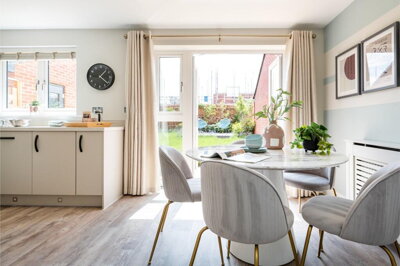
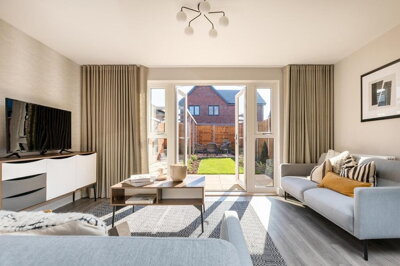
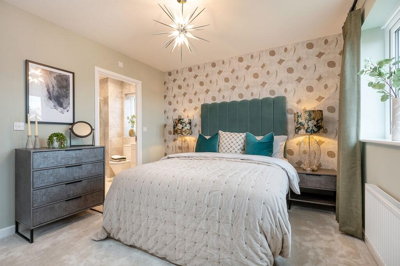
Browse 12 homes new builds in Long Melford from local developer agents.
The Palgrave property market presents an interesting opportunity for buyers seeking rural Suffolk living at realistic price points. Our data shows the current average house price in Palgrave stands at approximately £468,062, with detached properties commanding around £493,250 and semi-detached homes averaging £392,500. This pricing reflects the quality of housing stock available, much of which consists of substantial period properties with generous gardens and character features that simply cannot be replicated in newer developments. The village has seen around 8 property sales completed over the past year, indicating a quiet but active market for those who act decisively when the right property becomes available.
Price trends in the Palgrave area show encouraging growth, with property values increasing by approximately 36% over the past twelve months according to Land Registry data. However, prices remain around 9% below the peak of £513,636 recorded in 2022, suggesting there may be room for further appreciation as demand for village properties continues. The dominant property type in Palgrave consists of detached family homes with four or more bedrooms, built before 1919 and featuring traditional Suffolk construction methods including exposed timber framing and red brick fireplaces. For buyers specifically interested in Palgrave, the postcode IP22 1AW offers insight into local housing patterns, with newer properties built after 1980 sitting alongside the older period stock that defines the village's architectural character.
The small scale of the Palgrave market means that properties rarely come to market, and when they do, they often attract multiple interested parties. Buyers should be prepared to act quickly when a suitable property appears, with mortgage financing already in place where possible. The limited supply of village properties, combined with steady demand from buyers seeking rural Suffolk living, creates conditions where well-presented homes can achieve strong prices. For investors, the IP22 1AW postcode has shown 26.6% value growth over the past decade, indicating solid long-term performance despite short-term fluctuations.

Palgrave embodies the classic Suffolk village experience, offering residents a genuine sense of community and rural tranquility that larger towns simply cannot match. The village sits along the banks of the River Waveney, providing attractive riverside scenery and opportunities for gentle walks along the waterway. Community life centres around the local Primary School, the Parish Church, and the village Community Centre, which hosts regular events and gatherings that bring neighbours together. According to the 2011 Census data, Palgrave had 366 occupied households, suggesting a village of manageable size where most residents know one another by name. The village contains no shops or post office within its boundaries, which contributes to its peaceful character, though this is rarely a hardship given the proximity of nearby Diss.
The demographic profile of Palgrave reflects its appeal to families and those seeking a quiet lifestyle away from urban pressures. The housing stock breakdown shows approximately 39% of properties have four or more bedrooms, with three-bedroom homes comprising around 36% of the housing mix. This suggests Palgrave has evolved as a family-oriented community over many generations, with homes often passing through families or attracting buyers from surrounding towns who recognize the value of village life. The village architecture reflects centuries of development, from 16th-century farmhouses and cottages to late Victorian and Edwardian terraced properties that line the quieter lanes. Thatched roofs remain a notable feature of the village skyline, adding to the picturesque character that makes Palgrave so appealing to buyers seeking period property charm.
The absence of through-traffic contributes significantly to the village's peaceful atmosphere, with the River Waveney forming a natural boundary to the north and east of the village. Local residents enjoy access to countryside walks along the riverbank and into the surrounding farmland, with the Waveney Valley providing routes for walking and cycling enthusiasts. The community Centre organises regular events throughout the year, from village fetes to quiz nights, creating opportunities for social connection that strengthen the village's tight-knit feel. For buyers coming from larger towns or cities, the transition to village life often brings unexpected benefits in terms of quality of life and community belonging.
Education provision in Palgrave centres on the local Primary School, which serves the village and surrounding hamlets, providing children with a strong foundation in their early educational years. The school benefits from its village location, offering smaller class sizes and a community-focused approach that many parents find preferable to larger town schools. For secondary education, families typically look to schools in the nearby town of Diss, which offers a range of educational options within reasonable commuting distance. The presence of a good local primary school significantly enhances Palgrave's appeal to families considering relocation, as it removes the need for lengthy school runs while ensuring children receive quality education close to home.
When purchasing property in Palgrave, particularly for families with children, understanding local school catchment areas and Ofsted ratings becomes an important part of the decision-making process. Primary school-aged children from Palgrave generally attend the village school before progressing to secondary education in surrounding towns. The close-knit nature of the village community means that school-related matters often form the basis of friendships between families, creating natural support networks for new residents. For families considering relocation from larger towns or cities, the educational transition often proves surprisingly smooth, with village schools typically offering a more nurturing environment than their urban counterparts.
Beyond primary education, the surrounding area provides access to a choice of secondary schools in Diss and nearby towns including Eye and Harleston. These schools serve pupils from across the wider rural area, with school transport arrangements supporting families who live further from town facilities. For families with older children pursuing further education, the sixth form colleges and further education facilities in Norwich are accessible via the regular bus services connecting Diss to the city. Property prices in the immediate vicinity of good schools often command a premium, making early engagement with the school admissions process advisable for families planning their move to Palgrave.
Transport connectivity from Palgrave benefits significantly from its position near the market town of Diss, which provides excellent rail and road links to the wider region. The A1066 road passes through nearby Diss, connecting the village to the A14 trunk road that runs through Suffolk and provides access to Cambridge, Ipswich, and the port of Felixstowe. For commuters working in Norwich, Cambridge, or London, these major centres are accessible via the A11 and A14 corridors, with Norwich reachable in approximately 40 minutes by car. The strategic location means that residents can enjoy the peace of village life while maintaining practical access to employment centres and urban amenities that would typically require much longer journeys.
Rail services from Diss station offer regular connections to Norwich, with onward links to Cambridge and London Liverpool Street, making Palgrave viable for commuters who need to travel to the capital or other major cities. The journey time to London Liverpool Street from Diss is approximately 90 minutes, placing the capital within manageable commuting distance for those who need to travel occasionally rather than daily. Bus services connect Palgrave with nearby towns, though private transport remains the primary means of travel for most village residents. The peaceful nature of Palgrave means that traffic through the village remains minimal, creating a safe environment for cycling and walking.
For those working from home, the improving broadband infrastructure in rural Suffolk makes village living increasingly practical for professionals who need reliable connectivity. The combination of road, rail, and digital connectivity makes Palgrave an increasingly attractive proposition for buyers seeking to balance countryside living with professional commitments. The A140 provides an additional route option for travel towards Norwich and the Norfolk coast, while the proximity to Diss railway station places international travel options at Stansted Airport within approximately 90 minutes' drive.

Start by exploring the Palgrave property market through Homemove, reviewing current listings and recent sale prices to understand what your budget can achieve in this village location. Our data shows current average prices of around £468,000 for residential properties, with detached homes averaging £493,250 and semi-detached properties at approximately £392,500.
Contact lenders or use Homemove's mortgage comparison service to secure an agreement in principle before viewing properties, as this strengthens your position when making offers on village homes. Properties in Palgrave sell quickly when well-presented, so having your financing arranged gives you a competitive edge over other buyers who may still be arranging their finances.
Visit multiple properties in Palgrave to compare the different styles of housing available, from thatched cottages to modern family homes, noting any maintenance concerns or renovation potential. Given the village's heritage stock, viewings should include attention to the condition of period features, roof coverings, and any signs of damp or timber issues.
Given Palgrave's heritage properties, book a Level 2 Homebuyer Report to identify any structural issues, roof condition, damp, or timber defects common in period properties before committing to purchase. Properties built before 1919 commonly require attention to timber framing, original windows, and outdated services.
Choose a solicitor experienced in rural Suffolk property transactions to handle legal work, searches, and contracts for your Palgrave purchase efficiently. Rural properties may require additional searches regarding flood risk, local planning restrictions, and any rights of way affecting the property.
Once surveys and legal work are satisfactory, agree a completion date with the seller, pay your deposit, and collect your keys for your new Palgrave home. Our team can recommend conveyancing specialists familiar with Mid Suffolk properties if needed.
Purchasing a property in Palgrave requires careful attention to several local-specific factors that differ from urban property transactions. The village contains a concentration of Grade II Listed buildings, which means many properties carry listed building status that restricts alterations, repairs, and renovations. Before purchasing any listed property in Palgrave, prospective buyers should understand the implications for future maintenance and improvement works, as works to listed buildings require consent from Mid Suffolk District Council. The characterful cottages and farmhouses that define Palgrave's architectural heritage often require more maintenance than modern properties, so budgeting for ongoing upkeep is essential when making your purchase decision.
The proximity of Palgrave to the River Waveney warrants consideration of flood risk, particularly for properties situated close to the riverbank or in lower-lying areas of the village. While specific flood risk data for Palgrave was not available in our research, buyers should commission appropriate searches and consider the flood history of any specific property. Properties built before 1919, which comprise a significant portion of Palgrave's housing stock, commonly require attention to roof condition, timber integrity, and the condition of original windows and doors. The age of the village's housing stock means that electrical and plumbing systems may require updating to meet modern standards, adding to renovation costs that should factor into your budget calculations.
Traditional construction methods in Palgrave include exposed timber framing, red brick fireplaces, and thatched roofing on some properties. These features add significant character but require specialist knowledge to maintain properly. Thatched roofs in particular need regular inspection by specialists familiar with traditional roofing methods, and insurance costs may be higher for properties with thatch coverings. Prospective buyers should factor in the cost of specialist surveys for period properties, as a standard valuation may not identify all the issues that can arise in older construction. The village's mix of older period properties alongside more modern housing built after 1980 means buyers can choose between authentic village character and the lower maintenance requirements of newer construction.
Understanding the construction methods used in Palgrave properties helps buyers appreciate the character and maintenance requirements of homes in this Suffolk village. The predominant construction type consists of traditional timber-framed buildings with brick infill panels, a method common throughout East Anglia that reflects the local building materials available. These structures often feature exposed timber beams internally, original red brick fireplaces, and solid walls that provide excellent thermal mass but require different treatment to modern cavity wall construction.
Thatch remains a distinctive feature of several properties in Palgrave, with reed and straw coverings providing exceptional insulation when properly maintained. Properties with thatched roofs command premium prices in the village market due to their picturesque appearance and the specialist knowledge required for their upkeep. Prospective buyers should budget for periodic re-thatching, typically required every 15-40 years depending on the materials used and the skill of previous craftsmen. Insurance premiums for thatched properties are typically higher than for standard homes, and not all insurers offer cover for traditional roofing materials.
The brick used in Palgrave properties typically comes from local East Anglian yards, producing the distinctive warm red tones seen in many period buildings. Original brickwork often features lime mortar rather than cement, which allows the structure to breathe and reduces the risk of trapped moisture. Modern renovation work sometimes uses cement mortar inappropriately, which can lead to moisture-related problems in historic structures. Buyers should seek specialist advice when considering any work on period properties, as incorrect materials or techniques can cause significant damage to traditional buildings. Our recommended surveyors understand these construction methods and can identify potential issues specific to Palgrave's housing stock.
The average house price in Palgrave currently stands at approximately £468,062 according to Rightmove data, with Zoopla reporting £467,429. Detached properties average around £493,250 while semi-detached homes fetch approximately £392,500. The village has seen approximately 8 property sales over the past year, with prices rising by around 36% compared to the previous year. However, values remain approximately 9% below the 2022 peak of £513,636, suggesting potential for further appreciation as demand for village properties continues.
Properties in Palgrave fall under Mid Suffolk District Council's jurisdiction for council tax purposes, and the specific band depends on the property's valuation as determined by the Valuation Office Agency. Period cottages and smaller homes typically fall into bands A through D, while larger detached family homes, farmhouses, and extended period properties may be categorised in bands E through F. Prospective buyers should check the specific council tax band of any property through the VOA website or request this information during the conveyancing process, as council tax costs form part of the ongoing cost of ownership.
Palgrave has its own village Primary School serving the local community and surrounding hamlets, providing education for children from reception through to Year 6. The school benefits from smaller class sizes and strong community connections that many parents value for younger children. For secondary education, families typically access schools in the nearby town of Diss, which offers a choice of secondary schools within approximately 10-15 minutes' travel time including transport arrangements. When considering schools near Palgrave, parents should research current Ofsted ratings and consider catchment area boundaries, as these factors can significantly impact educational provision and property values in the village.
Palgrave benefits from its proximity to Diss, which provides mainline rail services to Norwich with connections to Cambridge and London Liverpool Street. Bus services connect Palgrave with nearby towns including Diss and Eye, though private transport remains the primary means of travel for most residents. The A1066 and A140 roads provide good road connectivity, with the A14 accessible for journeys to Cambridge, Ipswich, and beyond. For commuters, Norwich is approximately 40 minutes by car, and Diss railway station offers direct trains to London Liverpool Street taking around 90 minutes, making day-to-day commuting practical for those working in the city.
Palgrave offers several factors that make it attractive for property investment, including the village's rural character and heritage housing stock that appeal to buyers seeking authentic countryside living. The limited supply of properties coming to market suggests strong underlying demand, while house prices have shown consistent growth over the long term with values in postcode IP22 1AW increasing by 26.6% over the past decade. The proximity to Diss and good transport links to major employment centres enhance the village's long-term appeal, though investors should note the small size of the local market which can limit liquidity and the speed of property sales. Period properties in Palgrave often require maintenance investment but can achieve premium prices when well-presented.
Stamp Duty Land Tax rates for residential properties start at 0% on the first £250,000 of purchase price, rising to 5% on the portion between £250,001 and £925,000, 10% up to £1.5 million, and 12% above that threshold. First-time buyers relief applies 0% on the first £425,000 with 5% on the portion up to £625,000. For a typical Palgrave property at £468,000, standard buyers would pay approximately £8,400 in stamp duty, while first-time buyers would pay £2,150. Always verify your tax position with a qualified adviser as thresholds and reliefs can change.
From 4.5%
Compare rates from leading lenders for your Palgrave purchase
From £499
Expert solicitors for your Palgrave property purchase
From £350
Structural survey ideal for Palgrave period properties
From £85
Required Energy Performance Certificate for your new home
When budgeting for your Palgrave property purchase, understanding the full costs involved helps ensure a smooth transaction without unexpected financial surprises. Stamp Duty Land Tax represents a significant cost for most buyers, with the standard residential rates applying 0% on the first £250,000, 5% on the portion from £250,001 to £925,000, then 10% up to £1.5 million and 12% on anything above. For a typical Palgrave property priced at £468,000, a standard buyer would incur approximately £8,400 in stamp duty, while first-time buyers benefiting from relief would pay around £2,150 on the same property. These calculations assume the property will be your main residence, so different rules apply for additional properties or non-residents.
Beyond stamp duty, buyers should budget for solicitor conveyancing fees typically ranging from £500 to £1,500 depending on complexity, plus search fees, Land Registry fees, and mortgage arrangement costs. For older properties in Palgrave, a RICS Level 2 Homebuyer Report costs from approximately £350 to £500 depending on property size, providing valuable insight given the age and character of much of the village housing stock. The survey can identify issues with thatched roofs, timber framing, damp, or structural concerns that are common in period properties. An Energy Performance Certificate costs from £85 and is legally required before marketing your new home. Factor in moving costs, potential renovation budget for period properties, and ongoing costs like council tax and buildings insurance when planning your overall budget for moving to Palgrave.
Properties New Builds In London

Properties New Builds In Plymouth

Properties New Builds In Liverpool

Properties New Builds In Glasgow

Properties New Builds In Sheffield

Properties New Builds In Edinburgh

Properties New Builds In Coventry

Properties New Builds In Bradford

Properties New Builds In Manchester

Properties New Builds In Birmingham

Properties New Builds In Bristol

Properties New Builds In Oxford

Properties New Builds In Leicester

Properties New Builds In Newcastle

Properties New Builds In Leeds

Properties New Builds In Southampton

Properties New Builds In Cardiff

Properties New Builds In Nottingham

Properties New Builds In Norwich

Properties New Builds In Brighton

Properties New Builds In Derby

Properties New Builds In Portsmouth

Properties New Builds In Northampton

Properties New Builds In Milton Keynes

Properties New Builds In Bournemouth

Properties New Builds In Bolton

Properties New Builds In Swansea

Properties New Builds In Swindon

Properties New Builds In Peterborough

Properties New Builds In Wolverhampton

Enter your details to see if this property is within your budget.
Loans, cards, car finance
Estimated property budget
Borrowing + deposit
You could borrow between
Typical borrowing
Monthly repayment
Est. at 4.5%
Loan-to-value
This is an estimate only. Your actual budget may vary depending on interest rates, credit history, and personal circumstances. For an accurate affordability assessment, speak to one of our free mortgage advisors.
This calculator provides estimates for illustrative purposes only and does not constitute financial advice. Your home may be repossessed if you do not keep up repayments on your mortgage. Estimates based on 4.5% interest rate, repayment mortgage. Actual rates depend on your circumstances.
Homemove is a trading name of HM Haus Group Ltd (Company No. 13873779, registered in England & Wales). Homemove Mortgages Ltd (Company No. 15947693) is an Appointed Representative of TMG Direct Limited, trading as TMG Mortgage Network, which is authorised and regulated by the Financial Conduct Authority (FRN 786245). Homemove Mortgages Ltd is entered on the FCA Register as an Appointed Representative (FRN 1022429). You can check registrations at NewRegister or by calling 0800 111 6768.

We use cookies to show you personalised content and improve your experience of our website. Find out more in our Privacy policy and Cookie policy.