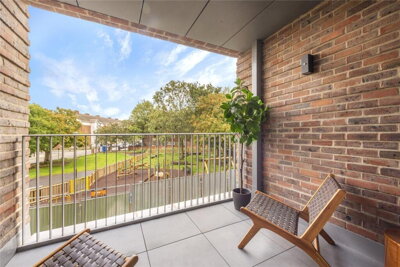
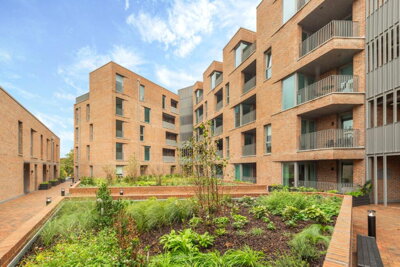
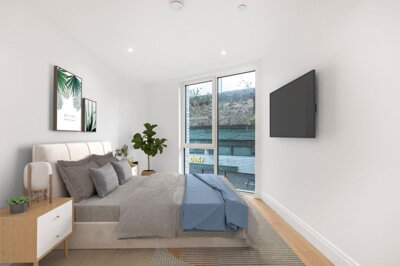
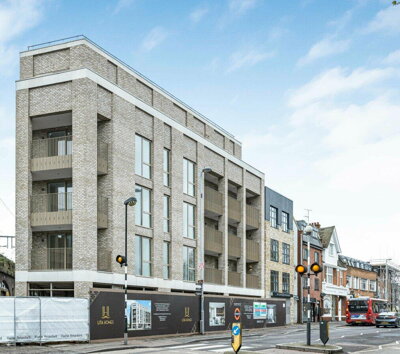
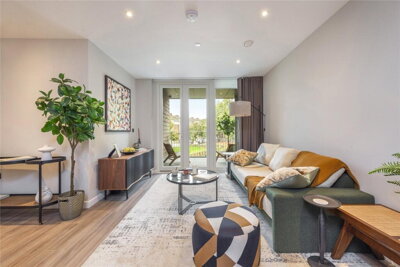
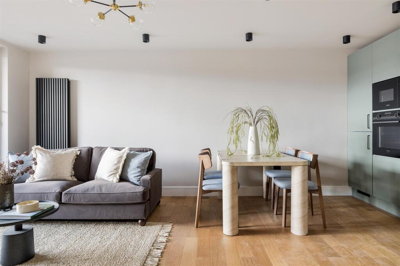
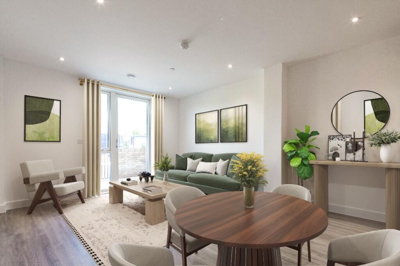
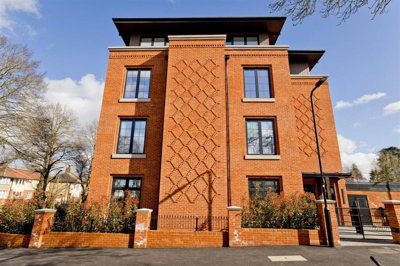
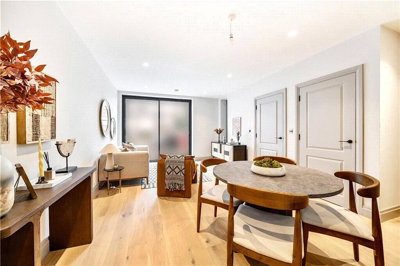
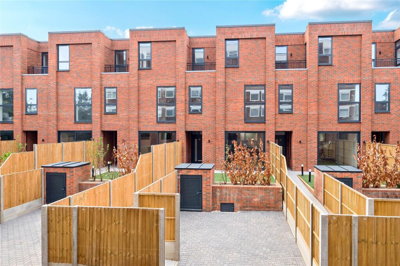
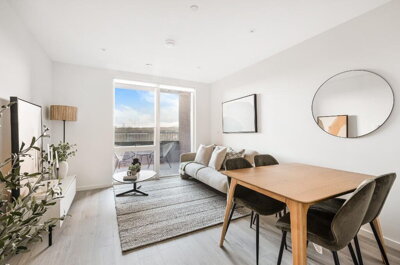
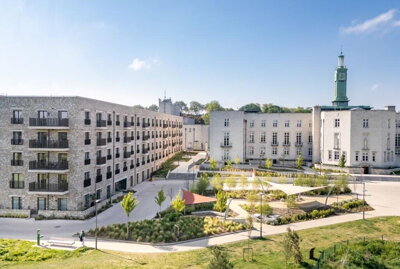
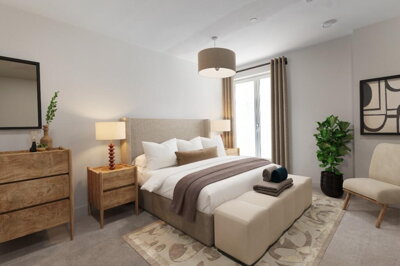
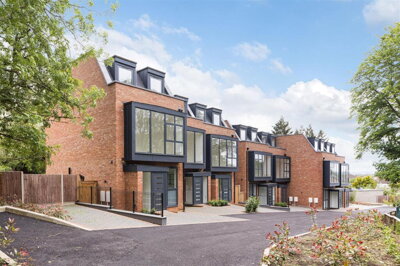
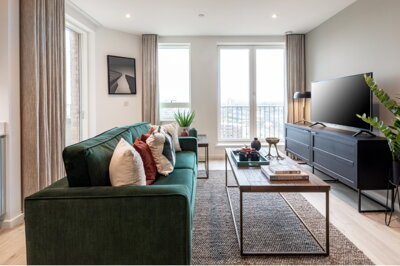
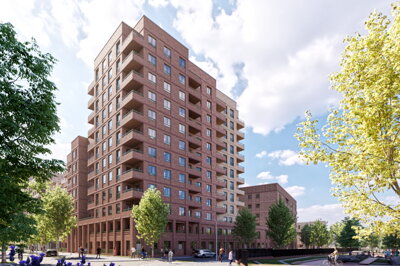
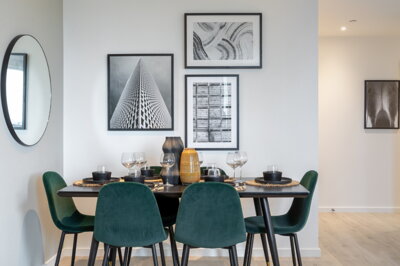
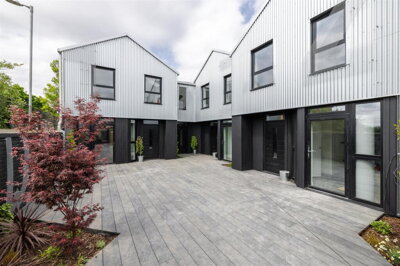
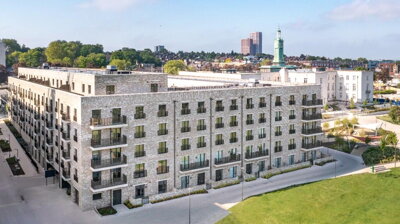
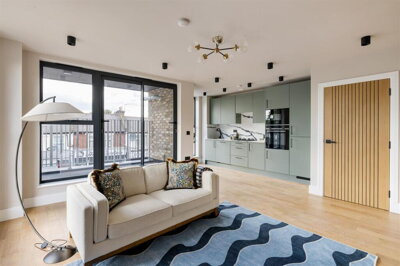
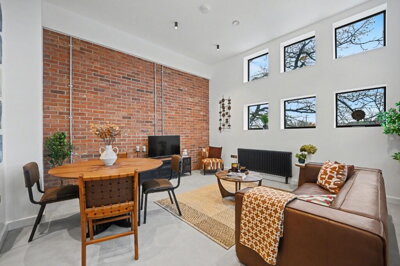
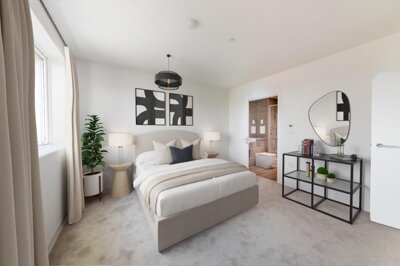
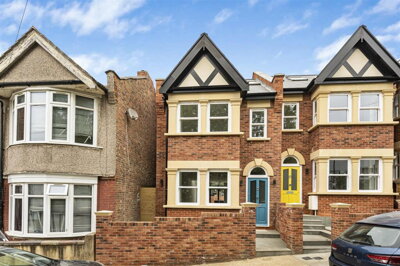
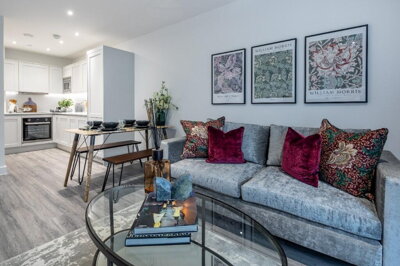
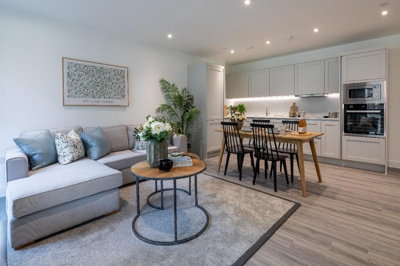
Browse 42 homes new builds in London Borough of Waltham Forest from local developer agents.
The London Borough Of Waltham Forest property market offers detached, semi-detached, and terraced houses spanning various price ranges and neighbourhoods. Each listing includes detailed property information, photographs, and direct contact with the marketing agent.
£585,000
Average Price (Feb 2026)
2,200+
Properties Listed
2.1% to 4.2%
Annual Price Growth
2,217
Properties Sold (2025)
The Waltham Forest property market demonstrates healthy diversity across its main property types, with terraced homes commanding the highest proportion of sales at 46.1% of all transactions in 2025. This reflects the borough's strong heritage of Victorian and Edwardian architecture, with many buyers attracted to the character and charm of period terraces. A total of 2,217 property sales were recorded in the borough throughout 2025, indicating robust market activity despite broader economic conditions. Property values across all segments have shown resilience, with the overall average price reaching £526,000 in December 2025 before rising to approximately £585,000 in early 2026.
Detached properties in Waltham Forest represent the premium end of the market, with average prices around £1,029,000, offering generous accommodation and often larger gardens for families requiring extra space. Semi-detached homes average £792,000, providing an excellent balance between living space and accessibility, with many properties featuring original features alongside modern renovations. Terraced properties average £618,000, with prices for these homes rising by 5.2% over the past twelve months, demonstrating particularly strong demand from buyers seeking period charm without the premium associated with detached and semi-detached alternatives. Flats and maisonettes average £390,000, making them an attractive entry point for first-time buyers seeking to establish themselves in this increasingly popular borough.
New build activity in Waltham Forest remains relatively modest, accounting for just 1.2% of all sales in 2025, equivalent to 26 new homes. This limited new supply has contributed to sustained demand for existing properties, particularly those offering good value or scope for improvement. The borough benefits from ongoing regeneration in areas such as Leyton and Walthamstow, where creative industries and independent businesses have transformed previously industrial spaces into vibrant residential neighbourhoods. Many buyers are drawn to properties with renovation potential, where original features can be restored and extended to create homes tailored to modern requirements.
The combination of limited new supply and strong underlying demand suggests that Waltham Forest property values will continue to demonstrate resilience in the coming years. First-time buyers may find the flat and maisonette sector most accessible, while those seeking family homes should be prepared for competitive conditions in the terraced property segment, where demand consistently outstrips supply in popular neighbourhoods such as Walthamstow Village, Chingford, and Leytonstone. The borough's ongoing regeneration programmes, including improvements to transport infrastructure and public spaces, further support the case for long-term value appreciation.
Waltham Forest is a borough of remarkable contrasts, where Victorian terraces stand alongside contemporary apartment complexes and where established residential streets give way to the ancient landscapes of Epping Forest. The area character reflects generations of London life, with neighbourhood shopping parades, community parks, and cultural venues that have evolved to meet the needs of a diverse and growing population. The borough's location in East London provides convenient access to the City while maintaining a distinct local identity that sets it apart from central London boroughs. Residents benefit from the unique combination of urban convenience and natural beauty that defines this part of the capital.
The borough is home to a vibrant mix of communities, with strong cultural offerings including the William Morris Gallery in Walthamstow, which celebrates the area's artistic heritage, and the Vestry House Museum which chronicles local history. The Walthamstow Wetlands provide an unexpected wilderness within the urban environment, while the Lea Valley offers scenic walking and cycling routes along the river. For shopping and dining, the borough offers everything from traditional high street retailers in Walthamstow and Chingford to independent boutiques and artisan cafes in areas such as Leytonstone. The nightly Food Market on Walthamstow's Wood Street has become a beloved institution, showcasing the area's diverse culinary scene.
Green space is a defining feature of Waltham Forest, with the borough boasting over 30 parks and open spaces, making it one of London's greenest urban areas. These range from small local gardens to the expansive Epping Forest, which covers much of the northern part of the borough and provides endless opportunities for outdoor recreation. Chingford Green and Connaught Water offer particularly popular destinations for families and visitors, combining natural beauty with excellent facilities including cafes, boating, and children's play areas. The combination of excellent parks, cultural attractions, and strong community spirit creates a quality of life that continues to attract buyers seeking more than just a convenient London address.
The sense of community in Waltham Forest is reinforced by a programme of local events and festivals throughout the year. The annual Stow Film Festival celebrates independent cinema, while the Walthamstow Garden Party brings neighbours together in the heart of the town centre. Local markets, community art projects, and neighbourhood watch schemes all contribute to the borough's reputation as a place where people actively invest in their local area. This community engagement helps maintain property values and attracts buyers who are looking for more than a convenient location - they want to be part of a neighbourhood.

Education provision in Waltham Forest serves families at every stage of their children's development, with the borough offering a mix of primary schools, secondary schools, and further education establishments. The area has seen significant investment in educational facilities in recent years, with several schools achieving outstanding Ofsted ratings and building strong reputations within the local community. Parents moving to Waltham Forest will find options across the maintained, academy, and independent school sectors, providing flexibility in educational approach and philosophy. The borough's growing population has encouraged ongoing development of school capacity, ensuring that families can generally access local schooling without excessive competition for places.
Primary education in Waltham Forest includes numerous schools that have earned excellent reputations, with many performing above national averages in key measures of pupil progress and attainment. Schools such as Henry Maynard Primary School and Dawlish Primary School serve their communities with strong academic results and rich extracurricular programmes. The borough also features several faith schools serving different religious communities, providing families with options that align with their values and traditions. Many primary schools benefit from extended facilities including libraries, sports halls, and outdoor learning spaces that enhance the educational experience beyond the core curriculum.
Secondary education in Waltham Forest includes both comprehensive schools and grammar school options, with the latter attracting students from across the borough through the selective entrance examination. Schools such as Walthamstow School for Girls and Chingford Foundation School and Grammar offer excellent academic outcomes and strong pastoral support. For students seeking vocational pathways, the Waltham Forest College provides a wide range of Further Education courses and apprenticeships that prepare young people for careers in various industries. The proximity to other London boroughs also provides access to renowned selective schools and specialist institutions for families willing to travel for particular educational opportunities.
When budgeting for school-age children in Waltham Forest, parents should factor in potential costs for school meals, uniform, extracurricular activities, and transport where applicable. Several schools offer breakfast clubs and after-school care facilities, which can be particularly valuable for working parents. Some families also consider private tutoring to support GCSE and A-level preparation, with local tutoring centres available in Walthamstow and other town centres. School catchment areas can affect property values in popular neighbourhoods, making proximity to good schools an important consideration when prioritising areas within the borough.
Waltham Forest offers excellent transport connections that make commuting into central London and beyond straightforward and convenient. The Victoria line provides direct Underground access from stations including Walthamstow Central, Blackhorse Road, and Leytonstone, connecting residents to the West End, the City, and key transport hubs including King's Cross St Pancras and Oxford Circus. The Overground network, with services from Walthamstow Central and other stations, offers additional routes into Liverpool Street and provides connections across the capital via the wider London Overground network. Journey times to central London typically range from 25 to 40 minutes depending on the specific destination and mode of transport chosen.
Bus services throughout Waltham Forest provide extensive local coverage, connecting neighbourhoods within the borough and offering routes to surrounding areas including Stratford, Ilford, and Romford. The Night Bus network ensures that those working late shifts or enjoying evening entertainment can return home safely without relying on private transport. For those who drive, the borough benefits from proximity to major road arteries including the North Circular Road and direct access to the M25 motorway via Chingford, providing routes out of London for weekend getaways and family visits further afield.
Cycling infrastructure has received significant investment in recent years, with dedicated cycle lanes improving safety for riders throughout the borough. The Cycle Superhighway CS50 connects Waltham Forest with Stratford and onward to the City, while quieter routes through parks and along the River Lea offer scenic alternatives for recreational and commuter cyclists alike. For international and long-distance travel, Stansted Airport is accessible via the Lea Valley lines or a straightforward drive, typically within 40 minutes of most areas of the borough. Heathrow, Gatwick, and London City Airport are also within reasonable reach, ensuring that residents have excellent options for business and leisure travel across the UK and internationally.
Residents should note that Transport for London regularly reviews bus routes and tube services, so checking current timetables before committing to a property is advisable, particularly for those who rely on public transport for daily commuting. The proposed improvements to the Overground network and any extensions to the Night Tube could further enhance connectivity in coming years. Cycling is increasingly popular as a commuting option, with the borough's investment in new cycle lanes making cycling a viable alternative to public transport for many residents.
Before beginning your property search in Waltham Forest, obtain a mortgage agreement in principle from a lender. This demonstrates your serious intent to sellers and estate agents while giving you a clear understanding of your budget. Factor in additional costs including stamp duty, solicitor fees, and survey costs when calculating your maximum offer.
Explore the different areas within the borough to find the neighbourhood that best matches your lifestyle requirements. Consider proximity to schools, transport links, parks, and local amenities. Each area from Chingford to Leyton offers distinct characteristics and price points worth understanding before making your decision.
Use Homemove to browse the full range of properties currently listed for sale in Waltham Forest. Shortlist properties that meet your criteria and arrange viewings to assess their condition, potential, and surroundings. Many buyers find that photographs can be deceptive, making physical viewings essential.
Before proceeding with a purchase, arrange a RICS Level 2 Survey to assess the property's condition and identify any defects that may require attention. Given the prevalence of Victorian and Edwardian properties in Waltham Forest, this is particularly important as older homes often have specific issues relating to damp, roof condition, and outdated electrical systems.
Appoint a conveyancing solicitor to handle the legal aspects of your purchase, including searches, contracts, and registration of title. Your solicitor will liaise with the seller's representatives, undertake necessary local authority searches, and ensure all documentation is in order before you proceed to exchange.
Once all legal work is satisfactory and your mortgage offer is confirmed, you can proceed to exchange contracts and pay your deposit. Completion typically follows within a few weeks, after which you will receive your keys and can begin moving into your new Waltham Forest home.
Properties in Waltham Forest span a wide range of ages and conditions, with significant portions of the housing stock dating from the Victorian and Edwardian periods. When viewing period properties, pay close attention to the condition of original features such as sash windows, fireplaces, and decorative cornicing, as these can be either charming assets or costly maintenance obligations depending on their state of repair. The presence of original timber floorboards versus modern flooring can significantly affect both the character and value of a terraced home, with exposed floorboards generally being preferred by buyers seeking period authenticity. Basements in Victorian terraces may show signs of damp or structural movement, particularly in properties that have not been recently renovated, so consider arranging a specialized survey for homes with basement accommodation.
The predominant construction material in Waltham Forest's period properties is brick, typically laid in solid walls without the cavity insulation found in modern homes. This construction method affects thermal performance and moisture management, meaning period properties often feel colder and may require additional insulation measures that do not compromise the building fabric. Timber floors, roof structures, and window frames in older properties can be susceptible to wood-boring insects and fungal decay, particularly where maintenance has been neglected. Our inspectors frequently identify these issues in Waltham Forest properties, and a thorough survey will assess the condition of all load-bearing elements and any signs of movement or deterioration.
The underlying geology of Waltham Forest includes London Clay, which is susceptible to shrink-swell movements in response to moisture changes. During extended dry periods, clay soils can contract and cause subsidence in properties with shallow foundations, a particular concern for older homes built before modern building regulations. Signs of subsidence include cracks in walls, doors and windows that stick, and uneven floors. While many properties in the borough have stood for decades without significant structural problems, the increasing frequency of extreme weather events means that foundation condition and drainage should form part of any survey assessment. Our surveyors are experienced in identifying the early signs of structural movement and can advise on appropriate remedial action.
Flood risk requires careful consideration when purchasing in Waltham Forest, particularly for properties located near the River Lea and its tributaries. While major flooding events are uncommon, surface water flooding can occur during periods of heavy rainfall, especially in urban areas with extensive hard surfacing. Reviewing local flood maps and discussing any history of flooding with current owners or neighbours provides valuable context for assessing this risk. Properties on lower ground or in proximity to watercourses should be carefully evaluated, and comprehensive buildings insurance should be factored into ongoing costs regardless of the perceived flood risk.
Many properties in Waltham Forest, particularly flats and maisonettes, are sold on a leasehold basis, making it essential to understand the terms of the lease before proceeding with a purchase. The remaining lease term, ground rent obligations, and service charge costs all significantly affect the long-term affordability and enjoyment of the property. Ideally, leases should have 80 years or more remaining, as shorter leases can become expensive to extend under statutory legislation. Service charges vary considerably between developments, so obtaining details of recent costs and any planned major works or sinking fund contributions helps avoid unexpected financial surprises after purchase.
For properties located within conservation areas or those that are listed buildings, additional planning controls apply that can affect what works you may carry out in the future. Waltham Forest has several designated conservation areas, including parts of Walthamstow Village and Chingford, where the character of the area is protected by special planning policies. Listed building consent may be required for alterations that affect the building's special architectural or historic interest. Our surveyors can advise on the condition of such properties and flag any concerns about compliance with conservation requirements, including the presence of uPVC windows or other modifications that may have been carried out without proper consent.
The average house price in the London Borough of Waltham Forest stood at approximately £585,000 as of February 2026, according to recent market data. This figure represents a rise from around £526,000 in December 2025, reflecting ongoing demand for property in this East London borough. Property prices vary significantly by type, with detached homes averaging £1,029,000, semi-detached properties at £792,000, terraced homes at £618,000, and flats at £390,000. Prices have increased by approximately 2.1% to 4.2% over the past twelve months, with terraced properties showing particularly strong growth at 5.2%, making this property type especially popular with investors and families seeking period homes in desirable neighbourhoods such as Walthamstow Village, Chingford, and Leytonstone.
Properties in the London Borough of Waltham Forest are banded according to the Valuation Office Agency's council tax valuation system, ranging from Band A for the lowest value properties through to Band H for the most expensive homes. The specific band applicable to any property depends on its assessed value as of April 1991, with Band A properties typically being flats or smaller houses and Band H properties being substantial family homes. Prospective buyers can verify the council tax band for any specific property through the Waltham Forest Council website or the central government council tax valuation list. Council tax charges in Waltham Forest for 2025-2026 range from approximately £1,400 per year for Band A properties to over £3,000 for Band H, making this a significant ongoing cost to factor into your household budget.
Waltham Forest offers strong educational provision at all levels, with several primary and secondary schools achieving excellent Ofsted ratings. Notable primary schools include Henry Maynard Primary School and Dawlish Primary School, both known for strong academic outcomes and inclusive environments. Secondary options include Walthamstow School for Girls and Chingford Foundation School and Grammar, the latter operating a selective admissions policy. The borough's Waltham Forest College provides comprehensive Further Education opportunities, while families seeking independent schooling will find options within reasonable travelling distance. For families considering grammar school options, the Chingford Foundation School and Grammar admits students based on the COBYS assessment taken in September of Year 6, with places allocated according to rank order and distance from the school.
Waltham Forest enjoys excellent public transport connections, with the Victoria line Underground serving multiple stations including Walthamstow Central, Blackhorse Road, and Leytonstone, providing direct access to central London. The London Overground network adds additional routes, particularly from Walthamstow Central to Liverpool Street. Bus services provide extensive local coverage throughout the borough, including night bus options for those returning late. Journey times to central London typically range from 25 to 40 minutes depending on the specific destination and route chosen. For commuters working in the City, Liverpool Street station is reachable within 30 minutes via the Overground from Walthamstow Central, while Oxford Circus and the West End are accessible within 35-40 minutes on the Victoria line.
Waltham Forest has demonstrated consistent property value growth, with prices rising by 2% to 4% annually in recent years, making it an attractive option for property investors. The borough benefits from ongoing regeneration activity, improving transport links, and a growing reputation as a creative and cultural hub, all of which support future value appreciation. Rental demand remains strong due to the area's popularity with young professionals and families, with yields varying by property type and location. The limited new build supply relative to demand suggests continued pressure on prices for existing properties. Terraced properties have shown particularly strong appreciation, with 5.2% growth over the past twelve months, indicating that period homes in good locations offer solid investment potential.
For standard buyers purchasing residential property in England, stamp duty is charged at 0% on the first £250,000 of the purchase price, 5% on the portion from £250,001 to £925,000, 10% on the portion from £925,001 to £1,500,000, and 12% on any amount exceeding £1,500,000. First-time buyers benefit from increased thresholds, paying 0% on the first £425,000, 5% between £425,001 and £625,000, with no relief available for purchases exceeding £625,000. These thresholds apply to the purchase price of the property itself, so the specific stamp duty liability depends on the purchase price and your buyer status. For a typical £585,000 property in Waltham Forest, a standard buyer would pay approximately £16,750 in stamp duty, while a first-time buyer would pay around £8,000, though this assumes the property meets all criteria for first-time buyer relief.
Waltham Forest contains several conservation areas that protect the architectural character of specific neighbourhoods, including parts of Walthamstow Village, Chingford, and Leytonstone. Properties within these areas are subject to additional planning controls that restrict external alterations and require consent for certain works that might be permitted elsewhere in the borough. Listed buildings, which are designated for their special architectural or historic interest, may require Listed Building Consent for alterations that affect the building's character. These designations can affect both the value and the future flexibility of a property, making a thorough survey essential before purchase. Our surveyors can identify potential compliance issues and advise on the implications of conservation area status for your intended use of the property.
From 4.5% APR
Finding the right mortgage is essential when buying in Waltham Forest. Our mortgage partners offer competitive rates for all property types, including specialist products for flats and period properties.
From £499
Our conveyancing partners handle all legal aspects of your Waltham Forest purchase, from searches to registration. Experienced solicitors familiar with local property transactions.
From £350
A thorough condition survey for any Waltham Forest property, ideal for flats, maisonettes, and modern homes. Identifies defects and provides professional advice on repairs and maintenance.
From £500
A comprehensive structural survey for Waltham Forest period properties, recommended for Victorian terraces, Edwardian homes, and any property with visible defects.
From £60
Energy Performance Certificate required for all Waltham Forest property sales. Our assessors provide certificates within 5 working days.
Understanding the full costs of purchasing property in Waltham Forest helps you budget accurately and avoid financial surprises during the transaction process. Beyond the purchase price itself, buyers must account for stamp duty land tax, which for a typical home in Waltham Forest averaging around £585,000 would amount to approximately £16,750 for a standard buyer purchasing without first-time buyer relief. First-time buyers benefiting from the enhanced thresholds would pay significantly less, potentially reducing their stamp duty liability to around £8,000 depending on the exact purchase price and whether all criteria for relief are met. These calculations assume the property is residential and that you are not an additional property buyer subject to the higher rates.
Professional fees form a significant component of buying costs, with conveyancing solicitors typically charging between £500 and £1,500 depending on the complexity of the transaction and whether the property is freehold or leasehold. Leasehold purchases require additional work including share transfer documentation and lease review, which can increase costs. Survey fees for a RICS Level 2 Homebuyer Report typically start from around £350 for a modest flat, rising to £600 or more for larger family homes. Given that many properties in Waltham Forest are Victorian or Edwardian constructions, a thorough survey is money well spent to identify any structural issues, damp problems, or roof defects that may not be visible during a standard viewing.
Additional costs to factor into your budget include mortgage arrangement fees, which can range from £0 to £2,000 depending on the lender and product chosen, search fees from your solicitor, Land Registry fees for title registration, and removal costs for your move. Buildings insurance must be in place from the point of completion, while contents insurance is advisable from the same date. For leasehold properties, you will typically need to pay a share of the service charge and sinking fund contributions, often running into several hundred pounds, and ground rent which varies according to the lease terms. Setting aside a contingency budget of around 1% to 2% of the purchase price for unforeseen costs is a sensible approach that experienced buyers and their advisers commonly recommend.
When purchasing a leasehold property in Waltham Forest, it is prudent to instruct your solicitor to obtain a copy of the lease and review its terms carefully before committing to the purchase. The ground rent obligations, escalation clauses, and any restrictions on alterations should all be clearly understood. If the lease has fewer than 80 years remaining, you should factor in the potential cost of extending the lease under statutory legislation, which can be substantial. Your solicitor can also obtain details of any ongoing or planned major works, such as roof replacement or external decoration, which may require significant contributions from leaseholders in the near future.
Properties New Builds In London

Properties New Builds In Plymouth

Properties New Builds In Liverpool

Properties New Builds In Glasgow

Properties New Builds In Sheffield

Properties New Builds In Edinburgh

Properties New Builds In Coventry

Properties New Builds In Bradford

Properties New Builds In Manchester

Properties New Builds In Birmingham

Properties New Builds In Bristol

Properties New Builds In Oxford

Properties New Builds In Leicester

Properties New Builds In Newcastle

Properties New Builds In Leeds

Properties New Builds In Southampton

Properties New Builds In Cardiff

Properties New Builds In Nottingham

Properties New Builds In Norwich

Properties New Builds In Brighton

Properties New Builds In Derby

Properties New Builds In Portsmouth

Properties New Builds In Northampton

Properties New Builds In Milton Keynes

Properties New Builds In Bournemouth

Properties New Builds In Bolton

Properties New Builds In Swansea

Properties New Builds In Swindon

Properties New Builds In Peterborough

Properties New Builds In Wolverhampton

Enter your details to see if this property is within your budget.
Loans, cards, car finance
Estimated property budget
Borrowing + deposit
You could borrow between
Typical borrowing
Monthly repayment
Est. at 4.5%
Loan-to-value
This is an estimate only. Your actual budget may vary depending on interest rates, credit history, and personal circumstances. For an accurate affordability assessment, speak to one of our free mortgage advisors.
This calculator provides estimates for illustrative purposes only and does not constitute financial advice. Your home may be repossessed if you do not keep up repayments on your mortgage. Estimates based on 4.5% interest rate, repayment mortgage. Actual rates depend on your circumstances.
Homemove is a trading name of HM Haus Group Ltd (Company No. 13873779, registered in England & Wales). Homemove Mortgages Ltd (Company No. 15947693) is an Appointed Representative of TMG Direct Limited, trading as TMG Mortgage Network, which is authorised and regulated by the Financial Conduct Authority (FRN 786245). Homemove Mortgages Ltd is entered on the FCA Register as an Appointed Representative (FRN 1022429). You can check registrations at NewRegister or by calling 0800 111 6768.

We use cookies to show you personalised content and improve your experience of our website. Find out more in our Privacy policy and Cookie policy.