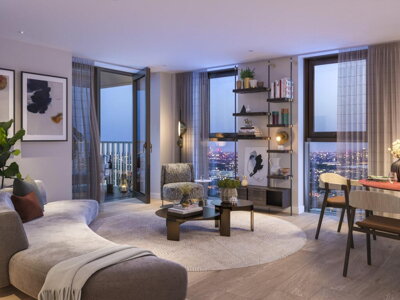
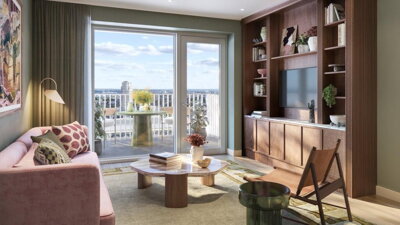
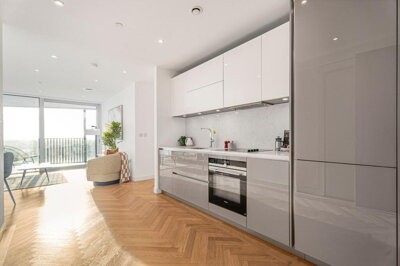
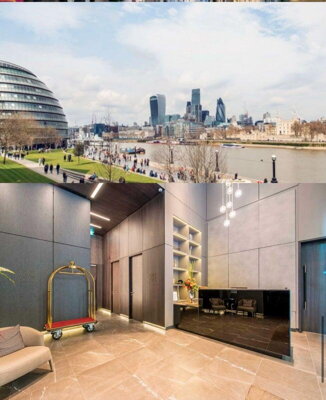
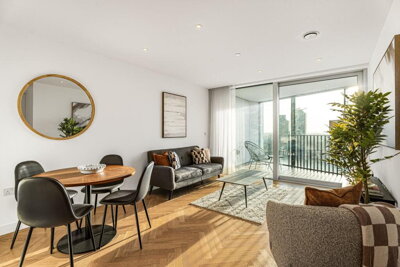
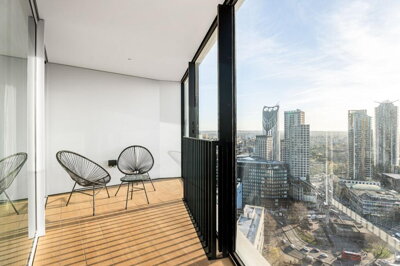
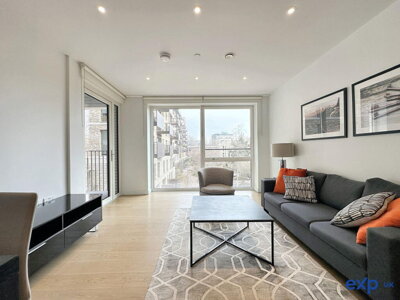
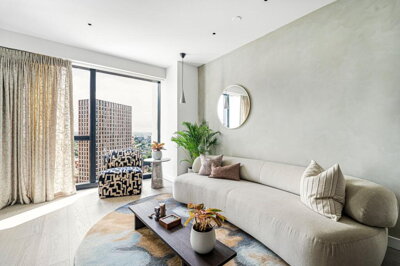
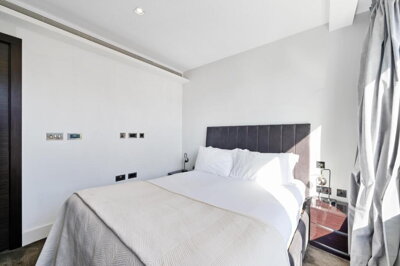
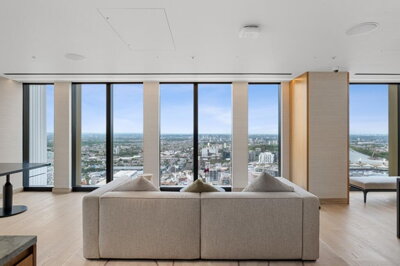
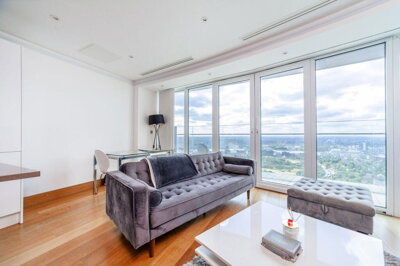
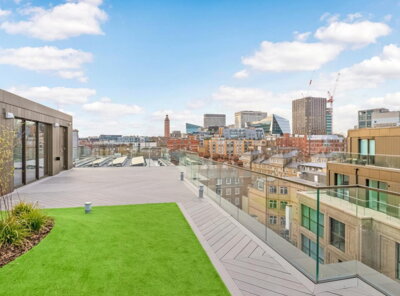
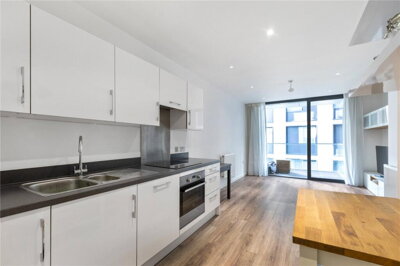
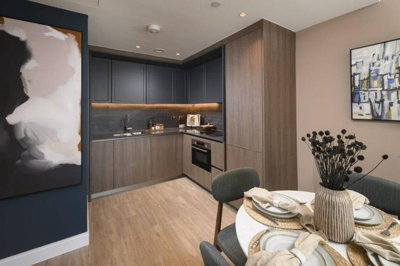
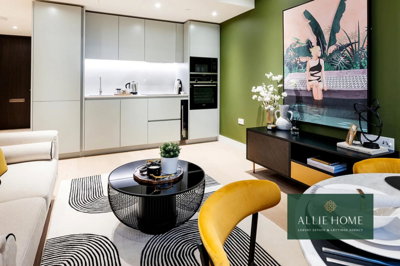
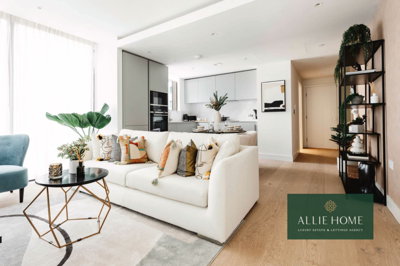
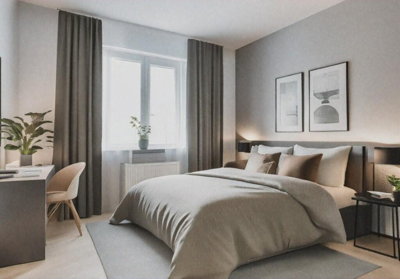
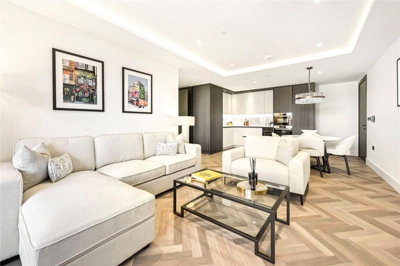
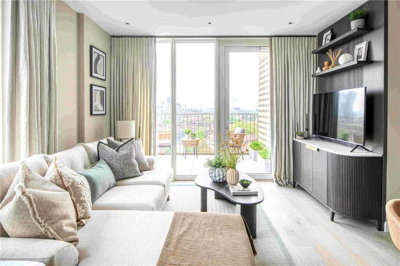
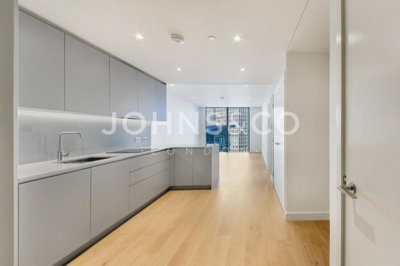
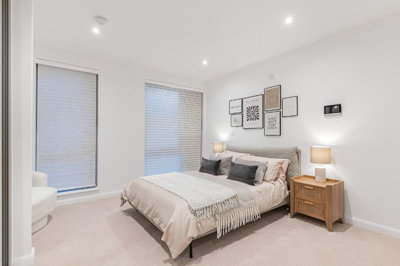
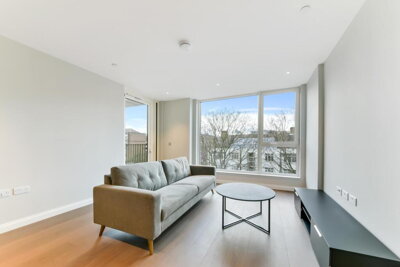
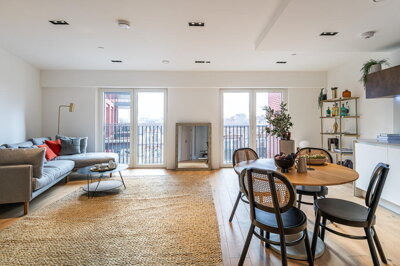
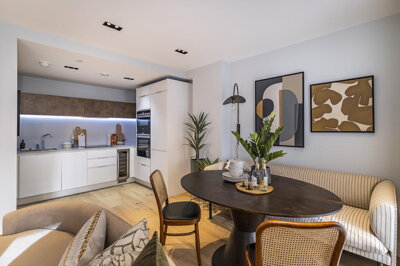
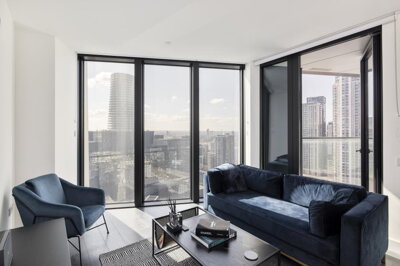
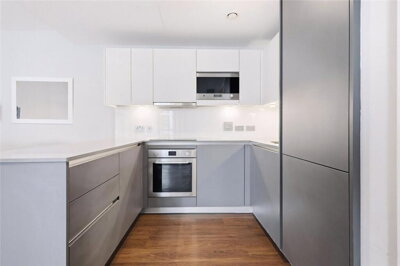
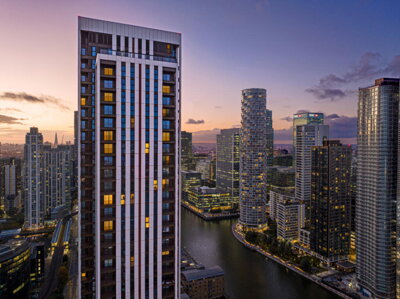
Browse 115 homes new builds in London Borough of Southwark from local developer agents.
One bed apartments provide a separate bedroom alongside distinct living space, bathroom, and kitchen areas. Properties in London Borough Of Southwark are available in various building types including new apartment complexes and contemporary developments.
The Southwark property market reflects the diversity of the borough itself, with prices varying significantly depending on property type and location. Flats and maisonettes dominate the market, currently averaging around £486,000, making them accessible entry points for first-time buyers and investors. Terraced properties command higher prices at approximately £851,000, while semi-detached homes reach around £1,244,000. Detached properties are rare in this urban borough but can exceed £1.7 million when available, particularly in prestigious areas like Dulwich Village.
Market activity in Southwark shows positive momentum, with transaction volumes increasing by nearly 4% year-on-year and around 159 property sales recorded recently. Terraced properties have shown particular strength, with prices rising by 4.2% over the past year, reflecting sustained demand for family-sized homes in the borough. The mix of new-build developments and period properties creates options for different buyer preferences, though the competitive market means well-priced properties can sell quickly. First-time buyers should note that the average flat price remains below the London first-time buyer stamp duty threshold, potentially reducing purchase costs significantly.
New build activity continues across Southwark through major regeneration schemes. Elephant Park, delivered by Lendlease, has transformed the former Elephant and Castle shopping centre area with thousands of new homes, public spaces, and community facilities. The Canada Water Masterplan by British Land promises significant development in the SE16 area. The Old Dairy development by Notting Hill Genesis adds to the mix of new housing options. These projects provide modern apartments appealing to professionals while also offering some family housing, diversifying the property stock beyond the Victorian and Edwardian terraces that characterise older neighbourhoods.

Southwark encompasses an extraordinary range of neighbourhoods, each with its own distinct character and appeal. The Bankside area draws residents to its creative energy, with the Tate Modern, Shakespeare's Globe Theatre, and the Southbank Centre creating a cultural corridor along the Thames. Borough Market offers some of London's finest food offerings, while the historic Borough High Street showcases architecture spanning several centuries. This area appeals particularly to young professionals and culture enthusiasts who value walkability and entertainment on their doorstep.
Moving further south, areas like Peckham, Camberwell, and East Dulwich offer different atmospheres that blend residential calm with thriving local scenes. Peckham has transformed into one of London's most exciting neighbourhoods, known for its creative community, independent shops, and vibrant nightlife concentrated around Rye Lane. East Dulwich maintains a more traditional village feel, centred on Lordship Lane with boutique shops, cafes, and a popular weekly market drawing visitors from across south London. Camberwell Green provides Georgian and Victorian architecture in a quieter setting, popular with families seeking period properties at relatively more accessible prices than central areas.
The borough's housing stock reflects its long history, with substantial proportions of pre-1919 Victorian and Edwardian terraced houses in areas such as Peckham, Camberwell, and East Dulwich. Post-war reconstruction added numerous council estates and apartment blocks throughout the borough, while significant new build activity since 1980 has transformed areas like Elephant and Castle, London Bridge, and Canada Water with modern mixed-use developments. This variety means buyers can choose between the character of period properties, the convenience of purpose-built flats, or the contemporary facilities offered by newer developments. Red brick is the predominant building material for older terraced properties, while modern developments incorporate various cladding systems including brick slips and metal panels.
Education provision in Southwark caters to families across all stages, from nursery through to further education. The borough hosts several notable secondary schools, including Ark Walworth Peninsula College and Sacred Heart Catholic School, both serving their communities with strong academic programmes. Primary education is well-represented through schools such as Tower Bridge Primary School and Dog Kennel Hill Primary School, which serve their local communities. Parents should research individual school performance through official Ofsted reports and consider catchment areas when property hunting, as these can significantly impact school placements.
The Dulwich area stands out for its concentration of well-regarded independent schools, with institutions serving families willing to invest in private education. These include primary and secondary options that draw families from across south London. For buyers prioritising schooling, properties near these institutions and well-performing state schools often command premium prices, making early research essential for budget planning. The competition for places in popular schools can be fierce, particularly in areas like East Dulwich where the village atmosphere makes it attractive to families.
Higher education institutions within Southwark include King's College London Guy Campus and London South Bank University, placing the borough in an excellent position for students and academics. The presence of these universities contributes to the area's youthful atmosphere and rental market strength, with students and university staff forming a significant segment of the local rental market. Investors should note that properties suitable for student accommodation or targeting university-affiliated renters can achieve strong rental yields, particularly in areas with easy access to campus facilities.
Southwark benefits from exceptional transport connections that make commuting straightforward for residents working across London. The borough is served by multiple Underground stations including Borough, Elephant and Castle, and London Bridge on the Northern and Bakerloo lines, providing direct access to the West End, the City, and Canary Wharf. National Rail services from London Bridge station offer connections to southern England, while the Overground network connects residents to destinations across south London and beyond. This multi-layered transport network makes Southwark one of the best-connected boroughs in outer zones for commuters.
Bus services throughout Southwark are extensive, with numerous routes connecting different parts of the borough and providing links to central London and surrounding areas. The cycle hire scheme operated by Santander Cycles has numerous docking stations across the borough, encouraging sustainable commuting for shorter journeys. For drivers, the borough's proximity to major road routes including the A2 and A3 provides access to south London and Kent, though congestion charges and parking restrictions in certain areas should be considered. Journey times to central London landmarks are typically 15-25 minutes by tube, making Southwark an attractive base for professionals working throughout the capital.
The transport connections influence property values significantly, with premium prices often seen within walking distance of major stations. London Bridge station has undergone major redevelopment, improving facilities and creating additional retail space. The Elizabeth line (Crossrail) has enhanced connectivity from nearby stations, reducing journey times to key destinations including Heathrow Airport, the City, and East London. Residents of Southwark benefit from these improvements while enjoying relatively more affordable prices than central London locations with similar connectivity. Bus routes serving the borough extend into neighbouring areas, providing alternatives when tube services are disrupted or for journeys not well-served by rail.
Before viewing properties, obtain a mortgage agreement in principle from a lender. This demonstrates your purchasing capacity to estate agents and strengthens your position when making offers in Southwark's competitive market. Many lenders offer online agreement in principle decisions within hours, though waiting for a formal decision can take several weeks.
Southwark offers diverse neighbourhoods from riverside apartments to Victorian terraces. Consider your commute needs, school requirements, and lifestyle preferences when narrowing down your search to areas like Bankside, Peckham, or East Dulwich. Each area has distinct characteristics, price points, and community atmospheres that suit different buyers.
Use Homemove to view available properties and book viewings through listed estate agents. Note property conditions, recent renovations, and any signs of maintenance issues during visits. Viewing multiple properties in your target areas helps build a realistic understanding of current market conditions and pricing.
Commission a RICS Level 2 survey before completing your purchase. Given Southwark's prevalence of older properties and London Clay ground conditions, a professional survey can identify issues like damp, subsidence risk, or structural concerns. Our inspectors have extensive experience surveying Southwark's varied housing stock and understand the specific challenges posed by local geology and construction types.
Choose a conveyancing solicitor to handle the legal aspects of your purchase, including local authority searches, contract review, and registration with the Land Registry. Local knowledge can be valuable, as solicitors familiar with Southwark will understand the implications of conservation area designations and any regeneration schemes affecting the property.
Once all checks are satisfactory and your mortgage is finalized, exchange contracts with the seller and set a completion date. Your solicitor will arrange the final funds transfer and key collection. In Southwark's competitive market, maintaining momentum through the legal process is important, as delays can sometimes lead to complications.
Properties in Southwark present several considerations specific to the borough that buyers should investigate carefully. The prevalence of London Clay across the area means properties with mature trees nearby face potential subsidence and heave risks due to soil movement. London Clay is a shrinkable clay susceptible to volume changes depending on moisture content, posing moderate to high shrink-swell risk to properties with shallow foundations. Our inspectors frequently identify foundation concerns in older properties where original footings may be inadequate for current standards.
Several areas of Southwark fall within conservation zones, including Bermondsey Street, Dulwich Village, Borough High Street, Bankside, and Camberwell Green. These designations impose restrictions on alterations, extensions, and even cosmetic changes, which can affect plans for renovation or improvement. Listed buildings carry even stricter controls, requiring planning permission for most alterations and potentially Listed Building Consent for external works. Buyers should obtain copies of all planning permissions and listed building consents from Southwark Council before purchase to ensure all works were properly authorised.
Many modern apartments in developments such as those at Elephant Park, Canada Water, and The Old Dairy are leasehold, so prospective buyers should carefully examine lease terms, service charges, ground rent provisions, and any upcoming major costs for building maintenance or improvements. Our surveyors inspect communal areas and review maintenance schedules to identify potential issues that might result in unexpected costs. Common defects found in older Southwark properties include damp (rising, penetrating, and condensation-related), roof defects affecting slate and tile coverings, timber rot including wet and dry rot, outdated electrical systems, and structural cracking from differential settlement or movement.
The average property price in Southwark stands at approximately £590,000 according to recent market data. However, prices vary significantly by property type: flats average around £486,000, terraced houses approximately £851,000, semi-detached homes around £1,244,000, and detached properties can exceed £1.7 million. The market has shown modest growth of around 1.6% year-on-year, with terraced properties performing particularly well at 4.2% annual increase. Rightmove data shows some variation between reporting periods, suggesting a market that has experienced slight price corrections in recent years before stabilising.
Council tax bands in Southwark range from A through to H, depending on property value and characteristics. Most flats and smaller properties fall into bands A to D, while larger Victorian and Edwardian houses in areas like East Dulwich and Dulwich Village typically occupy bands E to G. The council tax bands directly influence running costs for homeowners, with bands varying considerably between a modest flat near Elephant and Castle and a substantial period house in Dulwich Village. You can check specific bandings through the Southwark Council website using the property address.
Southwark offers a range of educational options including primary schools like Tower Bridge Primary and secondary schools such as Ark Walworth Peninsula College and Sacred Heart Catholic School. The Dulwich area has several well-regarded independent schools that draw students from across south London. Parents should consult current Ofsted ratings and consider catchment area boundaries, which can significantly affect placements in popular state schools. Property prices in catchment areas for top-performing schools often command premiums, so budget planning should account for schooling priorities alongside other requirements.
Southwark enjoys excellent public transport links with Underground stations at Borough, Elephant and Castle, and London Bridge providing access to the Northern and Bakerloo lines. National Rail services from London Bridge connect to southern England, while numerous bus routes serve the wider borough. Journey times to central London typically take 15-25 minutes by tube, making Southwark highly accessible for commuters. The Elizabeth line has further improved connectivity from nearby stations, expanding access to Canary Wharf, the City, and east London destinations.
Southwark offers strong investment potential due to its central location, excellent transport links, and ongoing regeneration projects including Elephant Park and Canada Water. The presence of major employers in healthcare (Guy's and St Thomas' NHS Trust), education (King's College London, London South Bank University), and creative industries sustains consistent rental demand. Property prices have shown resilience with modest annual growth, and the mix of period properties and new developments provides options across different investment strategies. Rental yields vary by property type and location, with flats near transport hubs typically achieving stronger yields than larger family homes.
Stamp duty rates start at 0% for properties up to £250,000, rising to 5% on the portion between £250,001 and £925,000. For first-time buyers, relief applies to the first £425,000, with 5% charged between £425,001 and £625,000. Given Southwark's average property price of around £590,000, most buyers will pay stamp duty, making it worth calculating the exact cost before budgeting for your purchase. For a typical flat at £486,000, this would amount to approximately £11,800 in stamp duty under standard rates, while a terraced property at £851,000 would attract higher charges on the portion above £925,000.
Properties near the River Thames face fluvial flood risk, though the Thames Barrier provides protection against tidal surges for most of the borough. Surface water flooding can occur in low-lying areas during heavy rainfall due to urban drainage systems, particularly in areas with significant hard surfacing. Before purchasing, check the Environment Agency flood risk maps for the specific property address and consider whether flood resilience measures are in place. Properties in basement conversions or ground floor flats in flood-prone areas should be carefully evaluated for potential flood damage history and resilience measures taken by current owners.
Given Southwark's prevalence of older properties and London Clay geology, our inspectors frequently identify damp (rising, penetrating, and condensation-related), subsidence and heave related to clay shrinkage, roof defects affecting slate and tile coverings, timber rot including wet and dry rot affecting structural timbers, outdated electrical wiring not meeting current standards, and structural cracking from differential settlement. Properties in conservation areas may have historic defects related to older construction methods, while modern apartments may present issues with cladding systems or communal maintenance. A thorough RICS Level 2 survey will identify these issues before you commit to purchase, potentially saving significant remediation costs.
Purchasing property in Southwark involves several costs beyond the purchase price that buyers should factor into their budget. Stamp Duty Land Tax applies to all purchases above £250,000 at standard rates, starting at 5% on the portion between £250,001 and £925,000. For a typical flat at £486,000, this would amount to approximately £11,800 in stamp duty. First-time buyers purchasing properties up to £625,000 may qualify for relief, potentially reducing costs significantly, with relief applying to the first £425,000 at zero percent. Properties priced above £925,000 incur higher rates on the portion exceeding this threshold.
Additional purchase costs include solicitor fees typically ranging from £500 to £1,500 depending on complexity, mortgage arrangement fees of £0 to £2,000 depending on lender and deal, and survey costs starting from around £350 for a basic valuation or £400-700 for a comprehensive RICS Level 2 survey. Given Southwark's market characteristics, including the prevalence of older properties and varied construction types, we recommend investing in a full Level 2 survey rather than relying solely on the lender's basic valuation. Removal costs, estate agent fees if selling simultaneously, and potential renovation costs for period properties should also be considered when setting your total budget for moving to Southwark.
For buyers considering leasehold properties, additional costs may include notice fees, deed plan requests, and management company inquiries that can add several hundred pounds to legal costs. Ground rent reviews and service charge budgets should be scrutinised carefully, as annual charges in modern developments can be substantial. Our conveyancing partners have experience handling Southwark transactions and can provide transparent cost estimates before you commit. Setting aside a contingency of around 5-10% above the purchase price is advisable to cover unforeseen costs that commonly arise in historic properties and leasehold transactions.
Properties New Builds In London

Properties New Builds In Plymouth

Properties New Builds In Liverpool

Properties New Builds In Glasgow

Properties New Builds In Sheffield

Properties New Builds In Edinburgh

Properties New Builds In Coventry

Properties New Builds In Bradford

Properties New Builds In Manchester

Properties New Builds In Birmingham

Properties New Builds In Bristol

Properties New Builds In Oxford

Properties New Builds In Leicester

Properties New Builds In Newcastle

Properties New Builds In Leeds

Properties New Builds In Southampton

Properties New Builds In Cardiff

Properties New Builds In Nottingham

Properties New Builds In Norwich

Properties New Builds In Brighton

Properties New Builds In Derby

Properties New Builds In Portsmouth

Properties New Builds In Northampton

Properties New Builds In Milton Keynes

Properties New Builds In Bournemouth

Properties New Builds In Bolton

Properties New Builds In Swansea

Properties New Builds In Swindon

Properties New Builds In Peterborough

Properties New Builds In Wolverhampton

Enter your details to see if this property is within your budget.
Loans, cards, car finance
Estimated property budget
Borrowing + deposit
You could borrow between
Typical borrowing
Monthly repayment
Est. at 4.5%
Loan-to-value
This is an estimate only. Your actual budget may vary depending on interest rates, credit history, and personal circumstances. For an accurate affordability assessment, speak to one of our free mortgage advisors.
This calculator provides estimates for illustrative purposes only and does not constitute financial advice. Your home may be repossessed if you do not keep up repayments on your mortgage. Estimates based on 4.5% interest rate, repayment mortgage. Actual rates depend on your circumstances.
Homemove is a trading name of HM Haus Group Ltd (Company No. 13873779, registered in England & Wales). Homemove Mortgages Ltd (Company No. 15947693) is an Appointed Representative of TMG Direct Limited, trading as TMG Mortgage Network, which is authorised and regulated by the Financial Conduct Authority (FRN 786245). Homemove Mortgages Ltd is entered on the FCA Register as an Appointed Representative (FRN 1022429). You can check registrations at NewRegister or by calling 0800 111 6768.

We use cookies to show you personalised content and improve your experience of our website. Find out more in our Privacy policy and Cookie policy.