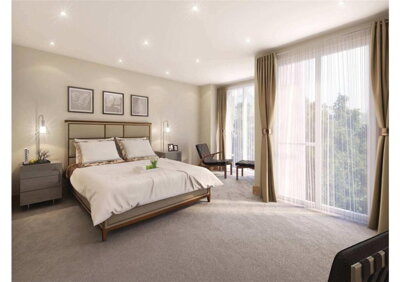
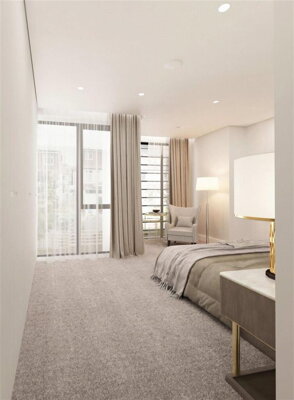
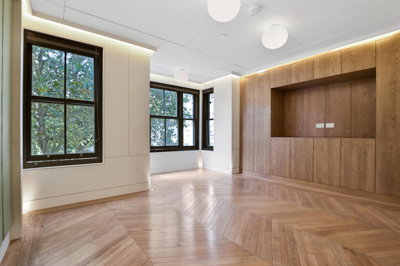
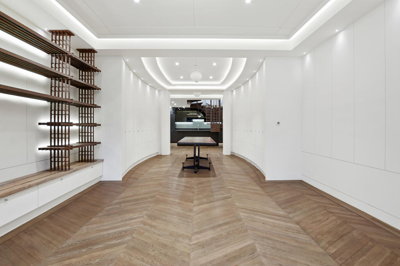
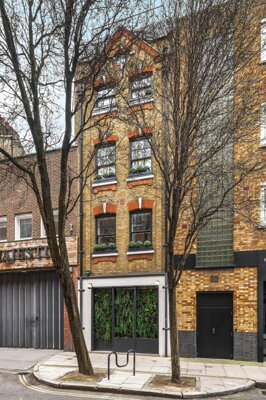
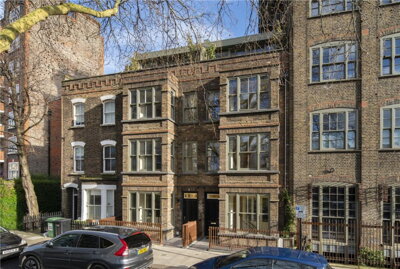
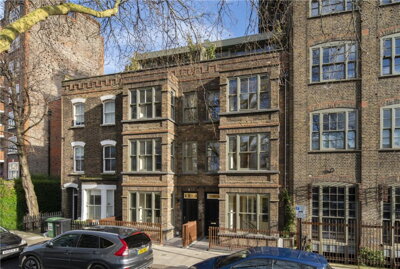
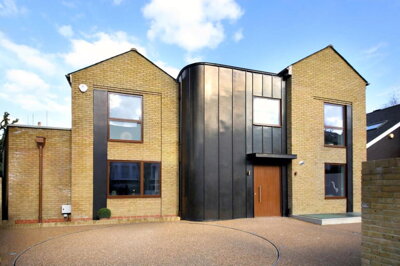
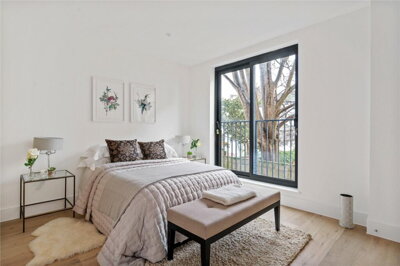
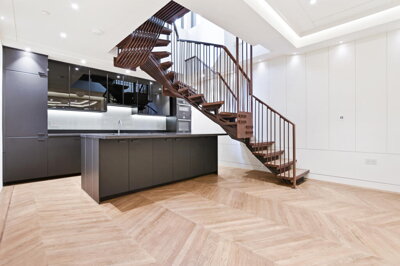
Browse 10 homes new builds in London Borough of Islington from local developer agents.
The larger property sector typically features multiple bathrooms, substantial reception space, and private gardens or off-street parking. Four bedroom houses in London Borough Of Islington span detached, semi-detached, and occasionally terraced configurations, with styles ranging from period properties to modern executive homes.
The Islington property market has demonstrated remarkable resilience despite broader national economic headwinds. Recent data from HM Land Registry shows the average house price in Islington at £694,500, with more comprehensive sources placing figures between £700,000 and £848,000 depending on methodology. The market has experienced modest fluctuations, with Rightmove reporting prices 8% down on the previous year and 9% below the 2023 peak of £892,211, though some sources indicate recent stabilization with year-on-year increases of around 4.6% in early 2026. Property Solvers reports a 0.7% change from December 2024 to December 2025, suggesting the market is finding its equilibrium after the fluctuations of recent years.
Property types in Islington span an impressive range to suit different buyer requirements. Flats and maisonettes dominate the market at an average of £584,000 to £648,210, making them accessible entry points into this prestigious borough. Terraced properties command significantly higher prices, averaging between £1,174,000 and £1,575,688, reflecting the desirable Georgian and Victorian architecture that defines neighbourhoods like Barnsbury and Canonbury. Semi-detached homes reach an average of £1,431,000 to £1,916,454, while detached properties average around £1,699,000, representing the premium end of the Islington market. The variation between different data sources reflects the complexity of the Islington market, where property prices can vary significantly based on exact location, condition, and specific features.
Transaction volumes in the borough remain steady, with approximately 175 to 340 residential property sales recorded over the trailing twelve months depending on the data source and time period measured. Terraced properties have shown particular strength, posting a 2.9% price increase over the year to December 2025, suggesting continued demand for family-sized homes in this area. The sales data indicates a healthy market with sufficient liquidity for both buyers and sellers, though competition for the best properties, particularly those with original features and in conservation areas, remains intense. Properties in desirable locations such as Barnsbury, Canonbury, and along Regent's Canal typically attract multiple interested parties, making swift decision-making essential for serious buyers.
The London Borough of Islington, home to a population of 206,125 residents across 93,000 households, offers an unparalleled blend of metropolitan sophistication and village-like community spirit. The borough's character is defined by its remarkably preserved Georgian and Victorian architecture, with streets lined with elegant terraces featuring their original sash windows, ornate ironwork railings, and characteristic London stock brick facades. Each neighbourhood within Islington possesses its own distinct personality, from the literary heritage of Upper Street to the artistic enclave of Barnsbury, creating diverse living environments within a compact geographic area. The majority of properties in Islington date from the pre-1919 period, giving the borough its distinctive character of period terraces and converted Georgian houses.
The local economy benefits significantly from its proximity to Central London and thriving business districts. Key employers within and adjacent to the borough include Islington Council, NHS trusts such as Whittington Health NHS Trust, and educational institutions including City, University of London and London Metropolitan University. The nearby Silicon Roundabout at Old Street has established the wider area as a technology and creative industries hub, attracting young professionals and contributing to the borough's dynamic economic profile. Small businesses flourish throughout Islington, particularly in retail, hospitality, and professional services, with Upper Street and Camden Passage offering distinctive shopping experiences away from chain-store homogeneity. This economic diversity helps maintain strong demand for housing from professionals working in various sectors.
Leisure and cultural amenities abound in Islington, making it one of London's most desirable boroughs for those who value urban living with soul. The area boasts one of the highest concentrations of theatres and performance venues in the UK, alongside independent cinemas, galleries, and live music venues. Green spaces provide essential respite from city life, including the tranquil expanse of Gillespie Park, the ornamental gardens of Barnsbury Square, and the waterfront walks along Regent's Canal. The borough's restaurant and bar scene rivals much of central London, with everything from traditional pubs to Michelin-starred dining available within walking distance of most residential areas. Regent's Canal provides a particularly scenic route for cycling and walking, connecting Islington to King's Cross and Little Venice while passing through some of the borough's most desirable neighbourhoods.

Education provision in Islington reflects the borough's commitment to academic excellence and holistic child development. The area offers a comprehensive range of educational establishments, from Ofsted-rated outstanding primary schools to established secondary institutions serving families across all year groups. Primary schools in the borough include Packington Primary School, which has earned a Good rating from Ofsted, while secondary education is served by institutions such as Highgate School, a prestigious independent school with a distinguished academic record, and various local authority schools providing strong educational foundations for students from ages 11 through 18. Given the competitive nature of school admissions in this desirable area, many families prioritize proximity to their chosen school when selecting a property.
For families considering private education, Islington offers several notable options including St John's Primary School and various independent preparatory schools that feed into London's prestigious secondary schools. The borough's location provides excellent access to additional educational resources, including further education colleges and specialist training providers throughout north London. University-level education is particularly well-served, with City, University of London offering world-renowned courses in finance, law, and business, while London Metropolitan University provides diverse undergraduate and postgraduate programs from its campus in the heart of Islington. This concentration of educational institutions attracts families who value academic opportunities within easy reach of their home.
Parents moving to Islington should research individual school catchment areas carefully, as admission policies vary and popular schools can be oversubscribed. The borough publishes detailed information about school admissions and catchment boundaries, enabling families to identify properties within their preferred school zones before committing to a purchase. When searching for property in Islington, families should verify current school performance data and admission criteria, as these can change over time and may significantly impact the long-term value and suitability of a property purchase. Many families find that investing in a property within a sought-after school catchment area provides both educational benefits and good long-term property value retention.
Islington benefits from exceptionally comprehensive public transport connections that make commuting into Central London and beyond remarkably convenient. The borough is served by multiple Underground stations including Angel on the Northern line, Highbury & Islington on the Victoria line and National Rail services, and Finsbury Park offering connections on the Piccadilly, Victoria, and Hammersmith & City lines. From Angel station, journey times to Bank take approximately 12 minutes, while Leicester Square and the West End are accessible in under 20 minutes, placing Islington residents within easy reach of London's major employment districts, entertainment venues, and cultural attractions. Finsbury Park station provides additional connections to Heathrow Airport via the Piccadilly line, making international travel straightforward for residents.
National Rail services from Highbury & Islington provide direct connections to London Liverpool Street, making the borough particularly attractive to those working in the City or needing access to the wider rail network. The nearby King's Cross St Pancras station, easily accessible from Islington, offers international connections via Eurostar, opening up European destinations for leisure and business travel. Additional transport options include extensive bus networks serving routes throughout north and central London, providing an economical and often convenient alternative to the Underground for certain journeys. The bus network is particularly useful for journeys where the Underground would require circuitous routing, offering direct routes to destinations across the capital.
For those who prefer cycling, Islington has invested significantly in cycling infrastructure, with dedicated lanes and cycle routes making bike commuting a viable option for many residents. The Barclays Cycle Hire scheme provides additional flexibility for shorter journeys, while the relatively flat terrain of the borough makes cycling accessible to most fitness levels. Regent's Canal towpath offers a scenic cycling route connecting Islington to King's Cross and beyond, while quieter residential streets provide pleasant alternatives to busier roads. Parking in Islington reflects its urban character, with resident parking permits required in most areas and limited on-street parking availability, making proximity to public transport an important consideration for property buyers who commute by car. Properties with private parking or allocated spaces command significant premiums in this borough where street parking is heavily restricted.
Properties in Islington present unique considerations that buyers should carefully evaluate before purchasing. The borough's geology presents specific challenges, as the underlying London Clay has a high shrink-swell potential that can affect property foundations. Signs of subsidence or structural movement, including cracking, uneven floors, or doors that stick, warrant thorough investigation before committing to a purchase. Properties with mature trees nearby are particularly at risk, as tree roots can extract moisture from the clay, causing the ground to shrink and potentially leading to subsidence issues. Given that many Islington properties have shallow foundations typical of Victorian and Georgian construction, clay-related movement is a genuine concern that our inspectors regularly identify during surveys in this area.
Conservation areas and listed buildings require special consideration for any potential buyer. Islington has numerous conservation areas, including Barnsbury, Canonbury, and Angel, which impose restrictions on external alterations, renovations, and extensions. Listed buildings, ranging from Grade I to Grade II designations, require Listed Building Consent for virtually any modification to the property's structure or appearance. While these designations preserve the borough's architectural heritage and often help maintain property values, they can significantly limit your ability to make changes and increase renovation costs. We recommend that buyers considering listed properties or those in conservation areas budget for potentially higher renovation costs and longer project timelines due to the need for specialist contractors and planning approvals.
Surface water flooding represents another area-specific consideration for Islington property buyers. While the borough is not on a major river, its urbanized nature with extensive impermeable surfaces creates medium to high flood risk in certain areas, particularly during periods of heavy rainfall. Properties near Regent's Canal or in low-lying areas may be more susceptible to water ingress, and buyers should review Environment Agency flood maps and consider the potential impact on insurance costs and property maintenance requirements. Additionally, the age of much of Islington's housing stock means that issues such as outdated electrical wiring, aging heating systems, and inadequate insulation are common and should be factored into overall purchase and renovation costs. Many Victorian and Georgian properties in the borough still retain their original cast iron rainwater goods and lead flashings, which may require ongoing maintenance or replacement.
Given the predominantly Victorian and Georgian construction of Islington's housing stock, our inspectors frequently encounter specific defect patterns that buyers should understand. Dampness represents one of the most common issues, manifesting as rising damp, penetrating damp, or condensation problems, particularly in properties with inadequate damp-proof courses or poor ventilation. The solid walls construction typical of period properties in Islington makes them more susceptible to moisture penetration than modern cavity-walled buildings, and we often find that original features such as timber floorboards and skirting boards show signs of moisture damage where ventilation has been compromised by modern improvements such as double glazing without adequate background ventilation.
Roof defects are another frequent finding during surveys of Islington properties, with worn or damaged slate and tile coverings, defective flashings, blocked gutters, and deteriorated leadwork commonly identified. The original Welsh slate roofs on many Victorian terraces are often approaching or beyond their expected lifespan, and we regularly advise buyers to budget for potential roof replacement or significant repair work. Lead valleys, aprons, and cover flashings on these older roofs are particularly vulnerable to deterioration, and water ingress through failed leadwork can cause extensive damage to rafters, joists, and ceiling timbers before becoming visible internally.
Timber defects including wet rot, dry rot, and woodworm infestations affect many period properties throughout Islington, particularly where dampness issues have gone unaddressed. We check all accessible timber elements including floorboards, joists, staircases, and window frames for signs of fungal decay or insect activity. Ground floor suspended timber floors, typical of Victorian construction in this area, are particularly vulnerable to both dampness and timber defects, and we often find that original floorboards show signs of wear, staining from historic dampness, or beetle activity. Properties that have undergone renovation should be checked carefully, as replacement timbers may have been treated inconsistently or inadequately.
Outdated electrical systems and services represent a significant consideration when purchasing period properties in Islington. Many Victorian and Georgian properties still retain their original or early 20th century electrical wiring, which will not meet current standards and may pose safety risks. We assess the condition and adequacy of electrical installations as part of our survey and typically recommend that buyers budget for complete or partial rewiring. Similarly, plumbing systems in older properties often comprise galvanised steel or lead pipes that may be corroded or approaching the end of their serviceable life. Heating systems in unmodernised period properties are frequently inadequate by modern standards, requiring new boiler installation, radiator replacement, and potentially the installation of central heating where it does not currently exist.
Spend time exploring different Islington neighbourhoods to find the area that best matches your lifestyle requirements. Consider proximity to transport links, local schools, parks, and amenities when evaluating locations like Angel, Canonbury, or Barnsbury. Each neighbourhood has its own distinct character, with Barnsbury offering elegant Georgian terraces, Angel providing a vibrant mixed-use environment, and Canonbury blending period charm with contemporary amenities. Walking the streets at different times of day will give you a genuine feel for each area's atmosphere and community spirit.
Before viewing properties, obtain a mortgage agreement in principle from a lender to understand your budget and demonstrate your seriousness to sellers. This financial pre-qualification is particularly valuable in Islington's competitive market where properties can sell quickly. Having your financing arranged before you start viewing means you can move swiftly when you find the right property, avoiding the disappointment of missing out to another buyer who is better prepared financially. Brokers with experience in the Islington market can often secure better rates than going directly to lenders.
Work with local estate agents to arrange viewings of suitable properties. When you find your ideal home, submit a competitive offer promptly, as desirable properties in Islington often attract multiple interested buyers. Agents familiar with the local market can provide valuable insights into pricing and comparable sales, helping you make an informed offer. Be prepared to act quickly on properties that meet your criteria, particularly those in conservation areas or with original period features, as these tend to generate strong interest.
Given the prevalence of older Victorian and Georgian properties in Islington, commission a RICS Level 2 Survey to identify any structural issues, damp problems, or necessary repairs before committing to your purchase. Our inspectors are experienced in assessing period properties and understand the specific construction methods and defect patterns common in this area. A thorough survey typically costs between £400 and £900 for properties in Islington, depending on size and complexity, and can save you significant money by highlighting issues before you commit.
Appoint a solicitor to handle the legal aspects of your purchase, including searches, contracts, and land registry transactions. Choose a solicitor with experience in Islington transactions to ensure familiarity with local issues like conservation area restrictions and listed building implications. Local knowledge is particularly valuable in Islington, where the prevalence of conservation areas and listed buildings can complicate transactions. Your solicitor will conduct searches including local authority, drainage, and environmental searches specific to the Islington area.
Once all legal work is complete and financing arranged, exchange contracts with the seller and pay your deposit. Completion typically follows within weeks, after which you will receive the keys to your new Islington home. On the day of completion, ensure you have arranged building insurance to commence from the completion date, as the property is at your risk from that point. Consider arranging a final inspection shortly before completion to verify the property's condition hasn't changed since your survey.
The average house price in Islington currently ranges from £694,500 to £848,366 depending on the data source and methodology used. HM Land Registry reports £694,500 based on actual sales, while Zoopla places the 12-month average at £848,366 and Rightmove at £810,250. Property types vary significantly, with flats averaging around £584,000 to £648,210, terraced properties from £1,174,000 to £1,575,688, and semi-detached homes reaching £1,431,000 to £1,916,454. The variation between sources reflects different methodologies, sampling periods, and whether asking prices or achieved prices are used, so buyers should consider multiple sources when evaluating the market.
Properties in the London Borough of Islington fall into council tax bands A through H, with most Victorian and Georgian terraced properties typically in bands D through F depending on their assessed value. Flats and smaller properties commonly fall into bands B through E. Exact bands depend on the specific property valuation, and buyers should verify the council tax band with Islington Council before purchase to accurately budget for ongoing ownership costs. Higher band properties in bands F, G, or H can incur substantial annual charges, so understanding this cost is essential for budgeting purposes.
Islington offers several well-regarded schools, including Packington Primary School which holds a Good Ofsted rating, and the prestigious independent Highgate School with its distinguished academic record. The borough provides good primary education options, with various schools rated Good or Outstanding by Ofsted, while secondary education includes both local authority and independent options. Parents should research individual school admissions criteria and catchment areas, as popular schools can be oversubscribed and admission policies vary. The nearby City, University of London provides higher education opportunities, while London Metropolitan University offers diverse further education programs from its Islington campus.
Islington enjoys excellent public transport connections with multiple Underground stations serving the borough, including Angel, Highbury & Islington, and Finsbury Park stations offering access to the Northern, Victoria, and Piccadilly lines. Journey times to Central London are typically under 20 minutes, with Angel providing 12-minute access to Bank. National Rail services from Highbury & Islington provide direct routes to London Liverpool Street, while the nearby King's Cross St Pancras offers international connections via Eurostar. Extensive bus networks and cycling infrastructure provide additional transportation options throughout the borough.
Islington has historically been one of London's strongest property markets, with consistent demand driven by the borough's desirable location, excellent transport links, and quality of life. While recent years have seen some price fluctuations, the combination of limited supply, high demand from professionals and families, and the presence of major employers keeps the market fundamentally robust. Properties in conservation areas and those with original period features tend to hold their value well, though buyers should be aware of the limitations that listed building and conservation area designations can impose on future changes. The high proportion of older properties means renovation opportunities exist, though these should be factored into purchase budgets.
For standard residential purchases, stamp duty rates are 0% on the first £250,000, 5% on £250,001 to £925,000, 10% on £925,001 to £1.5 million, and 12% on any amount above £1.5 million. Given that the average terraced property in Islington costs around £1,174,000, most buyers of family homes should anticipate stamp duty bills of approximately £37,950. First-time buyers benefit from relief on the first £425,000, paying 5% on the portion between £425,001 and £625,000, though this relief is unavailable for properties priced above £625,000. Non-UK residents face an additional 2% surcharge on all stamp duty rates.
Key risks include the borough's London Clay geology, which causes moderate to high shrink-swell risk and can lead to subsidence and heave issues in properties with shallow foundations. The prevalence of surface water flooding in certain areas requires careful investigation, particularly for properties near Regent's Canal and in low-lying areas. Many properties are in conservation areas or are listed buildings, restricting alterations and increasing renovation costs. The age of the housing stock means issues like damp, outdated electrics, and roof defects are relatively common, making a thorough RICS Level 2 Survey essential before purchase. Properties with mature trees nearby require particular attention, as root systems can exacerbate clay-related movement.
A RICS Level 2 Survey is particularly valuable in Islington because the majority of properties are over 50 years old, dating predominantly from the Victorian and Georgian periods when solid wall construction was standard. Our inspectors understand the specific construction methods used in local properties and know what defects to look for, from London Clay-related subsidence to the timber defects and damp issues that commonly affect period properties. The survey will identify any structural issues, rising or penetrating damp, roof defects, and problems with timbers, electrical systems, and plumbing that may not be apparent during a standard mortgage valuation. Given property prices in Islington, identifying defects before purchase can save buyers tens of thousands of pounds in unexpected renovation costs.
Buying property in Islington involves several costs beyond the purchase price that buyers should budget for carefully. Stamp Duty Land Tax represents the most significant additional cost, with standard rates applying 0% on the first £250,000, 5% between £250,001 and £925,000, 10% from £925,001 to £1.5 million, and 12% on any portion exceeding £1.5 million. Given that the average terraced property in Islington costs around £1,174,000, most buyers purchasing family homes should anticipate stamp duty bills of approximately £37,950, while premium properties will incur substantially higher charges. Our team can provide detailed calculations based on your specific purchase price and circumstances.
First-time buyers may benefit from relief that raises the zero-rate threshold to £425,000, with 5% applying between £425,001 and £625,000. However, this relief is unavailable for properties priced above £625,000, meaning most Islington purchases by first-time buyers will still incur stamp duty charges. Non-UK residents face an additional 2% surcharge on all stamp duty rates, which can significantly increase costs for international investors purchasing in the borough. The additional foreign buyer surcharge applies to the entire purchase price and can add tens of thousands of pounds to the stamp duty bill on high-value Islington properties.
Beyond stamp duty, buyers should budget for solicitor fees typically ranging from £500 to £2,000 depending on complexity, survey costs between £400 and £900 for a RICS Level 2 Survey, mortgage arrangement fees of 0-2% of the loan amount, and land registry fees for title registration. A mortgage valuation survey, usually required by lenders and costing between £300 and £1,500, is also necessary. For those purchasing period properties in conservation areas, additional costs may arise from specialist surveys or investigations into planning restrictions, making it wise to establish a comprehensive budget that accounts for these potential expenses before committing to a purchase in this desirable north London borough. We recommend budgeting an additional 3-5% of the purchase price to cover all buying costs and a contingency for any issues identified during survey.

Properties New Builds In London

Properties New Builds In Plymouth

Properties New Builds In Liverpool

Properties New Builds In Glasgow

Properties New Builds In Sheffield

Properties New Builds In Edinburgh

Properties New Builds In Coventry

Properties New Builds In Bradford

Properties New Builds In Manchester

Properties New Builds In Birmingham

Properties New Builds In Bristol

Properties New Builds In Oxford

Properties New Builds In Leicester

Properties New Builds In Newcastle

Properties New Builds In Leeds

Properties New Builds In Southampton

Properties New Builds In Cardiff

Properties New Builds In Nottingham

Properties New Builds In Norwich

Properties New Builds In Brighton

Properties New Builds In Derby

Properties New Builds In Portsmouth

Properties New Builds In Northampton

Properties New Builds In Milton Keynes

Properties New Builds In Bournemouth

Properties New Builds In Bolton

Properties New Builds In Swansea

Properties New Builds In Swindon

Properties New Builds In Peterborough

Properties New Builds In Wolverhampton

Enter your details to see if this property is within your budget.
Loans, cards, car finance
Estimated property budget
Borrowing + deposit
You could borrow between
Typical borrowing
Monthly repayment
Est. at 4.5%
Loan-to-value
This is an estimate only. Your actual budget may vary depending on interest rates, credit history, and personal circumstances. For an accurate affordability assessment, speak to one of our free mortgage advisors.
This calculator provides estimates for illustrative purposes only and does not constitute financial advice. Your home may be repossessed if you do not keep up repayments on your mortgage. Estimates based on 4.5% interest rate, repayment mortgage. Actual rates depend on your circumstances.
Homemove is a trading name of HM Haus Group Ltd (Company No. 13873779, registered in England & Wales). Homemove Mortgages Ltd (Company No. 15947693) is an Appointed Representative of TMG Direct Limited, trading as TMG Mortgage Network, which is authorised and regulated by the Financial Conduct Authority (FRN 786245). Homemove Mortgages Ltd is entered on the FCA Register as an Appointed Representative (FRN 1022429). You can check registrations at NewRegister or by calling 0800 111 6768.

We use cookies to show you personalised content and improve your experience of our website. Find out more in our Privacy policy and Cookie policy.