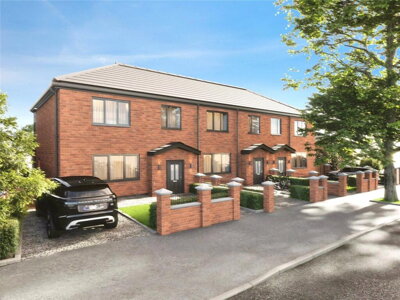
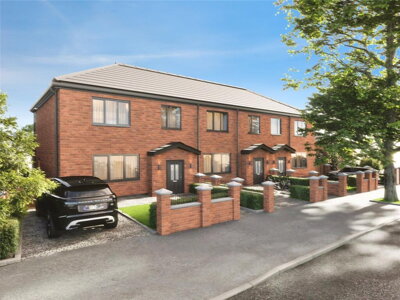
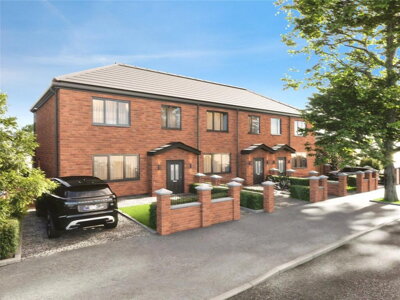
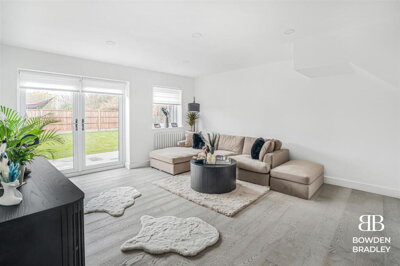
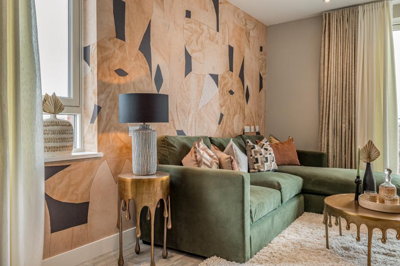
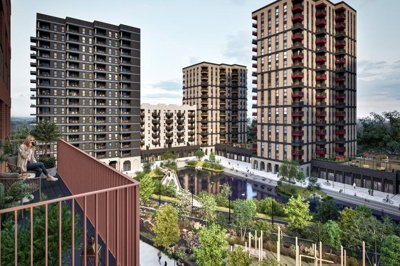
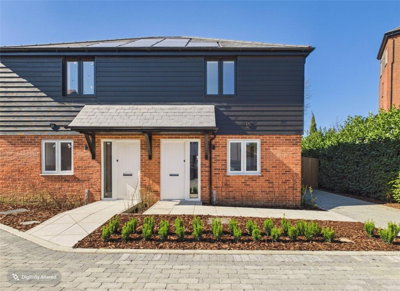
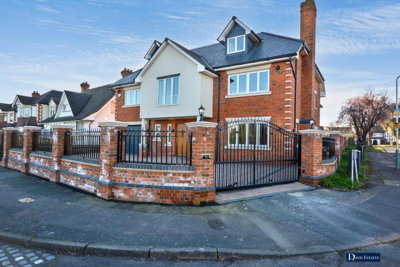
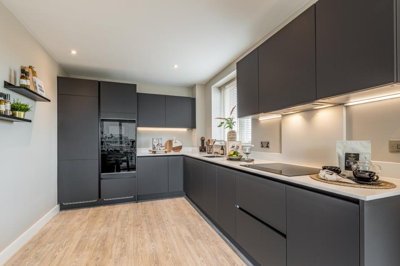
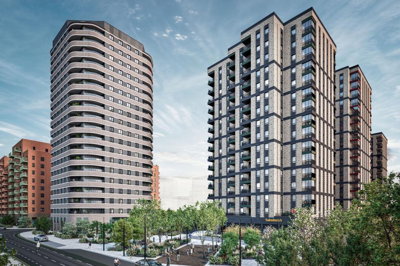
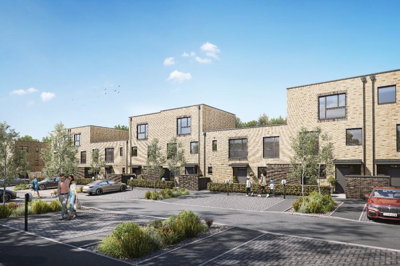
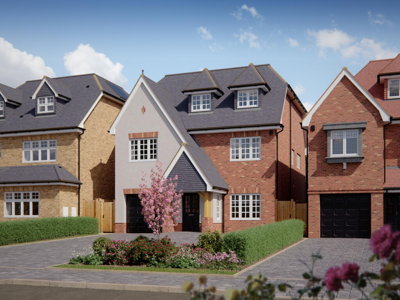
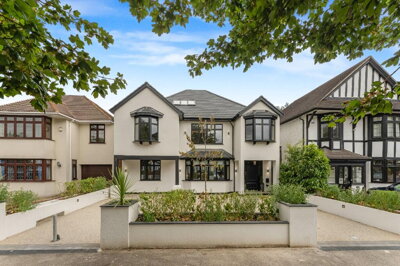
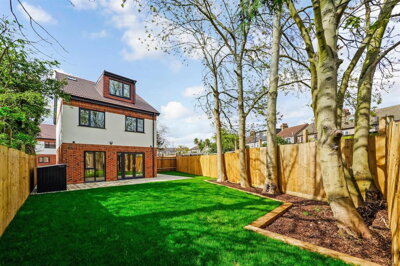
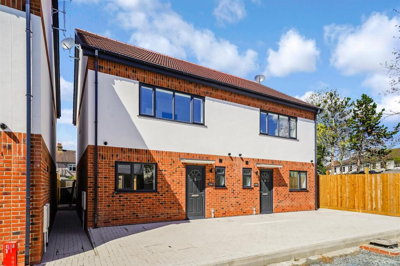
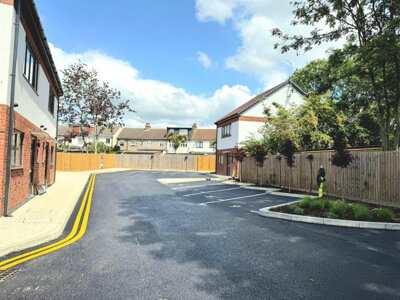
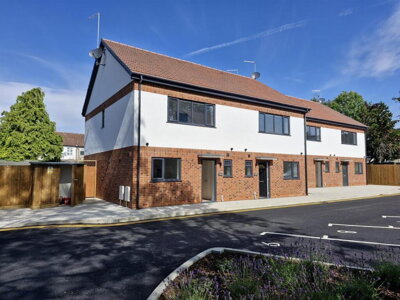
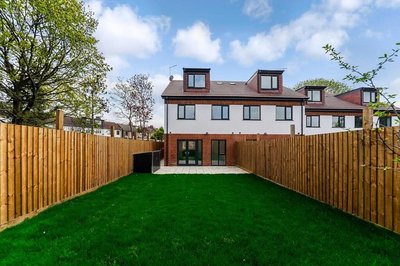
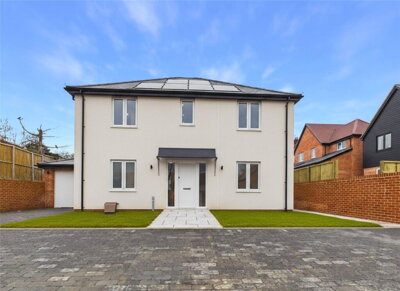
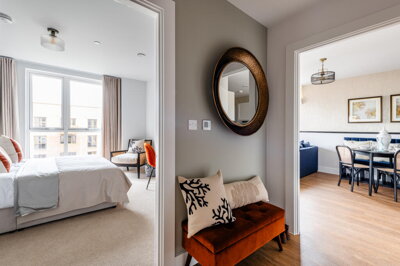
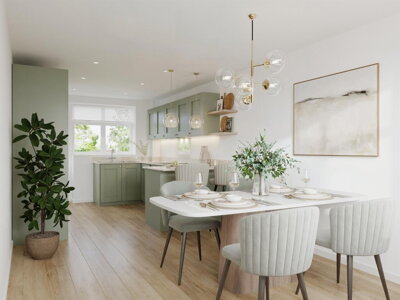
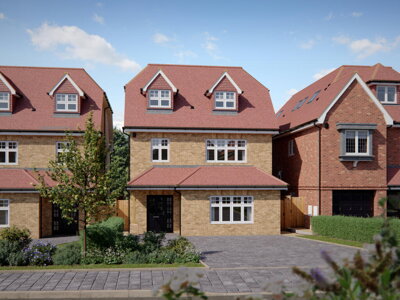
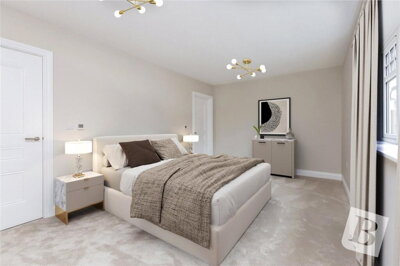
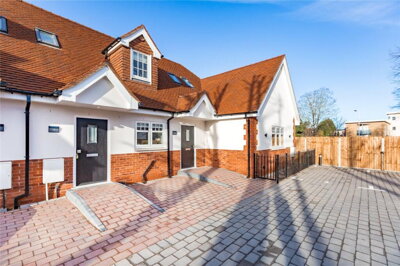
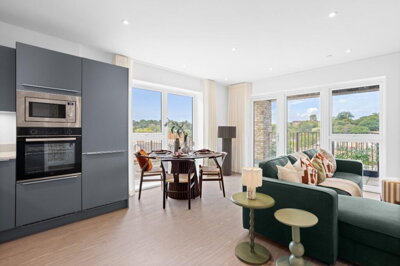
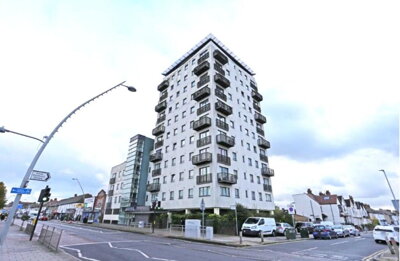
Browse 95 homes new builds in London Borough of Havering from local developer agents.
The Havering property market has demonstrated consistent resilience and growth, with average house prices increasing by 5.4% from December 2024 to December 2025. The current average property price stands at £452,000, with the most recent data from February 2026 suggesting prices have climbed to around £475,000. This upward trajectory reflects strong buyer demand driven by improved transport links and the borough's reputation for family-friendly living. Our listings data shows active opportunities across all property types, from starter homes to executive detached houses.
Property types in Havering span a wide price spectrum to accommodate different budgets and preferences. Detached houses command the highest prices, averaging £835,000, offering generous accommodation and garden space for families requiring room to grow. Semi-detached properties, which comprise 36.4% of all sales in the borough, average £542,000 and represent the most popular choice for buyers seeking a balance between space and affordability. Terraced homes average £439,000 and remain particularly attractive to first-time buyers and investors, while flats and maisonettes start from around £258,000, providing an accessible entry point to the London property market.
New build activity remains limited in Havering, with only 0.3% of sales in 2023 being newly constructed properties, suggesting strong demand for the existing housing stock. The average discount for new build properties compared to existing equivalents was approximately £160,640, with flats making up 67% of new build sales. This scarcity of new development means that buyers seeking modern finishes and energy-efficient homes may need to look more carefully at recently renovated properties or consider the additional costs of updating older stock to modern standards.

The London Borough of Havering offers a distinctive blend of urban convenience and suburban calm that has made it increasingly popular among London buyers seeking more space without abandoning city connectivity. The borough's population has grown substantially over the past decade, increasing from around 237,200 residents in 2011 to approximately 262,100 in 2021, with estimates suggesting the population now approaches 276,000. This growth reflects Havering's transformation into one of London's most desirable outer-borough locations, attracting families drawn to its excellent schools, extensive parks, and strong community atmosphere.
The character of Havering varies significantly across its neighbourhoods, from the historic village atmosphere of Havering-atte-Bower to the bustling town centre of Romford. In Havering-atte-Bower specifically, the housing mix reflects a more affluent character with 27% detached properties, 42% semi-detached, 17% terraced, and 14% other property types. The borough boasts over 1,600 acres of public open space, including the expansive Havering Country Park and numerous local parks that provide recreational opportunities for residents. Romford serves as the commercial heart of the borough, offering extensive shopping facilities, restaurants, and entertainment options alongside its historic market town heritage.
The predominant construction materials in Havering reflect the borough's development history, with most properties built using traditional brickwork methods common throughout London and the South East. Older Victorian and Edwardian properties typically feature London stock brick, while inter-war and post-war housing uses cavity wall construction where properties were built after the 1920s. Pitched roofs predominate, covered with clay or concrete tiles depending on the era of construction. When purchasing period properties, buyers should be aware that traditional construction methods may require more maintenance than modern builds, but often offer superior solidity and character that newer properties cannot replicate.

The London Borough of Havering boasts a strong educational landscape that makes it particularly attractive to families considering a move to the area. The borough is home to numerous primary and secondary schools, with several achieving excellent Ofsted ratings and strong academic results. Parents buying property in Havering have access to a range of educational options including community schools, academy converters, and faith schools, providing choices to suit different family preferences and values. The presence of quality schools throughout the borough, including in areas like Emerson Park, Gidea Park, and Cranham, has contributed significantly to rising property values in school catchment zones.
Secondary education in Havering includes several highly regarded schools that regularly appear in regional rankings for academic performance. The borough features a mix of comprehensive schools and selective grammar school options, with admission policies that vary by institution. For families considering sixth-form education, Havering offers sixth-form colleges and school sixth forms providing a pathway to higher education. The demand for properties near top-performing schools remains consistently high, with many buyers specifically targeting catchment areas when searching for homes. School catchment boundaries can shift year by year, and properties that fall within desirable zones often retain their premium value even during broader market fluctuations, making early research into admissions criteria essential for families with children of school age.
Transport connectivity is one of Havering's strongest assets, with the borough benefiting significantly from the Elizabeth Line which has transformed commuting times to central London and beyond. Romford station provides regular services into London Liverpool Street, while other stations in the borough offer additional route options for residents. The Elizabeth Line extension has been a key factor in Havering's rising popularity, reducing journey times to key destinations including Canary Wharf, Bond Street, and Heathrow Airport. This improved connectivity has made Havering an increasingly practical choice for commuters who previously might have considered locations closer to central London.
Beyond rail services, Havering benefits from excellent bus connections operated by Transport for London, providing extensive coverage throughout the borough and connections to neighbouring areas. The borough is served by the A12 and A127 trunk roads, offering straightforward access to the M25 motorway network for those who travel by car. Local cycling infrastructure has improved in recent years, with several shared-use paths and cycle routes making cycling a viable option for shorter journeys. For air travel, London City Airport is accessible via public transport, while Stansted Airport is reachable via direct rail connections. Residents should note that parking availability varies across the borough, with permit schemes in operation in certain areas close to major stations. When viewing properties near railway stations, it is worth investigating local parking provisions and any resident permit schemes operated by the borough council.
Explore different areas within Havering to find the neighbourhood that best suits your lifestyle. Consider proximity to schools, transport links, parks, and local amenities. Romford offers urban convenience with its shopping and entertainment options, while areas like Upminster and Hornchurch provide a more suburban feel with family-oriented facilities. Havering-atte-Bower appeals to those seeking a village atmosphere with historic character, though properties in this area typically command a premium due to limited supply and the desirable village setting.
Before arranging viewings, obtain a mortgage agreement in principle from a lender. This strengthens your position when making offers and demonstrates to sellers that you have financing secured. Our mortgage comparison tool helps you find competitive rates from multiple lenders. Given Havering's average property price of around £452,000, most buyers will require a mortgage in the region of £350,000 to £400,000 for typical purchases, though this varies based on deposit size and individual circumstances.
Use Homemove to browse all available properties in Havering and arrange viewings with local estate agents. Take notes on property condition, potential issues, and proximity to your requirements. Consider viewing properties in different conditions to understand the price differences between well-maintained homes and those requiring renovation. The significant proportion of inter-war and post-war properties in Havering means many homes may benefit from updating of electrical systems, heating installations, or cosmetic improvements.
Before purchasing any property, particularly older homes in Havering's established neighbourhoods, commission a RICS Level 2 Survey to identify any structural issues or defects. Properties on London Clay may be susceptible to subsidence, so a thorough survey is essential. Our RICS Level 2 Survey in Havering starts from £400 and provides a comprehensive assessment of the property's condition, identifying issues ranging from subsidence risk and damp problems to roof defects and outdated electrics. This investment can save thousands in unexpected repair costs and provides crucial negotiating leverage if defects are identified.
Once your offer is accepted, instruct a solicitor to handle the legal aspects of your purchase. Your conveyancer will conduct searches, review contracts, and manage the transfer of ownership. Our conveyancing service connects you with experienced property solicitors who understand the local market. Searches carried out during conveyancing include local authority checks for planning restrictions, conservation areas, and listed building status, which are particularly relevant in Havering where these designations affect certain properties.
Your solicitor will guide you through the final stages, including exchange of contracts and completion. On completion day, you will receive your keys and can move into your new Havering home. Ensure you have buildings insurance in place from the date of exchange, as you become legally responsible for the property at this point. Our team can arrange insurance quotes to ensure your new home is protected from day one.
Property buyers in the London Borough of Havering should familiarise themselves with the common defects that affect the borough's housing stock. Given the significant proportion of properties built during the inter-war and post-war periods, several recurring issues warrant careful attention during property surveys and viewings. Understanding these potential problems helps buyers make informed decisions and factor anticipated repair costs into their budgets.
Damp represents one of the most frequently encountered issues in Havering's older properties, manifesting as rising damp, penetrating damp, or condensation-related problems. Victorian and Edwardian terraced properties without modern damp-proof courses are particularly susceptible, as are properties where original ventilation has been compromised by modern improvements such as double glazing installed without adequate background ventilation. Our inspectors routinely identify damp issues during surveys, and the cost of professional treatment can range from a few hundred pounds for minor condensation problems to several thousand pounds for comprehensive rising damp remediation involving chemical damp-proof course installation and replastering.
The underlying London Clay geology that underlies much of Havering creates a specific subsidence and heave risk for properties in the borough. Clay soils shrink during prolonged dry periods and swell during wet spells, causing ground movement that can damage foundations and structural walls. Properties with shallow foundations, those with large trees positioned close to the building, or homes with inadequate drainage are particularly vulnerable. Signs of subsidence include diagonal cracking extending from corners of windows or doors, floors that slope noticeably, and doors or windows that stick or fail to close properly. A RICS Level 2 Survey will assess foundation condition and identify any signs of historic or ongoing movement.
Electrical and plumbing systems in properties over 50 years old are highly likely to require updating to meet current safety standards and regulations. Original wiring from the inter-war period may still be in service in some properties, posing fire risks and failing to cope with modern electrical demands. Lead pipes, which were commonly installed until the mid-20th century, remain in some older properties and represent a health hazard requiring replacement. When our inspectors examine properties, they assess the condition and age of these essential services and flag any systems that require immediate attention or near-future replacement.
Property buyers considering the London Borough of Havering should be aware of several area-specific factors that can affect their purchase. The underlying geology of the area, with London Clay prevalent across much of the borough, presents a potential shrink-swell risk that can lead to subsidence issues in susceptible properties. This is particularly relevant for older properties with shallow foundations or those with large trees positioned close to the building structure. When viewing properties, look for signs of subsidence such as cracking to walls, doors that stick, or uneven floors. A thorough RICS Level 2 Survey will identify any structural concerns and help you make an informed decision before committing to purchase.
The borough contains several conservation areas where planning restrictions apply to preserve character and protect historic buildings. Properties within these designated areas may be subject to additional planning controls affecting alterations, extensions, and even external decoration. The council maintains a register of listed buildings, and any works to these properties require special consent from the planning authority. For leasehold properties, which are common especially for flats, prospective buyers should carefully examine the terms including remaining lease length, ground rent obligations, and service charge provisions. Service charges can vary significantly between developments and should be factored into overall affordability calculations.
Flood risk in Havering requires consideration, particularly for properties near watercourses or in areas prone to surface water accumulation. While the borough is not coastal and therefore not subject to tidal flooding, local drainage issues can cause problems during periods of heavy rainfall. Our conveyancing solicitors conduct appropriate drainage and water searches through Thames Water or Anglian Water as part of the standard property purchase process, flagging any relevant flood risk or drainage concerns that affect the property. The Havering local authority handles council tax bands, which can be confirmed through official records before purchase.
The average house price in Havering currently stands at approximately £452,000 as of late 2025, with more recent data suggesting prices have risen to around £475,000 by early 2026. Property prices have increased by 5.4% over the past year, reflecting strong demand in the borough. Prices vary significantly by property type, with detached houses averaging £835,000, semi-detached properties at £542,000, terraced homes at £439,000, and flats starting from £258,000. Havering remains one of the more affordable outer-London boroughs while benefiting from excellent transport connections via the Elizabeth Line.
Council tax bands in the London Borough of Havering range from Band A for the lowest-value properties through to Band H for the most expensive homes, with most residential properties falling in Bands B through E. The specific band depends on the property's assessed value as determined by the Valuation Office Agency, and you can check the council tax band for any specific property through official government records or the Havering Council website. Council tax charges in Havering are set by Havering London Borough Council and include charges for both the borough council services and the Greater London Authority precept. Properties in different streets within the same borough can fall into different bands depending on their assessed values, so confirming the specific band for your target property is essential for accurate budget planning.
Havering offers a good selection of schools across all levels, with several primary and secondary schools achieving strong Ofsted ratings and impressive academic results in recent years. The borough includes both community schools and faith schools, plus options for selective grammar school entry for academically able students. Popular areas for families include Gidea Park, Emerson Park, and Cranham, which are known for their concentration of highly-performing schools that regularly appear in regional rankings. School catchment areas can significantly affect property values in these desirable zones, with homes near top-rated schools often commanding premiums of 10-15% compared to equivalent properties outside the catchment. Parents are advised to check current Ofsted reports and examination results when considering specific areas, as school performance can change over time.
Havering benefits from excellent public transport connections, particularly following the introduction of the Elizabeth Line which has transformed commuting options throughout the borough. Romford station provides regular services to London Liverpool Street and connections to the wider rail network, while Gidea Park and other stations offer additional access points to the Elizabeth Line and mainline services. Journey times to central London from stations like Romford and Gidea Park typically range from 30-45 minutes depending on the destination, making daily commuting practical for those working in the City or Canary Wharf. The borough is also served by multiple bus routes operated by Transport for London, providing extensive coverage throughout the area for local journeys. For drivers, the A12 and A127 provide access to the M25 orbital motorway, connecting Havering to the wider road network.
Havering has proven to be a solid investment destination, with property prices increasing by 5.4% over the past year and the borough's population growing from around 237,200 in 2011 to approximately 276,000 today. The Elizabeth Line has significantly improved the borough's appeal to commuters, supporting continued demand for housing and rental properties in the area. Rental yields in Havering are competitive for the London market, and the borough's relative affordability compared to inner-London areas attracts both first-time buyers and property investors seeking stronger yields. The limited new build supply, with only 0.3% of sales being new properties, suggests sustained demand for existing stock that is unlikely to be met by new development in the short term. As with any property investment, buyers should consider their investment horizon and local market conditions before committing.
Stamp Duty Land Tax rates for residential properties in England are 0% on the first £250,000 of purchase price, 5% on the portion from £250,001 to £925,000, 10% on £925,001 to £1.5 million, and 12% on any amount above £1.5 million. First-time buyers benefit from relief on the first £425,000, paying 5% on the portion from £425,001 to £625,000, with no relief available above £625,000. For example, on a typical Havering property priced at £450,000, a first-time buyer would pay no stamp duty on the first £425,000 and 5% on the remaining £25,000, totalling £1,250. Non-first-time buyers purchasing the same property would pay £10,000 in SDLT, calculated as nothing on the first £250,000 plus 5% on the remaining £200,000. You should calculate your specific stamp duty liability based on your purchase price and buyer status before proceeding with your property search.
Key risks to consider when buying in Havering include the potential for subsidence in properties built on London Clay, which can be exacerbated by prolonged dry weather or large trees positioned close to foundations that draw moisture from the soil. Older properties may contain asbestos in materials such as Artex, insulation, and old pipe lagging, particularly those built before the year 2000 when asbestos use in construction was finally banned. Conservation areas and listed buildings impose planning restrictions that limit what owners can do with their properties, requiring special consent for alterations that would normally be permitted development. For leasehold properties, high service charges or short lease lengths can affect future saleability and add significant costs to ownership. We recommend commissioning a RICS Level 2 Survey before purchase to identify any defects or risks specific to the property you are considering.
While the London Borough of Havering is not coastal and therefore not at risk from tidal flooding, certain properties may be subject to surface water flooding or flooding from local watercourses during periods of intense rainfall. Local drainage searches conducted during the conveyancing process will reveal whether the property falls within any identified flood risk zones, and we strongly recommend requesting this information before proceeding with a purchase. Properties with large gardens or those near streams and drainage channels should be viewed with particular attention to drainage history and any evidence of previous flooding. Buildings insurance costs can be higher for properties in identified flood risk areas, so factoring these potential costs into your budget calculations is advisable when considering properties in affected locations.
Understanding the full cost of purchasing property in the London Borough of Havering extends beyond the advertised price. Stamp Duty Land Tax represents one of the largest upfront costs, and calculating this correctly is essential for budgeting purposes. For residential purchases, the standard SDLT threshold is £250,000, with rates increasing through bands up to 12% for properties exceeding £1.5 million. On a typical Havering property priced at £450,000, a non-first-time buyer would pay £10,000 in stamp duty, calculated as nothing on the first £250,000 plus 5% on the remaining £200,000. First-time buyers benefit from a higher threshold of £425,000, which can significantly reduce their SDLT liability on properties within that range.
Beyond stamp duty, buyers should budget for additional costs including solicitor fees for conveyancing, which typically range from £500 to £2,000 depending on complexity and whether the transaction involves a leasehold property with additional documentation. A RICS Level 2 Survey costs from around £400 to £1,000 depending on property size and value, while an Energy Performance Certificate is a mandatory requirement costing from approximately £85. Mortgage arrangement fees vary by lender but can amount to several thousand pounds, though some deals offer fee-free mortgages that may suit buyers who prefer lower upfront costs. Buyers purchasing flats should also consider service charges and ground rent provisions within the lease, as these ongoing costs affect affordability calculations. Factor in removal costs, potential renovation expenses, and building insurance to arrive at a complete budget for your Havering home purchase.
Properties New Builds In London

Properties New Builds In Plymouth

Properties New Builds In Liverpool

Properties New Builds In Glasgow

Properties New Builds In Sheffield

Properties New Builds In Edinburgh

Properties New Builds In Coventry

Properties New Builds In Bradford

Properties New Builds In Manchester

Properties New Builds In Birmingham

Properties New Builds In Bristol

Properties New Builds In Oxford

Properties New Builds In Leicester

Properties New Builds In Newcastle

Properties New Builds In Leeds

Properties New Builds In Southampton

Properties New Builds In Cardiff

Properties New Builds In Nottingham

Properties New Builds In Norwich

Properties New Builds In Brighton

Properties New Builds In Derby

Properties New Builds In Portsmouth

Properties New Builds In Northampton

Properties New Builds In Milton Keynes

Properties New Builds In Bournemouth

Properties New Builds In Bolton

Properties New Builds In Swansea

Properties New Builds In Swindon

Properties New Builds In Peterborough

Properties New Builds In Wolverhampton

Enter your details to see if this property is within your budget.
Loans, cards, car finance
Estimated property budget
Borrowing + deposit
You could borrow between
Typical borrowing
Monthly repayment
Est. at 4.5%
Loan-to-value
This is an estimate only. Your actual budget may vary depending on interest rates, credit history, and personal circumstances. For an accurate affordability assessment, speak to one of our free mortgage advisors.
This calculator provides estimates for illustrative purposes only and does not constitute financial advice. Your home may be repossessed if you do not keep up repayments on your mortgage. Estimates based on 4.5% interest rate, repayment mortgage. Actual rates depend on your circumstances.
Homemove is a trading name of HM Haus Group Ltd (Company No. 13873779, registered in England & Wales). Homemove Mortgages Ltd (Company No. 15947693) is an Appointed Representative of TMG Direct Limited, trading as TMG Mortgage Network, which is authorised and regulated by the Financial Conduct Authority (FRN 786245). Homemove Mortgages Ltd is entered on the FCA Register as an Appointed Representative (FRN 1022429). You can check registrations at NewRegister or by calling 0800 111 6768.

We use cookies to show you personalised content and improve your experience of our website. Find out more in our Privacy policy and Cookie policy.