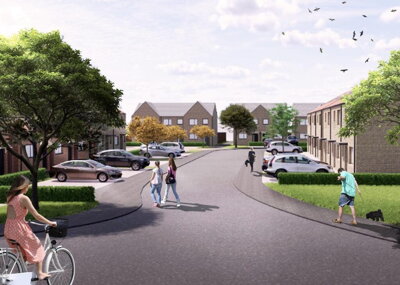
Browse 1 home new builds in London Borough of Harrow from local developer agents.
The larger property sector typically features multiple bathrooms, substantial reception space, and private gardens or off-street parking. Four bedroom houses in London Borough Of Harrow span detached, semi-detached, and occasionally terraced configurations, with styles ranging from period properties to modern executive homes.
The Harrow property market presents diverse opportunities across all price points and property types. The average house price of £560,782 reflects the borough's popularity as a residential destination, with detached properties averaging £938,973, semi-detached homes at £626,674, terraced houses at £492,028, and flats starting from £329,668. This price stratification means buyers can find everything from affordable starter flats to substantial family homes within a relatively compact geographic area. The market has shown consistent resilience, with property values increasing by 1.76% over the past twelve months, indicating steady demand from buyers who recognise Harrow's enduring appeal.
There have been 1,757 property sales completed in Harrow over the last twelve months, demonstrating active market conditions and healthy liquidity for sellers and buyers alike. The breakdown of housing stock shows semi-detached houses comprise 36.6% of dwellings, flats and maisonettes at 30.6%, terraced houses at 18.2%, and detached properties at 14.2%. Several significant new-build developments are currently active in the HA1 postcode area of central Harrow, offering contemporary homes for those preferring modern specification.
Eastman Village, developed by Barratt London, presents 1, 2, 3, and 4-bedroom homes priced between £330,000 and £699,000. The Hive by Catalyst offers 1, 2, and 3-bedroom apartments from £345,000, while Lyon Square from Redrow and Lexicon from Galliard Homes provide additional options for buyers seeking new-build apartments in the heart of Harrow. These developments contribute to the growing choice available to buyers in the borough while maintaining the character that makes Harrow a desirable place to live.

The London Borough of Harrow is home to a population of 261,889 residents across 89,800 households, creating a vibrant and diverse community that blends suburban tranquility with metropolitan convenience. The borough's housing stock reflects its varied architectural heritage, with properties ranging from compact apartments to generous family homes depending on their needs and budget. The population density and community spirit make Harrow feel like a genuine neighbourhood rather than just another London borough.
Harrow's character is shaped by its distinctive geography and history. The borough sits on predominantly London Clay geology, which has influenced local building traditions and continues to affect property conditions today. Numerous conservation areas preserve the special architectural and historic character of locations like Harrow on the Hill, Pinner Village, Stanmore Hill, and Roxeth Hill, where historic school buildings, churches, farmhouses, and notable private residences create areas of genuine visual interest. The borough benefits from excellent local amenities, including St Ann's and St George's shopping centres, numerous parks and green spaces, and a wide selection of restaurants, cafes, and independent shops that serve the local community.
The presence of Harrow School, one of Britain's most prestigious independent schools founded in 1572, adds cultural significance and contributes to the area's established, family-oriented atmosphere. Key employers including Northwick Park Hospital, the University of Westminster Harrow Campus, and the strong professional and administrative services sector support local employment and housing demand. The combination of these factors creates a virtuous circle where good schools, employment opportunities, and quality housing stock reinforce each other's appeal to buyers.

Education is a major draw for families considering Harrow as a place to live. The borough hosts several highly regarded educational institutions, with Harrow School standing as one of Britain's oldest and most prestigious public schools, founded in 1572 and attracting students from across the globe. The school occupies a prominent position on Harrow on the Hill, with its iconic blue-capped students and historic buildings contributing significantly to the borough's character and international reputation.
For state education, Harrow maintains a selective system with several highly sought-after grammar schools, including Harrow High School, Nower High School, and Hatch End High School, which consistently perform well in borough league tables. Parents should be aware that grammar school admission depends on passing the 11-plus entrance examination, and properties within specific catchment areas receive priority consideration for other state schools. Primary schools in Harrow include Grander Nursery and Primary School, Roxeth Primary School, and Saint Jerome's Bilingual School, serving younger children across the borough.
The University of Westminster maintains a campus in Harrow, providing higher education opportunities within the borough for students seeking undergraduate and postgraduate degrees without travelling to central London. Further education colleges serve students seeking vocational qualifications and professional development, with courses ranging from business and computing to construction trades and healthcare. The strong educational infrastructure makes Harrow particularly attractive to families with children of all ages, from nursery through sixth form and beyond, contributing to sustained demand for family-sized properties in areas with access to the best-performing schools.
Harrow offers excellent transport connections that make commuting to Central London and beyond highly convenient. The Metropolitan Line provides direct access to Baker Street and the City, with Harrow-on-the-Hill station offering fast services into central London. Additional Overground services connect the borough to wider London and beyond via the Chiltern mainline, while the Piccadilly line serves several stations across the borough, providing access to Heathrow Airport, Central London, and the wider Tube network. This comprehensive public transport provision significantly enhances Harrow's appeal to commuters who work in the City, Canary Wharf, or other central London business districts.
For those who drive, Harrow's location provides easy access to major road networks including the A40 Western Avenue, the M1 motorway to the north, and the M25 orbital motorway. Several bus routes operate throughout the borough, connecting Harrow to neighbouring areas including Barnet, Brent, and Hillingdon, providing local transport options for those who prefer public buses to rail services. The borough benefits from good cycling infrastructure, with dedicated cycle lanes along several major routes and connections to the wider London cycling network.
Parking availability varies by area, with some residential streets offering permit parking schemes while newer developments typically include allocated parking spaces. Those considering purchasing in areas like Harrow on the Hill, Pinner, or Stanmore should check specific parking arrangements as these popular residential areas can have competitive on-street parking. The combination of these transport options ensures that residents can travel around Greater London efficiently, whether they commute daily to central offices or work flexibly from home.
Before viewing any properties, obtain a mortgage agreement in principle from a lender to understand your budget. Harrow properties range from £329k flats to £938k detached houses, so knowing your ceiling helps narrow your search effectively. Factor in additional costs including SDLT, solicitor fees, survey costs, and moving expenses when calculating your total budget.
Explore different neighbourhoods within the borough, from conservation areas like Harrow on the Hill with their period properties to modern developments near Harrow-on-the-Hill station. Consider commute times to your workplace, school catchment areas if you have children, and proximity to local amenities such as shops, parks, and restaurants when choosing your target area.
Once you have identified suitable properties, schedule viewings through Homemove or directly with estate agents. View multiple properties in your preferred areas to compare condition, specification, and value. Take notes and photographs to help compare options later, and consider visiting properties at different times of day to assess noise levels, traffic, and neighbourhood character.
Before committing to purchase, commission a RICS Level 2 Survey to assess the property condition. Given Harrow's London Clay geology, surveys are particularly important to check for signs of subsidence, damp, or structural movement in properties of all ages. With 60-70% of Harrow's housing stock over 50 years old, survey reports frequently identify defects such as roof deterioration, timber issues, and outdated electrics that require attention.
Choose an experienced property solicitor to handle the legal aspects of your purchase. They will conduct searches including local authority, drainage, environmental, and planning searches, review contracts, and coordinate with your mortgage lender to ensure a smooth transaction through to completion. Budget approximately £499 to £1,500 for conveyancing depending on property complexity.
Property buyers in Harrow should be aware of several area-specific factors that can affect their purchase. The predominant London Clay geology poses a moderate to high risk of subsidence and heave, particularly for properties with shallow foundations or those situated near large mature trees. Trees such as oak, poplar, and willow have extensive root systems that extract moisture from the clay soil, potentially causing it to shrink and foundations to move. A thorough RICS Level 2 Survey is essential for identifying any existing subsidence or heave damage and assessing the overall structural integrity of the property.
Building construction in Harrow typically features traditional cavity wall construction with brick outer leaf for inter-war and post-war properties, while older buildings may have solid brick walls. Pitched roofs with clay or concrete tiles are prevalent, and many properties feature render or pebbbledash finishes particularly on older extensions. Properties constructed before 1980 commonly have timber floor joists, cut timber roof structures, and may contain outdated wiring or plumbing systems that require updating to meet current standards. Properties built before 2000 may potentially contain asbestos-containing materials that require specialist assessment.
Flood risk is another consideration for Harrow property buyers. While coastal erosion is not relevant to this inland borough, areas near the River Pinn and its tributaries, particularly in Pinner, Eastcote, and Ruislip, are susceptible to fluvial flooding. Surface water flooding presents a more widespread risk across the borough, especially in low-lying areas or where drainage systems become overwhelmed during heavy rainfall. The Environment Agency provides detailed flood risk maps that buyers should consult for any specific property. Properties within conservation areas such as Harrow on the Hill, Pinner Village, Stanmore Hill, and Roxeth Hill may be subject to additional planning restrictions that limit permitted development rights and require approval for external alterations.
Our inspectors regularly identify several recurring defect patterns when surveying properties across the London Borough of Harrow. Understanding these common issues helps buyers prioritise their investigations and budget appropriately for potential repairs. The age profile of Harrow's housing stock, with significant development during the pre-1919, inter-war, and post-war periods, means that many properties share similar construction characteristics and associated defect patterns.
Damp-related issues feature prominently in Harrow surveys due to the age of many properties and the local soil conditions. Rising damp occurs when moisture from the ground travels up through porous brickwork, while penetrating damp results from deterioration of external elements such as roof coverings, chimneys, or render finishes. Condensation issues are common in properties with inadequate ventilation, particularly in newer builds where air-tightness standards are high but ventilation provision may be insufficient. Our surveyors check walls, floors, and ceilings throughout the property for signs of damp using moisture meters and visual inspection.
Roof defects are among the most frequently reported issues in Harrow properties. Pitched roofs commonly show wear and tear including missing or slipped tiles, deteriorating felt underlay, and failed leadwork around chimneys and penetrations. Flat roof sections, often found on porches, extensions, and outbuildings, frequently display blistering, cracking, or ponding where water accumulates. Timber defects including wet rot, dry rot, and woodworm infestations affect roof timbers, floor joists, and window frames, particularly in properties where maintenance has been deferred. Drainage issues, often exacerbated by tree root intrusion, cause damp problems and require CCTV drain surveys to fully assess the extent of any damage.
The average house price in the London Borough of Harrow is currently £560,782, based on recent market data. Property prices vary significantly by type, with detached houses averaging £938,973, semi-detached properties at £626,674, terraced houses at £492,028, and flats at £329,668. The market has shown steady growth with a 1.76% increase over the past twelve months, and 1,757 property sales were completed in the borough during this period. Harrow continues to offer relatively good value compared to more central London boroughs while maintaining excellent transport connections.
Properties in the London Borough of Harrow are assessed by Harrow London Borough Council for council tax purposes. Bands range from A through H, with the actual amount payable depending on the property's assessed value and the current council tax rate set by the local authority. Band D is often used as a benchmark, and buyers can check specific bandings on the Valuation Office Agency website using the property address. First-time buyers and those on low incomes may be eligible for council tax support or exemption schemes administered by the council. The council also offers discounts for single occupancy and reductions for disability adaptations.
Harrow offers excellent educational provision at all levels. Harrow School itself is one of Britain's most prestigious independent schools, founded in 1572 and located on the iconic Harrow on the Hill. The borough maintains several highly selective grammar schools including Harrow High School, Nower High School, and Hatch End High School, which regularly feature in London secondary school performance tables. Primary schools such as Grander Nursery and Primary School and Roxeth Primary School serve younger children, and the University of Westminster has a campus within the borough providing higher education opportunities. School performance data is available through Ofsted reports, and parents should note that grammar school admission requires passing the 11-plus examination, with catchment areas playing a key role for other state schools.
Harrow benefits from excellent public transport connections that make it popular with commuters. The Metropolitan Line provides direct services from Harrow-on-the-Hill to Baker Street and the City, with fast trains reaching central London in around 25 minutes. Overground and Chiltern mainline services offer additional routes from Harrow and Wealdstone stations, while several Piccadilly line stations serve the borough providing access to Central London, Heathrow Airport, and the wider Tube network. An extensive bus network operates throughout Harrow and connects to neighbouring boroughs including Barnet, Brent, and Hillingdon, while the A40 Western Avenue, M1 motorway, and M25 orbital road provide road connections for those who drive. Cycling infrastructure has improved in recent years with dedicated lanes on major routes and connections to the wider London cycling network.
Harrow represents a solid investment opportunity for several reasons. The borough's proximity to Central London ensures consistent demand from commuters, while its diverse housing stock appeals to a wide range of buyers and tenants. Property values have shown steady growth of 1.76% over the past year, and the active market with over 1,700 sales in twelve months indicates healthy liquidity for sellers. Major new-build developments like Eastman Village, The Hive, Lyon Square, and Lexicon are attracting further investment to the area and bringing new amenities to the borough. The presence of strong local employers including Harrow School, Northwick Park Hospital, and the University of Westminster supports employment and housing demand. However, as with any property investment, buyers should conduct thorough research and consider factors such as lease terms, service charges, and potential maintenance costs.
Stamp Duty Land Tax rates for standard buyers in 2024-25 are 0% on the first £250,000 of property value, 5% on the portion from £250,001 to £925,000, 10% on the portion from £925,001 to £1.5 million, and 12% on any amount above £1.5 million. First-time buyers benefit from increased thresholds with 0% on the first £425,000, 5% on the portion from £425,001 to £625,000, with no relief available above £625,000. For example, a first-time buyer purchasing a flat at the Harrow average price of £329,668 would pay no SDLT, while a £560,782 purchase would incur SDLT on the amount above £425,000, totalling approximately £6,789. Additional 3% surcharge applies for second properties and investment purchases.
Period properties in Harrow, particularly those in conservation areas like Harrow on the Hill, Pinner Village, Stanmore Hill, and Roxeth Hill, often feature traditional construction methods that require careful inspection. Properties built before 1919 typically have solid brick walls, timber floors, and cast iron plumbing that may need updating. The London Clay geology in these areas poses a particular risk for properties with shallow foundations, and our surveyors check for signs of subsidence, cracking, and movement in walls and chimney stacks. Conservation area properties may also have restrictions on external alterations, so buyers should check with Harrow London Borough Council planning department before committing to any renovation plans.
Several new-build developments are currently available in Harrow's HA1 postcode area, offering modern specification and often benefits such as new build warranties. Eastman Village by Barratt London offers 1 to 4-bedroom homes from £330,000 to £699,000 on the former Kodak site. The Hive by Catalyst provides 1 to 3-bedroom apartments from £345,000, while Lyon Square from Redrow and Lexicon from Galliard Homes offer additional options for buyers seeking contemporary apartments. New-build properties typically have lower maintenance requirements initially, but buyers should factor in service charges, ground rent terms, and the premium that new-build command into their investment calculations.
Understanding the full cost of buying a property in Harrow is essential for budgeting effectively. Beyond the purchase price, buyers should budget for Stamp Duty Land Tax, which for a standard purchase of a £560,782 property (the Harrow average) would incur SDLT at 5% on the amount above £250,000, totalling approximately £15,539. First-time buyers would pay significantly less under the increased thresholds, with SDLT only applying on amounts above £425,000, reducing the SDLT liability to approximately £6,789. Additional costs include mortgage arrangement fees typically ranging from £500 to £2,000 depending on the lender and product selected.
Survey costs for a RICS Level 2 Survey in Harrow typically range from £400 to £900 depending on property size and specification, with larger detached properties at the higher end of this range. Legal costs for conveyancing typically start from £499 for basic transactions but may be higher for leasehold properties, new builds, or those with complex titles including easements or covenants. Searches including local authority, drainage, environmental, and planning searches usually cost between £250 and £500, while Land Registry registration fees for transferring ownership total around £300 to £500 depending on property value.
Buyers should also budget for removals costs, potential renovation or repair costs identified in surveys, and contingency funds of around 10-15% of the purchase price for unexpected expenses. Given Harrow's London Clay geology and the age of many properties in the borough, additional investigation costs such as a specialist structural engineer's report or drain camera survey may sometimes be warranted if the Level 2 Survey identifies concerns. Properties within conservation areas may incur additional legal costs due to the complexity of title investigations and planning considerations.
Properties New Builds In London

Properties New Builds In Plymouth

Properties New Builds In Liverpool

Properties New Builds In Glasgow

Properties New Builds In Sheffield

Properties New Builds In Edinburgh

Properties New Builds In Coventry

Properties New Builds In Bradford

Properties New Builds In Manchester

Properties New Builds In Birmingham

Properties New Builds In Bristol

Properties New Builds In Oxford

Properties New Builds In Leicester

Properties New Builds In Newcastle

Properties New Builds In Leeds

Properties New Builds In Southampton

Properties New Builds In Cardiff

Properties New Builds In Nottingham

Properties New Builds In Norwich

Properties New Builds In Brighton

Properties New Builds In Derby

Properties New Builds In Portsmouth

Properties New Builds In Northampton

Properties New Builds In Milton Keynes

Properties New Builds In Bournemouth

Properties New Builds In Bolton

Properties New Builds In Swansea

Properties New Builds In Swindon

Properties New Builds In Peterborough

Properties New Builds In Wolverhampton

Enter your details to see if this property is within your budget.
Loans, cards, car finance
Estimated property budget
Borrowing + deposit
You could borrow between
Typical borrowing
Monthly repayment
Est. at 4.5%
Loan-to-value
This is an estimate only. Your actual budget may vary depending on interest rates, credit history, and personal circumstances. For an accurate affordability assessment, speak to one of our free mortgage advisors.
This calculator provides estimates for illustrative purposes only and does not constitute financial advice. Your home may be repossessed if you do not keep up repayments on your mortgage. Estimates based on 4.5% interest rate, repayment mortgage. Actual rates depend on your circumstances.
Homemove is a trading name of HM Haus Group Ltd (Company No. 13873779, registered in England & Wales). Homemove Mortgages Ltd (Company No. 15947693) is an Appointed Representative of TMG Direct Limited, trading as TMG Mortgage Network, which is authorised and regulated by the Financial Conduct Authority (FRN 786245). Homemove Mortgages Ltd is entered on the FCA Register as an Appointed Representative (FRN 1022429). You can check registrations at NewRegister or by calling 0800 111 6768.

We use cookies to show you personalised content and improve your experience of our website. Find out more in our Privacy policy and Cookie policy.