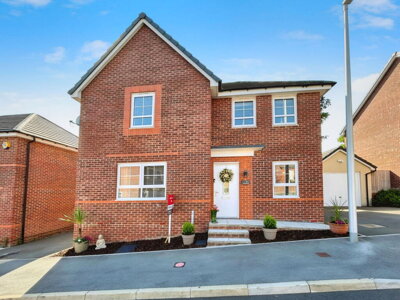
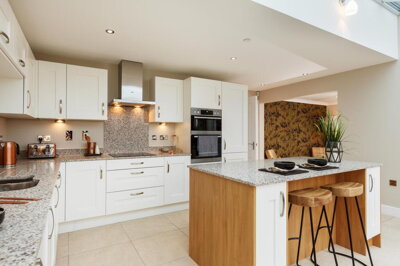
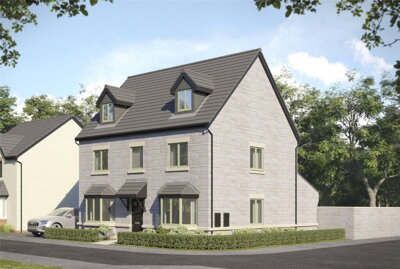
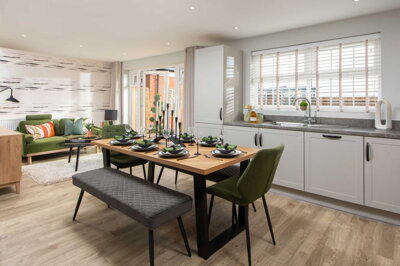
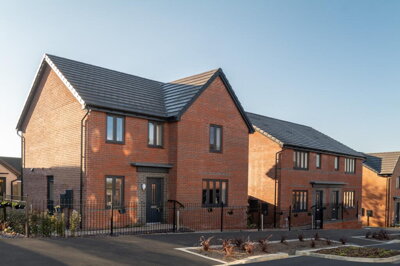
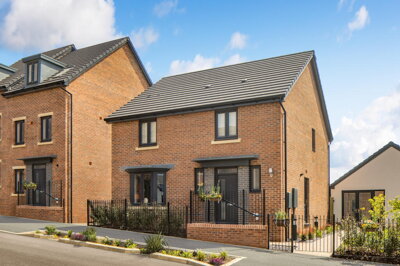
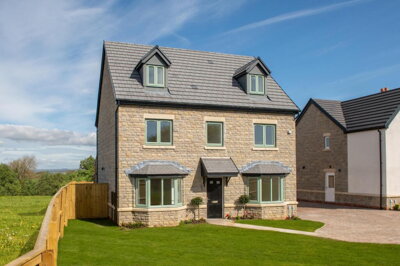
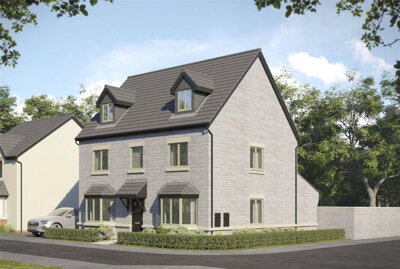
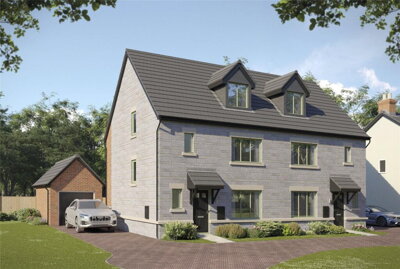
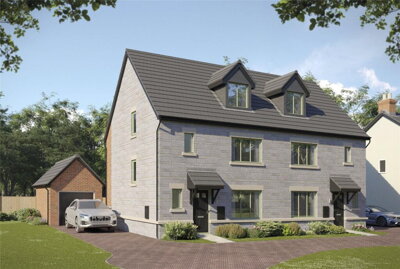
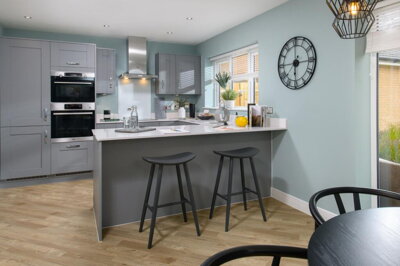
Browse 11 homes new builds in Llwchwr, Swansea from local developer agents.
The larger property sector typically features multiple bathrooms, substantial reception space, and private gardens or off-street parking. Four bedroom houses in Llwchwr span detached, semi-detached, and occasionally terraced configurations, with styles ranging from period properties to modern executive homes.
£367k
6
1
84
Source: home.co.uk
Showing 6 results for 4 Bedroom Houses new builds in Llwchwr, Swansea. 1 new listing added this week. The median asking price is £367,498.
Source: home.co.uk
Detached
5 listings
Avg £366,999
Semi-Detached
1 listings
Avg £250,000
Source: home.co.uk
Source: home.co.uk
The Llwchwr property market has demonstrated remarkable resilience and growth, with house prices increasing by 12% year-on-year to reach an average of £235,702. This strong performance places the area ahead of broader Welsh trends, where the national average property price increased by just 1% over the same period. The market offers a diverse range of property types to suit different budgets and preferences, from affordable terraced houses averaging £167,650 to substantial detached family homes commanding an average of £321,146. Semi-detached properties, which form a significant portion of the local housing stock, average £198,337, offering excellent value for families seeking more space than a terrace provides.
New build activity in the Llwchwr area provides opportunities for buyers seeking modern specifications and energy-efficient homes. Chapel Fields on Glebe Road in Loughor (SA4 6SR) offers 4-bedroom detached homes from £395,000 through Barratt David Wilson Homes. Nearby, the Gwynfaen development in Penyrheol (SA4 4GJ) presents an innovative low-carbon village concept by Pobl Living, with 144 homes ranging from £107,500 to £315,000, including shared ownership options making new homes accessible to a broader range of buyers. For those considering neighbouring areas, developments in Gorseinon and Penllergaer offer additional options within the SA4 postcode district.
The housing market in Wales as a whole has experienced more modest growth, with just 1% increase nationally over the same twelve-month period. However, Llwchwr's performance reflects strong local demand driven by the area's proximity to the Gower Peninsula, relative affordability compared to central Swansea, and good transport connections. First-time buyers in the area benefit from Welsh Government support schemes alongside standard UK-wide initiatives. Property sales across Wales totalled 33,100 in the twelve months to December 2025, though this represents a 16.1% decrease from the previous year, suggesting increased caution among buyers amid economic uncertainty and higher mortgage rates.

Llwchwr offers a distinctive blend of historical character and modern convenience that appeals to residents seeking a community-oriented lifestyle. The area's historic core centres on Loughor, a town whose present-day street pattern still reflects the original Roman layout, testifying to its ancient origins as a settlement of considerable antiquity. The Loughor Conservation Area preserves much of the town's original individuality and architectural character despite the pressures of 19th-century industrialisation and modern traffic. Residents can explore several Grade II Listed Buildings including the striking rock-faced squared brown sandstone of The Old Town Hall (built 1867), the imposing Capel Moriah chapel, and the Loughor Railway Viaduct, all contributing to the area's visual richness and sense of heritage.
The demographic profile of Llwchwr ward reveals a settled community with higher proportions of detached and semi-detached households compared to the wider Swansea average. With a slightly higher proportion of residents aged 65 and over, the area offers a calmer, more established atmosphere suitable for families and retirees alike. Average household sizes of 2.28 persons indicate a balance between family living and quieter residential environments. The Garden Village development, constructed mainly between 1914 and the late 1930s, exemplifies the area's planned residential heritage, comprising predominantly three-bedroom semi-detached houses that remain popular with families today.
Local employers including Gower College Swansea's Gorseinon campus, Ty Garngoch, CEM Day, and various Swansea Council schools provide employment opportunities within or close to the community, reducing the need for lengthy commutes to central Swansea. The area's higher proportion of home ownership creates a stable, invested community character where neighbours often know one another and take pride in their properties. Community facilities cater to residents of all ages, while local events throughout the year help maintain the strong sense of local identity that distinguishes Llwchwr from more anonymous suburban developments.

Residents of Llwchwr benefit from a range of local amenities serving everyday needs without requiring trips to central Swansea. The community offers convenient access to supermarkets, independent shops, pharmacies, and healthcare facilities, while the nearby towns of Gorseinon and Gowerton provide additional retail and service options. For leisure and recreation, the area's position along the Loughor Estuary provides opportunities for walking, birdwatching, and enjoying the waterfront landscape. The proximity to the Gower Peninsula, Britain's first Area of Outstanding Natural Beauty, extends outdoor activities to include stunning coastal walks, beaches, and countryside pursuits within easy reach.
The area benefits from rail connectivity via Loughor railway station on the West Wales Line, providing direct services to Swansea and connections onwards to Carmarthen and beyond. The A484 runs through the area, connecting to the M4 motorway for road travel to Cardiff, Bristol, and the wider motorway network. Bus services operate through the community, linking Llwchwr to surrounding towns including Gorseinon and Swansea city centre, with journey times to central Swansea typically ranging from 20-40 minutes depending on traffic conditions. This transport connectivity makes Llwchwr attractive to commuters seeking more affordable housing while maintaining access to employment in the city.
The cultural heritage of Loughor is celebrated through local events and the preservation of historic venues, while community facilities cater to residents of all ages. The Loughor Conservation Area's Roman street pattern remains largely intact, offering an unusual glimpse into ancient settlement organisation. Local sports facilities, parks, and community centres provide gathering spaces for residents, contributing to the area's strong community spirit. The cultural heritage combined with modern amenities makes Llwchwr suitable for first-time buyers, growing families, and those looking to downsize within a well-established community.
Before arranging viewings or making offers on properties in Llwchwr, obtain a mortgage agreement in principle from a lender. This document confirms how much you can borrow based on your financial circumstances and strengthens your position when making offers, demonstrating to sellers that you are a serious, finance-ready buyer. With current average property prices at £235,702, most buyers will require a mortgage, and having your financial position clarified early in the process saves time when you find the right property.
Explore current listings on Homemove to understand available properties, price ranges, and market conditions in Llwchwr and surrounding SA4 postcode areas. Consider property types from terraced houses averaging £167,650 to detached homes reaching £321,146, and research specific neighbourhoods including Loughor Conservation Area, Garden Village, and newer developments. Understanding the local market dynamics, including the 12% year-on-year price growth, helps you make informed decisions about when and where to buy.
Once you have identified suitable properties, arrange viewings through estate agents active in the Llwchwr area. View multiple properties to compare condition, location, and value. Pay particular attention to the age of properties, their construction type, and any signs of damp, roof issues, or structural concerns given the area's older housing stock. Many properties in the area were built between 1930 and 1982, so understanding common defects in properties of this age will help you identify potential issues during viewings.
Before completing your purchase, commission a RICS Level 2 Home Survey to assess the property's condition thoroughly. Given that a significant proportion of Llwchwr properties were built between 1930 and 1982 and many are over 50 years old, a professional survey can identify defects such as damp, outdated electrics, or structural issues. For a property in the £200,000 to £300,000 range typical of Llwchwr, survey costs typically range from £420 to £500, representing a worthwhile investment in your purchase.
Appoint a solicitor to handle the legal aspects of your purchase, including searches, contracts, and registration with HM Land Registry. Your solicitor will investigate flood risk (particularly relevant for properties near the River Loughor), local authority matters, and any planning constraints affecting the property. Properties in the Loughor Conservation Area or those adjacent to the railway viaduct may have specific planning considerations your solicitor will need to address.
Once all searches are satisfactory and both parties agree on terms, your solicitor will exchange contracts and a completion date will be set. On completion day, the remaining funds are transferred and you receive the keys to your new Llwchwr home. At this point, you should arrange buildings insurance to be in place from completion and notify utility companies of your move.
Prospective buyers should be aware of several area-specific factors when considering properties in Llwchwr. The location on the eastern bank of the Afon Llwchwr means that many properties fall within the Rivers Loughor and Amman catchments, designated as Flood Alert Areas where flooding of low-lying land and roads is expected during adverse weather. If considering a property near the river or in a low-lying area, review Natural Resources Wales flood risk maps and factor potential flood resilience measures into your decision. Surface water flooding is also a concern in parts of the Western Wales River Basin District, particularly given the predicted increase in intense rainfall events due to climate change.
The mining heritage of Llwchwr, including the former Cae Duke Colliery which operated until 1933, contributes to potential ground instability in some areas. Properties with shallow foundations, common in older buildings, may be more susceptible to subsidence, particularly given the presence of alluvial deposits and potential clay-rich soils in the Loughor valley. The British Geological Survey has identified increased susceptibility to clay shrinkage due to climate change, which can cause subsidence in vulnerable properties. Wales has experienced a 242% increase in flood and subsidence-related home insurance claims between 2016 and 2024, the largest rise in the UK, underscoring the importance of thorough due diligence.
Properties within the Loughor Conservation Area are subject to specific planning controls that may restrict alterations, extensions, or changes to external appearance. Similarly, the several Grade II Listed Buildings scattered through the area require Listed Building Consent for significant works. The Old Town Hall on Loughor's high street, built in 1867 from rock-faced squared brown sandstone, is listed as a building at risk due to lack of maintenance, illustrating the ongoing responsibilities that come with owning period properties in the area. For leasehold properties, review the terms carefully including ground rent obligations and service charges, which can significantly impact overall ownership costs.
When viewing older properties, pay attention to signs of common defects including penetrating damp through ageing brickwork, deteriorating roof coverings, and outdated electrical systems. Properties built in the interwar period often have solid walls without cavity insulation and may feature original single-glazed windows, affecting both comfort and energy costs. A thorough RICS Level 2 Survey is essential for older properties to assess these issues comprehensively before you commit to purchase. For listed buildings or non-standard construction, a more detailed RICS Level 3 Building Survey may be more appropriate.
The average house price in Llwchwr currently stands at £235,702, representing a 12% increase on the previous year and returning to the 2022 peak of £235,082. Property types vary significantly in price, with detached houses averaging £321,146, semi-detached properties at £198,337, and terraced houses at £167,650. This compares favourably with the wider Wales average, where prices increased by just 1% over the same period, indicating strong local demand in the Llwchwr area. For those seeking smaller properties, 2-bedroom leasehold flats in areas like Cwrt Llwchwr on Heol Maes Y Cerrig have ranged from £64,442 to £67,802.
Properties in Llwchwr fall under Swansea Council's council tax scheme. Specific bands depend on the property's valuation, but typical residential properties in the area commonly fall within bands A through D. To determine the exact band for a specific property, check the Swansea Council valuation list or the property's listing details. Council tax payments fund local services including education, waste collection, and road maintenance. Properties with higher valuations, particularly larger detached homes in areas like the Garden Village or newer developments, may fall into higher bands E or F.
Llwchwr presents several attractive factors for property investment. House prices have risen 12% year-on-year, demonstrating strong capital growth potential, while the area benefits from its proximity to the Gower Peninsula and relative affordability compared to central Swansea. The Gwynfaen low-carbon village development offers shared ownership options that may appeal to first-time buyers. However, investors should consider flood risk in some areas, the impact of the wider Welsh housing market's supply constraints, and potential maintenance costs for older properties with significant proportions built between 1930 and 1982.
Llwchwr benefits from rail connections via Loughor railway station on the West Wales Line, providing services to Swansea and onwards to connections further afield. The A484 runs through the area, connecting to the M4 motorway for road travel. Bus services operate through the community, linking Llwchwr to surrounding towns including Gorseinon and Swansea city centre. For commuters, the journey time to central Swansea typically ranges from 20-40 minutes depending on traffic conditions and destination, making Llwchwr viable for those working in the city while enjoying more affordable housing and access to the Gower Peninsula.
Key risks to consider include flooding from the River Loughor and associated tributaries, which are designated Flood Alert Areas. Properties near the river or in low-lying positions may face elevated flood risk, particularly given climate change projections showing increasing intensity of rainfall events. Ground instability related to historical mining activity and the presence of clay-rich soils susceptible to shrink-swell movement also warrant investigation. For older properties, common defects include damp (rising or penetrating), outdated electrical systems, and roof deterioration. Wales has seen a 242% increase in flood and subsidence insurance claims, the highest in the UK, highlighting the importance of thorough surveys before purchase.
Stamp Duty Land Tax (SDLT) applies to property purchases in Wales at the following rates: 0% on the first £225,000, 5% on £225,001 to £400,000, 10% on £400,001 to £750,000, and 12% on amounts above £750,000. First-time buyers may benefit from Relief on the first £300,000 of properties up to £500,000. Given the Llwchwr average price of £235,702, many buyers would pay SDLT only on the amount above £225,000, totalling approximately £535. First-time buyers purchasing properties up to £300,000 would pay no SDLT at all. Always verify your liability with HMRC or a conveyancing solicitor based on your specific circumstances.
Yes, new build options exist in the Llwchwr area. Chapel Fields on Glebe Road in Loughor (SA4 6SR) by Barratt David Wilson Homes offers 4-bedroom detached homes from £395,000. The Gwynfaen development in Penyrheol (SA4 4GJ) by Pobl Living features a range of properties from £107,500 to £315,000, including shared ownership. Additional new homes are available in neighbouring communities including Gorseinon (Cwrt Y Brenin by Persimmon Homes from £269,995) and Penllergaer (Pentref Llewelyn by Barratt from £250,000), expanding choices for buyers seeking modern specifications and energy-efficient homes.
When viewing properties in Llwchwr, pay particular attention to the age and construction type of the property. Many homes in the area were built between 1930 and 1982, meaning they may feature original single-glazed windows, solid walls without cavity insulation, and outdated electrical systems. Look for signs of damp, particularly in properties near the River Loughor or in low-lying areas prone to surface water flooding. For properties in the Loughor Conservation Area or those with listed building status, assess whether any alterations have been made without consent and factor the costs of compliance into your offer. A RICS Level 2 Survey before completion will identify any issues requiring attention.
Understanding the full costs of buying a property in Llwchwr is essential for budgeting effectively. The property's average price of £235,702 means that most buyers will fall within the standard SDLT bands. For a property at the current average price, a non-first-time buyer purchasing with a mortgage would pay no SDLT on the first £225,000 and 5% on the remaining £10,702, totalling approximately £535. First-time buyers purchasing properties up to £300,000 would pay no SDLT at all, providing significant savings. Properties priced above £425,000 do not qualify for first-time buyer relief, so higher-value detached homes averaging £321,146 would attract SDLT charges.
Beyond SDLT, budget for solicitor conveyancing fees typically ranging from £499 to £1,500 depending on complexity and whether the property is freehold or leasehold. Local searches through Swansea Council will include drainage and water searches, local authority inquiries, and environmental searches investigating flood risk and ground conditions relevant to the Loughor Estuary location. Your solicitor will also conduct mining searches given the area's historical coal mining activity, including the former Cae Duke Colliery, to identify any potential ground stability concerns that could affect your property.
A RICS Level 2 Survey for a property in the £200,000 to £300,000 range typically costs between £420 and £500, though this increases for larger or more complex properties. A four-bedroom detached home at Chapel Fields priced around £395,000 would attract survey costs of approximately £550-600. Mortgage arrangement fees, valuation fees, and broker charges can add a further £500 to £2,000 depending on the lender and deal secured. Buildings insurance must be in place from completion, and you should also budget for moving costs, potential stamp duty on any additional property purchases, and immediate post-purchase expenses such as changing locks and connecting utilities.
For buyers considering leasehold properties, review the terms carefully as ground rent obligations and service charges can significantly impact overall ownership costs. These ongoing costs are in addition to your mortgage payments and affect the true cost of ownership over time. In newer developments, compare freehold versus leasehold arrangements as these affect your long-term rights and responsibilities. Your conveyancing solicitor will explain these details before you commit to purchase.
Properties New Builds In London

Properties New Builds In Plymouth

Properties New Builds In Liverpool

Properties New Builds In Glasgow

Properties New Builds In Sheffield

Properties New Builds In Edinburgh

Properties New Builds In Coventry

Properties New Builds In Bradford

Properties New Builds In Manchester

Properties New Builds In Birmingham

Properties New Builds In Bristol

Properties New Builds In Oxford

Properties New Builds In Leicester

Properties New Builds In Newcastle

Properties New Builds In Leeds

Properties New Builds In Southampton

Properties New Builds In Cardiff

Properties New Builds In Nottingham

Properties New Builds In Norwich

Properties New Builds In Brighton

Properties New Builds In Derby

Properties New Builds In Portsmouth

Properties New Builds In Northampton

Properties New Builds In Milton Keynes

Properties New Builds In Bournemouth

Properties New Builds In Bolton

Properties New Builds In Swansea

Properties New Builds In Swindon

Properties New Builds In Peterborough

Properties New Builds In Wolverhampton

Enter your details to see if this property is within your budget.
Loans, cards, car finance
Estimated property budget
Borrowing + deposit
You could borrow between
Typical borrowing
Monthly repayment
Est. at 4.5%
Loan-to-value
This is an estimate only. Your actual budget may vary depending on interest rates, credit history, and personal circumstances. For an accurate affordability assessment, speak to one of our free mortgage advisors.
This calculator provides estimates for illustrative purposes only and does not constitute financial advice. Your home may be repossessed if you do not keep up repayments on your mortgage. Estimates based on 4.5% interest rate, repayment mortgage. Actual rates depend on your circumstances.
Homemove is a trading name of HM Haus Group Ltd (Company No. 13873779, registered in England & Wales). Homemove Mortgages Ltd (Company No. 15947693) is an Appointed Representative of TMG Direct Limited, trading as TMG Mortgage Network, which is authorised and regulated by the Financial Conduct Authority (FRN 786245). Homemove Mortgages Ltd is entered on the FCA Register as an Appointed Representative (FRN 1022429). You can check registrations at NewRegister or by calling 0800 111 6768.

We use cookies to show you personalised content and improve your experience of our website. Find out more in our Privacy policy and Cookie policy.