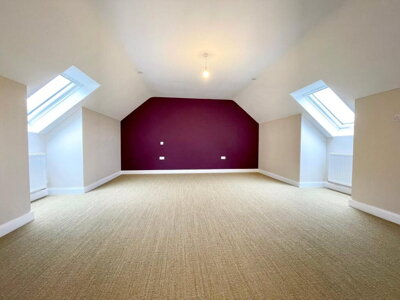
Browse 1 home new builds in Llanyre, Powys from local developer agents.
The Llanyre property market offers detached, semi-detached, and terraced houses spanning various price ranges and neighbourhoods. Each listing includes detailed property information, photographs, and direct contact with the marketing agent.
£350k
5
0
142
Source: home.co.uk
Showing 5 results for Houses new builds in Llanyre, Powys. The median asking price is £350,000.
Source: home.co.uk
Detached
4 listings
Avg £399,875
Semi-Detached
1 listings
Avg £219,995
Source: home.co.uk
Source: home.co.uk
The Wacton property market has experienced notable shifts over recent years, presenting both challenges and opportunities for buyers. The average house price currently stands at £355,000, representing a 16.6% decline over the past twelve months. This correction follows a peak average price of £582,500 recorded in 2023, meaning values have retreated by approximately 34% from the previous year and 39% from that peak. For savvy buyers, this cooling period may offer a window to enter the market at more realistic valuations, particularly in a village where premium historic properties command significant interest.
Property types in Wacton reflect its historic character, with detached homes dominating the local housing stock. Detached properties have sold for an average of £407,500, while terraced homes averaged £250,000. The NR15 2UH postcode area shows detached properties accounting for roughly 52% of all transactions, underscoring the demand for standalone family homes with generous gardens. Semi-detached properties and flats remain less common in this rural setting, though the broader South Norfolk district shows semi-detached homes averaging £278,000 and terraced properties at £232,000. For the wider South Norfolk area, the overall average house price in December 2025 was £313,000, having risen 2.8% from December 2024, suggesting market stability at the district level despite Wacton's individual fluctuations.
The village's location within South Norfolk positions it within a district that has demonstrated resilience in recent years. While Wacton specifically has seen significant price corrections, the broader market data indicates that buyers seeking property in this part of Norfolk benefit from a diverse range of options. From traditional period properties to more recent additions to the housing stock, the variety available through our listings reflects the evolution of this historic village over decades of careful development.

Wacton embodies the classic English village experience, offering residents a tranquil pace of life amid rolling Norfolk countryside. The village forms part of the South Norfolk district and maintains its agricultural heritage, with history dating back several centuries. The 1870-72 Imperial Gazetteer recorded just 54 houses across Wacton Magna and Wacton Parva combined, illustrating the village's modest scale throughout its long history. Today, this small community continues to preserve its rural character while benefiting from proximity to larger settlements. The predominantly owner-occupied housing stock, at approximately 93%, reflects the stability and long-term commitment of residents to this area.
The village's built environment showcases traditional Norfolk architecture, with clay pantiles adorning many roofs in distinctive red and black glazed finishes. Thatched properties add to the picturesque streetscape, including notable buildings such as Stuart House, Thatcher's Pride, Grange Farmhouse, and White Cottage. Timber-framed houses with plastered walls, such as Pigeon's Farmhouse and Wilderness Cottage, represent the craftsmanship of earlier centuries. Wacton Hall stands as a particular landmark, a Grade II* listed 16th-century house featuring rendered timber frame construction. The Church of All Saints dominates the village as a Grade I listed round-tower church, one of the oldest and most significant ecclesiastical buildings in the region, dating back to the 14th century. Crossways represents the Victorian contribution to the village, a red brick house built during the 19th-century expansion of rural Norfolk.
The presence of 21 listed buildings within a village of just 343 residents demonstrates the exceptional heritage value that makes Wacton so distinctive. Many of these properties feature traditional construction methods specific to Norfolk, including clay lump construction used for farm buildings and cottages in the 19th century. Flint, a commonly used building stone throughout Norfolk, also appears in various structures within the village. Living in Wacton means becoming part of a community that actively preserves its architectural heritage while embracing modern life in one of Norfolk's most characterful villages.

Families considering a move to Wacton will find educational provision available within the local area, though options within the village itself remain limited given its small scale. Primary schools serving Wacton include settings in the surrounding villages and the market town of Long Stratton, approximately 1 mile southwest of Wacton. Long Stratton Primary School provides education for children from Reception through to Year 6, serving families from Wacton and neighbouring communities. Additional primary options exist in surrounding villages, with schools typically catering to children within defined catchment areas that parents should verify before purchasing property.
Secondary education options in the area include schools in Long Stratton and other nearby towns, with dedicated bus services connecting Wacton to secondary schools across South Norfolk. The market town of Attleborough, approximately 8 miles to the northwest, offers further secondary school options, while the historic city of Norwich, approximately 13 miles away, provides comprehensive educational facilities including highly regarded grammar schools and independent schools. For families requiring specific educational approaches or faith-based schooling, Norwich's range of options means that secondary-age children can access specialist provision while returning to the peaceful village environment each evening.
Parents should always verify current admission arrangements and transport arrangements with Norfolk County Council before committing to a purchase, as rural school catchments can vary significantly depending on residence location within the South Norfolk district. The village's small population means that school places can be limited, making early registration essential for families with school-age children. Many Wacton residents choose to remain in the village for primary education before transitioning to secondary schools that may involve a longer daily journey, balancing the benefits of village life against educational preferences.
Transport connectivity defines much of Wacton's appeal for commuters and families needing access to larger employment centres. The village sits approximately 13 miles southwest of Norwich, the regional capital of Norfolk, making regular commuting entirely feasible for those working in the city. The A140 road provides a direct route connecting Wacton to Norwich, passing through Long Stratton and offering relatively straightforward access to the city's business districts, retail centres, and healthcare facilities. Norwich itself offers direct rail services to London Liverpool Street, with journey times of approximately two hours, connecting residents to the capital without requiring a change.
Local bus services operate in the area, with routes connecting Wacton with neighbouring villages including Hempnall, Tasburgh, and the market town of Long Stratton. These services enable access to local amenities without private vehicle ownership, though frequencies reflect rural Norfolk patterns with limited evening and weekend provision. The village's position away from major arterial routes means that traffic levels remain low, contributing to the peaceful character that residents value. Cycling infrastructure in the area has improved in recent years, with quiet country lanes offering pleasant routes for shorter journeys to nearby villages.
Road access to Cambridge and the M11 corridor is achievable via the A11, which runs to the north of Norwich, though these journeys naturally take longer from this rural location. The absence of coastal flooding risk as an inland village, combined with relatively low flood risk from rivers in the immediate vicinity, means transport routes generally remain accessible throughout the year. Drainage can become challenging during periods of heavy rainfall, particularly given the local clay geology, so residents should be aware that rural roads may be affected during exceptionally wet weather.
Begin by exploring our comprehensive listings for properties in Wacton and the surrounding South Norfolk villages. Understanding current prices, property types available, and recent sale values will help you identify realistic expectations and opportunities in this market where detached homes dominate the housing stock. The village's average price of £355,000 represents a significant correction from the 2023 peak of £582,500, potentially creating opportunities for buyers who missed the previous market.
Once you have identified properties of interest, arrange viewings through the estate agents listed on our platform. Before making offers, secure a mortgage agreement in principle from a lender, as this strengthens your position when negotiating in a market where buyer confidence matters significantly. Given that approximately 93% of homes in the NR15 2UH postcode are owner-occupied, properties become available infrequently, making financial preparedness essential.
Given Wacton's abundance of historic properties, including 16th-century timber-framed houses, thatched buildings, and properties within a Conservation Area, we strongly recommend commissioning a RICS Level 2 Survey before purchase. This survey identifies common issues in older Norfolk properties including damp, timber defects, roof condition, and potential subsidence risks associated with local clay geology. A typical RICS Level 2 Survey costs between £380 and £629 depending on property size and value, providing essential protection for buyers.
When you find your ideal Wacton property, submit a formal offer through the selling agent. In a village with limited housing stock, be prepared to negotiate on price and terms. The recent price correction from the 2023 peak may provide negotiating room, though desirable historic properties often attract competitive interest from buyers specifically seeking village character.
Appoint a conveyancing solicitor to handle the legal transfer of ownership. They will conduct searches relevant to Wacton, including drainage and water searches given the village's history of surface water flooding, and manage the complex paperwork associated with listed buildings and conservation areas. Properties requiring listed building consent add complexity to transactions that your solicitor will navigate on your behalf.
Once all searches are satisfactory and mortgage finance is confirmed, you will exchange contracts and pay your deposit. Completion typically follows within weeks, when you receive the keys to your new Wacton home and can begin settling into this charming South Norfolk village. The village's strong sense of community and active local events make the transition to village life particularly welcoming for new residents.
Purchasing a property in Wacton requires particular attention to the village's unique characteristics and the age of its housing stock. With 21 listed buildings and a designated Conservation Area, buyers must understand that properties here often carry additional obligations regarding maintenance and alterations. Listed building consent may be required for modifications that would otherwise not need planning permission, and any works to heritage features must respect the property's historical character. These considerations apply not only to obviously historic homes but also to neighbouring properties within the conservation boundary.
The predominant building materials in Wacton present specific considerations for prospective buyers. Clay pantile roofs, while durable, require specialist knowledge for repair and maintenance, as do the thatched roofs found on several properties. Thatch requires re-ridging approximately every 15-20 years and full re-thatching every 40-50 years, representing a significant ongoing cost that should factor into your budgeting. Timber-framed properties with plastered walls, common throughout the village, can be susceptible to damp and timber defects, making a thorough building survey essential before purchase.
The local geology suggests potential clay shrink-swell risk, meaning foundations and any signs of structural movement deserve careful inspection. Wacton has experienced surface water and groundwater flooding incidents, particularly during wet winters such as October 2023 to March 2024, which caused sewer flooding in the village. Properties on lower ground or those with older drainage systems may be more susceptible to these issues. A RICS Level 2 Survey will assess drainage, identify potential damp problems common in timber-framed Norfolk properties, and evaluate the condition of older electrical and plumbing systems that may not meet current standards.
The average house price in Wacton currently stands at £355,000 based on recent sales data. Detached properties average £407,500, while terraced homes average £250,000. The market has experienced a 16.6% decline over the past twelve months, following a peak average of £582,500 in 2023. This price correction may present opportunities for buyers seeking value in this historic South Norfolk village where detached period properties continue to attract strong interest.
Properties in Wacton fall under South Norfolk Council for council tax purposes. Bands range from A through to H, with the specific band determined by the property's assessed value. Band A properties pay the lowest rates while Band H properties attract the highest council tax charges. Historic and listed properties may have been assessed at different values due to their age, construction type, and the limitations placed on alterations by their listed status. Prospective buyers should verify the council tax band for any specific property through the Valuation Office Agency.
Wacton itself is a small village, so primary schools are located in nearby villages including Long Stratton approximately 1 mile away, where Long Stratton Primary School serves Reception through Year 6 children. Secondary education is available in Long Stratton and surrounding towns, with dedicated bus services connecting students to schools across South Norfolk. For comprehensive secondary school options, many families travel to Norwich where grammar schools and independent schools are available. Parents should verify specific catchment areas with Norfolk County Council, as these can affect eligibility for particular schools.
Wacton benefits from proximity to Norwich, approximately 13 miles away, which offers direct train services to London Liverpool Street in around two hours. Local bus services connect Wacton with neighbouring villages including Hempnall and Tasburgh, plus the market town of Long Stratton, though frequencies reflect rural Norfolk patterns with limited evening and weekend provision. Road connections via the A140 provide straightforward access to Norwich and the wider road network. Daily commuters may find a vehicle essential given the rural location, particularly for irregular working patterns.
Wacton offers appeal for buyers prioritising lifestyle and long-term value over rapid capital growth. The village's character, with 21 listed buildings and a Conservation Area, suggests properties will maintain their heritage value. The recent price correction from 2023 highs may have created more realistic entry points for buyers. However, buyers should note that limited local employment and amenities mean the village appeals to a specific buyer profile, primarily those working in Norwich or surrounding areas. The strong owner-occupancy rate of approximately 93% indicates that properties rarely come to market, which can limit investment liquidity.
Stamp duty rates for 2024-25 are 0% on the first £250,000 of purchase price, 5% on £250,001 to £925,000, 10% on £925,001 to £1.5 million, and 12% above £1.5 million. First-time buyers benefit from relief on the first £425,000, with 5% charged between £425,001 and £625,000. For a typical £355,000 Wacton property, standard buyers pay £5,250 in stamp duty, while first-time buyers pay £0 assuming they meet the eligibility criteria for first-time buyer relief.
Wacton has experienced surface water and groundwater flooding incidents, particularly during wet winters such as October 2023 to March 2024, which caused sewer flooding in the village. These events highlight the importance of checking the property's drainage systems, position relative to local watercourses, and any history of flooding before purchase. The South Norfolk District Surface Water Management Plan identifies areas with the highest risk from surface water flooding. Coastal flooding is not a concern for this inland village, and river flood risk in the immediate area is generally low, though this should be verified through official Environment Agency mapping.
We strongly recommend a RICS Level 2 Survey for any property in Wacton given the village's abundance of historic housing. Properties include 16th-century timber-framed houses, thatched buildings, and Grade II* listed Wacton Hall. Common issues identified in such properties include damp, timber defects, roof condition problems, outdated electrics, and potential subsidence related to local clay geology. A survey typically costs between £380 and £629 depending on property size and value, providing essential protection before committing to purchase. For more complex historic properties, a RICS Level 3 Building Survey may be more appropriate.
Competitive mortgage rates for Wacton property purchases
From 4.5%
Expert solicitors handling Wacton property transactions
From £499
Essential survey for historic Wacton properties
From £350
Energy performance certificate for Wacton homes
From £60
Understanding the full costs of buying property in Wacton extends beyond the purchase price to include stamp duty, legal fees, survey costs, and moving expenses. For a property priced at the current Wacton average of £355,000, standard buyers pay stamp duty land tax of £5,250. This calculation applies 0% to the first £250,000 and 5% to the remaining £105,000. First-time buyers purchasing properties up to £425,000 pay no stamp duty, making this threshold particularly relevant for those entering the property market in this price range.
Additional buying costs include conveyancing fees, typically ranging from £499 for basic transactions to higher amounts for more complex purchases involving listed buildings or conservation area properties. A RICS Level 2 Survey costs between £380 and £629 depending on property size and value, with higher costs applying to homes above £500,000. An Energy Performance Certificate costs from £60 and is a legal requirement for sale. Mortgage arrangement fees vary by lender but typically range from 0-2% of the loan amount.
Factor in removal costs, mortgage booking fees, and potentially higher lending costs if purchasing a non-standard construction property. Total buying costs typically amount to 3-5% of the property price, so for a £355,000 Wacton home, budget approximately £10,650 to £17,750 beyond the purchase price itself. Properties in Wacton with heritage features or those requiring listed building consent may incur additional legal costs due to the complexity of navigating these designations during conveyancing.
Properties New Builds In London

Properties New Builds In Plymouth

Properties New Builds In Liverpool

Properties New Builds In Glasgow

Properties New Builds In Sheffield

Properties New Builds In Edinburgh

Properties New Builds In Coventry

Properties New Builds In Bradford

Properties New Builds In Manchester

Properties New Builds In Birmingham

Properties New Builds In Bristol

Properties New Builds In Oxford

Properties New Builds In Leicester

Properties New Builds In Newcastle

Properties New Builds In Leeds

Properties New Builds In Southampton

Properties New Builds In Cardiff

Properties New Builds In Nottingham

Properties New Builds In Norwich

Properties New Builds In Brighton

Properties New Builds In Derby

Properties New Builds In Portsmouth

Properties New Builds In Northampton

Properties New Builds In Milton Keynes

Properties New Builds In Bournemouth

Properties New Builds In Bolton

Properties New Builds In Swansea

Properties New Builds In Swindon

Properties New Builds In Peterborough

Properties New Builds In Wolverhampton

Enter your details to see if this property is within your budget.
Loans, cards, car finance
Estimated property budget
Borrowing + deposit
You could borrow between
Typical borrowing
Monthly repayment
Est. at 4.5%
Loan-to-value
This is an estimate only. Your actual budget may vary depending on interest rates, credit history, and personal circumstances. For an accurate affordability assessment, speak to one of our free mortgage advisors.
This calculator provides estimates for illustrative purposes only and does not constitute financial advice. Your home may be repossessed if you do not keep up repayments on your mortgage. Estimates based on 4.5% interest rate, repayment mortgage. Actual rates depend on your circumstances.
Homemove is a trading name of HM Haus Group Ltd (Company No. 13873779, registered in England & Wales). Homemove Mortgages Ltd (Company No. 15947693) is an Appointed Representative of TMG Direct Limited, trading as TMG Mortgage Network, which is authorised and regulated by the Financial Conduct Authority (FRN 786245). Homemove Mortgages Ltd is entered on the FCA Register as an Appointed Representative (FRN 1022429). You can check registrations at NewRegister or by calling 0800 111 6768.

We use cookies to show you personalised content and improve your experience of our website. Find out more in our Privacy policy and Cookie policy.