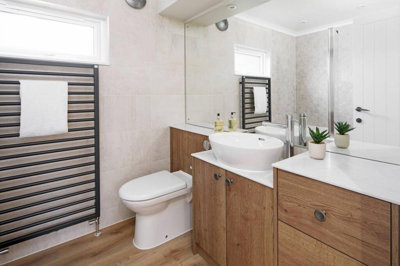
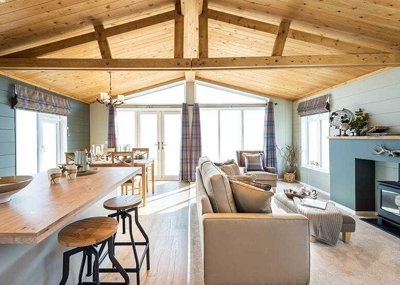
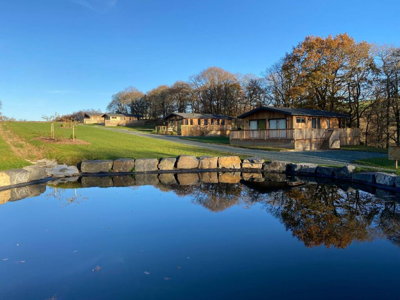
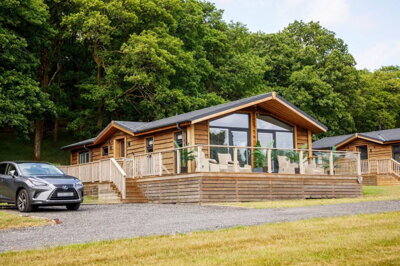
Browse 4 homes new builds in Llangurig, Powys from local developer agents.
The 2 bed house market features detached, semi-detached, and terraced properties with two separate bedrooms plus living spaces. Properties in Llangurig range across contemporary developments, with pricing varying across different neighbourhoods.
£150k
1
0
600
Source: home.co.uk
Showing 1 results for 2 Bedroom Houses new builds in Llangurig, Powys. The median asking price is £150,000.
Source: home.co.uk
Terraced
1 listings
Avg £150,000
Source: home.co.uk
Source: home.co.uk
The Llangurig property market has experienced significant growth, with house prices increasing by 53% over the past year according to Rightmove data. PropertyResearch.uk records indicate an even more dramatic 78.9% rise in house prices based on Land Registry sales data, reflecting the growing appeal of rural Mid Wales locations. Rightmove shows 72 properties sold within the last year in the Llangurig area, demonstrating active market conditions despite the village's small size. PropertyResearch.uk recorded 2 sales in Llangurig during 2025, with a median price of £316,500.
Property values in Llangurig vary considerably by type, with detached homes achieving a median sale price of £200,000 in 2025 based on limited sales data. A notable 4-bedroom detached house is currently listed for £850,000, representing the premium end of the local market. Semi-detached properties achieved a median price of £259,000 in 2024, while new build semi-detached homes from Whitestone Building Solutions Limited are available from £255,000 to £275,000. Terraced properties commanded a median price of £433,000 in 2025, reflecting strong demand for character homes in this historic village.
Despite recent price increases, the market shows some correction from the 2022 peak of £488,000, with current prices sitting approximately 11% below that high point. This adjustment may present opportunities for buyers seeking to enter this desirable Mid Wales village market. The presence of new build development activity, including 3-bedroom semi-detached properties in the £255,000 to £275,000 range, provides options for those preferring modern construction and energy efficiency. First-time buyers entering the Llangurig market may find terraced properties at median prices challenging without substantial deposits, though new build options offer more accessible entry points.

Llangurig embodies the essence of traditional Welsh village life, with a history dating back centuries evidenced by the 15th-century Church of St Curig and subsequent architectural development. The village centre features a Conservation Area containing a remarkable cluster of listed buildings, including the Grade II* Church of St Curig and numerous Grade II properties such as Blaenbythigion, Clochfaen, and The Blue Bell Inn. Clochfaen Hall, a manor house designed by an Arts and Crafts movement architect, adds further architectural significance to the village, reflecting the cultural heritage that makes Llangurig so distinctive.
The local economy benefits from a diverse mix of traditional and contemporary sectors. Tourism plays a significant role, with visitors drawn to the area for walking, trekking, scenic drives, sailing, fishing, golf, and bird watching opportunities in the surrounding Cambrian Mountains. The annual agricultural show maintains the community's rural roots, while local accommodation providers including B&Bs and self-catering properties serve visitors throughout the year. The village shop, Post Office, public house, and cafe provide essential daily amenities, while the nearby market town of Llanidloes offers additional shopping and services.
Census 2021 data reveals interesting employment patterns, with 38% of working residents travelling to Llanidloes for employment and another 38% commuting to other areas. Notably, 15% of residents work within Llangurig itself, supported by local businesses and the tourism sector. The 2021 Census was conducted during COVID-19 restrictions, which may have influenced these figures, potentially increasing home working arrangements. The surrounding Upper Wye and Severn Valleys historically supported woollen, textile, quarrying, and lead mining industries, with industrial heritage including the woollen mill at Cwmbelan still visible in the landscape.
The Plynlimon hills dominate the landscape east of Llangurig, offering challenging terrain for experienced walkers and outdoor enthusiasts seeking solitude in the Cambrian Mountains. The River Wye flowing through the village provides opportunities for fishing and peaceful waterside walks, while the wider area around Llangurig supports diverse wildlife that attracts bird watchers throughout the year. For residents, these natural amenities contribute significantly to quality of life, with most households within walking distance of scenic routes and protected landscapes.

Families considering a move to Llangurig will find educational facilities available within the local area, with primary education provided by schools in the surrounding communities of Powys. Llanidloes, located approximately 8 miles from Llangurig, serves as a key service centre for the upper Wye Valley and offers primary school provision for younger children. Parents should research current catchment areas and admission arrangements through Powys County Council's education department, as school placements are subject to availability and eligibility criteria.
Secondary education options in the region include schools in Llanidloes and the surrounding market towns, with pupils typically progressing to these facilities after completing primary education. The distance to secondary schools means that families should factor transport arrangements into their decision-making process when purchasing property in Llangurig. Sixth form and further education opportunities are available at colleges in larger towns such as Newtown and Aberystwyth, providing educational pathways for older students seeking specialised courses or vocational training.
The village's heritage extends to its educational history, with the historic 15th-century Church of St Curig reflecting the long-standing importance of education and community in Welsh village life. Parents are encouraged to visit potential schools, understand their specific admissions policies, and consider how school transport operates from Llangurig to nearby educational establishments. The quality of local education and its proximity to the village are important factors for families with children of school age. School transport routes and timings should be verified with Powys County Council before committing to a property purchase, particularly for families with secondary-age children who may face longer journeys.
Transport connections from Llangurig reflect its position as a rural Mid Wales village, with the community situated approximately 8 miles from the market town of Llanidloes. The A470 trunk road, connecting North and Mid Wales, passes through the area, providing access to larger towns and cities including Aberystwyth to the west and Newtown to the south-east. The Heart of Wales railway line serves the region, with stations at nearby villages providing connections to the national rail network for longer journeys.
For daily commuting, Census 2021 data indicates that 38% of Llangurig residents travel to Llanidloes for work, with a further 38% commuting to other areas beyond the village. The reliance on car travel is significant given the rural location, and prospective residents should consider their transport requirements carefully. Local bus services connect Llangurig with surrounding villages and towns, though service frequency may be limited compared to urban areas. Those working in Llanidloes or requiring regular access to services will need private vehicle transport as the primary means of daily travel.
The surrounding Cambrian Mountains offer extensive opportunities for outdoor recreation, with numerous walking and cycling routes accessible directly from the village. The River Wye, flowing through Llangurig, provides opportunities for fishing and waterside walks, while the broader Plynlimon hills offer more challenging terrain for experienced walkers and hikers. For those working from home, the rural location offers peaceful surroundings ideal for remote work, though broadband speeds should be verified with local providers. Mobile phone coverage in parts of the village may be limited, so residents often rely on broadband for communication needs.
Properties in Llangurig predominantly feature traditional construction methods that reflect centuries of building practice in Mid Wales. Historic properties throughout the village typically utilise whitewashed rubble stone for walls, with characteristic slate roofs and brick end stacks visible on buildings including the listed structures along the village centre. This vernacular construction approach used locally sourced materials, creating the distinctive architectural character that defines the Llangurig Conservation Area. Timber framing also features in some older properties, particularly in agricultural buildings and farmhouses converted to residential use.
Powys County Council maintains a Wood Encouragement Policy that champions timber as a primary building material for new developments and renovations throughout the county. This policy influences modern construction in Llangurig, where new builds such as those from Whitestone Building Solutions incorporate timber elements alongside contemporary building methods. Holiday lodges proposed for the area are designed using a mix of timber and metal-clad untreated timber, demonstrating how traditional materials continue to inform local construction practices while meeting modern standards.
The geological setting of Llangurig within the Cambrian Mountains influences building practices and property condition considerations for buyers. The village sits on Late Ordovician to Silurian sedimentary rocks, predominantly deep marine turbiditic facies, which differ from the clay-rich formations found in South East England. While clay-rich soils in the South Wales Valleys can be susceptible to shrink-swell behaviour, the older, hardened clay rocks underlying Llangurig have generally been hardened by deep burial, making them less prone to this type of ground movement. However, buyers should still consider potential foundation issues during property surveys.
Given Llangurig's concentration of historic properties, including numerous listed buildings and structures dating back centuries, buyers should be aware of common defects found in older Welsh homes. Traditional stone-built properties often experience damp issues, including rising damp from failed or non-existent damp-proof courses and penetrating damp through aging stonework or defective gutters and downpipes. The whitewashed rubble stone construction common in Llangurig requires regular maintenance to prevent water ingress, and properties that have not been properly maintained may show signs of damp penetration into internal walls and timbers.
Roof defects represent a significant concern in Llangurig, where slate roofs on historic properties may be original or of considerable age. Common issues include broken or missing slates, sagging roof lines indicating structural movement, deteriorated ridge mortar, and failing flashings around chimneys and valleys. Timber defects including rot and woodworm activity can develop where prolonged dampness or poor ventilation occurs, particularly in roof voids and under floorboards. Our inspectors frequently identify these issues during surveys of traditional Welsh properties, and early identification allows buyers to negotiate repairs or price adjustments before completing a purchase.
Outdated electrical wiring and plumbing systems are commonly found in older Llangurig properties that have not been updated in decades. Properties built before modern Building Regulations may have electrical installations that do not meet current safety standards, requiring re-wiring before occupancy. Similarly, lead pipes or outdated plumbing configurations may need replacement. Poor insulation throughout lofts and walls is typical in older properties, resulting in heat loss and elevated energy bills. Historic alterations and extensions may also not comply with current Building Regulations, requiring further investigation during the conveyancing process.
Spend time exploring Llangurig before committing to a purchase. Visit at different times of day and week, speak with residents, and understand the local community atmosphere, amenities, and transport connections. Consider seasonal variations, as tourism peaks during summer months may affect village life and property viewing opportunities.
Before viewing properties, obtain a mortgage agreement in principle from a lender. This strengthens your position when making offers and demonstrates your seriousness as a buyer to estate agents. Given Llangurig's varied property prices ranging from around £168,950 for flats to £850,000 for premium detached homes, understanding your borrowing capacity early helps focus your property search effectively.
Use Homemove to browse all available properties in Llangurig, filtering by price, type, and bedrooms. Arrange viewings through listed estate agents and note any repairs or concerns during visits. Given the village's conservation status and number of listed buildings, verify whether properties you view are subject to any planning conditions or heritage restrictions that may affect your intended use.
Once your offer is accepted, book a survey to assess the property condition. Given Llangurig's historic housing stock, including many listed buildings and traditional stone properties, a thorough survey is essential to identify any defects. Our inspectors are experienced in assessing traditional Welsh construction methods and can provide detailed reports on condition, including recommendations for any repairs needed.
Appoint a conveyancing solicitor to handle the legal aspects of your purchase. They will conduct searches, handle contracts, and coordinate with the Land Registry for registration of your ownership. Searches should include mining records given Llangurig's history in the Plynlimon mining district with over 50 historical mines in the surrounding area extracting lead, zinc, copper, and silver.
Once all searches are satisfactory and finances are arranged, you will exchange contracts and set a completion date. On completion day, the remaining funds are transferred and you receive the keys to your new Llangurig home. Ensure buildings insurance is in place from the point of contract exchange, as properties are at your risk from this point.
Purchasing property in Llangurig requires careful consideration of several area-specific factors. The village sits within a Conservation Area and contains numerous listed buildings, meaning any modifications or renovations may require consent from Powys County Council and adherence to strict heritage guidelines. Buyers should understand the implications of listed building status, including restrictions on alterations to original features, and factor potential additional costs into their budgets. Properties such as Clochfaen Hall and numerous Grade II structures including Blaenbythigion, Bryn dulas, and The Blue Bell Inn demonstrate the range of historic properties within the village.
Flood risk in Llangurig is generally low, with government data showing very low risk from rivers and the sea (less than 0.1% chance each year for an address at SY18 6RT) and low risk from surface water (between 0.1% and 1% chance). The village does not benefit from flood defences, but its position alongside the upper River Wye in the Cambrian Mountains provides reasonable protection from major flooding events. The River Wye and its tributaries flowing through the area are designated as SSSI and SAC, reflecting their ecological importance and meaning that any development affecting watercourses may face additional regulatory scrutiny.
Given Llangurig's history in the Plynlimon mining district, with over 50 historical mines extracting lead, zinc, copper, and silver in the surrounding area, buyers should consider the potential for subsidence related to old mine workings. Specific mines including Maesnant and Nantiago are located within the Llangurig community area, with evidence of shafts, adits, and processing mills still present in the landscape. A thorough property survey can identify any signs of ground movement or structural concerns. Traditional building construction using rubble stone, slate, and timber also warrants careful inspection for damp, timber defects, and the condition of older roof structures. Buyers should specifically request mining searches as part of their conveyancing, as historic mine workings may affect foundations in some locations.
The average sold house price in Llangurig is £433,000 according to recent market data. Property prices have increased by 53% over the past year, though they remain approximately 11% below the 2022 peak of £488,000. Individual property prices vary significantly by type, with detached homes averaging around £200,000, semi-detached properties at approximately £259,000, and terraced homes commanding around £433,000. First-time buyers should note that flats in the area have sold for as little as £168,950, while premium detached properties are listed up to £850,000.
Properties in Llangurig fall under Powys County Council jurisdiction. Council tax bands in the area range from Band A for lower-value properties through to Band H for the highest-value homes, typically large historic properties or those with significant grounds. You can check the specific band for any property through the Valuation Office Agency website, as bands affect the annual council tax payable to Powys County Council. Annual charges vary accordingly, with Band A properties paying considerably less than Band H properties in the same area.
Llangurig itself is a small village with limited educational facilities, and primary education is typically accessed through schools in surrounding communities. Llanidloes, approximately 8 miles away, provides both primary and secondary education options for families living in Llangurig. Families should contact Powys County Council's education department for current school catchment areas, admission policies, and information about school transport arrangements from Llangurig, as transport provision can affect eligibility for particular schools.
Llangurig has limited public transport options, reflecting its rural location in Mid Wales at the head of the River Wye valley. Local bus services connect the village with surrounding towns and villages including Llanidloes, though frequencies may be reduced compared to urban areas, with some routes operating only on specific days. The Heart of Wales railway line serves nearby stations, providing access to the national rail network for journeys to larger cities. Most residents rely on car travel for daily commuting and essential journeys, with 38% of working residents commuting to Llanidloes and a further 38% travelling to other areas.
Llangurig offers potential for property investment, particularly given the 53% increase in house prices over the past year and the growing appeal of rural Mid Wales locations among buyers seeking countryside lifestyles. The tourism sector supports demand for holiday cottages and rental accommodation, while the village's conservation status and listed buildings help maintain property values and desirability. However, the small size of the local market, limited rental demand from professionals, and the costs of maintaining historic properties should be carefully considered before purchase. Properties requiring renovation may offer opportunities for value addition, though buyers should budget for the additional costs associated with listed building maintenance and heritage-compliant renovations.
Stamp Duty Land Tax (SDLT) rates from April 2025 are 0% on the first £250,000 of property value, 5% on £250,001 to £925,000, 10% on £925,001 to £1.5 million, and 12% above £1.5 million. First-time buyers benefit from relief on properties up to £625,000, paying 0% on the first £425,000 and 5% on the remainder between £425,001 and £625,000. Properties above £625,000 do not qualify for first-time buyer relief. Given Llangurig's average property price of £433,000, a standard buyer purchasing at this price would pay SDLT of £9,150, while a first-time buyer at the same price would pay nothing under current relief provisions.
Llangurig sits within the historic Plynlimon mining district, once known as the Welsh Potosi, with over 50 mines extracting lead, zinc, copper, and silver from the surrounding hills. Specific mines including Maesnant and Nantiago are located within the Llangurig community area, with historic evidence of shafts, adits, and processing mills visible in the landscape. This mining heritage creates potential risks of subsidence from old mine workings that buyers should investigate through mining searches during conveyancing. Properties in areas with historic mining activity may require specialist structural surveys and insurance arrangements should be verified before purchase.
Understanding the full costs of purchasing property in Llangurig is essential for budgeting effectively. Beyond the property price, buyers must account for Stamp Duty Land Tax, solicitor fees, survey costs, and potentially mortgage arrangement fees. For a typical Llangurig property at the average price of £433,000, standard SDLT would be calculated at 0% on the first £250,000 and 5% on the remaining £183,000, resulting in a tax liability of £9,150. This represents a significant cost that should be factored into your overall purchase budget from the outset.
First-time buyers purchasing properties up to £425,000 would pay no SDLT, while those buying between £425,001 and £625,000 would pay 5% on the amount above £425,000. For example, a first-time buyer purchasing a property at £500,000 would pay SDLT of £3,750. Properties priced above £625,000 do not qualify for first-time buyer relief, meaning full SDLT rates apply from the first pound above that threshold. With terraced properties in Llangurig commanding a median price of £433,000, many buyers may qualify for first-time buyer relief, though eligibility depends on individual circumstances and prior property ownership.
Additional costs include survey fees typically ranging from £350 to £600 depending on property size and location, with remote areas like Llangurig potentially incurring additional travel costs for surveyors. Conveyancing fees typically range from £499 to £1,500, with complexity varying based on property type and any heritage considerations for listed buildings. Mortgage arrangement fees vary from £0 to £2,000 depending on lender, and Land Registry registration fees are approximately £200 to £500. Buyers should also factor in moving costs, potential renovation expenses for older properties, and ongoing costs such as buildings insurance, which may be higher for historic or listed properties. Holiday let investors should additionally budget for specialist insurance requirements and any licensing costs applicable in Powys.
Properties New Builds In London

Properties New Builds In Plymouth

Properties New Builds In Liverpool

Properties New Builds In Glasgow

Properties New Builds In Sheffield

Properties New Builds In Edinburgh

Properties New Builds In Coventry

Properties New Builds In Bradford

Properties New Builds In Manchester

Properties New Builds In Birmingham

Properties New Builds In Bristol

Properties New Builds In Oxford

Properties New Builds In Leicester

Properties New Builds In Newcastle

Properties New Builds In Leeds

Properties New Builds In Southampton

Properties New Builds In Cardiff

Properties New Builds In Nottingham

Properties New Builds In Norwich

Properties New Builds In Brighton

Properties New Builds In Derby

Properties New Builds In Portsmouth

Properties New Builds In Northampton

Properties New Builds In Milton Keynes

Properties New Builds In Bournemouth

Properties New Builds In Bolton

Properties New Builds In Swansea

Properties New Builds In Swindon

Properties New Builds In Peterborough

Properties New Builds In Wolverhampton

Enter your details to see if this property is within your budget.
Loans, cards, car finance
Estimated property budget
Borrowing + deposit
You could borrow between
Typical borrowing
Monthly repayment
Est. at 4.5%
Loan-to-value
This is an estimate only. Your actual budget may vary depending on interest rates, credit history, and personal circumstances. For an accurate affordability assessment, speak to one of our free mortgage advisors.
This calculator provides estimates for illustrative purposes only and does not constitute financial advice. Your home may be repossessed if you do not keep up repayments on your mortgage. Estimates based on 4.5% interest rate, repayment mortgage. Actual rates depend on your circumstances.
Homemove is a trading name of HM Haus Group Ltd (Company No. 13873779, registered in England & Wales). Homemove Mortgages Ltd (Company No. 15947693) is an Appointed Representative of TMG Direct Limited, trading as TMG Mortgage Network, which is authorised and regulated by the Financial Conduct Authority (FRN 786245). Homemove Mortgages Ltd is entered on the FCA Register as an Appointed Representative (FRN 1022429). You can check registrations at NewRegister or by calling 0800 111 6768.

We use cookies to show you personalised content and improve your experience of our website. Find out more in our Privacy policy and Cookie policy.