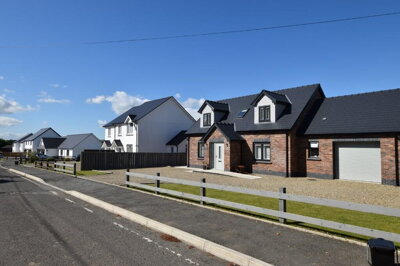
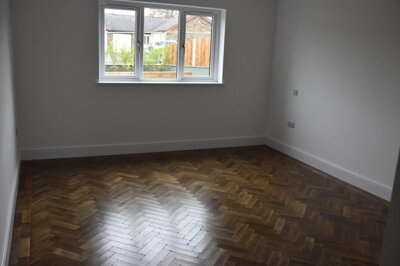
Browse 2 homes new builds in Llangeler, Sir Gaerfyrddin / Carmarthenshire from local developer agents.
Three bedroom properties represent a significant portion of the Llangeler housing market, offering space for families with multiple reception rooms and gardens in many cases. Browse detached, semi-detached, and terraced options ranging across new residential developments.
£320k
6
0
231
Source: home.co.uk
Showing 6 results for 3 Bedroom Houses new builds in Llangeler, Sir Gaerfyrddin / Carmarthenshire. The median asking price is £320,000.
Source: home.co.uk
Detached
3 listings
Avg £376,333
Semi-Detached
3 listings
Avg £206,000
Source: home.co.uk
Source: home.co.uk
£296,500
Average Price
+16%
12-Month Price Change
+45.5%
Decade Price Growth
£375,000
Detached Average
£218,000
Semi-Detached Average
68.5%
Detached Properties
The Llangeler property market presents a distinctive picture of rural Welsh living, where detached stone cottages and Victorian farmhouses dominate the housing stock. Our data shows detached properties command the highest prices, with an average of £375,000 reflecting the desirability of these spacious family homes with their characteristic North Wales slate roofs and original stone walls. Semi-detached properties offer more accessible entry points at around £218,000, while terraced homes, though rarer in this parish at only 7.5% of the housing stock, include options such as generous four-bedroom properties that suit growing families or those seeking rental income potential.
The market has demonstrated remarkable resilience and growth, with house prices in Llangeler rising 16% over the past twelve months and values sitting 32% above the 2023 peak of £224,667. Properties on streets like Llangeler, Llandysul, SA44 have seen average values reach £273,502, representing a 45.5% increase over the past decade. This long-term appreciation signals sustained demand for homes in this picturesque corner of Carmarthenshire. Sales activity remains steady, with properties typically changing hands after being listed for reasonable periods, and our estate agent partners report continued interest from buyers seeking to escape larger towns and cities for a quieter Welsh lifestyle.
New build activity in Llangeler itself remains limited, with most listings comprising traditional period properties requiring varying degrees of modernisation. This scarcity of new development helps support property values while creating opportunities for buyers willing to undertake renovation projects. Developments in nearby areas such as Penrhiwllan, Pencader, and Aberbanc offer some newer alternatives, though buyers specifically seeking the Llangeler parish character will find most options in the existing housing stock. The combination of limited supply and consistent demand makes this an attractive market for long-term property investment.

Life in Llangeler revolves around the rhythms of rural Wales, where agricultural land-use consists almost entirely of improved pasture and the landscape is marked by scattered farmsteads and traditional villages. The parish takes its name from the Welsh word for "church of the elms," though today the community encompasses much more than its ecclesiastical origins. The historic settlement pattern reveals itself in the medieval churchyard of St Barnabas, the Victorian terraces of Drefach Felindre where weavers once laboured, and the elegant Georgian-style farmhouses that stand as testament to 19th-century prosperity. The predominant housing stock, with 68.5% detached properties, reflects a landscape where space and privacy come as standard.
The village of Drefach Felindre preserves Llangeler's industrial heritage at the Museum of the Welsh Woollen Industry, where the main mill building and associated structures stand as Grade II listed monuments to the industry that built this community. The Grade II listed New Mill in Drefach Felindre represents another significant reminder of the textile trade that shaped local employment and architecture. Community life continues through local chapels including the Grade II listed Closygraig Calvinistic Methodist Chapel, village halls, and traditional pubs that serve as gathering points for residents. The average household size of 2.3 people reflects a mix of families, couples, and retirees drawn to the area's quality of life and strong community spirit.
While Llangeler lacks extensive commercial facilities within its immediate boundaries, the nearby market town of Llandysul provides essential services including shops, schools, and healthcare within a short drive. Carmarthen lies within reasonable driving distance for larger shopping, healthcare, and cultural amenities, with the journey taking approximately 30-40 minutes by car. The nearby coast at Cardigan Bay lies roughly 30 minutes to the west, offering beautiful beaches and coastal walks for weekend excursions. For families considering a move to Llangeler, primary schools in Drefach Felindre and Llandysul serve the immediate area, with secondary education typically accessed at schools in Carmarthen.

Living in Llangeler means embracing rural living while maintaining connectivity with the wider region. The parish sits within Carmarthenshire, with the A486 and A475 roads providing arterial connections to nearby towns and villages. The A486 runs through the parish connecting Llangeler to Drefach Felindre and onwards toward Saron and Carmarthen, while the A475 provides a route toward Llandysul and the northern parts of the county. These roads, while scenic, require careful driving given their rural nature and occasional narrow sections through village centres.
The nearest railway stations are located in Carmarthen and Aberystwyth, offering connections to the national rail network for commuting or travel further afield. Carmarthen station provides regular services to Swansea and beyond, while Aberystwyth offers connections to the Cambrian Line running east to Birmingham New Street. For daily needs, Llandysul provides local services within a short drive, while the county town of Carmarthen offers comprehensive retail, healthcare, and administrative facilities accessible to Llangeler residents. Carmarthenshire benefits from bus services connecting rural communities to market towns and larger centres, though private transport remains advantageous for residents of Llangeler given the dispersed nature of the parish.
Carmarthen, approximately 30-40 minutes away by car, provides comprehensive transport links including longer-distance coach and rail services for residents who need to travel further afield. The nearby coast at Cardigan Bay lies roughly 30 minutes to the west, offering beautiful beaches and coastal walks for weekend excursions. For those working in larger cities, the drive to Swansea takes around 90 minutes, making day commuting challenging but manageable with flexible working arrangements. Many residents of Llangeler work remotely or operate businesses from home, taking advantage of the peaceful environment while staying connected through broadband and mobile networks.
Purchasing a property in Llangeler requires careful attention to the unique characteristics of rural Welsh homes. The majority of properties date from the mid to late 19th century, typically constructed as two-storey, three-bay farmhouses with stone walls finished in cement render and colour-wash. Commercial North Wales slate covers most roofs, but these materials require maintenance as properties age. Our property search reveals that many homes retain original features including sash windows, working fireplaces, and exposed stonework that appeal to buyers seeking period character. However, such properties often require updating of electrical systems, plumbing, and insulation to meet modern standards while respecting their heritage value.
Flood risk warrants consideration given Llangeler's position along the Afon Teifi valley. Historical records document that the original foundations of Allt-y-Cafan Bridge were swept away in 1840 flooding, highlighting the potential for water-related issues in areas adjacent to the river. Properties nearer the watercourse should be carefully assessed, and comprehensive surveys are strongly recommended before purchase. The numerous listed buildings throughout the parish, from the Grade II* bridge to individual farmhouses, chapels, and mills, may carry planning restrictions affecting alterations or extensions. Buyers should verify whether any property carries listed status and understand the implications before committing to purchase.
The traditional construction methods used in Llangeler properties bring specific maintenance considerations that informed buyers should understand. Solid stone walls, common throughout the parish, behave differently from modern cavity construction and require appropriate breathability in any renders or finishes to prevent moisture problems. Our team has experience assessing properties across Carmarthenshire and understands how local geology and the undulating terrain of the Afon Teifi valley can affect building conditions. We recommend a thorough RICS Level 2 Survey before purchase, particularly given that most homes are over 50 years old and therefore most likely to exhibit age-related defects.
Understanding how properties in Llangeler were built helps you appreciate their character while recognising maintenance needs that may arise. The predominant construction uses local stone, often covered with cement render and colour-wash finish, topped with commercial North Wales slate roofing. These materials were chosen for durability and local availability, creating homes that have stood for over a century while maintaining their traditional appearance. The mid to late 19th-century farmhouses that dominate the housing stock typically follow a two-storey, three-bay plan with a central front door and symmetrically arranged windows, reflecting the Georgian tradition that influenced Welsh rural architecture.
Solid-walled construction, which predates modern cavity wall insulation, creates different challenges for thermal efficiency and moisture management compared to newer buildings. Our inspectors frequently identify issues in Llangeler properties arising from inappropriate modern interventions, such as cement render applied over original lime-based finishes that prevents the walls from breathing. Original lime mortar pointing may have been replaced with cement in past maintenance work, potentially trapping moisture within the stonework. These issues can lead to damp penetration, efflorescence, and accelerated deterioration of the underlying fabric if not addressed.
North Wales slate, the dominant roofing material across the parish, provides excellent long-term durability but requires periodic maintenance as properties age. Our surveyors assess individual slates for damage, check ridge pointing integrity, and examine flashings around chimneys and valleys. Many Llangeler roofs include original or early replacement slates that may show weathering patterns, while some properties may have sections repaired with modern concrete or synthetic tiles that differ from the original covering. The condition of the roof covering often represents a significant maintenance consideration when budgeting for a traditional Welsh farmhouse.
The age and traditional construction of most Llangeler properties means that our inspectors regularly encounter defects related to the passage of time and the local environmental conditions. Dampness represents one of the most frequent issues identified in older Welsh farmhouses, manifesting as penetrating damp through ageing render or stonework, rising damp where original damp-proof courses have failed or were never installed, and condensation problems in properties with limited ventilation. Given the rural setting and proximity to the Afon Teifi, properties in lower-lying positions warrant particularly careful assessment for moisture-related issues.
Timber defects including rot and woodworm activity occur in properties where moisture has been present or where ventilation is inadequate. Our inspectors examine structural timbers, floorboards, and joinery for signs of fungal decay, insect damage, and wood-boring beetles. In properties with original softwood construction, these issues can be more prevalent, particularly in roof voids where condensation has formed or in ground-floor areas affected by damp. Early identification of timber defects allows buyers to factor remediation costs into their purchase planning and negotiate accordingly with sellers.
Outdated electrical systems and plumbing installations frequently require updating in traditional Llangeler properties. Original wiring dating from the mid-20th century or earlier does not meet current electrical safety standards and may present fire risks if left unaddressed. Similarly, lead pipework or early copper installations may be present in older properties, along with galvanised steel soil and waste pipes showing signs of internal corrosion. Our survey reports clearly identify these issues and recommend appropriate remediation, giving you a clear picture of the investment required to bring a property up to modern standards.
Spend time exploring Llangeler and surrounding villages to understand the community, local amenities, and the character of different neighbourhoods within the parish. Drive the roads at different times of day and speak with residents to gauge daily life. Visit the Museum of the Welsh Woollen Industry in Drefach Felindre to appreciate the local heritage, and note which areas feel most connected to essential services and transport links.
Contact lenders or brokers to secure a mortgage agreement in principle before viewing properties. This demonstrates your seriousness to sellers and helps you understand your budget. Llangeler homes range from £218,000 for semi-detached properties to £375,000 for detached houses, with the average price sitting at £296,500. Most lenders offer products suitable for rural Welsh properties, though some may require specialist advice for listed buildings.
Arrange viewings through our partner estate agents who know the local market intimately. Ask about the history of properties, any previous structural issues, and the reasons for sale. Note that many homes will be older properties requiring some modernisation, and pay particular attention to the condition of roofs, stone walls, and any visible damp evidence.
Before completing, arrange a thorough property survey given the age of most homes in Llangeler. Expect surveys to cost between £400-1,000 depending on property size and complexity. Pre-1900 properties may incur additional charges of 20-40% due to their construction, and listed status may add further premiums. Our survey team understands traditional Welsh construction and can identify defects specific to the local housing stock.
Appoint a solicitor experienced in Carmarthenshire property transactions to handle legal work including local searches, title checks, and contract preparation. Search results will include drainage and water authority queries relevant to rural properties, along with planning history and any environmental factors. Our recommended solicitors have experience handling traditional properties across the county.
Once searches are satisfactory and finances are confirmed, your solicitor will exchange contracts and set a completion date. Keys are typically handed over on the agreed completion day, and your new life in Llangeler begins. Allow time for utility transfers and register your address with Carmarthenshire County Council for council tax purposes.
The average house price in Llangeler stands at £296,500 based on sales activity over the past year, with prices having risen 16% year-on-year and sitting 32% above the 2023 peak of £224,667. Detached properties command around £375,000 on average, while semi-detached homes typically cost £218,000, reflecting the premium placed on space and privacy in this rural parish. The street-level data for Llangeler, Llandysul, SA44 shows an average value of £273,502 with a longer-term appreciation of 45.5% over the past decade, indicating sustained demand for homes in this corner of Carmarthenshire and making it an appreciating market for both buyers and sellers.
Properties in Llangeler fall under Carmarthenshire County Council jurisdiction, with council tax bands for 2024-25 ranging from approximately £1,200 annually for Band A properties up to around £2,700 for Band H homes. Most traditional stone farmhouses and Victorian-era properties in Llangeler typically fall within Bands C to E, though the specific band depends on the property's current valuation by the Valuation Office Agency. Your solicitor will confirm the exact council tax band during the conveyancing process, and this information can also be checked on the Welsh Government council tax database before making an offer to avoid any unexpected surprises after purchase.
Llangeler is served by primary schools in surrounding villages including Drefach Felindre and Llandysul, with many children also attending schools in nearby communities depending on catchment area boundaries that your solicitor can verify. Secondary education is typically accessed at schools in Carmarthen or surrounding market towns, and parents should verify current school performance data directly with Carmarthenshire County Council as catchment boundaries can change. The council's website publishes lists of schools with their current Estyn inspection ratings, enabling parents to make informed decisions about education options for their children before committing to a property purchase in the parish.
Llangeler is primarily served by Carmarthenshire bus routes connecting the parish to nearby towns including Carmarthen and Llandysul, though private transport remains strongly advisable for daily commuting given the rural nature of the area and the dispersed settlement pattern. The nearest railway stations are located in Carmarthen and Aberystwyth, providing access to the national rail network for longer journeys or commuting to larger cities including services to Swansea and beyond. For residents working in Carmarthen, the approximately 30-minute drive is manageable, though those commuting to Swansea or beyond face journeys of around 90 minutes, making flexible or hybrid working arrangements increasingly common among local residents who wish to enjoy countryside living while remaining professionally active.
Llangeler has demonstrated consistent long-term property value growth, with prices on certain streets rising 45.5% over the past decade and annual increases of 16% showing continued momentum in the local market. The combination of limited new build development in the parish, strong demand for characterful rural Welsh homes, and relatively accessible entry points compared to South Wales or southern England suggests appreciation potential remains attractive for investors. Properties here also offer rental potential given the mix of families, couples, and retirees attracted to the area's quality of life, though investors should factor in the costs of maintaining older properties when calculating anticipated returns on their investment.
For standard purchases completing from 1 April 2025, stamp duty land tax is charged at 0% on the first £250,000, 5% on the portion from £250,001 to £925,000, 10% on £925,001 to £1.5 million, and 12% above that threshold, with the average Llangeler property at £296,500 falling below the higher bands. First-time buyers benefit from increased relief with 0% charged on the first £425,000, meaning most first-time buyers purchasing average-priced properties in Llangeler would pay no SDLT at all, a significant saving that can be redirected towards furnishing a new home or building emergency reserves. For existing homeowners buying at the average price of £296,500, SDLT would be approximately £2,325, calculated as 5% of the £46,500 above the £250,000 threshold, which your solicitor will account for in your total purchase budget.
From £400
A detailed inspection of the property condition, ideal for traditional Welsh homes
From £80
Energy performance certificate required for all sales
From 4.5%
Competitive rates from trusted lenders
From £499
Expert property solicitors for your transaction
Understanding the full costs of purchasing property in Llangeler helps you budget accurately for your Welsh countryside home. The stamp duty land tax rates applicable from April 2025 set the zero-rate threshold at £250,000 for standard purchases, rising to 5% on the portion between £250,001 and £925,000. Given that the average property price in Llangeler sits at £296,500, most buyers purchasing at or near the average price would pay approximately £2,325 in SDLT unless they qualify as first-time buyers. This represents a meaningful cost that should be factored into your overall financial planning alongside deposit, solicitor fees, and survey costs.
First-time buyers purchasing in Llangeler benefit from additional relief, with SDLT charged at 0% on the first £425,000 of the purchase price. This means most first-time buyers purchasing average-priced properties in the parish would pay no SDLT at all, a significant saving that can be redirected towards furnishing a new home or building emergency reserves. Beyond SDLT, buyers should budget for solicitor conveyancing fees typically ranging from £500 to £1,500 depending on complexity, a RICS Level 2 Survey at approximately £400-600 for standard properties, and Land Registry fees for registration of title transfer. Mortgage arrangement fees, if applicable, can add a further £500-2,000 depending on the lender and product chosen.
Properties New Builds In London

Properties New Builds In Plymouth

Properties New Builds In Liverpool

Properties New Builds In Glasgow

Properties New Builds In Sheffield

Properties New Builds In Edinburgh

Properties New Builds In Coventry

Properties New Builds In Bradford

Properties New Builds In Manchester

Properties New Builds In Birmingham

Properties New Builds In Bristol

Properties New Builds In Oxford

Properties New Builds In Leicester

Properties New Builds In Newcastle

Properties New Builds In Leeds

Properties New Builds In Southampton

Properties New Builds In Cardiff

Properties New Builds In Nottingham

Properties New Builds In Norwich

Properties New Builds In Brighton

Properties New Builds In Derby

Properties New Builds In Portsmouth

Properties New Builds In Northampton

Properties New Builds In Milton Keynes

Properties New Builds In Bournemouth

Properties New Builds In Bolton

Properties New Builds In Swansea

Properties New Builds In Swindon

Properties New Builds In Peterborough

Properties New Builds In Wolverhampton

Enter your details to see if this property is within your budget.
Loans, cards, car finance
Estimated property budget
Borrowing + deposit
You could borrow between
Typical borrowing
Monthly repayment
Est. at 4.5%
Loan-to-value
This is an estimate only. Your actual budget may vary depending on interest rates, credit history, and personal circumstances. For an accurate affordability assessment, speak to one of our free mortgage advisors.
This calculator provides estimates for illustrative purposes only and does not constitute financial advice. Your home may be repossessed if you do not keep up repayments on your mortgage. Estimates based on 4.5% interest rate, repayment mortgage. Actual rates depend on your circumstances.
Homemove is a trading name of HM Haus Group Ltd (Company No. 13873779, registered in England & Wales). Homemove Mortgages Ltd (Company No. 15947693) is an Appointed Representative of TMG Direct Limited, trading as TMG Mortgage Network, which is authorised and regulated by the Financial Conduct Authority (FRN 786245). Homemove Mortgages Ltd is entered on the FCA Register as an Appointed Representative (FRN 1022429). You can check registrations at NewRegister or by calling 0800 111 6768.

We use cookies to show you personalised content and improve your experience of our website. Find out more in our Privacy policy and Cookie policy.