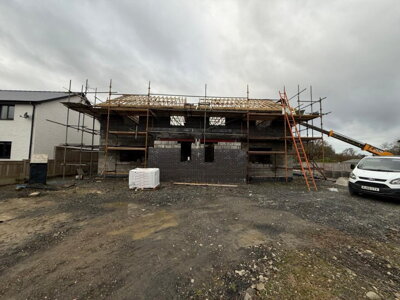
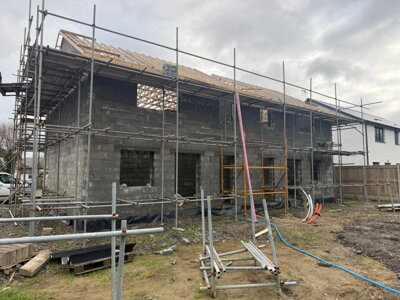
Browse 2 homes new builds in Llanfihangel Ystrad from local developer agents.
The West Anstey property market reflects the character of this small North Devon village, where detached homes command premium prices due to their scarcity and the desirable rural lifestyle they offer. Detached properties in the area have achieved an average price of £615,000 over the past year, demonstrating strong demand from buyers seeking space, privacy, and connection to the Devon countryside. Semi-detached homes provide more accessible entry points to the local market, with average prices around £365,000, making them attractive options for families and first-time buyers looking to establish themselves in this sought-after location. The market has experienced notable price corrections recently, with sold prices over the last twelve months falling 38% compared to the previous year and sitting 65% below the 2023 peak of £1,385,000, presenting opportunities for buyers who may previously have been priced out of the West Anstey market.
Individual properties have sold at various price points including £365,000, £405,000, and £445,000 according to recent Zoopla transactions. Rightmove currently lists 36 properties associated with the West Anstey area, providing a reasonable selection for those seeking to join this established community. The village's housing stock is predominantly pre-1919 construction, evident from the 26 listed buildings that dot the parish, meaning many properties feature traditional Devon stonework, original features, and characterful layouts that modern homes often lack. Nearby South Molton offers new build alternatives including Cashmere Park on Exeter Road and Bee Meadow on North Road, though these are located in the town rather than the village itself.

West Anstey is a small but vibrant rural community situated in the undulating landscape of North Devon, approximately three miles east of the village of East Anstey and set alongside the scenic River Yeo. The parish had a recorded population of 163 residents across approximately 58 households according to the 2011 Census, though these figures may have shifted slightly in the intervening years. The village centre centres around its historic church, the Church of St Petrock, which holds Grade II* listed status and serves as both a spiritual and architectural landmark for the community. Local life revolves around the rhythms of the agricultural calendar, with farms and smallholdings forming the backbone of the local economy and shaping the distinctive character of the surrounding landscape.
The village setting provides residents with immediate access to extensive footpaths, bridleways, and country lanes that wind through rolling farmland, woodland, and alongside the river itself. The proximity to Exmoor National Park places extensive tracts of protected moorland, ancient woodlands, and dramatic coastal scenery within easy reach, with the famous South West Coast Path accessible for walking, cycling, and horse riding. The nearby town of South Molton offers essential services including supermarkets, independent shops, healthcare facilities, and banking services, while Tiverton and Barnstaple provide larger retail centres, hospitals, and specialist services within reasonable driving distance. Community events, village hall activities, and local traditions help maintain the strong social fabric that defines West Anstey and similar North Devon parishes, where neighbours know one another and newcomers are welcomed into established networks.
The historic built environment contributes significantly to the village's character, with notable listed buildings including Badlake Farmhouse and Church House both holding Grade II* status, alongside numerous Grade II farmhouses such as Church Town Farmhouse, Guphill Farmhouse, Hill Farmhouse, New Park Farmhouse, and Slade Farmhouse. Properties like Primrose Cottage and Woods demonstrate the variety of historic domestic architecture present in the parish. These buildings showcase traditional Devon construction techniques including local stone masonry, lime mortar pointing, and slate roofing that have proven durable over centuries but require specific maintenance approaches compared to modern construction methods.
Families considering a move to West Anstey will find educational options available within the local area, though the village's small size means that primary education is typically accessed in neighbouring communities. The nearest primary schools serve the surrounding parishes and villages, providing education for children from reception through to Year 6, with class sizes that allow for individual attention and strong teacher-pupil relationships. Many families choose to supplement local provision with home-to-school transport arrangements, which are well-established throughout the rural North Devon area and enable access to schools across a wider geographic radius. South Molton Primary School serves families from the wider EX36 area and is located approximately six miles away in the market town.
Secondary education is provided at schools in the nearby market towns, with secondary-aged pupils typically travelling to South Molton Community College, which offers comprehensive curricula, specialist facilities for sciences, arts, and sports, and sixth form provision for those pursuing further education locally. Families in the northern parts of the parish may find schools in the Barnstaple area more accessible, including Park School and Pilton Community College. For families prioritising academic excellence or specialised curricula, independent schools in Exeter and Taunton provide alternative options within reasonable daily commute distances, with the Taunton School and Blenheim School both offering boarding and day places.
Parents are advised to research current catchment areas, admissions policies, and any transport arrangements carefully when selecting West Anstey as their family home, as school placement can significantly influence property selection within the wider area. The rural nature of the parish means that school transport is often essential rather than optional, and families should factor journey times and costs into their decision-making process. Some families opt for home education arrangements, particularly given the excellent outdoor learning opportunities available on Exmoor and the flexibility that remote working can provide for parents.
West Anstey occupies a rural location that requires careful consideration regarding transportation, as the village is not served by direct rail connections and most residents rely on private vehicles for daily commuting and essential journeys. The A361 North Devon Link Road passes through South Molton, providing efficient access to the M5 motorway at Tiverton and connecting the North Devon area to the wider national road network. Bristol is approximately 90 minutes' drive away, making it feasible for regular commuters who work in the city but prefer to live in the countryside. Exeter can be reached in roughly an hour, offering access to the city's business districts, university, and direct rail services to London Paddington.
Public transport options include bus services connecting West Anstey with South Molton and other villages in the surrounding area, providing essential access for those without private vehicles, students, and elderly residents. South Molton railway station offers connections on the Tarka Line to Exeter, Barnstaple, and beyond, though service frequencies may limit its utility for daily commuters. The Tarka Line operates with limited frequency, typically requiring advance planning for journeys beyond local destinations. Many West Anstey residents embrace the rural lifestyle by working locally, remotely from home offices, or by adopting flexible working arrangements that reduce the need for daily long-distance travel.
Cyclists and walkers benefit from extensive public rights of way and quiet country lanes, though those considering the property should ensure their transportation requirements can be adequately met by the available infrastructure. The South West Coast Path and numerous bridleways provide excellent recreational opportunities, while the flat valley of the River Yeo offers relatively accessible cycling routes compared to the more challenging terrain of Exmoor. Road conditions in the surrounding countryside can vary, with some narrow lanes requiring careful navigation, particularly during the autumn harvest season when agricultural vehicles are more prevalent.
The majority of residential properties in West Anstey were constructed before 1919, reflecting the village's long history as a settled agricultural community. This predates the era of modern building regulations and standardised construction techniques, meaning each property may present unique characteristics, potential defects, and maintenance requirements. Traditional Devon construction typically employed solid brick or stone walls, lime-based mortars and renders, and timber frame structures that breathe differently from modern cavity wall insulation. These materials respond to moisture and temperature changes in ways that require specific understanding when conducting inspections or planning maintenance works.
Our inspectors frequently identify issues related to traditional building maintenance in West Anstey properties, including deteriorating lime mortar pointing, original timber window frames requiring restoration, and solid wall insulation considerations. Properties such as the listed farmhouses dotted throughout the parish may exhibit signs of historic movement, uneven floors, and characterful quirks that add charm but require careful monitoring. We check for evidence of past timber treatment, verify the condition of original roof structures, and assess whether modern additions have been properly integrated with historic fabric. Understanding these construction methods is essential for anyone considering purchasing in this village, as maintenance approaches differ significantly from newer properties.
The slate roofing common to many historic North Devon properties was traditionally sourced from local quarries and demonstrates excellent durability when properly maintained. However, our team has found that age-related slate deterioration, broken or missing tiles, and failed ridge pointing are frequent concerns during surveys of properties in this age range. We examine the condition of flashings around chimneys and valleys, assess whether original leadwork remains or has been replaced with inferior materials, and provide detailed recommendations for preserving these important architectural features. Properties that have undergone renovation works require particular scrutiny to ensure that traditional breathable materials have been used rather than modern impervious products that can trap moisture within historic walls.
Begin by exploring current listings in West Anstey and the surrounding EX36 postcode area to understand available property types, price ranges, and market conditions. Given the village's small scale and limited turnover, working with local estate agents who know the community intimately will help you identify opportunities as they arise. Set up property alerts with major portals and follow local agents on social media to stay informed about new listings before they reach wider audiences.
Obtain a mortgage agreement in principle before beginning property viewings, as this demonstrates your purchasing capability to sellers and agents. For properties priced around the £490,000 average, you will need to arrange appropriate financing and factor in additional costs including stamp duty, solicitor fees, and survey charges. Given the rural nature of the property market in West Anstey, some transactions may involve farm buildings, land, or mixed-use elements that require specialist mortgage products.
Visit properties that match your requirements, paying particular attention to the age and condition of older properties, many of which are pre-1919 with potential maintenance needs. Take time to explore the village and surrounding area at different times of day to assess noise levels, traffic, and community atmosphere. We recommend visiting at least twice and speaking with existing residents to gain insight into daily life in the parish.
For any property you seriously consider purchasing, arrange a comprehensive RICS Level 2 survey to assess construction quality, identify defects, and provide professional guidance on the property's condition. Given the prevalence of historic buildings in West Anstey, this survey is particularly valuable for assessing traditional construction methods and potential issues. Our inspectors understand the specific challenges of Devon stone construction, lime mortar pointing, and slate roofing that characterise properties in this village.
Choose an experienced property solicitor to handle the legal aspects of your purchase, including local searches, property enquiries, and contract preparation. A solicitor familiar with Devon properties will understand local issues including flood risk, rights of way, and planning constraints that may affect the property. For listed buildings, additional consents may be required for works that might seem routine in non-listed properties.
Once all legal requirements are satisfied and your mortgage is finalised, you will exchange contracts and agree a completion date with the seller. On completion day, your solicitor will transfer the remaining funds and you will receive the keys to your new West Anstey home. Allow time for arranging buildings insurance from exchange, as properties on the River Yeo may require specialist insurers familiar with flood risk assessment.
Purchasing a property in West Anstey requires careful attention to factors specific to this North Devon village and its surrounding landscape. Flood risk is a material consideration given the village's location on the River Yeo, and prospective buyers should investigate the property's position relative to flood zones, review any relevant flood history, and consider the potential impact on insurance premiums and future saleability. Surface water flooding should also be assessed, particularly for properties in lower-lying areas or those with large gardens sloping toward watercourses. Properties elevated above the river valley floor generally present lower flood risk, though this should be verified against Environment Agency mapping.
The prevalence of clay soils throughout North Devon means that many properties, particularly older buildings with shallower foundations, may be susceptible to shrink-swell movement during periods of drought or heavy rainfall. This ground movement can cause structural damage including cracking, subsidence, and movement of door and window frames. Our inspectors assess evidence of historic movement, monitor for signs of ongoing subsidence, and provide recommendations for investigation where necessary. Given the agricultural character of the surrounding land, changes to local drainage patterns or nearby tree planting can affect soil moisture levels and consequently foundation performance.
The 26 listed buildings within the parish demonstrate the architectural heritage that characterises West Anstey, and buyers should be aware that listed building consent may be required for certain alterations or improvements to historic properties. Grade II* listings such as Badlake Farmhouse and the Church of St Petrock receive additional protections, and any works affecting their character may require consent from North Devon District Council or Historic England. Conservation area restrictions may apply in parts of the village, limiting permitted development rights and affecting plans for extensions or modifications. Our team provides detailed advice on listed building implications as part of our survey process.
The traditional building materials common to West Anstey properties require specific maintenance approaches. Lime mortar pointing should be renewed periodically to prevent moisture penetration, while original timber windows can often be restored rather than replaced, preserving character and avoiding the need for listed building consent. Properties with thatched roofs require specialist contractors and may face higher insurance costs, though they offer exceptional aesthetic appeal. We check the condition of all accessible elements during our surveys, providing detailed reports that help buyers budget for both immediate repairs and longer-term maintenance programmes.

The average house price in West Anstey is currently around £490,000 based on recent sales data, with detached properties averaging £615,000 and semi-detached homes typically selling for approximately £365,000. The market has seen significant price adjustment recently, with sold prices falling 38% compared to the previous year and 65% below the 2023 peak of £1,385,000. Individual properties have sold at £365,000, £405,000, and £445,000 according to Zoopla data, presenting potential opportunities for buyers who previously found the market beyond their budget.
West Anstey falls under North Devon District Council for council tax purposes, with properties assigned bands A through H based on their assessed value. The majority of older rural properties in the village typically fall into bands A through D given their moderate market values. Properties recently sold in the £365,000 to £445,000 range would generally fall within council tax bands C or D. Prospective buyers should check the specific council tax band for any property they are considering, as this affects annual running costs and local taxation contributions.
The West Anstey area offers educational options at both primary and secondary levels, with primary schools in neighbouring villages serving the local community and South Molton Community College providing secondary education in the nearest market town approximately six miles away. Families should research current catchment areas and admissions criteria, as school placement can significantly influence property selection within the wider area. Independent schooling options in Exeter and Taunton provide alternatives for those seeking specialist provision, with journey times of approximately one hour each way typically required for daily travel.
West Anstey has limited public transport options, with bus services connecting the village to South Molton and surrounding areas providing the primary public transport link for non-drivers. The nearest railway station is South Molton on the Tarka Line, offering connections to Exeter and Barnstaple though with limited service frequency. Most residents rely on private vehicles for daily commuting and essential journeys, and prospective buyers without cars should carefully assess whether the available bus services meet their needs for regular travel to work, shopping, and healthcare appointments.
West Anstey offers a distinctive proposition centred on rural lifestyle rather than rental yield or rapid capital growth. Property values have experienced significant volatility, with the market correcting substantially from 2023 peaks down to current levels around £490,000. The village's small scale, limited turnover, and lack of significant rental demand make it more suitable for owner-occupiers seeking a countryside home rather than investors looking for rental income or quick resale. The strong community feel, scenic location within the River Yeo valley, and direct access to Exmoor National Park continue to attract buyers seeking quality of life in an unspoiled Devon village.
For properties purchased at the West Anstey average price of £490,000, standard stamp duty rates apply: 0% on the first £250,000 and 5% on the amount between £250,000 and £490,000, totalling £12,000 in stamp duty. First-time buyers benefit from relief on the first £425,000, reducing the stamp duty to £3,250 calculated as 5% of the amount above £425,000. Properties above £625,000 do not qualify for first-time buyer relief, so those seeking more expensive homes should budget for the full standard rates. Always verify current rates with HMRC as thresholds can change during annual Budget announcements.
West Anstey is situated on the River Yeo, which creates a potential flood risk for properties in lower-lying areas near the river and its tributaries. Prospective buyers should consult the Environment Agency flood maps for England, review the property's flood history, and consider the implications for buildings insurance costs. Properties in higher positions on the valley sides or set well back from the river generally present lower flood risk. Surface water flooding should also be assessed, particularly for properties with large sloping gardens that drain toward watercourses or low-lying outbuildings in the village.
West Anstey contains 26 listed buildings, reflecting the village's historic significance within the North Devon agricultural landscape. Notable Grade II* listed properties include Badlake Farmhouse and Church House, while the Church of St Petrock holds Grade II* status as a major architectural landmark. Numerous farmhouses including Church Town Farmhouse, Guphill Farmhouse, Hill Farmhouse, New Park Farmhouse, and Slade Farmhouse are listed at Grade II. Any buyer considering a listed property should understand that works affecting the building's character may require listed building consent from North Devon District Council.
From £416
A detailed inspection of the property condition, ideal for standard homes in West Anstey
From £585
Comprehensive inspection for older or complex properties, recommended for historic Devon homes
From £60
Energy performance certificate required for all property sales
From 4.5%
Expert mortgage advice for your West Anstey property purchase
From £499
Expert property solicitors for your West Anstey purchase
Understanding the full cost of purchasing property in West Anstey requires careful budgeting beyond the purchase price itself. The stamp duty land tax on a typical West Anstey property priced around £490,000 amounts to £12,000 for standard purchasers, calculated at 5% on the portion between £250,000 and £490,000. First-time buyers purchasing properties up to £425,000 benefit from full relief on that portion, reducing their stamp duty liability to just £3,250. Properties purchased above £625,000 do not qualify for first-time buyer relief, so those seeking more expensive homes should budget for the full standard rates.
Additional purchase costs include solicitor fees typically ranging from £500 to £2,000 depending on transaction complexity, local search fees of approximately £250 to £400, and mortgage arrangement fees that vary significantly based on lender and product chosen. A RICS Level 2 survey for a property at the West Anstey average price of £490,000 would typically cost between £416 and £639 according to national averages, with the specific cost influenced by property size and value. Survey costs for larger homes with four or five bedrooms in the village could reach higher levels, particularly for historic properties requiring more detailed assessment of traditional construction elements.
Buildings insurance should be arranged from the point of exchange, and given the River Yeo location, prospective buyers should obtain quotes before completion to understand any flood-related premium adjustments. Removals costs, potential decoration and renovation expenses, and furniture purchases should all factor into your overall budget planning. For properties with historic fabric, buyers should also budget for potential maintenance works identified during survey, which may include lime mortar repointing, timber window restoration, or slate roof repairs. Our team provides detailed cost estimates for recommended works as part of every survey report we produce.
Properties New Builds In London

Properties New Builds In Plymouth

Properties New Builds In Liverpool

Properties New Builds In Glasgow

Properties New Builds In Sheffield

Properties New Builds In Edinburgh

Properties New Builds In Coventry

Properties New Builds In Bradford

Properties New Builds In Manchester

Properties New Builds In Birmingham

Properties New Builds In Bristol

Properties New Builds In Oxford

Properties New Builds In Leicester

Properties New Builds In Newcastle

Properties New Builds In Leeds

Properties New Builds In Southampton

Properties New Builds In Cardiff

Properties New Builds In Nottingham

Properties New Builds In Norwich

Properties New Builds In Brighton

Properties New Builds In Derby

Properties New Builds In Portsmouth

Properties New Builds In Northampton

Properties New Builds In Milton Keynes

Properties New Builds In Bournemouth

Properties New Builds In Bolton

Properties New Builds In Swansea

Properties New Builds In Swindon

Properties New Builds In Peterborough

Properties New Builds In Wolverhampton

Enter your details to see if this property is within your budget.
Loans, cards, car finance
Estimated property budget
Borrowing + deposit
You could borrow between
Typical borrowing
Monthly repayment
Est. at 4.5%
Loan-to-value
This is an estimate only. Your actual budget may vary depending on interest rates, credit history, and personal circumstances. For an accurate affordability assessment, speak to one of our free mortgage advisors.
This calculator provides estimates for illustrative purposes only and does not constitute financial advice. Your home may be repossessed if you do not keep up repayments on your mortgage. Estimates based on 4.5% interest rate, repayment mortgage. Actual rates depend on your circumstances.
Homemove is a trading name of HM Haus Group Ltd (Company No. 13873779, registered in England & Wales). Homemove Mortgages Ltd (Company No. 15947693) is an Appointed Representative of TMG Direct Limited, trading as TMG Mortgage Network, which is authorised and regulated by the Financial Conduct Authority (FRN 786245). Homemove Mortgages Ltd is entered on the FCA Register as an Appointed Representative (FRN 1022429). You can check registrations at NewRegister or by calling 0800 111 6768.

We use cookies to show you personalised content and improve your experience of our website. Find out more in our Privacy policy and Cookie policy.